

P0456 on 2012-2019 Dodge Durango: EVAP System Small Leak Causes and Fixes
For a P0456 code on a 2012-2019 Dodge Durango, the most common causes are a loose or faulty gas cap (or capless fuel filler seal), a cracked EVAP purge hose under the engine cover, or a failed ESIM switch on the charcoal canister. Start by checking the gas cap/filler neck, then inspect the purge hose which is a very common failure point.
- P0456 on a 2012-2019 Durango indicates a very small leak in the EVAP (emissions) system.
- Before spending any money, check that your gas cap is tight and its seal is intact. On capless models, ensure the filler opening is clean.
- The most likely part to have failed is the plastic EVAP purge hose under the engine cover; inspect it closely for cracks.
- If the hose is fine, the next most probable cause is a faulty ESIM switch on the charcoal canister.
- The vehicle is safe to drive, but you will need to fix the leak to turn off the Check Engine Light and pass an emissions test.
What's Unique About the 2012-2019 Dodge DURANGO

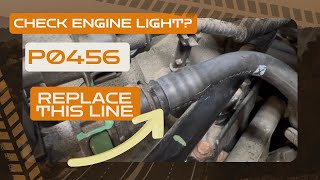
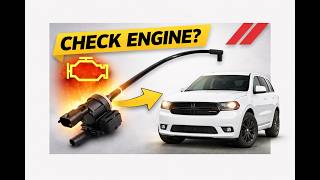
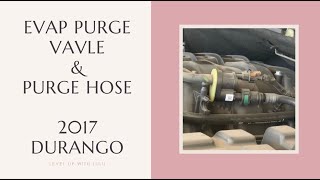
The third-generation Dodge Durango, and its platform-mate the Jeep Grand Cherokee (WK2), use an Evaporative System Integrity Monitor (ESIM) to test for leaks. This component, mounted on the charcoal canister near the driver's side rear wheel, is a frequent failure point that can trigger a P0456 code even if no physical leak exists. Additionally, a specific plastic EVAP purge hose assembly in the engine bay is known to become brittle from engine heat and crack, making it another highly common culprit for this specific vehicle. 🎬 Watch: See why this hose is the #1 failure point. Many owner repair stories and videos confirm this hose is a primary suspect.
Diagnostic Flowchart

Tap your situation to follow the diagnostic path that matches what you're seeing on this vehicle.
Symptoms You May Notice
- Check Engine Light is on.
- A faint smell of fuel (in rare cases).
- A "gascap" message may appear on the instrument cluster on some models.
- Failure to pass a state emissions test.
- Replacing the O2 sensors. O2 sensors are not related to the EVAP system.
- Replacing the catalytic converter. This is a costly repair for exhaust issues (like P0420/P0430), not EVAP leaks.
Most Likely Causes

- Cracked EVAP Purge Hose Assembly 🔴 High Probability A specific plastic hose connected to the purge valve under the engine cover is known to become brittle from engine heat and crack, especially at its connection points. This is a very common failure on both the 3.6L V6 and 5.7L V8 engines and is one of the first things to inspect.
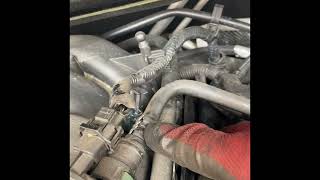
How to confirm: Remove the plastic engine cover (typically one 10mm bolt and then pull up). Visually inspect the entire purge hose assembly for visible cracks or breaks. The cracks are often found on the underside or near the quick-connect fittings. A smoke test will definitively show a leak from this hose if it's cracked.
Typical fix: Replace the entire purge hose assembly. It is sold as a single part with quick-connect fittings, making for a relatively simple DIY replacement.
Est. part cost: $30-$60 - Loose, Damaged, or Faulty Gas Cap / Capless Fuel Filler 🔴 High Probability The gas cap or the seal on the capless filler neck is the simplest point of failure for the entire sealed system. For capless systems, debris on the seal or a worn spring-loaded flapper door can cause a leak. This is often the first recommended check for any EVAP code.
How to confirm: Inspect the gas cap's rubber seal for cracks or damage. For capless systems, inspect the spring-loaded door and its seal for debris or damage. A temporary fix can be to use the emergency funnel to clean the seal. Tighten the cap until it clicks (or ensure the capless filler is clean), clear the code, and drive. If the light returns, the component may be faulty.
Typical fix: Replace the gas cap with a high-quality OEM part. For capless systems, the entire filler neck assembly may need to be replaced if cleaning doesn't solve the issue, which is a more involved repair.
Est. part cost: $15-$40 for a cap, $150-$250 for a filler neck assembly. - Faulty EVAP System Integrity Monitor (ESIM) Switch 🟡 Medium Probability The ESIM is a known high-failure part on many Dodge/Chrysler/Jeep vehicles. It contains a small weighted valve and diaphragm that can stick, get clogged with dust, or fail internally, causing the computer to incorrectly report a leak.
How to confirm: The ESIM is located on the charcoal canister, behind the driver's side rear wheel well liner. Access requires jacking up the vehicle and removing the liner. A common sign of failure is a rattling sound from a loose internal piece when the old part is shaken. A smoke test may also show smoke leaking from the switch itself.
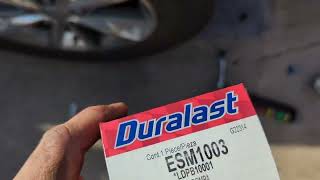
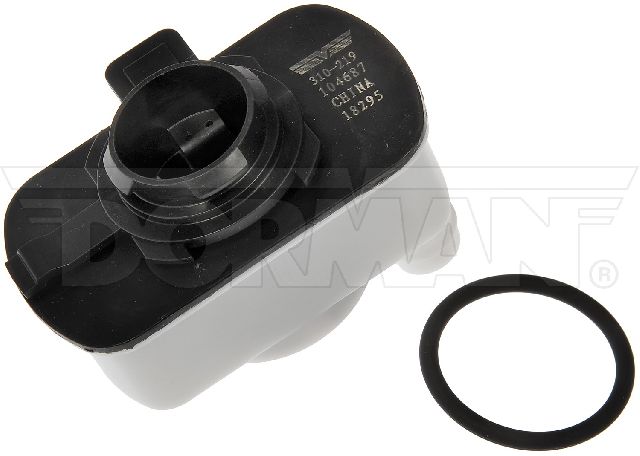
Typical fix: Replace the ESIM switch. This part twists a quarter-turn to lock and unlock from the charcoal canister. It's a common DIY repair. The Dorman 911-251 is a common aftermarket replacement. 🎬 Watch: How to diagnose a faulty ESIM switch.
Est. part cost: $20-$50 - Faulty EVAP Purge Valve/Solenoid ⚪ Low Probability The purge valve, located in the engine bay, can get stuck open or closed, creating a leak path or a flow issue. While less common than the hose cracking, it's a potential point of failure that is often replaced along with the hose.
How to confirm: With the engine off, disconnect the hose from the intake manifold side of the valve and try to blow through it. If air passes through, the valve is stuck open and needs replacement. A professional can also command it open and closed with a scan tool to test its function.
Typical fix: Replace the purge valve. It is typically held by one bolt and has two hose connections and one electrical connector.
Est. part cost: $25-$75
Rare But Worth Checking
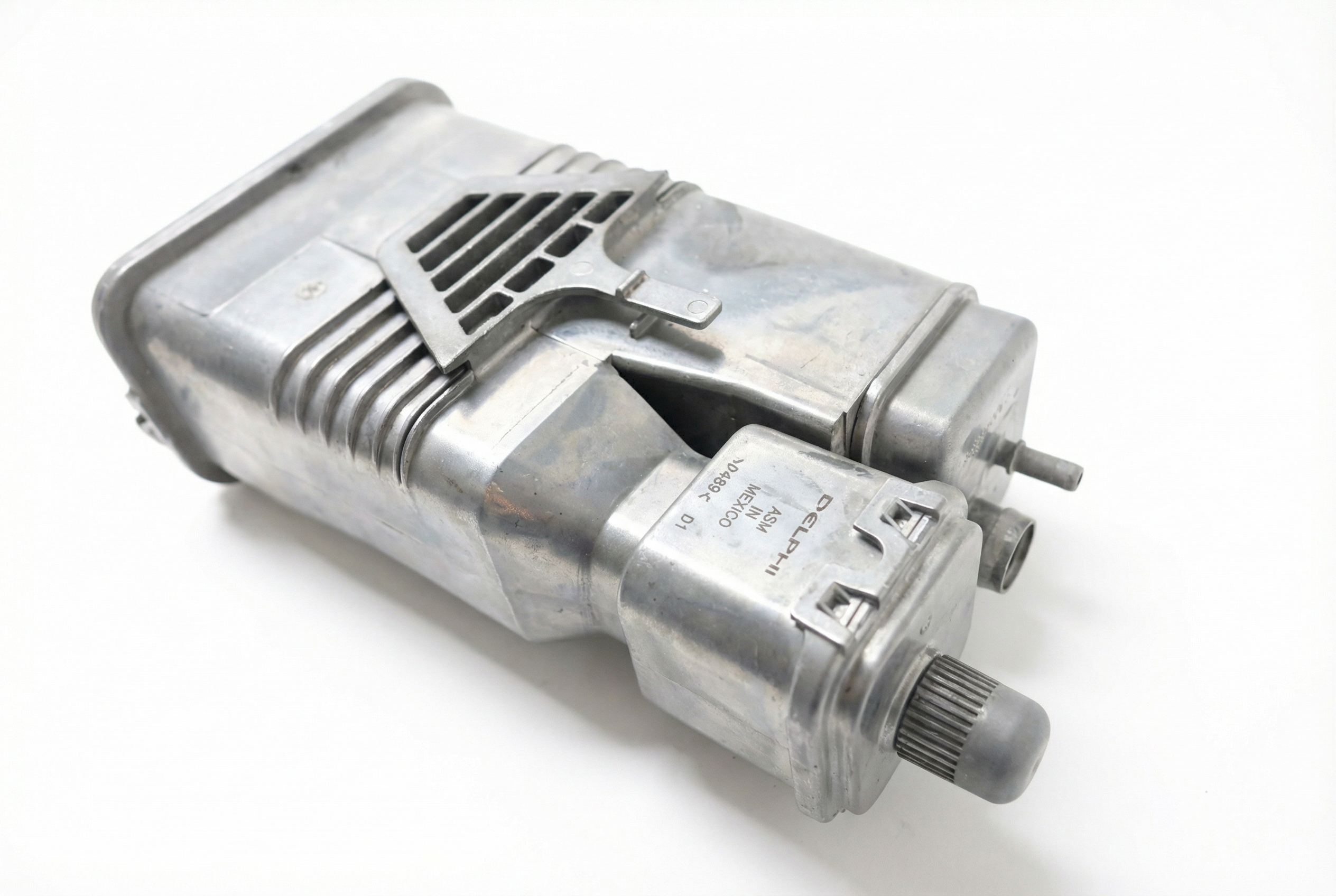
- Cracked Charcoal Canister: The plastic body of the charcoal canister can develop cracks over time, especially from road debris or physical impact. This is usually found during a smoke test when smoke is seen emitting from the canister body itself.
- Leaking Fuel Tank or Filler Neck: Rust or damage can cause small perforations in the fuel tank or the metal filler neck, leading to an EVAP leak. This is more common in regions with heavy road salt use and is best diagnosed with a smoke test. One owner on DodgeForum.com found a rusted-out fuel pump locking ring to be the culprit.
- PCM Software Update Needed: Several TSBs, including #18-055-16 REV. A, indicate that in some cases, the P0456 code can be triggered erroneously. If no physical leak can be found with a smoke test, the Powertrain Control Module (PCM) may require a software update from the dealer to correct its sensitivity.
Diagnosis Steps

- Read the code with an OBD-II scanner to confirm P0456 is present and check for any other related codes.
- Inspect the gas cap (if equipped) for a tight fit and a healthy rubber seal. For capless systems, check the filler neck opening for debris or damage. Clean the seal with a rag and use the emergency funnel to actuate the flapper door a few times.
- Clear the code and drive for a few days to see if it returns. If it does, proceed to the next step.
- Remove the plastic engine cover (usually one 10mm bolt). Carefully inspect the EVAP purge hose assembly that runs across the top of the engine. Pay close attention to the connection points and bends for any visible cracks, which may be hard to see without good lighting.
- If no obvious cracks are found, the most effective next step is a professional smoke test. A mechanic will inject low-pressure, UV-dyed smoke into the EVAP service port (often a green cap in the engine bay). 🎬 See how a professional smoke test finds hidden leaks.
- The smoke will exit from the point of the leak, making it easy to identify a cracked hose, faulty ESIM, leaking canister, or bad purge valve.
- If a smoke test reveals no leaks whatsoever, consult a dealer about TSBs related to PCM software updates for erroneous P0456 codes.
- Based on the findings, replace the identified faulty component. The most common repairs are the purge hose or the ESIM switch.
Parts You'll Likely Need
- EVAP Purge Hose Assembly
(OEM #68250915AD)— This specific hose is a very common failure point on this platform due to cracking from engine heat. The part number has been superseded multiple times (from AA, AB, AC), indicating revisions to the part.
Trusted brands: Mopar
OEM price range: $40-$60
Aftermarket price range: $25-$45 - EVAP System Integrity Monitor (ESIM) Switch
(OEM #04861959AD)— This is a known high-failure part on Chrysler/Dodge/Jeep vehicles that tests the system. It can fail internally and falsely report a leak. The OEM part number has been superseded multiple times (from AA, AB, AC).
Trusted brands: Mopar, Dorman (911-251), Standard Motor Products
OEM price range: $30-$50
Aftermarket price range: $20-$40 - Fuel Cap — A worn or damaged gas cap seal is the simplest and one of the most common causes of a small EVAP leak. Always start here if the vehicle is not capless.
Related Codes That Often Appear With This One
- P0441 — This code indicates incorrect purge flow. A cracked hose or faulty purge valve that causes P0456 can also disrupt the normal flow of vapors, triggering P0441. Several TSBs list these codes together as part of the same software or hardware issue.
- P0455 — This code indicates a large EVAP leak. What starts as a small crack (P0456) can grow larger over time, eventually being flagged by the system as a large leak.
- P0457 — This code specifically indicates a leak detected due to a loose or missing fuel cap. If the primary seal fails, this code may appear alongside P0456.
Technical Service Bulletins (TSBs) & Recalls

- 18-055-16 REV. A: Mentions P0456 for 2014-2015 models and suggests a potential PCM software update as a fix.
- 18-040-25, 1807723, 1810123: These TSBs mention P0456 alongside P0441 and instruct technicians to use the wiTECH Small Leak Verification Test (SLVT) to confirm a leak.
- 18-005-16 REV. A: While for a different vehicle (Dodge Dart), it shows a pattern of FCA using software updates to address erroneous P0456 codes.
Platform-Specific Known Issues
- Multiple Technical Service Bulletins (TSBs) have been issued by Dodge that mention P0456. TSB #18-055-16 REV. A specifically notes that for 2014-2015 models, a P0456 code might be resolved by a PCM software update, not a physical part replacement.
- The brittle EVAP purge hose is extremely common. Numerous YouTube videos and forum posts detail this specific repair.
- For models with a capless fuel filler, a leaking seal on the filler neck itself can cause P0456, requiring a more complex replacement of the entire filler neck assembly.
Mechanic-Grade Diagnostic Values
- EVAP Purge Valve/Solenoid State (Engine Off) — expected: Normally Closed. No air should pass when blowing through the valve.. Failure: If air can be blown through the valve with no power applied, it is stuck open and faulty.
- EVAP Pressure Sensor Voltage (during PCM self-test) — expected: The PCM verifies the sensor voltage falls within a 0.5–4.5 V range.. Failure: Voltage outside this range may indicate a faulty sensor or wiring issue, though this is less common for a P0456 code.
Scan Tool Commands That Help
- wiTECH (or equivalent professional scan tool): EVAP System Small Leak Verification Test (SLVT) — This is the manufacturer-specified diagnostic routine to confirm the presence of a small leak. Multiple TSBs recommend running this test to verify a P0456 condition before proceeding with physical inspection. [18-040-25, 1807723, 1810123, 1809519, 1804823]
- Professional Scan Tool: Purge Valve Actuation / Command — Used to manually open and close the purge valve to check for a response (an audible click) and to seal the system for a smoke test. This verifies if the solenoid is functional or stuck.
- Professional Scan Tool: Vent Valve / Solenoid Toggle — Used to command the vent valve (located on the charcoal canister) closed during a smoke test. The system must be sealed by closing the vent valve to build pressure and find leaks.
Wiring & Ground Locations
- EVAP Purge Valve / Solenoid — Located in the engine bay, on top of the engine, with one electrical connector and two hoses attached. It's easily accessible after removing the plastic engine cover.. This component is commanded by the PCM to control vapor flow. A faulty valve can cause a leak. The wiring harness to this valve can be damaged by engine heat or mis-routing, causing control issues.
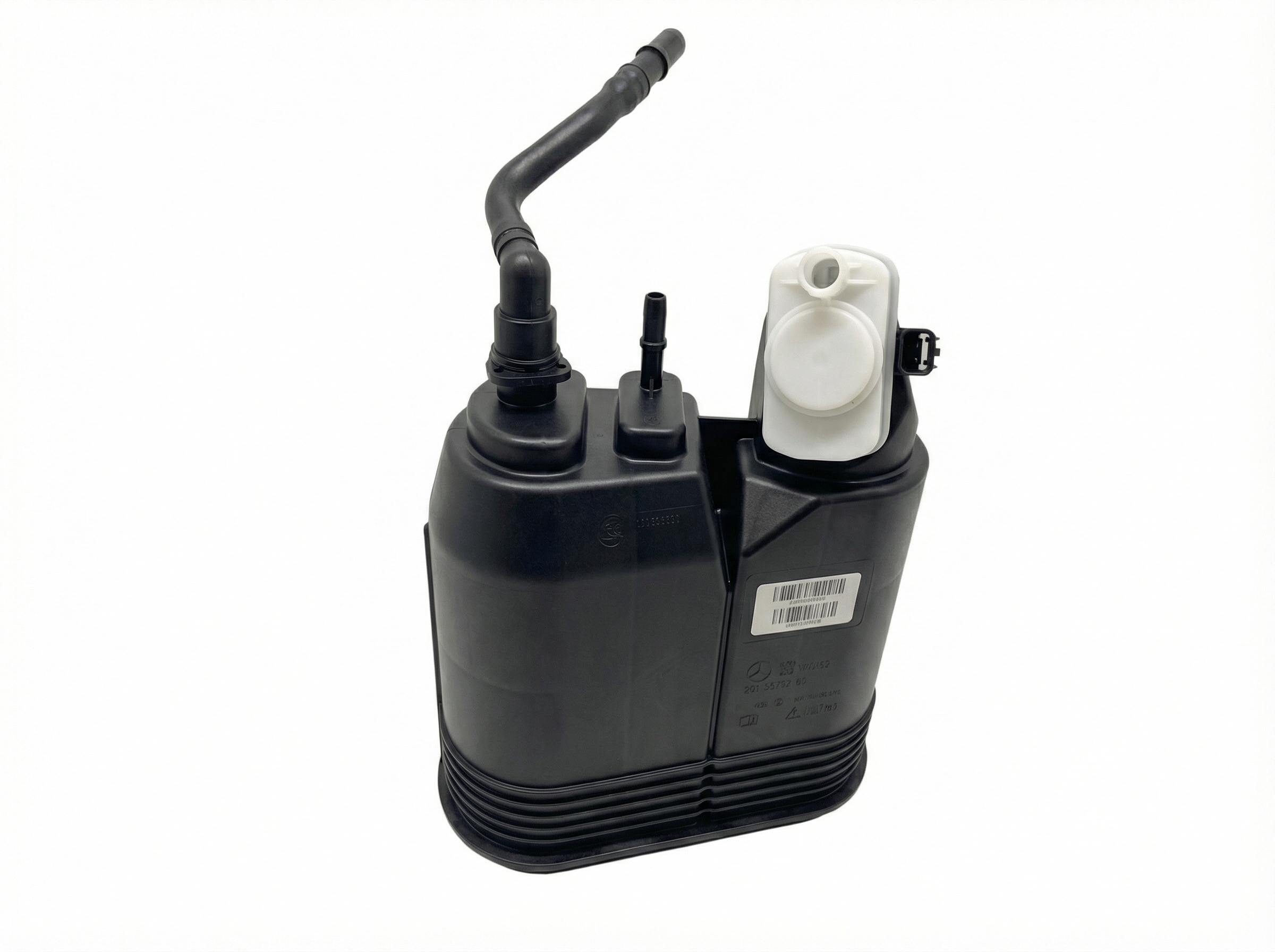
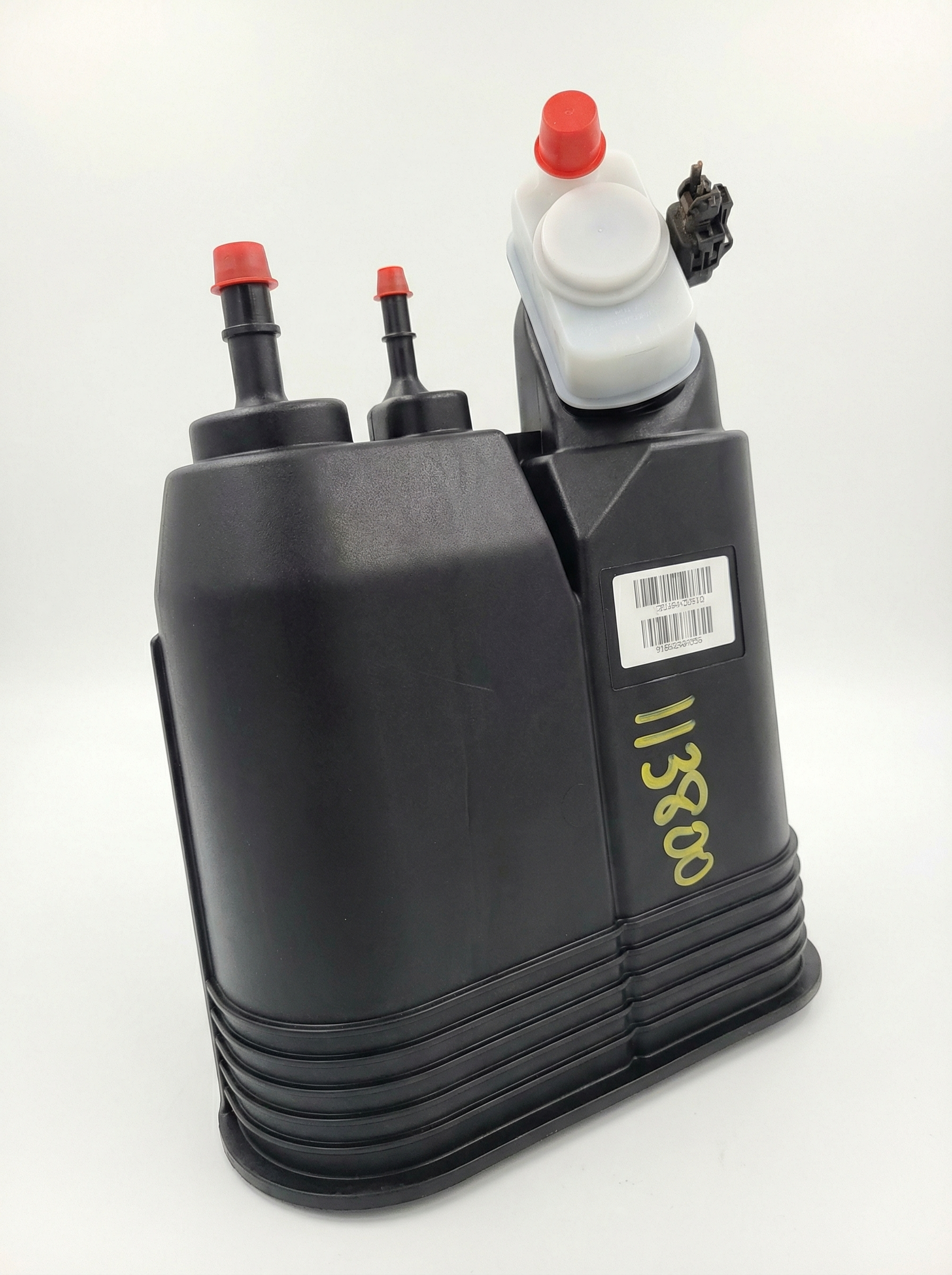
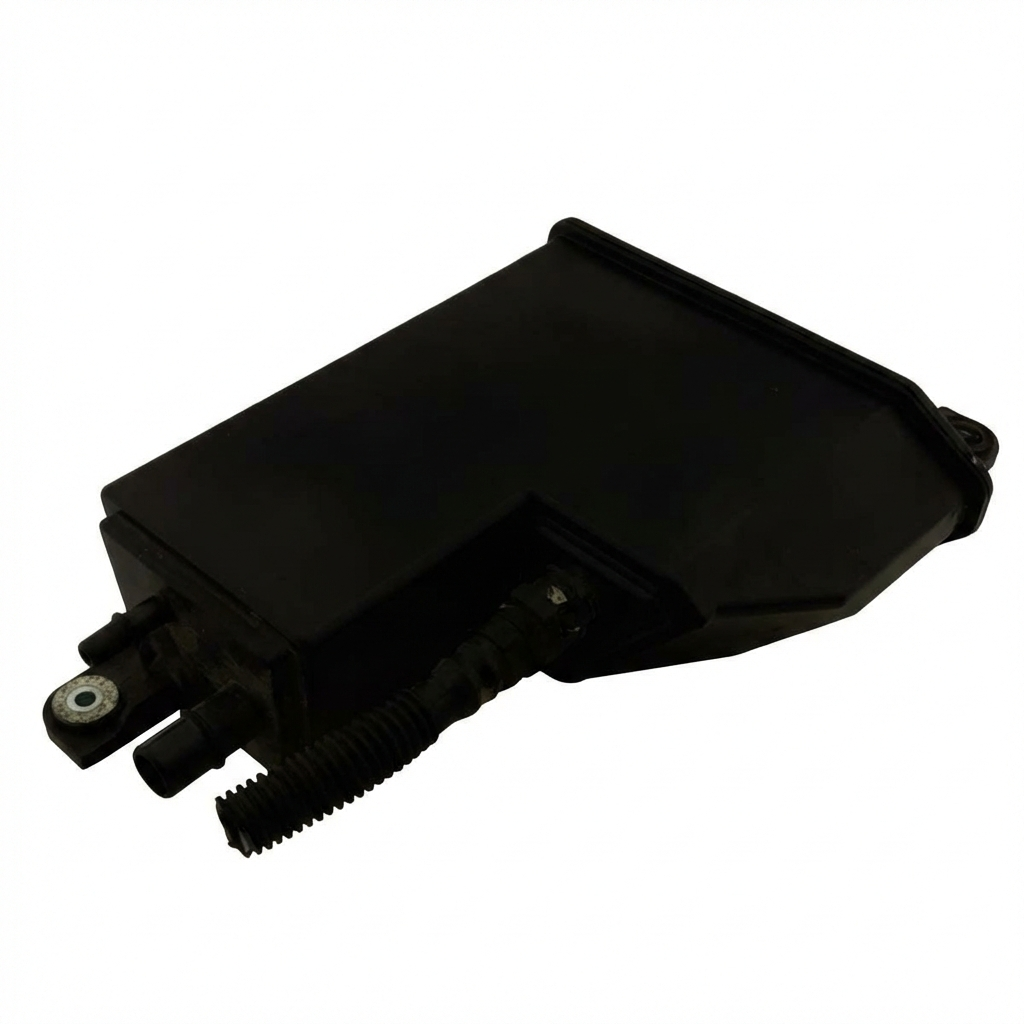
- EVAP System Integrity Monitor (ESIM) / Leak Detection Pump — Located on the charcoal canister, which is found behind the wheel well liner of the driver's side rear wheel.. This is the primary sensor that detects the leak. It has an electrical connector and is directly mounted to the canister. Damage to its wiring or a poor connection can cause false codes or prevent the system from operating correctly.
- General Wiring Harness Inspection — Along the entire EVAP system path, from the engine bay to the rear of the vehicle.. Service manual procedures recommend inspecting the wiring and connectors for any chafed, pierced, pinched, or broken wires, as well as bent or corroded terminals, as these can mimic component failure.
Real Owner Repair Stories
- YouTube channel 'Wise' (2016 Dodge Durango 3.6L) — P0456 (EVAP System Small Leak)
❌ Tried (didn't work) Initial visual inspection was inconclusive until the engine cover was removed.
✅ What actually fixed it The EVAP purge hose assembly under the engine cover had a visible crack. The owner replaced the hose assembly and, as a preventative measure, also replaced the purge valve. This resolved the code. - YouTube channel 'Gearmo Auto' (2019 Dodge Durango 5.7L with 56,000 miles) — P0456 (Small leak detected) and P0440 (EVAP System)
❌ Tried (didn't work) The technician did not perform a smoke test, stating high confidence in the common failure part.
✅ What actually fixed it The technician immediately replaced the EVAP System Integrity Monitor (ESIM) / leak detection pump located behind the driver's side rear fender liner. After clearing the codes, the vehicle was driven to run all monitors and it passed a smog test, confirming the fix. - YouTube channel 'The Joy of Wrenching' (2017 Dodge Durango GT 3.6L) — P0456 (EVAP small system leak)
❌ Tried (didn't work) Checking the capless fuel filler, which was not the source of the leak.
✅ What actually fixed it A smoke test revealed two separate leaks. The first was the common cracked EVAP purge hose assembly on top of the engine. The second, less obvious leak was from a cracked PCV hose. Both hoses were replaced to resolve the issue. - YouTube channel 'Fix It All' (2018 Dodge Durango 3.6L) — P0456 (very small leak)
❌ Tried (didn't work) The owner had previously replaced the ESIM/canister for a P0440 code, but a new P0456 code appeared later.
✅ What actually fixed it Upon inspection, the plastic purge hose assembly behind the purge valve was found to be broken at the connector. Replacing the entire hose assembly (Part #68250915AD) and clearing the code resolved the check engine light.
"I Checked Everything" — The Actual Cause
- A smoke test is designed to find physical leaks where smoke can escape. However, the P0456 code can be set without an actual external leak. The EVAP System Integrity Monitor (ESIM) can fail its internal self-test due to a stuck weight or a faulty diaphragm. In this scenario, the system is perfectly sealed (a smoke test would be clean), but the PCM logs a P0456 code because the ESIM incorrectly reports a failure to seal. This is a common reason for replacing the ESIM even when no smoke is found. Similarly, if no leak is found, the issue could be the PCM's software sensitivity, requiring a dealer update as noted in TSBs.
OEM Part Supersession History
68250915AA, 68250915AB, 68250915AC→68250915AD— This is the EVAP Purge Hose Assembly that frequently cracks. The multiple revisions suggest Mopar has attempted to improve the material or design to resist heat and brittleness over time.4861959AA, 4861959AB, 4861959AC, 52855827AA, 52855827AB→04861959AD— This is the EVAP System Integrity Monitor (ESIM) switch. The extensive list of superseded part numbers indicates a high failure rate and multiple design revisions to improve reliability and prevent internal failures that cause false leak codes.
Model Year Variations Within This Range
- 2014-2019: The 2014 model year introduced a significant refresh, including updated styling and an 8-speed automatic transmission. While core EVAP components remained largely the same, some vehicles in this range began using a capless fuel filler system. For these models, the 'check gas cap' step of diagnosis changes to 'inspect the capless filler neck seal for debris or damage'.
Helpful Videos
Used OEM Parts in Stock

New Aftermarket Parts Available


The information in this article is provided for general reference and educational purposes only. Vehicle specifications, procedures, and part compatibility can vary by production date, trim level, and region. Always consult your vehicle's factory service manual and verify part numbers before purchasing or performing repairs. Safety-critical components such as airbags, seat belts, and braking systems should be installed by a qualified professional.
- Dodge DURANGO:
- 🎬 Helpful Videos
- 🛍️ Shop This Part
- What's Unique About the 2012-2019 Dodge DURANGO
- Diagnostic Flowchart
- Symptoms You May Notice
- Most Likely Causes
- Rare But Worth Checking
- Diagnosis Steps
- Parts You'll Likely Need
- Related Codes That Often Appear With This One
- Technical Service Bulletins (TSBs) & Recalls
- Platform-Specific Known Issues
- Mechanic-Grade Diagnostic Values
- Scan Tool Commands That Help
- Wiring & Ground Locations
- Real Owner Repair Stories
- "I Checked Everything" — The Actual Cause
- OEM Part Supersession History
- Model Year Variations Within This Range
- 🎟️ Get 5% Off