

P0456 on 2012-2019 Dodge Charger: EVAP Small Leak Causes and Fixes
For a 2012-2019 Dodge Charger, code P0456 is most often caused by a loose or faulty gas cap. If a new, OEM-quality gas cap doesn't fix it, the next most likely culprit is the Evaporative System Integrity Module (ESIM) switch, located on the charcoal canister behind the passenger-side rear wheel well.
- P0456 on a Dodge Charger indicates a very small leak in the emissions system and is not a serious mechanical issue.
- Always start by inspecting and tightening the gas cap. If that doesn't work, replacing it with an OEM Mopar cap is the cheapest and easiest next step.
- If the gas cap isn't the problem, the Evaporative System Integrity Module (ESIM) on the charcoal canister is the next most likely culprit.
- A professional smoke test is the fastest way to find the leak if it's not one of the common components.
- Ignoring the code will result in a failed emissions test.
What's Unique About the 2012-2019 Dodge CHARGER

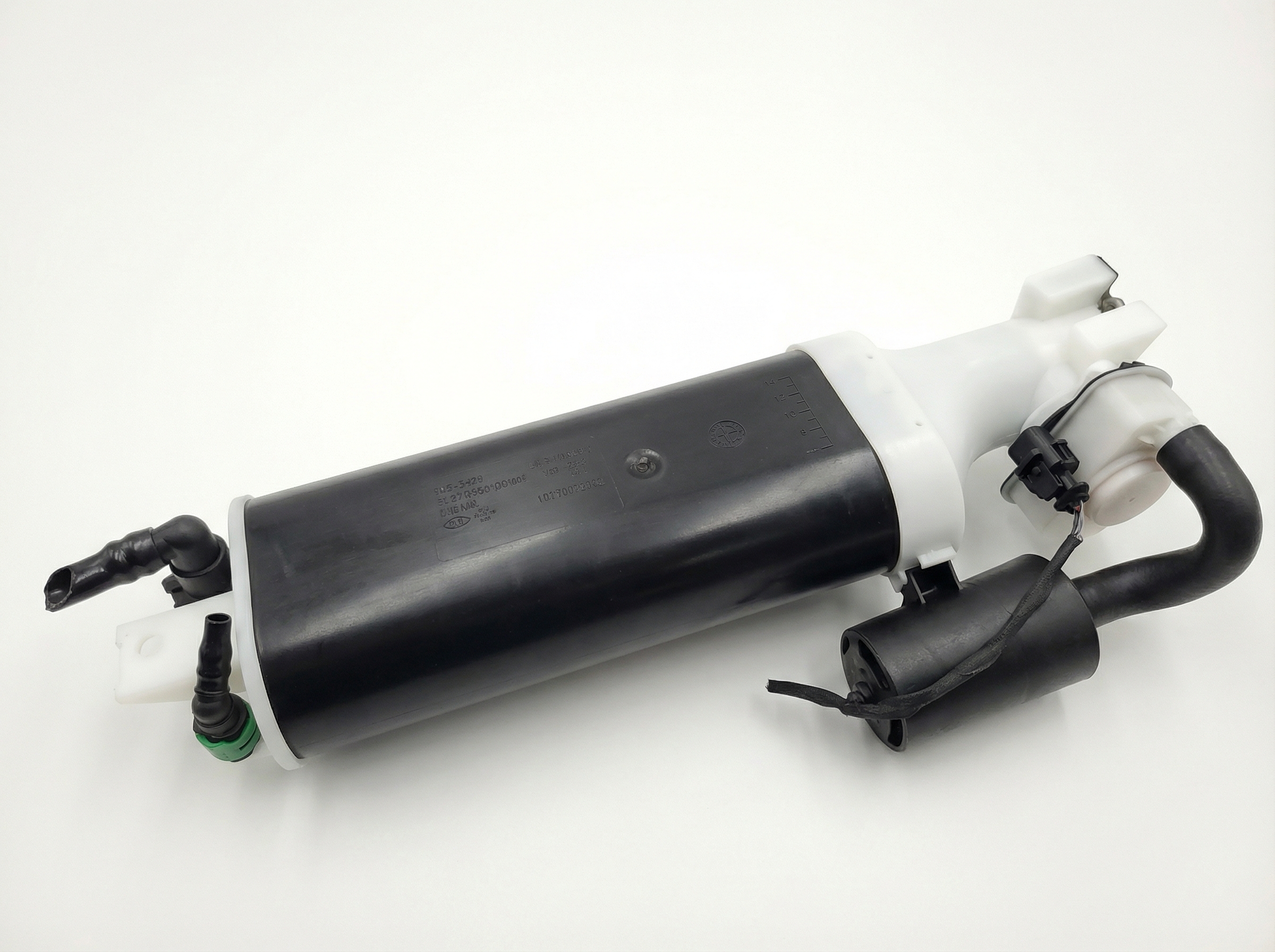
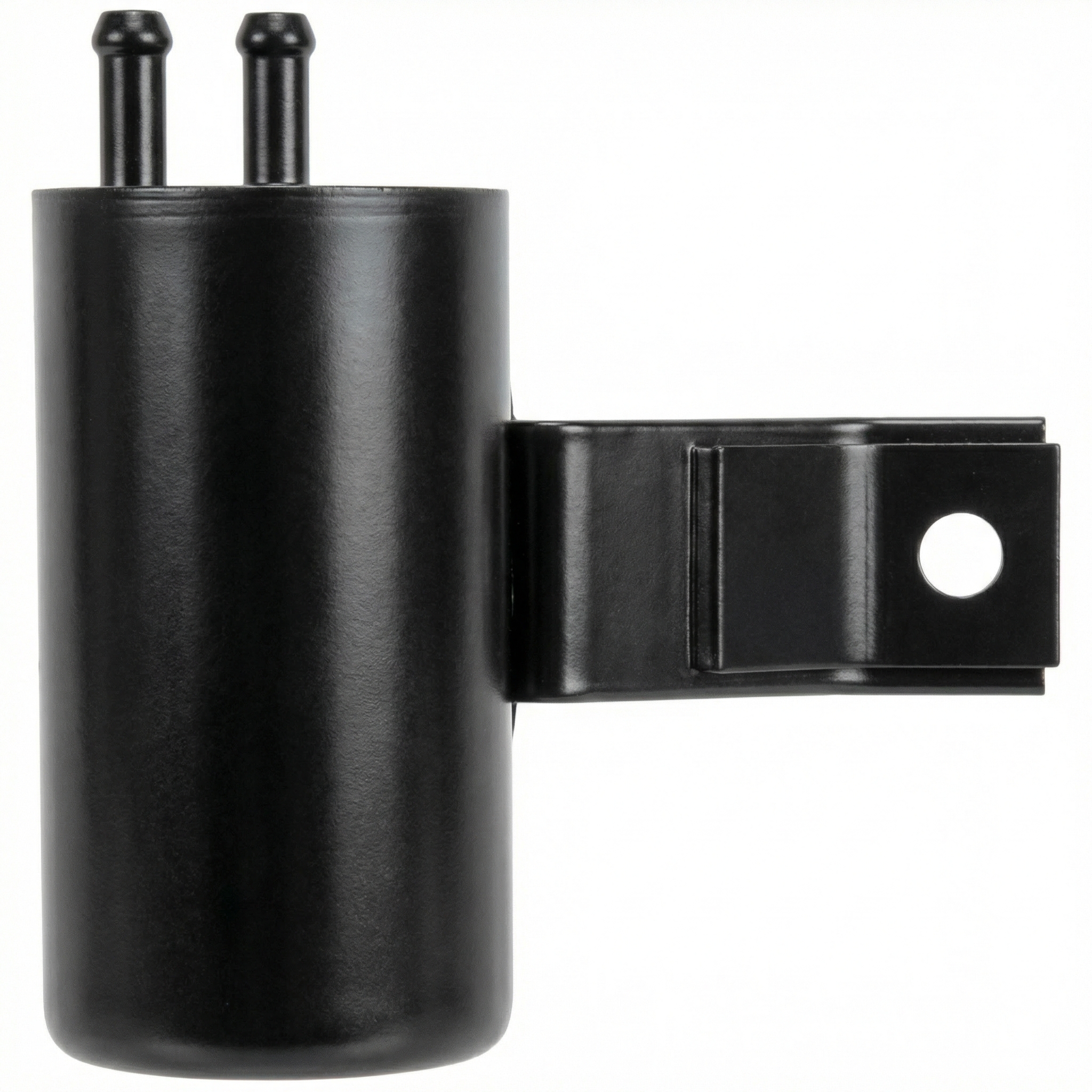
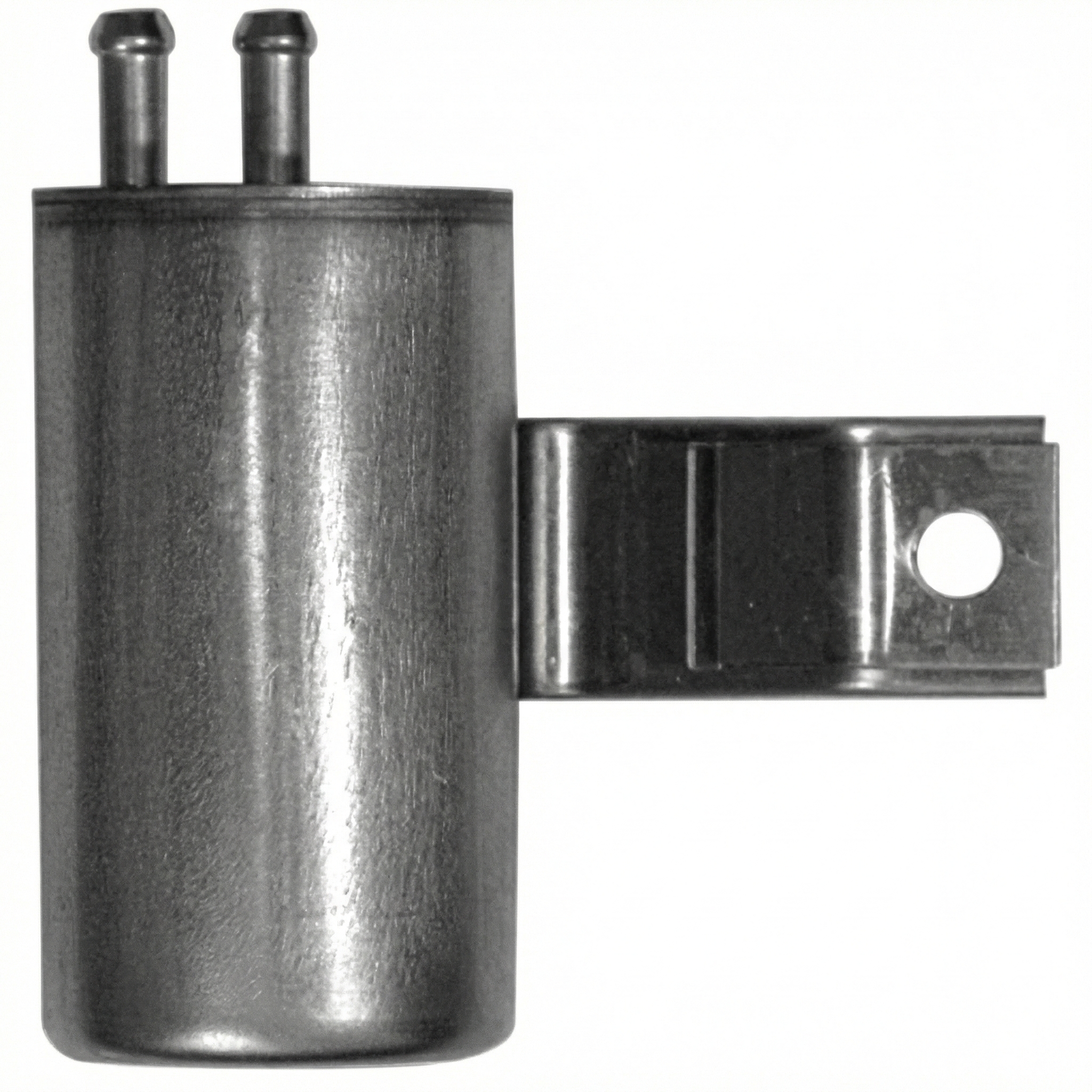
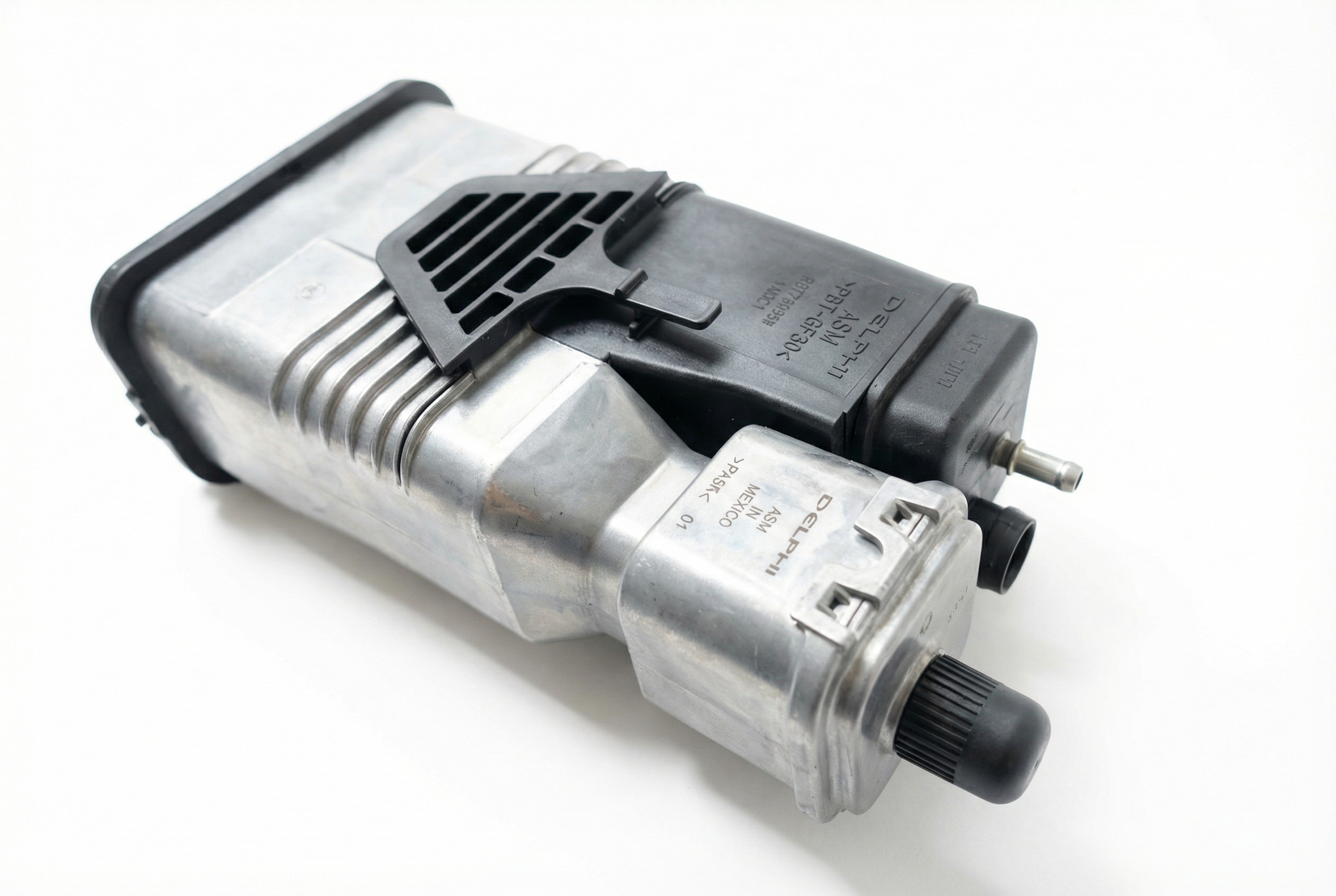
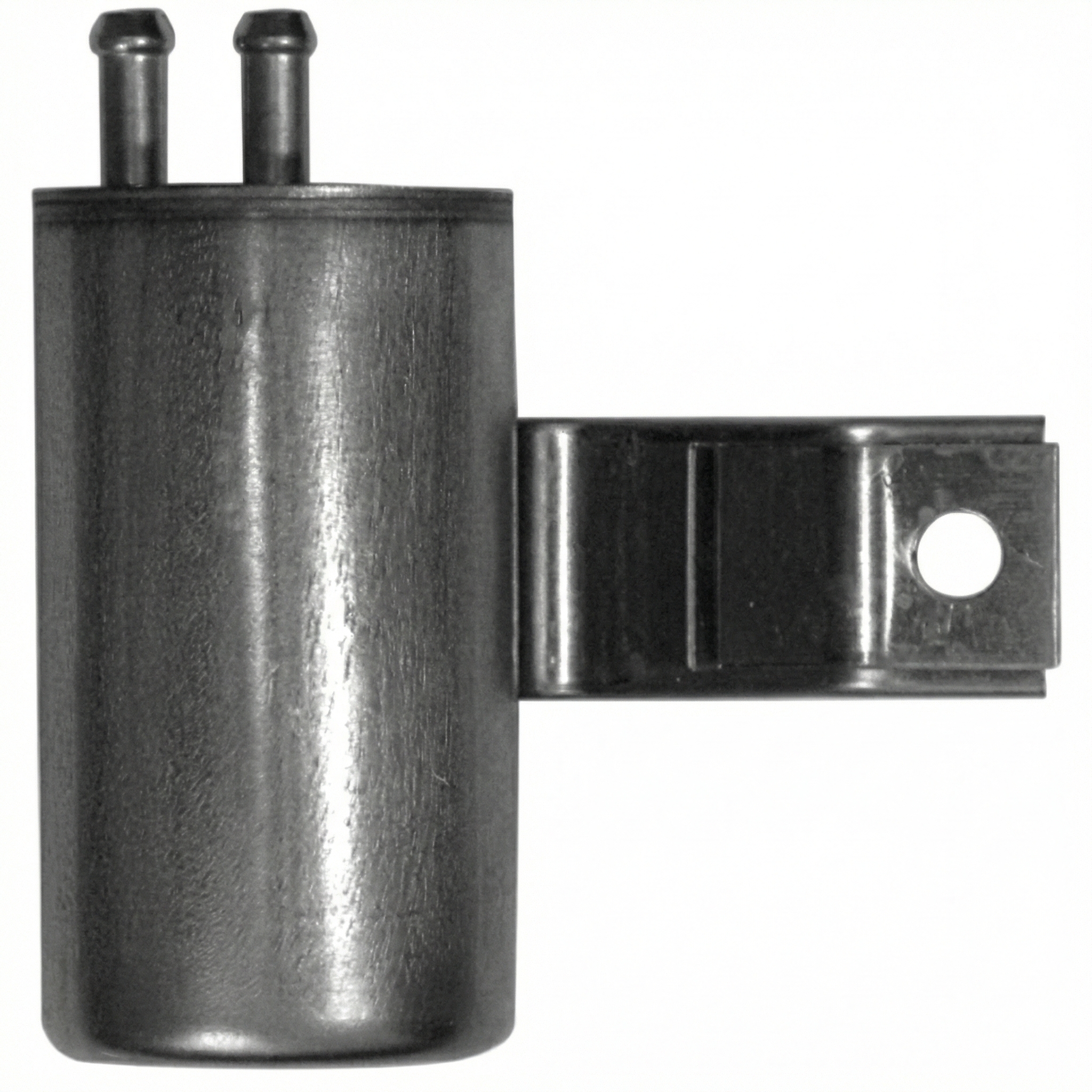
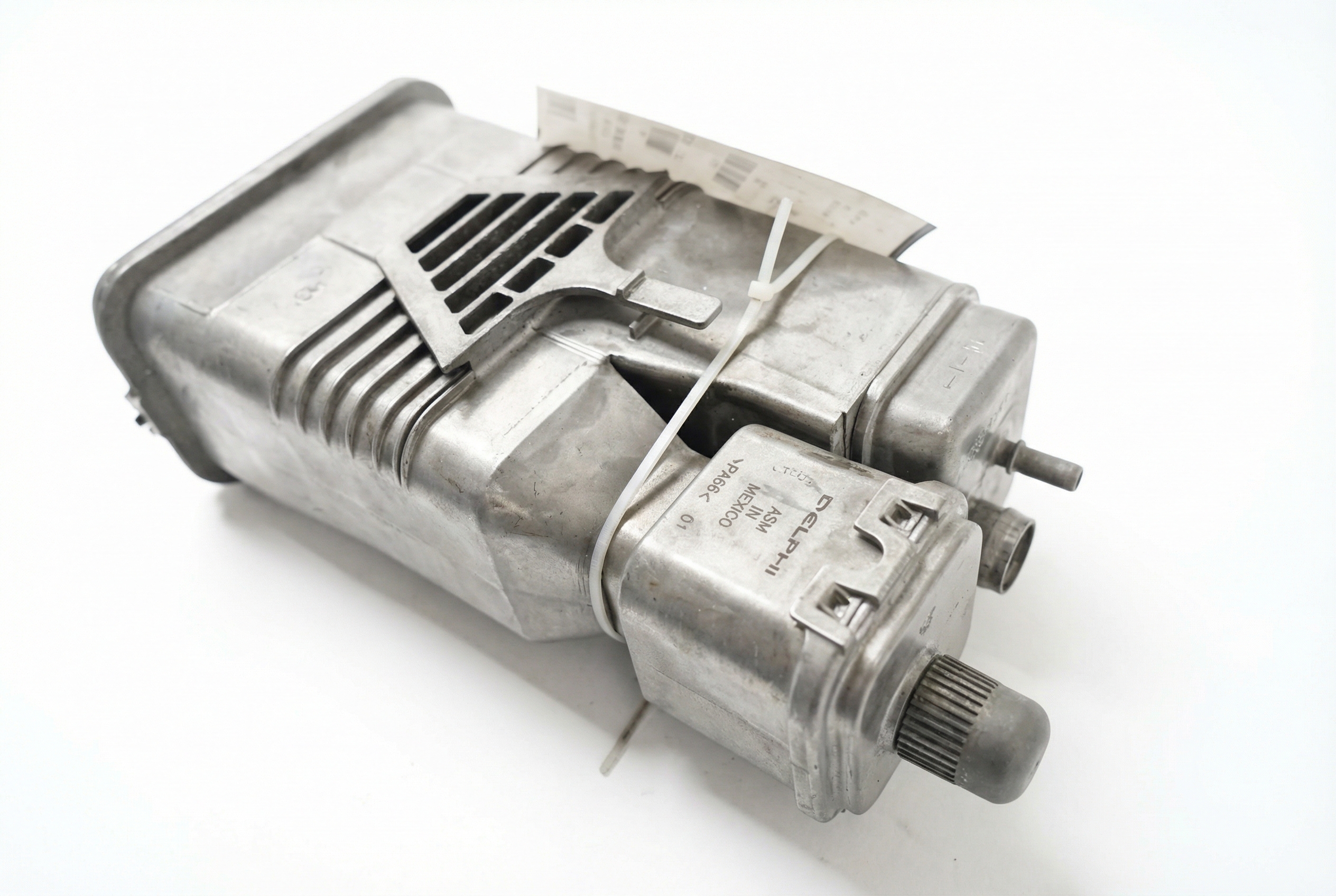
On this generation of Dodge Charger and its platform mates (Chrysler 300, Dodge Challenger), a very common failure point that triggers a P0456 code is the Evaporative System Integrity Module (ESIM). While the gas cap is always the first thing to check, many owners and even Dodge service advisors report that the ESIM is the more frequent cause. The ESIM is a mechanical switch mounted directly to the charcoal canister that is responsible for sealing the system for pressure tests. Its internal weights and seals can fail or get clogged with debris, causing it to either get stuck or incorrectly report a leak.
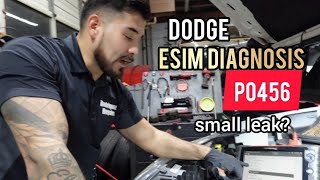
🎬 Watch: How to diagnose a faulty ESIM small leakDiagnostic Flowchart

Tap your situation to follow the diagnostic path that matches what you're seeing on this vehicle.
Symptoms You May Notice
- Check Engine Light is on
- A "Loose Fuel Cap" or "gascap" message may appear on the dashboard
- A faint smell of gasoline, though this is rare with a small leak
- In rare cases, if the purge valve is the cause, it can lead to other issues like a lean fuel mixture or misfires.
- Replacing the purge valve when the issue is the gas cap or ESIM.
- Replacing the entire charcoal canister when only the attached ESIM has failed.
- Repeatedly replacing the gas cap with aftermarket parts instead of an OEM Mopar part.
Most Likely Causes

- Loose or Faulty Gas Cap 🔴 High Probability This is the most common cause for any vehicle. The rubber O-ring on the cap can crack and degrade over time, preventing a proper seal. Using an aftermarket gas cap is a frequent source of this code, as they often do not seal as well as the OEM part.
How to confirm: Inspect the gas cap's rubber seal for any cracks, stiffness, or damage. Ensure you tighten it until it clicks at least three times after refueling. Check the fuel filler neck for rust or debris that could prevent a good seal. Some owners apply a thin layer of petroleum jelly to the seal as a temporary test to see if it resolves the code.
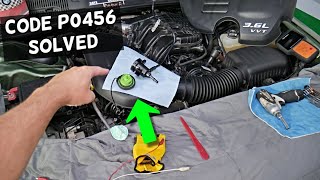
Typical fix: Replace the gas cap. 🎬 See this walkthrough for fixing a P0456 code It is highly recommended to use an OEM Mopar part, as many aftermarket caps are known to cause sealing issues. After replacing, you must clear the code and drive for a few days to allow the EVAP monitor to run its self-test.
Est. part cost: $20-$40 - Faulty Evaporative System Integrity Module (ESIM) / Leak Detection Pump 🔴 High Probability The ESIM is a known weak point on many Chrysler/Dodge vehicles of this era. It contains weights and switches that can fail or get clogged with dust and debris, leading to a false leak detection or an inability to seal the system. Many owners report this as the definitive fix after a new gas cap fails to solve the problem.
How to confirm: The ESIM is located on the charcoal canister, accessible by removing the passenger-side rear wheel and wheel well liner. Diagnosis often involves substitution, as testing the switch mechanism is difficult without specialized tools. A smoke test may not show a leak if the ESIM itself is faulty, as it's reporting a leak that isn't there.
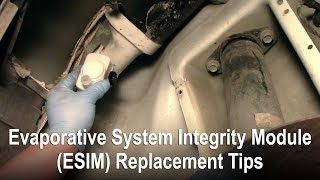
Typical fix: Replace the ESIM. It twists into the charcoal canister with a quarter-turn. The old seal should be cleaned off the canister and a new seal (usually included with the new ESIM) must be installed. This is a common DIY repair that takes about an hour. 🎬 Watch: Pro tips for replacing your ESIM module
Est. part cost: $30-$60 - Cracked or Disconnected EVAP Hoses 🟡 Medium Probability The plastic and rubber hoses in the EVAP system can become brittle and crack over time due to heat and exposure to the elements. A common failure point is the plastic line running to the purge valve in the engine bay.
How to confirm: A visual inspection of all accessible EVAP lines, especially near the engine (purge valve) and around the charcoal canister in the rear. The most definitive way to find a leak is with a smoke machine, which forces smoke into the system to reveal the leak's location. One owner found a cracked hose near the fuel pump assembly under the rear seat.
Typical fix: Replace the cracked section of hose. In some cases, a small crack can be repaired with fuel-rated hose and clamps. The purge valve line is often sold as a complete assembly.
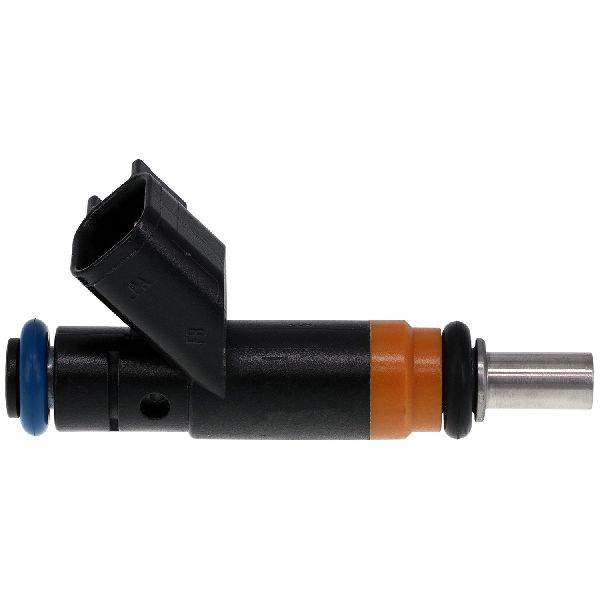
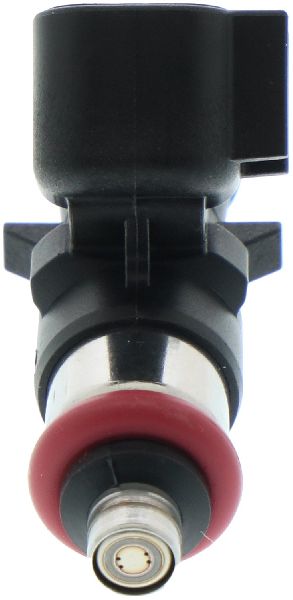
Est. part cost: $10-$100 - Faulty EVAP Purge Valve/Solenoid ⚪ Low Probability The purge valve, located in the engine bay, controls the flow of fuel vapors to the engine. It is normally closed and can get stuck slightly open, causing a leak that the system detects during its self-test.
How to confirm: With the engine off, remove the purge valve and try to blow through it. If air passes through, it is stuck open and needs to be replaced. The valve is typically located on the top of the engine or on the side of the intake manifold.
Typical fix: Replace the purge valve. This is typically an easy repair involving disconnecting two hoses and an electrical connector.
Est. part cost: $25-$70
Rare But Worth Checking
- Cracked Charcoal Canister: The canister itself can develop cracks, usually from physical damage like bottoming out the car or from age. This is less common than component failure but should be checked if a smoke test shows smoke coming from the canister body itself.
- Faulty Fuel Tank Pressure Sensor: This sensor provides pressure readings to the computer. If it fails and sends incorrect data, it can trick the computer into thinking there's a leak. This will usually be accompanied by other codes.
- Leaking Fuel Tank Gasket: The gasket for the fuel pump sending unit on top of the fuel tank can degrade and cause a leak. This may be accompanied by a stronger fuel smell inside the cabin, especially after refueling.
Diagnosis Steps

- Read the code with an OBD-II scanner to confirm P0456 is present.
- Inspect the gas cap. Remove it, check the seal for cracks or damage, and reinstall it, ensuring it clicks several times. Also inspect the filler neck for corrosion.
- Clear the code using the scanner. Drive the vehicle for a few days to see if the code returns. The EVAP monitor test often runs under specific conditions (e.g., fuel tank between 15-85% full, after the car has sat overnight).
- If the code returns, consider replacing the gas cap with a new OEM Mopar part, even if the old one looks okay.
- If a new OEM cap does not fix the issue, the next most likely part to replace is the ESIM/Leak Detection Pump on the charcoal canister.
- If the code still persists, perform a thorough visual inspection of all EVAP hoses and lines from the engine bay to the fuel tank for any visible cracks or disconnections. Pay close attention to the purge valve lines in the engine bay.
- Test the purge valve in the engine bay to see if it's stuck open.
- If the leak cannot be found visually, the most effective method is to have a professional perform a smoke test. This will pressurize the system with visible smoke, pinpointing the exact location of the small leak.
Parts You'll Likely Need
- Fuel Cap
(OEM #5278632AG)— The seal wears out over time, making it the most common failure point for the EVAP system. Aftermarket caps are a frequent cause of persistent codes.
Trusted brands: Mopar
OEM price range: $25-$40
Aftermarket price range: $15-$25 - Evaporative System Integrity Module (ESIM)
(OEM #4861962AD)— This switch is a known high-failure item on Dodge vehicles and is the second most likely cause of P0456 after the gas cap. The part number has been superseded multiple times (from AA, AB, AC).
Trusted brands: Mopar, Standard Motor Products, Dorman
OEM price range: $40-$75
Aftermarket price range: $30-$50 - EVAP Purge Valve / Solenoid
(OEM #4891731AA)— Can get stuck open, creating a constant small leak in the system. While less common than the gas cap or ESIM, it's a frequent enough failure to be considered a primary suspect.
Trusted brands: Mopar, Bosch, Delphi
OEM price range: $50-$80
Aftermarket price range: $25-$50
Related Codes That Often Appear With This One
- P0455 — EVAP System Large Leak Detected. This can sometimes appear with P0456 if the leak is intermittent or on the borderline between small and large, or if there are multiple leak sources.
- P0457 — EVAP System Leak Detected (Fuel Cap Loose/Off). This code specifically points to the gas cap area and often appears alongside P0456 if the cap is the culprit.
Technical Service Bulletins (TSBs) & Recalls
- 1806522
- 1804823
- 1807020
- 1807320
Platform-Specific Known Issues
- The ESIM (Evaporative System Integrity Module) is a very common failure point for P0456 on the 2012-2019 Charger. It is located on the charcoal canister behind the passenger rear wheel well liner. A Reddit thread with a user identifying as a 10+ year Dodge Service advisor stated the ESIM is 'hardly ever the gas cap' on these models.
Mechanic-Grade Diagnostic Values
- EVAP Canister Purge Valve Resistance — expected: 30 to 38 ohms (when engine is cool). Failure: A reading outside this range indicates a faulty valve coil.
- EVAP Canister Vent Solenoid Resistance — expected: 48 to 65 ohms. Failure: A reading outside this range suggests the solenoid coil is bad.
- Fuel Tank Pressure (FTP) Sensor Voltage (Key On, Engine Off) — expected: Approximately 1.5 volts at atmospheric pressure (e.g., with gas cap off). The sensor receives a 5V reference and ground from the PCM.. Failure: Voltage stuck at 0V or 5V indicates a wiring issue or a failed sensor. If voltage does not change when a slight vacuum is applied with a hand pump, the sensor is bad.
Scan Tool Commands That Help
- wiTECH (Dealer Scan Tool): Small Leak Verification Test (SLVT) — For 2013+ models, this is a definitive test to confirm or deny the presence of a small leak. It uses the fuel tank pressure sensor and ESIM to run a 5-minute vacuum test. It is more accurate than a standard pressure/smoke test because it better replicates the conditions under which the PCM runs its own monitor. This test can identify leaks that a standard smoke test might miss.
Wiring & Ground Locations
- EVAP System Fuses (Front Fuse Box) — In the fuse box on the passenger side of the engine compartment.. Power for EVAP components runs through this box. Specifically, check fuses F31, F34, F35, F37, and relay 63 as they are related to engine management and the EVAP system.
- EVAP System Relays (Rear Fuse Box) — In the trunk, behind the battery.. This fuse box contains relays that control EVAP system functions. Specifically, check relays 14 and 29.
- Fuel Tank Pressure (FTP) Sensor Connector — Typically located on the fuel pump assembly on top of the fuel tank, accessible from under the rear seat.. This 3-wire connector provides the sensor with a 5V reference, ground, and returns a signal to the PCM. Checking for 5V here is a key diagnostic step.
Real Owner Repair Stories
- YouTube comment by 'HVAC Mechanic' (2014 Dodge Charger SXT) — Persistent P0456 Check Engine Light.
❌ Tried (didn't work) Replacing the vapor canister purge valve (in the engine bay).
✅ What actually fixed it Replacing the 'vapor Leak detection pump' (the ESIM) located on the charcoal canister in the passenger rear wheel well. The light went off the day after the repair. - Reddit user MrMatrixaplix in r/Challenger (Dodge Challenger (same platform)) — P0456 EVAP Small Leak code.
❌ Tried (didn't work) Replacing the gas cap., Replacing the purge valve under the hood.
✅ What actually fixed it Replacing the ESIM (Evaporative System Integrity Module) with a Dorman 310-215 part. The user noted the original was 'completely broken inside'. - Reddit user CraigNdayday in r/Challenger (Dodge Charger/Challenger platform) — P0456 code.
❌ Tried (didn't work) Implied that replacing the gas cap is a common but incorrect first step.
✅ What actually fixed it The user, a self-identified 10+ year Dodge Service Advisor, stated, 'Just to save you time and money. Replace the ESIM or Evaporative System Integrity Module and the green seal on it. I've been a Dodge Service advisor for 10+ years.'
"I Checked Everything" — The Actual Cause
- A known failure pattern on 2013+ models is for the vehicle to pass a standard shop smoke/pressure test but still have a legitimate P0456 code. This happens because the shop test uses positive pressure, while the onboard diagnostic monitor runs under a slight vacuum as the vehicle sits and cools. A very small leak may not show under pressure but will fail the PCM's vacuum test. In these cases, the dealer-level wiTECH scan tool's 'Small Leak Verification Test' (SLVT) is required to accurately diagnose the fault, as it mimics the vehicle's own testing procedure.
When the Usual Fixes Don't Work
- While the gas cap is the most cited cause for P0456 on most vehicles, multiple technicians and owners specializing in this Dodge platform report that the ESIM is the more frequent point of failure. One user identifying as a long-time Dodge service advisor stated it's 'hardly ever the gas cap' on these models and that the ESIM and its seal should be the primary suspect if the cap is tight. Multiple owner stories confirm fixing the code by replacing the ESIM after a new gas cap and even a new purge valve failed to resolve the issue.
OEM Part Supersession History
4861962AA, 4861962AB, 4861962AC, 4891685AA, 4891685AB→04861962AD— Part has been revised and updated by the manufacturer over time to improve reliability.
Heads up: The newest part number (4861962AD) is the correct replacement for all previous versions on the specified vehicles.04627694AA→4627694AB— Manufacturer revision of the EVAP Purge Solenoid.
Model Year Variations Within This Range
- 2013-2019: Models from 2013 and newer have a specific diagnostic routine in the dealer-level wiTECH scan tool called the 'Small Leak Verification Test' (SLVT). This test is more reliable for confirming a P0456 leak than a standard smoke test because it uses a vacuum-based method similar to the one the PCM uses to set the code.
Helpful Videos
Used OEM Parts in Stock
New Aftermarket Parts Available


The information in this article is provided for general reference and educational purposes only. Vehicle specifications, procedures, and part compatibility can vary by production date, trim level, and region. Always consult your vehicle's factory service manual and verify part numbers before purchasing or performing repairs. Safety-critical components such as airbags, seat belts, and braking systems should be installed by a qualified professional.
- Dodge CHARGER:
- 🎬 Helpful Videos
- 🛍️ Shop This Part
- What's Unique About the 2012-2019 Dodge CHARGER
- Diagnostic Flowchart
- Symptoms You May Notice
- Most Likely Causes
- Rare But Worth Checking
- Diagnosis Steps
- Parts You'll Likely Need
- Related Codes That Often Appear With This One
- Technical Service Bulletins (TSBs) & Recalls
- Platform-Specific Known Issues
- Mechanic-Grade Diagnostic Values
- Scan Tool Commands That Help
- Wiring & Ground Locations
- Real Owner Repair Stories
- "I Checked Everything" — The Actual Cause
- When the Usual Fixes Don't Work
- OEM Part Supersession History
- Model Year Variations Within This Range
- 🎟️ Get 5% Off