

P0456 on 2012-2014 Dodge Avenger: EVAP Small Leak Causes and Fixes
For a 2012-2014 Dodge Avenger, code P0456 is most often caused by a loose or faulty gas cap. If a new, OEM-quality gas cap doesn't fix it, the next most likely causes are a cracked EVAP hose near the transmission shift cable or a failing EVAP purge solenoid. In some cases, a false code can be triggered by overly sensitive PCM software, which can be fixed with a dealer update.
- P0456 indicates a very small leak in the emissions system and is not a critical engine problem.
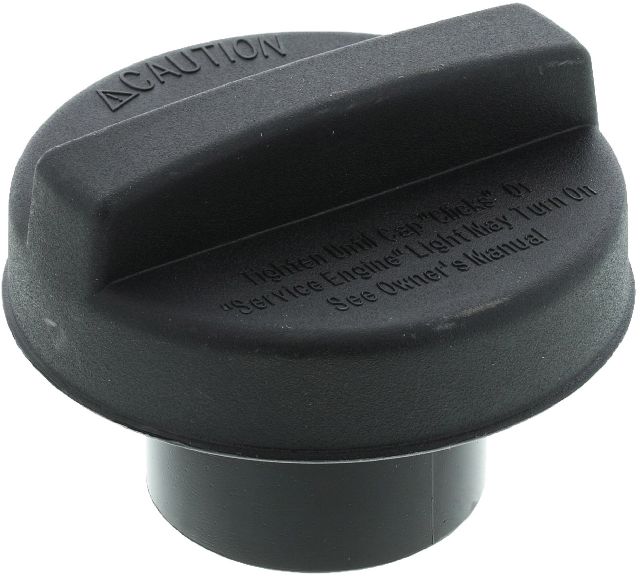
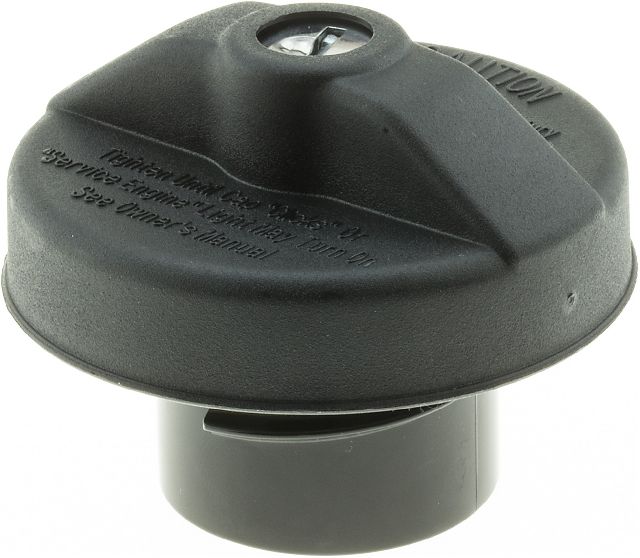
- Always start your diagnosis by checking and tightening the gas cap. If the seal is worn, replace it with an OEM Mopar cap.
- A common and specific failure on the Avenger is the EVAP purge hose in the engine bay getting a hole rubbed in it by the transmission shift cable.
- If the gas cap and hoses are fine, the most likely failed parts are the purge solenoid in the engine bay or the ESIM (leak detection pump) on the charcoal canister.
- While you can drive with this code, the Check Engine Light will remain on, and you will not pass an emissions inspection.
What's Unique About the 2012-2014 Dodge AVENGER

Dodge vehicles of this era, including the Avenger, use an Evaporative System Integrity Module (ESIM) to test the system for leaks. This component is a known high-failure item across many Chrysler, Dodge, and Jeep vehicles. Additionally, on the Avenger and its platform-mate the Chrysler 200, the EVAP purge hose in the engine bay is known to rub against the transmission shift cable, eventually creating a small hole that triggers the P0456 code. Some 2013 models may also have overly sensitive software that can falsely trigger a P0456, which is correctable with a PCM update from a dealer per TSB #18-050-16.
Diagnostic Flowchart

Tap your situation to follow the diagnostic path that matches what you're seeing on this vehicle.
Symptoms You May Notice
- Check Engine Light is on
- A message on the dash may indicate a loose gas cap, often displayed as 'gASCAP'.
- A faint fuel smell near the rear of the vehicle (less common for a small leak, but can occur).
- Replacing the charcoal canister when only the attached ESIM (Leak Detection Pump) has failed.
- Using a cheap, aftermarket gas cap that doesn't seal properly, leading the code to return.
- Replacing parts without confirming the leak via a smoke test, leading to unnecessary expense. A Reddit user on r/AskAMechanic replaced the purge valve, gas cap, and ESIM and still had the code.
Most Likely Causes

- Loose or Faulty Gas Cap 🔴 High Probability The gas cap seal is a simple rubber part that degrades over time, and it's the most frequently disturbed part of the EVAP system. Aftermarket caps are a very common cause of this code as they often do not seal as well as the OEM part.
How to confirm: Ensure the cap is tightened until it clicks. Inspect the rubber O-ring on the cap for cracks, stiffness, or damage. If it looks worn, replace it. Also, inspect the fuel filler neck for rust or debris that could prevent a good seal.
Typical fix: Replace the gas cap. It is highly recommended to use an OEM (Mopar) part, as aftermarket caps are known to cause sealing issues. The correct Mopar part number is 52030377AB.
Est. part cost: $25-$45 - Cracked EVAP Purge Hose 🟡 Medium Probability On Avengers with the 2.4L engine, the transmission shift cable can rub against the EVAP purge hose in the engine bay, wearing a small hole in it over time.
How to confirm: Visually inspect the EVAP hoses in the engine bay, particularly the one near the purge valve at the back of the engine. Look for a distinct rub mark or shiny spot where it contacts the shift cable. A smoke test will definitively show a leak from this spot.
Typical fix: Replace the damaged section of the hose or the entire purge line assembly. In one owner's experience, the entire assembly including the purge valve had to be ordered from Mopar as it was on backorder.
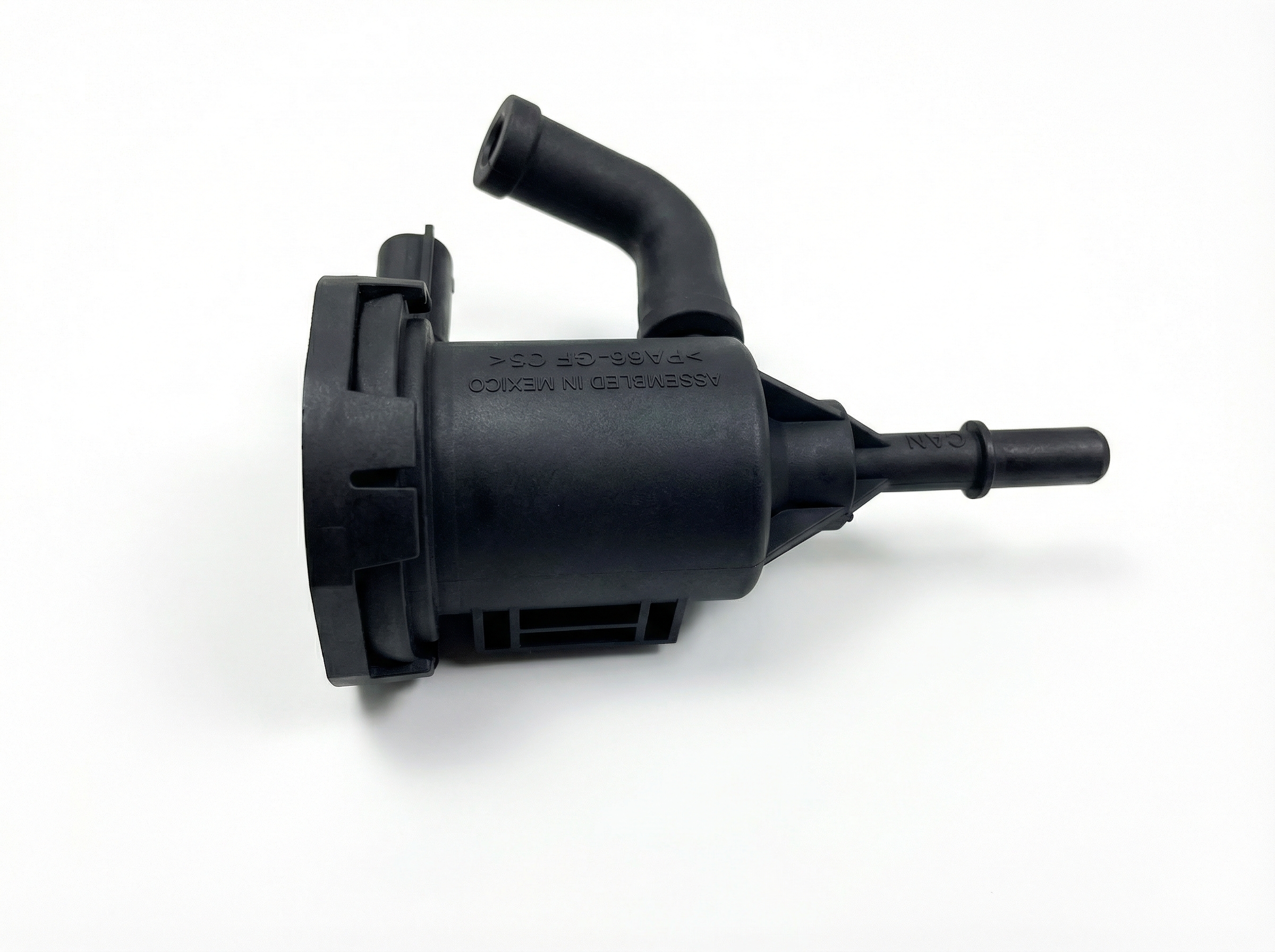
Est. part cost: $20-$60 - Failing EVAP Purge Solenoid/Valve 🟡 Medium Probability This valve is an electromechanical part that cycles frequently and can fail by not sealing completely, creating a small leak. It's a common failure point on many Chrysler products.
How to confirm: The purge valve is normally closed. With the valve removed from the vehicle, you should not be able to blow air through it. If you can, it's faulty. It is located in the engine bay, near the back.
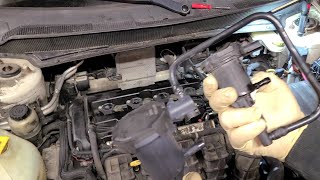
Typical fix: Replace the purge solenoid. It's a relatively inexpensive and accessible part. The Mopar 🎬 Watch: Step-by-step guide to replacing the 2.4L purge valve. part number is often packaged with the hose assembly.
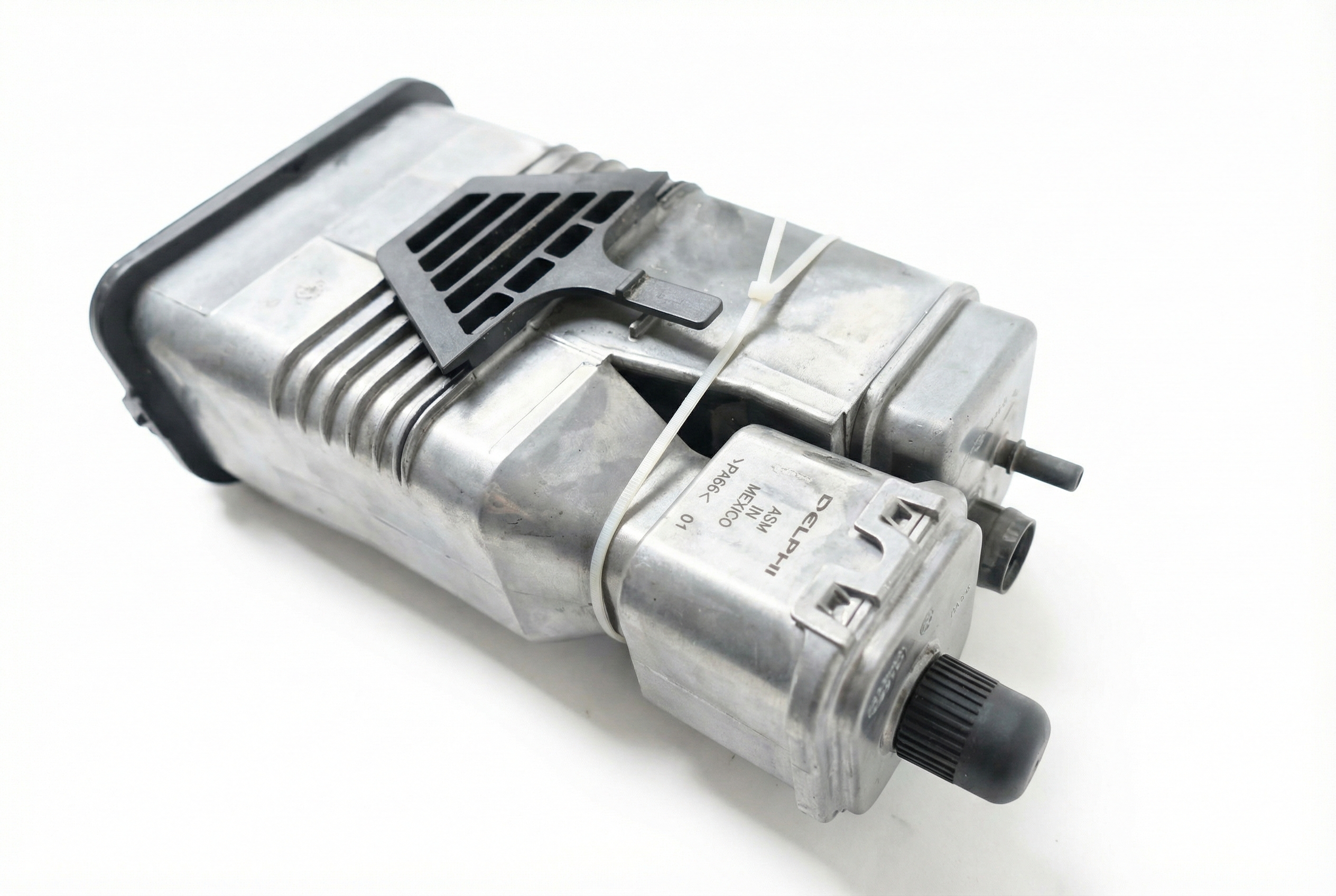
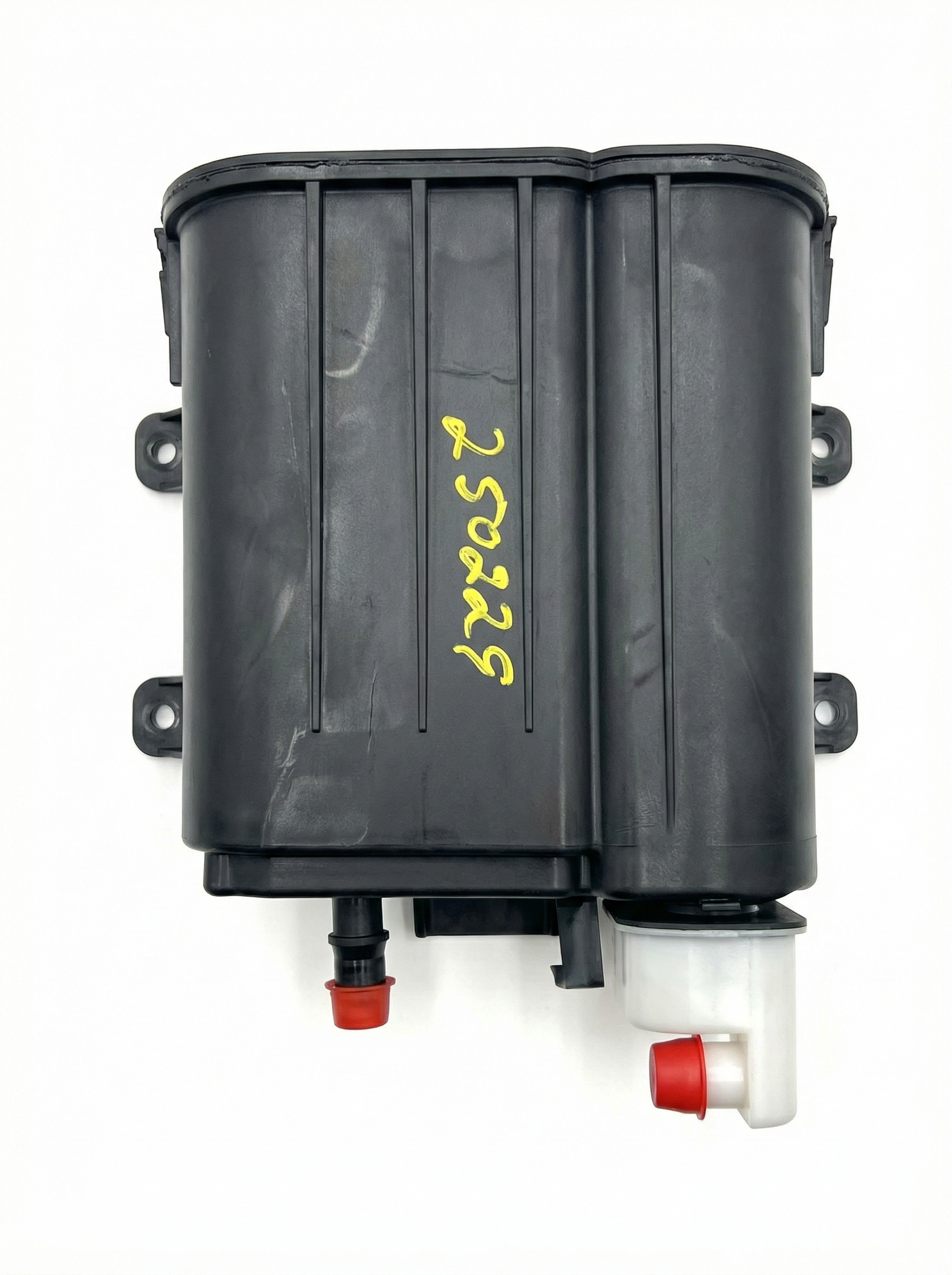
Est. part cost: $30-$70 - Failing EVAP System Integrity Module (ESIM) / Leak Detection Pump ⚪ Low Probability The ESIM is a known high-failure-rate component on many Chrysler/Dodge vehicles. It contains a diaphragm and a switch that can fail, causing the computer to incorrectly believe there is a leak. Dust and dirt can also cause it to get stuck open.
How to confirm: This part is located on the charcoal canister near the fuel tank, often under the spare tire or behind the driver's side rear wheel. Diagnosis can be difficult without a scan tool, but given its high failure rate, it's a common part to replace after checking the gas cap and hoses. A technician can test the internal switch with a multimeter; with the ESIM removed, there should be no continuity across the pins until a slight vacuum is applied to the port.
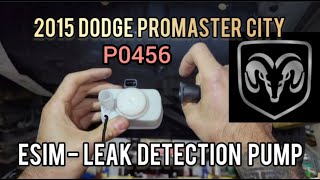
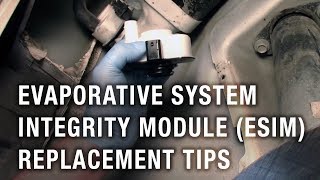
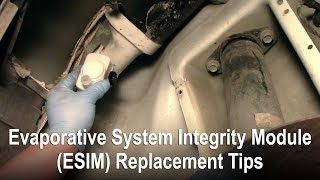
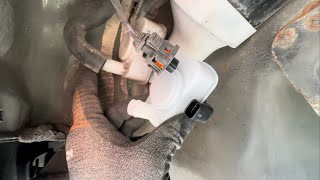
Typical fix: Replace the ESIM. It twists into the charcoal canister. The Mopar part number is 4861963AD, which supersedes several previous versions. 🎬 See how to swap out the ESIM leak detection pump.
Est. part cost: $35-$75 - Cracked or Disconnected EVAP Hoses ⚪ Low Probability Rubber and plastic hoses become brittle with age and exposure to the elements, leading to cracks, especially at connection points.
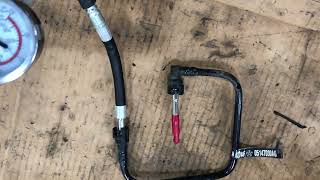
How to confirm: A thorough visual inspection of all EVAP lines from the engine bay to the charcoal canister at the rear of the vehicle. The definitive method is a professional smoke test, which forces smoke into the system to reveal the exact location of any leaks. 🎬 Watch: Finding and fixing a small EVAP leak on an Avenger.
Typical fix: Replace the cracked section of hose.
Est. part cost: $10-$50
Rare But Worth Checking
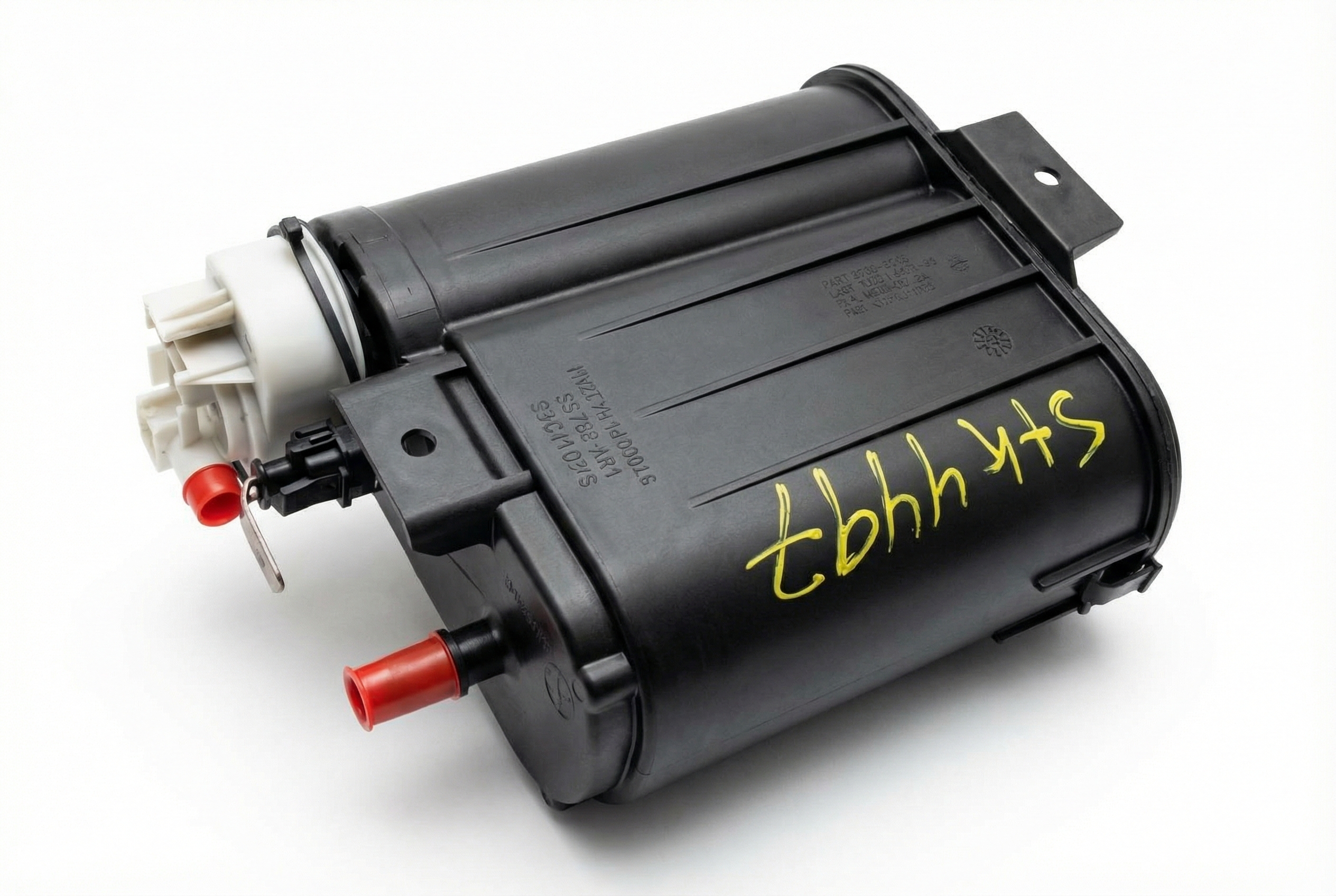
- Cracked Charcoal Canister: The plastic housing of the canister itself can develop hairline cracks, causing a leak. This is less common than component failure but should be checked during a smoke test.
- Leaking Fuel Tank Gasket/Seal: The seal where the fuel pump module mounts to the top of the gas tank can degrade and cause a leak. This is often accompanied by a stronger fuel smell after filling up and is a known, though rare, cause on Chrysler vehicles. A Reddit user suspected this was the cause on their 2013 Avenger after replacing other common parts.
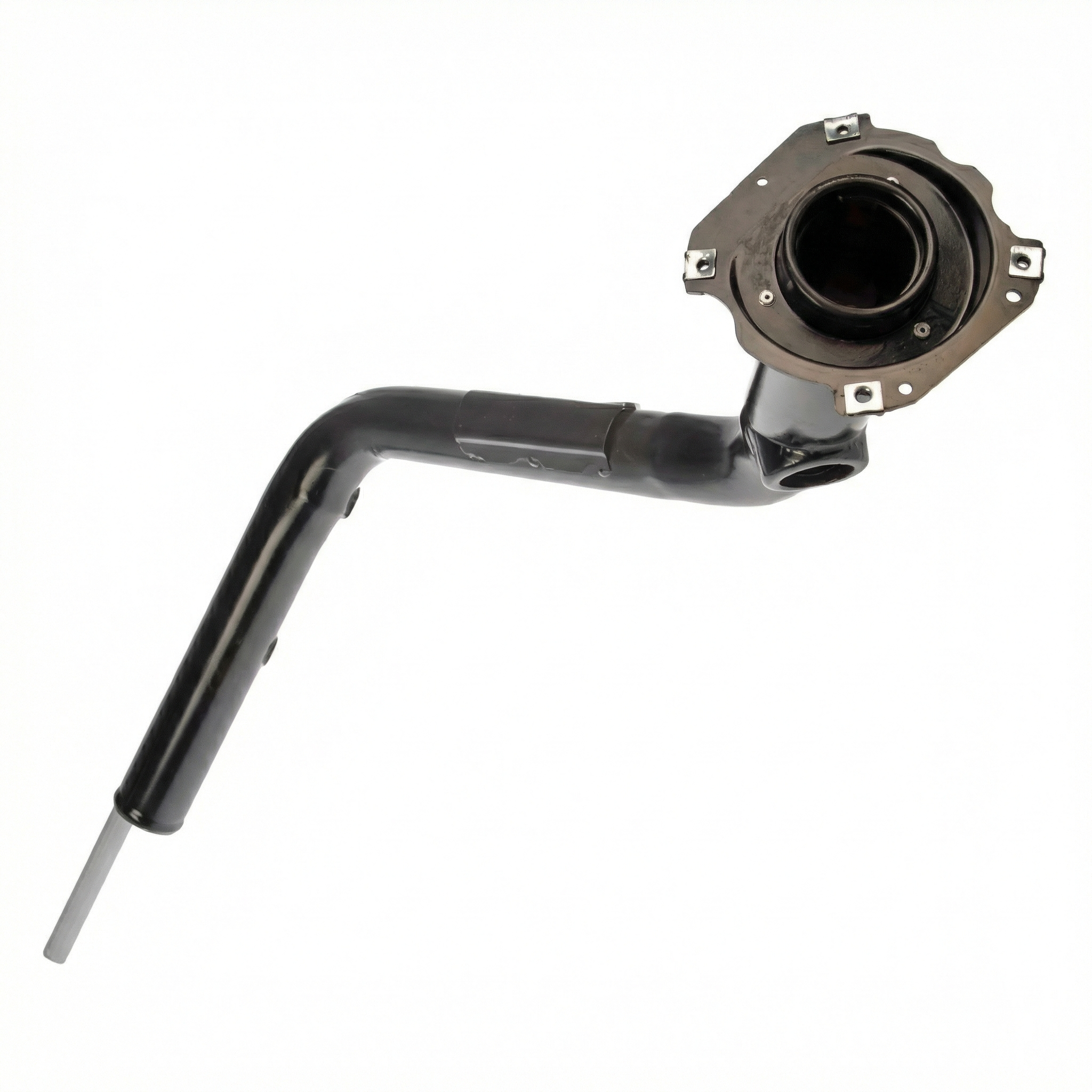
- Faulty Fuel Filler Neck: The metal tube leading to the gas tank can rust or crack, preventing the gas cap from sealing properly. A visual inspection should reveal any significant corrosion. One owner reported this was the ultimate cause after a smoke test confirmed the leak source.
Diagnosis Steps
- Tighten the gas cap until it clicks several times. Clear the code with a scanner and drive for a few days to see if it returns. The EVAP monitor may take several drive cycles to run.
- If the code returns, inspect the gas cap's rubber seal for any cracks, tears, or signs of wear. Replace it with an OEM Mopar part (p/n 52030377AB) if it appears damaged or if you are using an aftermarket cap.
- Visually inspect the EVAP purge hose in the engine bay, specifically where it might rub against the transmission shift cable bracket. Look for a shiny or worn spot.
- Inspect all other accessible EVAP hoses and lines in the engine bay and under the vehicle for obvious cracks or disconnections.
- If no visual issues are found, the next step is to perform a smoke test. This involves injecting pressurized smoke into the EVAP system's service port and looking for where it escapes. This is the most effective way to find the exact source of the leak.
- If a smoke test passes but the code persists, especially on a 2013 model, consider the possibility of a software issue. A technician with a wiTECH scan tool can run the 'Small Leak Verification Test (SLVT)' to confirm the leak and check if a PCM software update (like TSB #18-050-16) is available.
- Based on the test results, replace the leaking component, which could be a hose, the purge valve, the ESIM, or the canister itself.
Parts You'll Likely Need

- Gas Cap
(OEM #52030377AB)— This is the most common cause due to its frequent use and the seal degrading over time. Aftermarket caps are notorious for not sealing correctly. Always start here.
Trusted brands: Mopar
OEM price range: $25-$45
Aftermarket price range: $15-$25 - EVAP Purge Solenoid / Valve
(OEM #4891735AC (often part of a hose assembly))— This valve can get stuck or fail to seal completely, causing a small leak. It's a common failure point located in the engine bay.
Trusted brands: Mopar, Dorman, Standard Motor Products
OEM price range: $50-$80
Aftermarket price range: $30-$60 - Evaporative System Integrity Module (ESIM)
(OEM #4861963AD)— Also called a Leak Detection Pump, this is a known high-failure part on Dodge vehicles of this era. It's responsible for testing the system and can fail internally, falsely reporting a leak. This part number supersedes 4861963AA, 4861963AB, and 4861963AC.
Trusted brands: Mopar, Dorman, Standard Motor Products
OEM price range: $60-$80
Aftermarket price range: $35-$55
Related Codes That Often Appear With This One
- P0455 (EVAP System Large Leak) - A component failure can sometimes start as a small leak and progress to a large one.
- P0457 (EVAP System Leak Detected - Fuel Cap Loose/Off) - Often appears with P0456 if the gas cap is the root cause.
- P0441 (EVAP Purge System Performance) - A related TSB (#18-020-20) indicates that a PCM software update can resolve both P0456 and P0441, suggesting a potential link in the diagnostic logic.
Technical Service Bulletins (TSBs) & Recalls

- 1804823: wiTECH Small Leak Verification Test (SLVT) - P0456-EVAP SYSTEM SMALL LEAK
- 18-050-16: Addresses false P0456 codes on 2013 models due to PCM software sensitivity.
Platform-Specific Known Issues
- A known issue for the 2.4L Avenger is the EVAP purge line rubbing through where it makes contact with the transmission shift cable bracket in the engine bay, causing a P0456 code.
- The manufacturer issued a Technical Service Bulletin (TSB #1804823) outlining a specific diagnostic procedure using the wiTECH scan tool called the 'Small Leak Verification Test (SLVT)' to help technicians confirm a small leak repair without lengthy drive cycles.
Mechanic-Grade Diagnostic Values
- Fuel Tank Pressure (FTP) Sensor Voltage — expected: Approximately 2.5V with the gas cap off (atmospheric pressure). Voltage should decrease as vacuum increases during a purge cycle test.. Failure: Voltage that is stuck high (e.g., near 5V) or low (near 0V), or does not change when the system is under vacuum, indicates a faulty sensor or wiring issue.
- EVAP Purge Solenoid State — expected: Normally closed. No air should pass through when the solenoid is disconnected and unpowered.. Failure: If you can blow air through the valve when it is removed from the vehicle and not powered, it is stuck open and faulty.
- ESIM (Leak Detection Pump) Switch Test — expected: With the ESIM removed, there should be an open circuit (no continuity) between the two electrical pins. When a slight vacuum is applied to the port, the internal switch should close, showing continuity.. Failure: If there is continuity with no vacuum applied, or no continuity when vacuum is applied, the internal switch is bad.
Scan Tool Commands That Help
- wiTECH (Chrysler/Dodge/Jeep Dealer Tool): Small Leak Verification Test (SLVT) — This is a mandatory test per TSB #18-048-23 to confirm a small leak is present before starting repairs and to verify the fix afterward. It provides a definitive pass/fail result without needing multiple drive cycles, which is crucial for a 'Fixed First Visit'.
- wiTECH (Chrysler/Dodge/Jeep Dealer Tool): EVAP System Monitor Test — This function allows a technician to manually command the purge and vent solenoids to seal the system and then monitor the fuel tank pressure sensor to check for vacuum decay, helping to isolate a leak electronically.
Wiring & Ground Locations
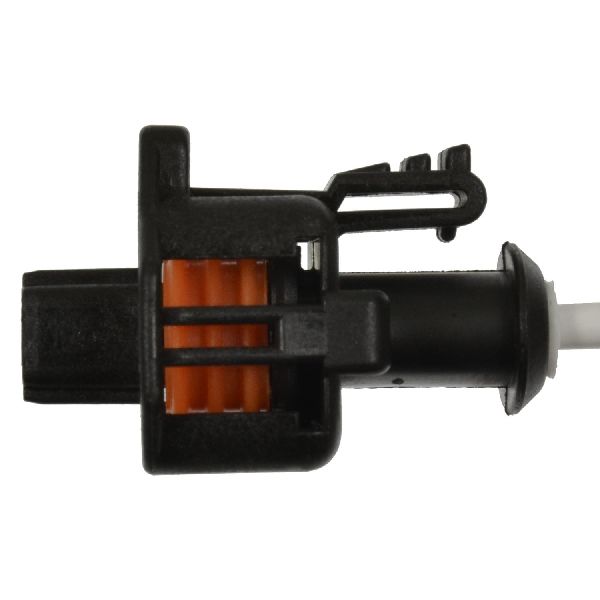
- EVAP/Purge Solenoid — Located at the left rear of the engine compartment on the 2.4L engine.. This is a key actuator in the EVAP system. Checking its connector and harness for damage is a primary diagnostic step.
- Fuel Pump Module — Located on the top of the fuel tank.. The Fuel Tank Pressure (FTP) sensor is often integrated into or located on the fuel pump module. A bad seal on the module itself can cause a P0456 leak.
- G302 — Ground point located in the left kick panel area.. A poor ground connection for components in the cabin or instrument panel could potentially affect PCM readings or related modules, though it's not a primary cause for EVAP codes.
- G303 — Ground point located at the left 'B' pillar.. This ground serves various body components. While less likely to be a direct cause, checking major ground points is good practice when chasing elusive electronic-related codes.
Real Owner Repair Stories
- Reddit user Initial_Gas_6008 (2013 Dodge Avenger) — Persistent P0456 code.
❌ Tried (didn't work) Replaced the purge valve, Replaced the gas cap, Replaced the ESIM
✅ What actually fixed it The user suspected the fuel tank seal was the issue after seeing leak residue on top of the gas tank. The final resolution was not posted, but this points to the fuel pump gasket as the likely culprit after all common parts failed to fix the code. - YouTube Commenter (Not specified, but relevant to P0456 diagnosis.) — P0456 code.
❌ Tried (didn't work) Replaced the purge valve, Replaced the gas cap
✅ What actually fixed it A smoke test revealed the leak was from the fuel filler neck, which was the actual root cause. The user noted they should have performed the smoke test from the beginning.
"I Checked Everything" — The Actual Cause
- If a smoke test passes with no visible leaks, the cause is almost certainly either an intermittent electronic failure or a software issue. The most likely component to fail intermittently is the ESIM (Leak Detection Pump), which can have an internal switch that doesn't operate correctly under all conditions. For 2013 models, TSB #18-050-16 specifically addresses a false P0456 that can be corrected with a PCM software update, indicating the leak detection logic was too sensitive.
When the Usual Fixes Don't Work
- While the most common fixes are the gas cap, purge valve, and hoses, there are documented cases where none of these resolved the issue. In one instance, a Reddit user replaced the gas cap, purge valve, and the ESIM on their 2013 Avenger, but the P0456 code remained. They then discovered evidence of a leak at the top of the fuel tank, pointing towards a faulty fuel pump gasket as the true, less common cause. Another owner found that after replacing the gas cap and purge valve, the actual problem was a rusted fuel filler neck, which was only found after performing a smoke test. This highlights the importance of a definitive smoke test before replacing multiple components.
Model Year Variations Within This Range
- 2013: A specific Technical Service Bulletin (TSB #18-050-16) was issued for 2013 Dodge Avenger models (among other Chrysler vehicles) to address a false P0456 code. The fix is a Powertrain Control Module (PCM) software update, suggesting the original software had overly sensitive leak detection logic.
Helpful Videos
Used OEM Parts in Stock

New Aftermarket Parts Available


The information in this article is provided for general reference and educational purposes only. Vehicle specifications, procedures, and part compatibility can vary by production date, trim level, and region. Always consult your vehicle's factory service manual and verify part numbers before purchasing or performing repairs. Safety-critical components such as airbags, seat belts, and braking systems should be installed by a qualified professional.
- Dodge AVENGER:
- 🎬 Helpful Videos
- 🛍️ Shop This Part
- What's Unique About the 2012-2014 Dodge AVENGER
- Diagnostic Flowchart
- Symptoms You May Notice
- Most Likely Causes
- Rare But Worth Checking
- Diagnosis Steps
- Parts You'll Likely Need
- Related Codes That Often Appear With This One
- Technical Service Bulletins (TSBs) & Recalls
- Platform-Specific Known Issues
- Mechanic-Grade Diagnostic Values
- Scan Tool Commands That Help
- Wiring & Ground Locations
- Real Owner Repair Stories
- "I Checked Everything" — The Actual Cause
- When the Usual Fixes Don't Work
- Model Year Variations Within This Range
- 🎟️ Get 5% Off