

P0456 on 2017-2023 Chrysler Pacifica: EVAP Small Leak Causes and Fixes
On a 2017-2023 Chrysler Pacifica, code P0456 is most often caused by a faulty EVAP purge valve, a bad EVAP System Integrity Monitor (ESIM) switch, or an issue with the capless fuel filler door seal. A software update may also be required per a manufacturer TSB. Expect to pay $30-$80 for a new purge valve (OEM Part No. 04627694AB), which is a common DIY fix.
- P0456 on a Pacifica means a very small leak has been detected in the emissions system.
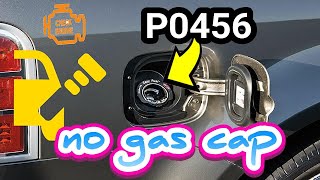
- Do not look for a traditional gas cap; instead, inspect the seal on the capless fuel filler door.
- The most likely part to have failed is the EVAP purge valve located in the engine bay; this is a common and affordable DIY fix.
- Before replacing multiple parts, be aware that a dealership software update might be the correct fix, as noted in a manufacturer TSB.
- The vehicle is safe to drive with this code, but you will not pass an emissions inspection until it is resolved.
What's Unique About the 2017-2023 Chrysler PACIFICA

The Chrysler Pacifica from these years uses a capless fuel filler system, so the most common cause for this code on other cars—a loose gas cap—doesn't apply in the same way. Instead, attention must be paid to the seal on the spring-loaded filler door. Furthermore, Chrysler has issued Technical Service Bulletin #18-001-19 REV B, which explicitly states for a P0456 code, "If no faults were found when performing normal diagnostic, perform this software update," indicating the original software was overly sensitive. 🎬 Watch: A breakdown of common P0456 causes on the Pacifica. The Pacifica also uses an EVAP System Integrity Monitor (ESIM) for leak detection, a component with a known failure rate on many Chrysler products.
Diagnostic Flowchart

Tap your situation to follow the diagnostic path that matches what you're seeing on this vehicle.
Symptoms You May Notice
- Check Engine Light is on
- A faint fuel or gasoline odor, as reported by an owner to the NHTSA. [ODI #11281463]
- Replacing the gas cap. This vehicle does not have a traditional, removable gas cap, so this common advice for P0456 does not apply.
Most Likely Causes

- Faulty EVAP Purge Valve (Solenoid) 🔴 High Probability The purge valve is a frequently moving part that can wear out and fail to seal completely, creating a small leak. It's a common failure item across many modern vehicles, including the Pacifica and other 3.6L Pentastar engines.
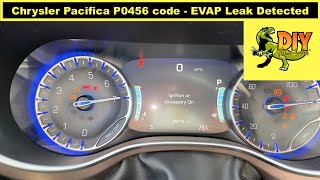
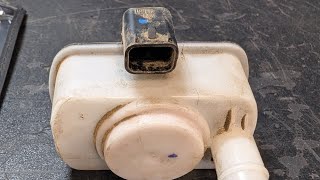
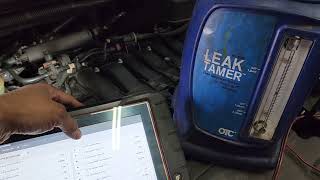
How to confirm: The valve is normally closed. Remove the valve (located in the engine bay under the plastic engine cover) and try to blow through it. If air passes through, the valve is faulty and needs to be replaced. A YouTube video by 'DIY with Michael Borders' shows this is the most likely culprit if the fuel filler is okay. Another video by 'Irfan Chaudhry' uses a scan tool and smoke machine to show the valve stuck slightly open.
Typical fix: Replace the EVAP purge valve. This is a common DIY repair that involves removing the engine cover, disconnecting two hoses and one electrical connector. The Mopar OEM part number is 04627694AB.
Est. part cost: $30-$80 - Poorly Sealing Capless Fuel Filler Door 🟡 Medium Probability The Pacifica uses a capless system. Debris in the seal of the spring-loaded flap or wear on the seal itself can prevent it from closing tightly, causing a leak.
How to confirm: Visually inspect the fuel filler opening for any debris, dirt, or damage to the seal. Ensure the flap springs back to a fully closed position after fueling. A small amount of petroleum jelly on the seal can sometimes help create a better seal as a temporary test.
Typical fix: Clean the sealing area of the fuel filler neck. If the seal is damaged or the spring mechanism is weak, the entire fuel filler neck assembly may need replacement.
Est. part cost: $5 (cleaning) - $200 (filler neck replacement) - Faulty EVAP System Integrity Monitor (ESIM) Switch 🟡 Medium Probability The ESIM is the component that tests the system for leaks. It's a known failure point on many Chrysler products, where it can stick or its internal seal can fail, causing a leak to be detected at the component itself.
How to confirm: The ESIM is located on the charcoal canister, accessible by removing the driver's side rear wheel and wheel well liner. A smoke test is the best confirmation. In a YouTube video by 'JT the Car Guy', a smoke machine test on a 2018 Pacifica isolated the leak directly to a faulty ESIM after capping other lines.
Typical fix: Replace the ESIM switch. It twists into the charcoal canister. The old seal often gets stuck in the canister and must be removed. The Mopar OEM part number is often cited as 4861966AD.
Est. part cost: $40-$70 - Powertrain Control Module (PCM) Software Update Needed ⚪ Low Probability Chrysler TSB #18-001-19 REV B indicates that for some vehicles, the diagnostic logic for the EVAP system is too sensitive and can set a P0456 code when no physical leak exists.
How to confirm: If all physical components (purge valve, hoses, ESIM, filler neck) are inspected and found to be in good working order, especially via a smoke test that shows no leaks, the issue is likely software-related. A Chrysler dealership can check if this TSB applies to your vehicle's VIN.
Typical fix: A technician at a dealership will re-flash the PCM with updated software. This is a non-parts fix.
Est. part cost: $0 (if under warranty) - $200 (dealer labor) - Cracked or Disconnected EVAP Hose ⚪ Low Probability Rubber and plastic hoses can become brittle and crack over time due to heat and age, creating small leaks, especially at connection points.
How to confirm: A thorough visual inspection of all EVAP lines between the engine bay and the fuel tank is the first step. The most reliable method is to have a professional perform a smoke test, which forces vapor into the EVAP system to reveal the exact location of any leaks.
Typical fix: Replace the cracked section of hose or secure a loose connection.
Est. part cost: $10-$50
Diagnosis Steps
- Read the code with an OBD-II scanner to confirm P0456 is present.
- Inspect the capless fuel filler neck. Clean any debris from the opening and ensure the flap seals tightly and is not damaged.
- Locate the EVAP purge valve in the engine bay under the plastic cover. Visually inspect its hoses for cracks or disconnection. It is the most common and accessible component to fail.
- Test the purge valve. With the engine off, remove the valve and attempt to blow air through it. If air passes, it has failed and must be replaced.
- If the purge valve and filler neck are good, the next most likely causes are a faulty ESIM or a software issue. A professional smoke test is the most effective next step to definitively locate the source of the small leak.
- If a smoke test reveals a leak from the ESIM (located behind the driver's side rear wheel well liner), replace it.
- If a smoke test shows no leaks anywhere in the system, contact a dealer to check if your VIN is eligible for the software update described in TSB #18-001-19 REV B.
Parts You'll Likely Need

- EVAP Purge Valve / Solenoid
(OEM #04627694AB)— This is the most common mechanical failure point for a P0456 code on the Pacifica after ruling out the capless filler seal. It is accessible in the engine bay.
Trusted brands: Mopar, Dorman, Standard Motor Products
OEM price range: $50-$80
Aftermarket price range: $30-$60 - EVAP System Integrity Monitor (ESIM) Switch
(OEM #4861966AD)— A common failure point on Chrysler vehicles that can cause false leak codes or be the source of the leak itself. Located near the charcoal canister.
Trusted brands: Mopar, Standard Motor Products
OEM price range: $40-$70
Aftermarket price range: $30-$50
Related Codes That Often Appear With This One
- P0455 — Indicates a large EVAP leak. A failing component can sometimes trigger a small leak code (P0456) before it worsens and triggers a large leak code.
- P0441 — Indicates incorrect purge flow, which often points directly to a faulty purge valve that could also be the cause of the P0456 leak.
- P0440 — A general EVAP system fault code that can sometimes appear alongside P0456, as seen in a repair video for a 2017 Pacifica where the ESIM was the root cause.
Technical Service Bulletins (TSBs) & Recalls

- Bulletin #1804823: Mentions a specific diagnostic test for this code, the "Small Leak Verification Test (SLVT)".
- Bulletin #18-001-19 REV B: States that if no physical faults are found when performing normal diagnostics for P0456, the PCM software should be updated. This TSB addresses overly sensitive leak detection logic.
Platform-Specific Known Issues
- A software update may be the required fix, per TSB #18-001-19 REV B, which addresses an overly sensitive EVAP leak detection logic. The TSB explicitly states to perform the update if no physical faults are found.
- The vehicle uses a capless fuel filler system, making the integrity of the filler neck's spring-loaded door and seal a primary point of inspection, unlike vehicles with traditional gas caps.
- One owner filed a complaint with the NHTSA (ODI #11281463) reporting a gasoline odor along with the P0456 code, confirming a fuel smell is a possible symptom.
- The ESIM (leak detection unit) is a very common failure point, located behind the driver's side rear wheel well liner. Multiple owner videos confirm its replacement as a fix.
Mechanic-Grade Diagnostic Values
- EVAP Purge Valve Solenoid Coil Resistance — expected: 14 to 30 Ohms. Failure: A reading that is significantly higher, lower, or infinite (open circuit) indicates a faulty solenoid coil.
- Fuel Tank Pressure (FTP) Sensor Voltage (Key On, Engine Off) — expected: Approximately 2.5V at atmospheric pressure (fuel cap/system open). Failure: Voltage should decrease toward 1.5V as light vacuum is applied during a test; a static or unresponsive voltage suggests a faulty sensor.
Scan Tool Commands That Help
- wiTECH (Chrysler Dealer Tool): Small Leak Verification Test (SLVT) — This is the mandatory first step in dealer-level diagnostics for P0456. It must be run to verify a leak is present before component replacement and run again after the repair to confirm the fix, as a road test will not immediately verify the repair.
- Professional OBD-II Scan Tool: EVAP System Vent Valve Control — Commanding the vent valve/solenoid to the closed position is a required step before performing a smoke test to ensure the system is sealed for the test.
Real Owner Repair Stories
- Reddit user in r/ChryslerPacifica (Chrysler Pacifica (year not specified)) — Check Engine Light with code P0456.
✅ What actually fixed it Replacing the EVAP purge valve. The user reported the check engine light turned off by itself after replacement and never returned. - Reddit user in r/GrandCherokee (2018 Jeep Grand Cherokee Limited (shared 3.6L Pentastar platform)) — Check Engine Light with code P0456.
❌ Tried (didn't work) A smoke test revealed a leak from a filter component (part # 68250911AK) attached to the ESIM.
✅ What actually fixed it Replacing the ESIM switch itself. The user concluded the valve within the ESIM was faulty, allowing vapor to escape through the attached filter. The code cleared after replacement and a drive cycle. - YouTube channel 'Charles' Revamp' (2015 Dodge Dart (relevant Chrysler product)) — Check Engine Light with code P0456.
❌ Tried (didn't work) Replacing the gas cap., Replacing the purge valve solenoid.
✅ What actually fixed it Replacing the EVAP System Integrity Module (ESIM). The check engine light did not return after 1,000+ miles of driving.
"I Checked Everything" — The Actual Cause
- In cases where a thorough smoke test reveals no physical leaks, the root cause is often overly sensitive software logic in the Powertrain Control Module (PCM). Chrysler TSB #18-001-19 REV B and TSB #18-031-23 specifically address this scenario, instructing technicians to reprogram the PCM with updated software if no faults are found during normal diagnosis.
OEM Part Supersession History
4627694AA→4627694AB— Standard part revision/update by the manufacturer.
Model Year Variations Within This Range
- 2017-2019: These earlier models are more likely to be affected by the overly sensitive software logic that can trigger a false P0456. TSB #18-001-19 REV B and #18-031-23 address reprogramming the PCM for these model years. Models from 2020-2023 likely shipped from the factory with the corrected software.
Helpful Videos

Used OEM Parts in Stock
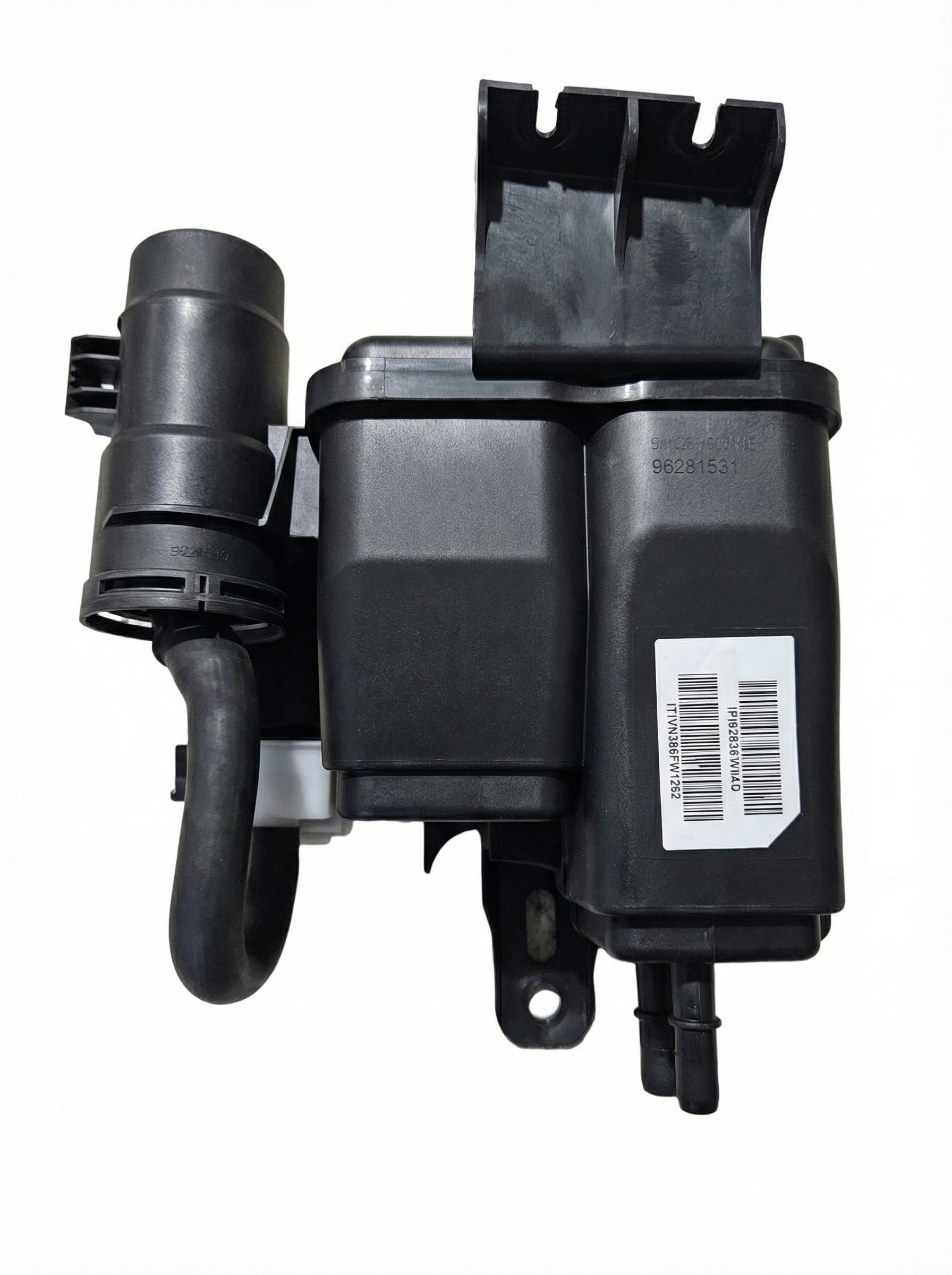
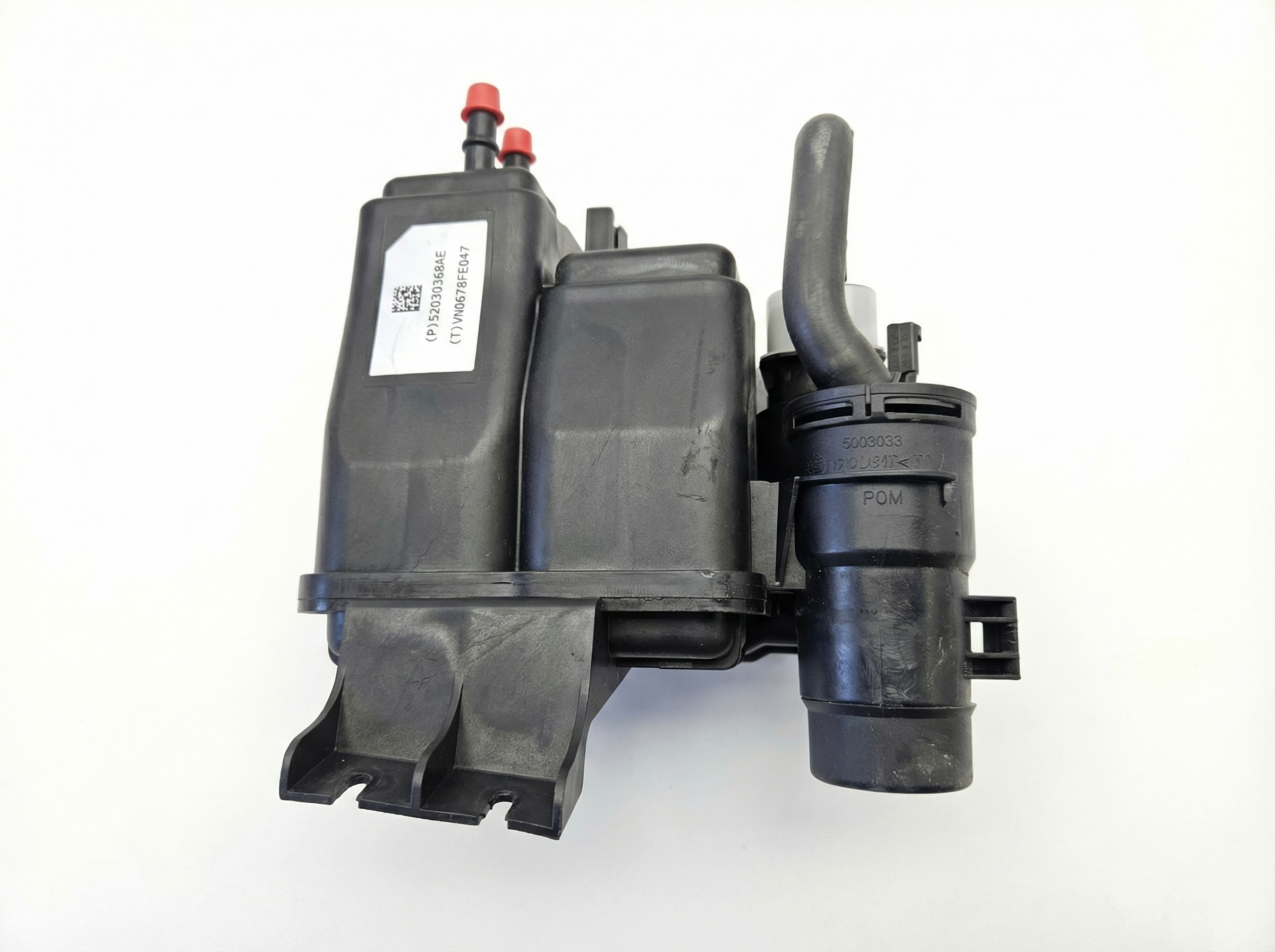
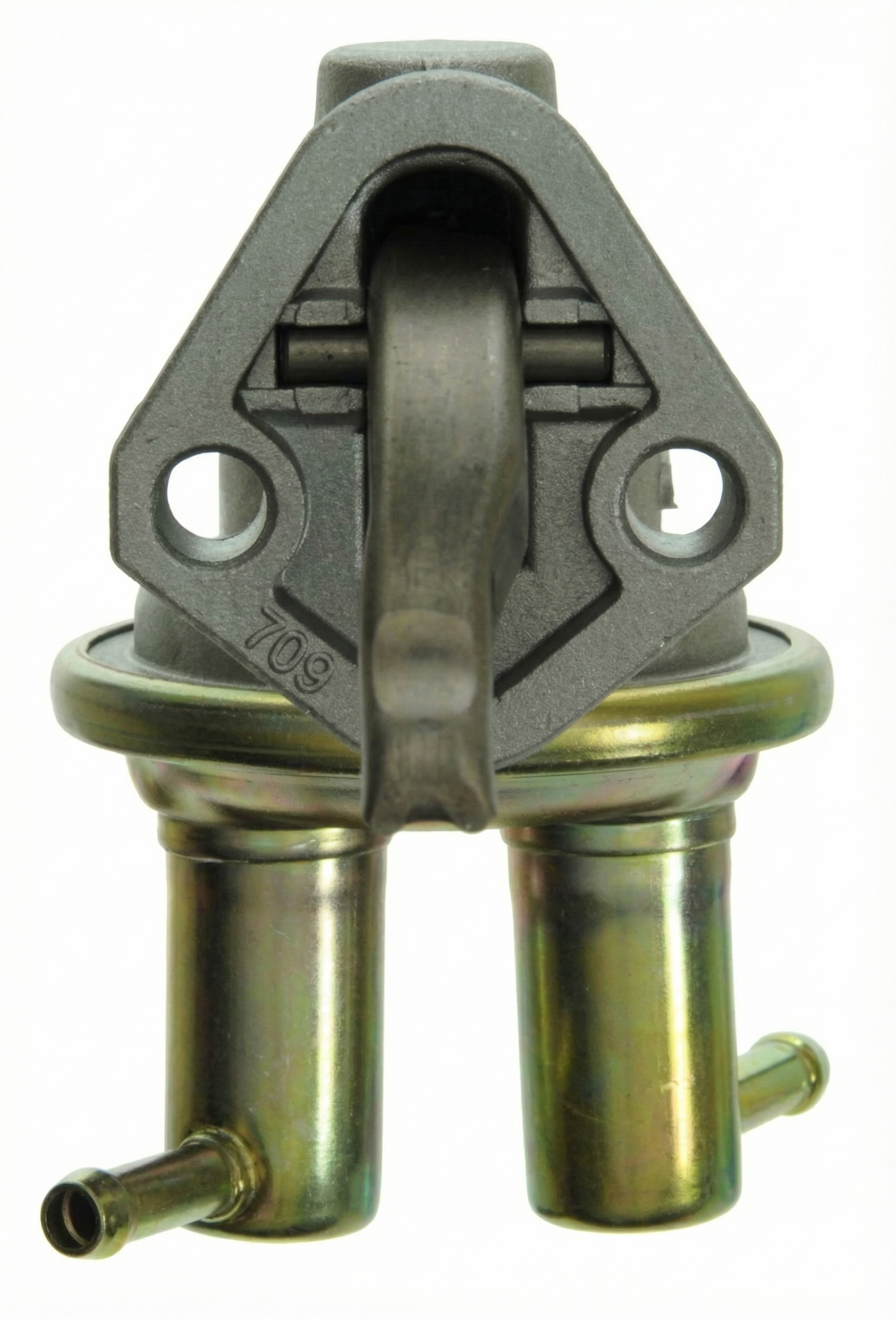
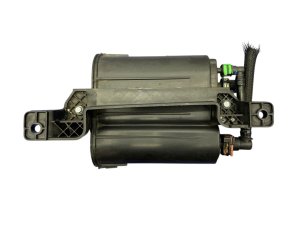
New Aftermarket Parts Available

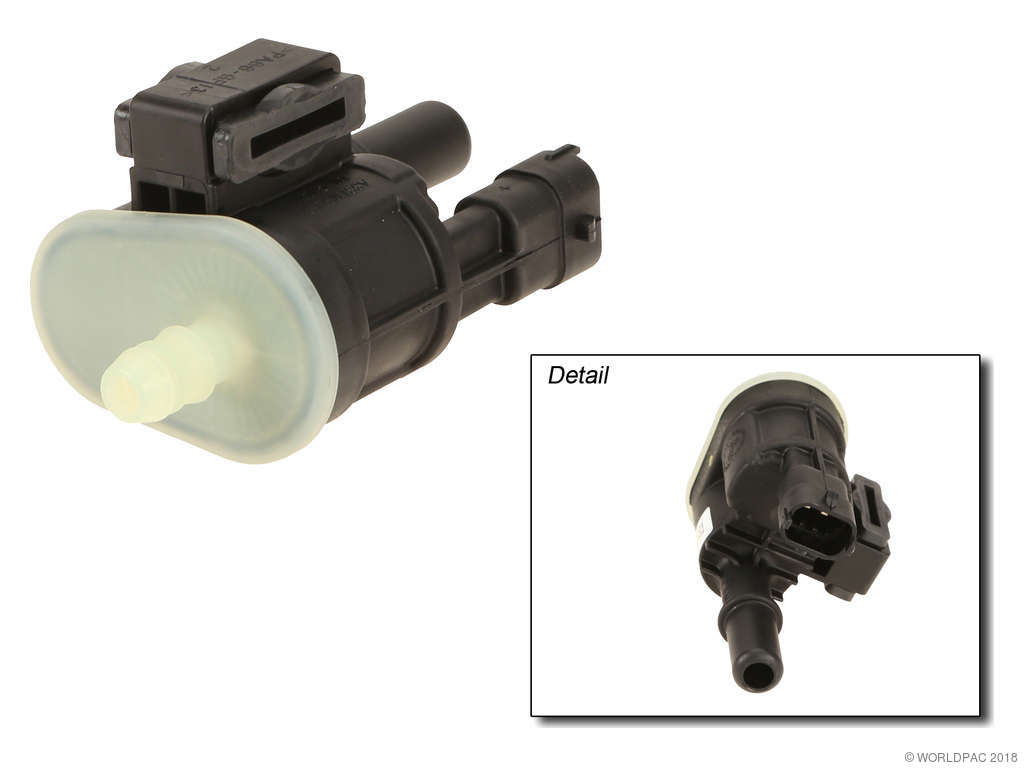
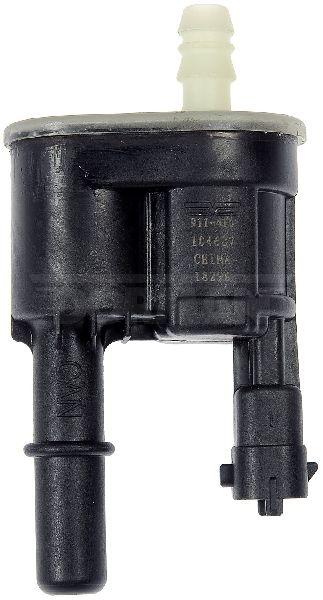

The information in this article is provided for general reference and educational purposes only. Vehicle specifications, procedures, and part compatibility can vary by production date, trim level, and region. Always consult your vehicle's factory service manual and verify part numbers before purchasing or performing repairs. Safety-critical components such as airbags, seat belts, and braking systems should be installed by a qualified professional.
- Chrysler PACIFICA:
- 🎬 Helpful Videos
- 🛍️ Shop This Part
- What's Unique About the 2017-2023 Chrysler PACIFICA
- Diagnostic Flowchart
- Symptoms You May Notice
- Most Likely Causes
- Diagnosis Steps
- Parts You'll Likely Need
- Related Codes That Often Appear With This One
- Technical Service Bulletins (TSBs) & Recalls
- Platform-Specific Known Issues
- Mechanic-Grade Diagnostic Values
- Scan Tool Commands That Help
- Real Owner Repair Stories
- "I Checked Everything" — The Actual Cause
- OEM Part Supersession History
- Model Year Variations Within This Range
- 🎟️ Get 5% Off