

Chrysler 200 P0456: EVAP Small Leak Causes and Fixes (2012-2017)
P0456 on a 2012-2017 Chrysler 200 indicates a small leak in the EVAP system. The most common fixes are tightening or replacing the gas cap, or replacing the EVAP purge valve in the engine bay. For 2015-2017 models, a cracked ESIM module near the gas tank is also a very common cause. A new gas cap costs $15-$35, a purge valve is $30-$75, and an ESIM is $30-$110.
- P0456 is a minor issue that won't stop you from driving, but it will cause an emissions test failure.
- Always start with the simplest fix: check that your gas cap is tight. If it's old, replacing it is a cheap and easy diagnostic step.
- The most likely failed parts are the gas cap, the EVAP purge valve, or the ESIM (on 2015-2017 models).
- On 2012-2014 models, be sure to inspect the EVAP hoses near the back of the engine for rubbing damage.
- If simple fixes don't work, a professional smoke test is the best way to find the leak and avoid replacing unnecessary parts.
What's Unique About the 2012-2017 Chrysler 200

The 2012-2017 Chrysler 200 spans two distinct generations with different EVAP system hardware. The first generation (2012-2014, JS platform) is known for a specific issue where a transmission shift cable can rub a hole in an EVAP hose near the engine. The second generation (2015-2017, UF platform) uses a newer Evaporative System Integrity Module (ESIM) that is highly prone to developing hairline cracks in its white plastic housing, causing this code. For both generations, Chrysler has issued Technical Service Bulletins (TSBs), like #18-050-16 for 2013 models, indicating that the PCM's software may be too sensitive and require an update to correct false P0456 codes.
Diagnostic Flowchart

Tap your situation to follow the diagnostic path that matches what you're seeing on this vehicle.
Generation note: The 2012-2017 range covers two generations: the first (JS platform) from 2012-2014 and the second (UF platform) from 2015-2017. A common issue on the 2012-2014 models and its platform-mate, the Dodge Avenger, is a rubbing EVAP hose in the engine bay. The 2015-2017 models and their platform-mates, the Dodge Dart and Jeep Cherokee, are more prone to a cracked Evaporative System Integrity Module (ESIM) on the vapor canister. The purge valve is a common failure on both generations.
Symptoms You May Notice

- Check Engine Light is on
- A faint fuel smell, especially around the rear of the car or after refueling
- A "Check Gas Cap" or "Gascap" message may appear on the dashboard
- Difficulty starting or rough running immediately after getting gas (points towards a stuck-open purge valve)
- Replacing the charcoal canister when only the attached ESIM is cracked (a much cheaper part).
- Replacing multiple EVAP components when the actual cause is a loose gas cap or a needed PCM software update.
- On 2012-2014 models, overlooking the specific hose that rubs against the transmission cable.
Most Likely Causes

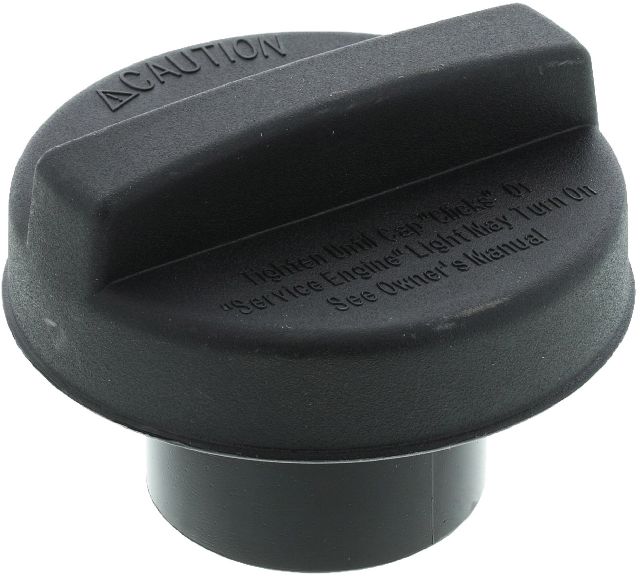
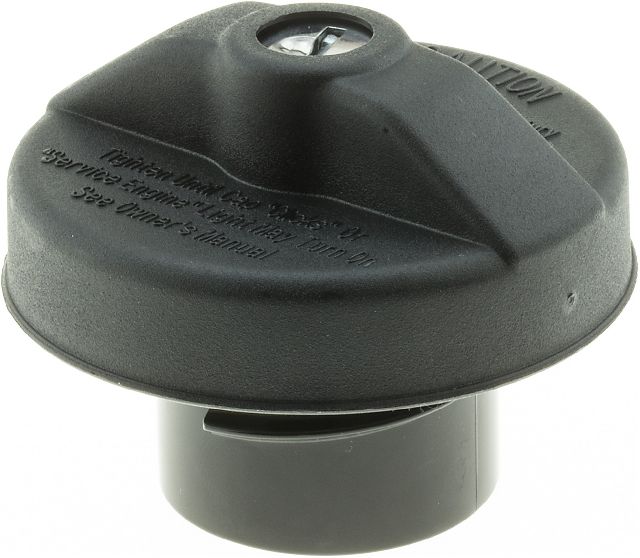
- Loose or Faulty Gas Cap 🔴 High Probability This is the most common cause for any vehicle. The gas cap seal can degrade over time or may not have been tightened properly after refueling. It's the first thing to check.
How to confirm: Inspect the gas cap for cracks or damage to the rubber O-ring. Ensure it is tightened until it clicks at least once. If the seal looks worn, replacement is an inexpensive first step. Many owners recommend using an OEM Mopar cap, as aftermarket caps can sometimes fail to seal properly. Also, thoroughly clean the metal rim of the fuel filler neck with a mild abrasive pad to remove any grit or corrosion that could prevent a good seal.
Typical fix: Tighten or replace the gas cap. After replacing, the code may take several drive cycles to clear on its own.
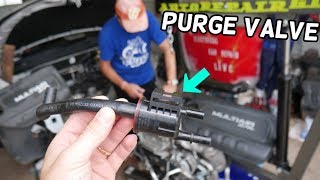
Est. part cost: $15-$35 - Faulty EVAP Purge Valve/Solenoid 🔴 High Probability The purge valve is a frequently failing component on many Chrysler products. It can get stuck slightly open, creating a small leak that the system detects. A stuck-open valve can also cause rough running after refueling.
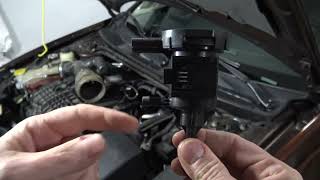
How to confirm: The valve is normally closed. With the engine off, disconnect the valve and try to blow through it; if any air passes, it's faulty and needs replacement. It is located on top of the engine. 🎬 See this walkthrough for replacing the V6 purge valve
Typical fix: Replace the purge valve. This is a simple repair on both generations, typically requiring no special tools.
Est. part cost: $30-$75 - Cracked or Disconnected EVAP Hoses 🟡 Medium Probability On 2012-2014 models, the transmission shift cable can rub through the EVAP purge hose near the back of the engine, causing a small leak. On all models, rubber hoses can become brittle and crack over time, especially at connection points.
How to confirm: Visually inspect all accessible EVAP lines, especially the hoses connected to the purge valve in the engine bay. On 2012-2014 models, specifically check for rubbing marks. A smoke test is the most effective way to find a hard-to-see crack.
Typical fix: Replace the damaged section of hose. In the case of the rubbing hose, an entire pre-formed assembly may need to be ordered from the dealer.
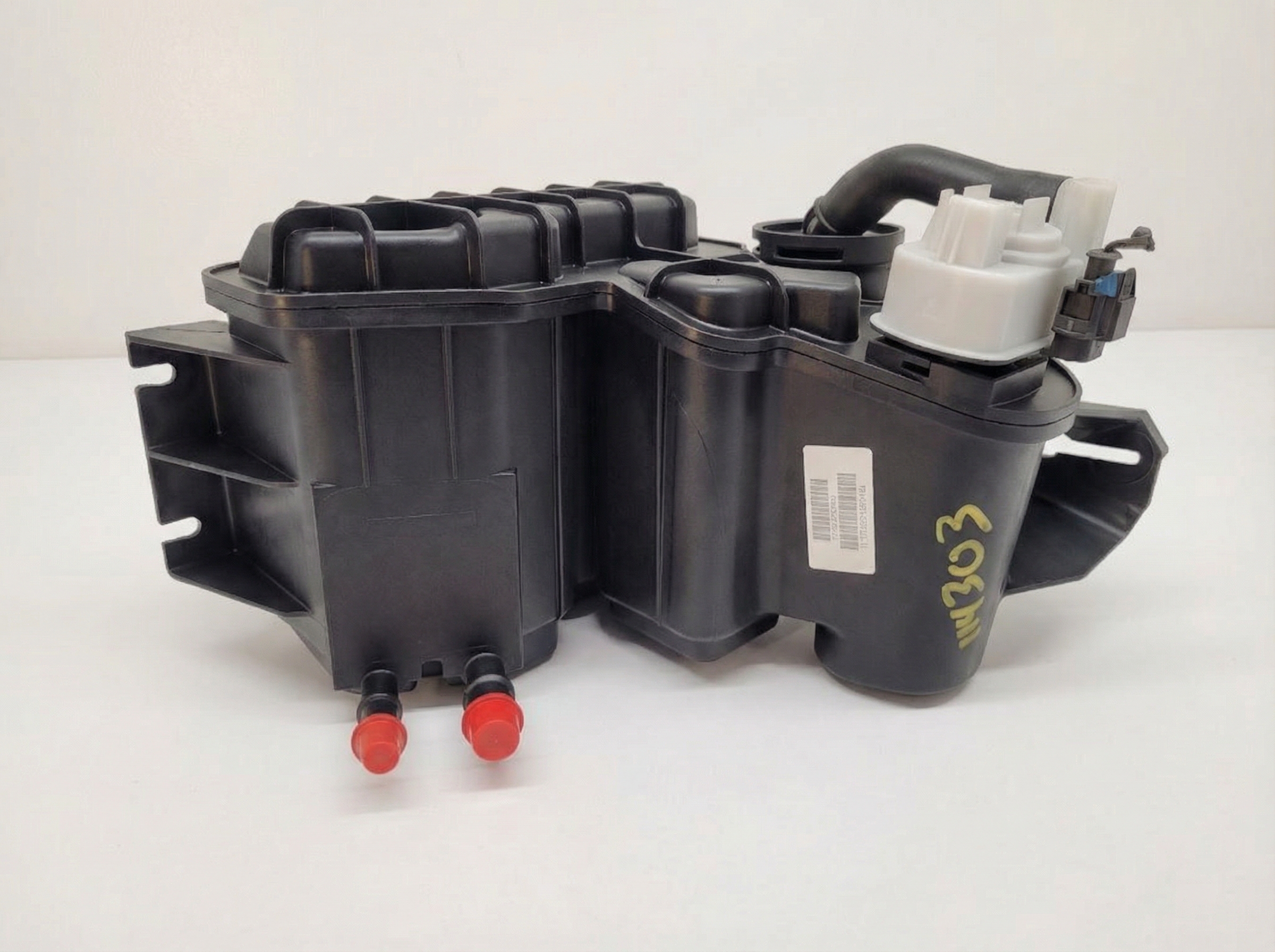
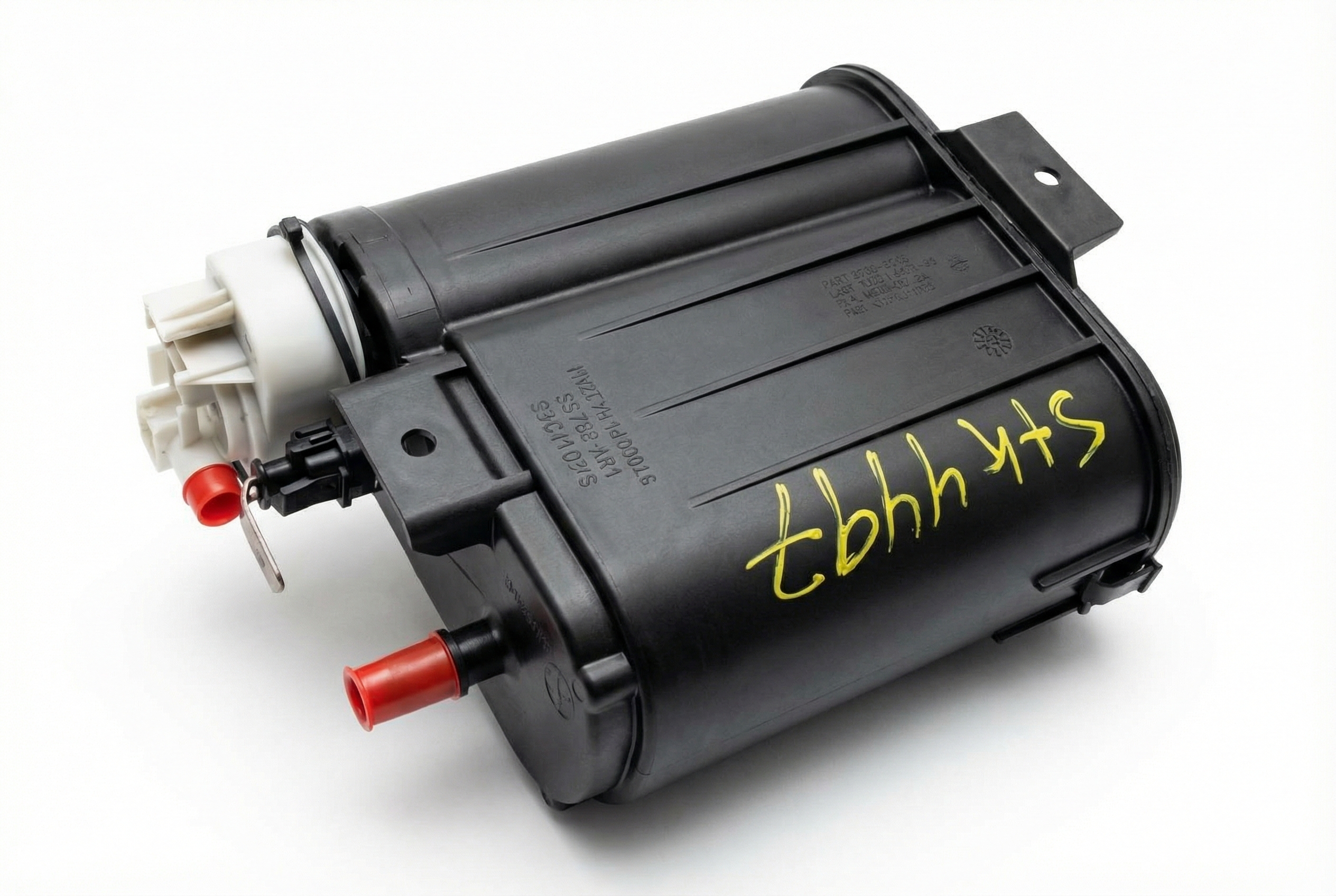
Est. part cost: $10-$50 - Faulty Evaporative System Integrity Module (ESIM) 🟡 Medium Probability This is a very common failure on the second generation (2015-2017) Chrysler 200 and its platform-mates. The white plastic housing of the ESIM, which is attached to the vapor canister, develops hairline cracks that are often invisible to the naked eye. Shaking a faulty ESIM may produce a rattling sound from broken internal components.
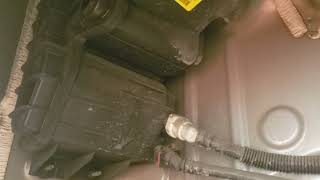
How to confirm: This leak is best found with a smoke test, which will show smoke seeping from the ESIM housing. The ESIM is located on the charcoal canister, accessible by removing the rear passenger-side wheel and fender liner.
Typical fix: Replace the ESIM. It twists a 🎬 Watch: How to replace the ESIM leak detection pump quarter-turn into the vapor canister and is sold as a separate part.
Est. part cost: $30-$110 - Powertrain Control Module (PCM) Software Update Needed ⚪ Low Probability Chrysler has issued TSBs (e.g., #18-050-16) for both generations indicating the factory software may be overly sensitive and can falsely trigger a P0456 code when no physical leak exists.
How to confirm: A Chrysler dealership or a well-equipped independent shop can check if your vehicle's PCM software is up to date using a wiTECH scan tool. This should be considered after all physical leak sources have been ruled out with a smoke test.
Typical fix: Reprogram the PCM with the latest software. This must be done by a dealer or qualified shop. Owners report dealer costs for this service ranging from $150 to $250.
Est. part cost: $0-$250
Rare But Worth Checking
- Cracked Charcoal Canister: While less common than a faulty ESIM or purge valve, the plastic body of the charcoal canister itself can crack, causing a leak. This is usually found with a smoke test.
- Leaking Fuel Tank Pressure Sensor: The sensor that monitors pressure in the system can develop a leak through its own seal or housing, triggering the code.
Diagnosis Steps
- Read the code with an OBD-II scanner and check for any other related codes like P0455 or P0457.
- Inspect the gas cap. Ensure it is tight and the rubber seal is not cracked or brittle. If in doubt, replace it with an OEM part. Clear the code and drive for a few days to see if it returns.
- Visually inspect the EVAP hoses in the engine bay, particularly around the purge valve. On 2012-2014 models, specifically check for rubbing marks from the transmission cable on the hose assembly.
- Test the EVAP purge valve. With the engine off, remove the valve and try to blow through it. If air passes, it is stuck open and faulty.
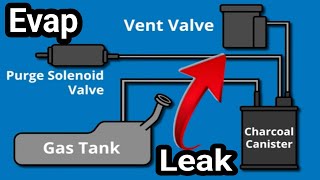
- If the above steps do not reveal the issue, the most reliable next step is to have a professional smoke test performed. This involves injecting pressurized, vaporous smoke into the EVAP system to visually pinpoint the source of the leak. 🎬 Watch: A simple way to understand and find small leaks
- During the smoke test, pay close attention to the purge valve, all hose connections, the charcoal canister, and especially the ESIM (on 2015-2017 models), as a crack here is very common.
- If no leaks are found with a smoke test, the issue may be a faulty ESIM that is failing its internal electrical self-test, or the PCM software may be too sensitive. Check with a dealer to see if a PCM software update related to TSB #18-050-16 or others is available for your vehicle.
Parts You'll Likely Need
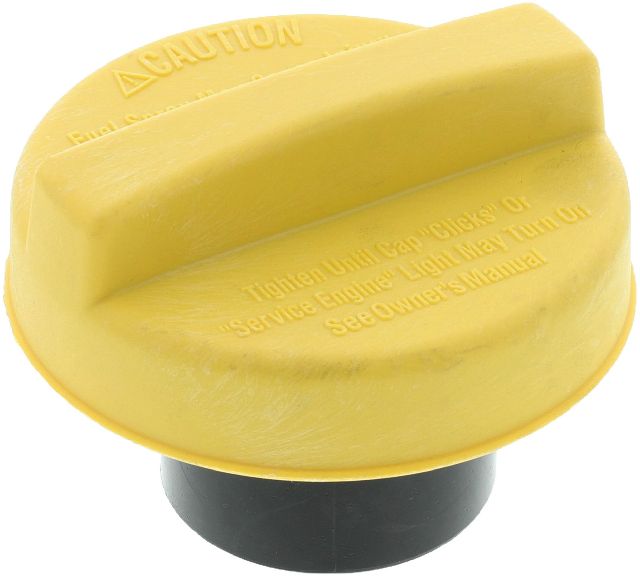
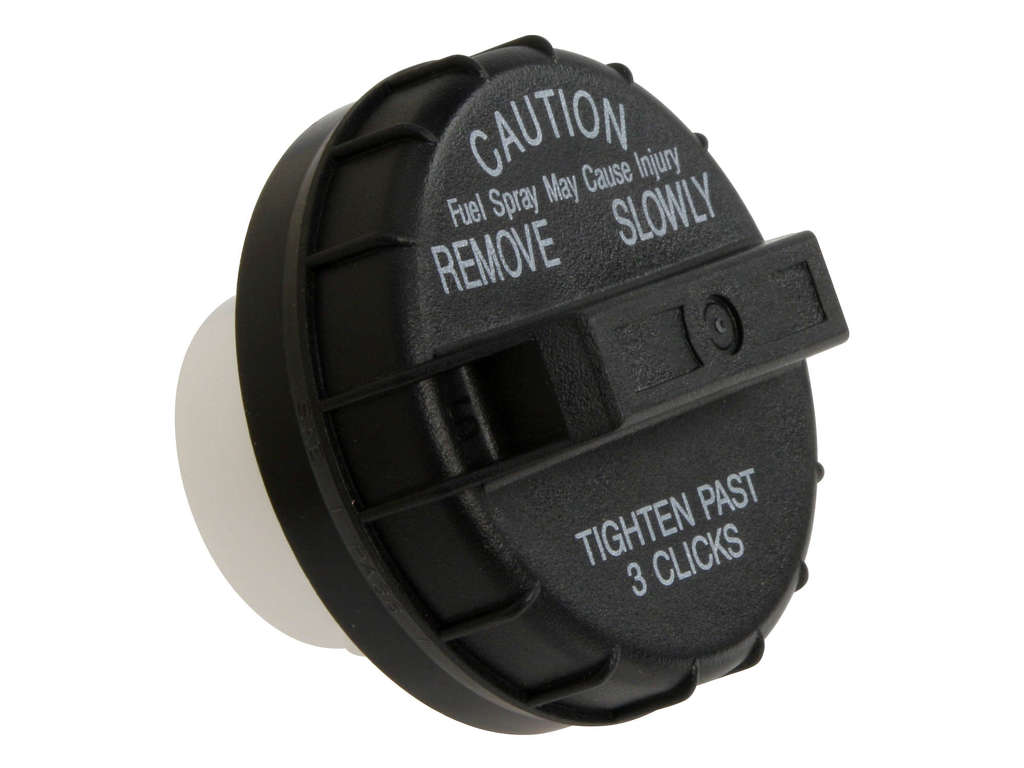
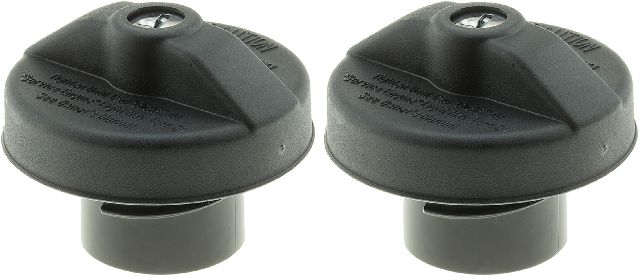
- Gas Cap — This is the most frequent and easiest fix. The seal wears out over time, causing a small leak.
Trusted brands: Mopar, Stant
OEM price range: $25-$35
Aftermarket price range: $15-$25 - Vapor Canister Purge Valve
(OEM #4891741AA (2012-2014), 4627694AB (2015-2017))— A very common failure point. It gets stuck open and creates a constant small leak. Part number 4891741AA is listed for 2012-2014 models. Part number 4627694AB (replaces 4627694AA) is listed for 2015-2017 models.
Trusted brands: Mopar, Dorman, Standard Motor Products
OEM price range: $50-$75
Aftermarket price range: $30-$60 - Evaporative System Integrity Module (ESIM)
(OEM #04861963AD)— A primary cause of P0456 on 2015-2017 models. The plastic housing cracks, causing a small leak that is hard to find without a smoke test. This part number supersedes previous versions like ...AC, ...AB, and ...AA.
Trusted brands: Mopar, Dorman (P/N: 310-233)
OEM price range: $70-$110
Aftermarket price range: $30-$50
Related Codes That Often Appear With This One
- P0455 — Indicates a large EVAP leak. If a small leak (P0456) gets worse, or if a component fails catastrophically, it can trigger a P0455. They often share the same root causes.
- P0457 — Indicates a leak detected due to a loose or missing fuel cap. This is a more specific version of P0456 and often appears alongside it if the gas cap is the issue or if the ESIM fails.
Technical Service Bulletins (TSBs) & Recalls

- Specifically addresses false P0456 codes on 2013 JS-platform vehicles (Chrysler 200/Dodge Avenger) with either the 2.4L or 3.6L engine. The fix is to reprogram the PCM with updated, less sensitive software.
- Lists P0456 as one of several codes that can be resolved with a PCM software update on 2015-2017 UF-platform vehicles, indicating the original software calibration may be too sensitive.
- Mentions a specific dealer-level diagnostic procedure called the Small Leak Verification Test (SLVT) used with the wiTECH scan tool to confirm a P0456 leak.
Platform-Specific Known Issues
- TSB #18-050-16 specifically calls out reprogramming the PCM to resolve a false P0456 code on 2013 JS platform (Chrysler 200) vehicles with either the 2.4L or 3.6L engine.
- TSB #18-022-17 REV. A and other similar bulletins list P0456 as one of several codes that can be addressed with a PCM software update on 2015-2016 models.
Mechanic-Grade Diagnostic Values
- ESIM Switch Voltage (Key On, Engine Off) — expected: ~4.5 Volts (switch open). Failure: Voltage does not drop to near 0V when a vacuum of ~1 inch of water is applied to the system, indicating a stuck switch.
Scan Tool Commands That Help
- wiTECH (Chrysler Dealer Tool): Small Leak Verification Test (SLVT) — This is a mandatory first step in Chrysler's diagnostic procedure for P0456. It verifies if a leak is currently present without needing a full drive cycle. It must also be run after a repair to confirm the fix.
- Professional Bidirectional Scan Tool: EVAP System Test / Seal EVAP System — This command closes the EVAP vent valve, sealing the system. This is required before performing a smoke test to ensure the system is closed and can be pressurized.
Wiring & Ground Locations
- EVAP Purge Solenoid — On the 2012-2014 models, it is located at the left rear of the engine compartment. On the 2015-2017 3.6L V6, it is located below the brake fluid reservoir, identifiable by its red electrical connector tab.. Provides a physical location for visual inspection and electrical testing of a primary failure component.
- EVAP System Monitor Switch (ESIM) — For 2015-2017 models, it is located on the vapor canister, accessible from the rear passenger-side wheel well. A wiring diagram for the 2015 model shows the ESIM signal wire and a ground point at G924A, located at the base of the right 'D' pillar.. Pinpoints the location for testing the ESIM and checking its ground connection, which is critical for proper operation.
- G309 (Ground) — For 2012 models, this ground is located on the left side of the engine compartment and serves the EVAP/purge solenoid.. A poor ground connection at this point could cause intermittent or faulty operation of the purge solenoid, leading to incorrect system tests.
Real Owner Repair Stories
- BobIsTheOilGuy forum user (2015 Jeep Grand Cherokee (shares EVAP components with Chrysler 200)) — Recurring P0456 code, Check Engine Light.
❌ Tried (didn't work) Clearing the code with a scanner (it would return).
✅ What actually fixed it The vehicle had a capless fuel system. The fix was to thoroughly clean the dust and debris from the fuel filler opening's internal seals using a solvent (like WD-40 or denatured alcohol) and a funnel to actuate the internal trap doors, flushing out the contamination that was preventing a proper seal. - YouTube video by 'Jeep, Dodge, Chrysler... Smoke Tested' (2012-2019 Jeep/Dodge/Chrysler (general guide)) — P0456 and/or P0440 with Check Engine Light.
❌ Tried (didn't work) Visual inspection of engine bay hoses showed no obvious cracks.
✅ What actually fixed it A smoke test revealed a faint leak from the white plastic ESIM canister located in the driver's side rear fender well. The leak was caused by a failed internal valve and a bad O-ring seal. Replacing the ESIM canister and its O-ring resolved the code.
"I Checked Everything" — The Actual Cause
- In some cases, a vehicle can pass a physical smoke test, showing no leaks, but still repeatedly set a P0456 code. This scenario strongly points to a glitch in the Powertrain Control Module (PCM) software. Chrysler has issued TSBs for this issue, and the fix is to have a dealer reflash the PCM with updated software that has less sensitive parameters for the EVAP monitor test.
OEM Part Supersession History
4861963AA, 4861963AB, 4861963AC→04861963AD— Part revision and improvement for the Evaporative System Integrity Module (ESIM).
Heads up: Using an older, superseded part may lead to premature failure as the design was updated. Always use the latest revision (AD).
Model Year Variations Within This Range
- 2015-2017 (UF Platform): These models use an Evaporative System Integrity Module (ESIM) which is a very common failure point for P0456. The earlier 2012-2014 (JS Platform) models use a different Leak Detection Pump (LDP) system.
- 2012-2014 (JS Platform): These models are known for a specific issue where an EVAP hose in the engine bay can be rubbed through by the transmission shift cable, a problem not present on the later generation.
Helpful Videos
Used OEM Parts in Stock
New Aftermarket Parts Available


The information in this article is provided for general reference and educational purposes only. Vehicle specifications, procedures, and part compatibility can vary by production date, trim level, and region. Always consult your vehicle's factory service manual and verify part numbers before purchasing or performing repairs. Safety-critical components such as airbags, seat belts, and braking systems should be installed by a qualified professional.
- Chrysler 200:
- 🎬 Helpful Videos
- 🛍️ Shop This Part
- What's Unique About the 2012-2017 Chrysler 200
- Diagnostic Flowchart
- Symptoms You May Notice
- Most Likely Causes
- Rare But Worth Checking
- Diagnosis Steps
- Parts You'll Likely Need
- Related Codes That Often Appear With This One
- Technical Service Bulletins (TSBs) & Recalls
- Platform-Specific Known Issues
- Mechanic-Grade Diagnostic Values
- Scan Tool Commands That Help
- Wiring & Ground Locations
- Real Owner Repair Stories
- "I Checked Everything" — The Actual Cause
- OEM Part Supersession History
- Model Year Variations Within This Range
- 🎟️ Get 5% Off