

P0456 on 2012-2013 Acura TL: EVAP Small Leak Causes and Fixes
For a 2012-2013 Acura TL, code P0456 almost always points to a loose or faulty gas cap. Before spending any money, tighten the cap until it clicks several times. If the code returns, a new OEM gas cap (part #17670-T3W-A01) is the next logical and affordable step. Aftermarket caps are frequently reported to not seal correctly.
- Start with the simplest fix: tighten your gas cap. If the light returns, replace it with an OEM Acura cap.
- The P0456 code is not a critical issue and will not prevent you from driving the car, but it will cause you to fail an emissions inspection.
- If a new gas cap doesn't solve the problem, a professional smoke test is the most efficient way to find the leak, saving you from replacing unnecessary parts.
- The most likely parts to fail, in order, are: the gas cap, the EVAP purge valve, and the EVAP vent solenoid.
What's Unique About the 2012-2013 Acura TL
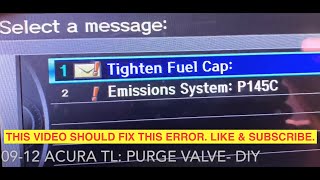
On the fourth-generation Acura TL, the fuel cap is a well-documented point of failure, as highlighted by Acura's own Technical Service Bulletins (TSBs). A specific TSB mentions the cap may have a "stick-slip feeling when tightened," which is a clear indicator it needs replacement. Owners frequently report that the "TIGHTEN FUEL CAP" message appears on the dashboard, often as a precursor to the P0456 code itself. 🎬 Watch: How to clear the Tighten Fuel Cap message. Sticking with an OEM (Original Equipment Manufacturer) gas cap is highly recommended, as forum users consistently report that aftermarket caps can fail to seal properly and cause the code to persist.
Diagnostic Flowchart
Tap your situation to follow the diagnostic path that matches what you're seeing on this vehicle.
Symptoms You May Notice
- Check Engine Light is on
- "TIGHTEN FUEL CAP" message on the Multi-Information Display (MID)
- A faint smell of gasoline, particularly around the rear of the car (less common)
- Difficulty and sluggish performance immediately after refueling (can indicate a stuck-open purge valve)
- Replacing the purge valve or other EVAP components before checking or replacing the gas cap. Always start with the simplest and most common fix.
- Using a cheap, aftermarket gas cap. Many owner reports confirm that only an OEM Honda/Acura cap will provide a reliable seal.
Most Likely Causes
- Loose or Faulty Gas Cap 🔴 High Probability Acura issued a Technical Service Bulletin (TSB 12-030) specifically mentioning that a faulty fuel fill cap can cause a P0456 code, sometimes with a 'stick-slip feeling when tightening. The rubber O-ring on the cap degrades over time, losing its ability to seal.
How to confirm: Ensure the cap is tightened until it clicks multiple times. Inspect the cap's seal for cracks, stiffness, or wear. If the cap feels loose or doesn't click smoothly, it's likely bad. Many owners on forums like Acurazine report that an aftermarket cap did not solve the problem, and only an OEM cap worked.
Typical fix: Replace the gas cap with a new OEM part (superseded part number 17670-T3W-A01).
Est. part cost: $25-$50 - Leaking EVAP Purge Valve 🟡 Medium Probability The purge valve is a solenoid located in the engine bay that can get stuck slightly open over time, creating a small leak in the system. This is a common failure point on many Honda and Acura vehicles from this era.
How to confirm: With the engine off, the purge valve should be closed. You can remove it and try to blow through it; if air passes, it has failed. A rough idle or shaking immediately after filling the gas tank is another strong symptom of a leaking purge valve. A professional would use a scan tool to command it closed and a smoke machine to check for leaks.
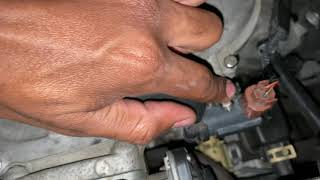
Typical fix: Replace the EVAP canister purge valve. It is located in the engine bay and is held on by two 10mm bolts, making it a relatively easy DIY job. 🎬 See this simple walkthrough for replacing the purge valve.
Est. part cost: $40-$80 - Leaking EVAP Hoses or Lines ⚪ Low Probability Rubber hoses can become brittle and crack over time due to heat cycles and age, creating small, hard-to-find leaks. A pinched or improperly routed hose after previous service can also cause this code.
How to confirm: Visually inspect all accessible EVAP hoses in the engine bay and around the charcoal canister for cracks, loose connections, or signs of perishing. A smoke test is the most effective way to find a small hose leak.
Typical fix: Replace the specific cracked hose section.
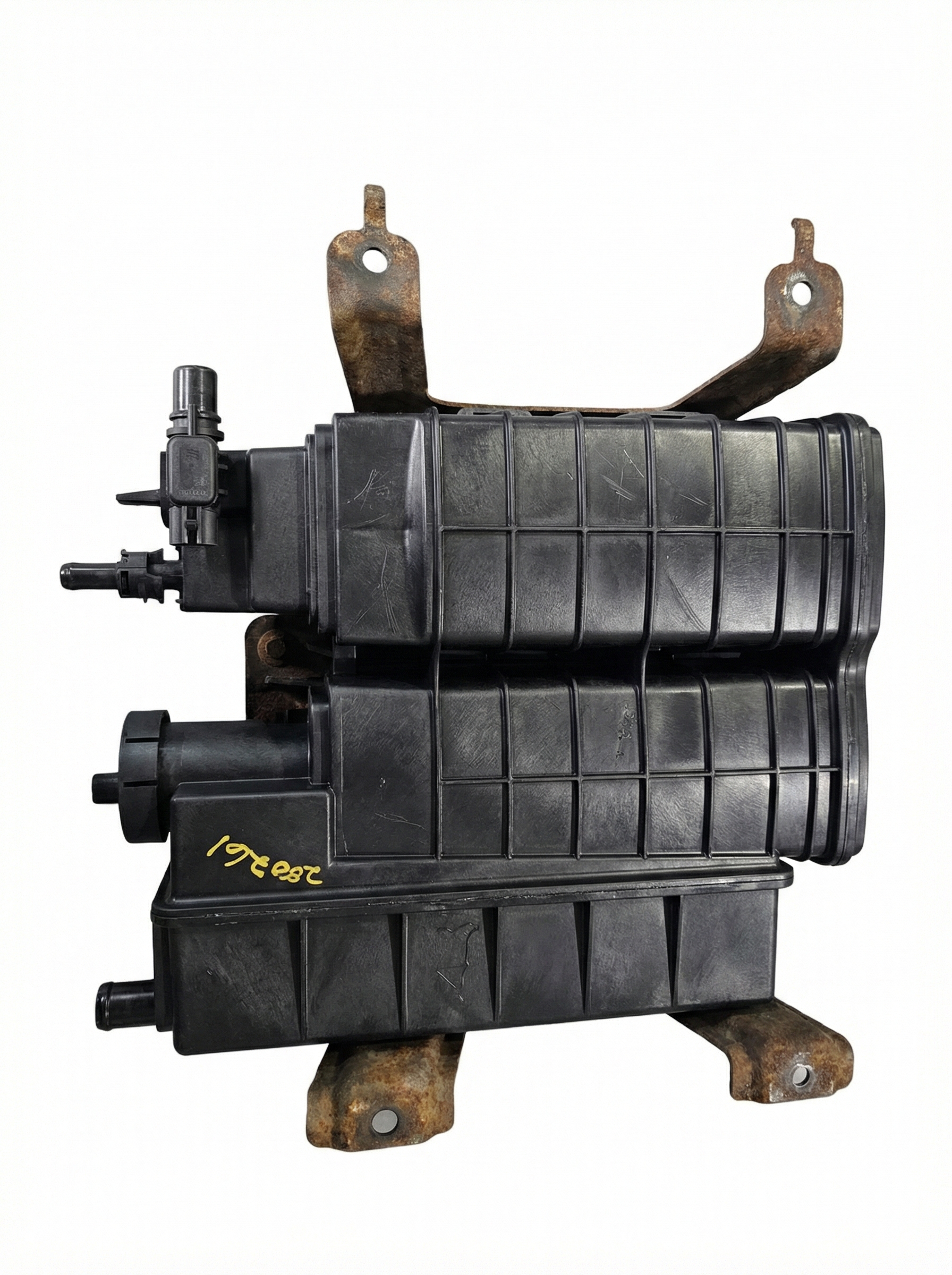
Est. part cost: $10-$30 - Faulty EVAP Vent Solenoid/Valve ⚪ Low Probability Located near the charcoal canister under the car, this valve is normally open and closes to seal the system for testing. It can fail to seal properly due to dirt or age, creating a leak path to the atmosphere. It's less common than a purge valve failure for this specific code.
How to confirm: A smoke test is the best method. A technician will command the valve closed with a scan tool and introduce smoke into the system to see if it leaks from the vent valve.
Typical fix: Replace the EVAP vent solenoid.
Est. part cost: $50-$100
Rare But Worth Checking
- Cracked Charcoal Canister: The plastic housing of the charcoal canister can develop hairline cracks from road debris or age, causing a very small leak. This is usually found only with a smoke test after all other components have been ruled out.
- Leaking Fuel Filler Neck: An Acura technical article notes that if a leak is found at the filler neck, the entire pipe should not be replaced. Instead, a specific 'mis-fuel inhibit device' and 'main flap unit' are available as service parts to correct the leak.
Diagnosis Steps
- Check the Gas Cap: Remove and reinstall the gas cap, ensuring it clicks at least 3-4 times. Clear the code with a scanner. The car's computer may need several drive cycles over a few days to re-run the EVAP monitor test and confirm the fix.
- Inspect and Replace the Gas Cap: If the code returns, carefully inspect the gas cap's rubber seal for any cracks, stiffness, or damage. If it looks worn, replace it with an OEM part (Acura P/N: 17670-T3W-A01). Avoid aftermarket caps.
- Visual Inspection: Inspect the EVAP hoses in the engine bay, particularly around the purge valve (located on the driver's side of the engine), for any obvious cracks or disconnections.
- Professional Smoke Test: If the gas cap replacement does not fix the issue, the next step is a professional smoke test, which typically costs between $60 and $125 for the diagnosis. A mechanic will inject vaporized smoke into the EVAP system to visually pinpoint the source of the leak, which could be a hose, the purge valve, the vent solenoid, or the charcoal canister. Do not pressurize the system with compressed air, as this can damage components.
Parts You'll Likely Need
- Fuel Filler Cap (Gas Cap)
(OEM #17670-T3W-A01 (supersedes 17670-SJA-A02 and others))— This is the most frequent cause for P0456 on this vehicle, as confirmed by owner experiences and an official Acura TSB. Aftermarket versions are known to be unreliable.
Trusted brands: Acura (OEM), Honda (OEM)
OEM price range: $25-$40
Aftermarket price range: $15-$25 - Vapor Canister Purge Valve
(OEM #36162-RMX-A01 (also seen as 36162-R70-A01 in some diagrams))— The second most likely component to fail and cause a small leak. It can get stuck slightly open. This part is shared across many Honda/Acura models.
Trusted brands: Acura (OEM), Denso, Standard Motor Products
OEM price range: $60-$90
Aftermarket price range: $30-$60
Related Codes That Often Appear With This One
- P0455 — This code indicates a large EVAP leak. It can appear alongside P0456 if the leak is intermittent or on the borderline between small and large. The same TSB from Acura mentions both codes in relation to a faulty gas cap.
- P0457 — This code indicates an EVAP leak due to a loose or missing fuel cap. It's more specific than P0456 but points to the same initial problem area and is often fixed by the same parts.
- P145C — This is another Honda/Acura specific code related to the EVAP system, often pointing directly to a problem with the canister purge valve. It frequently appears with P0497.
Technical Service Bulletins (TSBs) & Recalls
- Service Bulletin (2012 FUEL SYSTEM, GASOLINE, dated 2014-10-03): Links P0456 and P0455 to a faulty fuel fill cap.
- Service Bulletin (2012 ELECTRICAL SYSTEM, dated 2014-02-12) / TSB 11-012: Mentions the 'TIGHTEN FUEL CAP' message, which is a common symptom related to this code, and may require a software update on some early 2012 models.
- Acura Tech Line Summary Article (un-numbered): Advises against replacing the entire fuel filler pipe for P0456 leaks found in that area, instead directing technicians to replace smaller, specific components of the filler neck assembly.
Platform-Specific Known Issues
- Acura TSB 12-030 notes that the MIL may come on with P0456 and the fuel fill cap may have a 'stick-slip feeling when tightened,' indicating a faulty cap.
- Acura TSB 11-012 (predecessor to 12-013) describes a scenario where the 'TIGHTEN FUEL CAP' message appears without a DTC being set, requiring a software update for certain VIN ranges. This highlights the system's sensitivity to the cap's seal.
Mechanic-Grade Diagnostic Values
- EVAP Purge or Vent Solenoid Coil Resistance — expected: 15 - 50 Ohms. Failure: A reading far outside this range, or an open circuit (infinite resistance), indicates a failed solenoid coil.
Hidden / Shadow Codes Worth Checking
- Mode $06, Monitor ID $3C, Test ID $B7: This test checks for an unstable fuel tank pressure (FTP) sensor signal after the engine is turned off. An unstable signal here could indicate an intermittent electrical issue with the FTP sensor or its wiring, potentially causing a false P0456 code even if no physical leak exists. (see via An advanced OBD2 scanner capable of displaying Mode $06 (Non-Continuous Monitor Test Results).)
Scan Tool Commands That Help
- Honda HDS (or advanced bidirectional scanner): EVAP System Test / Purge Valve Control / Vent Valve Control — This function is used during a smoke test or for targeted diagnosis. A technician can command the normally-closed purge valve to open or the normally-open vent valve to close. This allows for isolating components and verifying their electrical and mechanical function without removing them from the vehicle.
Wiring & Ground Locations
- EVAP Canister Purge Valve — Located in the engine compartment, at the left (driver's side) rear, near the strut tower.. This is a primary failure point. Knowing its exact location is crucial for visual inspection of its connected hoses and for performing electrical tests or replacement.
- G101 — Located at the top rear of the engine.. This is a primary engine ground. A poor connection at G101 could cause erratic behavior in various engine sensors and solenoids, including the EVAP system components, potentially leading to false codes.
Real Owner Repair Stories
- Reddit user in r/AcuraTL (4th Generation Acura TL (2009-2014)) — "Tighten gas cap" message on the dashboard.
❌ Tried (didn't work) Implied that simply replacing the part without attention to its origin could lead to continued failure.
✅ What actually fixed it Replacing the EVAP purge valve with an OEM part that was specifically 'Made in Japan'. The user warned that another version of the same part, 'Made in Mexico', is known to be defective and will not solve the problem.
OEM Part Supersession History
Unknown (Potentially a 'Made in Mexico' version)→36162-RMX-A01 ('Made in Japan' version)— Quality Control / Reliability
Heads up: Owner communities report that for the EVAP Purge Valve (36162-RMX-A01), versions manufactured in Mexico are prone to failure, while the 'Made in Japan' version is the reliable fix. While they are physically identical, the internal quality differs.
Helpful Videos
![How to Fix P0456 Engine Code in 3 Minutes [2 DIY Methods / Only $4.44]](https://img.youtube.com/vi/v_QDSjd1-Lw/mqdefault.jpg)
Used OEM Parts in Stock
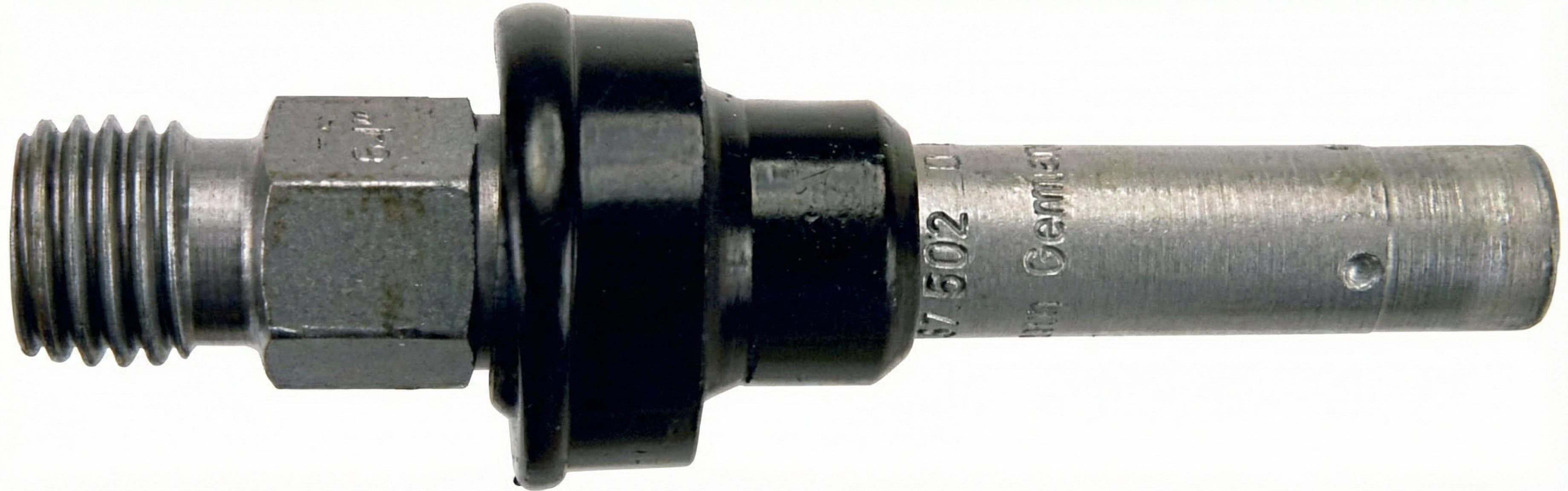
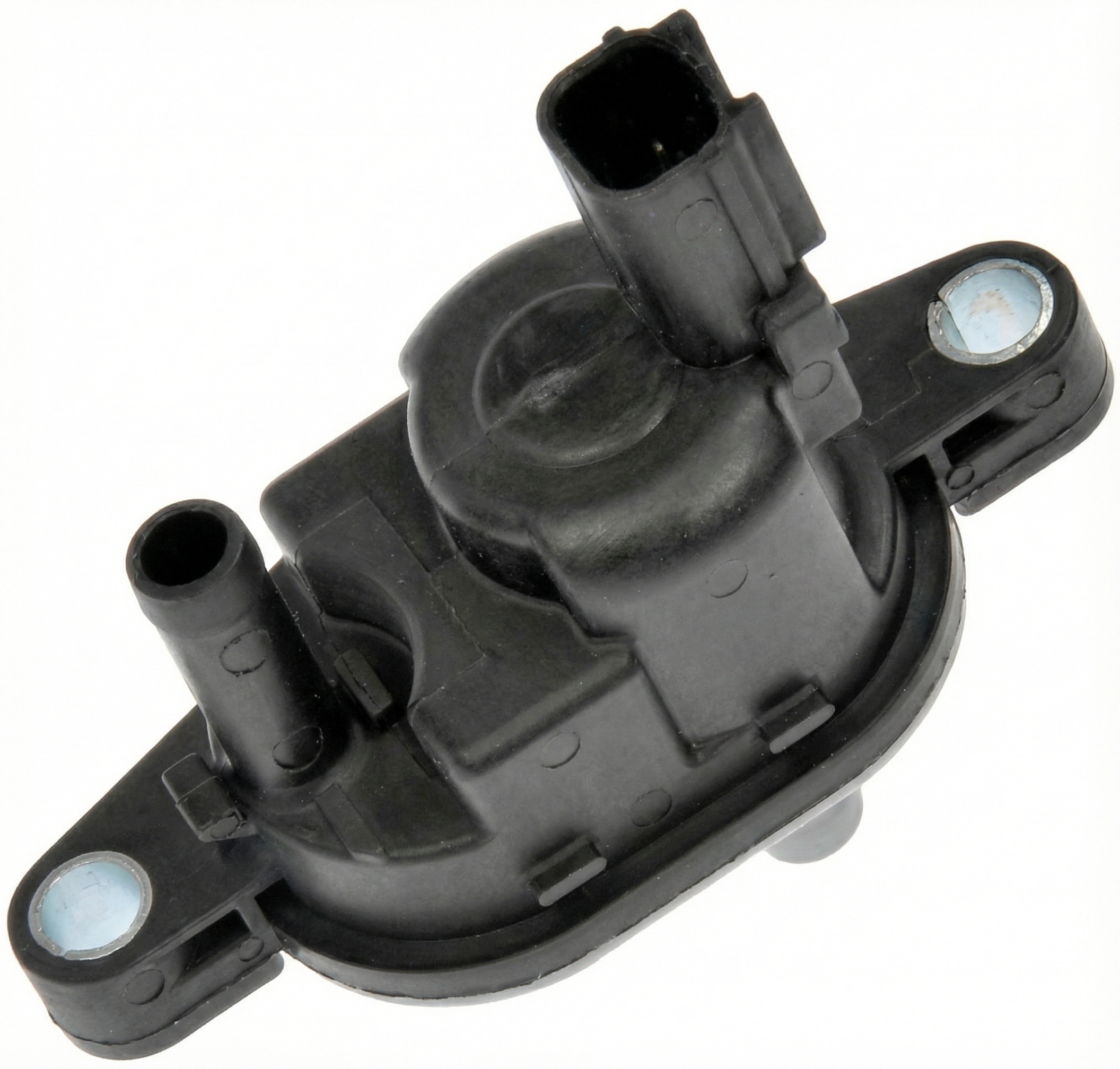
New Aftermarket Parts Available

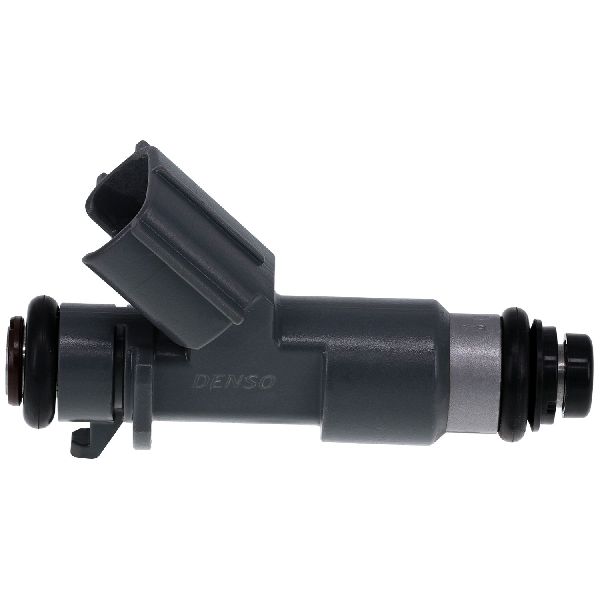
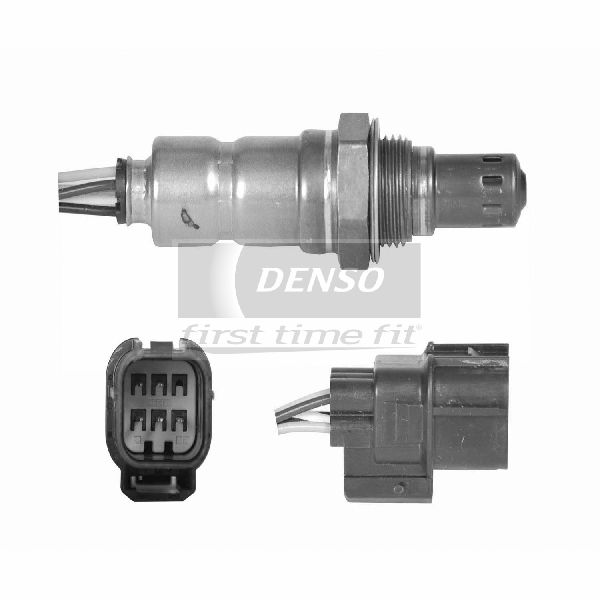

The information in this article is provided for general reference and educational purposes only. Vehicle specifications, procedures, and part compatibility can vary by production date, trim level, and region. Always consult your vehicle's factory service manual and verify part numbers before purchasing or performing repairs. Safety-critical components such as airbags, seat belts, and braking systems should be installed by a qualified professional.
- Acura TL:
- 🎬 Helpful Videos
- 🛍️ Shop This Part
- What's Unique About the 2012-2013 Acura TL
- Diagnostic Flowchart
- Symptoms You May Notice
- Most Likely Causes
- Rare But Worth Checking
- Diagnosis Steps
- Parts You'll Likely Need
- Related Codes That Often Appear With This One
- Technical Service Bulletins (TSBs) & Recalls
- Platform-Specific Known Issues
- Mechanic-Grade Diagnostic Values
- Hidden / Shadow Codes Worth Checking
- Scan Tool Commands That Help
- Wiring & Ground Locations
- Real Owner Repair Stories
- OEM Part Supersession History
- 🎟️ Get 5% Off