

P0455 on 2020-2021 Ram 1500: EVAP Large Leak Causes and Fixes
P0455 on a 2020-2021 Ram 1500 indicates a large leak in the EVAP system. The most common cause is a loose or faulty gas cap, and a TSB recommends an updated cap design. If the cap is secure, the next most likely culprits are the EVAP purge valve or the frequently failing leak detection pump (ESIM) and its O-ring seal.
- P0455 means your Ram 1500 has a large leak in its fuel vapor recovery system.
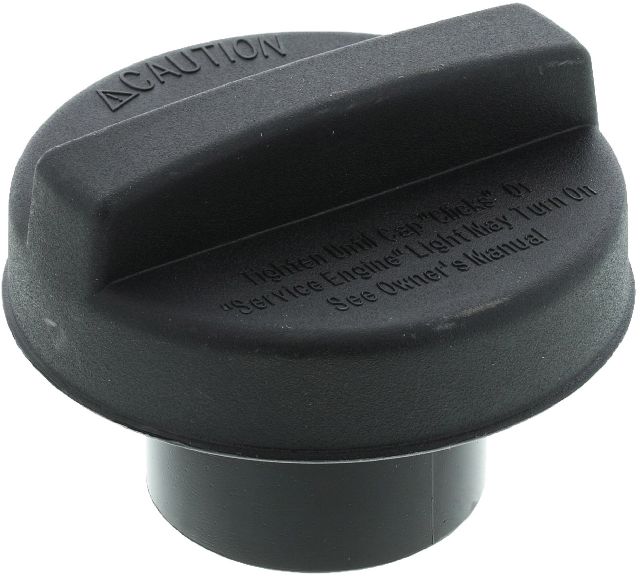
- Always check your gas cap first. Make sure it's tight and the seal is intact. This is the most common and cheapest fix.
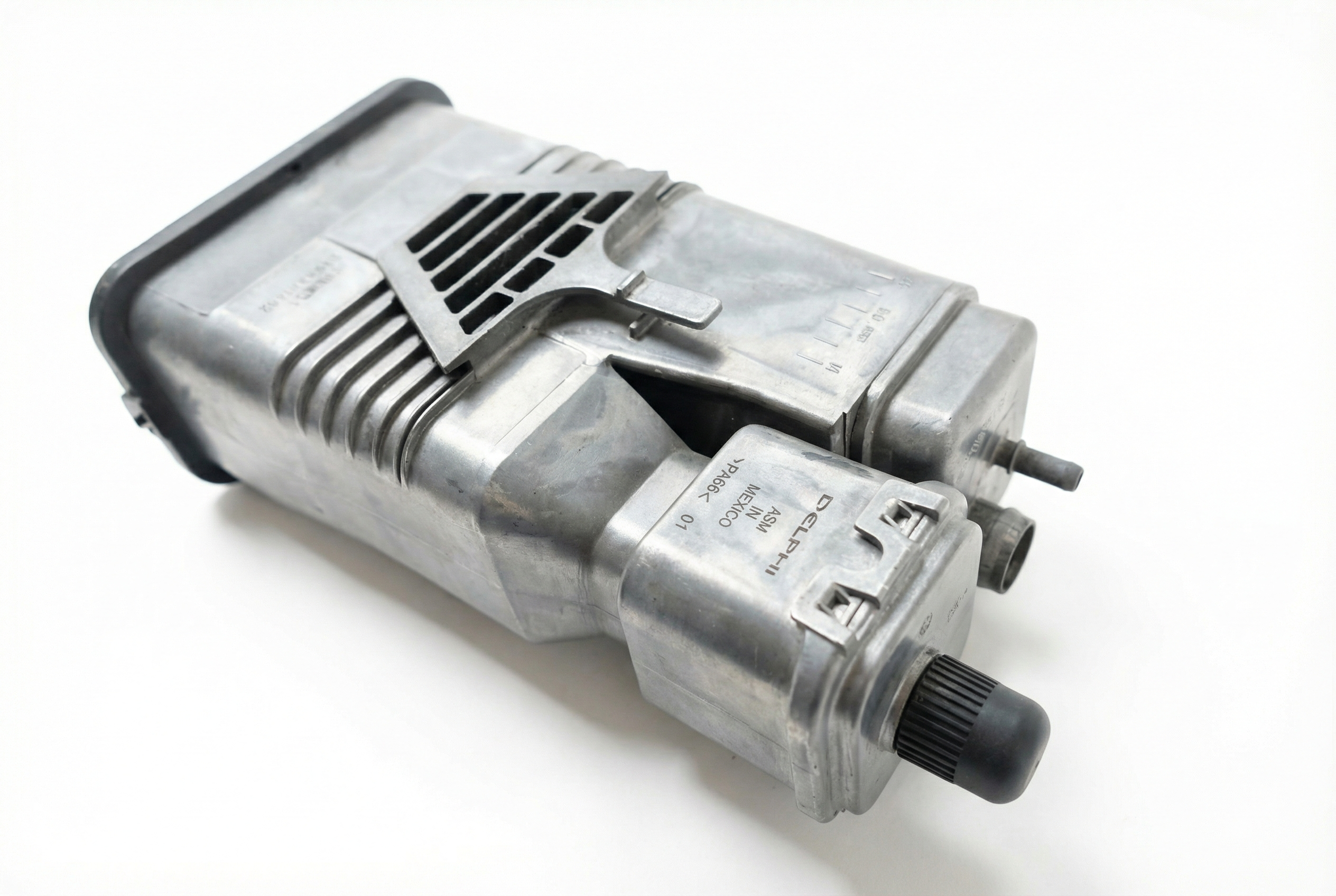
- If the gas cap isn't the issue, the leak detection pump (ESIM) on the charcoal canister and the purge valve in the engine bay are the next most likely culprits.
- The vehicle is safe to drive, but you should get the leak fixed to pass an emissions test and prevent fuel vapors from polluting the atmosphere.
- A smoke test is the most reliable professional method to pinpoint the exact location of the leak if it's not obvious.
What's Unique About the 2020-2021 Ram 1500

The 2020-2021 Ram 1500 (DT generation) uses an Evaporative System Integrity Monitor (ESIM), also known as a leak detection pump, which is a very common failure point that can trigger this code. Unlike older systems, this component is often the source of the leak itself. Forum users frequently report that replacing the ESIM, and specifically its sealing O-ring, resolves the issue after a gas cap replacement fails to do so. Furthermore, manufacturer TSB #1400522REVB specifically addresses P0455 by recommending an updated, improved fuel filler cap, confirming it's a recognized issue with a specific hardware fix.
Diagnostic Flowchart
Tap your situation to follow the diagnostic path that matches what you're seeing on this vehicle.
Symptoms You May Notice
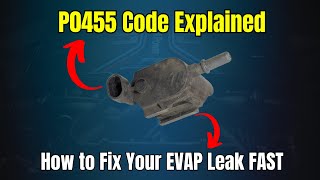
- Check Engine Light is on 🎬 Watch: A quick breakdown of the P0455 code and fixes
- A faint smell of fuel, particularly around the rear of the truck
- In rare cases, a hissing sound may be heard near the fuel tank or EVAP components
- Erratic fuel gauge readings; one owner reported the gauge rising on its own.
- In severe leak cases, a small puddle of gasoline may be visible under the truck near the tank.
- Replacing the fuel tank pressure sensor. While possible, this sensor is more likely to set its own specific codes (like P0452) rather than a general leak code.
- Immediately replacing the charcoal canister. The canister is often expensive, and the leak is more commonly from a component attached to it, like the ESIM, rather than the canister itself.
Most Likely Causes


- Loose or Faulty Gas Cap 🔴 High Probability This is the most common cause for any EVAP code. The cap's seal can wear out, or it may not have been tightened properly. A specific TSB (#1400522REVB) was issued for this platform that involves replacing the original cap with an improved design to fix this code.
How to confirm: Ensure the gas cap is tightened until it clicks. Inspect the rubber O-ring seal for cracks, dirt, or damage. Check with a dealer about TSB #1400522REVB to see if your vehicle needs the updated cap.
Typical fix: Tighten the cap or replace it, preferably with the updated OEM part mentioned in the TSB.
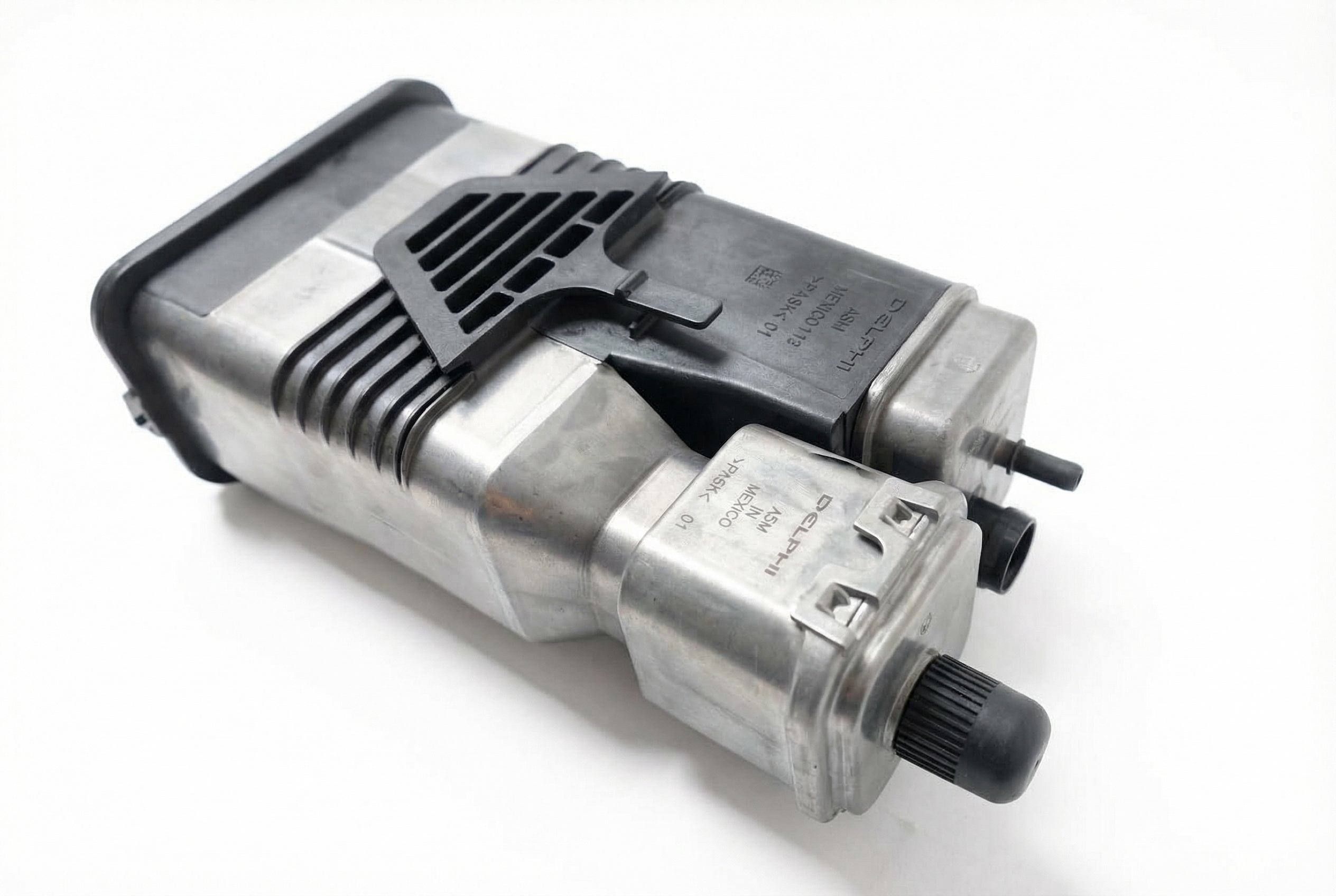
Est. part cost: $15-$35 - Faulty EVAP System Integrity Monitor (ESIM) / Leak Detection Pump 🔴 High Probability The ESIM is a known high-failure item on Ram trucks and related Stellantis vehicles. The internal switch can fail, or the unit can develop a leak. The O-ring that seals the ESIM to the charcoal canister is also a frequent culprit, becoming hard and cracked over time.
How to confirm: The ESIM is located on the charcoal canister near the fuel tank. A smoke test is the best confirmation, as smoke will be seen escaping from the ESIM body or its seal. Given its high failure rate, it's a prime suspect if a new gas cap doesn't resolve the code. Some forum users warn that aftermarket ESIMs have a high out-of-the-box failure rate and recommend using an OEM Mopar part.
Typical fix: Replace the ESIM and its O-ring seal. Using an OEM part is highly recommended. 🎬 See this walkthrough on how to replace the ESIM
Est. part cost: $40-$80 - Faulty EVAP Purge Valve (Solenoid) 🟡 Medium Probability The purge valve can get stuck open, creating a constant vacuum leak that the system interprets as a large leak.
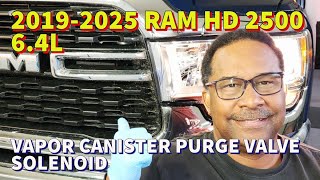
How to confirm: The purge valve is located in the engine bay. With the engine off, remove the valve and try to blow through it. It is a normally-closed valve, so if air passes through, it is stuck open and faulty. A scan tool can also command it open 🎬 Watch: How to replace the vapor canister purge valve solenoid and closed to verify function.
Typical fix: Replace the purge valve solenoid.
Est. part cost: $25-$50 - Cracked or Disconnected EVAP Hoses ⚪ Low Probability Lines can become brittle and crack, or a connection can come loose, especially after recent service near the fuel tank or engine. One owner on 5thgenrams.com found the P0455 code was caused by a hose not being seated correctly on the fuel sending unit.
How to confirm: Visually inspect all accessible EVAP lines. The most effective method is a smoke test, which will clearly show smoke exiting from the point of the leak.
Typical fix: Replace the cracked hose or reconnect the loose line.
Est. part cost: $10-$50
Rare But Worth Checking
- Cracked Charcoal Canister: The canister itself can develop a crack from road debris impact or stress, creating a large leak. This is usually found during a smoke test.
- Damaged Fuel Filler Neck: Corrosion or damage to the metal pipe where the gas cap seals can prevent a proper seal, even with a new cap.
- Broken Rollover Valve Nipple: A plastic nipple for a hose connection on the fuel tank's rollover valve can break off. According to owner reports, this can cause a large EVAP leak and may require replacement of the entire fuel tank.
Diagnosis Steps
- Check the Gas Cap: Ensure it is tight and clicks. Remove it and inspect the seal. Ask a Ram dealer if TSB #1400522REVB applies to your truck, as an updated cap may be required. This is an inexpensive first step. Clear the code and drive for a few days.
- Visual Inspection: Carefully inspect all visible EVAP hoses and lines in the engine bay and underneath the truck near the fuel tank. Look for obvious cracks, damage, or disconnected lines. A user on 5thgenrams.com found their P0455 was caused by a hose that was not seated correctly on the sending unit.
- Test the Purge Valve: Locate the purge valve in the engine bay. Disconnect it and test if it's stuck open by attempting to blow through it. It should be closed when no power is applied.
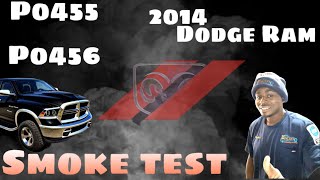
- Perform a Smoke Test: This is the most effective way to find the leak. A smoke machine injects low-pressure, visible smoke into the EVAP service port. Smoke will escape from the source of the leak, whether it's a hose, the ESIM, the canister, or the purge valve.
- Inspect the ESIM/Leak Detection Pump: During the smoke test, pay close attention to the ESIM mounted on the charcoal canister. If smoke is seen coming from the ESIM body itself or its sealing O-ring, it needs to be replaced. Given its high failure rate, this is a very likely culprit.
- Clear Codes and Retest: After replacing any faulty parts, clear the diagnostic trouble codes with a scan tool and perform a complete drive cycle to allow the EVAP monitor to run and confirm the fix.
Parts You'll Likely Need
- Gas Cap
(OEM #Check with dealer for updated part per TSB #1400522REVB)— This is the most frequent cause of P0455. TSB #1400522REVB recommends an updated cap design for a permanent fix.
Trusted brands: Mopar (Recommended)
OEM price range: $25-$35
Aftermarket price range: $15-$25 - EVAP System Integrity Monitor (ESIM)
(OEM #4861959AD (supersedes 4861959AA, 4861959AB, 4861959AC))— This leak detection pump is a very common failure point on Ram trucks, causing large and small leak codes. The part itself or its O-ring can leak.
Trusted brands: Mopar (Highly Recommended), Dorman
OEM price range: $60-$80
Aftermarket price range: $40-$60 - Vapor Canister Purge Valve
(OEM #4627694AB or 04627996AC (for 5.7L HEMI))— Can become stuck open, creating a large vacuum leak that triggers the code.
Trusted brands: Mopar, Bosch, Standard Motor Products
OEM price range: $40-$60
Aftermarket price range: $25-$45
Related Codes That Often Appear With This One
- P0456 — This code for a 'small leak' can appear alongside P0455. The TSBs for the Ram 1500 list them together, indicating a shared set of potential causes. The system may detect different leak sizes during subsequent tests.
- P0457 — This code specifically indicates a leak due to a loose or missing fuel cap. If you see this with P0455, the gas cap is almost certainly the problem.
Technical Service Bulletins (TSBs) & Recalls
- 1400522REVB: Recommends updating the fuel filler cap to an improved version to fix P0455 and P0456 codes.
- S2025000004: Notes customer complaints of MIL illumination with P0455 or P0456 set, confirming it as a recognized issue.
Platform-Specific Known Issues
- TSB for Updated Fuel Cap: TSB #1400522REVB, issued in August 2022, involves updating the fuel filler cap to an improved version to resolve codes P0455, P0456, and others. This indicates a known design issue with the original cap seal.
- High Failure Rate of ESIM: Owners on forums like RamForum.com and Reddit consistently report the ESIM (Evaporative System Integrity Monitor) as the true cause of P0455/P0456 codes after a gas cap replacement proves ineffective. The sealing O-ring is also a common point of failure.
Mechanic-Grade Diagnostic Values
- EVAP Purge Valve Solenoid Resistance — expected: 12 to 130 ohms, with a more common range being 15-30 ohms.. Failure: A reading that is significantly higher, lower, or infinite (open circuit) indicates a faulty valve.
- ESIM Signal Circuit Voltage (Key On, Engine Off) — expected: ~5.0 volts (open circuit). Failure: No voltage or incorrect voltage could indicate a wiring issue or a problem with the PCM. When the circuit is manually grounded with a jumper, the scan tool should show the switch state change to 'Closed'.
- Fuel Tank Pressure (FTP) Sensor Voltage (Key On, Engine Off, atmospheric pressure) — expected: ~2.3 to 2.6 volts. Failure: A voltage significantly outside this range at atmospheric pressure (e.g., 4.9V) suggests a faulty FTP sensor.
Scan Tool Commands That Help
- Innova 5160 (or similar advanced scan tool): ESIM Forced Test — This bidirectional command forces the EVAP system to run a self-test, allowing a technician to monitor the ESIM switch state. If the switch does not go to 'Closed' within about 45 seconds, it strongly suggests the ESIM itself is faulty, even if a smoke test is clean.
Real Owner Repair Stories
- RamForum.com user (2015 Ram 1500, 87,000 miles) — Check engine light with codes P0455, P0456, and P0457.
❌ Tried (didn't work) Replaced gas cap, Replaced ESIM, Replaced purge canister
✅ What actually fixed it The dealership diagnosed the issue as requiring a full fuel tank replacement at a cost of ~$4,000. The user was questioning this diagnosis, and other forum members suggested the issue could be a non-serviceable rollover valve within the tank, which can trigger these codes if it fails.
"I Checked Everything" — The Actual Cause
- In many cases where a smoke test reveals no leaks, the root cause is a faulty ESIM (Leak Detection Pump). The internal switch mechanism fails, preventing the system from properly verifying its integrity, even though no physical leak exists. A technician can confirm this by testing the ESIM's electrical response with a power probe or by running a forced ESIM test with a capable scan tool.
OEM Part Supersession History
4861959AA, 4861959AB, 4861959AC→4861959AD— Standard part revision and improvement for the EVAP System Integrity Monitor (ESIM).
Heads up: The 'AD' revision is the latest and recommended service part. It also supersedes older part numbers like 52855827AA and 52855827AB.
Helpful Videos

Used OEM Parts in Stock




New Aftermarket Parts Available


The information in this article is provided for general reference and educational purposes only. Vehicle specifications, procedures, and part compatibility can vary by production date, trim level, and region. Always consult your vehicle's factory service manual and verify part numbers before purchasing or performing repairs. Safety-critical components such as airbags, seat belts, and braking systems should be installed by a qualified professional.
- Ram 1500:
- 🎬 Helpful Videos
- 🛍️ Shop This Part
- What's Unique About the 2020-2021 Ram 1500
- Diagnostic Flowchart
- Symptoms You May Notice
- Most Likely Causes
- Rare But Worth Checking
- Diagnosis Steps
- Parts You'll Likely Need
- Related Codes That Often Appear With This One
- Technical Service Bulletins (TSBs) & Recalls
- Platform-Specific Known Issues
- Mechanic-Grade Diagnostic Values
- Scan Tool Commands That Help
- Real Owner Repair Stories
- "I Checked Everything" — The Actual Cause
- OEM Part Supersession History
- 🎟️ Get 5% Off