

P0455 on 2016-2022 Nissan Rogue: EVAP Gross Leak Causes and Fixes
For a P0455 code on a Nissan Rogue, the most likely cause is a loose or faulty gas cap. If the cap is secure, the next most common failure is the EVAP vent control valve located near the charcoal canister at the rear of the vehicle. This valve is a known high-failure part on many Nissans. Replacing the gas cap costs $15-$35, while the vent valve is around $60-$110 for the OEM part and is often a simple DIY replacement.
- P0455 means your Rogue has a large leak in the emissions system, but it is safe to drive.
- Always check your gas cap first. Make sure it's tight and the seal is not cracked. This fixes the problem a surprising amount of the time.
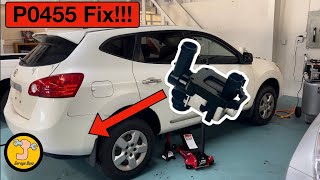
- If the gas cap is not the issue, the EVAP vent control valve (near the rear passenger wheel) is the most likely part to have failed.
- A smoke test is the most accurate way to find the exact location of a leak if it's not one of the common components.
- Using a genuine OEM Nissan gas cap is highly recommended to avoid sealing issues with aftermarket parts.
What's Unique About the 2016-2022 Nissan ROGUE

On many modern Nissan vehicles, including the Rogue, the EVAP vent control valve is a notoriously common failure point that leads to P0455 and other EVAP codes. While the gas cap is always the first check, many owners report that the vent valve, located at the rear of the vehicle by the charcoal canister, is the true culprit. Nissan has updated the design of this valve over the years, with part number 14935-JF02C superseding multiple previous versions (like 14935-JF00A, B, C, D, E), suggesting an acknowledgment of the original part's proneness to failure.
Diagnostic Flowchart
Tap your situation to follow the diagnostic path that matches what you're seeing on this vehicle.
Generation note: The 2016-2022 year range covers two generations of the Nissan Rogue: - Second Generation (T32): 2016-2020. Uses the 2.5L QR25DE 4-cylinder engine. - Third Generation (T33): 2021-2022. Primarily uses a 1.5L 3-cylinder engine, with the 2.5L available in early 2021 models. While the principles of the EVAP system are the same, the exact part numbers and locations for components like the purge and vent valves may differ between these generations. Always verify the part with your vehicle's VIN.
Symptoms You May Notice
- Check Engine Light is on
- A faint smell of fuel, particularly around the rear of the vehicle.
- A 'Loose Fuel Cap' message on the instrument display may appear.
- Difficulty starting the vehicle right after filling up the gas tank.
- Replacing the purge valve when the vent valve is the actual problem. Due to its high failure rate on the Rogue, the vent valve should be a primary suspect after the gas cap.
- Replacing parts without confirming the leak location. A smoke test is the definitive way to find the source of a P0455 leak and avoid replacing functional components.
Most Likely Causes


- Loose, Damaged, or Incorrect Gas Cap 🔴 High Probability This is the most common cause for any vehicle, as it's easy to forget to tighten the cap after refueling. The cap's seal can also wear out over time. Nissan TSB NTB13-097J explicitly lists a loose fuel filler cap as a primary potential cause for P0455.
How to confirm: Remove the gas cap and inspect the rubber O-ring for cracks, dirt, or damage. Ensure it is tightened until it clicks at least once. If the light returns, this is not the cause. Using a genuine Nissan cap is strongly recommended as forum users report that some aftermarket caps fail to seal properly, causing the code to return.
Typical fix: Tighten or replace the fuel filler cap.
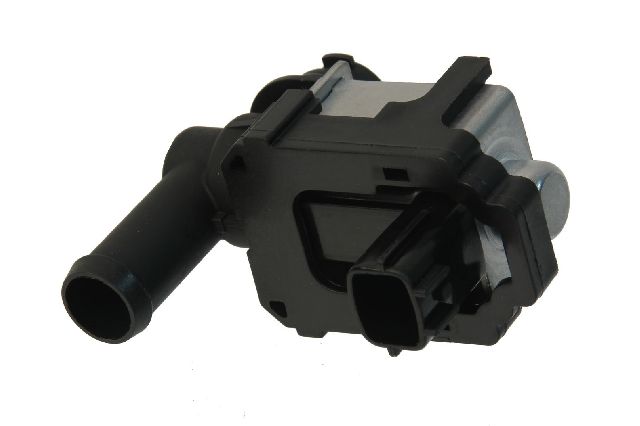
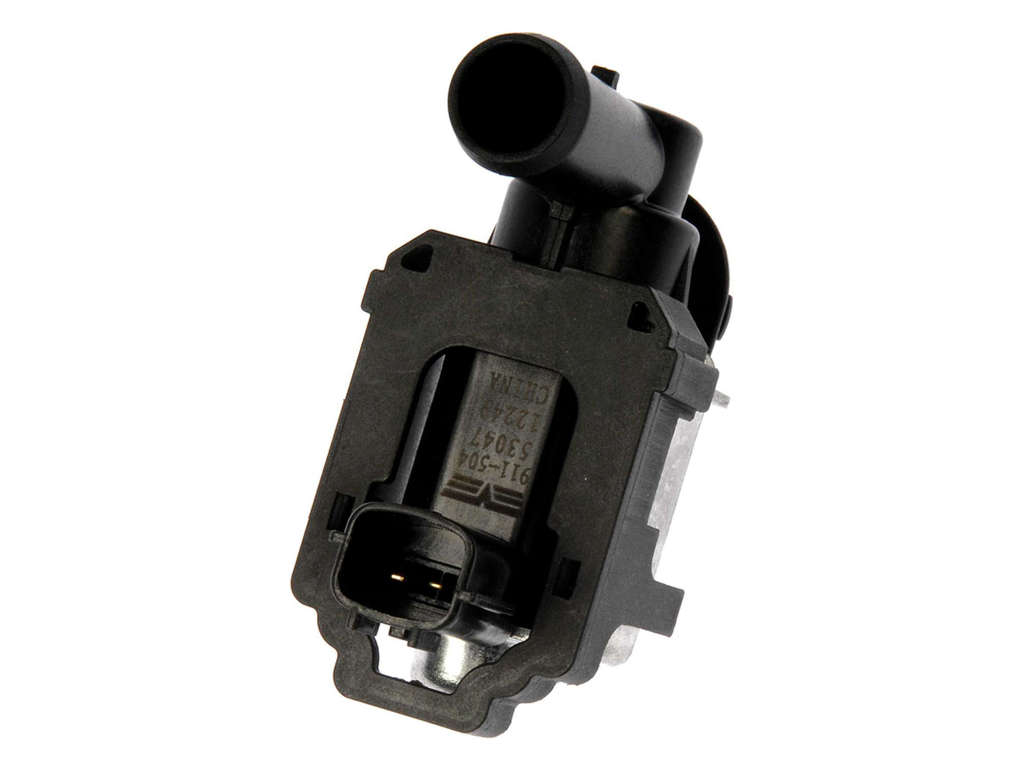
Est. part cost: $15-$35 - Faulty EVAP Canister Vent Control Valve 🔴 High Probability This is a very common failure item on Nissans of this era. The valve gets stuck open due to dirt, debris, or internal failure, creating a permanent leak path that the system detects.
How to confirm: The valve is located on or near the charcoal canister at the rear of the vehicle, on the passenger side, often behind a plastic splash shield. A diagnostic scan tool can command the valve to close; if it doesn't click or seal (confirmed with a smoke machine or by attempting to blow through it), it has failed. A DIY test involves applying 12v power to the valve's pins to see if it actuates.
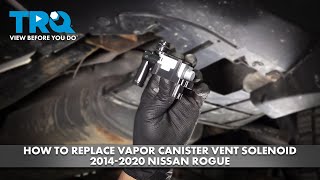
Typical fix: Replace the EVAP canister vent control valve. This is often a simple twist-lock part that can be replaced in under an hour after removing a splash shield. 🎬 Watch: Step-by-step guide to replacing the vent solenoid.
Est. part cost: $60-$110 - Faulty EVAP Purge Valve/Solenoid 🟡 Medium Probability The purge valve, located in the engine bay, can fail and get stuck open, creating a constant vacuum leak from the EVAP system into the engine. This can sometimes cause rough running conditions.
How to confirm: For the T32 Rogue (2016-2020), locate the valve on top of the engine near the front of the intake manifold. With the engine off, disconnect the hose leading from the valve to the EVAP canister and try to blow through it. If air passes, it is stuck open and needs replacement.
Typical fix: Replace the purge valve solenoid.
Est. part cost: $40-$280 - Cracked or Disconnected EVAP Hose ⚪ Low Probability Rubber hoses can become brittle and crack over time due to age and heat cycles. Spiders building nests in the vent hose is also a surprisingly common issue that can block the line and cause various EVAP codes.
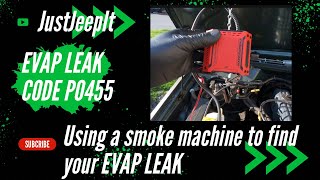
How to confirm: A visual inspection may reveal an obviously disconnected or cracked hose. However, the most effective method is to use an automotive smoke machine, which fills the EVAP system with a low-pressure smoke and makes any leaks visible. Pay close attention to the 🎬 Watch: How to use a smoke tester to find leaks. hoses connected to the purge valve in the engine bay and the vent valve/canister at the rear.
Typical fix: Replace the damaged section of hose or clean out any blockages.
Est. part cost: $10-$50
Rare But Worth Checking
- Cracked Charcoal Canister: The plastic body of the canister can be damaged by road debris or age, causing a large leak. This is usually found during a smoke test if all valves and hoses are confirmed to be working correctly. A user on Reddit with P0455 had to replace their canister after trying both valves and a new gas cap.
- Damaged Fuel Filler Neck: Rust or damage to the metal tube where the gas cap seals can prevent a proper seal, causing a leak code. This is more common in areas with heavy road salt usage and should be inspected when checking the gas cap.
- Faulty Fuel Tank Pressure Sensor: This sensor tells the ECM the pressure or vacuum level within the EVAP system. If it provides incorrect data, the computer may falsely believe there is a leak. This is an uncommon cause but possible if all other components have been verified.
Diagnosis Steps

- Read the code with an OBD-II scanner to confirm P0455 is the only code present.
- Inspect the gas cap. Remove it, check the seal for cracks or debris, and reinstall it, ensuring it clicks several times. Clear the code and drive for a few days to see if it returns. If the cap is suspect, replace it with a genuine OEM Nissan part.
- If the code returns, perform a visual inspection of all accessible EVAP hoses in the engine bay and around the rear canister for obvious cracks or disconnections.
- Locate the EVAP vent control valve at the rear of the vehicle, on the passenger side, attached to the charcoal canister. Inspect its electrical connector and hose. Given its high failure rate, you can test it by applying 12V power to check for actuation or simply replace it as a high-probability fix.
- If the issue persists, locate the EVAP purge valve in the engine bay (top of the engine for T32 models) and test if it's stuck open by trying to blow through it with the engine off.
- If no obvious fault is found, the most reliable method for finding the leak is to have a professional perform a smoke test on the EVAP system. This involves injecting smoke into the EVAP service port and looking for where it escapes.
Parts You'll Likely Need
- Fuel Filler Cap
(OEM #17251-1VZ0A (example, verify with VIN))— This is the most frequent and easiest fix. The seal wears out or the cap is not tightened properly. Always use an OEM cap for best results.
Trusted brands: Nissan (OEM)
OEM price range: $20-$35
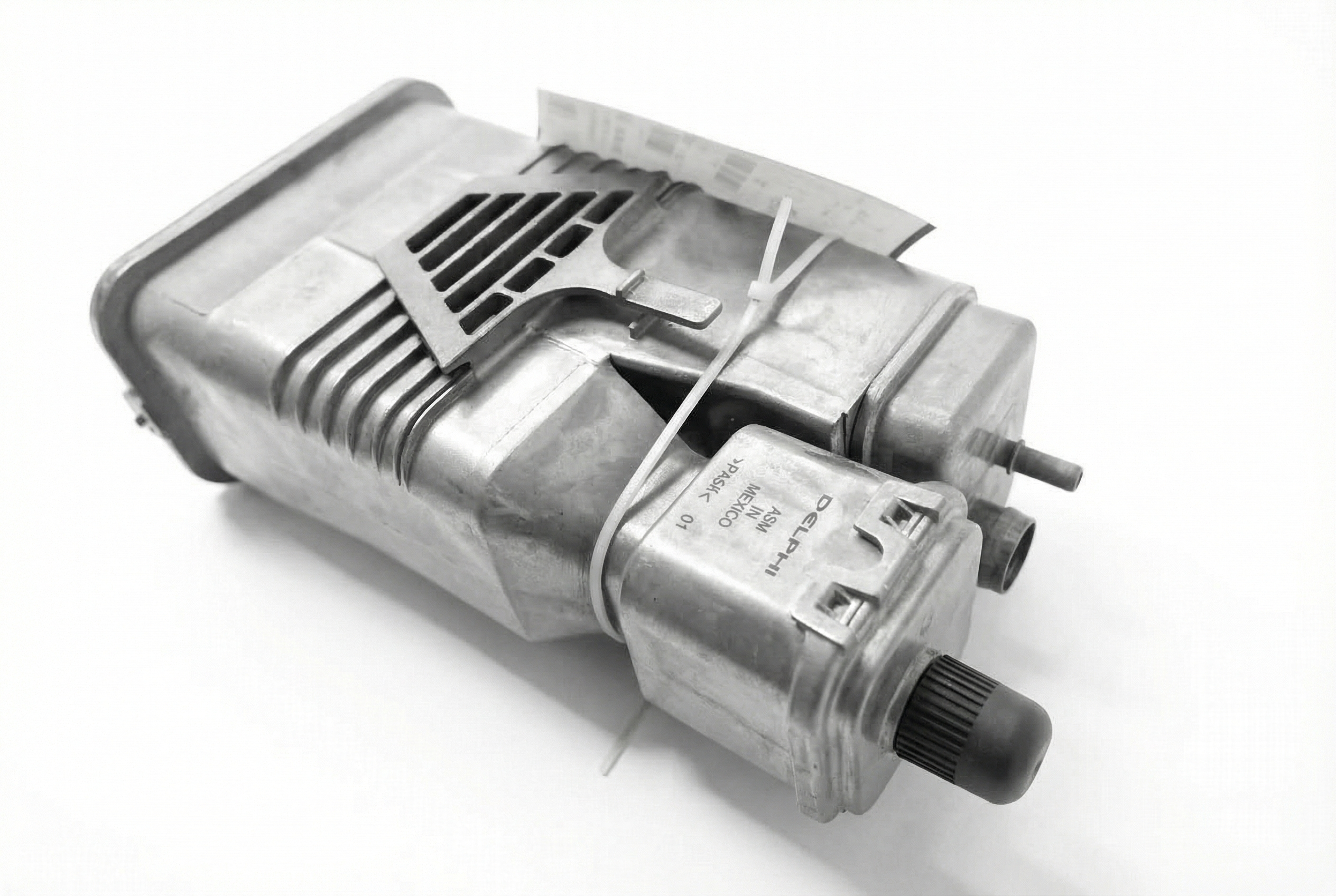
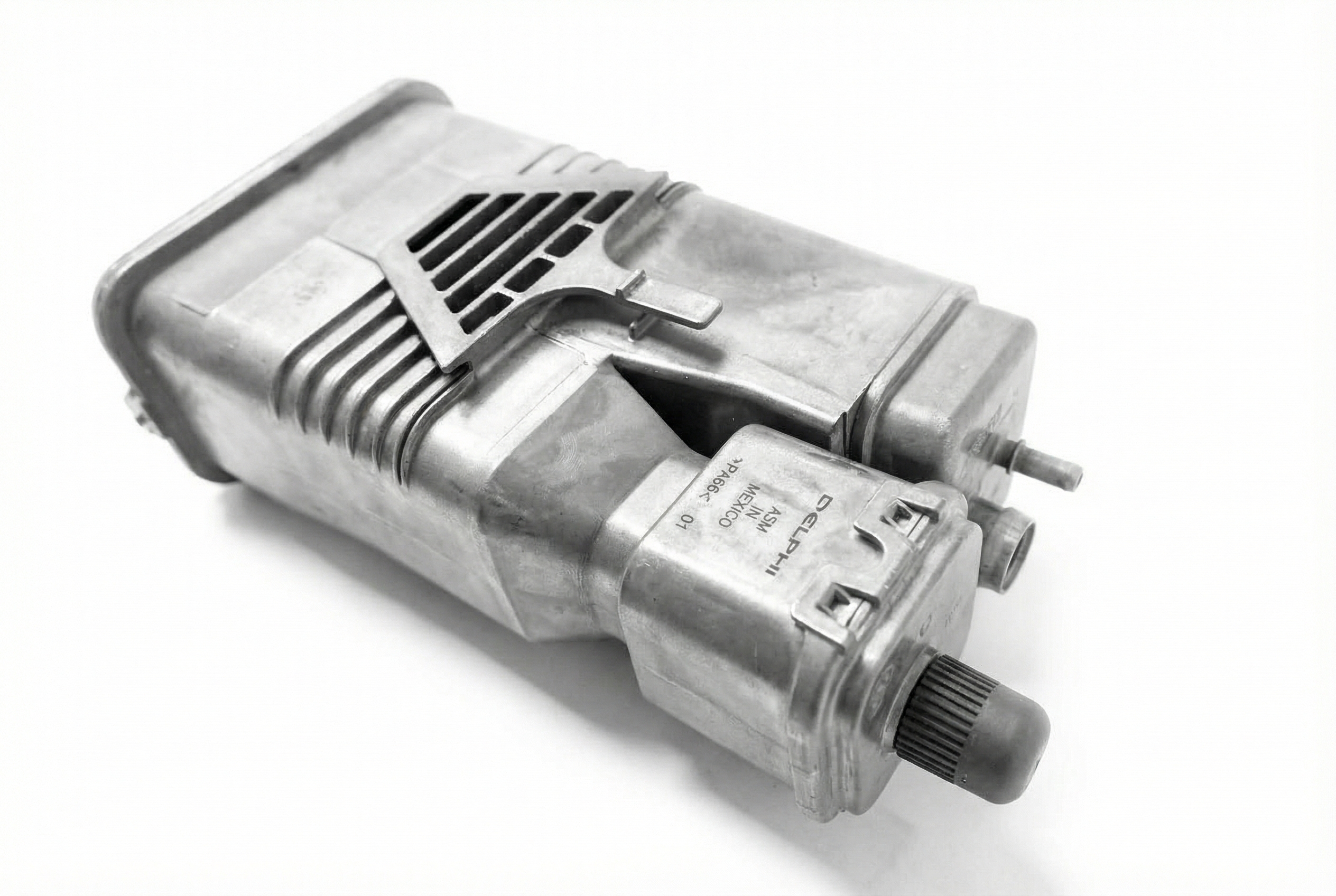
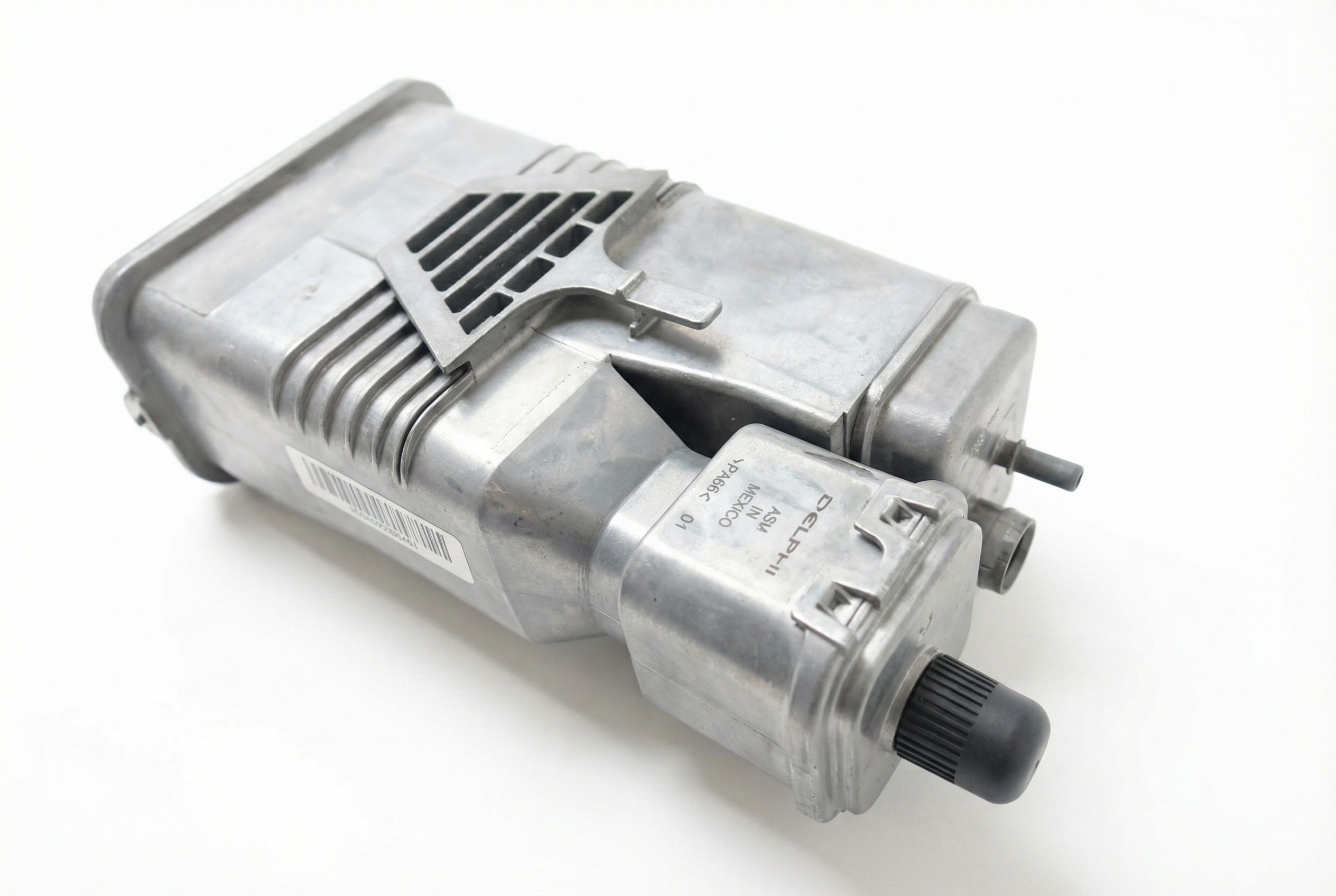
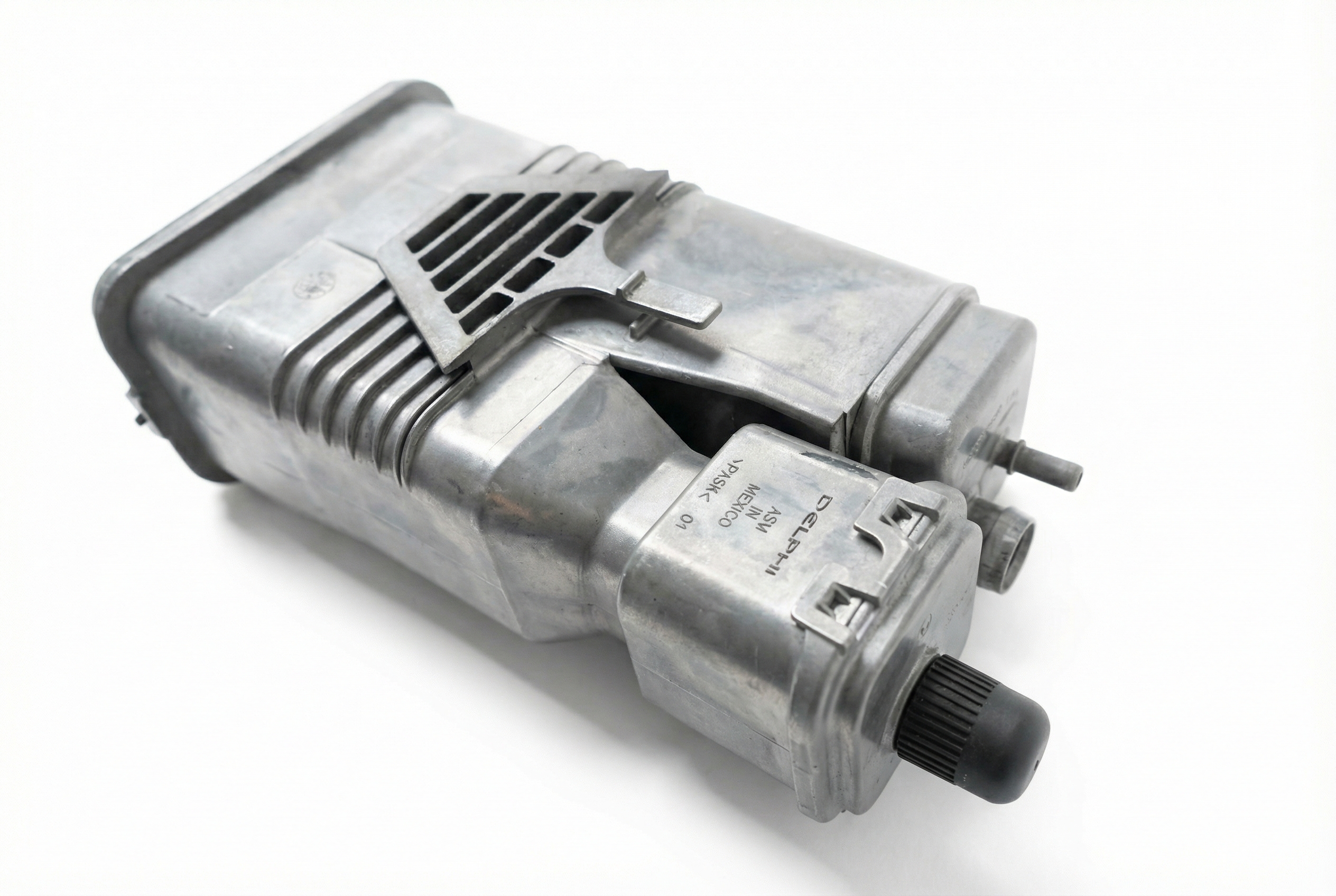
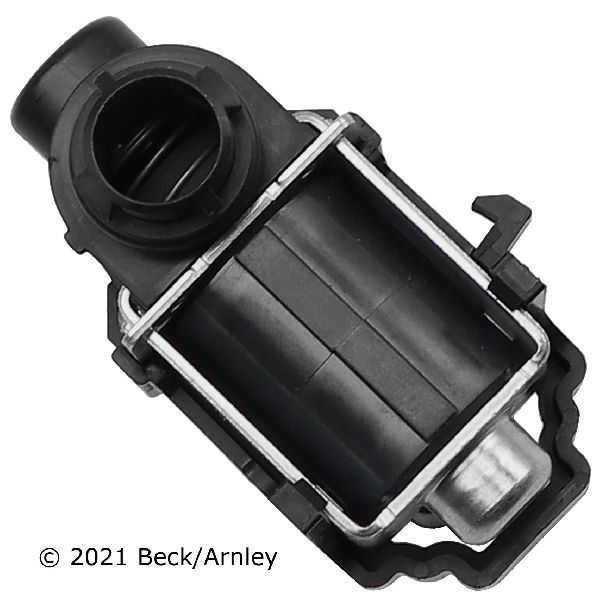
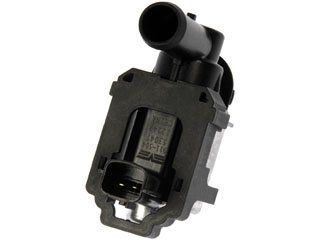
Aftermarket price range: $15-$25 - EVAP Canister Vent Control Valve
(OEM #14935-JF02C)— A very common failure point on Nissan vehicles that causes a large leak when it sticks open. This is an updated part number that supersedes many previous versions.
Trusted brands: Nissan (OEM), Dorman (911-504), Hitachi
OEM price range: $80-$110
Aftermarket price range: $50-$90 - EVAP Canister Purge Valve
(OEM #14930-6CA0A (T33 2.5L) / 14930-6RC0A (T33 1.5L))— Can get stuck open, causing a leak. Part numbers differ significantly between generations and even engines within the same generation.
Trusted brands: Nissan (OEM), Bosch, Dorman
OEM price range: $190-$280
Aftermarket price range: $40-$100
Related Codes That Often Appear With This One
- P0442 — Indicates a small EVAP leak. Sometimes a failing component can trigger different leak size codes at different times as its condition worsens.
- P0456 — Indicates a very small EVAP leak. It's common to see this code alongside P0455 if the leak size is borderline or the component is failing intermittently. TSB NTB17-082E specifically addresses P0456 caused by a faulty vent control valve O-ring, a component directly related to P0455 failures.
Technical Service Bulletins (TSBs) & Recalls
- NTB13-097J: EVAP LEAK DTC P0442, P0455, P0456 INFORMATION
- NTB13-097g: EVAP LEAK DTC P0442, P0455, P0456 INFORMATION
- NTB13-097D: EVAP LEAK DTC P0442, P0455, P0456 INFORMATION
- NTB17-082E: DTC P0456 CAUSED BY EVAP LEAK AT VENT CONTROL VALVE O-RING
Platform-Specific Known Issues
- Nissan TSB NTB13-097J: Nissan issued Technical Service Bulletin NTB13-097J, which provides diagnostic guidance for EVAP codes P0442, P0455, and P0456 on all 2012 and newer models. It confirms that a loose fuel cap is a primary potential cause and instructs technicians to verify it is secure before proceeding with more complex diagnostics.
Mechanic-Grade Diagnostic Values
- EVAP Canister Vent Control Valve Solenoid Resistance — expected: 20 - 50 Ohms. Failure: A reading that is significantly higher, lower, or infinite (open circuit) indicates a faulty solenoid coil.
- EVAP Fuel Tank Pressure (FTP) Sensor Voltage — expected: 0.5V - 4.5V during self-test. Failure: Voltage consistently outside of this range can indicate a faulty sensor or a wiring issue, potentially tricking the ECM into flagging a leak when none exists.
- CAN Bus Line Resistance (at a disconnected module) — expected: ~64 Ohms. Failure: Incorrect resistance can indicate a break or short in the CAN communication lines, which can cause various communication codes (U-codes) alongside system-specific codes.
Scan Tool Commands That Help
- Nissan CONSULT-III plus or equivalent professional scanner: EVAP System Leak Check (Active Test) — This function commands the normally-open EVAP vent control valve to close, sealing the entire system. This is a critical first step before performing a smoke test, as it prevents smoke from immediately escaping through the vent and allows the system to be pressurized to find the leak.
- Professional bidirectional scanner (e.g., Autel, iCarsoft): Vent Solenoid Activation — This allows a technician to manually toggle the vent valve on and off to listen for an audible 'click'. The absence of a click confirms the solenoid is seized or has an electrical fault. This is a quick functional check before performing more involved tests.
- Professional bidirectional scanner (e.g., iCarsoft CR Pro+): Enhanced EVAP Leak Test / Gas Cap Seal Test — This is an automated test that commands the vehicle's computer to run its own leak test procedure on demand. It pressurizes or applies a vacuum to the system and monitors for a pressure drop over a set time to confirm the presence and size of a leak without needing a smoke machine for initial diagnosis.
Wiring & Ground Locations
- Fuse #37 (in IPDM E/R) — In the Intelligent Power Distribution Module Engine Room (IPDM E/R), which is the main fuse/relay box in the engine compartment. Access can be difficult and may require removing the air intake tube.. This single fuse powers the EVAP vent valve, as well as the intake and exhaust valve timing solenoids. An intermittent short to ground in any of these circuits can blow this fuse, causing code P0447 (EVAP Vent Valve Circuit Malfunction) along with timing codes like P0075 and P0078.
- Wiring Harness Chafe Point — The engine wiring harness where it runs along the back side of the valve cover.. On some 2017 Rogues, the harness was routed poorly and can rub through against the sharp edge of the valve cover. This can cause the wire for the EVAP vent valve (or other components on the same circuit) to short to ground, blowing fuse #37 and triggering codes.
- Ground Point E21 — Located in the left front of the engine compartment.. A poor or corroded ground connection at this point can cause erratic behavior or failure of components in the EVAP system that rely on it for a complete circuit.
Real Owner Repair Stories
- Arts Automotive (2017 Nissan Rogue) — Check Engine Light with codes P0075, P0078, and P0447. The owner needed a smog certificate.
❌ Tried (didn't work) A Nissan dealership found a blown fuse #37, replaced it, and could not replicate the fault after wiggle tests and test drives. The issue returned for the owner.
✅ What actually fixed it The technician found the engine wiring harness was rubbing through on the back side of the valve cover, causing an intermittent short to ground. The wire was repaired and insulated, and the harness was re-routed to prevent future contact, which permanently resolved the issue.
"I Checked Everything" — The Actual Cause
- In some cases, particularly with smaller leak codes like P0456 that can accompany P0455, the system may pass a smoke test but still have an intermittent leak. One documented case on a similar Nissan platform found that the EVAP purge valve (in the engine bay) would seal correctly during a static smoke test but would stick slightly open under specific temperature and vacuum conditions while driving or during the ECM's overnight leak-down test. Replacing the purge valve was the final fix after other components were checked.
When the Usual Fixes Don't Work
- While the most common fixes are the gas cap and vent valve, do not rule out electrical issues. In one documented case on a 2017 Rogue, a series of EVAP and engine timing codes (P0447, P0075, P0078) were all caused by a single blown fuse (#37). The root cause was not a faulty component, but a wiring harness that had chafed through on the valve cover, creating an intermittent short to ground. This highlights the importance of checking fuses and considering the entire circuit, not just the most common part, when multiple, seemingly unrelated codes appear together.
OEM Part Supersession History

14935-JF00A, 14935-JF00B, 14935-JF00C, 14935-JF00D, 14935-JF00E→14935-JF02C (Verify with VIN)— The EVAP canister vent control valve is a high-failure part, prone to sticking open due to corrosion and debris. Nissan has released multiple updated versions to improve durability and reliability.
Model Year Variations Within This Range
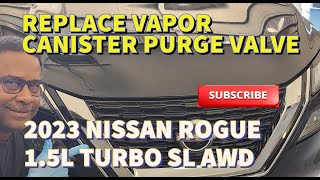
- 2021-2022 (T33 Generation with 1.5L Turbo): The EVAP canister purge valve is located on the back of the engine, below the intake resonator box. Access requires removing the engine cover and the resonator assembly. A video guide shows it is held by a 10mm bolt on a vibrating bracket, suggesting it's important to ensure it is re-secured tightly.
- 2016-2020 (T32 Generation with 2.5L): The EVAP canister purge valve is more accessible, located on the top front side of the intake manifold.
Helpful Videos
Used OEM Parts in Stock

New Aftermarket Parts Available


The information in this article is provided for general reference and educational purposes only. Vehicle specifications, procedures, and part compatibility can vary by production date, trim level, and region. Always consult your vehicle's factory service manual and verify part numbers before purchasing or performing repairs. Safety-critical components such as airbags, seat belts, and braking systems should be installed by a qualified professional.
- Nissan ROGUE:
- 🎬 Helpful Videos
- 🛍️ Shop This Part
- What's Unique About the 2016-2022 Nissan ROGUE
- Diagnostic Flowchart
- Symptoms You May Notice
- Most Likely Causes
- Rare But Worth Checking
- Diagnosis Steps
- Parts You'll Likely Need
- Related Codes That Often Appear With This One
- Technical Service Bulletins (TSBs) & Recalls
- Platform-Specific Known Issues
- Mechanic-Grade Diagnostic Values
- Scan Tool Commands That Help
- Wiring & Ground Locations
- Real Owner Repair Stories
- "I Checked Everything" — The Actual Cause
- When the Usual Fixes Don't Work
- OEM Part Supersession History
- Model Year Variations Within This Range
- 🎟️ Get 5% Off