

P0455 on 2012-2019 Nissan NV2500: EVAP Gross Leak Causes and Fixes
On a 2012-2019 Nissan NV2500, code P0455 is most often caused by a loose gas cap. If the cap is tight, the next most likely culprit is a failed EVAP Canister Vent Control Valve located near the fuel tank. A new gas cap is under $30, while the valve can cost $40-$100. Ignoring the issue will cause an automatic emissions test failure.
- P0455 means your van has a large leak in the emissions system that captures fuel vapors.
- Always check your gas cap first. Make sure it's tight and the seal is not cracked. This fixes the problem more than half the time.
- If the gas cap is okay, the most likely failure is the EVAP Canister Vent Control Valve, located near the spare tire/rear axle area.
- The vehicle is safe to drive, but it will fail an emissions test and is releasing pollutants into the air.
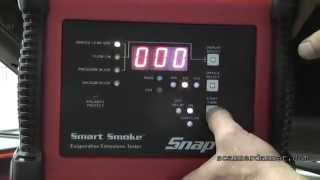
- A smoke test is the fastest and most accurate professional method to find the leak if it's not the gas cap.
What's Unique About the 2012-2019 Nissan NV2500
For the Nissan NV platform, which is based on the robust F-Alpha chassis shared with the Titan and Armada, the EVAP system components are a known weak point. While the first check should always be the gas cap, owners and technicians frequently report that the vent control valve, located near the charcoal canister by the fuel tank, fails. It often gets stuck open or becomes clogged with dust, which directly causes a P0455 gross leak code. Nissan has issued several general technical service bulletins regarding EVAP leak codes, acknowledging their frequency across the lineup and advising that the gas cap be the first item inspected.
Diagnostic Flowchart
Tap your situation to follow the diagnostic path that matches what you're seeing on this vehicle.
Symptoms You May Notice
- Check Engine Light is on
- A noticeable smell of raw fuel, particularly around the rear of the van near the fuel tank.
- In some cases, difficulty starting the engine immediately after refueling.
- The fuel pump nozzle at the gas station clicks off repeatedly before the tank is full. This is a classic symptom of a blocked or failed EVAP vent valve.
- Replacing the O2 sensors. Oxygen sensors are not related to the EVAP system.
- Replacing the purge valve when the vent valve is the actual problem. On Nissans, the vent valve is a more frequent cause for gross leak codes, especially when accompanied by refueling issues.
Most Likely Causes
- Loose or Faulty Gas Cap 🔴 High Probability This is the most common cause across all vehicles and is the first thing Nissan recommends checking per TSB NTB13-097J. The gas cap seal can degrade over time or may not have been tightened correctly after refueling. Aftermarket caps are also a frequent source of issues if their seals are not up to OEM specifications.
How to confirm: Ensure the gas cap is tightened until it clicks at least once. Inspect the rubber O-ring on the cap for cracks, stiffness, or damage. A 'Check Gas Cap' message may also appear on the dash.
Typical fix: Tighten or replace the gas cap. It is highly recommended to use a genuine Nissan OEM cap to ensure a perfect seal.
Est. part cost: $15-$40 - Failed EVAP Canister Vent Control Valve (Vent Solenoid) 🔴 High Probability This is a very common failure point on Nissans built on the F-Alpha platform (NV, Titan, Armada). The valve is located in a vulnerable area near the rear axle and can get clogged with dust or fail electronically, causing it to stick open and create a large leak. The OEM part has been redesigned, indicating a known issue with the original.
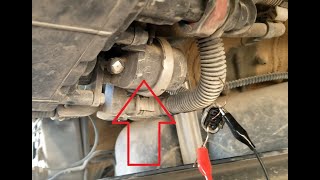
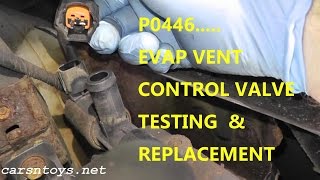
How to confirm: The valve is located behind the driver's side rear wheel, mounted on or near the charcoal canister. It is a normally open valve. A technician can command it closed with a scan tool while performing a smoke test; if smoke escapes from the valve, it has failed. It can also be removed and tested by applying 12V power; it should click audibly and close. If it doesn't click or remains open, it's faulty.
Typical fix: Replace the EVAP canister vent control valve. This is a common DIY repair.
Est. part cost: $40-$100 - Cracked or Disconnected EVAP Hoses 🟡 Medium Probability The NV is a commercial vehicle often subjected to harsh conditions. Rubber hoses become brittle with age and exposure to heat and the elements, leading to cracks, especially at connection points and fittings.
How to confirm: Perform a visual inspection of all accessible EVAP lines running from the fuel tank to the engine bay. The most effective method is to use a smoke machine, which fills the system with vaporous smoke, making leaks easy to spot.
Typical fix: Replace the cracked or disconnected hose section.
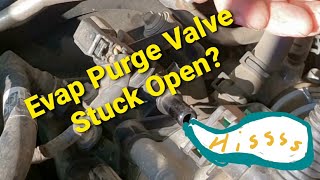
Est. part cost: $10-$50 - Failed EVAP Purge Valve (Purge Solenoid) ⚪ Low Probability Less common for a gross leak than the vent valve, but the purge valve can fail by getting stuck open. On Nissans, the vent valve is a much more frequent cause for a P0455 code specifically.
How to confirm: The purge valve is located in the engine bay. It is normally closed. Remove the valve and try to blow through it. If air passes through, it is stuck open and has failed.
Typical fix: Replace the purge valve.
Est. part cost: $50-$150
Rare But Worth Checking
- Cracked Charcoal Canister: The canister itself can be damaged from road debris or develop cracks from age, creating a large leak. This is more expensive to fix, so other causes should be ruled out first.
- Damaged Fuel Filler Neck: Rust or physical damage to the metal filler neck can prevent the gas cap from creating a proper seal, mimicking a faulty cap. A visual inspection where the cap seals is necessary.
- Faulty Fuel Tank Pressure Sensor: Rarely, the sensor that detects the leak may be faulty, reporting a leak when one doesn't exist. This usually requires advanced diagnostics with a scan tool to monitor sensor voltage and pressure readings to confirm.
Diagnosis Steps
- Retrieve the code P0455 using an OBD-II scanner.
- Inspect the gas cap. Remove it, check the seal for damage, and reinstall it, ensuring it clicks several times. If the seal is cracked or stiff, replace it with an OEM cap.
- Clear the code and drive for a few days. If the code does not return, the issue was the loose or faulty cap.
- If the code returns, perform a thorough visual inspection of all visible EVAP hoses and lines from the engine bay to the rear of the vehicle. Look for obvious cracks, breaks, or disconnections.
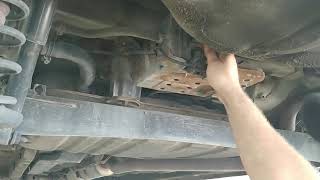
- Locate the EVAP canister and vent control valve. On the NV2500, it is behind the driver's side rear wheel, in front of the tire. Inspect the valve and its wiring for damage or corrosion.
- The most effective next step is to have the system tested with a smoke machine. This involves injecting smoke into the EVAP service port and commanding the vent valve closed with a scan tool. Smoke will visibly exit from the source of the leak.
- If a smoke test is not possible, systematically test components. Test the purge valve in the engine bay to ensure it's closed at rest (no air can be blown through). Test the vent valve at the rear by applying 12V power and listening for a click; it should close and block airflow.
- Once the leaking component is identified, replace it, clear the codes, and perform a drive cycle to confirm the fix.
Parts You'll Likely Need
- Fuel Cap
(OEM #17251-1ZA0A)— This is the most frequent cause of a P0455 code due to improper tightening or a worn-out seal. Using a genuine Nissan cap is recommended for a reliable seal.
Trusted brands: Genuine Nissan, Stant, Gates
OEM price range: $25-$40
Aftermarket price range: $15-$30 - EVAP Canister Vent Control Valve
(OEM #14935-JF02C)— A very common failure point on Nissan vehicles of this era, including the NV (chassis code F80). It gets stuck open, creating a permanent large leak in the system. This part number is an updated design and fits a wide range of Nissan vehicles.
Trusted brands: Genuine Nissan, Dorman (911-504), Standard Motor Products (CVS67), Bosch
OEM price range: $80-$110
Aftermarket price range: $40-$75 - EVAP Vapor Canister
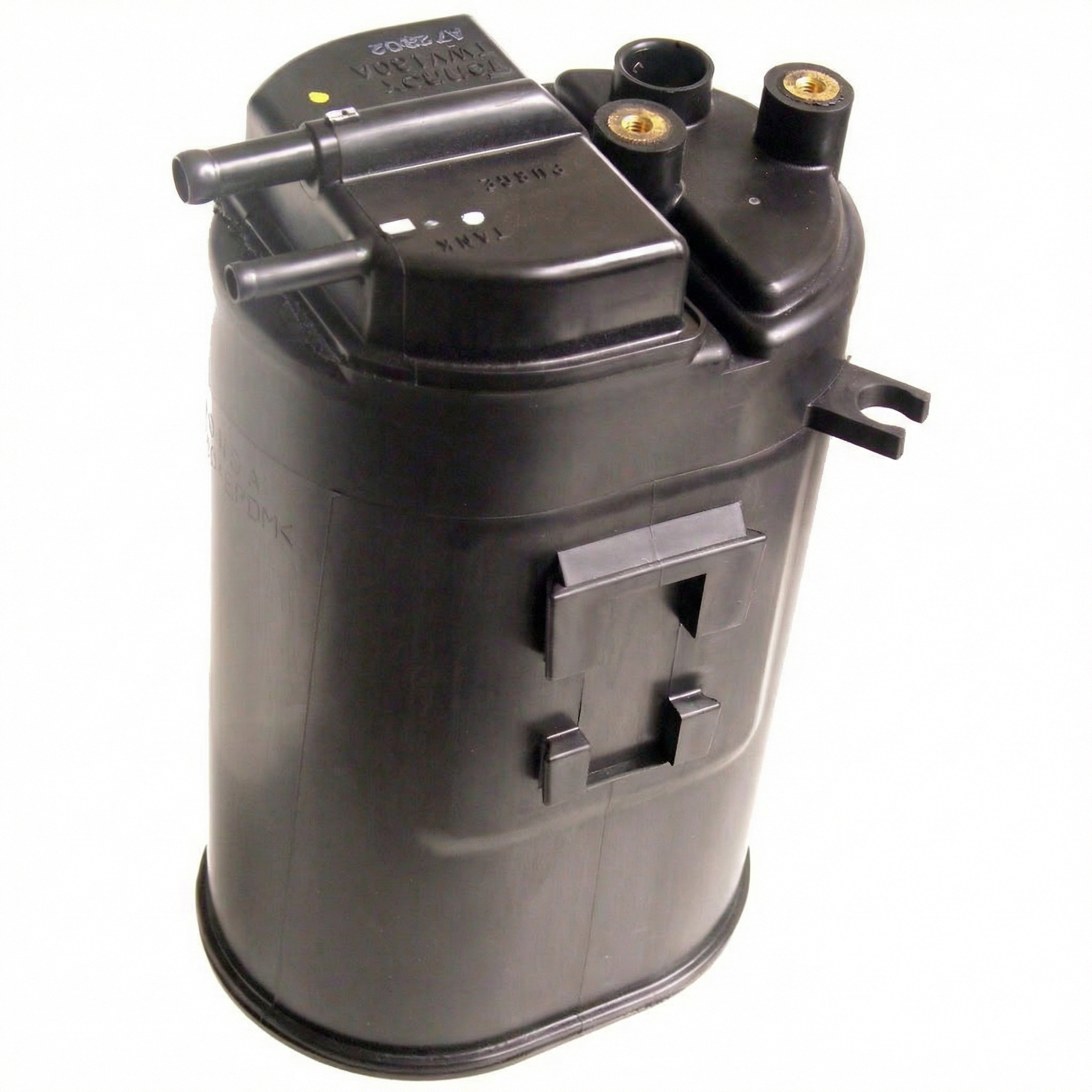
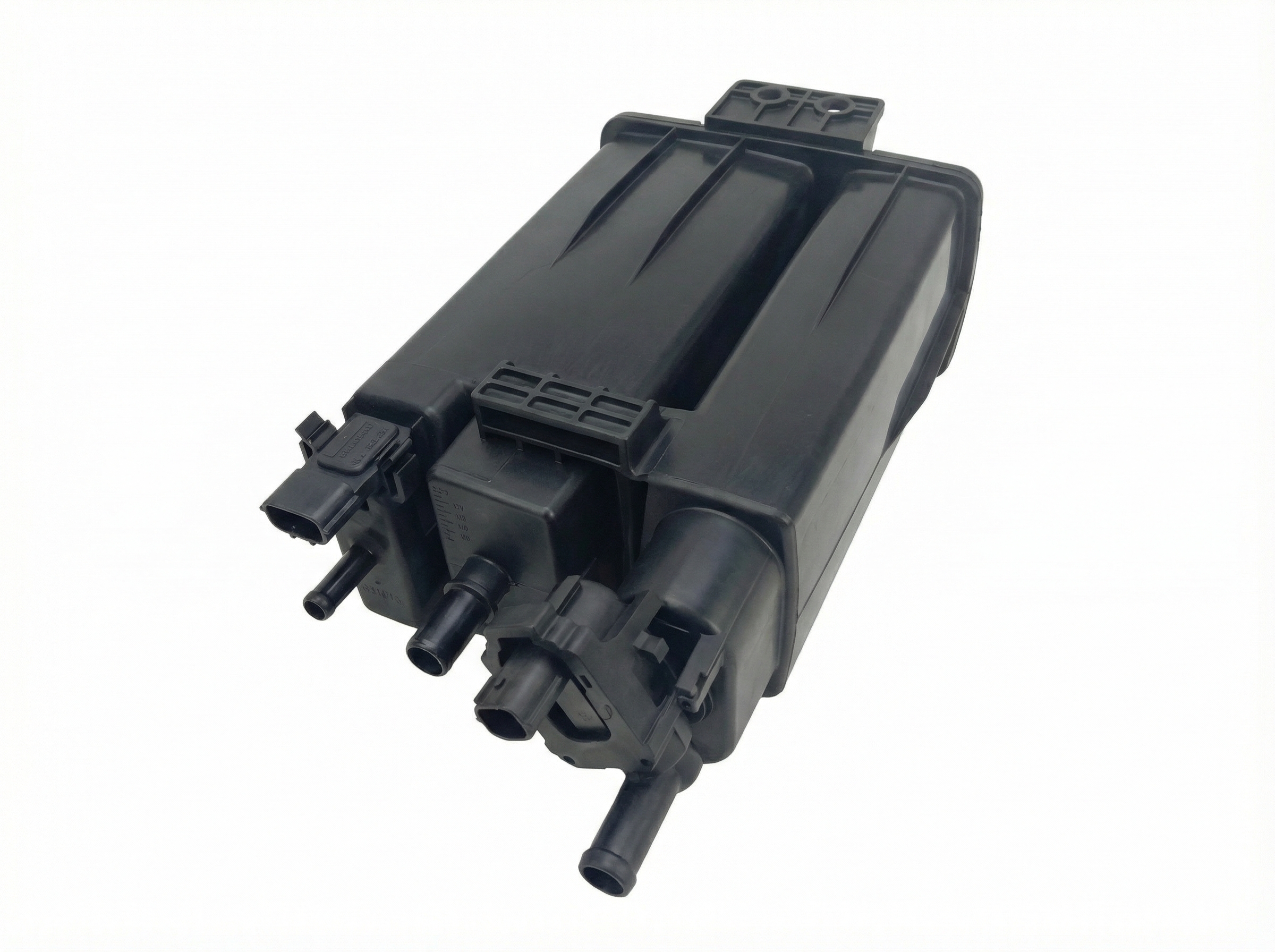
(OEM #14950-7S00A)— Less common, but the canister itself can crack from age or impact, requiring replacement. This part fits the NV2500.
Trusted brands: Dorman, Genuine Nissan
OEM price range: $200-$300
Aftermarket price range: $150-$220
Related Codes That Often Appear With This One
- P0442 — This code indicates a small EVAP leak. It can sometimes appear alongside P0455 if the system has multiple issues or if the computer's leak detection criteria are met for both thresholds.
- P0456 — This code indicates a very small EVAP leak. It's common to see these three codes (P0442, P0455, P0456) referenced together in Nissan service literature like TSB NTB13-097J.
Technical Service Bulletins (TSBs) & Recalls
- NTB13-097J: EVAP LEAK DTC P0442, P0455, P0456 INFORMATION - This bulletin, most recently updated in 2022, applies to all 2012 and newer Nissan vehicles. It explicitly states that a loose fuel filler cap may be the cause for these codes and should be the first diagnostic check. It instructs technicians to inform customers on proper cap installation and warns that a loose cap over multiple trips will trigger the MIL.
Platform-Specific Known Issues
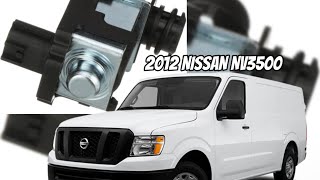
- Vent Valve Location and Access: On the Nissan NV series, the EVAP canister and vent valve are located on the driver's side, in front of the rear wheel, tucked behind the fuel tank. A video for the 2012 NV3500 shows the exact location and how to release the valve's tab for removal, confirming it can be accessed without removing the fuel tank or jacking up the vehicle.
Mechanic-Grade Diagnostic Values
- EVAP Canister Vent Control Valve Solenoid Resistance — expected: 20-50 Ohms. Failure: A reading outside this range, or an open/infinite reading, indicates a failed solenoid coil.
Scan Tool Commands That Help
- Nissan CONSULT-III Plus: EVAP System Leak Check — This active test is used to command the EVAP system to seal itself (by closing the vent valve) and monitor for pressure decay. It's the factory-level procedure for confirming a leak exists before starting a smoke test.
- Nissan CONSULT-III Plus: Vent Valve Control — This bidirectional command allows a technician to manually open and close the EVAP canister vent control valve. It is essential for diagnosis, particularly during a smoke test, to confirm if the valve is closing properly and sealing the system on command.
Real Owner Repair Stories
- YouTube channel 'Mcgurr Entertainment' (2009 Nissan Frontier XE (F-Alpha Platform mate)) — Check Engine Light with code P0455.
❌ Tried (didn't work) Clearing the code (it returned after 30 minutes of driving)., Inspecting the gas cap (the seal appeared to be in good condition).
✅ What actually fixed it A smoke test revealed a leak from the EVAP Canister Vent Control Valve. The valve failed a bench test; when 12V power was applied, it did not click and failed to close (it remained open, allowing smoke/air to pass through). Replacing the vent control valve resolved the P0455 code.
"I Checked Everything" — The Actual Cause
- In some cases where a smoke test does not reveal a leak, the Fuel Tank Pressure (FTP) sensor itself may be faulty. It can provide incorrect readings to the ECM, making the computer believe there is a large leak when the system integrity is actually fine. This requires advanced diagnosis by monitoring the sensor's voltage output with a scan tool.
OEM Part Supersession History
14935-JF00A, 14935-JF00B, 14935-JF00C, 14935-JF00D, 14935-JF00E, 14935-JF01B, 14935-JF01C→14935-JF02C— This part has undergone multiple revisions, indicating Nissan has made design changes over time to improve reliability and address failures.
Heads up: The latest part number, 14935-JF02C, is the correct replacement for all previous versions for this vehicle application.
Helpful Videos

Used OEM Parts in Stock

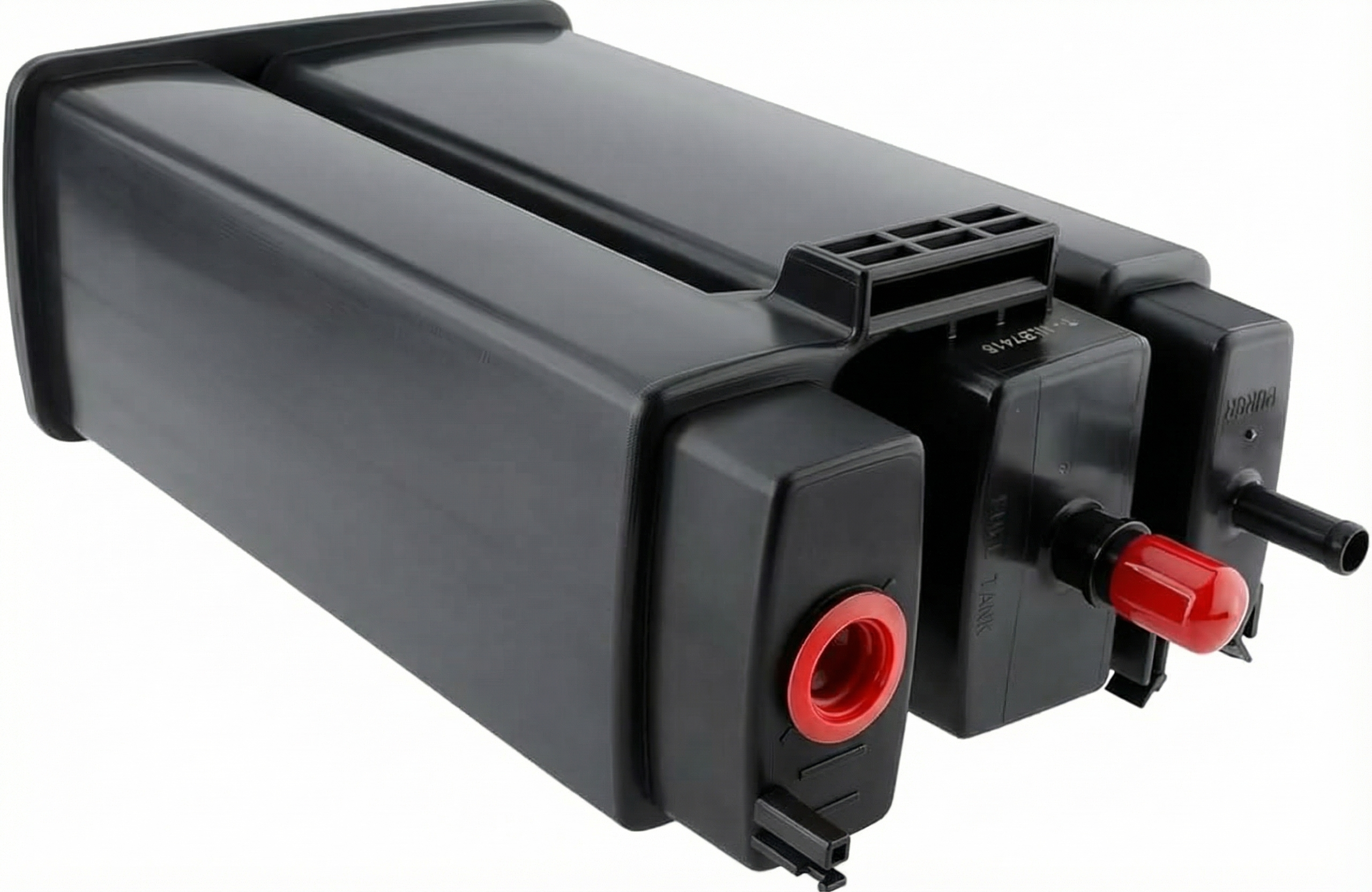
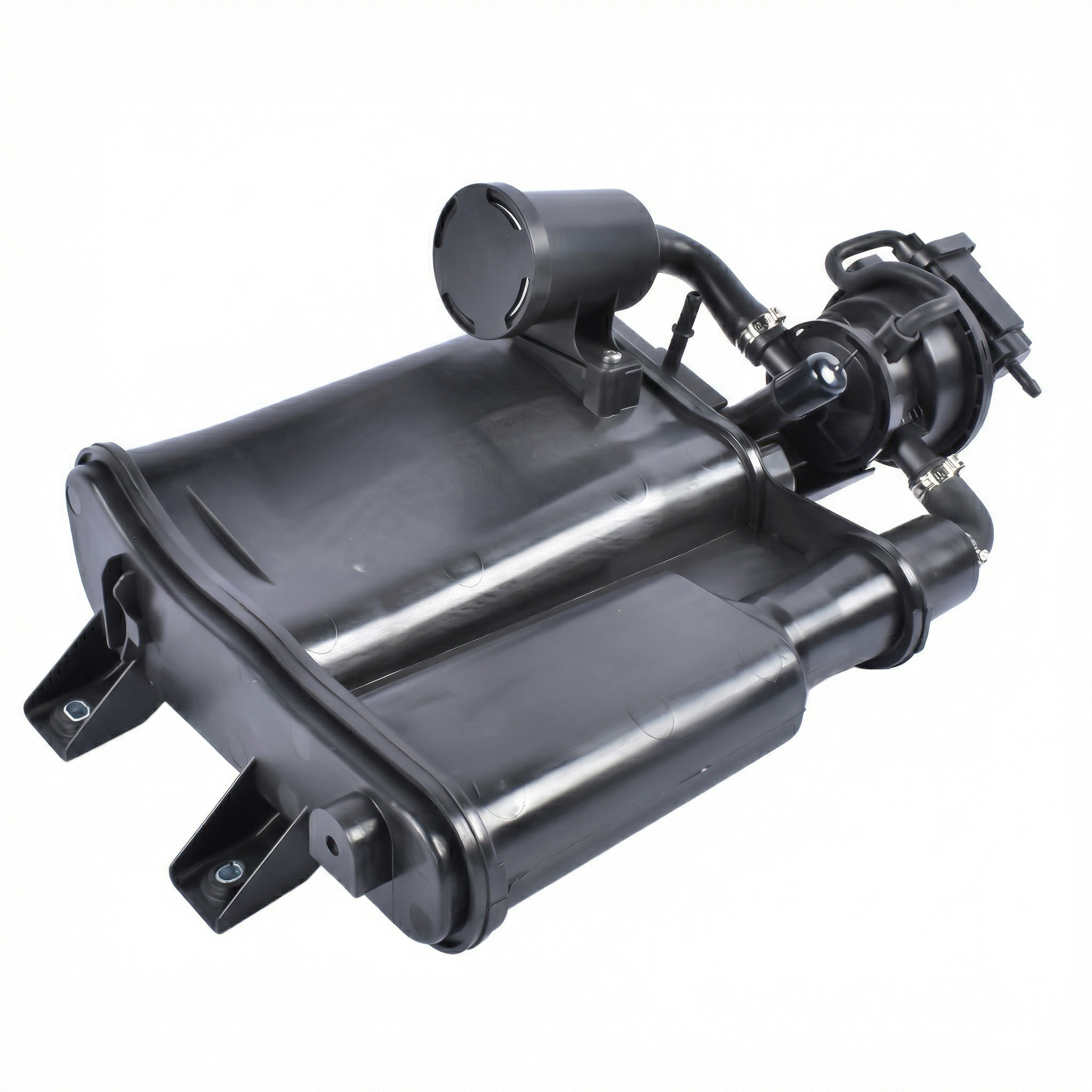
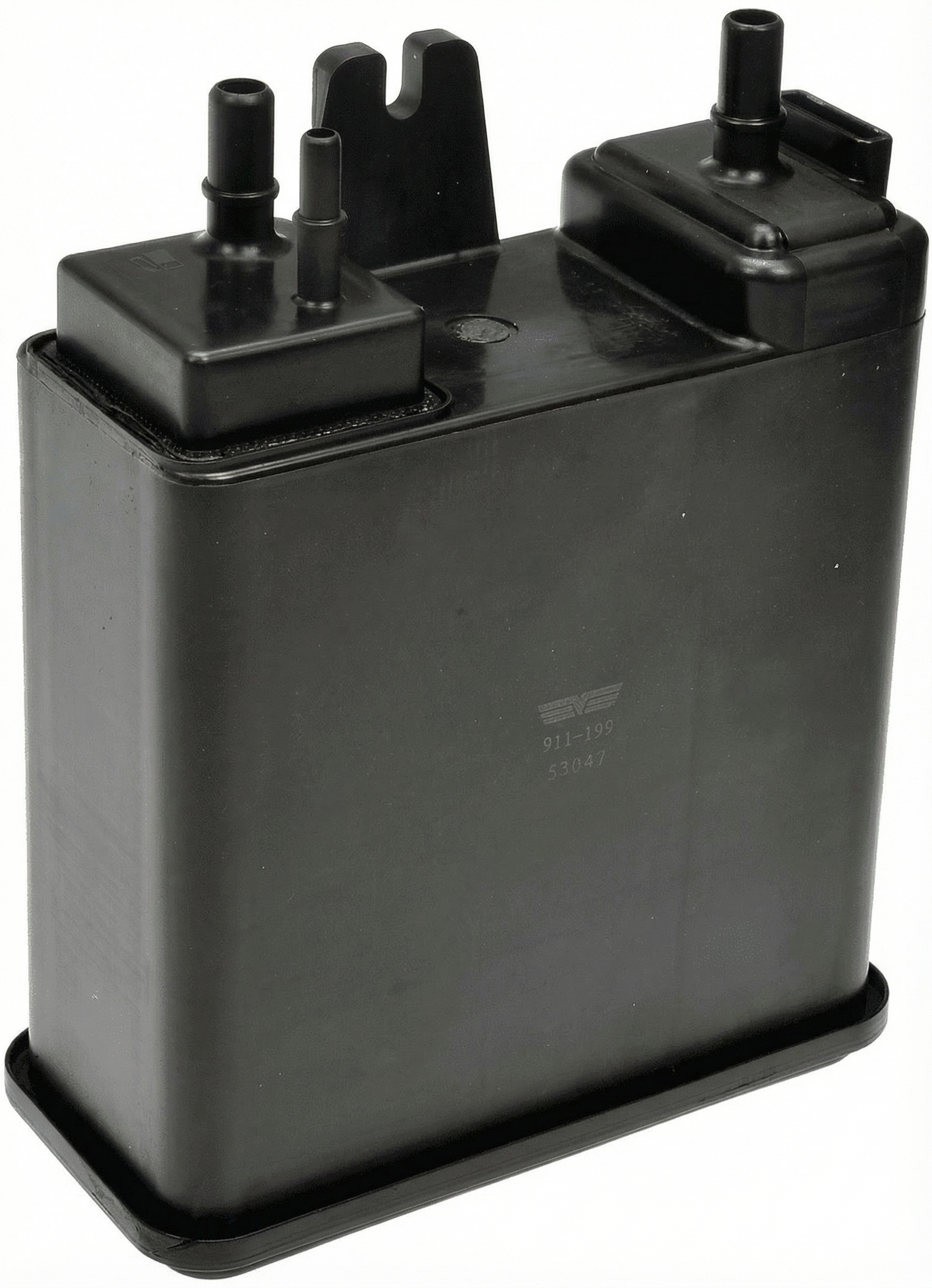
New Aftermarket Parts Available


The information in this article is provided for general reference and educational purposes only. Vehicle specifications, procedures, and part compatibility can vary by production date, trim level, and region. Always consult your vehicle's factory service manual and verify part numbers before purchasing or performing repairs. Safety-critical components such as airbags, seat belts, and braking systems should be installed by a qualified professional.
- Nissan NV2500:
- 🎬 Helpful Videos
- 🛍️ Shop This Part
- What's Unique About the 2012-2019 Nissan NV2500
- Diagnostic Flowchart
- Symptoms You May Notice
- Most Likely Causes
- Rare But Worth Checking
- Diagnosis Steps
- Parts You'll Likely Need
- Related Codes That Often Appear With This One
- Technical Service Bulletins (TSBs) & Recalls
- Platform-Specific Known Issues
- Mechanic-Grade Diagnostic Values
- Scan Tool Commands That Help
- Real Owner Repair Stories
- "I Checked Everything" — The Actual Cause
- OEM Part Supersession History
- 🎟️ Get 5% Off