

P0455 on 2015-2022 Nissan Maxima: EVAP Large Leak Causes and Fixes
For a 2015-2022 Nissan Maxima, the P0455 code is most often caused by a loose or faulty gas cap. If that's not the issue, the next most likely culprit is a failed EVAP canister vent control valve (Part No. 14935-JF02C), a common Nissan issue. A new gas cap is about $15-$30, while a vent valve replacement can cost $85-$150 for the part and is a common DIY fix.
- P0455 indicates a large leak in the emissions system, not a mechanical engine problem.
- Always check the gas cap first. Ensure it's tight and the seal is in good condition before attempting any other repairs.
- The second most likely cause on a Nissan Maxima is a faulty EVAP canister vent control valve, located at the rear of the car.
- The vehicle is safe to drive with this code, but it will not pass an emissions inspection until the leak is fixed.
- A smoke test is the most reliable professional method to find the exact source of the leak if it's not an obvious component like the gas cap or vent valve.
What's Unique About the 2015-2022 Nissan MAXIMA
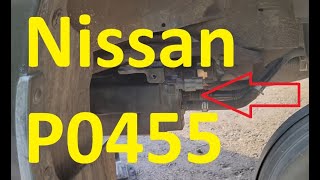
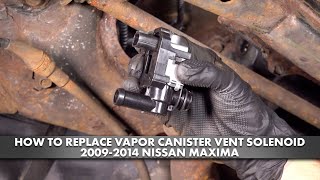
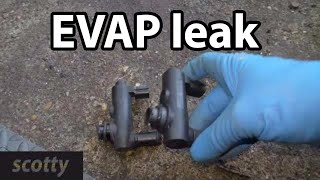
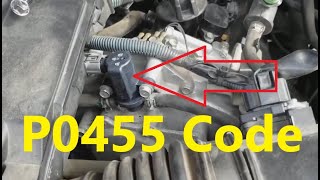
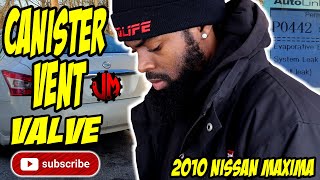
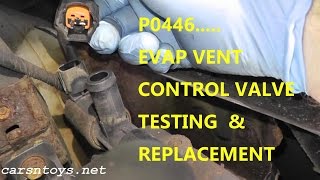
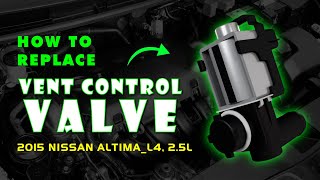
On many Nissan vehicles of this era, including the Maxima, the EVAP Canister Vent Control Valve is a notoriously common failure point that leads to a P0455 code. 🎬 Watch: Common causes and fixes for the Nissan P0455 code. While the gas cap is always the first and easiest check, many owners on forums like Maxima.org find themselves needing to replace this valve. The valve is located at the rear of the car, attached to the charcoal canister, 🎬 See this walkthrough on replacing the canister vent valve. and often fails by getting stuck open due to dirt and corrosion. Nissan has also issued multiple technical service bulletins (NTB13-097 series) to guide technicians in diagnosing these persistent EVAP leaks, underscoring the frequency of the issue.
Diagnostic Flowchart
Tap your situation to follow the diagnostic path that matches what you're seeing on this vehicle.
Generation note: This range covers the end of the 7th generation (2015 model year, A35) and the entire 8th generation (2016-2022 model years, A36). The fundamental causes for a P0455 code are the same across both generations, involving the gas cap, vent valve, purge valve, and hoses. However, part numbers and the exact location of components like the vent valve may differ slightly. For example, the updated vent valve for the A36 is part number 14935-JF02C.
Symptoms You May Notice
- Check Engine Light is on
- A message on the dash indicating a loose fuel cap
- A faint to strong smell of gasoline, particularly around the rear of the car near the fuel tank.
- Difficulty starting immediately after refueling (if the purge valve is stuck open)
- Slight decrease in fuel economy over time.
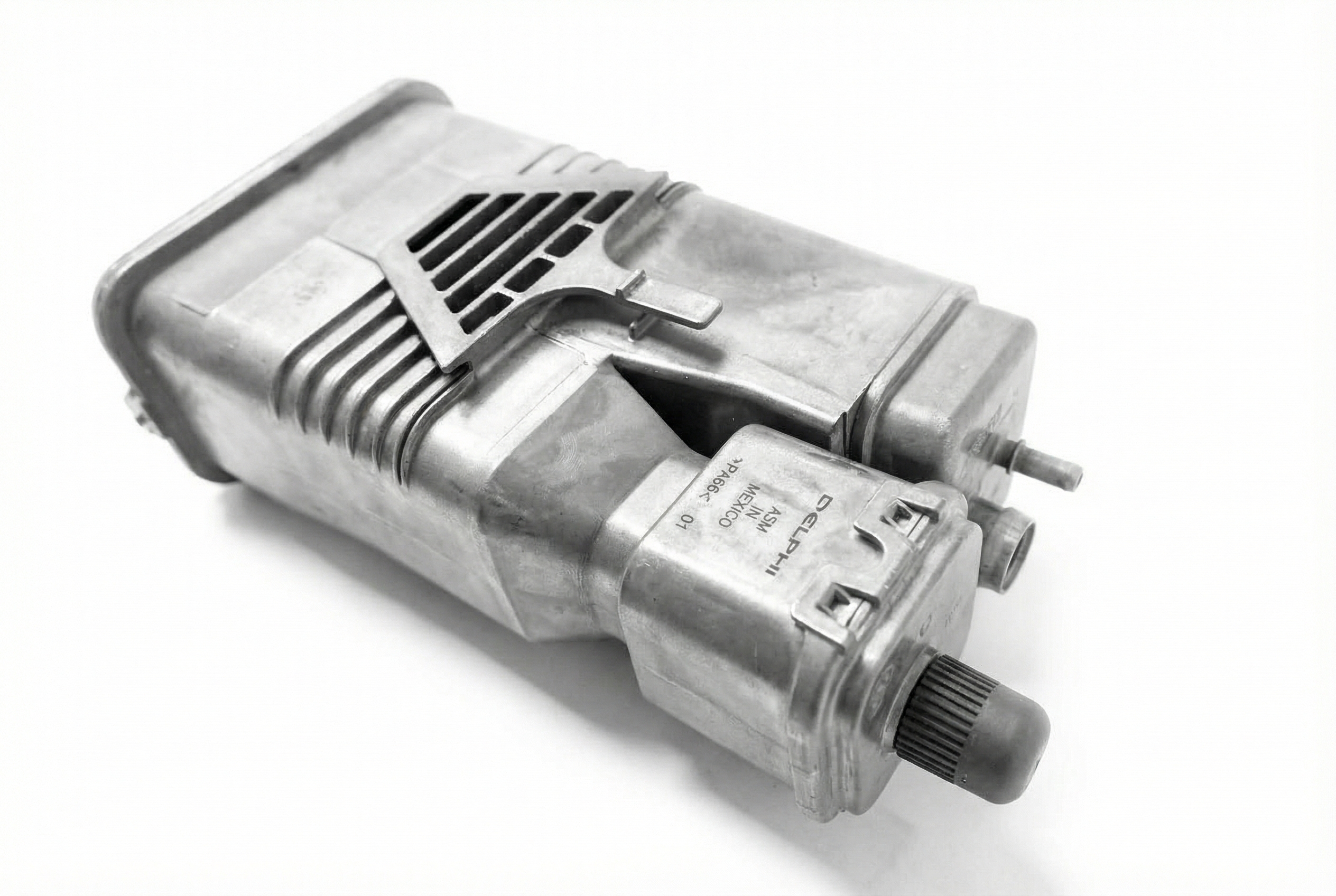
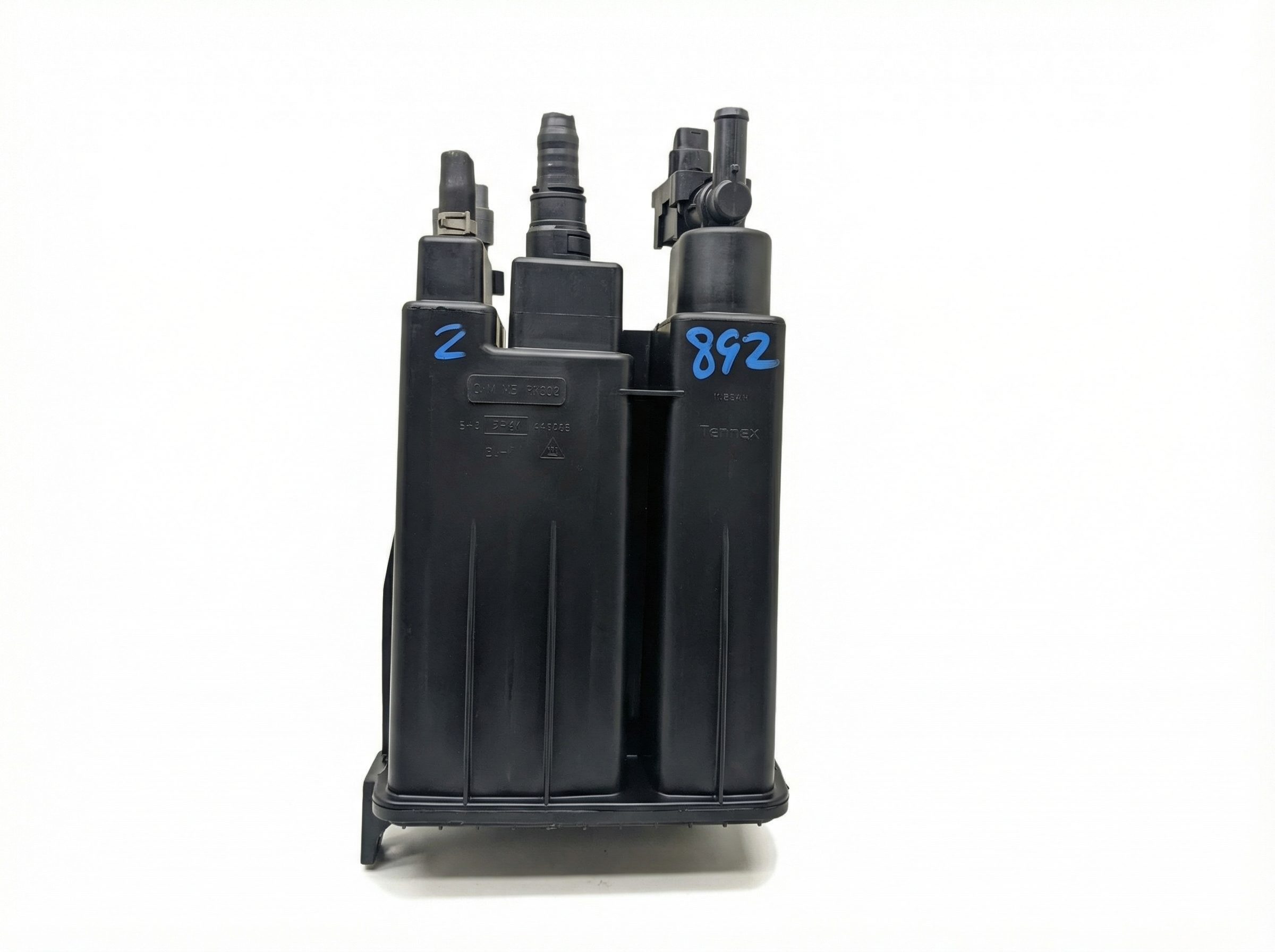
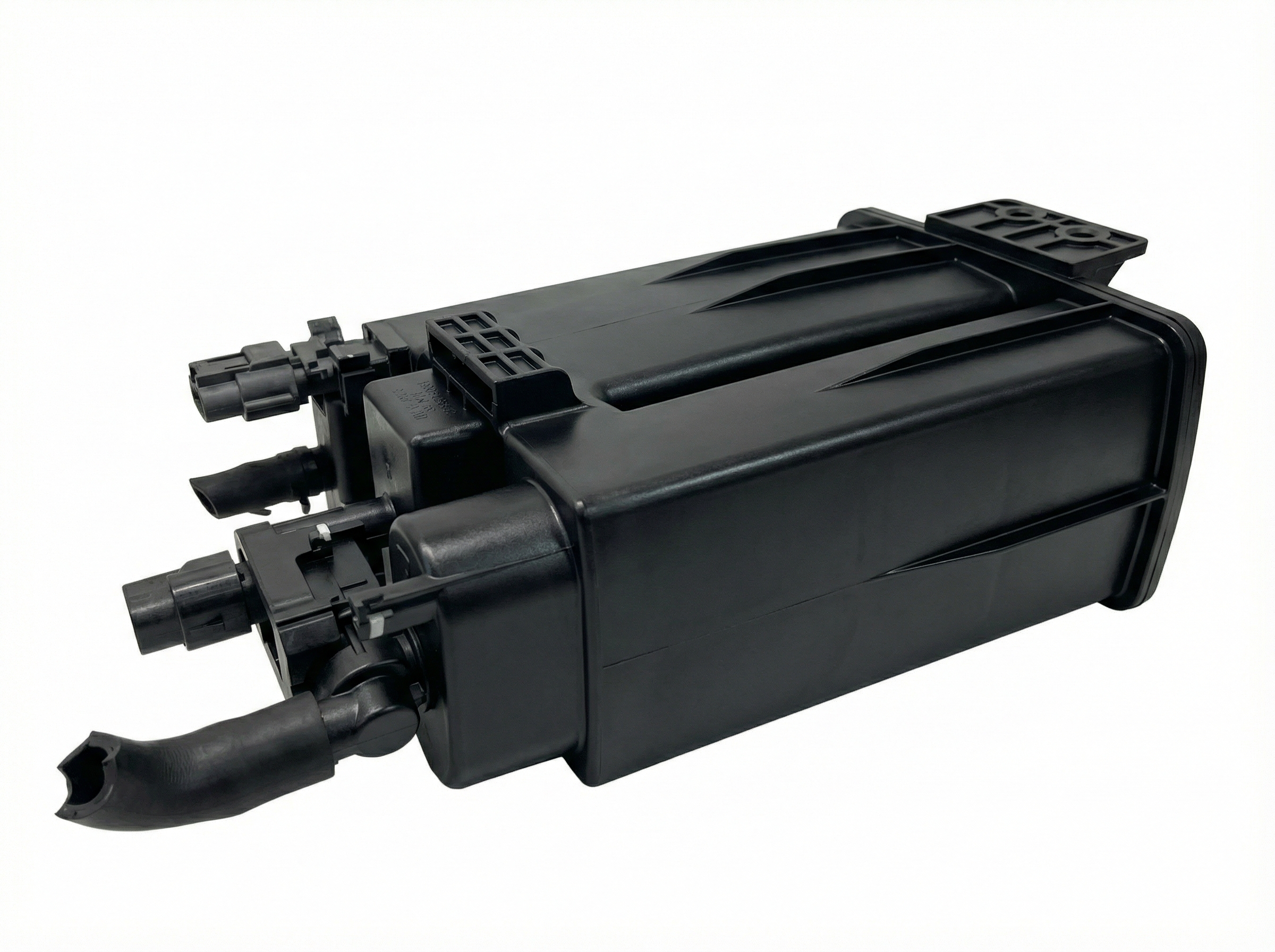
- Immediately replacing the charcoal canister. The canister itself is usually just a plastic box with charcoal; it's the valves attached to it that typically fail. The canister should only be replaced if it is physically cracked and leaking, which can be confirmed with a smoke test.
Most Likely Causes
- Loose, Damaged, or Incorrect Gas Cap 🔴 High Probability This is the most common cause for a P0455 on any vehicle. The rubber seal on the cap can wear out, crack, or become brittle over time, or the cap may simply not have been tightened correctly after refueling, which will trigger the 'Loose Fuel Cap' dash light on these models.
How to confirm: Remove the gas cap and inspect it for cracks or a worn, brittle seal. Ensure it is the correct cap for the vehicle. Reinstall it, making sure it clicks at least once. Clear the code and drive for a few days. Many forum users report this as the first step they take.
Typical fix: Replace the gas cap with a new OEM or high-quality aftermarket part. An owner on Maxima.org noted that after trying other fixes, a new cap finally solved their issue.
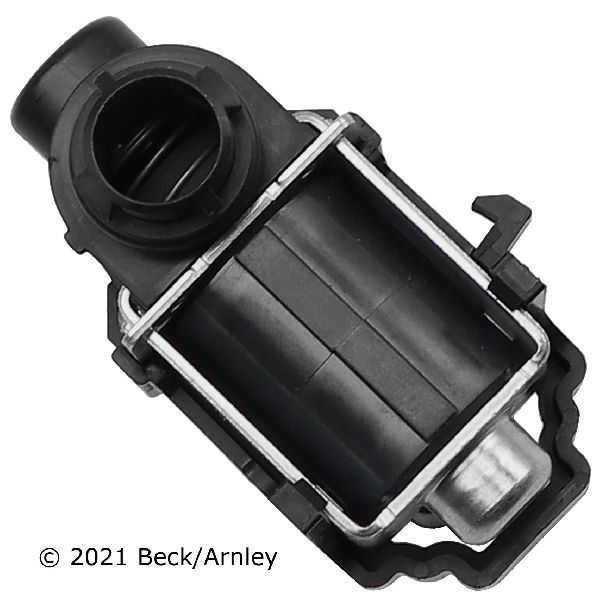
Est. part cost: $15-$30 - EVAP Canister Vent Control Valve Failure 🔴 High Probability This valve is a very common failure point on Nissans. It is exposed to the elements under the car and the solenoid can fail or get stuck open from dirt and rust, creating a large leak that the system detects. Numerous DIY videos and forum posts for Maximas and Altimas point to this part as the primary culprit after the gas cap.
How to confirm: The valve is located on the charcoal canister at the rear of the vehicle, above the subframe. It can be tested by applying 12V power to its terminals; a healthy valve will make an audible click. If it doesn't click, or if it's visibly stuck open, it needs replacement. A professional will use a smoke machine to confirm the leak is at the valve.
Typical fix: Replace the EVAP canister vent control valve. This is often a DIY-friendly job that involves disconnecting a hose and electrical connector, then twisting the valve counter-clockwise to remove it from the canister.
Est. part cost: $85-$150 - EVAP Purge Volume Control Solenoid Failure 🟡 Medium Probability This valve, located in the engine bay, can also fail by getting stuck open, creating a vacuum leak and triggering the code. While less common than the rear vent valve for a large leak, it's a known failure point.
How to confirm: Locate the valve on or near the engine's intake manifold. With the engine off, disconnect the hose leading from the valve to the charcoal canister and try to blow through it. If air passes through, the valve is stuck open and is faulty. A scan tool can also be used to command the valve open and closed to check for response.
Typical fix: Replace the purge solenoid valve. It is typically held by one or two bolts and is easily accessible in the engine bay.
Est. part cost: $50-$100 - Cracked or Disconnected EVAP Hose ⚪ Low Probability Rubber hoses can become brittle and crack over time due to age and heat cycles, especially the connections at the purge valve or canister.
How to confirm: A visual inspection of all accessible EVAP lines between the engine bay, charcoal canister, and fuel tank may reveal obvious cracks or disconnections. The most definitive way to find a hose leak is with a smoke test, which will cause smoke to pour out of any cracks or loose fittings.
Typical fix: Replace the cracked section of hose or re-secure a loose clamp.
Est. part cost: $10-$50
Rare But Worth Checking
- Cracked Charcoal Canister: The plastic housing of the canister itself can develop a crack from road debris impact or age, creating a large leak. This is usually found during a smoke test after all other components have been checked. One owner on a forum fixed their P0455 by replacing the entire canister assembly after the valve alone didn't work.
- Rusted Fuel Filler Neck: In areas with heavy road salt use, the metal fuel filler neck (the pipe the gas cap screws into) can rust through, creating a leak. A forum user on a similar platform mentioned replacing a rusted filler pipe to resolve their P0455 code after other fixes failed. Inspect the neck for corrosion or holes, especially behind the wheel well liner.
- Faulty Fuel Tank Pressure Sensor: Rarely, the sensor that detects the pressure in the system can fail, giving the computer false data and making it think there is a leak when there isn't one. This is usually diagnosed after a smoke test reveals no physical leaks.
Diagnosis Steps
- Check the Gas Cap: Remove, inspect the seal for damage, and reinstall it, ensuring it clicks shut. Clear the code. This is the most cited first step in forums and repair guides.
- Wait and See: Drive the vehicle for a few days. The EVAP monitor runs under specific conditions (e.g., fuel level between 15-85%, stable temperatures), so it may take time for the light to either stay off or come back on.
- Visual Inspection: If the light returns, visually inspect all visible EVAP hoses in the engine bay and under the car near the fuel tank for obvious cracks, damage, or disconnections.
- Inspect and Test the Vent Control Valve: Locate the EVAP vent control valve on the charcoal canister at the rear of the car. Check its electrical connector and hoses. Many DIYers will simply replace it at this stage due to its high failure rate. To test, apply 12V power and listen for a click.
- Test the Purge Solenoid: Locate the purge solenoid in the engine bay. With the engine off, attempt to blow through the valve from the canister side; if air passes, it's stuck open and faulty.
- Perform a Smoke Test: If the leak source is still not found, the most effective method is to introduce smoke into the EVAP system using a smoke machine. Smoke will exit from the location of the leak, making it easy to pinpoint cracks in hoses, the canister, or the fuel filler neck.
Parts You'll Likely Need
- Fuel Cap
(OEM #17251-79961)— This is the most frequent and simplest fix. The seal wears out, causing a large leak.
Trusted brands: Nissan OE, Stant, Gates
OEM price range: $20-$35
Aftermarket price range: $15-$25 - EVAP Canister Vent Control Valve
(OEM #14935-JF02C (supersedes 14935-JF00A/B/C/D/E))— This is a very common failure item on Nissans that gets stuck open, causing a P0455 code. It is located on the charcoal canister.
Trusted brands: Nissan OE, Dorman (911-504), Standard Motor Products (CVS96), APA/URO Parts
OEM price range: $90-$150
Aftermarket price range: $65-$120 - EVAP Canister Purge Solenoid
(OEM #14930-JA10D)— Less common than the vent valve for a large leak, but can fail by sticking open, creating a constant vapor flow to the engine when there should be none.
Trusted brands: Nissan OE, Dorman, Standard Motor Products, Hitachi
OEM price range: $70-$110
Aftermarket price range: $40-$80
Related Codes That Often Appear With This One
- P0442 — This code indicates a small EVAP leak. Sometimes a failing component can trigger different leak size codes at different times as it deteriorates.
- P0456 — This code indicates a very small EVAP leak. Like P0442, it can appear alongside P0455 if the leak size is borderline or the component is failing intermittently.
- P1448 — On some older Nissan models, this code specifically points to a fault in the EVAP canister vent control valve circuit, often appearing with P0455.
Technical Service Bulletins (TSBs) & Recalls
- NTB13-097J
- NTB13-097g
- NTB13-097D
Platform-Specific Known Issues
- Nissan has issued multiple versions of a Technical Service Bulletin (TSB), including NTB13-097J, which provides an updated diagnostic flowchart for EVAP leak codes P0442, P0455, and P0456 on all 2012 and newer Nissan vehicles. The TSB emphasizes first checking for a loose fuel cap and informing the customer on proper installation, as this is the most frequent trigger. It then guides technicians to use the CONSULT-III plus scan tool to perform a system self-test or to use a smoke machine for leak detection, rather than test driving, which is deemed ineffective for confirming these DTCs.
Mechanic-Grade Diagnostic Values
- EVAP Canister Purge Solenoid Resistance — expected: 15-36 Ohms (varies with temperature). Failure: An open circuit (infinite resistance) or a reading far outside the expected range.
- EVAP Canister Vent Control Valve Power Supply — expected: ~12V (Battery Voltage) at the connector's power pin with ignition ON.. Failure: No voltage indicates a wiring or fuse issue before the valve.
- EVAP Canister Vent Control Valve Function Test — expected: Audible click when 12V is manually applied to the solenoid's terminals.. Failure: No click indicates a seized or electrically failed solenoid.
Scan Tool Commands That Help
- Nissan CONSULT or advanced aftermarket scan tool: EVAP System Leak Test / Purge Volume Control Valve Actuation — This bidirectional command allows a technician to manually close the vent valve and open the purge valve to check their function without removing them. However, be aware that some technicians report that on certain Nissan models with an active P0455 code, the ECM may not allow the purge valve to be actuated by the scan tool until the code is cleared.
Wiring & Ground Locations
- EVAP Vent Control Valve Wiring — At the EVAP canister, rear of the vehicle.. The valve is typically powered by a constant 12V source with the key on, and the ECM provides a switched ground to close the valve during a system test. A loss of power or a break in the ground signal wire to the ECM will prevent the valve from closing, causing the leak test to fail and trigger P0455.
- Body Control Module (BCM) — Behind the instrument cluster on the 2016 Maxima.. The BCM monitors inputs like the hood latch switch and trunk pin, which can be prerequisites for the EVAP monitor to run. While not a direct cause, a fault in these circuits could potentially interfere with the EVAP self-test sequence.
Real Owner Repair Stories
- Reddit user, r/MechanicAdvice (Unspecified vehicle with persistent P0455) — Check Engine Light with P0455 code.
❌ Tried (didn't work) Replaced gas cap, Replaced vent valve, Replaced purge valve, Replaced the entire charcoal canister assembly
✅ What actually fixed it The user's code kept returning even after replacing all common components, indicating the leak was likely in a hose or the filler neck that was missed during initial diagnosis. This highlights the importance of a thorough smoke test before replacing multiple expensive parts. - Maxima.org forum user (2000s Nissan Maxima) — Check Engine Light with P0455.
❌ Tried (didn't work) Resetting the ECU (code would return after about a week), Replacing the gas cap
✅ What actually fixed it The user's issue was not resolved in the thread, but another user warned that habitually 'topping off' the fuel tank after the pump clicks off can flood the charcoal canister with liquid fuel, causing it to become saturated and trigger a P0455 code.
"I Checked Everything" — The Actual Cause
- If a comprehensive smoke test is performed correctly (verifying smoke has filled the system by briefly opening the gas cap) and no leaks are found, the next most likely cause is non-physical. The Fuel Tank Pressure (FTP) sensor could be faulty, sending incorrect pressure readings to the ECM and tricking it into thinking there is a large leak when the system is actually sealed. Diagnosis would then shift to testing the FTP sensor's voltage output against known specifications.
When the Usual Fixes Don't Work
- While the most common fixes are the gas cap and vent control valve, there are documented cases where owners have replaced both of these, along with the purge valve and even the entire charcoal canister, only for the P0455 code to return. This indicates that a less common cause, such as a cracked hose, a rusted fuel filler neck, or a faulty fuel tank pressure sensor, was the actual culprit. It serves as a strong reminder that a diagnostic smoke test is often more cost-effective than sequentially replacing parts.
OEM Part Supersession History
14935-JF00A, 14935-JF00B, 14935-JF00C, 14935-JF00D, 14935-JF00E→14935-JF02C— Progressive updates by the manufacturer to improve reliability and resolve the common failure (sticking open) of the EVAP Canister Vent Control Valve.
Model Year Variations Within This Range
- 2015-2022: No significant variations are documented for the diagnosis of P0455 between the late 7th gen (A35) and 8th gen (A36) Maxima. Both utilize the VQ35DE engine platform and are covered by the same Nissan Technical Service Bulletins (e.g., NTB13-097J) for EVAP leak diagnosis, indicating the system architecture and common failure points are consistent.
Helpful Videos
Used OEM Parts in Stock


New Aftermarket Parts Available


The information in this article is provided for general reference and educational purposes only. Vehicle specifications, procedures, and part compatibility can vary by production date, trim level, and region. Always consult your vehicle's factory service manual and verify part numbers before purchasing or performing repairs. Safety-critical components such as airbags, seat belts, and braking systems should be installed by a qualified professional.
- Nissan MAXIMA:
- 🎬 Helpful Videos
- 🛍️ Shop This Part
- What's Unique About the 2015-2022 Nissan MAXIMA
- Diagnostic Flowchart
- Symptoms You May Notice
- Most Likely Causes
- Rare But Worth Checking
- Diagnosis Steps
- Parts You'll Likely Need
- Related Codes That Often Appear With This One
- Technical Service Bulletins (TSBs) & Recalls
- Platform-Specific Known Issues
- Mechanic-Grade Diagnostic Values
- Scan Tool Commands That Help
- Wiring & Ground Locations
- Real Owner Repair Stories
- "I Checked Everything" — The Actual Cause
- When the Usual Fixes Don't Work
- OEM Part Supersession History
- Model Year Variations Within This Range
- 🎟️ Get 5% Off