

P0455 on 2006-2011 Mercedes-Benz ML-Class: EVAP Gross Leak Causes and Fixes
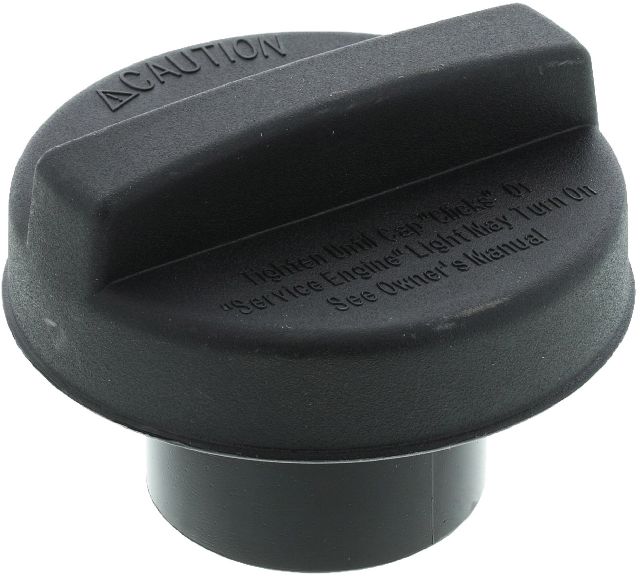
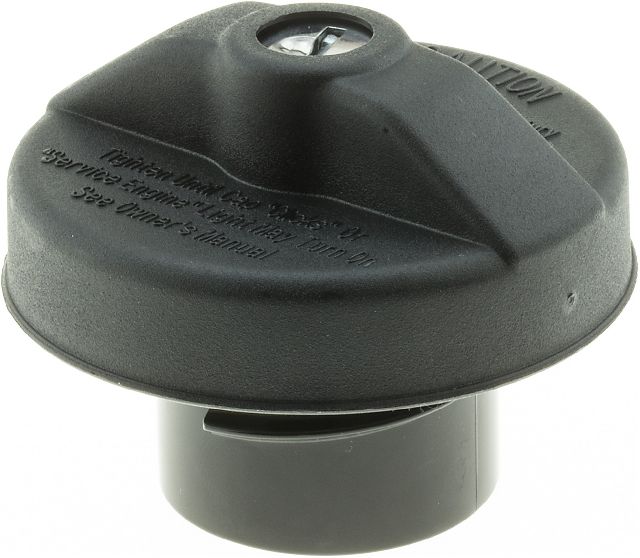
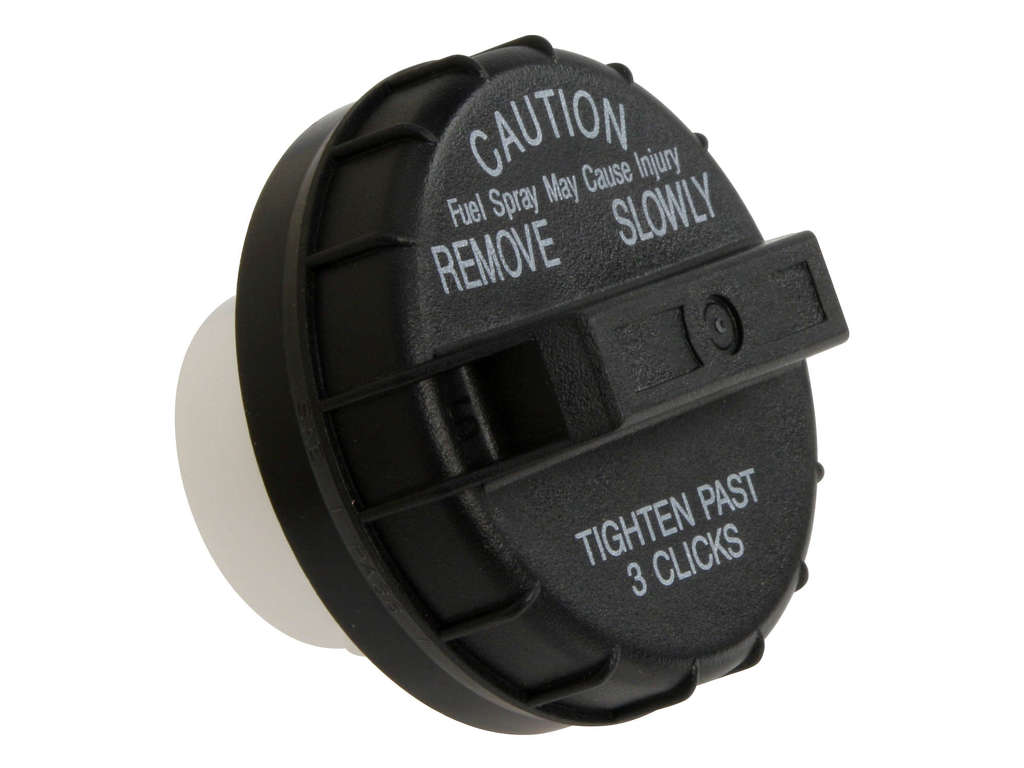
For a P0455 code on a 2006-2011 ML-Class (W164), first check that the gas cap is tight and its seal is intact (OEM Part No. 1404700005). If the light returns, the most likely culprit is a failed EVAP Canister Vent Valve (Shut-off Valve), located behind the rear passenger-side wheel well liner. This part (OEM No. 1644700193 or 1644703193) costs around $70-$120 for an OEM replacement and fails when its internal rubber seal degrades.
- P0455 means your ML-Class has a large leak in the fuel vapor system.
- Always check the gas cap first. Make sure it's tight and the seal is not cracked or old.
- The most likely cause after the gas cap is the EVAP Canister Vent Valve, located behind the passenger-side rear wheel well liner.
- Avoid topping off your fuel tank, as it can damage EVAP system components like the vent valve.
- While you can drive with this code, you will fail an emissions test and are releasing excess pollutants.
What's Unique About the 2006-2011 Mercedes-Benz ML-Class
The 2006-2011 ML-Class (W164) and its platform mates, the GL-Class (X164) and R-Class (W251), are prone to failure of the EVAP canister vent valve (also called a shut-off valve), located behind the rear passenger wheel well. While a loose gas cap is always the first suspect for any P0455, this specific valve is a very common failure point on this platform. Owners and technicians frequently report that the small, nickel-sized rubber seal inside this valve degrades, hardens, or gets stuck, especially if the fuel tank is habitually 'topped off' after the pump clicks off. Overfilling can force liquid gasoline into the vapor system, contaminating the valve's seal and causing it to fail.
Symptoms You May Notice
- Check Engine Light is on.
- A fuel odor may be noticeable, especially around the rear of the vehicle or after refueling.
- On some Mercedes models, a 'Check Fuel Cap' message may appear on the instrument cluster, sometimes with a blinking fuel reserve light.
- Slightly reduced fuel economy due to escaping vapors.
- Replacing the purge valve or charcoal canister before confirming the gas cap is good and the vent valve has been tested. The gas cap and vent valve are far more common failure points for this specific code on this vehicle.
- Assuming a smoke test showing no leaks means all components are good. A vent or purge valve can fail intermittently or only under specific electrical load or vacuum, which a static smoke test might not reveal.
Most Likely Causes
- Loose or Faulty Gas Cap 🔴 High Probability This is the most common cause on all vehicles, not specific to Mercedes. The cap is frequently handled and the rubber O-ring seal can wear out, crack, or be installed incorrectly.
How to confirm: Ensure the cap is tightened until it clicks several times. Inspect the rubber O-ring seal on the cap for cracks, stiffness, or damage. If the seal is compromised, replace the cap. A new OEM cap is the most reliable fix.
Typical fix: Tighten or replace the gas cap.
Est. part cost: $25-$55 - Failed EVAP Canister Vent Valve (Shut-off Valve) 🔴 High Probability The rubber seal inside this valve is a known weak point on the W164/X164 platform. It becomes brittle or contaminated from fuel vapors or liquid fuel from overfilling the tank. It gets stuck and cannot seal the EVAP system for the self-test. The valve is located with the charcoal canister behind the rear passenger-side wheel well liner.
How to confirm: A definitive diagnosis is done with a smoke machine; with the valve commanded closed, smoke will be seen escaping from the valve if it is faulty. Alternatively, you can test it by applying 12V to its connector; you should hear it click closed. If it doesn't actuate or seal, it is faulty. Some owners have successfully restored function temporarily by soaking the internal seal in a rubber-safe solvent like AT-205 to soften it.
Typical fix: Replace the EVAP canister vent valve.
Est. part cost: $70-$120 - Failed EVAP Purge Valve (MOT Valve) 🟡 Medium Probability This valve, located in the engine bay 🎬 See this video to quickly locate your purge valve on the left (driver's) side, can get stuck open, creating a constant vacuum leak from the EVAP system into the intake manifold. It is a common failure item across many Mercedes models.
How to confirm: Locate the valve in the engine bay. With the engine off, disconnect the hose leading to the charcoal canister and try to blow through the valve. If air passes through, the valve is stuck open and has failed. It is a normally closed valve.
Typical fix: Replace the purge valve.
Est. part cost: $40-$90 - Cracked or Disconnected EVAP Hoses ⚪ Low Probability Over time, rubber hoses can become brittle from heat and age, leading to cracks or loose connections, particularly at the fittings on the canister or valves.
How to confirm: A visual inspection may reveal obvious cracks or disconnections. The most effective method is to use a smoke machine to introduce smoke into the EVAP system and look for where it escapes.
Typical fix: Replace the cracked or broken hose section.
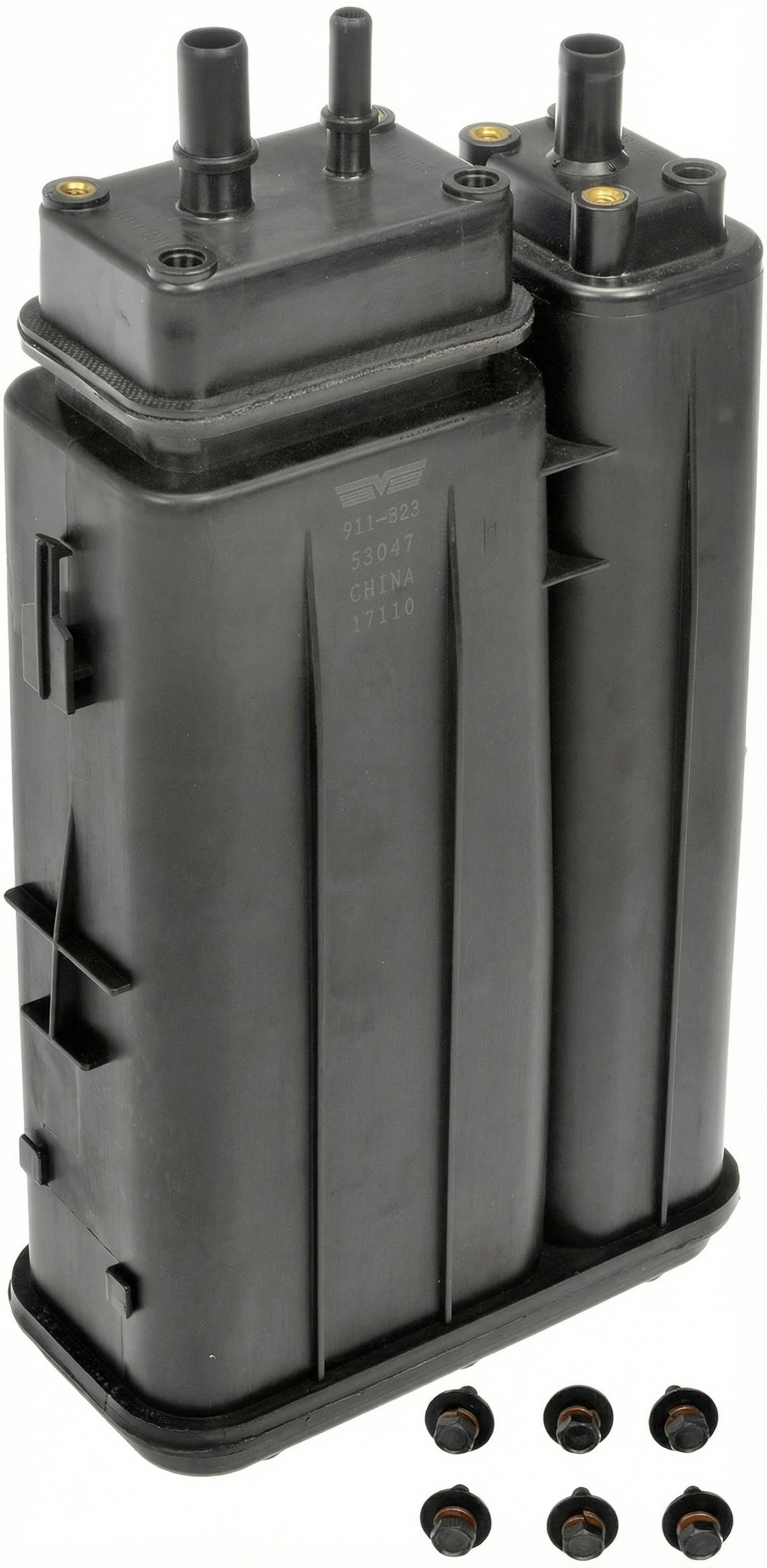
Est. part cost: $10-$40 - Cracked Charcoal Canister ⚪ Low Probability The plastic housing of the canister can be damaged by road debris or become brittle with age, causing a crack. This is less common than the valves failing.
How to confirm: During a smoke test, smoke will be seen escaping directly from the body of the charcoal canister. A visual inspection may also reveal physical damage.
Typical fix: Replace the charcoal canister assembly.
Est. part cost: $150-$300
Rare But Worth Checking
- Damaged Fuel Filler Neck: Rust or physical damage to the filler neck can prevent the gas cap from creating a proper seal, leading to a leak that mimics a bad cap.
- Faulty Fuel Tank Pressure Sensor: While rare to fail in a way that causes P0455, a faulty sensor could theoretically report incorrect pressure readings. This usually sets other specific sensor-related codes.
Diagnosis Steps
- Read the code with an OBD-II scanner to confirm P0455 is present. 🎬 Watch: Diagnosing a P0455 large leak on an ML350
- Inspect the gas cap. Remove it, check the seal for cracks or damage, and reinstall it, ensuring it clicks multiple times. Clear the code. The light may take several drive cycles to turn off if the issue is resolved.
- If the code returns, perform a visual inspection of all accessible EVAP hoses in the engine bay and around the charcoal canister area (rear passenger wheel well) for obvious cracks or disconnections.
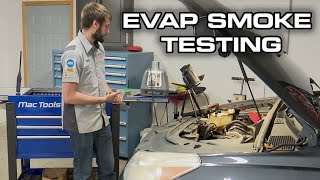
- The most effective next step is to perform a smoke test. Introduce smoke into the EVAP system via the service port. 🎬 Watch: How to perform a professional EVAP smoke test This will quickly reveal the location of a large leak.
- Check for smoke leaking from the gas cap area (indicating a bad cap or filler neck), the EVAP canister vent valve (most likely), the purge valve, the charcoal canister body, or any of the connecting hoses.
- DIY Component Testing (No Smoke Machine):
- a. Purge Valve (Engine Bay): Unplug it and remove it. Try to blow through it. It should be closed and not allow air to pass. If it does, it's stuck open and needs replacement.
- b. Vent Valve (Rear Wheel Well): Remove the valve. Apply 12V from the car battery to its electrical pins. You should hear a distinct click as the solenoid actuates. If it's silent or doesn't seal when activated, it's faulty.
- Based on the test results, replace the faulty component. The vent valve is the most probable cause after the gas cap on this specific vehicle.
Parts You'll Likely Need
- Gas Cap
(OEM #1404700005)— This is the simplest and most frequent cause of a P0455 code due to a worn seal or improper tightening.
Trusted brands: Genuine Mercedes-Benz, Gates, Stant
OEM price range: $40-$55
Aftermarket price range: $20-$30 - EVAP Canister Vent Valve / Shut-off Valve
(OEM #1644700193, 1644703193)— This is a very common failure point on the W164 platform, responsible for sealing the system during tests. Its internal rubber seal degrades over time.
Trusted brands: Bosch, Genuine Mercedes-Benz
OEM price range: $70-$120
Aftermarket price range: $40-$80 - EVAP Purge Valve
(OEM #0004708893)— Can get stuck open, causing a permanent leak. It's a common EVAP system failure part on many vehicles. The part number from Pass 1 (1644702293) may be an older, superseded number.
Trusted brands: Bosch, Genuine Mercedes-Benz
OEM price range: $60-$90
Aftermarket price range: $30-$50
Platform-Specific Known Issues
- Owner Experience: Temporary Fix for Vent Valve: A user on MBWorld.org with a P0455 on a related platform (X164 GL-Class) diagnosed a faulty EVAP Canister Vent Valve. Instead of immediate replacement, they removed the valve, soaked the internal rubber seal in AT-205 Re-Seal solvent for an hour to soften it, actuated it with a 12V source to confirm function, and reinstalled it. This successfully resolved the code, highlighting that the seal hardening is the direct cause of failure.
Mechanic-Grade Diagnostic Values
- Fuel Tank Pressure Sensor (B4/3) Voltage Supply — expected: 4.7 - 5.3 Volts. Failure: Voltage outside this range indicates a problem with the sensor's power supply from the ME-SFI control module.
- EVAP Canister Shut-Off Valve (Y58/4) Current Draw — expected: 0.4 - 0.9 Amps. Failure: Significantly higher current draw (e.g., multiple amps) suggests a shorted coil, while zero draw indicates an open circuit.
- EVAP Purge Valve (Y58/1) Coil Resistance — expected: 15 - 30 Ohms (general estimate). Failure: Resistance far outside this range (very high or near zero) indicates a failed internal coil.
- EVAP Canister Vent Valve Connector Voltage — expected: Approx. 12 Volts (Battery Voltage). Failure: Receiving 0 volts or only millivolts at the connector (with ignition on) points to a wiring issue or fuse problem upstream of the valve.
Scan Tool Commands That Help
- Mercedes-Benz STAR/XENTRY: Actuate component Y58/4 (Activated charcoal canister shut-off valve) — This bidirectional command is used to manually close the vent valve during diagnosis. It is essential for performing a smoke test correctly, as the valve is normally open and will allow smoke to escape unless commanded shut. It also confirms if the valve's solenoid is functional.
- Mercedes-Benz STAR/XENTRY: EVAP System Leakage Test — This is the automated, guided test the dealership uses. The system will automatically seal the EVAP system and use the fuel tank pressure sensor to monitor for a pressure drop, reporting the results directly to the technician. It can differentiate between large and small leaks.
Wiring & Ground Locations
- W11/1, W11/64 — Engine compartment, right side (passenger side in US).. These are documented ground points for various components in the engine bay. The EVAP Purge Valve (Y58/1) is located on the driver's side of the engine, but its control circuit originates from the ME-SFI control module, which relies on clean grounds like these to function correctly. A poor ground can cause intermittent or incorrect valve operation.
- Front SAM (Signal Acquisition and Actuation Module) — Under the hood, typically on the passenger side.. The SAM units house fuses and relays that provide power to various systems, including emissions components. While specific fuse numbers for the W164 EVAP circuit are not in the search results, checking fuses in the front and rear SAMs is a critical step if voltage is missing at a component connector.
Real Owner Repair Stories
- MBWorld.org user on a related X164 platform (Mercedes-Benz GL-Class (X164), platform mate to the W164 ML-Class) — P0455 code, blinking fuel light, and 'check gas cap' message.
❌ Tried (didn't work) Replacing the gas cap.
✅ What actually fixed it The owner removed the EVAP canister vent valve, soaked the internal rubber seal in AT-205 Re-Seal solvent for an hour to soften it, confirmed the valve actuated with a 12V source, and reinstalled it. This resolved the code, proving the hardened seal was the culprit. - YouTube user KRT LYFE (2005 Mercedes-Benz E55 AMG Wagon (W211)) — P0455 code, 'check gas cap' warning in red letters on the dash.
❌ Tried (didn't work) Testing the original purge valve (it was clicking, but replaced anyway with no change)., Replacing a brittle vacuum hose from the steel line to the intake manifold.
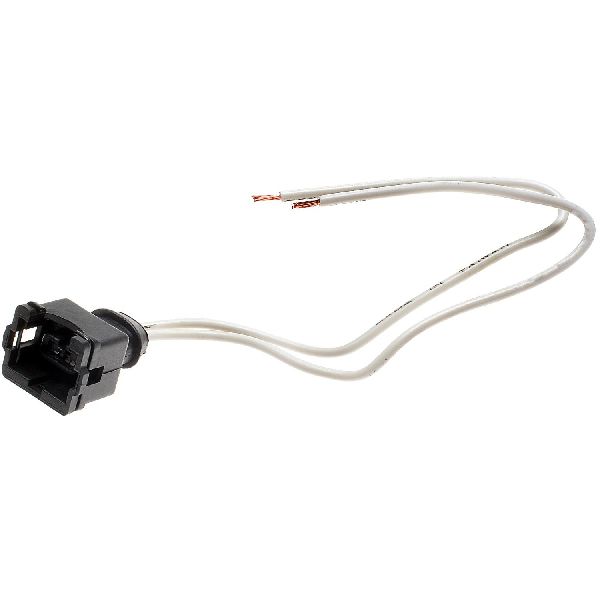
✅ What actually fixed it The issue was finally resolved by replacing the entire charcoal canister and shut-off valve assembly. The owner suspected either the valve itself or its O-ring seal had failed. A new pigtail connector was required to adapt the new valve to the existing harness.
"I Checked Everything" — The Actual Cause
- In a case on an ML350, the owner replaced the gas cap, purge valve, and canister valve, and a subsequent smoke test showed no leaks, yet the P0455 code persisted. This scenario points to a non-physical leak, such as an intermittent electrical failure of a valve's solenoid (which a static smoke test won't catch) or an incorrect reading from the fuel tank pressure sensor. The pressure sensor might not be 'leaking' but could be reporting false data to the ECU, causing it to believe a large leak exists when one does not.
OEM Part Supersession History
Varies by year→Varies by year— Design improvement or change in supplier.
Heads up: On some related models, replacing the charcoal canister shut-off valve with a newer part number required a new pigtail adapter to connect the new valve to the old vehicle harness. Always verify part compatibility and check if an adapter is needed when ordering a replacement valve.
Model Year Variations Within This Range
- 2009-2011: The W164 platform received a facelift for the 2009 model year, which included cosmetic changes to the bumpers, grille, and headlights, as well as an updated COMAND infotainment system. However, sources do not indicate any significant changes to the design or location of the core EVAP system components (purge valve, vent valve, canister) related to the P0455 code. The diagnostic procedure remains consistent across the 2006-2011 model years.
Diagnostic Flowchart
Other Known Issues on This Vehicle
Issues unrelated to this code that are worth knowing about as an owner of this generation:
- M272 V6 Balance Shaft Gear Failure 🔴 High — Common on engines produced before 2009, typically between 60,000-100,000 miles. Affects engines up to serial number 2729..30 468993. (Ref: Subject of a class-action lawsuit.)
- OM642 V6 Diesel Oil Cooler Seal Leak 🔴 High — Extremely common across all models with the OM642 engine. The original purple seals degrade, causing oil to leak into the engine valley. A labor-intensive repair (15-20+ hours).
- Intake Manifold Runner Flap/Linkage Failure 🟠 Medium — The plastic linkages and levers that control the intake runner flaps become brittle and break, or flaps get stuck with carbon buildup. Common after 80,000 miles.
- Airmatic Suspension Failure 🟠 Medium — Air springs develop leaks and the compressor can burn out. Failures are common after 8-10 years or 100,000+ miles.
- Rear Taillight Gasket Leak & SAM Failure 🟡 Low — The taillight housing gaskets fail, allowing water to enter the trunk area and damage the Rear Signal Acquisition Module (SAM), causing a host of electrical problems.
Used vs. New Parts: Buying Guide for This Vehicle
When a used part is the smart pick: A used charcoal canister can be a cost-effective option if the primary failure is a valve and you are swapping the valve onto the used canister. A used canister assembly is only a good idea if it comes from a low-mileage vehicle and can be visually inspected for cracks.
Donor-vehicle mileage cap: roughly under 80000 miles for the part to have meaningful remaining life.
What to inspect on the donor part:
- Inspect the plastic body of the charcoal canister for any cracks, especially around the hose fittings.
- Ensure all hose nipples are intact and not brittle or broken.
- If buying an assembly, try to get one from a vehicle in a dry climate to reduce the chance of weather-related plastic degradation.
OEM-only on this vehicle (don't cheap out):
- Gas Cap: Aftermarket caps are a frequent source of new, hard-to-diagnose leaks. The precise fit and seal quality of an OEM cap is worth the extra cost.
- Fuel Tank Pressure Sensor: This is a sensitive electronic component. An OEM sensor is recommended to ensure it provides accurate data to the ECU, avoiding misdiagnosis.
Aftermarket brands forum-validated for this vehicle:
- Bosch: As an original equipment manufacturer for Mercedes-Benz, Bosch-branded EVAP valves are a reliable alternative to dealer parts.
Brands owners have reported issues with on this vehicle:
- Unbranded/White-box parts: For critical sealing components like the vent and purge valves, extremely cheap, unbranded parts from online marketplaces often have poor quality internal seals that may fail quickly or not seal properly out of the box.
Real Owner Stories
Aggregated from forums and TSBs cited above. Mileages and costs reflect what owners reported in those sources.
2007 Mercedes-Benz ML500
Symptoms: Blinking fuel reserve light accompanied by a red gas cap warning on the dash.
What fixed it: The owner investigated the P0455 code which is associated with these specific Mercedes cluster warnings.
Source hint: MBWorld.org: 'P0455' - A user on a 2007 ML500 reports the 'blinking fuel reserve light with the red gas cap warning'.
2008 Mercedes-Benz GL-Class (X164) — ~100000 miles
Symptoms: P0455 large leak code detected; identified that the internal rubber seal of the vent valve had become hard and brittle.
What fixed it: Removed the EVAP Canister Vent Valve, soaked the internal rubber seal in AT-205 Re-Seal solvent for one hour to soften it, and confirmed function with a 12V source before reinstalling.
Source hint: MBWorld.org: 'P0455 code for GL' - A detailed thread where an owner diagnoses a P0455, identifies the vent valve seal as the culprit.
Related OBD-II Codes
Frequently Asked Questions
Why is my 2007 ML500 showing a blinking fuel reserve light and a red gas cap warning?
Where is the EVAP canister vent valve located on my Mercedes ML-Class?
I heard the purge valve is a common P0455 cause; where is it on the ML-Class engine?
Can I test the vent valve on my ML-Class without a smoke machine?
Is there a way to fix the vent valve without buying a new part?
Should I use an aftermarket gas cap to clear the P0455 code?
Helpful Videos

Used OEM Parts in Stock
New Aftermarket Parts Available


The information in this article is provided for general reference and educational purposes only. Vehicle specifications, procedures, and part compatibility can vary by production date, trim level, and region. Always consult your vehicle's factory service manual and verify part numbers before purchasing or performing repairs. Safety-critical components such as airbags, seat belts, and braking systems should be installed by a qualified professional.
- Mercedes-Benz ML-Class:
- 🎬 Helpful Videos
- 🛍️ Shop This Part
- What's Unique About the 2006-2011 Mercedes-Benz ML-Class
- Symptoms You May Notice
- Most Likely Causes
- Rare But Worth Checking
- Diagnosis Steps
- Parts You'll Likely Need
- Platform-Specific Known Issues
- Mechanic-Grade Diagnostic Values
- Scan Tool Commands That Help
- Wiring & Ground Locations
- Real Owner Repair Stories
- "I Checked Everything" — The Actual Cause
- OEM Part Supersession History
- Model Year Variations Within This Range
- Diagnostic Flowchart
- Other Known Issues on This Vehicle
- Used vs. New Parts: Buying Guide for This Vehicle
- Real Owner Stories
- 2007 Mercedes-Benz ML500
- 2008 Mercedes-Benz GL-Class (X164) — ~100000 miles
- Related OBD-II Codes
- Frequently Asked Questions
- 🎟️ Get 5% Off