

P0455 on 2011-2016 Kia Forte: EVAP Large Leak Causes and Fixes
The P0455 code on a 2011-2016 Kia Forte indicates a large leak in the evaporative emissions (EVAP) system. The most common causes are a loose or faulty gas cap or a failed canister close valve (CCV). Always check the gas cap first; if it's secure, the CCV is the next likely part to inspect, especially in regions where road salt is used, as it is highly prone to corrosion and sticking open.
- P0455 signifies a large leak in the EVAP system, which is an emissions-related issue but does not prevent you from driving the car.
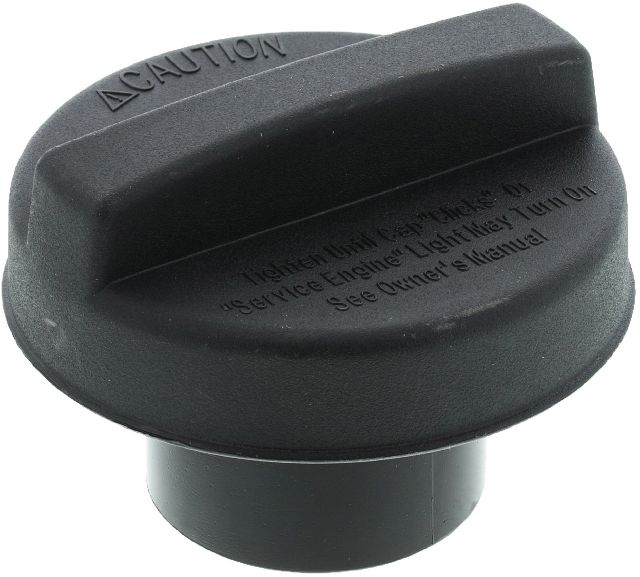
- Always start with the simplest and cheapest fix: check that the gas cap is tight and its seal is intact. Using an OEM replacement cap is highly recommended if it's faulty.
- The next most common failures are the Canister Close Valve (under the car) and the Purge Valve (in the engine bay).
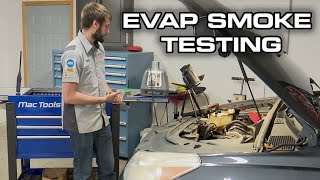
- A smoke test is the most reliable and efficient way to diagnose the exact location of a leak if it's not the gas cap.
What's Unique About the 2011-2016 Kia FORTE

The 2011-2016 Kia Forte spans two generations (TD: 2011-2013 and YD: 2014-2016), but the EVAP system design and common failure points are largely consistent. Like many Kias and Hyundais of this era, the canister close valve (CCV), located under the car near the charcoal canister, is particularly susceptible to corrosion and failure from road salt and moisture. This is a well-documented issue on related platforms like the Kia Rio as well. Kia issued a Technical Service Bulletin (PS469) that mentions P0455 and the potential difficulty in finding the source of the leak, sometimes requiring a manual EVAP test. Another TSB for the 2014-2017 Forte (YD) addresses potential water contamination in the Canister Close Valve (CCV), which can trigger EVAP codes.
Diagnostic Flowchart
Tap your situation to follow the diagnostic path that matches what you're seeing on this vehicle.
Generation note: This range covers the end of the first generation (TD, 2011-2013) and the beginning of the second generation (YD, 2014-2016) Kia Forte. While body styles and engine options changed, the fundamental design and common failure points of the EVAP system, such as the purge valve and canister close valve, are similar across these years. The Hyundai Elantra, a platform mate, shares these vulnerabilities. The location of the purge valve is in the engine bay, while the canister and close valve are at the rear of the vehicle, under the car.
Symptoms You May Notice
- Check Engine Light is on
- A faint smell of fuel, particularly around the rear of the vehicle or near the engine bay.
- Slight decrease in fuel economy.
- Difficulty starting immediately after refueling (often caused by a stuck-open purge valve flooding the engine with vapor).
- Replacing the oxygen sensor, as it has no relation to the EVAP system.
- Replacing the purge valve when the canister close valve is the actual problem, or vice-versa. A smoke test is crucial to differentiate.
- Repeatedly replacing an aftermarket gas cap with another aftermarket one, when an OEM cap is required for a proper seal.
Most Likely Causes


- Loose or Faulty Gas Cap 🔴 High Probability This is the most common cause for any vehicle with an EVAP system. The seal wears out over time or the cap is simply not tightened correctly after refueling.
How to confirm: Ensure the gas cap is tightened until it clicks at least once. Inspect the rubber O-ring on the cap for cracks, stiffness, or damage. If the code returns after tightening and clearing, the cap is likely faulty. Many forum users and mechanics strongly advise against aftermarket caps, as they often fail to seal properly and can cause the P0455 code to persist.
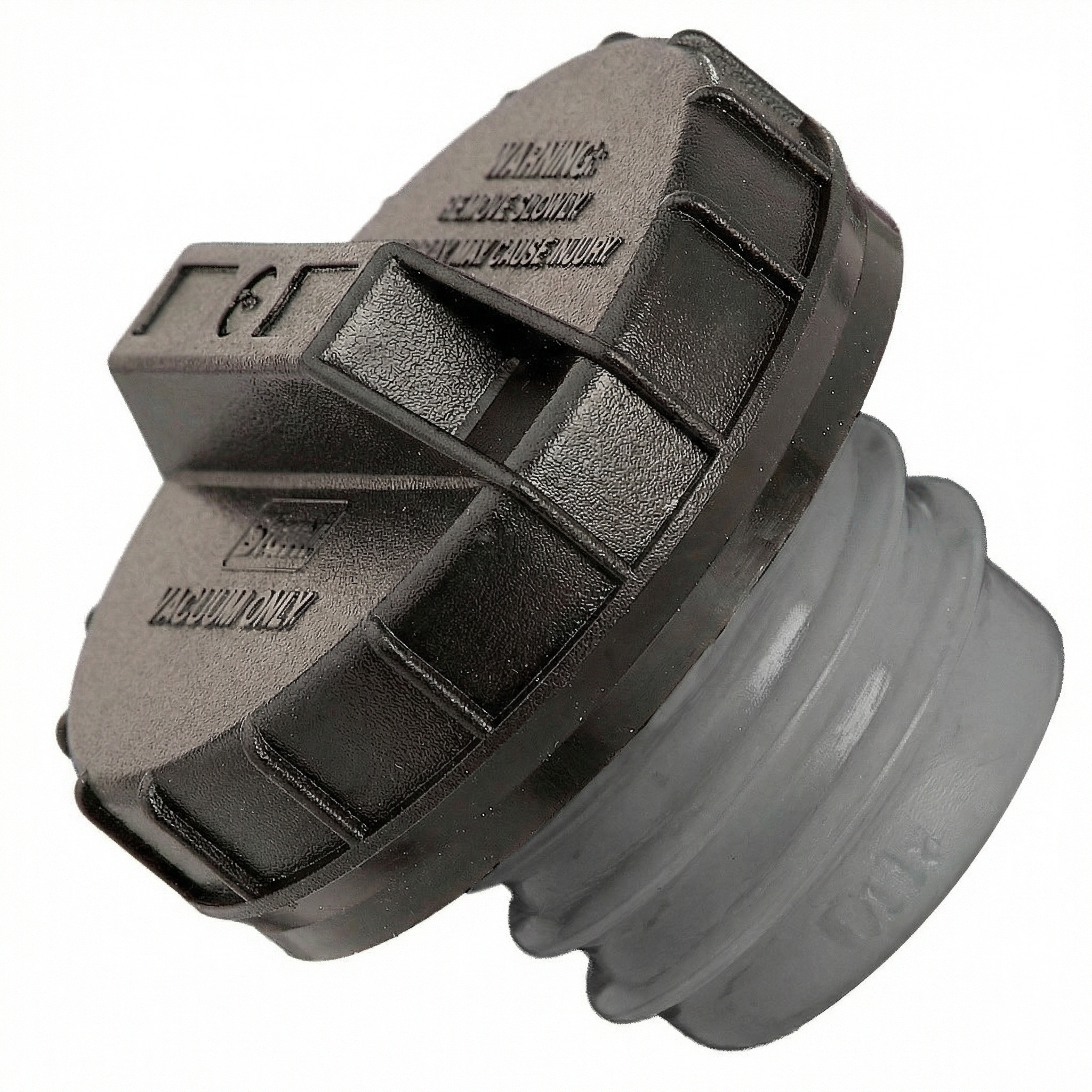
Typical fix: Replace the gas cap. It is strongly recommended to use a genuine OEM Kia part (31010-3L600) to ensure a proper seal.
Est. part cost: $15-$40 - Failed Canister Close Valve (CCV) / Vent Valve 🔴 High Probability The CCV is located under the car near the rear wheel, making it highly exposed to road salt, water, and debris. This can cause corrosion, leading to the valve sticking open and creating a large leak. This is a very common failure point in salt-belt states. A Kia TSB for 2014-2017 models also notes that water can contaminate the CCV and cause issues.
How to confirm: The valve can be tested with a scan tool to see if it actuates. A more definitive test is to remove the valve and see if you can blow through it; it should be normally closed. A smoke test is the best way to confirm it's leaking when commanded closed. Visual inspection may reveal cracks in the valve's plastic housing where it mounts to the canister filter.
Typical fix: Replace the canister close valve. It is often attached to the charcoal canister or a separate vapor filter assembly. The mounting bracket is often very rusty and may break during removal.
Est. part cost: $50-$100 - Failed Purge Control Solenoid Valve (PCSV) 🟡 Medium Probability This valve is located in the engine bay and cycles frequently, leading to eventual wear. It can get stuck open, creating a constant vacuum leak from the EVAP system into the intake manifold. A stuck-open purge valve is a primary cause of the 'hard to start after fueling' symptom.
How to confirm: With the engine off, disconnect the hose leading from the valve to the intake manifold and try to blow through it. It should be completely closed. Some scan tools can command the valve to cycle, and you should hear a clicking sound. A slight leak when closed can be enough to trigger the code. The coil resistance can also be measured; a typical reading is around 30-36 ohms.
Typical fix: Replace the purge control solenoid valve. This is typically a straightforward repair in the engine bay involving disconnecting two hoses and an electrical connector.
Est. part cost: $40-$90 - Cracked or Disconnected EVAP Hoses ⚪ Low Probability Over time, the rubber and plastic hoses in the EVAP system can become brittle and crack, especially those exposed to engine heat or underbody elements. A small split in a hose near the purge valve or canister can be enough to cause a large leak code.
How to confirm: A visual inspection may reveal obvious cracks or disconnected lines. The most reliable method is a smoke test, which will force smoke through the system and make any leaks visible.
Typical fix: Replace the damaged section of hose.
Est. part cost: $10-$50
Rare But Worth Checking
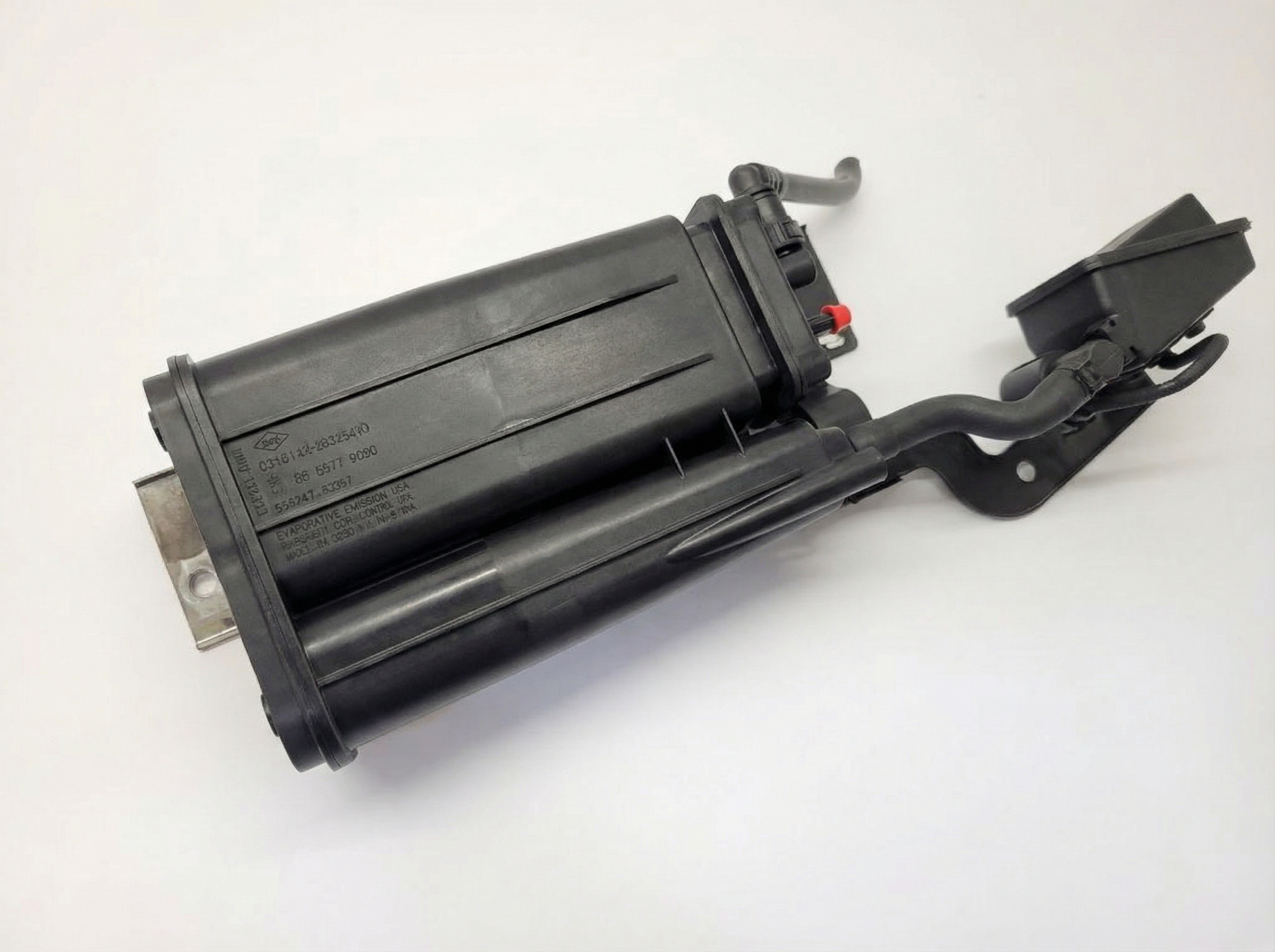
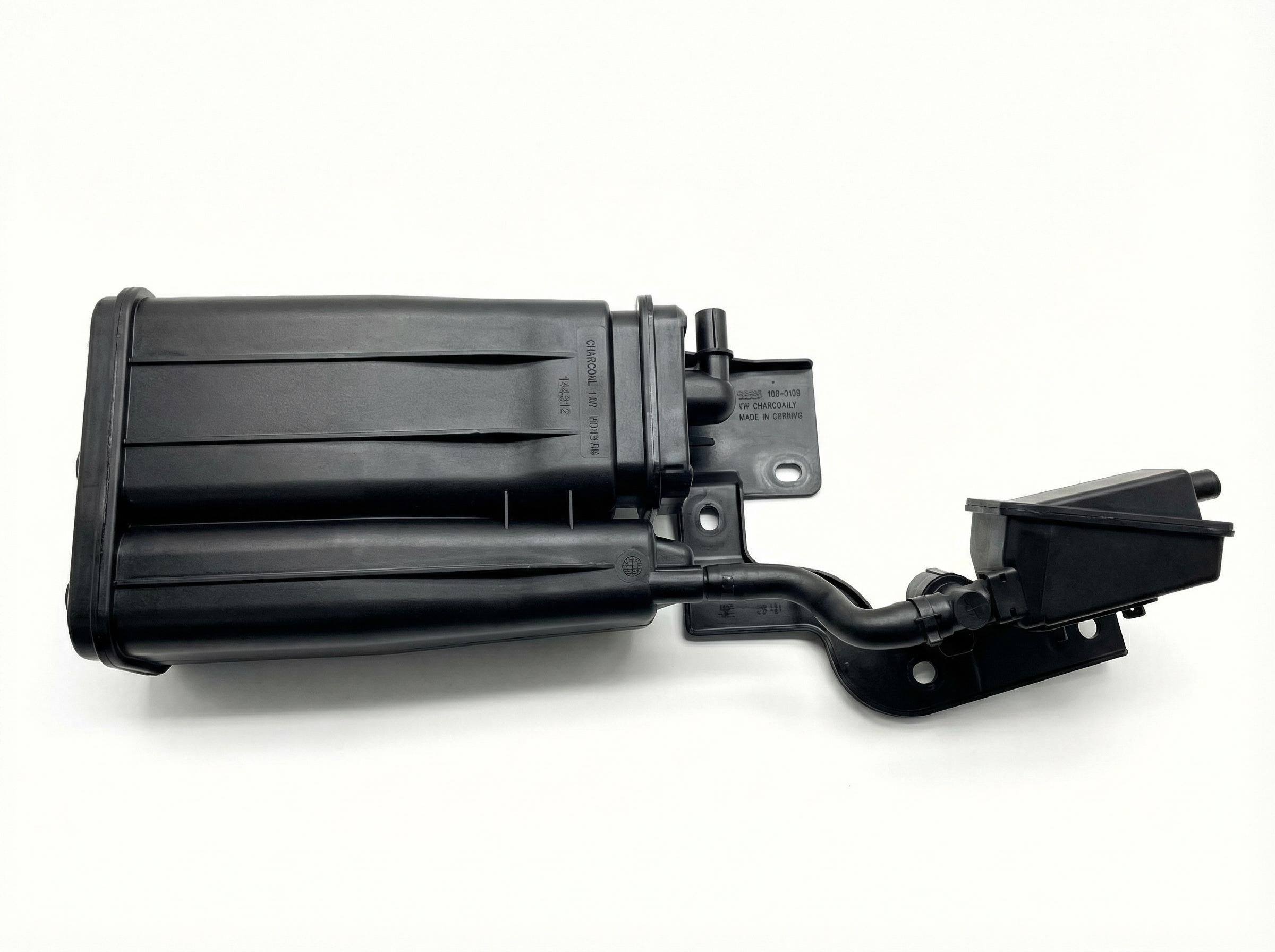
- Cracked Charcoal Canister: The plastic housing of the charcoal canister can crack from road debris impact or age, creating a large leak. This is usually found during a smoke test. In some cases, corrosion of the metal fittings on the canister can cause them to expand and crack the plastic housing.
- Leaking Fuel Filler Neck: Corrosion can cause pinholes or cracks in the metal tube that leads from the gas cap to the fuel tank, which will cause a large leak. This is more common in areas with heavy road salt usage and will be easily identified with a smoke test.
- Faulty Fuel Tank Pressure Sensor (FTPS): Less commonly, the sensor that monitors EVAP system pressure can fail. If the sensor sends an incorrect reading to the computer, it may trigger a P0455 code even if no leak exists. This is usually a last resort after all other components have been checked.
Diagnosis Steps

- Read the code with an OBD-II scanner to confirm P0455 is present. Note any other accompanying EVAP codes.
- Inspect the gas cap. Ensure it is tight and clicks. Remove it and check the seal for cracks or damage. If in doubt, replace it with a genuine OEM part, clear the code, and drive for a few days to see if it returns.
- Perform a visual inspection of all accessible EVAP hoses in the engine bay and under the vehicle for obvious cracks, disconnections, or damage. Pay close attention to the lines connected to the purge valve and charcoal canister.
- If no obvious issues are found, the most effective next step is to perform a smoke test. This involves injecting low-pressure smoke into the EVAP service port and looking for where the smoke escapes. Common leak points are the canister close valve, purge valve, and the hoses connected to them.
- Test the Canister Purge Valve (in the engine bay). With the engine off, disconnect the hose going to the intake manifold and try to blow through it. It should be closed and allow no air to pass.
- Test the Canister Close Valve (under the car, near the canister). It should also be normally closed. A smoke test will quickly reveal if it is stuck open or if the plastic housing is cracked.
- If you experience hard starting after refueling, the purge valve is the primary suspect as it may be stuck open, allowing fuel vapors to flood the intake manifold.
- If a smoke test reveals a leak from the charcoal canister body or the fuel filler neck, that component will need replacement.
Parts You'll Likely Need

- Gas Cap
(OEM #31010-3L600)— This is the most frequent cause of P0455 due to its constant use and seal degradation. An improper seal is a large leak. Using an OEM part is highly recommended.
Trusted brands: Genuine Kia
OEM price range: $25-$40
Aftermarket price range: $15-$25 - Canister Close Valve / Vent Valve
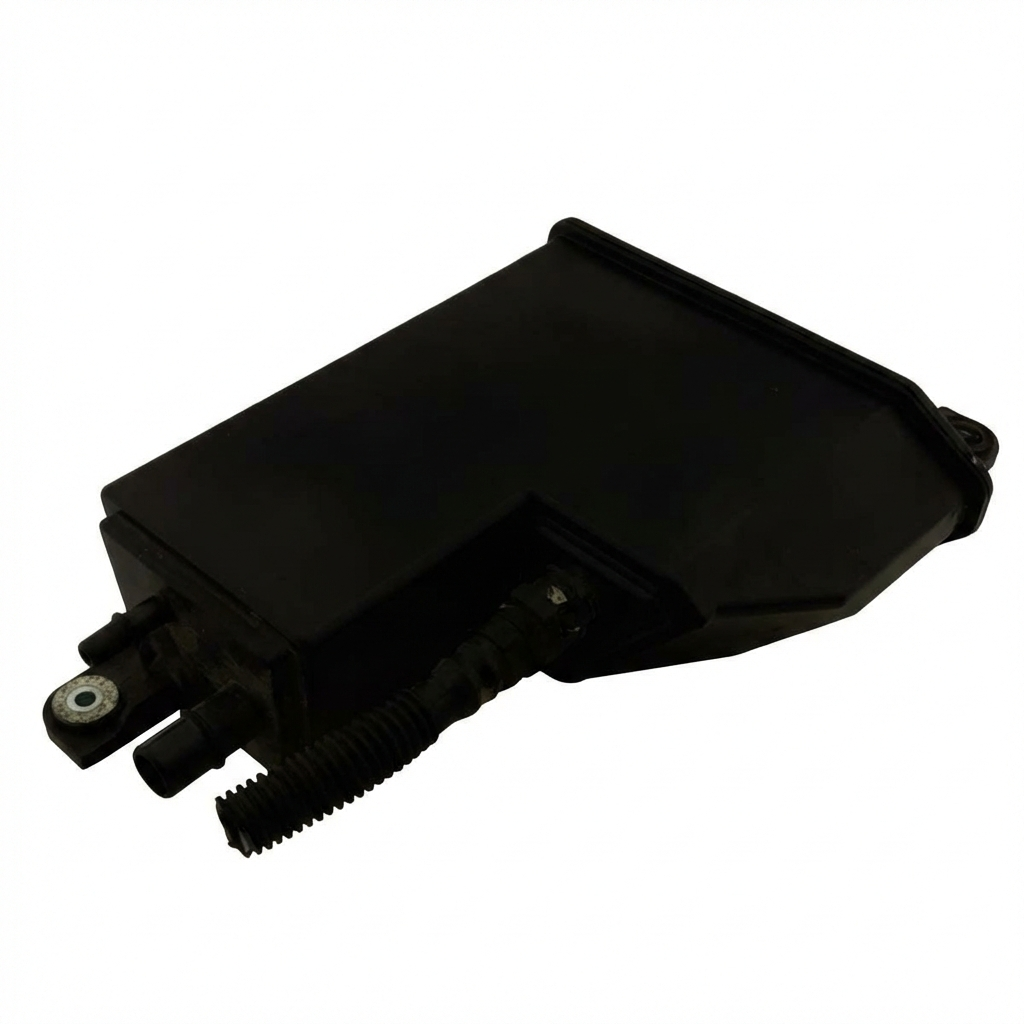
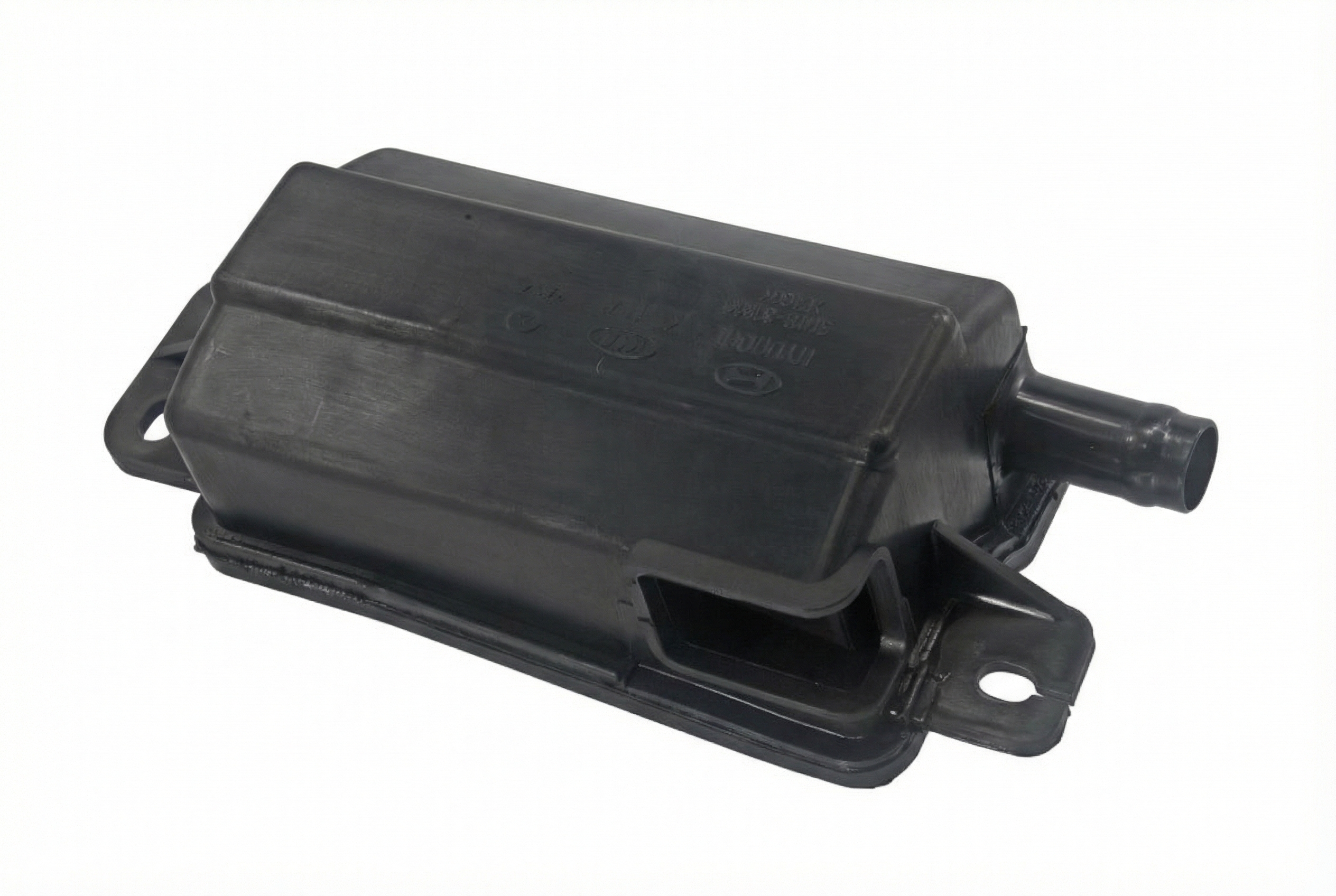
(OEM #29010-2B000)— Its location under the car makes it prone to failure from corrosion, causing it to stick open or crack. Note: Part number may vary by specific model/year, verify with VIN.
Trusted brands: Genuine Kia, Standard Motor Products, Dorman
OEM price range: $70-$110
Aftermarket price range: $45-$80 - Canister Purge Valve / Purge Control Solenoid
(OEM #28910-26900 / 28910-25100)— This valve cycles constantly during engine operation and can fail by sticking open, causing a large leak. A stuck-open valve is a common reason for hard starting after refueling.
Trusted brands: Genuine Kia, Dorman
OEM price range: $70-$90
Aftermarket price range: $40-$70
Related Codes That Often Appear With This One
- P0442 — A small leak (P0442) may eventually worsen and be detected as a large leak (P0455). Both codes are often listed together in diagnostic procedures and TSBs.
- P0456 — A very small leak (P0456) can also worsen over time and trigger a P0455 code. TSB PS469 groups these codes together for diagnosis.
- P0449 — This code specifically indicates a fault in the EVAP Vent Valve/Solenoid circuit. Seeing it with P0455 is a strong confirmation that the Canister Close Valve (or its wiring) is the culprit.
Technical Service Bulletins (TSBs) & Recalls
- PS469: PITSTOP: MANUAL EVAPORATIVE EMISSIONS TEST FOR HARD TO FIND/SMALL LEAKS - This bulletin applies to several EVAP codes, including P0455, and suggests a manual test procedure when the leak is not easily found.
Platform-Specific Known Issues
- TSB PS469 - Difficult to Find Leaks: Kia Technical Service Bulletin #PS469 notes that codes like P0455 can be difficult to diagnose, sometimes requiring a manual EVAP test if the standard self-test does not identify the fault.
- Hard to Start After Refueling: A common symptom tied directly to a failed Purge Control Solenoid Valve (PCSV). When the valve sticks open, excess fuel vapor from the tank is drawn into the intake manifold after filling up, creating a rich condition that makes the engine difficult to start until the excess vapor is cleared.
- Canister Close Valve Corrosion: The under-car location of the CCV makes it extremely vulnerable to rust and corrosion, particularly in states that use road salt. The valve can stick open or its plastic housing can crack, both of which are common sources for a P0455 code on the Forte and its platform mates.
Mechanic-Grade Diagnostic Values
- Fuel Tank Pressure Sensor (FTPS) Voltage — expected: Approximately 2.5V at atmospheric pressure (0 kPa). The range is typically 0.5V under vacuum to 4.5V under pressure.. Failure: A reading stuck at a very low voltage (e.g., 0V - 0.3V) or a very high voltage (e.g., 5V) regardless of tank pressure suggests a sensor or wiring fault.
- Purge Control Solenoid Valve (PCSV) Coil Resistance — expected: Approximately 30-36 ohms at room temperature.. Failure: An infinite resistance reading (open circuit) or a zero resistance reading (short circuit) indicates a failed solenoid coil.
Scan Tool Commands That Help
- Kia GDS / Launch / Autel (Advanced Scanners): Evap. Leakage Test — This is a bidirectional function that commands the EVAP system to seal itself (by closing the CCV and PCSV) and monitors the FTPS to automatically check for a leak. It can confirm the presence of a leak without needing a smoke machine initially, and can be used to verify a repair has been successful.
Wiring & Ground Locations
- Canister Close Valve (CCV) Connector — Under the vehicle, near the charcoal canister, typically behind the rear passenger-side wheel.. This connector and its wiring are exposed to road elements and are a common point of failure due to corrosion or physical damage, which can cause P0449 or contribute to P0455 if the valve fails to close.
- Purge Control Solenoid Valve (PCSV) Connector — In the engine bay, mounted near the intake manifold.. A poor connection or damaged wire at this connector can prevent the purge valve from operating correctly, potentially leaving it stuck open and causing a P0455 leak path.
Real Owner Repair Stories
- YouTube video from 'Pine Hollow Auto Diagnostics' (2014 Kia Forte 1.8L) — Check Engine Light with code P0442 (small leak), which can be a precursor to P0455.
❌ Tried (didn't work) Initial smoke test did not reveal the leak source clearly., Attempted to repair the old canister with epoxy and plastic welding, but it continued to leak.
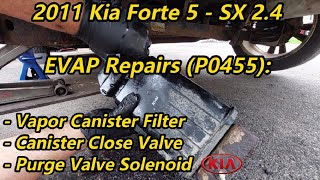
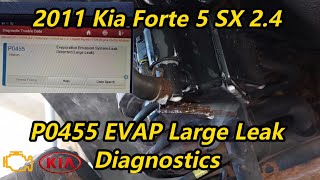
✅ What actually fixed it The steel fittings on the original charcoal canister had corroded and expanded, cracking the plastic housing of the canister itself. Replacing the entire charcoal canister with a new OEM unit (which had improved brass fittings) resolved the leak. - YouTube video from 'Moose Mobile Auto Repair' (2011 Kia Forte 2.4L) — Check Engine Light with P0455 (large leak).
❌ Tried (didn't work) The diagnosis was a multi-part failure, so simply replacing one part would not have fixed it.
✅ What actually fixed it Diagnosis found multiple failure points: the Canister Close Valve (attached to the vapor filter) was cracked, and the Purge Valve was found to be leaking slightly when commanded closed. The final fix required replacing both the vapor filter assembly (with integrated CCV) and the purge valve.
OEM Part Supersession History
29010-2B000 (Canister Close Valve)→This part number is used across many Hyundai/Kia models and may have several aftermarket equivalents like Dorman 911-390, Standard Motor Products CP807, or Airtex 2M1285.— Standard part evolution and aftermarket production.
Heads up: Always verify the specific part number for your vehicle's VIN, as slight variations exist between models and years. The Pass 2 part number is for the CCV, but some sources list it as a Purge Valve, highlighting the importance of VIN verification.
Model Year Variations Within This Range
- 2014-2017 (YD Generation): A specific Technical Service Bulletin (not the one from Pass 1) exists for these years concerning potential water contamination in the Canister Close Valve (CCV), which can lead to EVAP codes like P0449 or P0451, and could plausibly contribute to a P0455 if the valve malfunctions as a result. The fix involves inspecting the CCV and potentially replacing the 'Air Drain Case'.
Helpful Videos
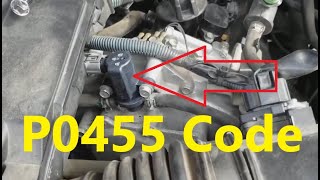
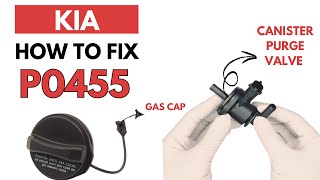
![How to Fix KIA P0455 Engine Code in 3 Minutes [2 DIY Methods / Only $4.61]](https://img.youtube.com/vi/v3j7s1R1NhY/mqdefault.jpg)


Used OEM Parts in Stock
New Aftermarket Parts Available


The information in this article is provided for general reference and educational purposes only. Vehicle specifications, procedures, and part compatibility can vary by production date, trim level, and region. Always consult your vehicle's factory service manual and verify part numbers before purchasing or performing repairs. Safety-critical components such as airbags, seat belts, and braking systems should be installed by a qualified professional.
- Kia FORTE:
- 🎬 Helpful Videos
- 🛍️ Shop This Part
- What's Unique About the 2011-2016 Kia FORTE
- Diagnostic Flowchart
- Symptoms You May Notice
- Most Likely Causes
- Rare But Worth Checking
- Diagnosis Steps
- Parts You'll Likely Need
- Related Codes That Often Appear With This One
- Technical Service Bulletins (TSBs) & Recalls
- Platform-Specific Known Issues
- Mechanic-Grade Diagnostic Values
- Scan Tool Commands That Help
- Wiring & Ground Locations
- Real Owner Repair Stories
- OEM Part Supersession History
- Model Year Variations Within This Range
- 🎟️ Get 5% Off