

P0455 on 2012-2016 Honda Pilot: EVAP Large Leak Causes and Fixes
For a 2012-2016 Honda Pilot, the P0455 code most often means the gas cap is loose or faulty. Always check that it's tight and the seal is intact before looking at other parts. A new OEM gas cap is an inexpensive first step, costing around $25-$40. For 2016 models with the capless system, the filler neck's internal flap is a known issue addressed by a specific Honda TSB. If the cap isn't the issue, the next most likely culprit is a faulty EVAP canister purge valve on the intake manifold.
- For a P0455 code on a 2012-2016 Pilot, always start by checking the gas cap (2012-2015) or capless filler (2016). It's the most common and cheapest fix.
- The 2012-2015 (Gen 2) and 2016 (Gen 3) models have different fuel filler systems, with the 2016 having a known TSB related to its capless design flap.
- If the gas cap isn't the issue, the next most likely culprits are the EVAP purge valve on the engine or a leak in the filler neck area.
- A smoke test is the most efficient way to diagnose the exact location of the leak without guessing or unnecessarily replacing parts.
What's Unique About the 2012-2016 Honda PILOT

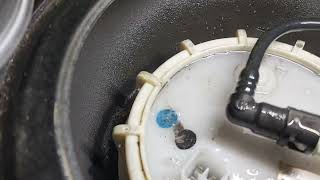
On this generation of Honda Pilot, the fuel filler area is a known weak point. For 2012-2015 models, the traditional gas cap is a very common failure point. For the 2016 model, which is the first year of the third generation, the capless fuel filler design can be a specific point of failure, as noted in Honda Technical Service Bulletin (TSB) ATS170206. This TSB advises against replacing the entire fuel filler pipe, instead calling for the replacement of the 'mis-fuel inhibit device and the main flap unit'. A loose fuel pump lock ring has also been documented on 2016 models as a specific cause for this code, confirmed via a smoke test showing bubbles at the top of the fuel tank.
🎬 Watch: How to find a loose fuel pump lock ringDiagnostic Flowchart

Tap your situation to follow the diagnostic path that matches what you're seeing on this vehicle.
Generation note: This range covers two generations. The 2012-2015 models are part of the second generation, which use a traditional gas cap (OEM Part #17670-T3W-A01). The 2016 model is the first year of the third generation, which introduced a capless fuel filler system. While many causes are the same, the 2016 model has specific issues related to the capless system's flap and seal, as detailed in TSB ATS170206.
Symptoms You May Notice
- Check engine light is on
- A "CHECK FUEL CAP" message may appear on the dashboard
- A faint to strong smell of gasoline, especially around the rear of the vehicle or in the garage after parking.
- Slightly reduced fuel economy.
- Replacing the entire fuel filler pipe on a 2016 model when only the internal flap components are needed, as warned in TSB ATS170206.
- Replacing other EVAP components before checking the gas cap, which is the most frequent and cheapest fix.
Most Likely Causes

- Loose, Damaged, or Incorrect Gas Cap 🔴 High Probability This is the most common cause for any vehicle and is specifically mentioned in a Honda TSB for the 2012 Pilot. The cap's seal can degrade over time, or it may simply not have been tightened correctly after refueling. It is the number one recommended check.
How to confirm: Inspect the gas cap for cracks or a hardened, brittle rubber seal. Ensure it is tightened until it clicks at least once. Clean the filler neck sealing surface and the cap seal with a cloth. An old, non-pliable seal is a clear indicator for replacement.
Typical fix: Tighten the cap. If the light returns or the seal is damaged, replace the gas cap with a new OEM part (17670-T3W-A01).
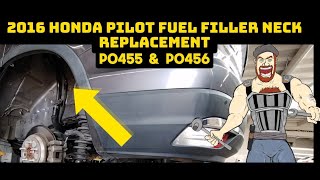
Est. part cost: $25-$40 - Faulty Fuel Filler Neck Components (2016+) 🔴 High Probability Honda TSB ATS170206 specifically addresses P0455 on 2016 Pilots due to a leak from the filler neck. It advises against replacing the entire pipe, instead calling for the replacement of the 'mis-fuel inhibit device and the main flap unit'. This applies to the capless fuel system which can get stuck or fail to seal properly.
How to confirm: A visual inspection may not be sufficient. The best method is a smoke test, introducing smoke into the EVAP system and watching for leaks around the fuel filler area. A video guide shows the replacement process which involves removing the rear wheel and fender liner for access.
Typical fix: Replace the mis-fuel inhibit device and main flap unit as per the TSB, or the entire fuel filler neck assembly.
Est. part cost: $50-$100 for the kit, more for the full assembly. - Faulty EVAP Canister Purge Valve 🟡 Medium Probability The purge valve can get stuck open, creating a constant vacuum leak that the system interprets as a large leak. This is a common failure point on many Honda V6 engines, as noted in owner forums and service bulletins for similar models.
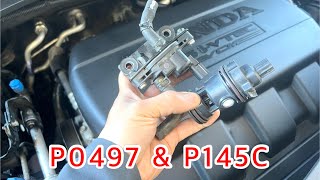
How to confirm: Remove the valve (located on the intake manifold) and try to blow through it. A normally closed valve should not allow air to pass when unpowered. You can also test it for operation by applying 12v power to see if it clicks open and closed. Be careful not to drop the mounting nuts and washers into the engine bay during removal. 🎬 Watch: How to replace a faulty EVAP purge valve
Typical fix: Replace the purge valve solenoid. This is a beginner-level DIY job.
Est. part cost: $40-$150 - Cracked or Disconnected EVAP Hoses 🟡 Medium Probability
How to confirm: Perform a thorough visual inspection of all EVAP hoses running from the gas tank to the charcoal canister and up to the engine bay. A smoke test is the most effective way to find a cracked or disconnected hose, as even small cracks can cause a large leak code.
Typical fix: Replace the damaged section of hose or reconnect it securely.
Est. part cost: $10-$50 - Faulty EVAP Vent Solenoid ⚪ Low Probability The vent solenoid, typically located on or near the charcoal canister at the rear of the vehicle, can get stuck open, preventing the system from sealing for its pressure test. This is a common failure part on Honda vehicles in general.
How to confirm: Test the solenoid for function with a scan tool or by applying 12v power to see if it actuates. A smoke test will show smoke exiting the vent if it's stuck open. The valve can be removed by twisting it out of the canister.
Typical fix: Replace the EVAP vent solenoid.
Est. part cost: $40-$80
Rare But Worth Checking
- Loose Fuel Pump Lock Ring: On a 2016 Pilot, a YouTube video documented P0455 and P0456 codes being caused by a loose lock ring on top of the fuel tank, which allowed vapor to escape. This was found via a smoke test which showed bubbles forming on top of the tank when sprayed with soapy water. The fix was to properly tighten the lock ring.
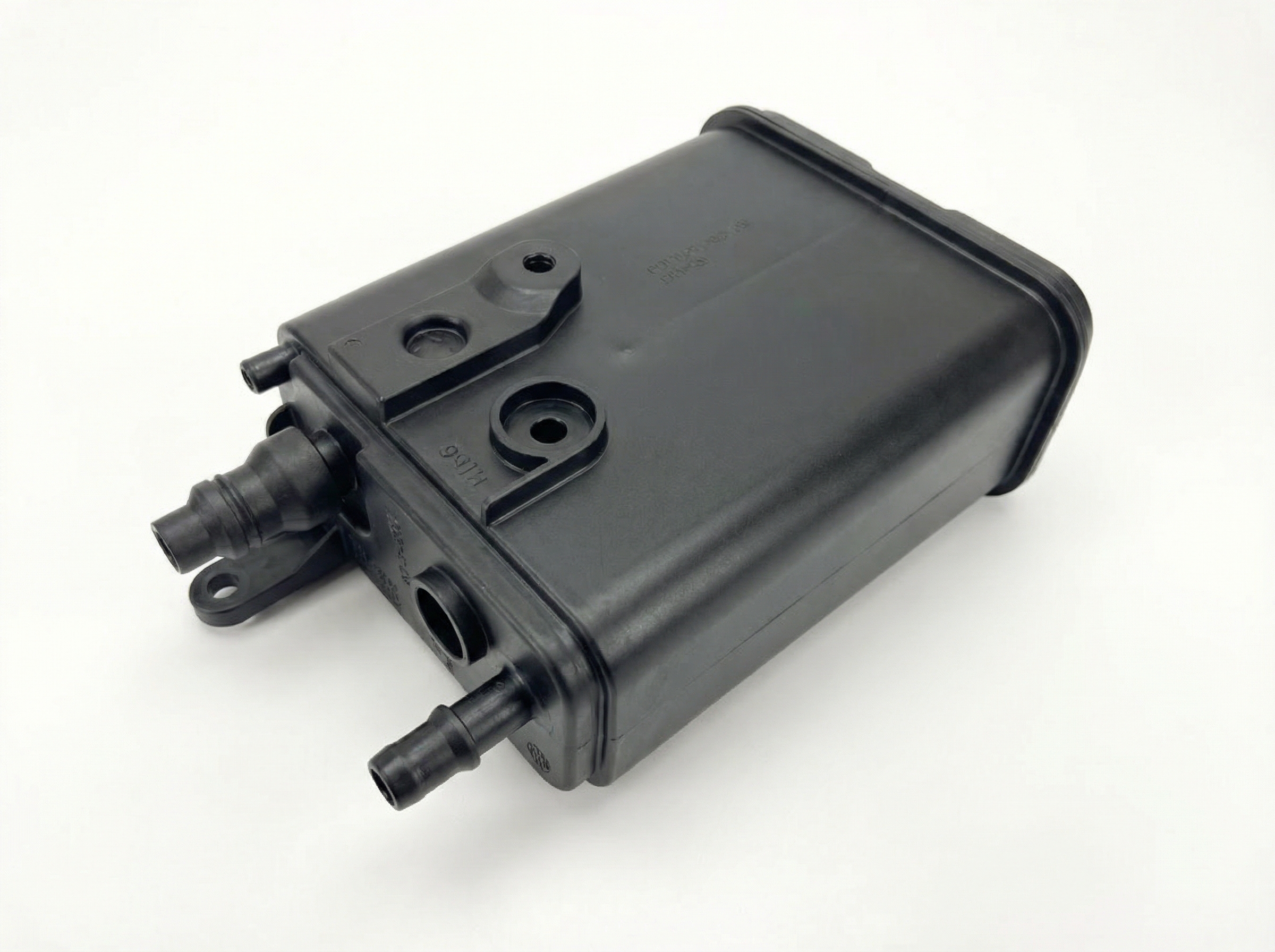
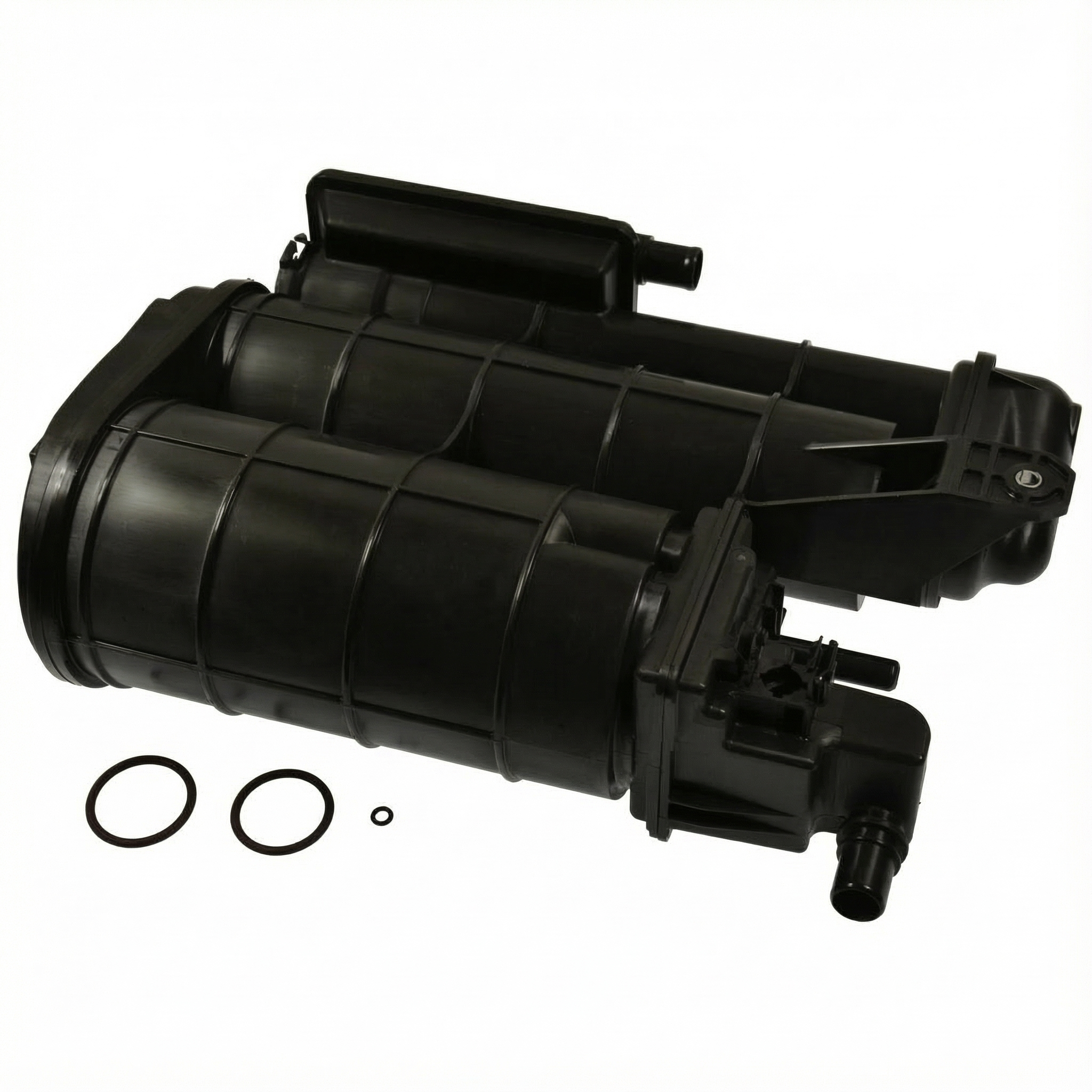
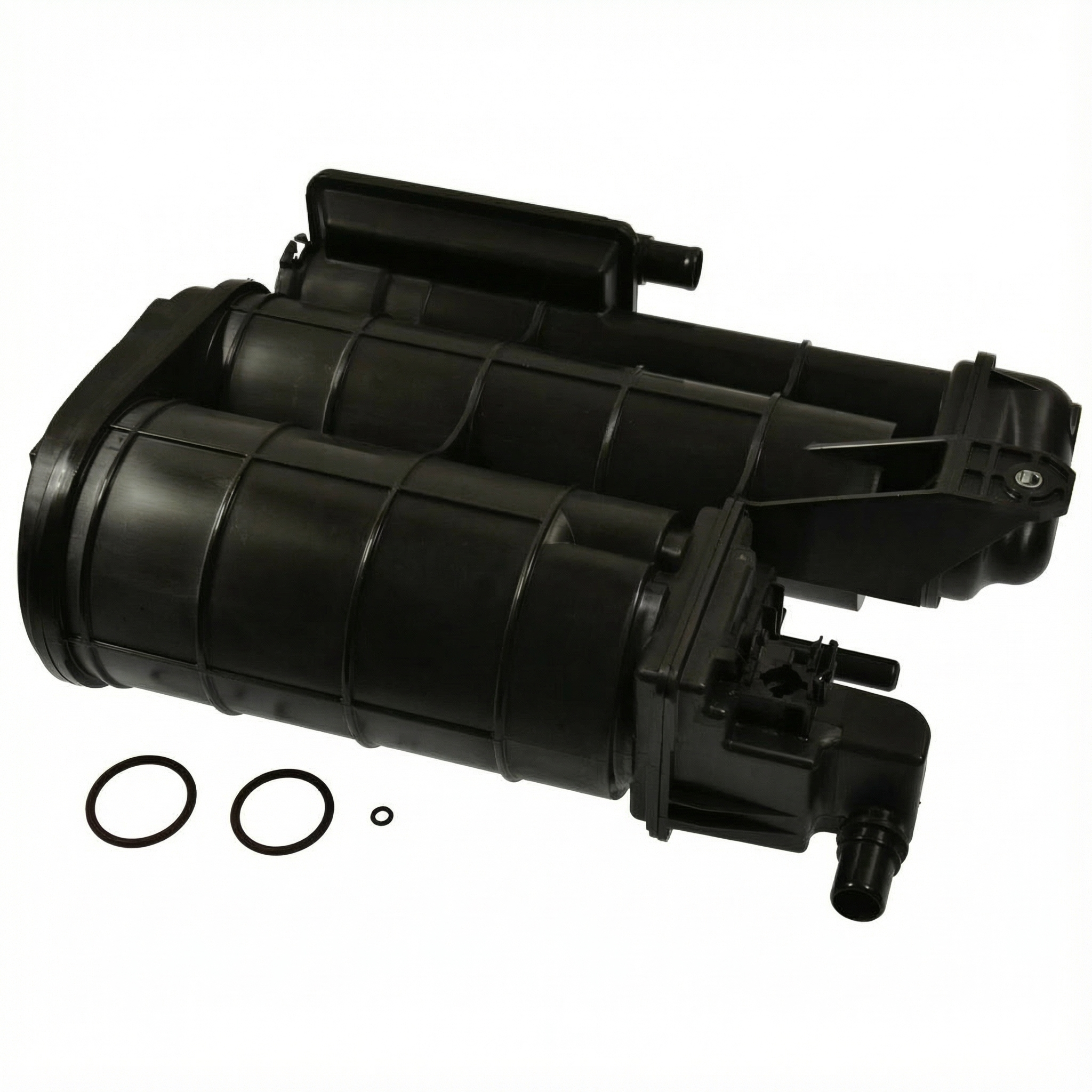
- Cracked EVAP Charcoal Canister: The canister itself can be damaged by road debris or age, causing a large leak. This is less common than valve or hose failures but should be checked during a smoke test. On some Hondas, the fuel tank pressure sensor is integrated into the canister assembly, and a failure of this sensor or its seal can also cause the code.
Diagnosis Steps
- Check for a "CHECK FUEL CAP" message on the dash.
- Inspect the gas cap (2012-2015) or capless filler door (2016) for damage or debris. Clean the sealing surfaces.
- Tighten the gas cap until it clicks multiple times (or ensure the capless door is fully closed). Clear the code with a scanner and drive for a few days to see if it returns.
- If the code returns on a 2012-2015 model, replace the gas cap with an OEM part as the next logical step due to high failure rates.
- If the code returns, perform a visual inspection of all accessible EVAP hoses in the engine bay and under the vehicle for obvious cracks or disconnections.
- The most effective next step is to have the EVAP system professionally smoke tested. This involves injecting harmless, visible smoke into the system to quickly pinpoint the source of the leak.
- Based on the smoke test results, inspect the indicated component. Common leak points are the purge valve (smoke from intake), vent valve (smoke from rear canister), or filler neck (smoke from fuel door area).
- Test the purge and vent valves for proper electrical and mechanical function if they are suspected. A scan tool with bidirectional controls is very helpful here.
Parts You'll Likely Need

- Fuel Tank Cap
(OEM #17670-T3W-A01)— This is the most frequent cause of P0455 and the easiest part to replace. Applies to 2012-2015 models. This part number also fits many other Hondas like the Accord, CR-V, and Odyssey.
Trusted brands: Honda (OEM)
OEM price range: $25-$40
Aftermarket price range: $15-$30 - EVAP Canister Purge Valve
(OEM #36162-R70-A01)— A common failure item that gets stuck open, causing a leak. Located on the engine's intake manifold. A Reddit thread on a Honda V6 with P0455 strongly suggested this part as the likely culprit if the gas cap is good.
Trusted brands: Honda (OEM), Denso, Bosch, Dorman
OEM price range: $100-$150
Aftermarket price range: $40-$80 - Fuel Filler Neck Flap/Inhibit Device Kit (for 2016)
(OEM #17660-TG7-A01 (This is the full filler neck assembly, the kit may be a different number))— A specific fix for the 2016 capless system as identified in Honda TSB ATS170206. A DIY video shows the replacement of the entire filler neck assembly to resolve the issue.
Trusted brands: Honda (OEM)
OEM price range: $50-$100
Related Codes That Often Appear With This One
- P0456 — P0456 indicates a 'very small leak'. It can appear alongside P0455 if the system detects different leak sizes during various tests, or it may be the initial code before a small leak worsens. TSBs for the Pilot often list both codes together.
- P0497 — This code indicates 'EVAP System Low Purge Flow' and often points directly to a faulty or sticking EVAP canister purge valve, a common cause for P0455 as well.
Technical Service Bulletins (TSBs) & Recalls
- ATS170206: EVAP System Leak from the Filler Neck? Don't Replace the Fuel Fill Pipe! (Applies to 2016 Pilot, 2017 Ridgeline).
- Service Bulletin 14-010 (dated 2014-02-18): Notes that the MIL may come on with DTC P0455 or P0456 due to a loose or sticking fuel fill cap. (Applies to 2012 Pilot)
Platform-Specific Known Issues
- A Technical Service Bulletin (14-010) was issued for the 2012 Pilot for P0455/P0456, identifying a potentially loose or sticking fuel fill cap as the cause.
- TSB #ATS170206 for the 2016 Pilot specifically warns that if P0455 is present with a leak from the filler neck, technicians should not replace the entire fuel fill pipe. Instead, they should replace the 'mis-fuel inhibit device and the main flap unit.'
- A video of a 2016 Pilot with P0455 and P0456 confirmed the cause was a loose fuel pump lock ring on top of the fuel tank, which was discovered using a smoke test.
Mechanic-Grade Diagnostic Values
- EVAP Canister Purge Valve internal resistance — expected: 23 to 26 ohms at room temperature. Failure: A reading significantly outside this range indicates a damaged internal coil.
- EVAP Canister Vent Valve internal resistance — expected: 20 to 30 ohms. Failure: A reading outside this range suggests the solenoid winding is damaged.
- EVAP Purge Valve vacuum seal test — expected: The valve should hold a steady vacuum when unpowered.. Failure: If a hand-pumped vacuum of ~15 inches of mercury drops, the valve is leaking internally and is faulty.
- EVAP System Pressure (FTP Sensor Reading) — expected: A healthy, sealed system should be able to hold pressure when commanded by a scan tool. A successful test can reach over 4.0 kPa.. Failure: Inability to build or hold pressure indicates a leak. One documented case of a large leak only allowed the system to build 1.2 kPa.
Hidden / Shadow Codes Worth Checking
- EVAP System Monitor 'Not Ready': This is not a fault code, but an OBD-II readiness status. After clearing codes or disconnecting the battery, the EVAP monitor will show as 'Not Ready' until a specific drive cycle is completed. The vehicle will fail an emissions inspection in this state. (see via Most OBD-II scan tools can display the readiness monitor status. To clear the 'Not Ready' status, a specific Honda drive cycle must be performed, which involves idling, steady-state driving at 55 mph, and deceleration without braking.)
Scan Tool Commands That Help
- Honda i-HDS (dealer software): EVAP System Function Test — This is the official, guided procedure to command the EVAP system through a self-test to verify a repair. The path is: Function Test > PGM-FI EVAP Test > Function Test > EVAP Test.
- Advanced Bidirectional Scan Tool: EVAP Purge Valve On/Off Command — This command is used during a smoke test. With the smoke machine running, the technician can command the purge valve to open and close to see if it's sealing properly or if smoke passes through when it should be closed.
Wiring & Ground Locations
- G101 — Top right front of the engine compartment.. A poor engine ground can cause erratic behavior in engine-mounted sensors and solenoids, including the EVAP purge valve, leading to incorrect readings or operation.
- G503 — At the base of the left 'C' pillar (the pillar behind the rear passenger doors).. This is a key body ground point. Components at the rear of the vehicle, such as the EVAP vent solenoid and fuel tank pressure sensor, rely on a solid body ground. Corrosion or looseness here can cause intermittent faults.
- Main Battery Ground — The cable from the negative battery terminal to the vehicle's chassis, near the battery.. On some Hondas of this era, the factory ground connection point on the chassis is painted, leading to a poor connection over time. A weak main ground can cause widespread, difficult-to-diagnose electrical issues across the entire vehicle.
Real Owner Repair Stories
- YouTube video by Irfan Chaudhry (2016 Honda Pilot) — Check engine light with codes P0455 and P0456.
❌ Tried (didn't work) Initial smoke test did not immediately reveal the source in the typical locations.
✅ What actually fixed it The technician performed a smoke test and noticed bubbles forming on top of the fuel tank when sprayed with soapy water. The fuel pump assembly lock ring was loose. Tightening the lock ring properly sealed the system and resolved the codes. - YouTube video by Take-a-Chance (Honda Pilot (year not specified, but similar V6 engine)) — Check engine light with P0456 (small leak), but diagnostic principles apply to P0455.
❌ Tried (didn't work) Smoke testing the rear of the vehicle near the canister did not reveal any leaks.
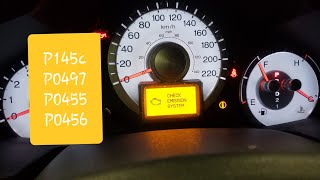
✅ What actually fixed it The user felt a slight vacuum at the purge valve's canister-side port when the engine was cold, indicating it was stuck slightly open. Using a scan tool to command the valve while smoke testing confirmed it was leaking. Replacing the EVAP purge valve on the engine fixed the problem. - YouTube video by Ah Duuu (2013 Honda Pilot 3.5L) — Check engine light with codes P0497 (Low Purge Flow) and P145C (Purge Flow Malfunction), which are related to P0455.
❌ Tried (didn't work) The gas cap was checked first and was okay.
✅ What actually fixed it The technician tested the EVAP vent valve (near the canister) by applying 12v power and found it was dead (no click). The new valve audibly clicked when power was applied. Both the vent valve and the purge valve were replaced to resolve the codes.
"I Checked Everything" — The Actual Cause
- In one documented case for a 2016 Pilot, a smoke test of the common EVAP lines and canister might appear 'clean,' but the actual leak was from a loose fuel pump lock ring on top of the gas tank. This is often missed because it requires removing an interior access panel or the rear seat to access the top of the tank. The leak was only found by spraying soapy water on the lock ring during the smoke test and seeing bubbles form.
OEM Part Supersession History
17650-TG7-A01, 17650-TG7-A02, 17650-TG7-A03, 17650-TG7-A11, 06160-TG7-A10, 06160-TG7-A11→06160-TG7-A12— These are various older part numbers for the fuel filler neck assembly and related kits for the 2016+ capless system.
Model Year Variations Within This Range
- 2012-2015: These models use a traditional, screw-on gas cap (PN 17670-T3W-A01). A faulty cap or its seal is an extremely common cause for P0455.
- 2016: This model year introduced the capless fuel filler system. It is prone to leaks at the internal flap and sealing mechanism, as addressed by TSB ATS170206. The fix involves a specific kit for the filler neck internals, not just a cap.
Helpful Videos
Used OEM Parts in Stock
New Aftermarket Parts Available


The information in this article is provided for general reference and educational purposes only. Vehicle specifications, procedures, and part compatibility can vary by production date, trim level, and region. Always consult your vehicle's factory service manual and verify part numbers before purchasing or performing repairs. Safety-critical components such as airbags, seat belts, and braking systems should be installed by a qualified professional.
- Honda PILOT:
- 🎬 Helpful Videos
- 🛍️ Shop This Part
- What's Unique About the 2012-2016 Honda PILOT
- Diagnostic Flowchart
- Symptoms You May Notice
- Most Likely Causes
- Rare But Worth Checking
- Diagnosis Steps
- Parts You'll Likely Need
- Related Codes That Often Appear With This One
- Technical Service Bulletins (TSBs) & Recalls
- Platform-Specific Known Issues
- Mechanic-Grade Diagnostic Values
- Hidden / Shadow Codes Worth Checking
- Scan Tool Commands That Help
- Wiring & Ground Locations
- Real Owner Repair Stories
- "I Checked Everything" — The Actual Cause
- OEM Part Supersession History
- Model Year Variations Within This Range
- 🎟️ Get 5% Off