

P0455 on 2017-2020 GMC Sierra Denali: EVAP Large Leak Causes and Fixes
P0455 on a 2017-2020 GMC Sierra Denali indicates a large leak in the EVAP system. The most common cause is a loose or faulty gas cap on 2017-2018 models, or an issue with the capless fuel filler on 2019-2020 models. If that's not the issue, the next most likely culprit is a failed EVAP vent valve solenoid located near the fuel tank, which is prone to getting stuck open from dirt and dust. A new gas cap costs around $25, while a vent valve is typically $40-$100.
- P0455 signifies a large leak in the emissions system, which will cause an automatic failure on an emissions test.
- Always check the gas cap first. Ensure it's tight and the seal is intact. This is the easiest and most common fix.
- The second most likely culprit on a Sierra Denali is the EVAP vent valve solenoid located near the fuel tank, which can get clogged with dirt.
- If the gas cap and vent valve are not the issue, a smoke test is the most reliable method to find the exact source of the leak without replacing unnecessary parts.
What's Unique About the 2017-2020 Gmc SIERRA DENALI

The 2017-2020 model years span two different generations of the GMC Sierra: the K2XX platform (2017-2018) and the T1XX platform (2019-2020). While the P0455 code's meaning is the same for both, some part numbers and locations may differ. A key difference is the T1XX models feature a capless fuel filler system, which can be a source of leaks if the flap seal fails or gets debris in it. A common failure point on these trucks is the EVAP vent valve, which is exposed to road debris and dust. GM has issued technical service bulletins for related EVAP issues, including one that provides diagnostic tips for leaks (TSB #21-NA-124) and another for trucks in dusty environments that can clog the system (TSB #23-NA-073).
Diagnostic Flowchart
Tap your situation to follow the diagnostic path that matches what you're seeing on this vehicle.
Generation note: This range covers the end of the third generation (K2XX platform, 2017-2018) and the beginning of the fourth generation (T1XX platform, 2019-2020). While the EVAP system functions similarly, the specific design and part numbers for components like the vent solenoid and purge valve may differ. K2XX models use a traditional gas cap, while T1XX models have a capless fuel filler system, creating different potential leak points. On some later T1XX models, the vent solenoid may be controlled by the Fuel Pump Control Module (FPCM), which can be an additional point of failure. Always verify parts using your truck's VIN.
Symptoms You May Notice
- Check Engine Light is on
- A noticeable smell of fuel, especially around the rear of the truck or when parked in a garage.
- Potentially a slight decrease in fuel economy.
- A "Tighten Gas Cap" message on the driver information center (especially on 2017-2018 models).
- Difficulty fueling (the pump clicks off repeatedly), which can indicate a blocked vent path.
- Replacing the purge valve when the vent valve is the actual problem. The vent valve near the tank is a more common failure point for large leaks on these trucks than the purge valve on the engine, especially due to environmental exposure.
- Replacing multiple parts without performing a smoke test. Throwing parts at a P0455 code can be expensive. A smoke test can quickly and accurately pinpoint the source of the leak, saving time and money.
Most Likely Causes

- Loose, Damaged, or Incorrect Gas Cap (or Capless Filler Neck Issue) 🔴 High Probability This is the most common cause for P0455 on any vehicle. For 2017-2018 models, this happens if the cap isn't tightened until it clicks or if the seal is cracked. For 2019-2020 models, debris in the capless filler neck or a faulty seal on the flap can cause the leak.
How to confirm: Inspect the gas cap (if equipped) for cracks or damage to the rubber seal. Ensure it is tightened correctly (at least three clicks). For capless systems, inspect the opening for debris and ensure the flap seals tightly. Clearing the code and driving may show if the issue is resolved.
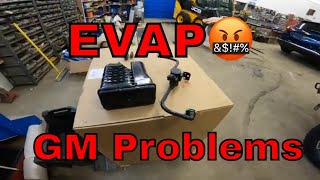
Typical fix: Tighten or replace the gas cap, or clean the capless filler neck. 🎬 Watch: How to fix EVAP issues on newer capless fuel systems.
Est. part cost: $15-$30 - Faulty EVAP Vent Valve Solenoid 🔴 High Probability This valve is located near the charcoal canister by the fuel tank, making it vulnerable to road dirt, moisture, and dust, which can cause it to stick open. TSB #23-NA-073 specifically addresses dust clogging the EVAP system on 2019-2023 trucks, causing this exact failure.
How to confirm: The valve is normally open. A scan tool with bi-directional controls can command it closed to check its function. A smoke test is the most effective way to confirm if the valve is leaking when it should be sealed. Visually, it can be inspected for heavy dirt contamination.
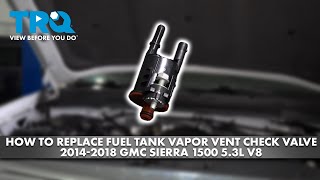
Typical fix: Replace the EVAP vent valve solenoid and potentially the associated harness if corroded. 🎬 Watch: Step-by-step guide to replacing the vent valve solenoid. For trucks in dusty areas, installing the filter kit from TSB #23-NA-073 is recommended.
Est. part cost: $40-$100 - Faulty EVAP Canister Purge Valve 🟡 Medium Probability This valve is located on the engine's intake manifold and can get stuck open or closed, creating a constant leak path from the EVAP system to the engine or preventing the system from pulling a vacuum during its self-test.
How to confirm: Locate the purge valve on the engine. With the engine off, disconnect the hose leading to the charcoal canister and try to blow through the valve. If air passes through, it is stuck open and needs to be replaced. A scan tool can also command it open and closed to listen for a clicking sound.
Typical fix: Replace the purge valve. This is often a 10-minute fix requiring minimal tools.
Est. part cost: $30-$70 - Cracked or Disconnected EVAP Hose ⚪ Low Probability Rubber and plastic hoses can become brittle and crack over time. More commonly, a hose may be left disconnected after a separate repair, like a fuel pump replacement. A user with a 2020 Silverado found a cracked plastic EVAP line on top of the fuel tank. 🎬 See how to find an EVAP leak without a smoke machine.
How to confirm: Perform a thorough visual inspection of all EVAP lines between the engine, charcoal canister, and fuel tank. A smoke test is the most reliable way to find small cracks or hidden leaks.
Typical fix: Replace the damaged section of hose or reconnect it securely.
Est. part cost: $10-$50
Rare But Worth Checking
- Cracked Charcoal Canister: The plastic housing of the canister can crack from road debris or age, creating a large leak. This is often found during a smoke test.
- Leaking Fuel Tank or Filler Neck: Rust or damage can cause leaks in the fuel tank or the filler neck, which are part of the sealed EVAP system. This is a more serious issue that often presents with a strong fuel smell.
- Faulty Fuel Tank Pressure Sensor (FTP): A malfunctioning sensor could incorrectly report a large leak to the ECM because it fails to register the pressure change during a test, even if no leak exists. This may be accompanied by other codes related to the sensor itself.
- Leaking Fuel Pump Gasket: The gasket that seals the fuel pump module to the top of the fuel tank can deteriorate or be installed incorrectly, creating a large EVAP leak. This is often a culprit if the code appears after a fuel pump replacement.
Diagnosis Steps

- Check the gas cap/filler neck. For 2017-18, remove the cap, inspect the seal for cracks, and reinstall it, making sure it clicks several times. For 2019-20, inspect the capless filler opening for debris and ensure the seal is intact. Clear the code and drive to see if it returns.
- Perform a visual inspection. Look under the truck near the fuel tank and under the hood for any obviously cracked, disconnected, or damaged EVAP hoses. Pay special attention to connections near the fuel tank if a fuel pump was recently replaced.
- Test the purge valve. Locate the purge valve on the engine's intake manifold. With the engine off, disconnect it and test if it's stuck open by trying to blow through it. It should be closed. You can also use a scan tool to command it on and off and listen for a click.
- Inspect the vent valve. Locate the vent valve near the charcoal canister by the spare tire. Inspect its electrical connector for corrosion and the hoses for damage or blockages from dirt/mud.
- Perform a smoke test. This is the most definitive diagnostic step. A machine fills the EVAP system with a harmless, visible smoke under low pressure. The smoke will escape from any leaks, making them easy to pinpoint, whether it's a cracked hose, a faulty valve, or a bad tank seal.
Parts You'll Likely Need

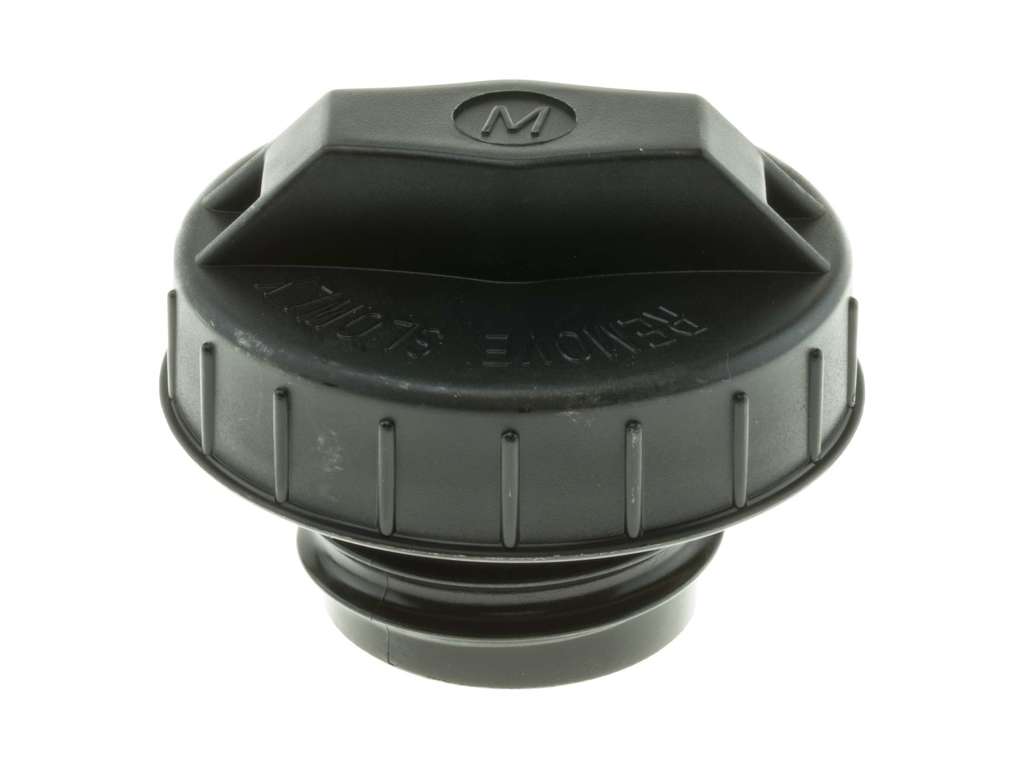
- Gas Cap
(OEM #13593366)— This is the most frequent and simplest cause of a P0455 code on 2017-2018 models due to a worn seal or improper tightening.
Trusted brands: ACDelco
OEM price range: $20-$30
Aftermarket price range: $15-$25 - EVAP Vapor Canister Vent Valve Solenoid
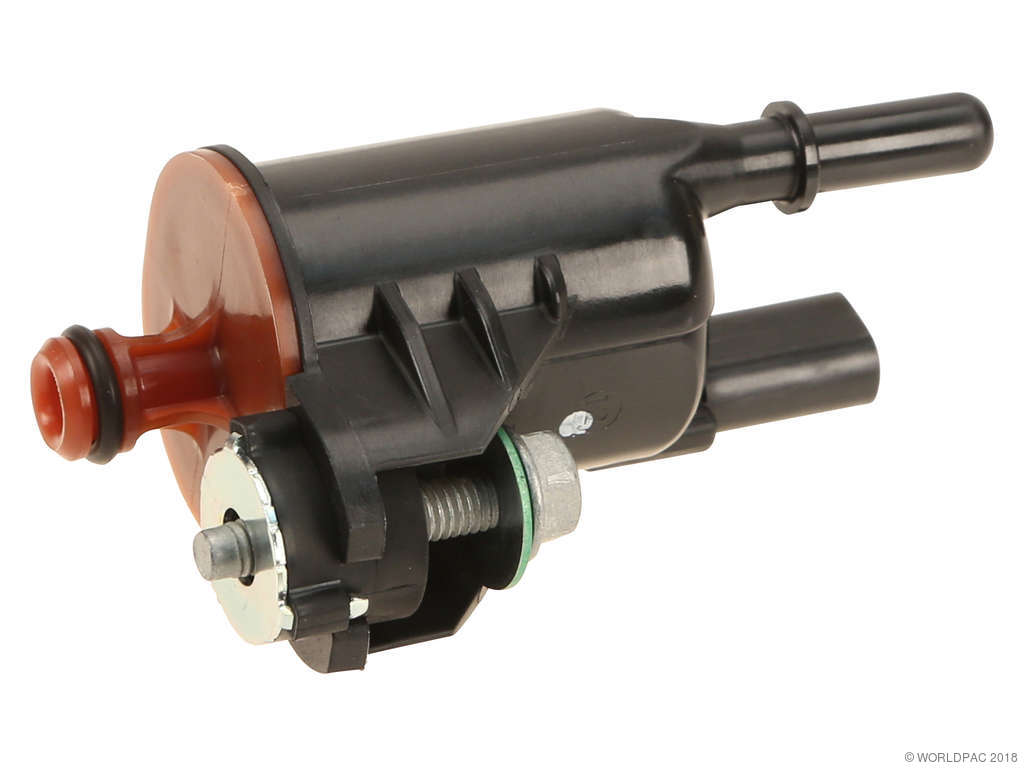
(OEM #23481275)— A very common failure item on GM trucks. Its location near the fuel tank makes it vulnerable to dirt and moisture, causing it to stick open and create a large leak.
Trusted brands: ACDelco, Dorman
OEM price range: $65-$115
Aftermarket price range: $40-$80
Related Codes That Often Appear With This One
- P0442 — P0442 indicates a small EVAP leak. You might see this code appear alongside or intermittently with P0455 if the leak size is borderline or if there are multiple leaks of varying sizes.
- P0449 — This code specifically points to a fault in the EVAP vent valve solenoid circuit. If you have P0455 and P0449 together, it strongly suggests the vent valve or its wiring is the root cause.
- P0446 — This code indicates a fault in the EVAP vent system performance, often related to a restriction. TSB #23-NA-073 lists this code alongside P0455 as a possible result of dust intrusion clogging the vent valve or canister.
Technical Service Bulletins (TSBs) & Recalls

- 21-NA-124: Diagnostic Tip for Malfunction Indicator Lamp (MIL) Illuminated - DTC P0442 and/or P0455 Set
- 23-NA-073: Malfunction Indicator Lamp (MIL) Illuminated - DTCs P0442, P0446, P0455 or P0449 Set, Caused by Dust Intrusion into the Evaporative Canister
Platform-Specific Known Issues
- TSB #21-NA-124: Diagnostic Tips for EVAP Leaks: General Motors issued this technical service bulletin to provide dealers with a chronological diagnostic procedure for finding EVAP leaks that cause P0442 and P0455 codes. It advises checking lines and connections first, then the vent valve, and finally the purge valve.
- Dust Contamination (TSB #23-NA-073): For 2019 and newer trucks operated in dusty conditions, GM released a bulletin noting that dust can be drawn into the EVAP system's fresh air intake, clogging the canister and vent solenoid and causing codes like P0455, P0449, and P0446. The fix involves installing an auxiliary filter kit (GM part #86792068 mentioned in one source) on the vent hose. This is noted as a customer-pay alteration, not a warranty repair.
- Owner Experience: Post Fuel Pump Replacement Leak: On a Reddit thread for r/MechanicAdvice, a user with a 2014 Silverado (same platform as 2017-18 Sierra) traced their P0455 code to a vent line that was left unattached after they personally replaced the fuel pump. This highlights the importance of checking all connections after performing related maintenance.
Mechanic-Grade Diagnostic Values
- EVAP Vent Valve Solenoid Resistance — expected: 20 - 50 Ohms. Failure: A reading of infinite Ohms (open circuit) or near-zero Ohms (short circuit).
- EVAP Purge Valve Solenoid Resistance — expected: 15 - 30 Ohms. Failure: A reading significantly outside this range indicates a faulty coil.
- Fuel Tank Pressure (FTP) Sensor Voltage (Key On, Engine Off, Gas Cap Open) — expected: 1.3 - 1.7 Volts. Failure: Voltage is stuck high (near 5.0V) or low (near 0.2V) and does not change when the system is open to atmosphere.
- Fuel Tank Pressure (FTP) Sensor Reading (Key On, Engine Off, Gas Cap Open) — expected: Near 0.0 inH2O (inches of water). Failure: A reading that is significantly positive or negative and does not change suggests a sensor or blockage issue.
Scan Tool Commands That Help
- GDS2 / Professional Scan Tool: EVAP Vent Solenoid Command (On/Off or Close/Open) — Used to manually close the normally-open vent valve to seal the EVAP system for a smoke test or pressure/vacuum test. A click should be heard when commanded.
- GDS2 / Professional Scan Tool: EVAP Service Bay Test (or Purge/Seal Test) — This is an automated test that commands the vent valve closed and the purge valve open to pull a vacuum on the fuel tank. The scan tool then monitors the FTP sensor to see if the vacuum holds, diagnosing the system's integrity without a smoke machine.
Wiring & Ground Locations
- EVAP Vent Valve Connector — Under the truck, attached to the vent valve solenoid which is located near the charcoal canister by the fuel tank, often on the driver's side frame rail.. This connector and its wiring are highly exposed to road debris and moisture. The control wire (often white) is known to corrode and break within the insulation, causing a loss of control over the valve and leading to EVAP codes.
- EVAP Purge Valve Connector — On the engine, connected to the purge valve which is typically mounted on the intake manifold.. A poor connection here can prevent the purge valve from operating, which can cause the EVAP system self-test to fail and set a P0455.
- EVAP System Test Port — Under the hood, there is often a service port with a small green cap used for diagnostics.. This is the designated connection point for a smoke machine to safely introduce smoke into the EVAP system to find leaks.
Real Owner Repair Stories
- YouTube channel 'Bahamian Mechanic' (2010 GMC (Similar K2XX platform)) — P0455 Large Leak code.
❌ Tried (didn't work) Running a 'Purge and Seal' test showed no vacuum building in the tank, initially suggesting a large physical leak or stuck valve.
✅ What actually fixed it The Fuel Tank Pressure (FTP) sensor was faulty and not registering the pressure change during the test. Replacing the fuel pump module, which contains the FTP sensor, resolved the code. The old pump was also found to be leaking fuel from an outlet line. - YouTube channel 'fordtechmakuloco' (2007 GMC Sierra (Similar platform)) — P0455 EVAP Gross Leak.
❌ Tried (didn't work) Initial visual inspection did not reveal the leak source.
✅ What actually fixed it A smoke test was performed. After removing the truck bed for access, smoke was seen pouring from a broken plastic nipple on the top of the fuel pump assembly. The entire fuel pump assembly had to be replaced. - YouTube channel 'Blake's Garage' (2020 Chevrolet Silverado (T1XX platform)) — P0455 Evap Leak.
❌ Tried (didn't work) Checking the capless fuel filler and other common, easily accessible components.
✅ What actually fixed it Using a low-pressure air blower connected to the EVAP line at the engine, the owner listened for leaks and heard air escaping from the top of the fuel tank. The plastic EVAP line running across the top of the tank had cracked. The fix was to repair the cracked section with a piece of 1/4" rubber fuel hose.
"I Checked Everything" — The Actual Cause
- In one documented case on a similar GM truck, the P0455 code was not caused by a physical leak that a smoke test could find. The actual cause was a faulty Fuel Tank Pressure (FTP) sensor that was stuck at its baseline reading. During the EVAP self-test, the ECM commanded the system to pull a vacuum, but the sensor never reported the change in pressure. The ECM interpreted this lack of change as a massive leak preventing any vacuum from building. The fix was to replace the fuel pump module, which houses the FTP sensor.
OEM Part Supersession History
Multiple (e.g., 10382080, 15893884, 20995471, 25932566)→23481275— GM has released numerous updated versions of the EVAP canister vent valve to improve durability and performance.
Heads up: While 23481275 is a common replacement for K2XX (2017-2018) models, always verify the correct part number for your specific vehicle's VIN, especially for T1XX (2019-2020) models which may use a different design.
Model Year Variations Within This Range
- 2017-2018 (K2XX Platform): These models use a traditional, screw-on gas cap, which is a primary suspect for P0455. The EVAP vent solenoid is typically controlled directly by the Engine Control Module (ECM).
- 2019-2020 (T1XX Platform): These models feature a capless fuel filler system, so leak diagnosis shifts from the cap to the filler neck's internal flap and seal. On some of these models, the EVAP vent solenoid is controlled by the Fuel Pump Control Module (FPCM), not the ECM, making the FPCM and its wiring an additional potential point of failure for EVAP codes.
Helpful Videos
We Have This Part in Stock



The information in this article is provided for general reference and educational purposes only. Vehicle specifications, procedures, and part compatibility can vary by production date, trim level, and region. Always consult your vehicle's factory service manual and verify part numbers before purchasing or performing repairs. Safety-critical components such as airbags, seat belts, and braking systems should be installed by a qualified professional.
- Gmc SIERRA DENALI:
- 🎬 Helpful Videos
- 🛍️ Shop This Part
- What's Unique About the 2017-2020 Gmc SIERRA DENALI
- Diagnostic Flowchart
- Symptoms You May Notice
- Most Likely Causes
- Rare But Worth Checking
- Diagnosis Steps
- Parts You'll Likely Need
- Related Codes That Often Appear With This One
- Technical Service Bulletins (TSBs) & Recalls
- Platform-Specific Known Issues
- Mechanic-Grade Diagnostic Values
- Scan Tool Commands That Help
- Wiring & Ground Locations
- Real Owner Repair Stories
- "I Checked Everything" — The Actual Cause
- OEM Part Supersession History
- Model Year Variations Within This Range
- 🎟️ Get 5% Off