

P0455 on 2012-2016 GMC Sierra Denali: EVAP Large Leak Causes & Fixes
P0455 on a 2012-2016 GMC Sierra Denali indicates a large leak in the evaporative emissions (EVAP) system. The most common cause is a loose or faulty gas cap. If the cap is secure, the next most likely culprits are a bad EVAP vent valve solenoid (ACDelco 214-2149 for GMT900, 23481275 for K2XX) or a faulty EVAP purge valve. A new gas cap is under $30, while replacement solenoids typically cost between $30 and $100.
- P0455 indicates a large EVAP system leak; it will not stop you from driving but will cause an emissions test failure.
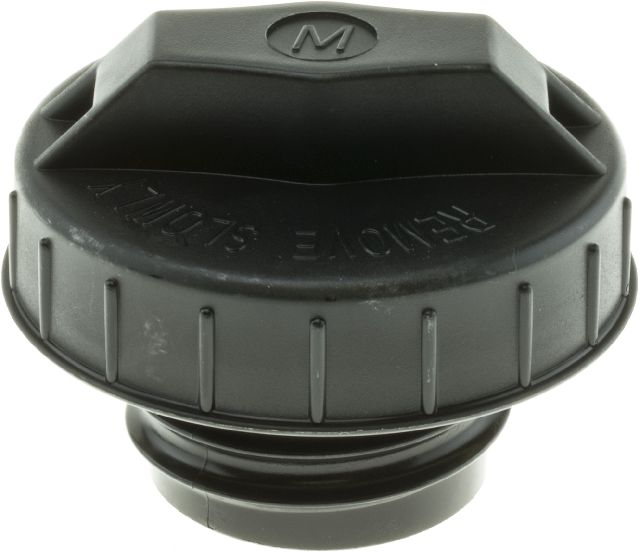
- Always check the gas cap first. Ensure it's tight and the seal is not cracked. This is the cheapest and most common fix.
- The most likely parts to fail on this specific truck are the EVAP vent solenoid (near the tank) and the EVAP purge valve (in the engine bay).
- If a visual inspection and replacement of common parts don't solve the issue, a smoke test is the definitive method to find the source of the leak.
- Be aware that this year range covers two different truck generations (GMT900 and K2XX), so always verify parts for your specific year.
What's Unique About the 2012-2016 Gmc SIERRA DENALI
The 2012-2016 year range covers two distinct generations of the Sierra: the GMT900 (through 2013) and the K2XX (2014-onward). While the P0455 code's meaning is the same, some parts like the EVAP vent solenoid differ between generations. On these trucks, the vent solenoid is a notoriously common failure point, often due to its location near the fuel tank and spare tire, where it is exposed to road dirt and debris that can cause it to stick open, creating a large leak. GM issued updated parts for the GMT900 that include a filter relocation kit to move the air intake to a cleaner location.
Diagnostic Flowchart
Tap your situation to follow the diagnostic path that matches what you're seeing on this vehicle.
Generation note: This range includes the end of the 3rd generation (GMT900, 2012-2013) and the beginning of the 4th generation (K2XX, 2014-2016). While the causes are similar, always verify part numbers for your specific model year. The GMT900 vent solenoid is a square-style valve (ACDelco 214-2149), while the K2XX uses a different design (ACDelco 214-2324 / GM 23481275). The purge valve also differs between these generations.
Symptoms You May Notice
- Check Engine Light (Malfunction Indicator Lamp) is on
- A noticeable fuel odor, especially around the rear of the truck or when parked.
- Difficulty filling the fuel tank (pump clicks off before the tank is full), often points to a blocked vent path.
- A "Tighten Fuel Cap" message on the driver information center.
- Slightly reduced fuel economy.
- Rough idle, particularly after refueling (symptom of a stuck-open purge valve).
- Replacing the charcoal canister when the issue is just a faulty vent solenoid attached to it.
- Immediately replacing expensive components without first checking the gas cap and performing a visual inspection or smoke test.
- Replacing the purge valve when the vent valve is stuck open, or vice-versa.
Most Likely Causes
- Loose, Damaged, or Incorrect Gas Cap 🔴 High Probability This is the most common cause on any vehicle, accounting for over 50% of P0455 cases. 🎬 Watch: A quick overview of common P0455 causes and fixes. The O-ring seal can dry out and crack over time, or the cap may simply not have been tightened properly after refueling. Always tighten until it clicks multiple times.
How to confirm: Inspect the gas cap for cracks or damage to the rubber seal. Ensure it is tightened until it clicks at least once. A new OEM-spec cap is a cheap and easy first step. The code will not clear immediately; it must be cleared with a scan tool or after several drive cycles.
Typical fix: Tighten or replace the gas cap.
Est. part cost: $15-$30 - Faulty EVAP Vent Valve/Solenoid 🔴 High Probability The vent solenoid is typically located near the charcoal canister by the spare tire and is exposed to road debris, which can cause it to fail or get stuck open, creating a large leak. This is a very common failure on GM trucks, and updated parts often include a filter relocation kit for better protection.
How to confirm: A mechanic can command the valve closed with a scan tool during a smoke test to see if it seals. It can also be removed and tested by applying 12V to see if the solenoid actuates. Visually inspect for heavy dirt contamination or physical damage.
Typical fix: Replace the EVAP vent valve solenoid assembly. On GMT900 trucks, it is highly recommended to use the updated kit (e.g., ACDelco 214-2149) that relocates the filter.
Est. part cost: $30-$100 - Faulty EVAP Purge Valve/Solenoid 🟡 Medium Probability This valve is located in the engine bay and controls the flow of stored vapors to the engine. It can get stuck open, creating a constant vacuum leak which the computer interprets as a large leak. A symptom of this specific failure can be a rough idle after filling the gas tank.
How to confirm: With the engine off, remove the valve and try to blow through it. If air passes, it is stuck open and needs replacement. A more definitive test is to disconnect the hose from the canister side, start the engine, and feel for vacuum at the valve's port. There should be no vacuum at idle until the ECM commands it on.
Typical fix: Replace the EVAP purge valve. This is often a simple, single-bolt replacement in the engine bay.
Est. part cost: $25-$75 - Cracked or Disconnected EVAP Hose ⚪ Low Probability Rubber and plastic hoses can become brittle and crack over time due to age and heat cycles. TSB #21-NA-124 highlights seven critical connection points to check, including lines at the purge valve, canister, and chassis connections. TSB #15-NA-019 specifically points to a fractured filler neck recirculation line connector causing fuel odor and P0455.
How to confirm: A visual inspection of all accessible EVAP lines is the first step. A smoke test is the most effective method to pinpoint a small crack or hidden leak. Pay close attention to the connection points mentioned in TSB #21-NA-124.
Typical fix: Replace the damaged section of hose or the specific vent hose assembly (e.g., P/N 22802073 per TSB 15-NA-019).
Est. part cost: $10-$50
Rare But Worth Checking
- Cracked Charcoal Canister: The plastic housing of the canister can develop cracks from age or physical impact, creating a leak. This is often found during a smoke test. Overfilling the fuel tank can also saturate the canister with raw fuel, causing it to fail.
- Leaking Fuel Tank or Filler Neck: Rust or physical damage can cause leaks in the fuel tank or the filler neck, which are part of the sealed system. TSB #15-NA-019 specifically addresses a fractured connector on the fuel filler vent hose on 2013-2015 models.
- Faulty Fuel Tank Pressure Sensor: If the sensor provides incorrect readings to the ECM, it can falsely trigger a leak code. This is less common for a large leak code but can happen.
- Leaking Fuel Pump Module Seal: The seal where the fuel pump assembly mounts to the top of the fuel tank can degrade and leak. This is a known issue, sometimes occurring after a fuel pump replacement if the seal isn't replaced or seated correctly. A smoke test will reveal this leak.
Diagnosis Steps
- Check the gas cap. Remove it, inspect the seal for cracks or damage, and reinstall it, ensuring it clicks several times. Clear the code and drive for a few days to see if it returns.
- If the cap is okay, perform a thorough visual inspection of all accessible EVAP hoses and lines, especially around the engine bay and near the fuel tank. TSB #21-NA-124 lists seven critical connection points to check for proper seating and damage.
- Locate the EVAP purge solenoid in the engine bay. With the engine off, disconnect the line coming from the canister and try to blow through the valve. If air passes, it has failed and is stuck open. Alternatively, start the engine with the line disconnected and feel for vacuum at the port; there should be none until commanded on by the ECM.
- Locate the EVAP vent solenoid near the fuel tank (spare tire removal is usually required). Inspect it for damage or heavy contamination. Testing often requires a scan tool to command it closed or applying 12V power to check for actuation.
- If no obvious faults are found, the most effective next step is a professional smoke test. A machine injects vaporized smoke into the EVAP system under low pressure, and any leaks will be clearly visible 🎬 Watch: See a smoke test pinpoint a gross leak on a Sierra. as smoke escapes from the faulty component.
Parts You'll Likely Need
- Gas Cap
(OEM #GT330 (ACDelco))— This is the most frequent and simplest fix for a P0455 code.
Trusted brands: ACDelco, GM Genuine
OEM price range: $20-$35
Aftermarket price range: $15-$25 - EVAP Canister Vent Valve Solenoid
(OEM #25932571 (superseded by kit 214-2149 for GMT900); 23481275 (for K2XX))— A very common failure point on these trucks. It gets stuck open due to dirt and debris, causing a large leak. The ACDelco part number is 214-2149 for 2012-2013 models and 214-2324 (replaces 23481275) for 2014-2016 models.
Trusted brands: ACDelco, GM Genuine, Dorman
OEM price range: $50-$100
Aftermarket price range: $30-$70 - EVAP Purge Valve Solenoid
(OEM #12610560 (for GMT900 5.3L/6.2L); 12690512 (for K2XX 5.3L/6.2L))— This part can fail by sticking open, which the system detects as a large leak. It's located in the engine bay and is typically easy to replace.
Trusted brands: ACDelco, GM Genuine, Standard Motor Products
OEM price range: $40-$80
Aftermarket price range: $25-$50
Related Codes That Often Appear With This One
- P0442 — P0442 is for a small EVAP leak. These codes often appear together as a leak may worsen over time, or a technician may find both TSBs relate to both codes.
- P0446 — P0446 relates to a fault in the EVAP vent control circuit. A faulty vent solenoid can trigger both a circuit code and a leak code.
- P0449 — Similar to P0446, P0449 is another code for a fault in the vent valve/solenoid circuit. It's very common to see P0449 and P0455 together when the vent solenoid fails.
Technical Service Bulletins (TSBs) & Recalls
- Bulletin #21-NA-124: Diagnostic tips for testing EVAP leaks causing P0442 and/or P0455.
- Bulletin #15-NA-019: Addresses fuel odor and P0442/P0455 caused by a broken filler neck vent hose connector.
- Bulletin #15-06-04-002: Mentions P0455 in conjunction with difficulty filling the fuel tank, pointing towards vent system issues.
Platform-Specific Known Issues
- TSB #15-NA-019: Fuel Odor and P0455: Some 2013-2015 trucks may exhibit a strong fuel odor and set P0442 or P0455 due to a fractured gasoline filler neck recirculation line connector. The fix is to inspect and replace the fuel tank filler vent hose (P/N 22802073, 22802074, or 22802075 depending on application).
- TSB #21-NA-124: General EVAP Leak Diagnostic Tips: GM issued this bulletin to provide technicians with diagnostic tips for finding EVAP leaks causing P0455 and P0442. It highlights seven specific hose/tube connection points that are common leak areas, emphasizing the need to check for unseated or damaged lines before replacing parts.
- Common Vent Valve Failure: Owners on forums like SilveradoSierra.com frequently report the vent valve solenoid as the primary cause after the gas cap. Many DIY repair videos show the replacement process, which involves lowering the spare tire for access.
Mechanic-Grade Diagnostic Values
- Fuel Tank Pressure (FTP) Sensor Voltage — expected: Approximately 1.5V with the system at atmospheric pressure (e.g., gas cap off). Should rise above 3.2V when a vacuum is applied during a scan tool's EVAP test.. Failure: Voltage that is stuck, does not change, or does not correspond to pressure/vacuum changes indicates a faulty sensor.
Scan Tool Commands That Help
- GDS2 (GM Tech Tool): EVAP Service Bay Test — This is a guided test to functionally check the entire EVAP system. It commands the vent valve closed and the purge valve open to create a vacuum, then monitors the FTP sensor to see if the vacuum holds. It's the primary professional diagnostic step after a visual inspection.
- GDS2 (GM Tech Tool): EVAP Purge/Seal — This function allows the technician to manually command the purge and vent solenoids ON or OFF. It is used to isolate a specific component. For example, a technician can command the vent valve closed and then apply smoke to see if the valve is sealing properly.
Wiring & Ground Locations
- G401 / G402 — Located on the frame rail at the rear of the vehicle, typically near the spare tire and rear bumper area.. These are the primary ground points for rear-mounted vehicle components, including the EVAP canister vent solenoid and the fuel tank pressure sensor. A corroded or loose ground here can cause erratic operation or failure of these components, leading to P0455 or related circuit codes like P0449.
- G305 — Under the vehicle to the rear of the left B-pillar (driver's side), attached to a body mount on the frame.. This ground serves components in the middle of the chassis. While less direct than G401/G402, a fault here could potentially affect the wiring harness that runs to the rear, impacting the EVAP system.
- EVAP Canister Vent Solenoid Control Wire — This is the VT/D-BU (Violet/Dark Blue) wire in pin 67 of the X1 connector at the Engine Control Module (ECM) on a 2014 model.. This is the specific control wire that the ECM uses to ground the vent solenoid circuit, commanding it to close. Technicians can test for continuity and signal on this wire to diagnose a circuit issue between the ECM and the solenoid.
Real Owner Repair Stories
- Jeep Cherokee Forum (similar system, universal problem) (Jeep Cherokee, details applicable to trucks in salt-belt regions) — Persistent P0455 code.
❌ Tried (didn't work) Visual inspection, Standard smoke test did not reveal the leak.
✅ What actually fixed it The owner found a badly rusted and rotted steel section of the EVAP line running from the charcoal canister toward the gas tank. This area is exposed to road salt. The leak was only found after pressurizing the system manually and listening for the escaping air. The steel line was replaced with a polyethylene line to fix the code. - Reddit user in /r/Silverado (2018 Silverado 1500 5.3L (K2XX Platform)) — Persistent P0455 code.
❌ Tried (didn't work) Replacing canister vent valve solenoid, Replacing purge valve
✅ What actually fixed it After using a low-pressure air source to listen for leaks, the owner discovered a cracked plastic EVAP line located on the top of the fuel tank. The entire EVAP line assembly had to be replaced to resolve the issue. - YouTube channel 'Tony's auto repair' (2019 GMC Sierra (T1XX platform, demonstrates a modern failure mode)) — Check Engine Light with EVAP circuit codes P0498, P0449, P0499.
❌ Tried (didn't work) Replacing the EVAP vent solenoid valve.
✅ What actually fixed it The actual cause was a failed Fuel Pump Control Module (FPCM). On newer GM trucks, the FPCM controls the power supplied to the vent solenoid. When the FPCM failed, it created the circuit fault codes that could not be fixed by replacing the solenoid itself.
"I Checked Everything" — The Actual Cause
- In one documented case on a similar vehicle, a smoke test did not reveal any leaks, but the P0455 code persisted. The root cause was a rotted steel EVAP line near the fuel tank that was porous enough to leak under pressure but did not show smoke at low pressures. The owner found it by pressurizing the system and listening for the hiss of escaping air.
- A faulty Fuel Tank Pressure (FTP) sensor can pass a smoke test but still cause a P0455 code. The sensor may not be reading the pressure/vacuum correctly during the EVAP monitor test, causing the ECM to believe there is a leak when the system is actually sealed.
When the Usual Fixes Don't Work
- While the most common fixes involve the gas cap or vent/purge solenoids, there are numerous documented cases where these repairs did not solve the P0455 code. In several instances, the actual cause was a physically cracked or rotted EVAP line, sometimes in a location hidden on top of the fuel tank that was not visible during a standard inspection and did not show up during a low-pressure smoke test. For related circuit codes that may appear with P0455, a failed Fuel Pump Control Module (FPCM) has been identified as the root cause on newer trucks, a solution far removed from the EVAP components themselves.
OEM Part Supersession History
Multiple (see list)→23481275— GM has a long history of revising the EVAP vent valve for durability and to address failures. This part number consolidates many previous versions.
Heads up: Part number 23481275 has replaced over a dozen previous part numbers, including: 10382080, 15844699, 20995471, 25932566, and 25966403 among others.
Model Year Variations Within This Range
- 2014-2016 (K2XX Platform): TSB #23-NA-073 was issued for trucks used in dusty environments, which can ingest dirt and clog the EVAP vent valve, causing P0455. The fix is a customer-paid filter kit to relocate the air intake for the vent system to a cleaner location.
- 2012-2013 (GMT900 Platform): The vent solenoid is a different style (ACDelco 214-2149) and was also subject to failure from debris. The most common fix for these models includes a kit that relocates the vent filter into the fuel filler neck area for better protection.
Helpful Videos
We Have This Part in Stock


The information in this article is provided for general reference and educational purposes only. Vehicle specifications, procedures, and part compatibility can vary by production date, trim level, and region. Always consult your vehicle's factory service manual and verify part numbers before purchasing or performing repairs. Safety-critical components such as airbags, seat belts, and braking systems should be installed by a qualified professional.
- Gmc SIERRA DENALI:
- 🎬 Helpful Videos
- 🛍️ Shop This Part
- What's Unique About the 2012-2016 Gmc SIERRA DENALI
- Diagnostic Flowchart
- Symptoms You May Notice
- Most Likely Causes
- Rare But Worth Checking
- Diagnosis Steps
- Parts You'll Likely Need
- Related Codes That Often Appear With This One
- Technical Service Bulletins (TSBs) & Recalls
- Platform-Specific Known Issues
- Mechanic-Grade Diagnostic Values
- Scan Tool Commands That Help
- Wiring & Ground Locations
- Real Owner Repair Stories
- "I Checked Everything" — The Actual Cause
- When the Usual Fixes Don't Work
- OEM Part Supersession History
- Model Year Variations Within This Range
- 🎟️ Get 5% Off