

P0455 on 2020-2022 Ford Explorer: EVAP Gross Leak Causes and Fixes
For a P0455 code on a 2020-2022 Ford Explorer, first check the capless fuel filler inlet for debris. If that's clear, the most likely cause is a wiring harness issue at connector C1198, as noted in Ford Technical Service Bulletins. This wiring issue often triggers other codes simultaneously and is a known issue on this platform.
- For the 2020-2022 Explorer, P0455 is very often caused by a specific wiring issue at connector C1198, not just a loose gas cap.
- Always check for other trouble codes; a cluster of codes including P0455 strongly suggests the TSB-documented wiring fault.
- Before buying parts, inspect and clean the capless fuel filler neck and check the C1198 connector.
- Do not automatically replace the purge valve, as Ford has indicated it is often not the root cause on these vehicles.
What's Unique About the 2020-2022 Ford EXPLORER

What's unique for the 2020-2022 Explorer regarding P0455 is a well-documented electrical issue. Ford issued multiple Technical Service Bulletins (TSBs) pointing to a specific wiring harness connector (C1198) as a common culprit, particularly on models with the 2.3L engine. This means that unlike many other vehicles where a loose gas cap or a bad purge valve is the top suspect, a wiring fault is a very high-probability cause on this specific Explorer generation, often presenting with a cluster of other seemingly unrelated codes.
Diagnostic Flowchart
Tap your situation to follow the diagnostic path that matches what you're seeing on this vehicle.
Symptoms You May Notice
- Check Engine Light (Malfunction Indicator Lamp) is on
- A faint smell of fuel, particularly around the outside of the vehicle
- A "Check Fuel Fill Inlet" message may appear on the dashboard
- Difficulty refueling, such as the gas pump repeatedly shutting off before the tank is full
- Replacing the canister purge valve without checking wiring. TSB #SSM 50306 specifically warns that returned purge valves are often found to be working correctly, indicating the fault lies elsewhere, very likely the C1198 connector on this platform.
Most Likely Causes

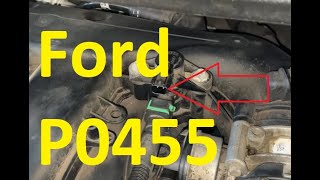
- Wiring Harness Connection at Connector C1198 🔴 High Probability Ford TSBs #SSM 51247, #SSM 50348, and #SSM 51132 specifically identify this connector on the driver's side lower frame as a common point of failure, causing P0455 and other codes, especially on 2.3L models. The issue is often due to pin fitment problems or corrosion in the connector.
How to confirm: Inspect connector C1198 and the surrounding wiring harness for damage, corrosion, or poor pin connections. TSB #SSM 51247 specifies its location on the driver's side lower frame area, underneath the brake lines near the electric brake booster (EBB). The TSB advises checking the three voltage reference (VREF) wires at this connector.
Typical fix: Repair the wiring or connector as necessary. This may involve cleaning the contacts, repairing a broken wire, or replacing the connector pigtail. Technicians are advised to inspect this connector before replacing any EVAP components.
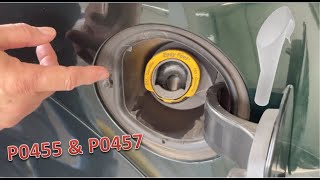
Est. part cost: $10-$50 - Debris in Capless Fuel Filler Inlet 🟡 Medium Probability The capless "Easy Fuel" system can fail to seal properly if dirt, grime, or corrosion builds up around the internal flap, creating a large leak. This is a common issue across many Ford models with this system.
How to confirm: Visually inspect the fuel filler neck for any debris that could prevent the spring-loaded door from sealing. The system is not sealing if you can smell fuel vapors at the inlet.
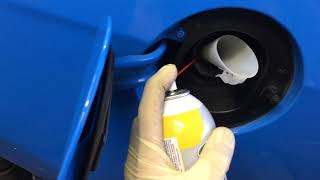
Typical fix: Use the funnel provided with the vehicle (often found with the spare tire tools) to open the flap. Clean the sealing surface with a rag and a solvent like WD-40, then work the funnel in and out 🎬 Watch: How to clean the capless fuel filler inlet properly. to ensure the flap moves freely and seals correctly.
Est. part cost: $0 - Faulty Canister Purge Valve ⚪ Low Probability While a common cause on many vehicles, Ford TSB #SSM 50306 notes that returned purge valves from various models, including Explorers, often test as fully functional. This suggests it's frequently misdiagnosed when the C1198 wiring issue is the true cause.
How to confirm: With the engine off, remove the valve and try to blow through it. It should be closed and not allow air to pass. A scan tool can also command it open and closed to check for function. A stuck-open valve will cause a gross leak.
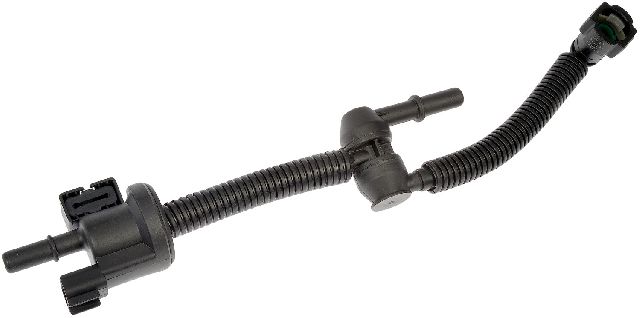
Typical fix: Replace the canister purge valve. The Motorcraft OEM part number for the 2.3L engine is often listed as CX2427.
Est. part cost: $40-$100 - Faulty EVAP Canister Vent Solenoid ⚪ Low Probability
How to confirm: The vent solenoid is normally open. It can be tested with a scan tool to command it closed or by applying 12V to see if it actuates. If it's stuck open when it should be closed for a system test, it will cause a large leak code.
Typical fix: Replace the vent solenoid, which is often located on or near the charcoal canister by the fuel tank.
Est. part cost: $50-$120 - Cracked or Disconnected EVAP Hoses ⚪ Low Probability
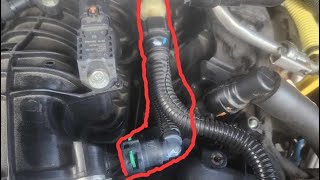
How to confirm: A visual inspection of all EVAP lines from the engine bay to the fuel tank may reveal cracks or disconnections. A smoke test is the most effective way to find hard-to-see leaks. A gross leak may be a hose that is completely disconnected or has a large, visible crack.
Typical fix: Replace the damaged section of hose or re-secure it with a new clamp.
Est. part cost: $10-$30
Rare But Worth Checking
- Cracked EVAP Charcoal Canister: Physical damage to the canister from road debris can cause a large leak. Look for visible cracks or damage on the canister body, which is usually located near the fuel tank, underneath the vehicle.
- Faulty Fuel Tank Pressure (FTP) Sensor: If the sensor provides incorrect readings to the computer, it can falsely trigger a leak code. This is less common than an actual leak and will usually be accompanied by other pressure sensor-specific codes.
Diagnosis Steps

- Read the codes: Use an OBD-II scanner to confirm P0455 and check for any other accompanying codes. The presence of codes like P008A, P0451, or P018C strongly points towards the wiring issue from the TSBs.
- Inspect the Fuel Filler Inlet: Check the capless fuel filler neck for any dirt or debris that could prevent a proper seal. Clean it thoroughly using the vehicle's funnel and a solvent.
- Clear codes and drive: After cleaning the inlet, clear the codes and drive the vehicle for a few days to see if the light returns. A complete drive cycle may be needed for the EVAP monitor to run again.
- Inspect Connector C1198: If the code returns, locate and inspect the C1198 connector. TSB #SSM 51247 states it is on the driver's side lower frame, under the brake lines near the electric brake booster (EBB). Check for corrosion, damaged wires, or loose pins. Pay close attention to the three VREF wires.
- Visually Inspect EVAP Hoses: Trace the EVAP lines from the engine bay to the fuel tank, looking for obvious cracks, breaks, or disconnections. A P0455 leak is often large and may be visible.
- Test the Purge and Vent Valves: If no visual faults are found, test the canister purge valve (normally closed) and vent valve (normally open) for correct operation using a vacuum pump or scan tool.
- Perform a Smoke Test: If the leak source is still not found, a smoke test is the most definitive way to locate it. Smoke is introduced into the EVAP system via the service port, and any leaks will be visible as smoke escapes. 🎬 Watch: A professional diagnosis and fix for a large leak.
Parts You'll Likely Need

- Wiring Harness Connector Repair Kit — Per Ford TSBs, the C1198 connector is a highly probable cause of the fault on this specific vehicle. Repair may require a new pigtail or terminals.
Trusted brands: Motorcraft
OEM price range: $30-$60
Aftermarket price range: $15-$40 - EVAP Canister Purge Valve
(OEM #CX2427 (Motorcraft for 2.3L))— Though often misdiagnosed on this model, a stuck-open purge valve is a classic cause of P0455. It should be tested before replacement.
Trusted brands: Motorcraft, Bosch, Dorman
OEM price range: $60-$100
Aftermarket price range: $40-$70
Related Codes That Often Appear With This One
- P04F0 — EVAP System Leak Detected (very small leak) - Often cited in the same TSBs as the C1198 connector issue.
- P0451 — EVAP System Pressure Sensor/Switch Range/Performance - Often cited in the same TSBs as the C1198 connector issue.
- P0456 — EVAP System Leak Detected (small leak) - Often cited in the same TSBs as the C1198 connector issue.
- P0496 — EVAP System High Purge Flow - Often cited in the same TSBs as the C1198 connector issue.
- P008A — Low Pressure Fuel System Pressure - Too Low - Often cited in the same TSBs as the C1198 connector issue.
- P018C — Fuel Pressure Sensor 'B' Circuit Low - Often cited in the same TSBs as the C1198 connector issue.
Technical Service Bulletins (TSBs) & Recalls
- SSM 51247: Notes that P0455 and other codes on 2.3L models may be due to the wiring harness connection at connector C1198 and to check the VREF wires.
Platform-Specific Known Issues
- Multiple Ford Technical Service Bulletins (SSM 51247, SSM 50348, SSM 51132) point to a wiring harness connection at connector C1198 on the driver's side lower frame as a primary cause for P0455, often accompanied by a variety of other EVAP and fuel system codes. Technicians are advised to inspect this connector before replacing any components. TSB 51247 specifically notes this is an issue for the 2.3L engine and to check the VREF wires.
Mechanic-Grade Diagnostic Values
- Fuel Tank Pressure (FTP) Sensor Voltage (KOEO) — expected: 2.5V - 3.0V at atmospheric pressure.. Failure: A reading near 0V or 5V indicates a sensor or wiring fault. The voltage should decrease as vacuum is applied.
- EVAP Canister Purge Valve Solenoid Resistance — expected: 30 to 38 ohms.. Failure: A reading significantly outside this range, or an open/short circuit, indicates a faulty solenoid coil.
- EVAP Canister Vent Solenoid Resistance — expected: 48 to 65 ohms.. Failure: A reading outside this range suggests the vent solenoid coil is faulty.
- Voltage Reference (VREF) at Connector C1198 — expected: Approximately 5.0V. Failure: A low or missing voltage on the VREF wires points directly to a wiring or PCM issue, and is a likely cause when multiple sensor codes are present with P0455.
Hidden / Shadow Codes Worth Checking
- Mode $06, Test ID $80: This test ID often corresponds to the 0.040" (large leak) test. Monitoring the values from this test can show if the system is borderline failing before a code is set. (see via A scan tool capable of displaying Mode $06 data, such as FORScan, Torque Pro, or professional-grade scanners.)
Scan Tool Commands That Help
- Ford IDS (or FORScan): EVAP System Leak Test — This is a key bidirectional control used to command the EVAP system to seal itself (by closing the vent valve) and then monitor the FTP sensor for pressure decay. It electronically verifies if a leak is present before performing a physical smoke test.
- Ford IDS (or FORScan): Output State Control (OSC) for Purge/Vent Valve — Allows a technician to manually command the purge valve (normally closed) and vent valve (normally open) to change states. This is used to confirm if the solenoids are responding to commands and are not stuck mechanically.
Wiring & Ground Locations
- C1198 — On the driver's side lower frame area, located underneath the brake lines that route near the electric brake booster (EBB).. This connector is the subject of multiple Ford TSBs for causing P0455 and a cluster of other codes on the 2.3L Explorer due to pin fitment or corrosion issues, specifically affecting sensor VREF circuits.
- EVAP Service Port — Typically found in the engine bay, near the canister purge valve, with a green cap.. This is the connection point for introducing smoke into the system during a smoke test to find physical leaks. The system should not be pressurized above 1 PSI.
Real Owner Repair Stories
- Explorer ST Forum (2021 Explorer ST) — P0455 code and occasional hard start.
❌ Tried (didn't work) Cleaning the capless fuel filler area.
✅ What actually fixed it The dealer replaced the purge valve and flushed the canister, which was reportedly full of trash.
"I Checked Everything" — The Actual Cause
- If a smoke test shows no leaks, the cause can be a faulty Fuel Tank Pressure (FTP) sensor or a wiring issue preventing the sensor from sending a correct signal. The computer may set a P0455 code because it *thinks* there is a leak based on bad data from the sensor, even though the system is physically sealed. This aligns with the known C1198 connector issue on Explorers, which can disrupt the FTP sensor's VREF signal.
Helpful Videos
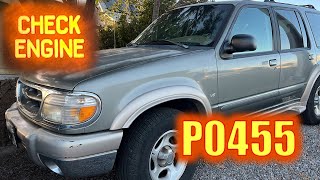
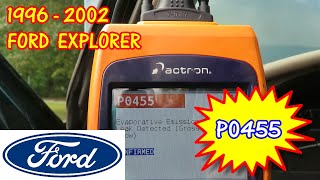
Used OEM Parts in Stock
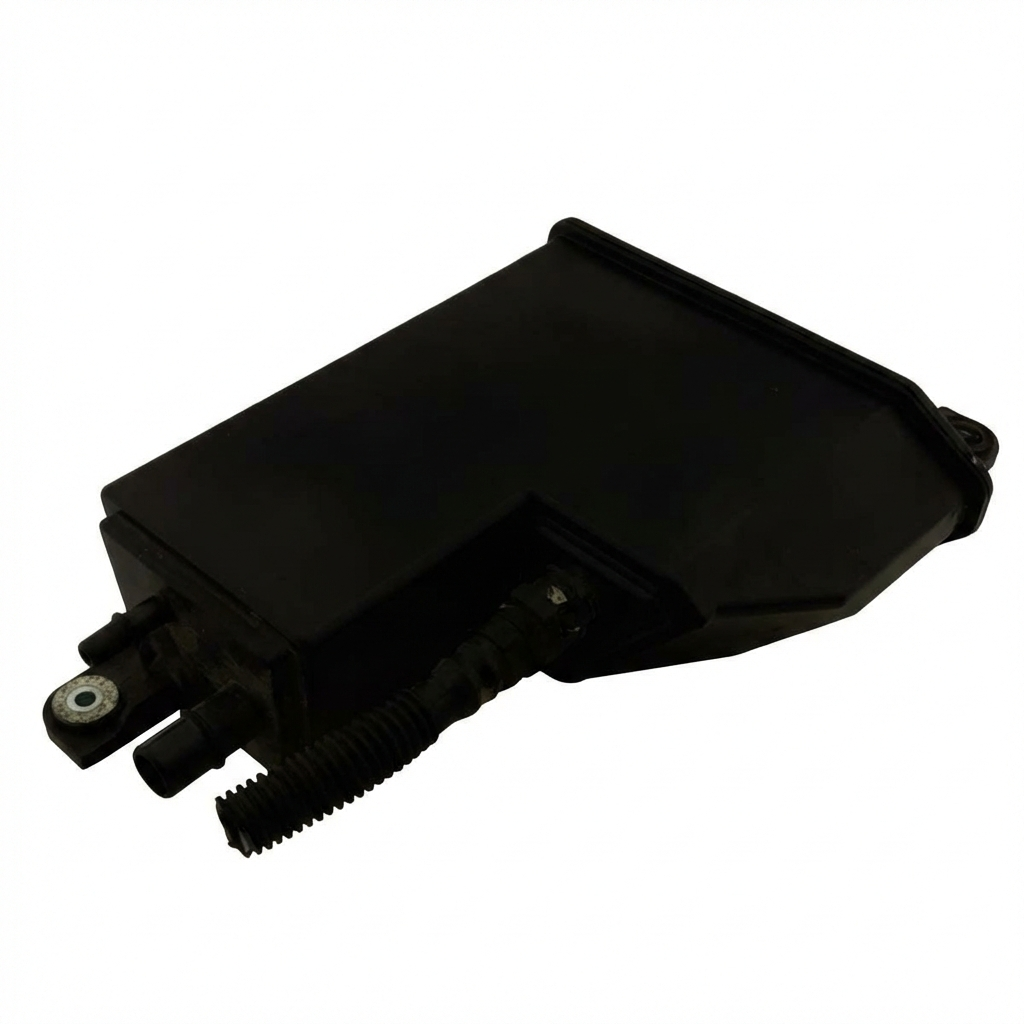
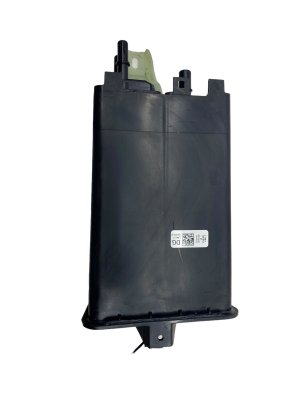
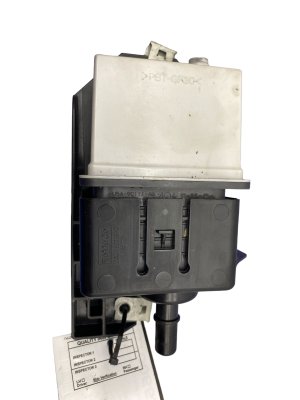
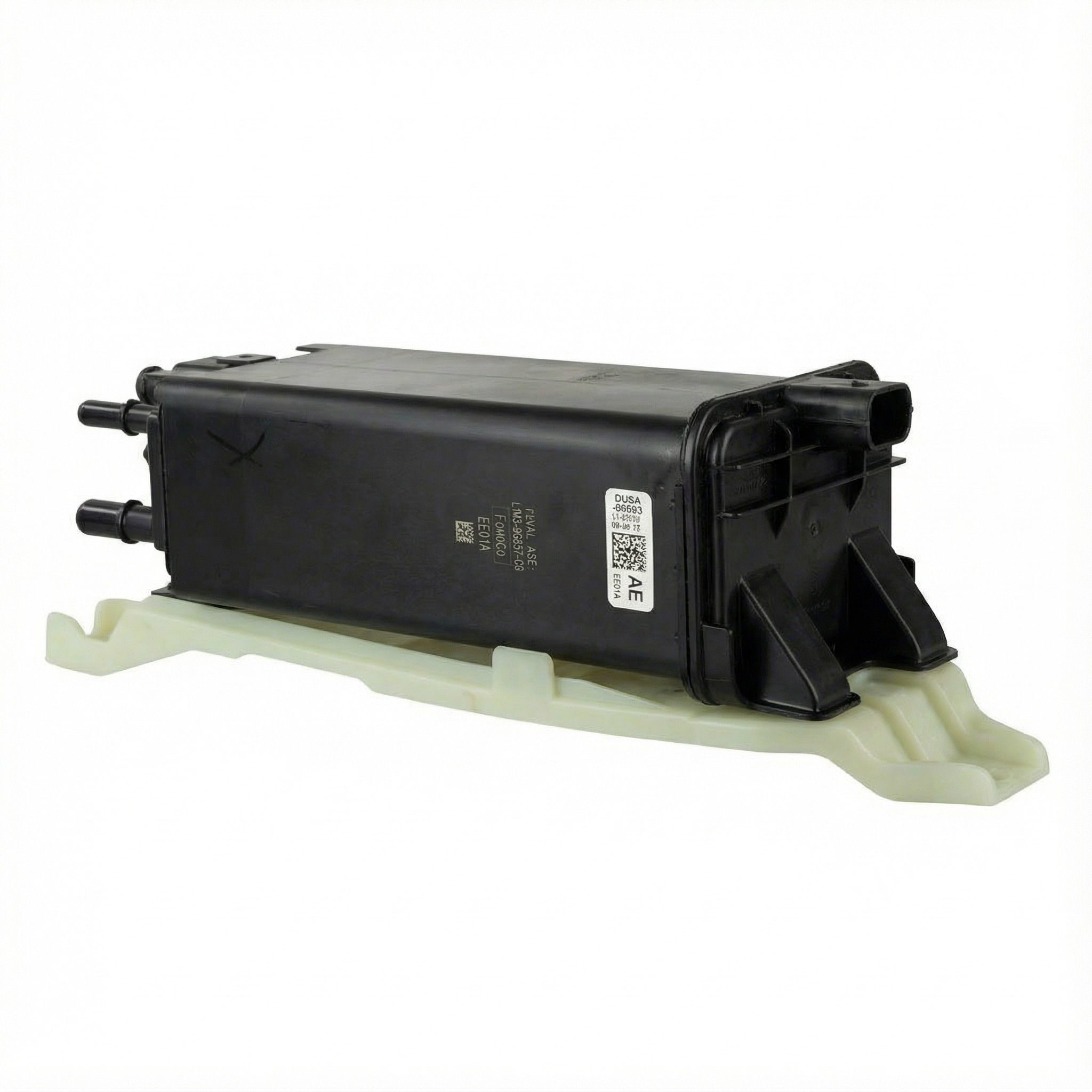
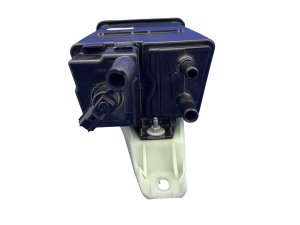
New Aftermarket Parts Available

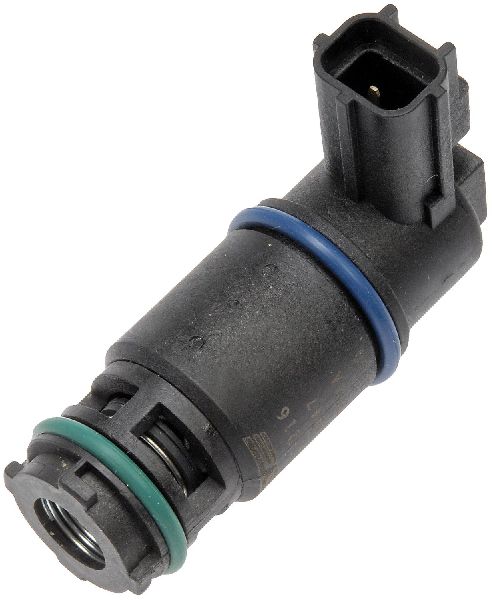

The information in this article is provided for general reference and educational purposes only. Vehicle specifications, procedures, and part compatibility can vary by production date, trim level, and region. Always consult your vehicle's factory service manual and verify part numbers before purchasing or performing repairs. Safety-critical components such as airbags, seat belts, and braking systems should be installed by a qualified professional.
- Ford EXPLORER:
- 🎬 Helpful Videos
- 🛍️ Shop This Part
- What's Unique About the 2020-2022 Ford EXPLORER
- Diagnostic Flowchart
- Symptoms You May Notice
- Most Likely Causes
- Rare But Worth Checking
- Diagnosis Steps
- Parts You'll Likely Need
- Related Codes That Often Appear With This One
- Technical Service Bulletins (TSBs) & Recalls
- Platform-Specific Known Issues
- Mechanic-Grade Diagnostic Values
- Hidden / Shadow Codes Worth Checking
- Scan Tool Commands That Help
- Wiring & Ground Locations
- Real Owner Repair Stories
- "I Checked Everything" — The Actual Cause
- 🎟️ Get 5% Off