

P0455 on 2016-2022 Dodge Charger: EVAP Large Leak Causes and Fixes
P0455 on a Dodge Charger indicates a large leak in the evaporative emissions (EVAP) system. The most common and easiest fix is checking for a loose or faulty gas cap. If the cap is secure, the issue is likely a faulty purge valve in the engine bay, a cracked EVAP hose, or a failed leak detection pump near the fuel tank.
- P0455 means your Dodge Charger has a large leak in the fuel vapor containment system.
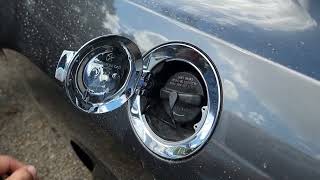
- Always check the gas cap first. Make sure it's tight and the seal is intact. This is the most common and cheapest fix.
- If the gas cap isn't the problem, the purge valve is the next most likely culprit, followed by a cracked hose.
- A professional smoke test is the fastest way to find a leak if it's not obvious.
- The issue is not critical for driving, but it will cause an automatic failure on an emissions test.
What's Unique About the 2016-2022 Dodge CHARGER

For the 2016-2022 Dodge Charger, the P0455 code is a straightforward EVAP large leak code. While the causes are typical for most vehicles (gas cap, hoses, valves), some owners report issues with the leak detection pump or purge valve specifically. The provided TSBs indicate that this code is often seen alongside other EVAP codes, and sometimes a PCM software update is part of a larger diagnostic procedure, though it won't fix a physical leak. [Bulletin #1809423, Bulletin #1806522] The platform mates, the Dodge Challenger and Chrysler 300, share the exact same EVAP system architecture and components, leading to identical failure patterns across all three vehicles.
Diagnostic Flowchart

Tap your situation to follow the diagnostic path that matches what you're seeing on this vehicle.
Symptoms You May Notice

- Check Engine Light is on
- A noticeable fuel odor, especially around the rear of the vehicle or near the gas cap.
- A 'Loose Fuel Cap' message may appear on the instrument cluster
- Difficulty filling the fuel tank (the pump clicks off repeatedly), which can point to a saturated charcoal canister or faulty vent valve.
- Replacing the O2 sensors or other unrelated emissions components before properly diagnosing the EVAP system.
- Immediately replacing the expensive charcoal canister without performing a smoke test to confirm it's the source of the leak.
- Replacing parts randomly without a diagnostic strategy, a practice often referred to as 'throwing parts at it'.
Most Likely Causes

- Loose, Damaged, or Incorrect Gas Cap 🔴 High Probability This is the most frequent cause for any vehicle, as the cap is frequently removed and its seal can wear out, crack, or be improperly tightened. Using an incorrect aftermarket cap can also cause sealing issues.
How to confirm: Ensure the gas cap is tightened until it clicks at least once. Inspect the cap's rubber seal for cracks, stiffness, or damage. If it looks worn, replacement is the best test. A new OEM cap is recommended.
Typical fix: Tighten or replace the gas cap.
Est. part cost: $15-$40 - Faulty EVAP Purge Valve/Solenoid 🟡 Medium Probability The purge valve, located in the engine bay, can get stuck open, creating a constant vacuum leak from the fuel tank into the intake manifold, which the system interprets as a large leak.
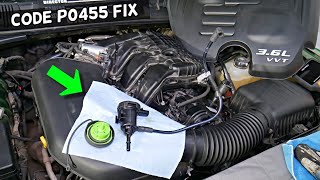
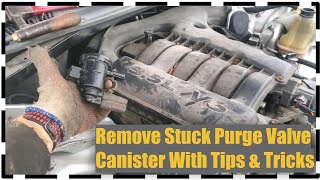
How to confirm: With the engine off, remove the purge valve (located in the engine bay, connected to the intake manifold) and try to blow through it. If air passes through, it is stuck open and needs replacement. A scan tool can also be used to command the valve open and closed to check for function.
Typical fix: Replace the purge valve.
Est. part cost: $25-$60 - Cracked or Disconnected EVAP Hoses 🟡 Medium Probability Rubber and plastic hoses become brittle over time due to heat and exposure, leading to cracks. A large crack or a hose that has completely disconnected will cause a P0455 code. A common failure point is a hose near the charcoal canister in the rear wheel well area.
How to confirm: Visually inspect all accessible EVAP lines between the engine bay, charcoal canister, and fuel tank. A smoke test is the most effective method, where a machine fills the EVAP system with visible smoke, revealing the exact location of any leaks.
Typical fix: Replace the damaged section of hose or reconnect it. In some cases, a cracked plastic line can be repaired with a section of fuel-rated rubber hose and clamps.
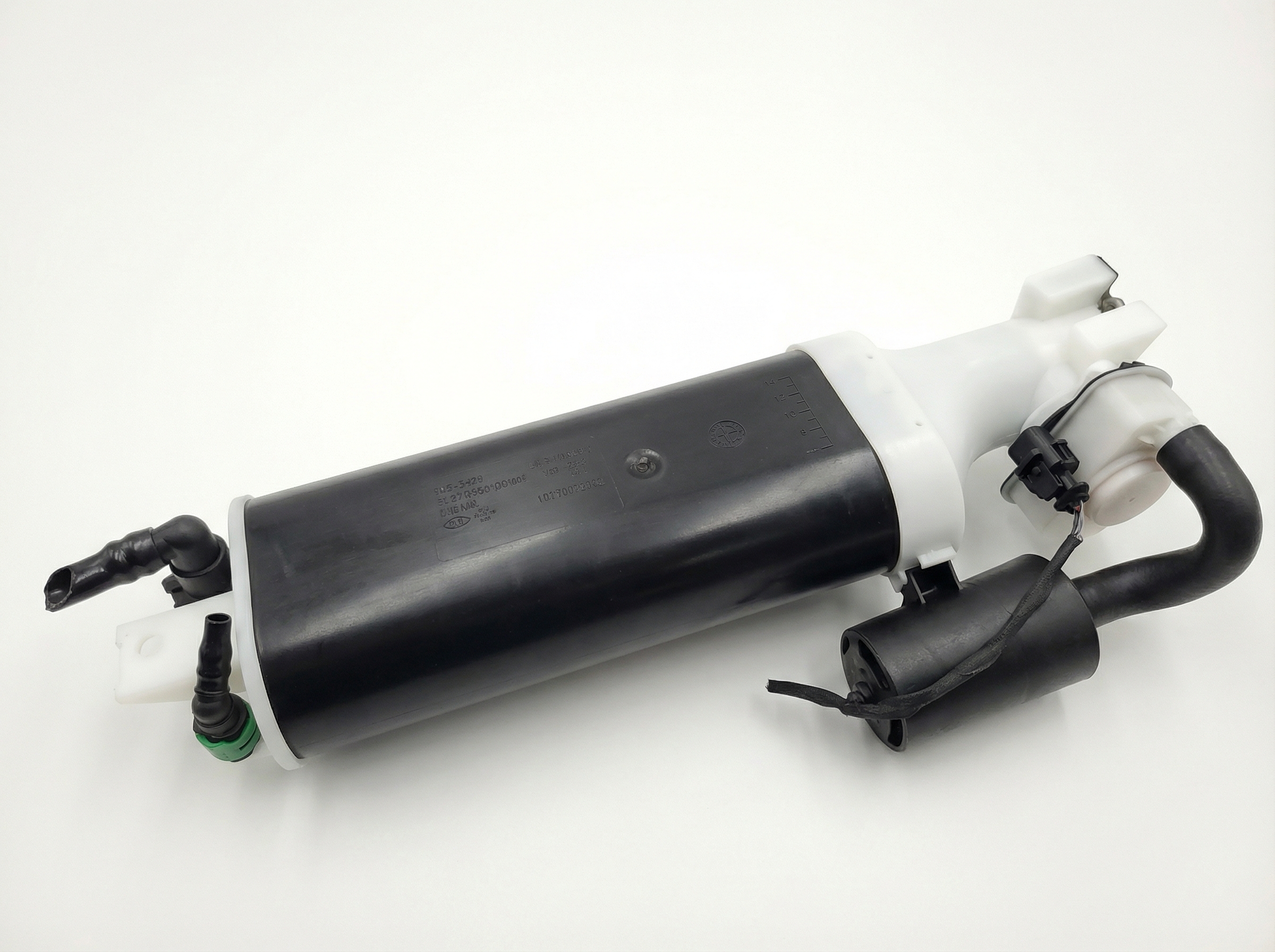
Est. part cost: $10-$50 - Faulty EVAP Vent Valve or Leak Detection Pump (LDP) ⚪ Low Probability The vent valve is often part of the Leak Detection Pump (LDP) assembly on these Dodge vehicles, sometimes called an Evaporative System Integrity Monitor (ESIM). It is normally open and closes to seal the system for testing. If it fails to close or the internal diaphragm fails, the system cannot seal and will report a large leak.
How to confirm: This component is typically located on the charcoal canister near the fuel tank, often behind the passenger-side rear wheel liner. A scan tool can command the valve to close. If it doesn't, or if it's audibly not working, it's likely faulty. A smoke test will show smoke exiting the vent if it's stuck open.
Typical fix: Replace the vent valve or the entire leak detection pump assembly.
Est. part cost: $50-$150
Rare But Worth Checking
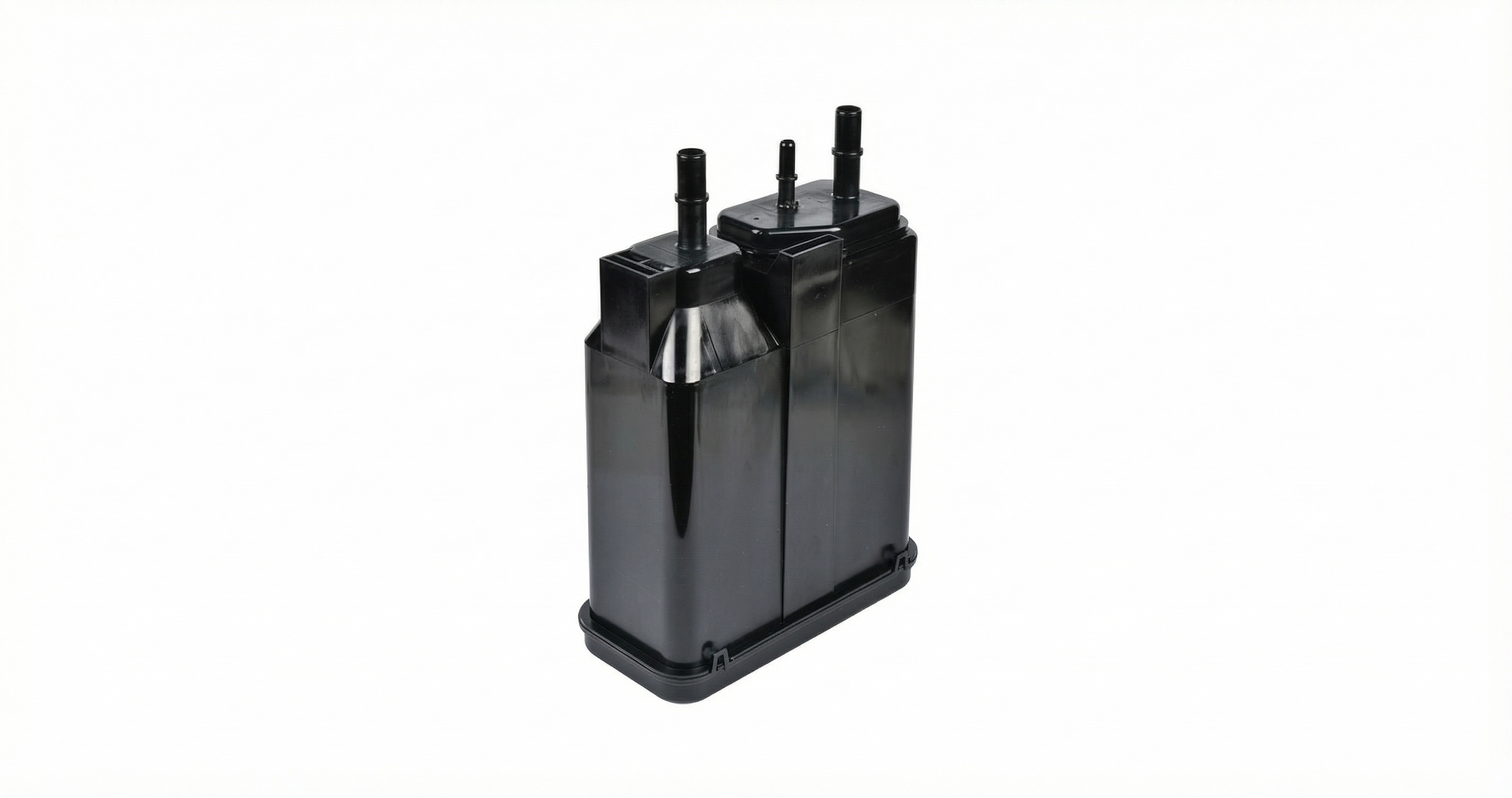
- Cracked EVAP (Charcoal) Canister: The plastic housing of the canister can crack from road debris or age, creating a large leak. This is less common than valve or hose failures but should be checked during a smoke test. Over-filling the fuel tank can also saturate the canister with raw fuel, causing it to fail.
- Damaged Fuel Filler Neck: Rust or damage to the metal tube leading to the gas tank can prevent the gas cap from sealing properly, causing a persistent leak even with a new cap. A gouge or paint chip in the sealing area is a known issue that can cause this code.
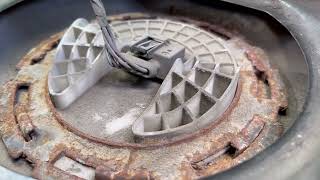
- Leaking Fuel Pump or Sending Unit Seal: The seals for the fuel pump and/or sending unit are located under the rear seat. If these seals are compromised, they can create a large EVAP leak. This area should be checked for fuel odor or visible smoke during a smoke test.
Diagnosis Steps
- Check the gas cap. Remove it, inspect the seal for cracks or wear, and reinstall it, ensuring it clicks. Clear the code and drive for a few days to see if it returns.
- If the light returns, replace the gas cap with a quality OEM or equivalent part. This is the cheapest and most common fix.
- Visually inspect all visible EVAP hoses in the engine bay and under the vehicle for obvious cracks, damage, or disconnections. Pay close attention to the lines around the purge valve and the charcoal canister.
- Locate the purge valve in the engine bay. Disconnect it and attempt to blow through it. If air passes, it is faulty and needs replacement.
- If the above steps do not resolve the issue, a smoke test is the next definitive step. This involves connecting a smoke machine to the EVAP system's service port or a disconnected line.
- Using a scan tool, command the EVAP vent valve (located on the canister) to close. This seals the system for the test.
- Introduce low-pressure smoke into the system and look for where it escapes. Common leak points are hoses (especially at bends), the charcoal canister itself, the vent valve/LDP, the purge valve, the fuel filler neck, and the fuel pump seals under the rear seat.
- Once the leak is identified, replace the faulty component. After the repair, clear the codes and run the car through a drive cycle to confirm the fix.
Parts You'll Likely Need

- Fuel Cap
(OEM #52030377AB)— This is the most common failure point. The seal degrades or the cap is not tightened properly, causing a large leak.
Trusted brands: Mopar, Duralast, Carquest
OEM price range: $25-$40
Aftermarket price range: $15-$25 - Vapor Canister Purge Valve
(OEM #04627694AB)— This valve frequently gets stuck open, creating a large, permanent leak path from the tank to the engine. It's a common failure item on many Chrysler/Dodge products.
Trusted brands: Mopar, Dorman, Standard Motor Products
OEM price range: $45-$60
Aftermarket price range: $25-$45 - EVAP Leak Detection Pump
(OEM #4861961AD)— This component, also called an ESIM, is located near the fuel tank and contains the vent valve. If the valve fails to close during a system test, it will register as a large leak. The plastic can also become brittle and crack.
Trusted brands: Mopar, Duralast
OEM price range: $100-$150
Aftermarket price range: $50-$90
Related Codes That Often Appear With This One
- P0456 — EVAP System Small Leak. Sometimes a failing component can initially cause a small leak (P0456) that worsens into a large leak (P0455). It's also common to see both codes appear together. [35, Bulletin #1809423]
- P0441 — EVAP Purge System Performance. This often points directly to a problem with the purge valve or its flow, which can also cause a P0455 if the valve is stuck open. [Bulletin #1809423]
- P0440 — General EVAP System Failure. This is a more general code indicating a fault in the system, and it can appear with more specific leak codes like P0455. [Bulletin #1809423]
Technical Service Bulletins (TSBs) & Recalls
- Bulletin #1809423: Mentions P0455 as a possible DTC when investigating powertrain control module (PCM) illumination issues.
- Bulletin #1806522: Lists P0455 as a possible DTC that may be set.
- Bulletin #1807517: Includes P0455 in a list of DTCs related to an electrical system TSB.
- Bulletin #18-062-17: Lists P0455 as one of several potential DTCs addressed by a PCM software update for certain models.
- Bulletin #18-032-16 REV. A: Includes P0455 in a list of DTCs related to a powertrain software update for 2016 models with the 6.2L Supercharged engine. This TSB addresses software logic, not a physical leak.
Platform-Specific Known Issues
- Cracked EVAP Hose Near Canister: One owner documented a repair where a hard plastic EVAP line near the charcoal canister had developed a crack. Instead of replacing the entire complex hose assembly, they repaired it by cutting out the cracked section and splicing in a piece of fuel-rated rubber hose with clamps.
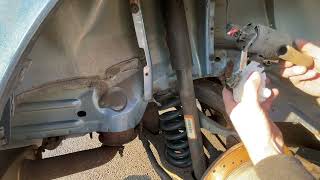
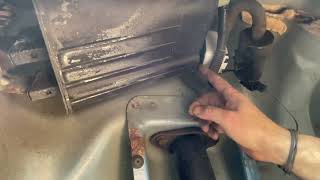
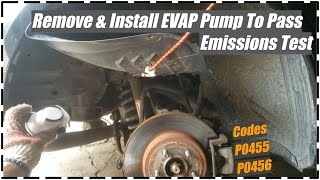
- Leak Detection Pump (ESIM) Failure: A common repair for P0455 on the Charger and its platform mates (Challenger, 300) is the replacement of the Evaporative System Integrity Monitor (ESIM), also known as the leak detection pump. This part is located on the charcoal canister behind the passenger rear wheel well liner and is responsible for sealing the system for tests. It can fail internally or the seal between it and the canister can degrade, causing a leak.
Mechanic-Grade Diagnostic Values
- ESIM (Leak Detection Pump) Switch State — expected: The ESIM is a switch, not a solenoid; it does not take a voltage command to activate. It uses internal weights and system vacuum/pressure to close its internal switch. When vacuum reaches between -187Pa and -250Pa, the switch should close, pulling a 5V or 12V reference signal to ground.. Failure: If continuity is measured across the pins when the unit is at rest (no vacuum/pressure), or if it fails to show continuity when appropriate vacuum is applied, the switch is bad. Applying 12V to the pins will do nothing and is not a valid test.
Scan Tool Commands That Help
- wiTECH (Dodge/Chrysler Dealer Tool): Small Leak Verification Test (SLVT) — This is a mandatory first step in the official diagnostic procedure for P0455/P0456. It must be run to verify a leak is present before replacing parts and run again after the repair to confirm the fix. A simple road test is not sufficient to confirm the repair.
- wiTECH or equivalent professional scanner: EVAP System Test (Large Leak Test) — This function forces the PCM to run the intrusive, engine-running test for large leaks. It will command the purge solenoid and monitor the fuel tank pressure sensor to check how quickly the system builds and loses vacuum.
Wiring & Ground Locations
- EVAP Canister / ESIM Assembly — Located behind the passenger-side rear wheel well liner, mounted on top of the charcoal canister.. This is the physical location of the ESIM (Leak Detection Pump) and charcoal canister, which are common sources of P0455. Access requires removing the wheel and liner.
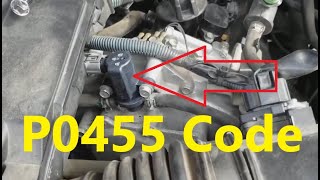
- Vapor Canister Purge Valve/Solenoid — On the 5.7L Hemi engine, it is located on the passenger-side firewall.. This is a primary failure point. Knowing its location is critical for inspection and testing (e.g., the blow-through test).
Real Owner Repair Stories
- Commenter on a YouTube repair video (2014 Dodge Charger SXT) — Check engine light with EVAP codes.
❌ Tried (didn't work) Replacing the vapor canister control valve (purge valve).
✅ What actually fixed it The final fix was replacing the EVAP Leak Detection Pump (ESIM), Duralast brand, located behind the passenger rear tire wheel liner. The check engine light went away the next day after the computer re-ran its checks. - Commenter on a YouTube repair video (2008 Chrysler Sebring (platform relative)) — Recurring 'gas cap' warning and check engine light.
❌ Tried (didn't work) Replacing the gas cap (solved the issue for only a couple of months).
✅ What actually fixed it A dealership diagnosed a faulty ESIM switch. The owner replaced the ESIM for $35, which resolved the persistent code.
"I Checked Everything" — The Actual Cause
- In many cases with Chrysler/Dodge vehicles, a smoke test will show no leaks, yet a P0455 or P0456 code persists. This often points to a faulty Evaporative System Integrity Monitor (ESIM), also known as the leak detection pump. The ESIM itself can fail to operate correctly (the internal switch or diaphragm goes bad) without having an external leak, causing the PCM to incorrectly report a system leak. Technicians report this is a high-failure-rate part and often the culprit when a smoke test passes.
Model Year Variations Within This Range
- 2016-2022: While the physical location of the EVAP canister assembly remains consistent behind the passenger rear wheel well, Dodge used many variations of the canister and ESIM part numbers throughout this generation for Chargers, Challengers, and 300s. While functionally similar, it is crucial to verify the correct part number for the specific vehicle's VIN before ordering a replacement.
Helpful Videos
Used OEM Parts in Stock
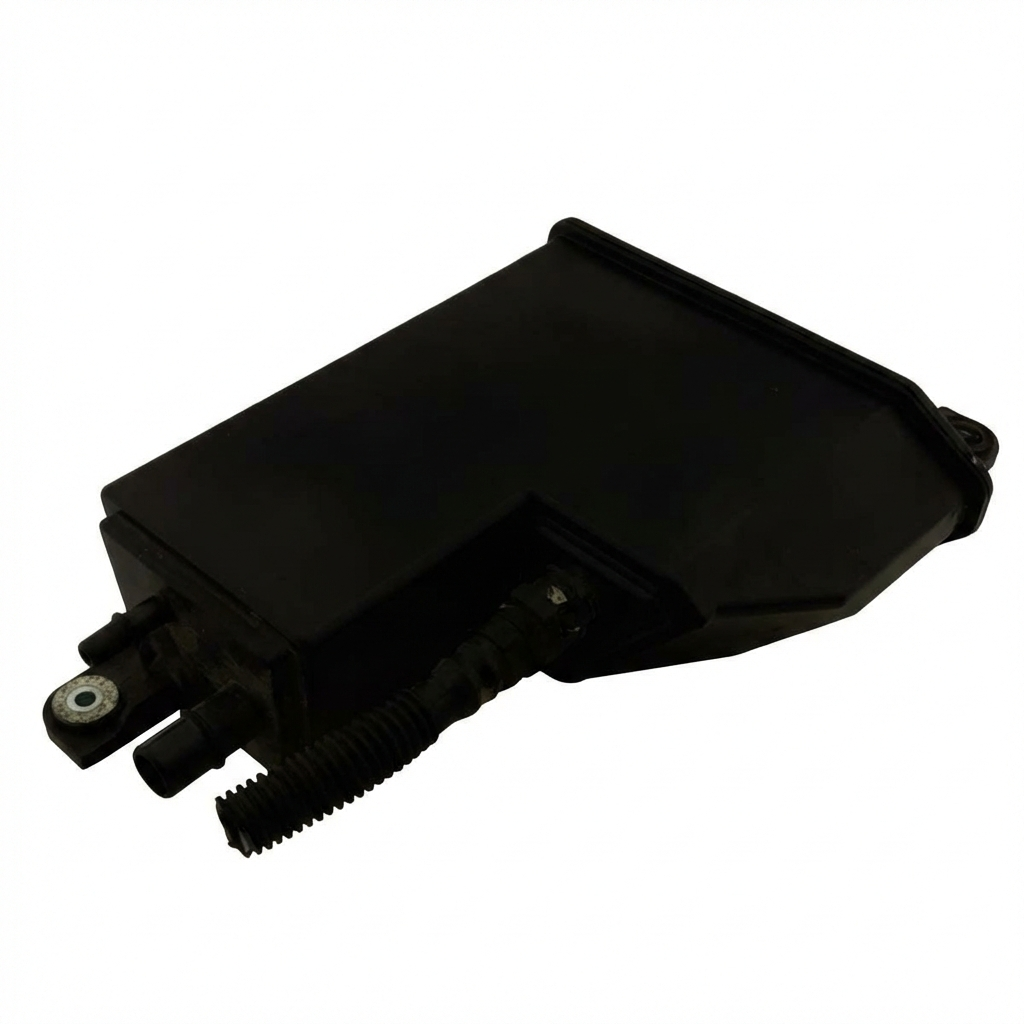
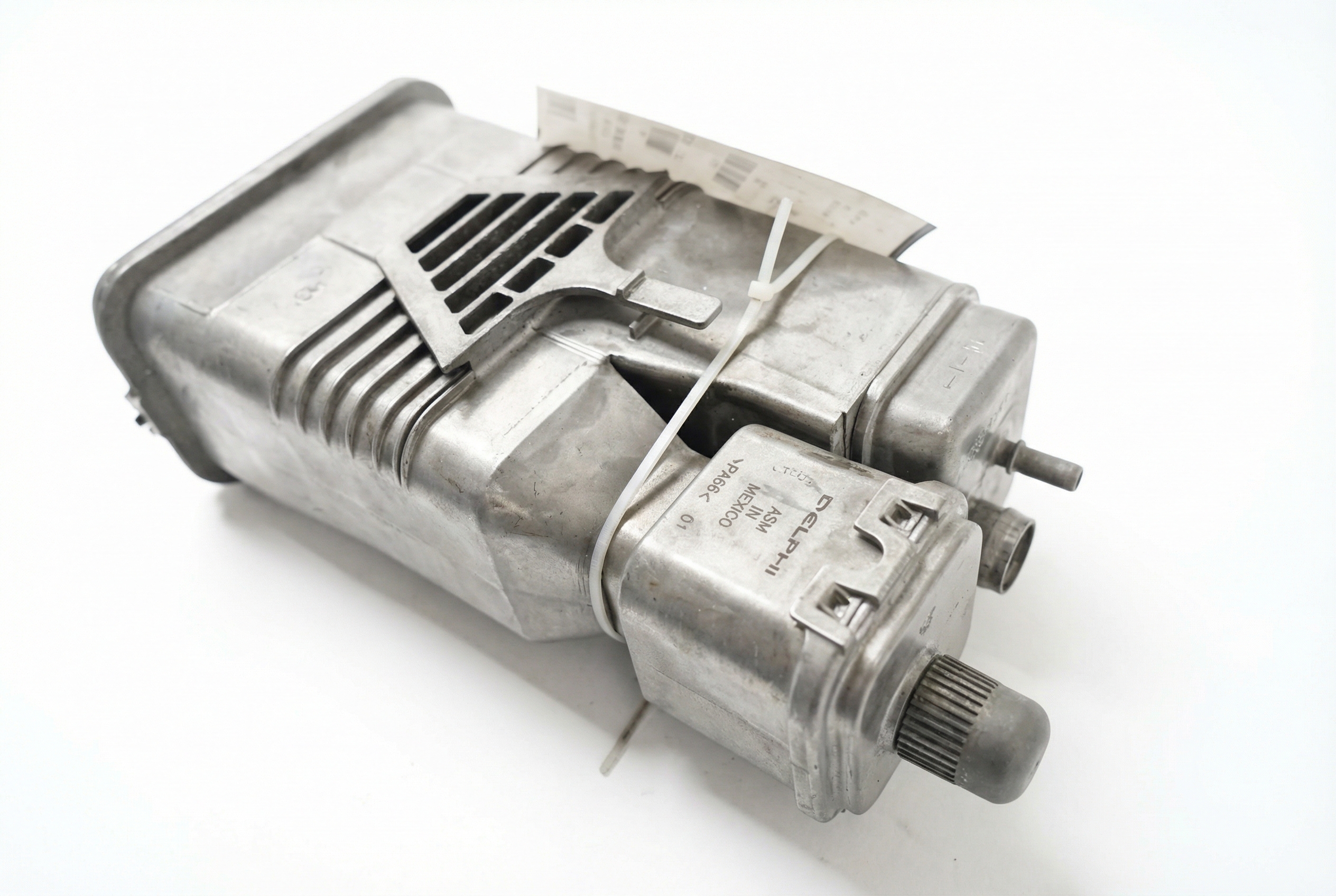
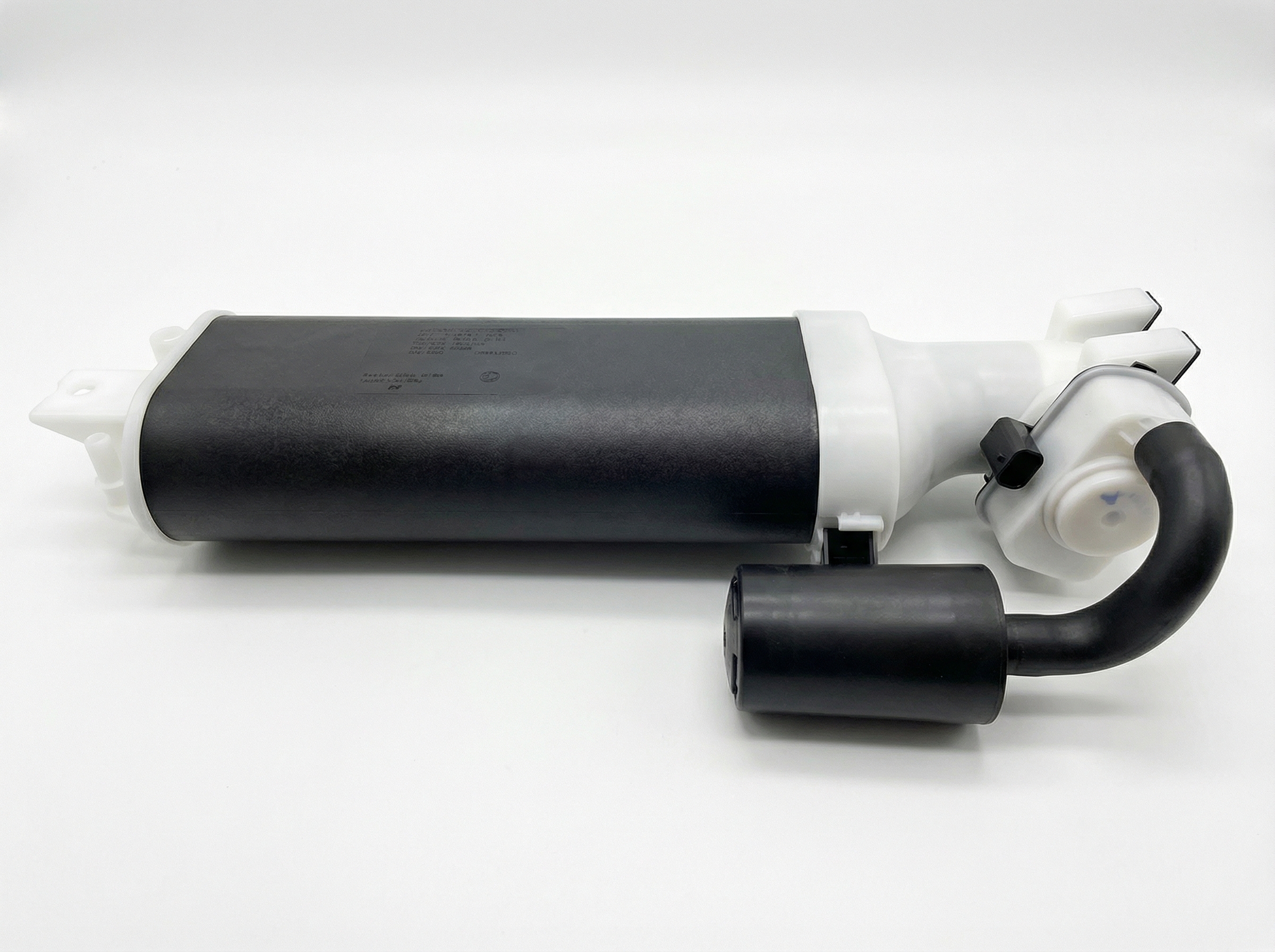
New Aftermarket Parts Available

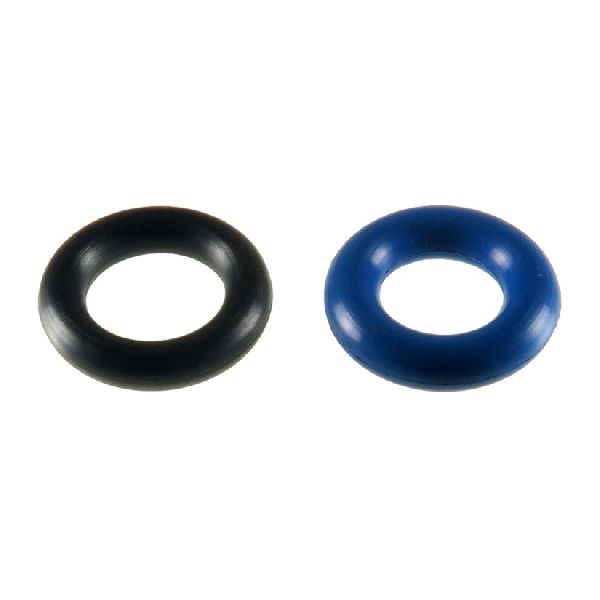


The information in this article is provided for general reference and educational purposes only. Vehicle specifications, procedures, and part compatibility can vary by production date, trim level, and region. Always consult your vehicle's factory service manual and verify part numbers before purchasing or performing repairs. Safety-critical components such as airbags, seat belts, and braking systems should be installed by a qualified professional.
- Dodge CHARGER:
- 🎬 Helpful Videos
- 🛍️ Shop This Part
- What's Unique About the 2016-2022 Dodge CHARGER
- Diagnostic Flowchart
- Symptoms You May Notice
- Most Likely Causes
- Rare But Worth Checking
- Diagnosis Steps
- Parts You'll Likely Need
- Related Codes That Often Appear With This One
- Technical Service Bulletins (TSBs) & Recalls
- Platform-Specific Known Issues
- Mechanic-Grade Diagnostic Values
- Scan Tool Commands That Help
- Wiring & Ground Locations
- Real Owner Repair Stories
- "I Checked Everything" — The Actual Cause
- Model Year Variations Within This Range
- 🎟️ Get 5% Off