

P0455 on 2016-2022 Chrysler 300: EVAP System Large Leak Causes & Fixes
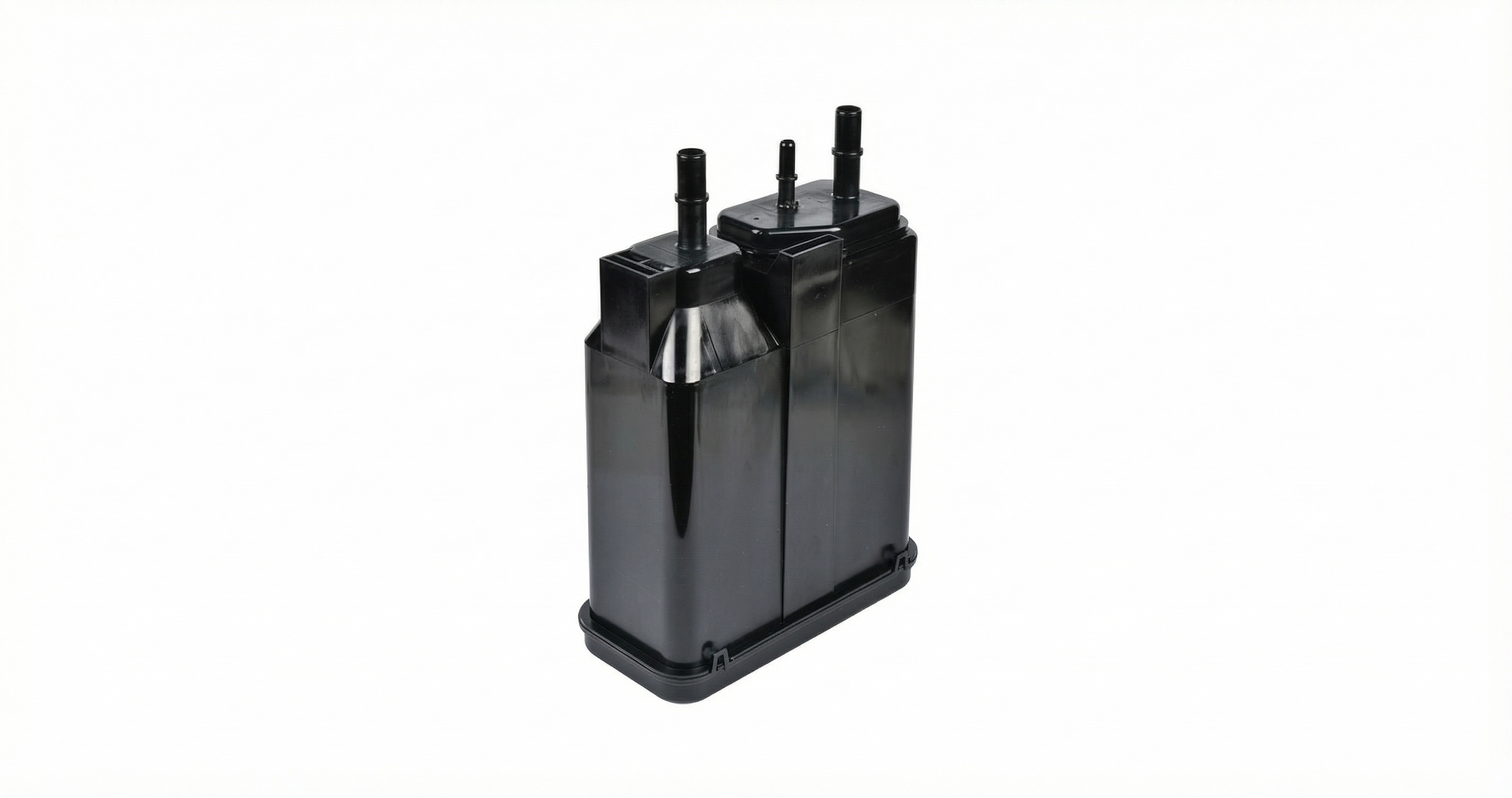
P0455 indicates a large leak in your Chrysler 300's evaporative emissions (EVAP) system. The most common and easiest fix is to check and tighten or replace the gas cap. If that doesn't work, the next most likely culprits are the EVAP purge valve located in the engine bay, or the Evaporative System Integrity Module (ESIM) located near the charcoal canister by the rear passenger-side wheel.
- P0455 means your Chrysler 300 has a large leak in the emissions system that contains fuel vapors.
- Always check your gas cap first. Make sure it's tight and the seal isn't cracked. This is the simplest and most common fix.
- If the gas cap is fine, the most likely culprits are the EVAP purge valve (under the hood) or the ESIM/leak detection pump (on the charcoal canister at the rear of the car).
- The vehicle is safe to drive with this code, but you will not pass an emissions inspection until it is repaired.
- A professional smoke test is the fastest way to accurately diagnose the leak if it's not one of the common components.
What's Unique About the 2016-2022 Chrysler 300

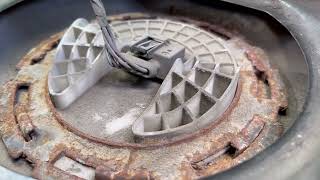
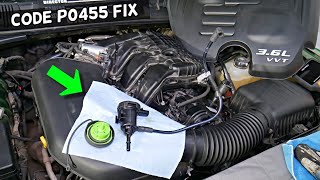
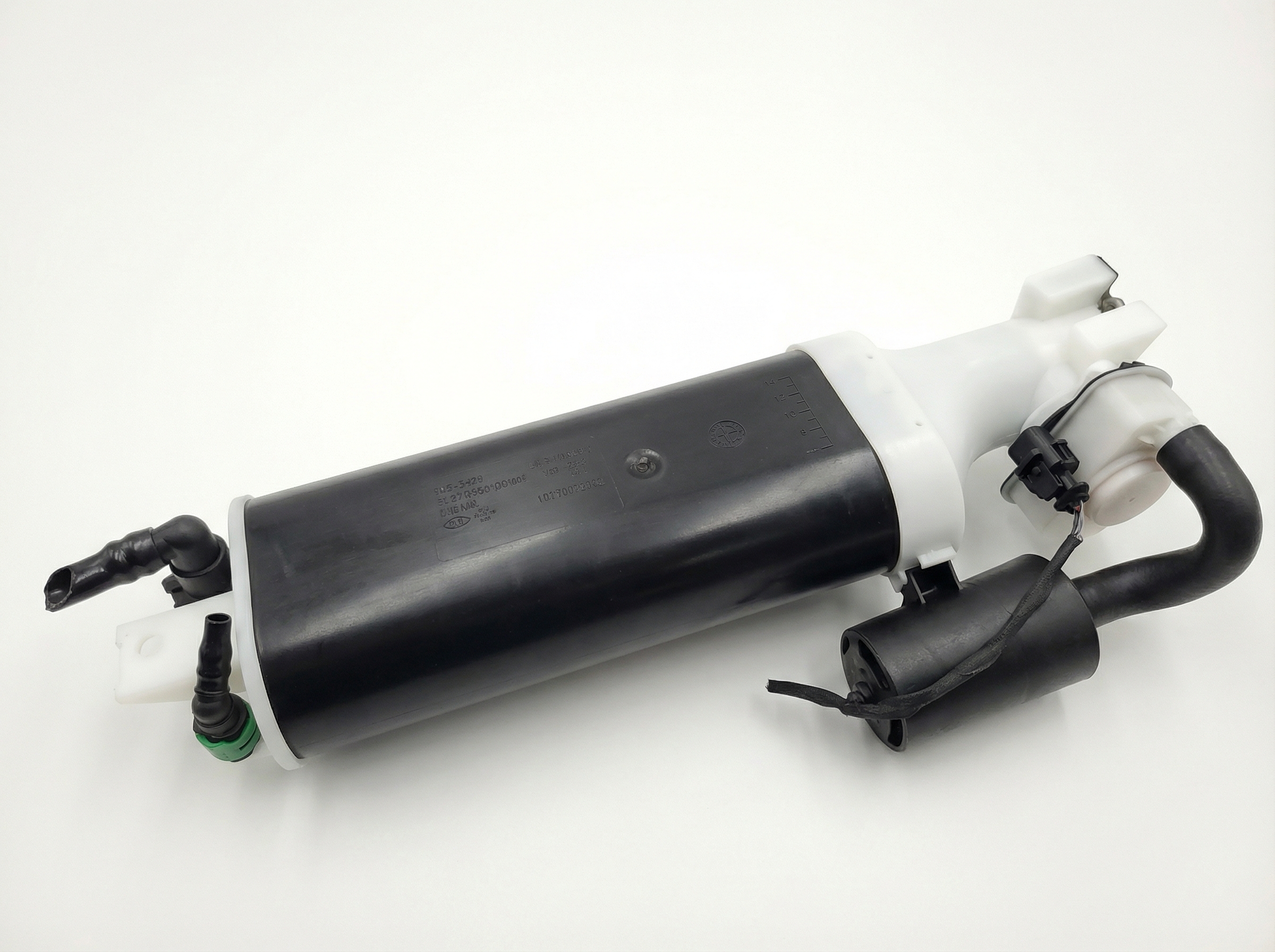
On this generation of Chrysler 300 and its platform mates (like the Dodge Charger and Challenger), a common failure point beyond the universal gas cap issue is the Evaporative System Integrity Module (ESIM), also called a leak detection pump. This component is mounted on the charcoal canister near the rear passenger-side wheel well and is responsible for sealing the system for pressure tests. Owners on forums and mechanics in videos frequently point to this part or the under-hood purge valve as the solution when the gas cap isn't the problem. The ESIM contains weights and switches that must be oriented correctly to function, making proper installation critical. 🎬 Watch: A complete walkthrough for fixing P0455 and P0456 codes. TSB #18-092-23 also indicates that for some 2022 models with the 5.7L engine, a PCM software update is the required fix, as overly sensitive logic can falsely trigger EVAP codes.
Diagnostic Flowchart
Tap your situation to follow the diagnostic path that matches what you're seeing on this vehicle.
Symptoms You May Notice
- Check Engine Light is on
- A noticeable smell of gasoline, especially around the rear of the car or near the gas cap.
- A "gascap" message may appear on the dashboard.
- Difficulty refueling (the fuel pump nozzle clicks off repeatedly) can sometimes be related, often pointing to a clogged canister or vent valve issue.
- Slightly reduced fuel economy or poor engine performance in some cases.
- Replacing the fuel pump. While fuel system issues can occur, the fuel pump itself is not part of the EVAP system and replacing it will not solve a P0455 code.
- Replacing O2 sensors. Oxygen sensors are part of the exhaust system and have no direct role in the EVAP system's integrity.
Most Likely Causes

- Loose, Damaged, or Incorrect Gas Cap 🔴 High Probability This is the most common cause for a P0455 code on virtually all vehicles, as the cap is frequently removed and its seal can wear out, crack, or get lost over time. Using a non-OEM cap can also lead to sealing issues.
How to confirm: Inspect the gas cap for cracks or damage to the rubber O-ring/seal. Ensure it is tightened until it clicks at least once. If the cap looks worn or the light returns quickly, replacement is a cheap and effective first step. Some models may have a capless system with a rubber grommet that can fail.
Typical fix: Tighten or replace the gas cap.
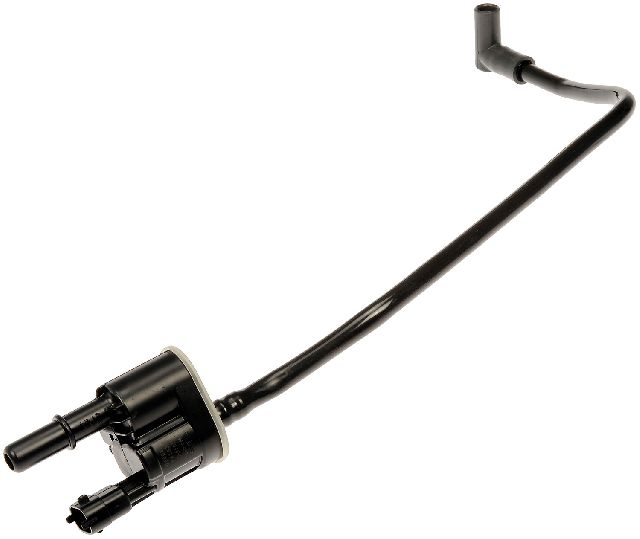
Est. part cost: $15-$40 - Faulty EVAP Purge Valve/Solenoid 🟡 Medium Probability This valve, located in the engine bay on the passenger side, controls the flow of stored fuel vapors to the engine. It can get stuck open, creating a constant leak path from the EVAP system to the intake manifold, a common failure on Chrysler products.
How to confirm: With the engine running, you can sometimes hear or feel it clicking. A more definitive test involves disconnecting the valve (with the engine off) and blowing through it; no air should pass. A bi-directional scan tool can also command it open and closed to verify function.
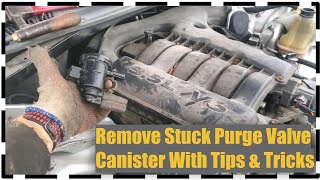
Typical fix: Replace the purge valve solenoid. 🎬 See how to remove a stuck EVAP purge valve canister.
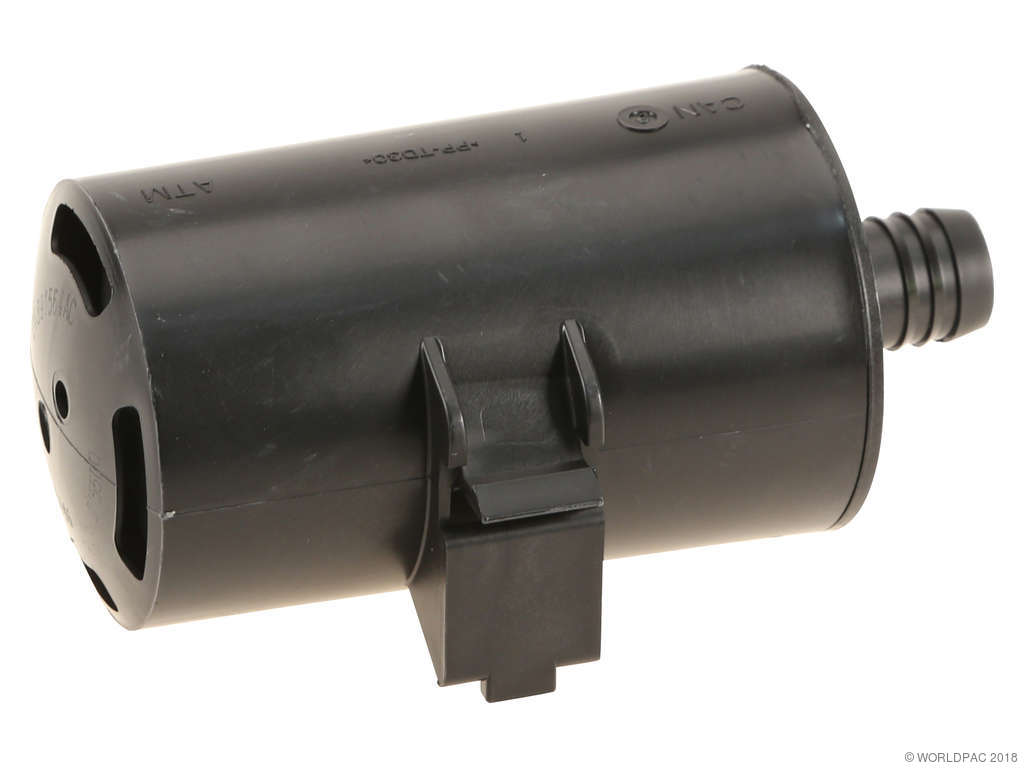
Est. part cost: $25-$75 - Faulty Evaporative System Integrity Module (ESIM) / Leak Detection Pump 🟡 Medium Probability
How to confirm: This component is located on the EVAP canister behind the passenger-side rear wheel well liner. It can fail internally, preventing the system from sealing for its self-test. Diagnosis can be difficult without a scan tool that can run an ESIM forced monitor test. Shaking the part when removed may produce a rattle, indicating an internal failure. It is a very common failure point after the gas cap and purge valve have been ruled out.
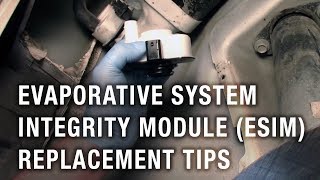
Typical fix: Replace the ESIM. This involves removing the rear wheel and fender liner for access, then twisting the old module a quarter-turn off the canister and installing the new one, 🎬 Watch: Pro tips for replacing the ESIM and ensuring a seal. ensuring the new seal is seated correctly.
Est. part cost: $30-$60 - Cracked or Disconnected EVAP Hoses ⚪ Low Probability
How to confirm: Visually inspect all accessible EVAP lines in the engine bay and around the fuel tank/canister area for obvious cracks, brittleness, or disconnections. A hard plastic line running near the rear wheel well is a known spot for cracks. A smoke test is the most effective way to find a leak in the hose network.
Typical fix: Replace the damaged section of hose. Some owners splice in a section of fuel-rated rubber hose as a durable repair.
Est. part cost: $10-$50
Rare But Worth Checking
- Cracked EVAP (Charcoal) Canister: The plastic housing of the canister can develop cracks from road debris or age, creating a large leak. This is usually found during a smoke test when other components have been ruled out.
- Damaged Fuel Filler Neck: The metal or plastic tube leading to the gas tank can rust or get damaged, preventing the gas cap from sealing properly. A smoke test showing smoke escaping from around a new, tight gas cap points to this issue.
- PCM Software Update Required: For 2022 models with the 5.7L V8, TSB #18-092-23 indicates the P0455 code can be triggered by overly sensitive diagnostic logic. The fix is not a part replacement but a software reprogram of the Powertrain Control Module (PCM) by a dealer.
Diagnosis Steps

- Check the Gas Cap: Remove, inspect the seal for cracks, and reinstall it, ensuring it clicks several times. Clear the code and drive for a few days to see if it returns. If it does, consider replacing the cap with a genuine OEM Mopar part as a low-cost first step.
- Visual Inspection: Inspect the EVAP purge valve and hoses in the engine bay (passenger side) for any visible cracks or loose connections.
- Inspect Underbody Components: Safely raise the vehicle and remove the rear passenger-side wheel and plastic fender liner to access the EVAP canister, ESIM, and associated hoses. Inspect the hoses for cracks and ensure the ESIM is securely mounted.
- Test the Purge Valve: With the engine off, disconnect the hose from the purge valve leading to the intake manifold and try to blow through it. It should be closed. If air passes through, the valve is stuck open and needs replacement.
- Perform a Smoke Test: This is the most effective way to find the source of the leak. A smoke machine forces low-pressure smoke into the EVAP system via the service port. Smoke will exit from any cracks in hoses, the canister, the filler neck, or from faulty seals, pinpointing the leak's location.
- Check for TSBs: Before replacing more expensive parts, have a dealer or qualified shop check if your vehicle's VIN has any open TSBs, like #18-092-23 for 2022 5.7L models, which requires a PCM software update.
Parts You'll Likely Need

- Gas Cap
(OEM #52124512AA)— This is the most frequent cause of P0455 due to a worn or damaged seal, or simply not being tightened correctly. Using an OEM cap is recommended as aftermarket versions can cause sealing problems.
Trusted brands: Mopar, Stant
OEM price range: $25-$40
Aftermarket price range: $15-$25 - EVAP Purge Valve / Solenoid
(OEM #4891735AC)— This valve is a common failure point, getting stuck open and creating a constant leak path. It's located on the passenger side of the engine.
Trusted brands: Mopar, Dorman, Bosch
OEM price range: $50-$80
Aftermarket price range: $25-$50 - Evaporative System Integrity Module (ESIM)
(OEM #04861962AD)— Also known as the leak detection pump, this component on the charcoal canister often fails, preventing the system from sealing for its leak test. The original part number 4861962AA has been superseded multiple times to 4861962AB, 4861962AC, and now 04861962AD.
Trusted brands: Mopar, Duralast (ESM1002)
OEM price range: $45-$70
Aftermarket price range: $30-$50
Related Codes That Often Appear With This One
- P0456 — P0456 indicates an EVAP System Small Leak. It's common to see both codes if the system has an intermittent or borderline leak that the computer interprets differently on separate tests. Both TSBs #18-092-23 and #18-075-17 list these codes together, and they are frequently reported together in forums.
- P0441 — P0441 indicates Incorrect Purge Flow. This can be caused by a faulty purge valve that is also causing the P0455 leak. TSB #18-092-23 and #18-075-17 also list these codes together.
- P0440 — P0440 indicates a General EVAP System Failure. This is a more generic code that can accompany the more specific P0455 leak code, as noted in TSB #18-092-23.
Technical Service Bulletins (TSBs) & Recalls
- 18-092-23: For 2022 5.7L models, lists P0455 as a potential DTC that may be resolved by reprogramming the PCM with updated software to correct overly sensitive leak detection logic.
- 18-075-17: Lists P0455 among other possible DTCs for 2016 models, indicating it's a known potential fault.
- 25-003-20: While for P0441 on 2020 3.6L models, it's relevant as it points to a known issue with a kinked EVAP purge line from the factory, which could potentially cause other EVAP codes.
Platform-Specific Known Issues
- Chrysler Technical Service Bulletin (TSB) #18-092-23 for 2022 5.7L models notes that P0455 can be caused by a software issue, and the fix is to reprogram the PCM rather than replace parts.
- TSB #18-075-17 also groups P0455 with other potent
Mechanic-Grade Diagnostic Values
- EVAP Purge Valve State (Engine Off) — expected: Closed (no air should pass when blowing through). Failure: If air can be blown through the valve when it is disconnected and de-energized, it is stuck open and faulty.
- EVAP Purge Valve Power Supply — expected: Battery voltage (approx. 12V) on the power supply wire (often orange or pink) with key on.. Failure: No voltage indicates a wiring or fuse issue upstream of the valve.
- ESIM (Leak Detection Pump) Switch Function — expected: With ground applied to the input pin, the output pin should send a ground signal when pressure or vacuum is applied to the correct port.. Failure: If the switch does not provide a ground signal under pressure/vacuum, or is stuck providing a signal at all times, the internal switch has failed.
Scan Tool Commands That Help
- wiTECH or equivalent professional scanner: EVAP System Test — To have the vehicle's PCM automatically run its internal leak test procedure by commanding the vent and purge valves to seal the system and monitor pressure.
- wiTECH or equivalent professional scanner: Purge Valve Control — To manually command the purge valve open by a certain percentage while monitoring fuel trims or system pressure to verify it is opening, closing, and not stuck.
- wiTECH or equivalent professional scanner: Vent Valve Control — To command the vent valve/ESIM closed to seal the EVAP system. This is a critical step before performing a smoke test or any pressure/vacuum decay test.
- wiTECH or equivalent professional scanner: ESIM Forced Monitor Test — To specifically test the functionality of the Evaporative System Integrity Module (ESIM) switch, which is a common failure point that may not be caught by a simple smoke test.
Wiring & Ground Locations
- Front Fuse Box (Under Hood) — Located in the engine bay, on the driver's or passenger's side.. Contains fuses and relays that provide power to EVAP system components like the purge valve. For 2014+ models, check fuses F31, F34, F35, F37 and relay R63.
- Rear Fuse Box (Trunk) — Located in the trunk, behind a panel near the battery.. Contains relays that may be related to the EVAP system, such as the fuel pump module which powers the ESIM. Check relays R14 and R29.
- G300 — A common ground point designation for this platform, often located in the cabin or near the rear of the vehicle.. A poor ground connection for the ESIM or other EVAP components can cause erratic behavior and false codes. While the exact location varies, ensuring all chassis grounds are clean and tight is a valid diagnostic step.
Real Owner Repair Stories
- Jeep Cherokee Forum (similar Chrysler EVAP design) (Jeep Cherokee, year not specified) — Persistent P0455 code.
❌ Tried (didn't work) Initial diagnosis did not immediately find the leak.
✅ What actually fixed it A badly rusted and rotted short steel EVAP line running from the charcoal canister back towards the gas tank was found to be leaking. It was replaced with a polyethylene air line to resolve the code. - YouTube video by 'T-Time' (Chrysler 300, year not specified) — P0455 Large EVAP System Leak.
❌ Tried (didn't work) A scan tool could not find an activation test for the vent valve, and the system was not setting an open circuit code for the valve.
✅ What actually fixed it The EVAP vent valve (part of the ESIM assembly) was manually removed and tested. It was found to have an internal open circuit; it would not click or show continuity when power was applied directly. Replacing the faulty valve/ESIM fixed the issue.
"I Checked Everything" — The Actual Cause
- A very common scenario for this platform is passing a smoke test (indicating no physical leaks) but still having a P0455 code. The cause is often an internally failed Evaporative System Integrity Module (ESIM/Leak Detection Pump). The mechanical switch inside the ESIM fails and cannot correctly report the system's status to the PCM, even though the system can physically hold pressure.
- The EVAP vent valve (integrated into the ESIM) can fail electrically with an open circuit. It won't be able to close to seal the system for the test, causing a P0455, but this electrical failure won't show up as a leak during a smoke test.
- A rusted-through steel portion of an EVAP line, particularly in salt-belt regions, can be the source of the leak. This may be missed during a smoke test if the area is not meticulously inspected, as attention is often focused on more common rubber hoses and plastic components.
OEM Part Supersession History
4861962AA, 4861962AB, 4861962AC→04861962AD— Part has been revised and updated by the manufacturer over time to improve reliability.
Heads up: The newest part number (04861962AD) is the correct replacement for the previous versions. Using old stock or an incorrect version may lead to premature failure. This part also replaces 4891685AA and 4891685AB.
Model Year Variations Within This Range
- 2011-2022: Some later models in this range are equipped with a capless fuel filler system. For these vehicles, a P0455 cause is not a loose gas cap, but can be debris or damage to the seal on the spring-loaded filler door.
- 2022: For 5.7L models, TSB #18-092-23 specifies that a PCM software update may be the sole required fix due to overly sensitive diagnostic logic, rather than a hardware fault. This is a known issue specific to this model year and engine.
Helpful Videos
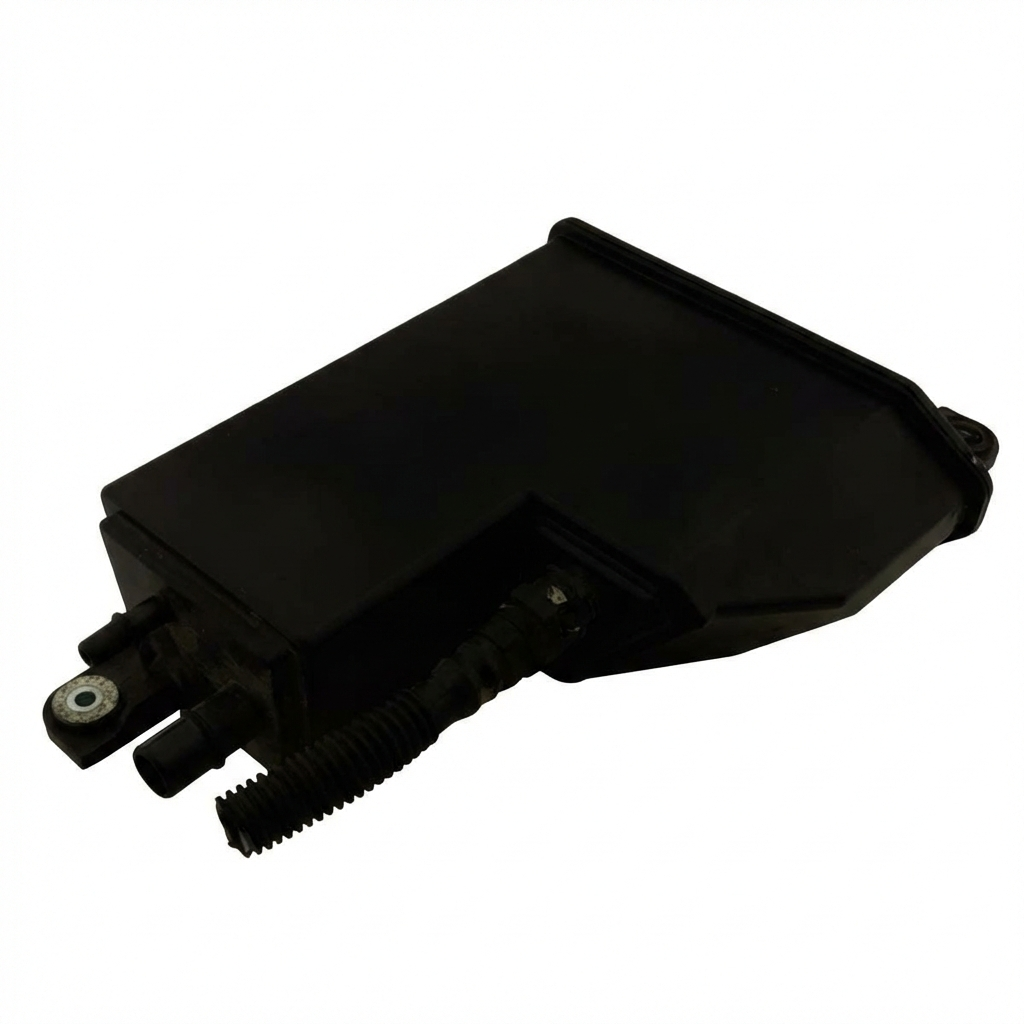
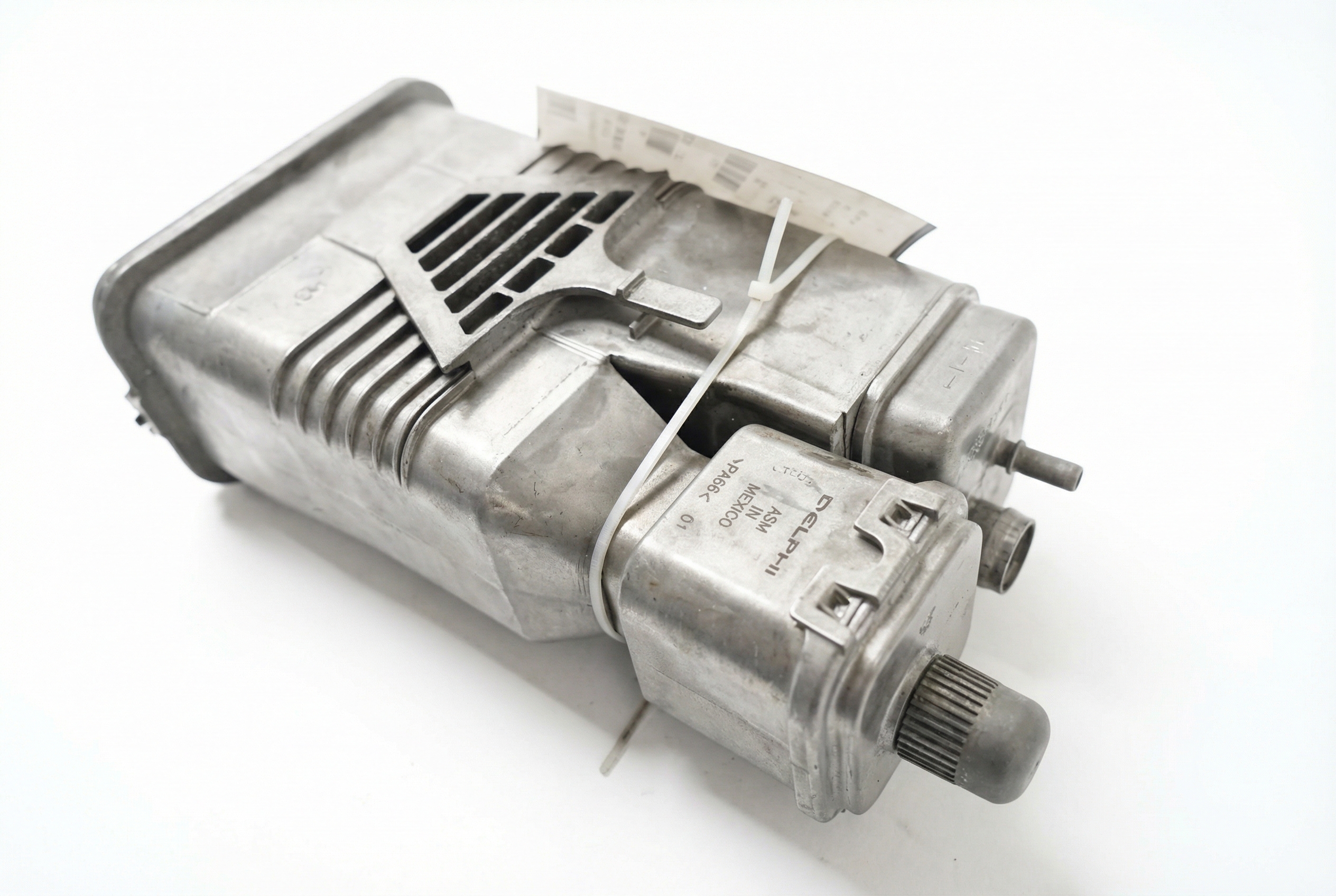
Used OEM Parts in Stock
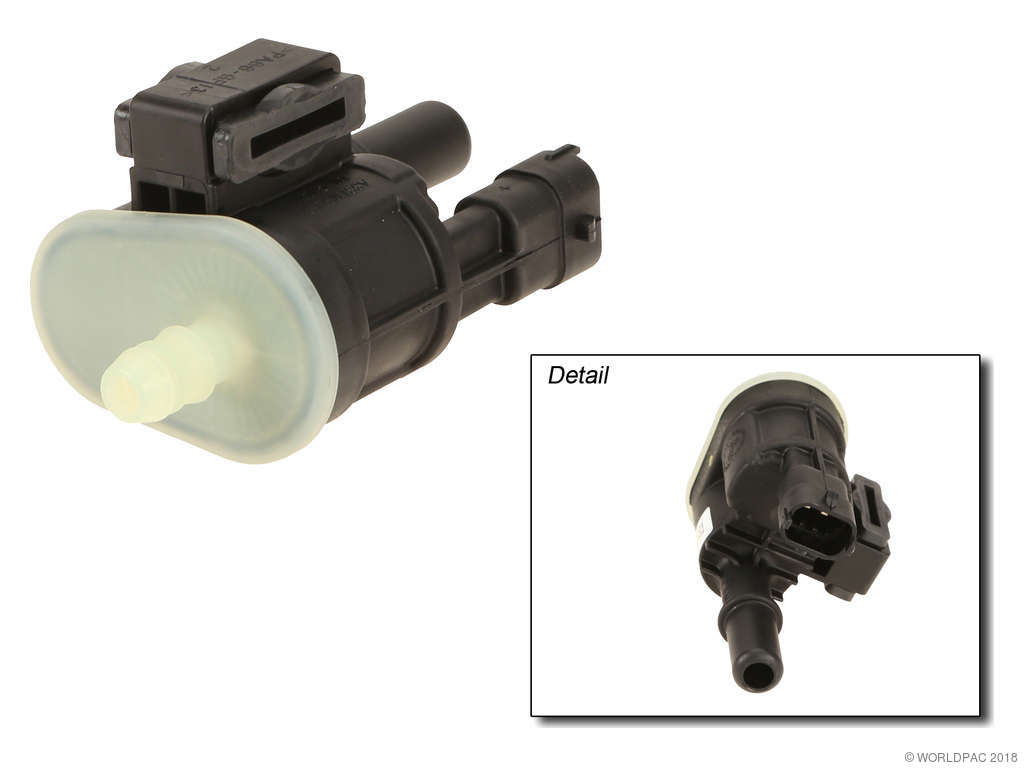
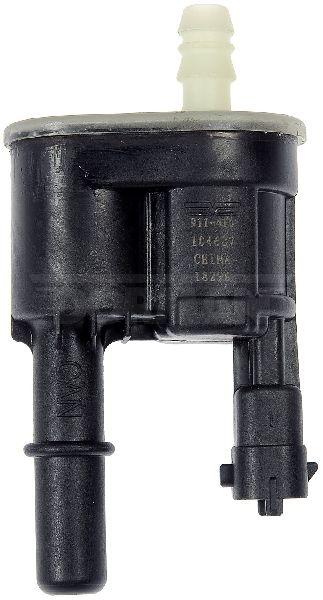
New Aftermarket Parts Available



The information in this article is provided for general reference and educational purposes only. Vehicle specifications, procedures, and part compatibility can vary by production date, trim level, and region. Always consult your vehicle's factory service manual and verify part numbers before purchasing or performing repairs. Safety-critical components such as airbags, seat belts, and braking systems should be installed by a qualified professional.
- Chrysler 300:
- 🎬 Helpful Videos
- 🛍️ Shop This Part
- What's Unique About the 2016-2022 Chrysler 300
- Diagnostic Flowchart
- Symptoms You May Notice
- Most Likely Causes
- Rare But Worth Checking
- Diagnosis Steps
- Parts You'll Likely Need
- Related Codes That Often Appear With This One
- Technical Service Bulletins (TSBs) & Recalls
- Platform-Specific Known Issues
- Mechanic-Grade Diagnostic Values
- Scan Tool Commands That Help
- Wiring & Ground Locations
- Real Owner Repair Stories
- "I Checked Everything" — The Actual Cause
- OEM Part Supersession History
- Model Year Variations Within This Range
- 🎟️ Get 5% Off