

P0455 on 2000-2007 Chevrolet Tahoe: EVAP Large Leak Causes and Fixes
For a 2000-2007 Tahoe, code P0455 almost always points to a loose gas cap or a failed EVAP vent solenoid located near the spare tire. First, check that the gas cap is tight and its seal is intact; use an OEM cap for replacement as aftermarket ones can fail. If the code returns, the vent solenoid (ACDelco #214-2149 or Dorman #911-032) is the next most likely culprit, often clogged with dirt. Replacing the solenoid costs about $30-$75 for the part and is a common DIY repair that often resolves the
- Always check your gas cap first for code P0455. Make sure it's tight and the seal isn't cracked.
- The most likely part to fail on a 2000-2007 Tahoe is the EVAP vent solenoid, located near the spare tire, due to its exposure to dirt and debris.
- While you can drive with this code, you will not pass an emissions test until the leak is fixed.
- A smoke test is the fastest and most accurate professional method to find the leak if it's not the gas cap.
- When replacing parts, using OEM (ACDelco) components, especially for the gas cap, is recommended to ensure a proper seal.
What's Unique About the 2000-2007 Chevrolet TAHOE

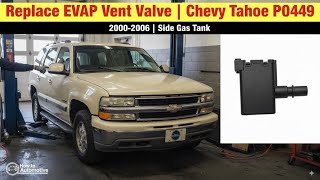
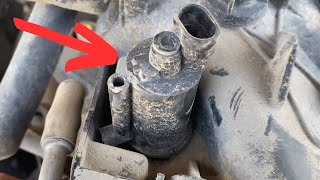
On the GMT800 (2000-2006) and early GMT900 (2007) platforms like the Tahoe, the EVAP vent solenoid is notoriously prone to failure. Its location, typically above the spare tire or rear differential, exposes it to a constant barrage of road debris, dust, and moisture. This exposure often causes the valve to get clogged with dirt and stick open, creating the large leak condition that triggers the P0455 code. 🎬 Watch: A breakdown of the most common P0455 leak causes. This is such a common issue that many owners and mechanics on forums like TahoeYukonForum.com check this part immediately after verifying the gas cap is secure. GM itself has released service bulletins like #21-NA-124 that provide diagnostic tips for this exact issue.
Diagnostic Flowchart
Tap your situation to follow the diagnostic path that matches what you're seeing on this vehicle.
Generation note: This range covers two Tahoe generations: the GMT800 (2000-2006) and the GMT900 (2007). While the EVAP system components and their common failure points are very similar, the 2007 model marked the beginning of a new body style and had other mechanical changes, such as the introduction of Active Fuel Management (AFM). However, for this specific EVAP code, the diagnostic process is nearly identical for both generations, as confirmed by owner reports on forums.
Symptoms You May Notice
- Check Engine Light is on
- A faint smell of gasoline, especially around the rear of the vehicle after driving.
- On some models, the 'Tighten Gas Cap' message may display on the Driver Information Center (DIC).
- Difficulty starting the engine right after refueling (less common, but can point to a stuck-open purge valve).
- Fuel pump nozzle clicks off repeatedly when trying to refuel (can indicate a clogged vent solenoid or canister).
- Replacing the purge valve in the engine bay when the more common failure is the vent solenoid at the rear of the vehicle.
- Assuming a new, cheap aftermarket gas cap has fixed the issue when it may not be sealing correctly. Many owners have had to buy an OEM cap after an aftermarket one failed to resolve the code.
- Replacing the fuel tank pressure sensor, which is a less common failure point for this specific code compared to the valves and gas cap.
Most Likely Causes

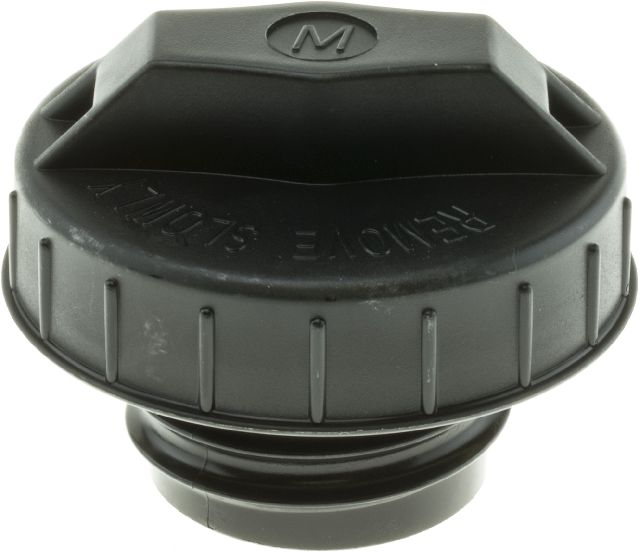
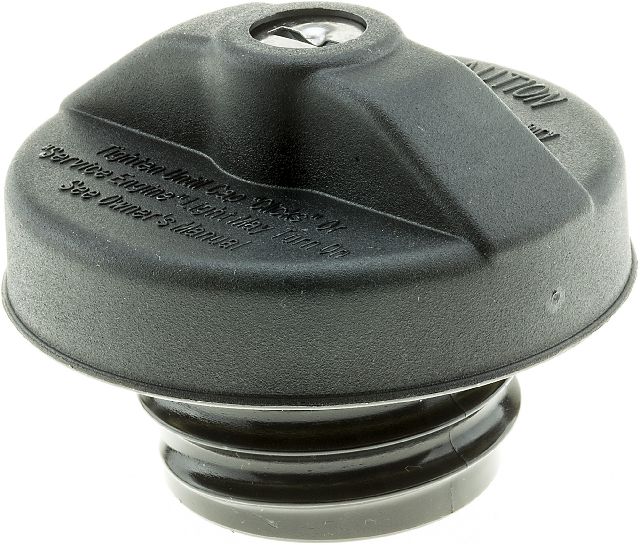
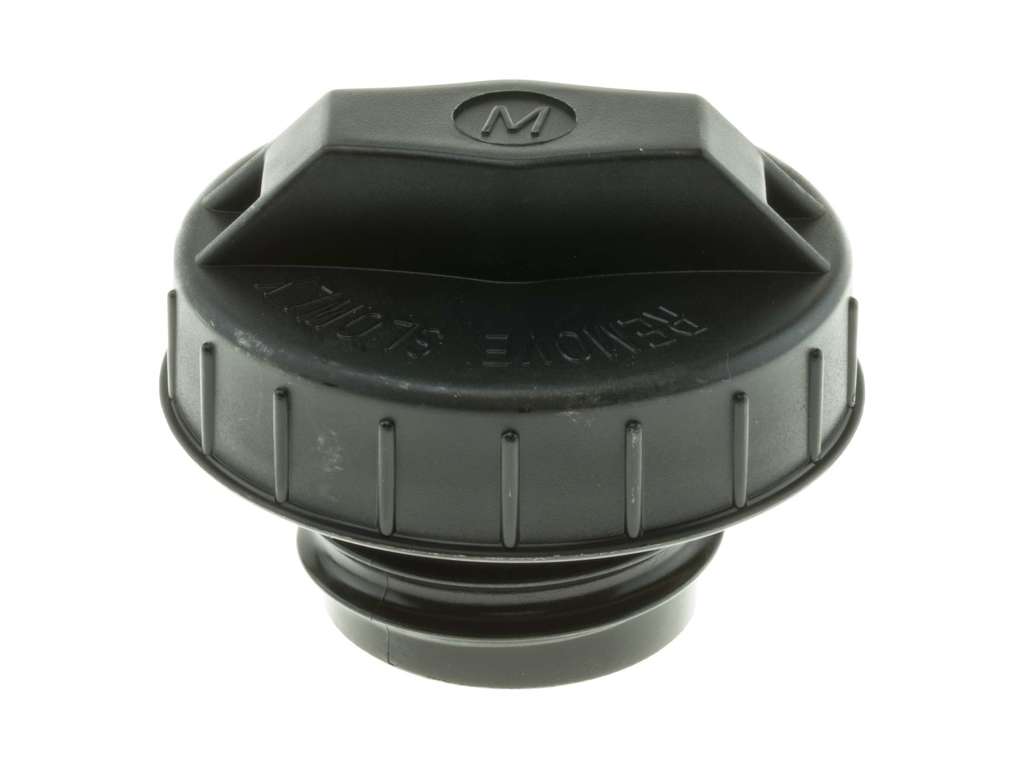
- Loose or Faulty Gas Cap 🔴 High Probability This is the most common cause on any vehicle due to user error (not tightening until it clicks) or the natural aging and cracking of the rubber seal. Many forum users report that cheap aftermarket caps fail to seal properly and recommend sticking with an OEM ACDelco cap to be certain.
How to confirm: Inspect the gas cap for any visible cracks on the cap or its rubber O-ring. Ensure it is tightened at least three clicks. If the seal is worn, replace it. A strong whoosh of air or fuel vapor smell when opening the cap can sometimes indicate the cap is sealing correctly and the problem lies elsewhere.
Typical fix: Tighten the cap or replace it with a new one. Using an OEM (ACDelco GT225) cap is highly recommended as some aftermarket caps do not seal properly.
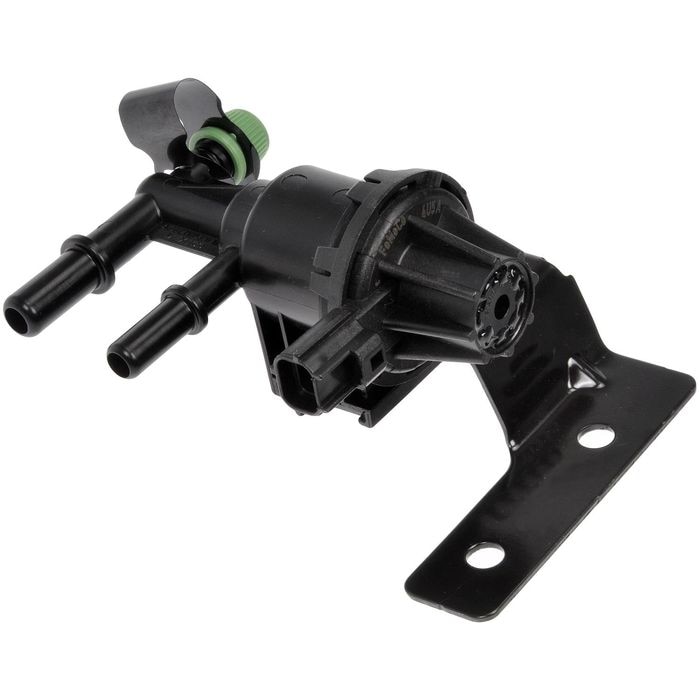
Est. part cost: $15-$30 - Failed EVAP Vent Solenoid/Valve 🔴 High Probability The vent solenoid is located in a vulnerable position near the spare tire, where it is exposed to road dirt and moisture, causing it to clog with grit and stick open. This is the most frequent failure on this platform after the gas cap.
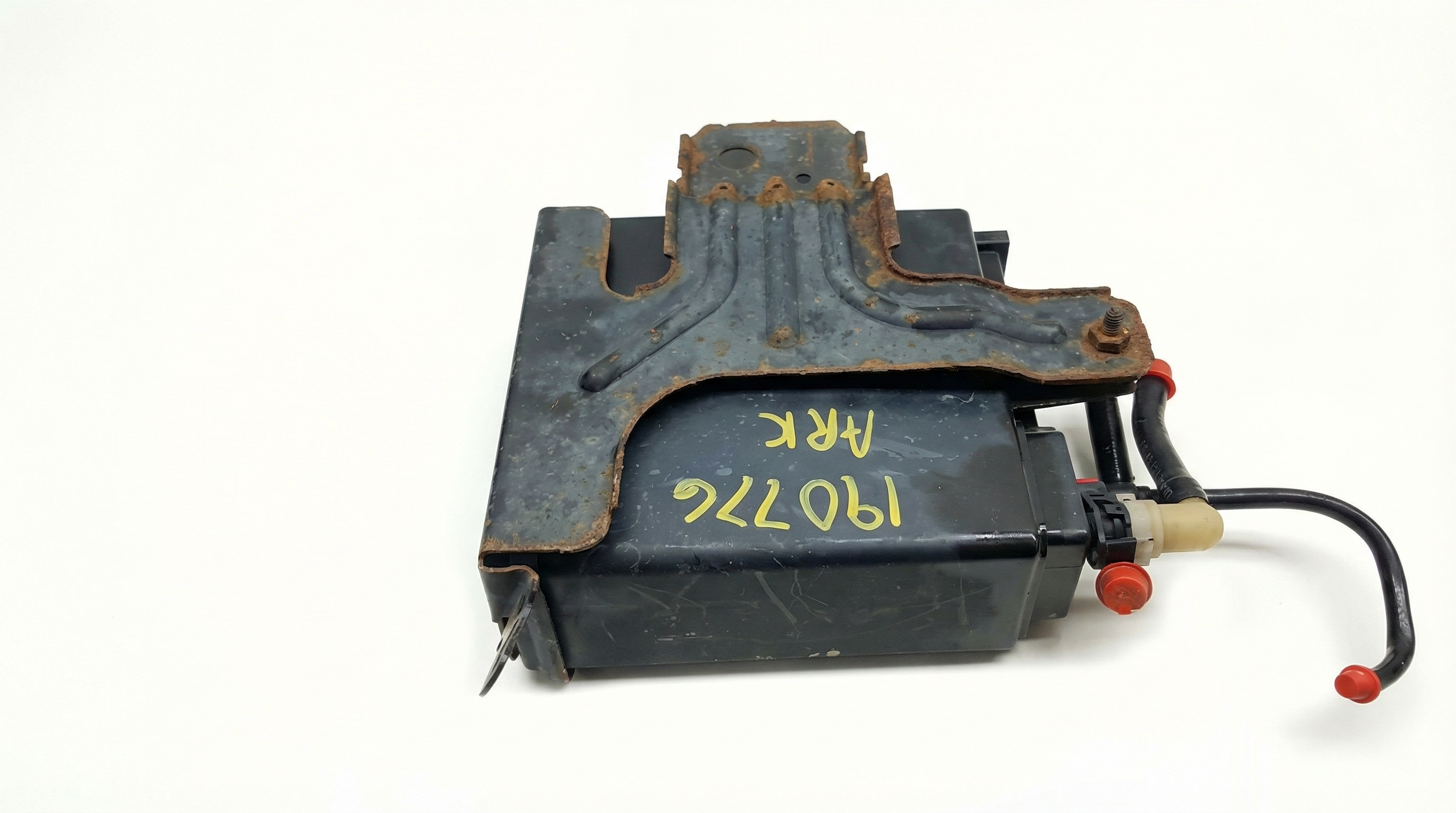
How to confirm: Locate the solenoid and charcoal canister assembly above the spare tire. Inspect it and its hoses for damage. A definitive diagnosis is done with a smoke test, which will show smoke exiting from the failed, stuck-open valve. You can also test it by removing it, applying 12V power to the two pins, and listening for a click; it should close and stop air from passing through.
Typical fix: Replace the EVAP vent solenoid. Many owners opt to also install a filter relocation kit (offered by brands like Dorman) to move the air intake to a cleaner location, like the top of the transmission bell housing, to prevent repeat failures.
Est. part cost: $30-$75 - Failed EVAP Purge Valve/Solenoid 🟡 Medium Probability While less common than the vent solenoid for a large leak code, the purge valve can fail by getting stuck open, creating a constant vacuum leak. A stuck purge valve is more likely to cause drivability issues like a rough idle.
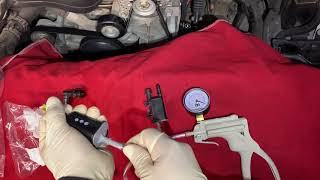
How to confirm: The purge valve is located on the engine's intake manifold. To test, disconnect it and start the engine. With the engine running, feel for vacuum at the port that connects to the charcoal canister; there should be none. If there is vacuum, the valve is stuck open and has failed.
Typical fix: Replace the purge valve solenoid. This is generally an easy repair with one bolt and two connections, taking only about 10 minutes.
Est. part cost: $25-$50 - Cracked or Disconnected EVAP Hoses ⚪ Low Probability Over time, the plastic and rubber hoses in the EVAP system can become brittle and crack, especially in harsh climates. A user on TahoeYukonForum found a cracked vacuum elbow at the PCV valve was the source of their P0455 after extensive searching.
How to confirm: A visual inspection may reveal obvious cracks or disconnected lines, particularly around the PCV valve and the lines running along the frame rail. However, smaller cracks are best found using a smoke test, which forces smoke through the system and makes any leaks visible.
Typical fix: Replace the damaged section of hose or the entire hose assembly. Small rubber elbows can often be replaced with a piece of generic fuel line.
Est. part cost: $10-$100
Rare But Worth Checking
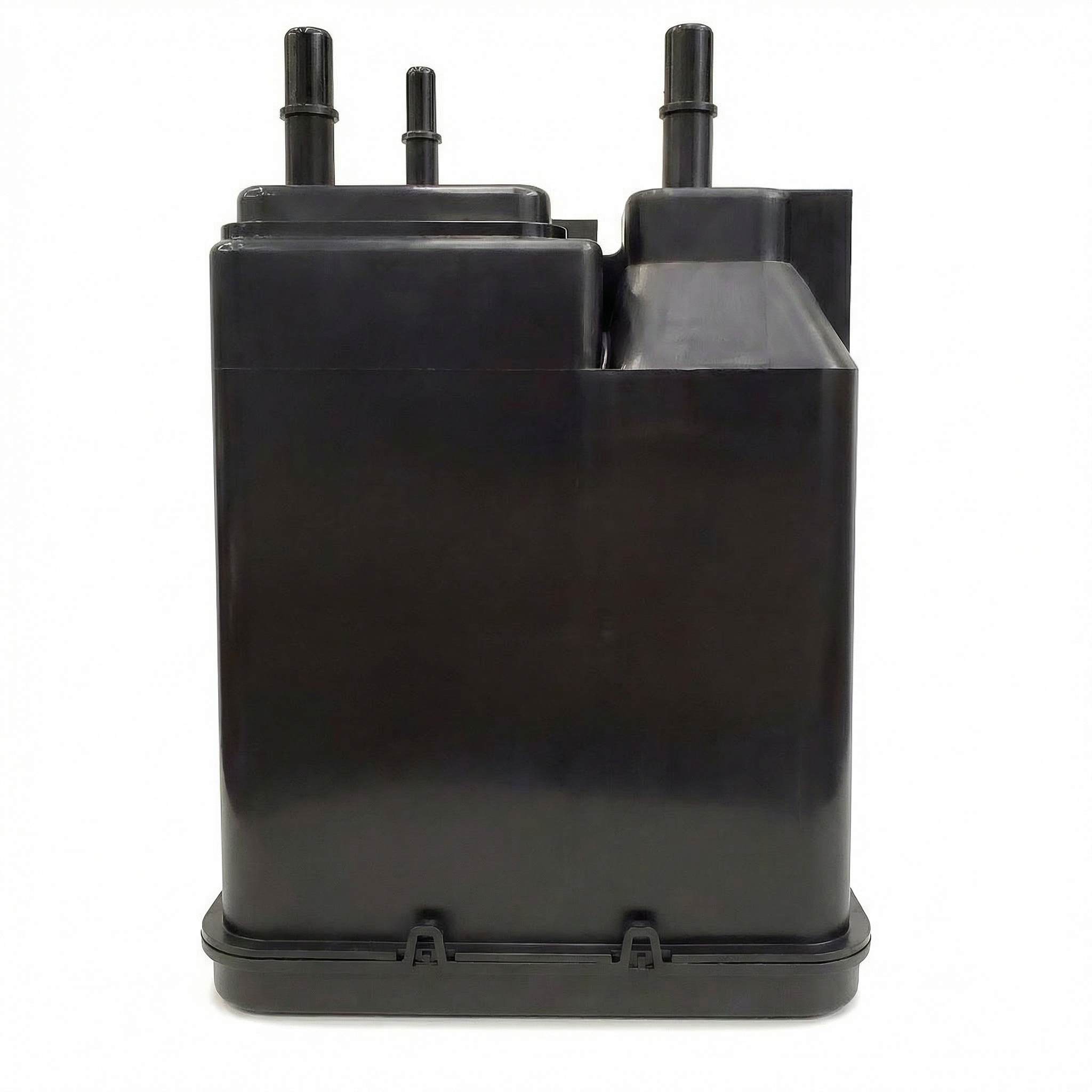
- Cracked Charcoal Canister: The plastic housing of the charcoal canister can develop cracks from age or impact, creating a large leak. This is often found during a smoke test if no other component appears to be leaking. In some cases, the canister can become saturated with fuel or leak charcoal pellets into the lines, requiring replacement.
- Damaged Fuel Filler Neck: Rust or physical damage to the fuel filler neck can prevent the gas cap from creating a proper seal, leading to a P0455 code even with a new cap. This is more common in regions that use road salt.
- Leaking Fuel Pump Module Gasket: A user on the Tahoe Yukon Forum reported that after replacing both valves and the canister, the P0455 was finally traced to a bad gasket on the fuel pump assembly, found with a smoke machine. This can happen if the fuel pump was replaced and the seal was not installed correctly.
Diagnosis Steps

- Retrieve the code with an OBD-II scanner.
- Inspect the gas cap. Ensure it is tight and the rubber seal is not cracked or worn. If in doubt, replace it with an OEM ACDelco cap, clear the code, and drive for a few days.
- If the code returns, perform a visual inspection of all accessible EVAP hoses between the engine and the fuel tank, looking for obvious cracks or disconnections. Pay special attention to the rubber elbows near the PCV valve on the intake manifold.
- Locate the EVAP vent solenoid and charcoal canister near the spare tire. Inspect it for physical damage or being packed with mud/dirt.
- The most effective next step is to perform a smoke test. Introduce smoke into the EVAP service port (often a green cap near the purge valve on the intake).
- Look for smoke exiting from the gas cap, vent solenoid, purge valve, charcoal canister, or any of the EVAP lines. The source of the smoke is the source of the leak.
- If smoke billows out of the vent solenoid, it has failed and needs to be replaced. You can confirm by commanding it closed with a capable scan tool and seeing if the smoke stops.
- If no leak is found, test the purge valve on the intake manifold to ensure it is holding vacuum when de-energized.
Parts You'll Likely Need

- EVAP Vent Valve Solenoid
(OEM #ACDelco 214-2149 (Supersedes 25932571, 10382105, 15750484).)— This is the most common failure point on the 2000-2007 Tahoe after the gas cap. Its exposed location leads to contamination and failure.
Trusted brands: ACDelco, Dorman (911-032), Standard Motor Products (CVS34)
OEM price range: $40-$60
Aftermarket price range: $30-$50 - Gas Cap
(OEM #ACDelco GT225)— A worn out or improperly tightened gas cap is the simplest and a very frequent cause of a P0455 code. Aftermarket caps are known to cause issues.
Trusted brands: ACDelco
OEM price range: $15-$30
Aftermarket price range: $10-$20 - EVAP Purge Valve Solenoid
(OEM #ACDelco 214-1680 (or GM 12597567))— This valve, located on the engine, can get stuck open and cause a large leak, though it's less common than the vent valve. Failure often leads to hard starting after refueling.
Trusted brands: ACDelco, Dorman (911-030)
OEM price range: $30-$50
Aftermarket price range: $20-$40
Related Codes That Often Appear With This One
- P0449 — This code specifically points to a fault in the EVAP vent solenoid control circuit. It often appears with P0455 because a malfunctioning vent solenoid is the direct cause of the large leak.
- P0442 — This code indicates a small EVAP leak. Sometimes a failing component can cause intermittent or varying leak sizes, triggering both small and large leak codes at different times. GM TSB 21-NA-124 addresses diagnostics for both P0442 and P0455.
Technical Service Bulletins (TSBs) & Recalls
- Bulletin #21-NA-124: Dated May 2021, this TSB provides diagnostic tips for technicians encountering P0442 (small leak) and/or P0455 (large leak). It advises a chronological investigation: 1) Check all EVAP line connections are seated. 2) Inspect lines for damage. 3) Investigate vent valve malfunction. 4) Investigate purge valve malfunction.
Platform-Specific Known Issues
- A complaint filed with the NHTSA for a 2007 Tahoe (ODI #10788868) mentioned recurring P0449 & P0455 codes despite replacing the purge and vent valves multiple times, indicating that sometimes the issue can be more complex than a simple part swap and may involve wiring or other system components.
- On TahoeYukonForum.com, a user with a 2005 Suburban chased a P0455 code, replacing the gas cap, vent solenoid, and purge valve. The issue was finally resolved by replacing the charcoal canister and both solenoids with ACDelco OEM parts, suggesting aftermarket parts were not effective.
- Another thread on TahoeYukonForum.com highlights a successful DIY fix where the owner removed the vent solenoid, cleaned out a large amount of dirt and grit by cycling it with a 12v source while blowing compressed air through it, which temporarily fixed the code before it later required replacement.
Mechanic-Grade Diagnostic Values
- EVAP Canister Purge Valve Resistance — expected: 30 to 38 ohms (when engine is cool). Failure: A reading outside this range indicates a faulty valve coil.
- EVAP Canister Vent Solenoid Resistance — expected: 48 to 65 ohms. Failure: Readings significantly higher or lower than this range suggest the solenoid coil is failing.
- Fuel Tank Pressure (FTP) Sensor Voltage — expected: Approximately 1.5 volts with the system at atmospheric pressure (key on, engine off, gas cap removed).. Failure: A voltage that is stuck high or low, or does not change when vacuum is applied during a system test, indicates a faulty sensor.
Scan Tool Commands That Help
- Tech2 / Professional Scan Tool: EVAP System Test (Purge/Seal) — This command seals the EVAP system by closing the vent valve and then opens the purge valve to draw a vacuum. The scan tool monitors the Fuel Tank Pressure (FTP) sensor to see if the system can achieve and hold a vacuum, which is the primary test the ECM runs to detect leaks.
- Tech2 / Professional Scan Tool: Vent Solenoid Valve Command — This bidirectional control allows a technician to manually command the vent solenoid to close (it is normally open). This is critical during a smoke test to seal the system and force smoke to exit from any leaks. If smoke stops exiting the vent filter when commanded closed, the solenoid's electrical circuit is likely working.
Wiring & Ground Locations
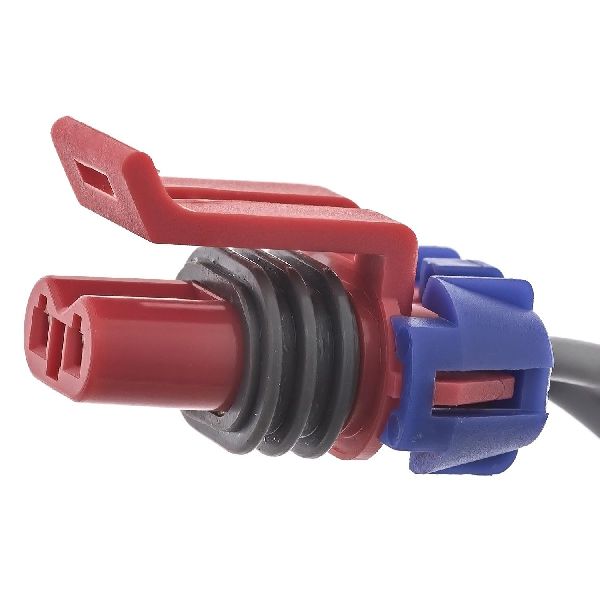
- EVAP Vent Solenoid Connector — At the EVAP vent solenoid, located above the spare tire near the charcoal canister.. The two-wire connector or its wiring can corrode due to its exposed location, causing a loss of power or control signal to the vent valve, which can prevent it from closing and lead to a P0455. One owner found a wire had corroded and broken right at the connector.
- G203 — Near the base of the left (driver's side) 'A' pillar, behind the kick panel.. This is a major interior ground point for multiple components, including modules that communicate with the PCM. While not a direct cause, a poor ground here can create various electrical issues that could potentially interfere with system tests.
- EVAP Purge Valve Connector — On the EVAP purge valve, located on the top of the engine's intake manifold.. A loose or corroded connection here will prevent the purge valve from operating. If the PCM cannot command the purge valve to open, it cannot draw a vacuum on the tank to test for leaks, which can sometimes result in a P0455 code being set.
Real Owner Repair Stories
- Tahoe Yukon Forum (2007 Chevrolet Tahoe) — Check Engine Light with P0455. The gas cap looked fine.
❌ Tried (didn't work) Replacing the gas cap, Replacing the EVAP canister/solenoid assembly near the spare tire
✅ What actually fixed it The issue was finally resolved by replacing the EVAP Purge Valve located on the engine intake manifold. - Tahoe Yukon Forum (2005 Chevrolet Tahoe) — Check Engine Light with P0455 and 'tighten gas cap' message.
❌ Tried (didn't work) A 45-minute smoke test that revealed no leaks in the EVAP system (canister, lines, filler neck).
✅ What actually fixed it The owner found a cracked vacuum elbow at the PCV valve on the engine intake. This was allowing unmetered air into the intake, which the EVAP test interpreted as a system leak. Replacing the small rubber elbow with a piece of 5/16" fuel line resolved the code. - Chevrolet Forum (Unknown Year Tahoe/Suburban) — Recurring P0455 code, hard starting after refueling, fuel pump nozzle cutting off during fill-ups.
❌ Tried (didn't work) Replacing the gas cap, Replacing the purge solenoid, Replacing the charcoal canister, Replacing the vent valve solenoid
✅ What actually fixed it The user reported that a smoke test found no leaks, but a technician suggested the issue could be a faulty Fuel Tank Pressure (FTP) sensor giving a false reading, or a blocked vacuum line to the purge solenoid, preventing the system from pulling a vacuum during its self-test. The final fix was not posted, but these were the next diagnostic steps beyond replacing all common parts.
"I Checked Everything" — The Actual Cause
- In one documented case for a 2005 Tahoe, a smoke test of the EVAP system from the service port back to the tank showed no leaks. The actual cause was a cracked rubber vacuum elbow on the PCV valve, located on the engine's intake manifold. The EVAP monitor test pulls a vacuum on the tank using engine vacuum; if there's a significant vacuum leak at the manifold itself, the system may not be able to pull the tank down to the target pressure, falsely flagging it as a large EVAP leak.
- A P0455 can be set even with a perfectly sealed system if the purge solenoid is stuck closed or not opening when commanded. The ECM diagnoses a large leak because when it commands the purge valve to open and pull a vacuum on the tank, the fuel tank pressure doesn't drop. Since the ECM can't physically see the valve is stuck, it assumes the pressure isn't dropping because of a massive leak. This can be diagnosed with a scan tool by commanding the purge valve to open while monitoring engine RPM or by testing vacuum flow at the valve itself.
OEM Part Supersession History
10382105, 15750484, 25932571→ACDelco 214-2149— Part consolidation and design updates over the model years.
Heads up: The connector style can vary by model year. Some aftermarket replacement kits come with a pigtail adapter to fit either the early or late style harness connector.
Model Year Variations Within This Range

- 2000-2006 (GMT800): These models use a two-piece headlight assembly and have less pronounced fender flares. They consistently use the 4-speed 4L60E/4L65E transmission and do not have Active Fuel Management (AFM). The EVAP vent solenoid is typically part number ACDelco 214-2149.
- 2007 (GMT900): The 2007 model year marked the switch to the GMT900 platform, featuring a one-piece headlight assembly, a more refined interior, and the introduction of Active Fuel Management (AFM) on the 5.3L V8. While many EVAP components are similar, some part numbers changed. For example, some sources list a different vent solenoid for the 2007+ models (e.g., ACDelco 214-2240), so verifying the correct part for the specific vehicle is crucial.
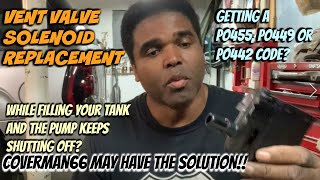
Helpful Videos
Used OEM Parts in Stock

New Aftermarket Parts Available


The information in this article is provided for general reference and educational purposes only. Vehicle specifications, procedures, and part compatibility can vary by production date, trim level, and region. Always consult your vehicle's factory service manual and verify part numbers before purchasing or performing repairs. Safety-critical components such as airbags, seat belts, and braking systems should be installed by a qualified professional.
- Chevrolet TAHOE:
- 🎬 Helpful Videos
- 🛍️ Shop This Part
- What's Unique About the 2000-2007 Chevrolet TAHOE
- Diagnostic Flowchart
- Symptoms You May Notice
- Most Likely Causes
- Rare But Worth Checking
- Diagnosis Steps
- Parts You'll Likely Need
- Related Codes That Often Appear With This One
- Technical Service Bulletins (TSBs) & Recalls
- Platform-Specific Known Issues
- Mechanic-Grade Diagnostic Values
- Scan Tool Commands That Help
- Wiring & Ground Locations
- Real Owner Repair Stories
- "I Checked Everything" — The Actual Cause
- OEM Part Supersession History
- Model Year Variations Within This Range
- 🎟️ Get 5% Off