

P0455 on 2012-2019 Chevrolet Suburban: EVAP Gross Leak Causes and Fixes
P0455 on a Chevy Suburban indicates a large leak in the fuel vapor (EVAP) system. The most common and cheapest fix is tightening or replacing a faulty gas cap. If the light returns, the next most likely causes are a failed EVAP purge valve (on the engine) or vent valve (near the fuel tank). For 2015+ models with a capless fuel filler, the filler door seal itself can be the cause.
- P0455 indicates a large leak in the EVAP system and is not a critical threat to your engine's health.
- Always start your diagnosis with the simplest and most common fix: check that the gas cap is tight and its seal is intact.
- A fuel smell or difficulty starting the engine right after getting gas are strong clues that point towards a faulty purge valve or a leak in the filler neck.
- If a new gas cap doesn't solve the problem, the purge valve (on the engine) and the vent valve (near the tank) are the next parts to inspect.
- For hard-to-find leaks, a professional smoke test is the most efficient way to pinpoint the exact source, saving you from replacing unnecessary parts.
What's Unique About the 2012-2019 Chevrolet SUBURBAN

This year range covers two Suburban generations, the GMT900 (2012-2014) and the K2XX (2015-2019). While the EVAP system components are similar, their locations can differ. A notable issue for the 2014 models, as cited in GM Technical Service Bulletin #15-NA-019, is a fractured fuel filler neck that can cause a fuel odor and trigger this code. For all years, the gas cap, purge valve, and vent valve remain the most frequent failure points. The K2XX generation introduced a capless fuel filler system on some models, which can also be a source of leaks if the flap doesn't seal correctly.
Diagnostic Flowchart
Tap your situation to follow the diagnostic path that matches what you're seeing on this vehicle.
Generation note: This range covers the end of the 10th generation (2012-2014, GMT900 platform) and the 11th generation (2015-2019, K2XX platform). The EVAP vent solenoid location differs between generations; on many GMT900 trucks, it's near the spare tire, often attached to the charcoal canister. On K2XX models, it can be under the driver's side door area, mounted to the frame rail. Part numbers for components like the gas cap and solenoids also vary. The 2015+ K2XX models may feature a capless fuel system, making the filler neck flap a potential leak point instead of a traditional cap.
Symptoms You May Notice
- Check Engine Light is on
- A noticeable fuel odor, especially after filling the tank or while idling.
- A "Tighten Fuel Cap" message may appear on the driver information center (DIC).
- Difficulty starting the vehicle immediately after refueling (a classic sign of a stuck-open purge valve).
- Slight decrease in fuel economy or engine performance, such as hesitation or feeling like it's 'searching for a gear'.
- Replacing the charcoal canister when the actual problem is a less expensive vent solenoid attached to it.
- Repeatedly replacing the gas cap when the leak is elsewhere in the system, such as a purge or vent valve.
- Replacing parts without performing a smoke test, which can pinpoint the exact location of the leak quickly and accurately.
Most Likely Causes

- Loose, Damaged, or Incorrect Gas Cap (or Capless Filler Fault) 🔴 High Probability This is the most common cause for a P0455 code on any vehicle, as the cap's seal can degrade over time or the cap can be left loose. For 2015+ models, the spring-loaded capless filler door can get dirt in the seal or fail to close properly, creating a leak.
How to confirm: For gas caps, ensure it clicks at least three times when tightened. Inspect the rubber O-ring for cracks, stiffness, or debris. For capless systems, inspect the filler opening for debris and ensure the flap seals tightly. A temporary fix to test a gas cap seal is to wrap it with plastic wrap to see if the code disappears after a few drive cycles.
Typical fix: Tighten the cap. If the seal is visibly damaged or you are using a non-OEM cap, replace it with a new one from a reputable brand like ACDelco. For capless systems, clean the sealing surface. If the problem persists, the filler neck assembly may need replacement.
Est. part cost: $15-$40 - Faulty EVAP Canister Purge Valve 🟡 Medium Probability This solenoid, located on the engine's intake manifold, cycles frequently and can become stuck open, creating a constant vacuum leak. A stuck-open purge valve is a very common cause of hard starting after a fill-up.
How to confirm: With the engine off, remove the valve and try to blow through it. It is a normally-closed valve, so if air passes through, it is defective. One owner of a similar GM vehicle confirmed this fixed their P0455 after the light only came on after fill-ups.
Typical fix: Replace the purge valve solenoid. This is typically an easy 10-minute repair in the engine bay requiring an 8mm or 10mm socket.
Est. part cost: $25-$75 - Faulty EVAP Canister Vent Valve/Solenoid 🟡 Medium Probability Located under the vehicle, this valve is exposed to road grime, moisture, and dirt, which can cause it to stick open and prevent the system from sealing for its self-test. Dirt can clog the valve, causing it to fail.
How to confirm: This valve is normally open and should close when 12 volts are applied. A scan tool can command it closed to test functionality. A smoke test is the most reliable way to confirm if it's leaking. Sometimes, tapping on it can temporarily un-stick it.
Typical fix: Replace the vent valve solenoid. Access often requires lowering the spare tire on GMT900 models. On K2XX models, it's often more accessible on the frame rail.
Est. part cost: $40-$100 - Cracked or Disconnected EVAP Hoses ⚪ Low Probability Rubber and plastic hoses can become brittle and crack over time, especially in the engine bay due to heat or near the canister due to weather exposure. Connections can also become loose.
How to confirm: A visual inspection may reveal obvious cracks or disconnected lines. The most effective method is a smoke test, which forces smoke through the system and makes leaks visible. TSB 21-NA-124 emphasizes checking all line connections first.
Typical fix: Replace the damaged section of hose or reconnect it securely.
Est. part cost: $10-$50 - Fractured Fuel Filler Neck ⚪ Low Probability As noted in TSB #15-NA-019 specifically for 2014 models, the fuel filler neck can develop a fracture, causing a fuel odor and a large EVAP leak. [NHTSA]
How to confirm: A visual inspection of the filler neck (the pipe you put the gas nozzle into) may reveal cracks. A smoke test will show smoke escaping from the fracture.
Typical fix: Replacement of the fuel filler neck assembly.
Est. part cost: $100-$250
Rare But Worth Checking
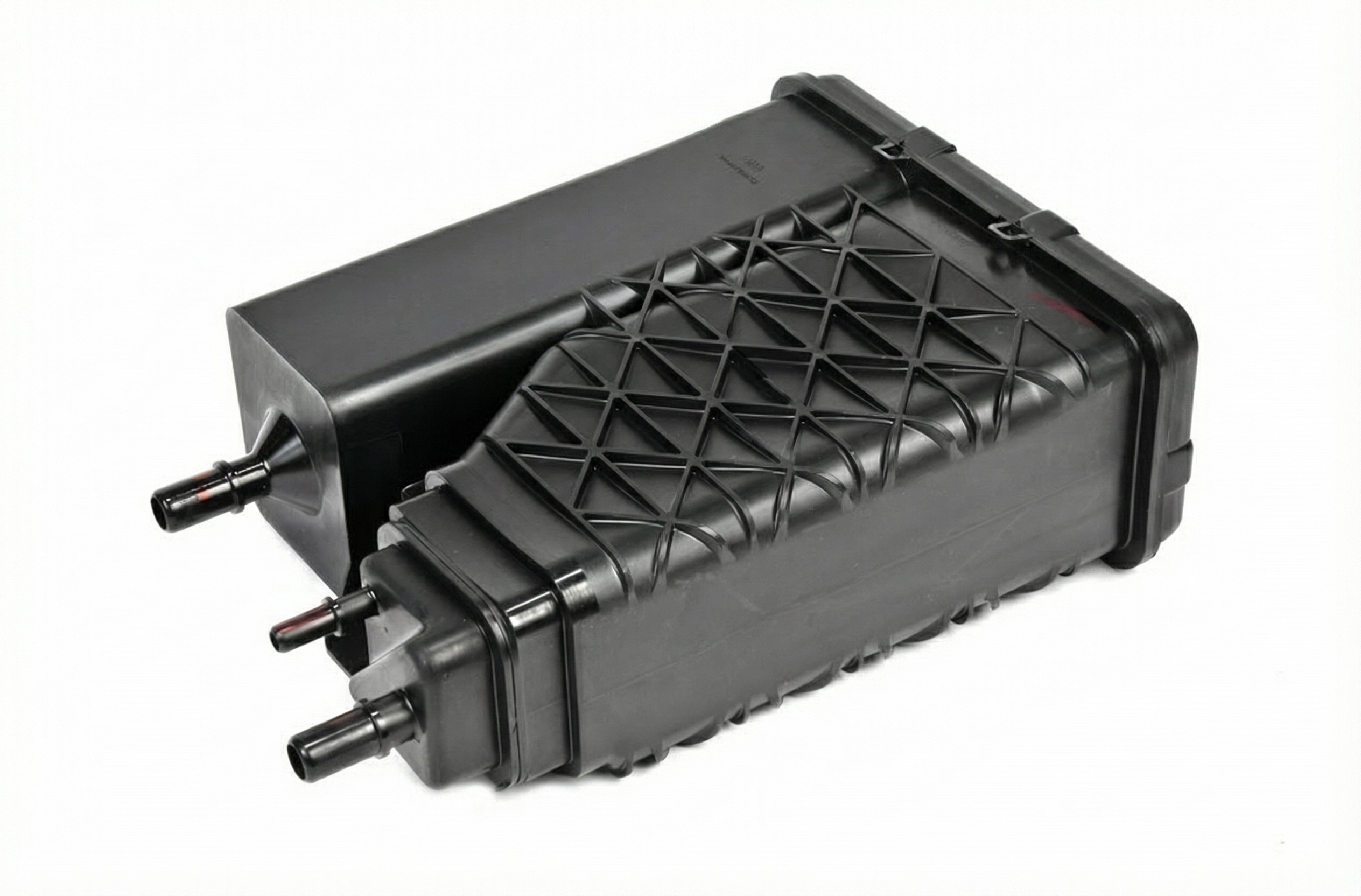
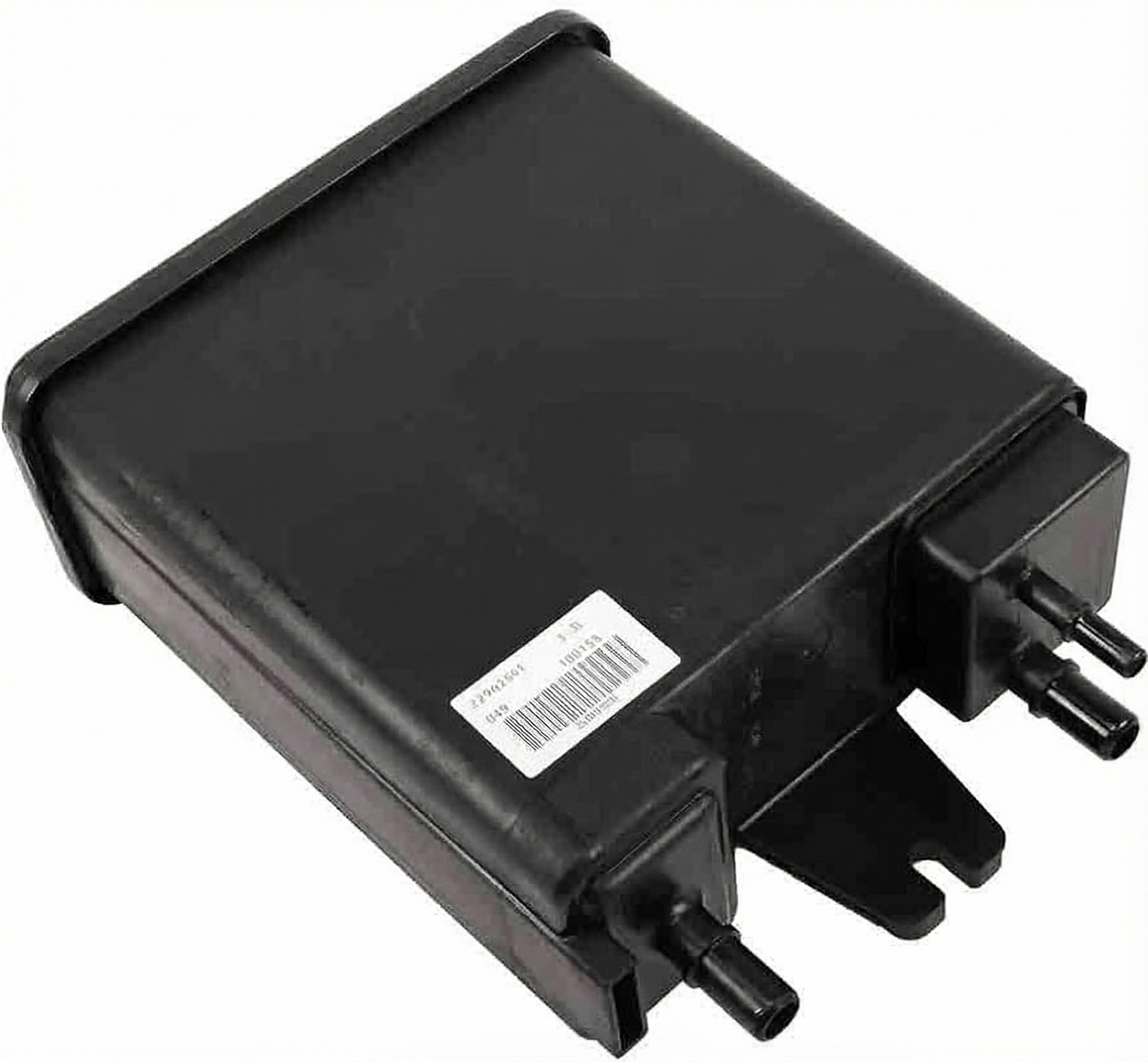
- Cracked Charcoal Canister: The plastic housing of the charcoal canister can be damaged by road debris or become brittle with age, causing a leak. This is usually found during a smoke test. Sometimes charcoal bits can break loose and clog the vent solenoid or lines.
- Faulty Fuel Tank Pressure Sensor: While uncommon for this code, the sensor that monitors EVAP system pressure can fail, sending incorrect data to the computer and falsely triggering the code. This usually sets other codes as well, such as P0452.
- Chewed or Damaged Wiring Harness: Rodents can chew through the wiring for the vent or purge solenoids, preventing them from operating. Wires can also chafe against the frame or other components, causing an open or short circuit. This can sometimes be intermittent.
Diagnosis Steps

- Check the gas cap (or capless filler). Ensure it is tight and the seal is not cracked or worn. If in doubt, replace it with an OEM part, clear the code, and drive for a few days.
- Perform a thorough visual inspection of all accessible EVAP hoses in the engine bay and under the vehicle near the fuel tank. Look for any obvious cracks, breaks, or loose connections. Per TSB 21-NA-124, checking connections should be the first step after the gas cap.
- Inspect the EVAP purge valve on the engine. Disconnect it and check if it's stuck open by trying to blow through it. It should be closed with no power.
- Inspect the EVAP vent valve near the charcoal canister. Check for visible damage or a clogged filter box. These are known to get stuck open from dirt and debris.
- Use a capable OBD-II scan tool to command the EVAP vent valve to close and the purge valve to open. Monitor the fuel tank pressure (FTP) sensor data. If the system cannot build a vacuum, a large leak is present.
- If the simple checks do not reveal the issue, the most effective next step is to have a professional smoke test performed. This test fills the EVAP system with a harmless, UV-dyed smoke, making even the smallest leaks easy to spot.
Parts You'll Likely Need

- Fuel Tank Cap
(OEM #ACDelco GT360 (for 2012-2014 models with cap))— This is the most frequent cause of P0455. The seal wears out or the cap is not tightened properly, creating a large leak.
Trusted brands: ACDelco, Stant
OEM price range: $25-$40
Aftermarket price range: $15-$25 - EVAP Canister Purge Valve/Solenoid
(OEM #ACDelco 214-2149 (or 12610560) for GMT900; ACDelco 12690512 for K2XX)— This valve gets stuck open, causing a constant leak and often leading to hard starting after refueling.
Trusted brands: ACDelco, Dorman, Duralast
OEM price range: $40-$70
Aftermarket price range: $25-$50 - EVAP Canister Vent Valve/Solenoid
(OEM #ACDelco 214-2324 (or 19207763) for GMT900; ACDelco 23103351 for K2XX)— This valve is exposed to the elements under the truck and can get stuck open from dirt and corrosion, preventing the system from sealing.
Trusted brands: ACDelco, Dorman, Standard Motor Products
OEM price range: $50-$110
Aftermarket price range: $30-$70
Related Codes That Often Appear With This One
- P0442 — This code indicates a small EVAP leak. It can appear alongside P0455 if the system has multiple leaks of different sizes or if the computer's leak detection threshold varies.
- P0449 — This code points specifically to a fault in the EVAP vent valve solenoid circuit. A failing vent valve can cause both a circuit code (P0449) and a leak code (P0455).
- P0496 — This code indicates 'EVAP Flow During a Non-Purge Condition,' which almost always points to a purge valve that is stuck open. A stuck-open purge valve is a large leak, which will also trigger P0455.
Technical Service Bulletins (TSBs) & Recalls
- 21-NA-124: Diagnostic tips for testing EVAP leaks causing P0442 or P0455. Recommends checking connections, then vent valve, then purge valve.
- 15-NA-019: Addresses fuel odor and P0455/P0442 codes that may be caused by a fractured fuel filler neck on 2014 models. [NHTSA]
Platform-Specific Known Issues
- TSB #15-NA-019 documents a potential for a fractured fuel filler neck on 2014 models, which can cause a fuel odor and set P0455. [NHTSA]
- TSB #21-NA-124 provides diagnostic tips for finding EVAP leaks related to both P0455 (large leak) and P0442 (small leak), emphasizing the importance of checking all system connections before replacing parts.
- Real Owner Experience: A user on TahoeYukonForum chased an intermittent P0455 for 8 months, getting 'Tighten Gas Cap' messages. After two dealer visits failed to find the issue, they replaced the purge solenoid themselves, which finally solved the problem.
Mechanic-Grade Diagnostic Values
- Fuel Tank Pressure (FTP) Sensor Voltage — expected: Normal signal range is between 0.5 and 4.5 volts. With the system sealed and vacuum applied by the purge valve, the voltage should drop and hold steady.. Failure: Voltage that is stuck high (e.g., near 5V) or low (near 0V) can indicate a faulty sensor or wiring, triggering codes like P0452 or P0453. If the voltage doesn't change when a vacuum is commanded, it indicates a large leak (P0455) or a faulty sensor.
- EVAP Purge Valve Solenoid Resistance — expected: Approximately 36 ohms at 55-60°F. The resistance value will vary with temperature.. Failure: An open circuit (infinite resistance) or a very high reading indicates a failed solenoid coil.
- EVAP System Test Run Conditions — expected: The ECM will only run the EVAP monitor test when specific conditions are met.. Failure: Conditions include: ignition voltage between 10-18 volts, fuel level between 15-85%, engine coolant temp at startup between 4-30°C (39-86°F), and barometric pressure over 75 kPa. Failure to meet these conditions will prevent the code from clearing even if the fix is correct.
Scan Tool Commands That Help
- GDS2 / High-End Scan Tool (e.g., Autel): EVAP System Test / Seal System — This is a primary diagnostic function. The tool commands the vent valve to close and the purge valve to open, applying engine vacuum to the EVAP system. It then seals the system and monitors the FTP sensor to see if the vacuum holds. A rapid loss of vacuum confirms a large leak is present.
- GDS2 / High-End Scan Tool (e.g., Autel): Vent Valve Control — Used during a smoke test to manually command the normally-open vent valve to close. This seals the system from the atmospheric vent, allowing the smoke to pressurize the system and reveal leaks. If smoke exits the vent valve filter with the valve commanded closed, the valve is faulty.
Wiring & Ground Locations
- Frame Grounds (K2XX) — On the frame right behind both front wheels for 2015-2019 models.. This is a notoriously bad location that gets hit with road spray, leading to corrosion. A bad ground here can cause intermittent or total failure of the vent solenoid, which relies on a good ground to operate correctly, leading to EVAP codes.
- Firewall Ground — On the driver's side firewall in the engine bay, often connected with a ground strap.. This is a major ground point for many engine bay components. While not specific to one EVAP part, poor connection here can cause a host of electrical issues, including erratic sensor readings or solenoid function.
- EVAP Fuse (K2XX) — In the underhood fuse block for 2015-2020 models.. Before replacing components, checking the fuse for the EVAP system is a crucial first step to rule out a simple electrical supply issue.
Real Owner Repair Stories
- Reddit user r/MechanicAdvice (2004 Chevy Colorado (similar GM EVAP system)) — P0455 code, Check Engine Light on.
❌ Tried (didn't work) Replacing the gas cap.
✅ What actually fixed it After a smoke test, smoke was observed coming from the top of the fuel tank. A borescope revealed the leak was from the fuel pump module area, likely a bad seal or a cracked line on the module itself. This required dropping the fuel tank for access and repair. - YouTube channel 'ScottTheFixItGuy' (2004 GMC Yukon (mechanically identical to Suburban)) — P0455 code, and a loud 'whoosh' of pressure releasing when opening the gas cap.
❌ Tried (didn't work) Initially suspected the gas cap, but the pressure release proved the cap was sealing correctly.
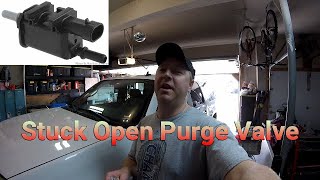
✅ What actually fixed it The pressure buildup indicated the system was not venting properly. The cause was a faulty (stuck) EVAP purge valve solenoid on the engine. Replacing this part, which was an easy 10-minute job with an 8mm socket, resolved the code.
"I Checked Everything" — The Actual Cause
- A faulty Fuel Tank Pressure (FTP) sensor can send incorrect voltage readings to the ECM, causing it to believe a large leak exists when the system is perfectly sealed. The system would pass a smoke test, but the code would persist until the sensor is replaced.
- If the EVAP purge valve is stuck closed, the system will be sealed and pass a smoke test. However, it will fail the ECM's diagnostic test because it cannot draw a vacuum when commanded. The key symptom here is often a noticeable pressure release when opening the gas cap after driving.
When the Usual Fixes Don't Work
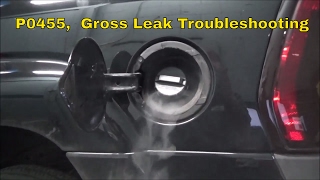
- While a loose gas cap is the most common cause, a counter-intuitive symptom can point away from it. If you open the gas cap and hear a loud, prolonged 'whoosh' of pressure escaping, it's a strong indication that the cap is sealing correctly and the system is unable to vent, often due to a stuck-closed purge valve on the engine. In this case, replacing the gas cap would be a misdiagnosis.
OEM Part Supersession History
12610560, 12661763, 12690512→GM 12737252— This is the supersession trail for the EVAP Canister Purge Valve on many K2XX (2015+) models. Using the latest part number ensures you have the most recent revision.10357992, 15077742, 15138619, 19152349→GM 19207763— This shows the long history of revisions for the EVAP Canister Vent Valve on many GMT900 (2012-2014) models, indicating multiple design updates to improve reliability.
Model Year Variations Within This Range
- 2015-2019 (K2XX Platform): The ground points on the frame behind the front wheels are a known weak point for corrosion, which can affect the EVAP vent solenoid circuit. The purge valve part number is different from the previous generation, with the current replacement being GM #12737252.
- 2012-2014 (GMT900 Platform): The EVAP vent solenoid is typically located near the spare tire, attached to the charcoal canister. TSB #15-NA-019 specifically calls out the 2014 model year for potential fuel filler neck fractures causing P0455. [NHTSA]
Helpful Videos
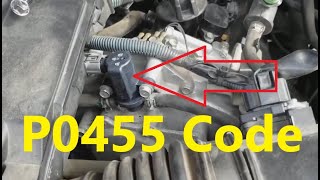
Used OEM Parts in Stock


New Aftermarket Parts Available

The information in this article is provided for general reference and educational purposes only. Vehicle specifications, procedures, and part compatibility can vary by production date, trim level, and region. Always consult your vehicle's factory service manual and verify part numbers before purchasing or performing repairs. Safety-critical components such as airbags, seat belts, and braking systems should be installed by a qualified professional.
- Chevrolet SUBURBAN:
- 🎬 Helpful Videos
- 🛍️ Shop This Part
- What's Unique About the 2012-2019 Chevrolet SUBURBAN
- Diagnostic Flowchart
- Symptoms You May Notice
- Most Likely Causes
- Rare But Worth Checking
- Diagnosis Steps
- Parts You'll Likely Need
- Related Codes That Often Appear With This One
- Technical Service Bulletins (TSBs) & Recalls
- Platform-Specific Known Issues
- Mechanic-Grade Diagnostic Values
- Scan Tool Commands That Help
- Wiring & Ground Locations
- Real Owner Repair Stories
- "I Checked Everything" — The Actual Cause
- When the Usual Fixes Don't Work
- OEM Part Supersession History
- Model Year Variations Within This Range
- 🎟️ Get 5% Off