

P0455 on 2016-2022 Chevrolet Spark: EVAP Large Leak Causes and Fixes
The P0455 code on a 2016-2022 Chevy Spark indicates a large leak in the evaporative emissions (EVAP) system. The most common and cheapest fix is to check and tighten the gas cap. If that doesn't work, replacing the gas cap is the next logical step, costing around $15-$30. If the code persists, the purge or vent solenoid valves are the next most likely culprits.
- P0455 means your Chevy Spark has a large leak in the fuel vapor recovery system.
- Always check your gas cap first. Make sure it's tight and the seal is intact. This is the most common and cheapest fix.
- If a new gas cap doesn't solve the issue, the next most likely culprits are the EVAP purge valve (in the engine bay) or the vent valve (near the fuel tank).
- While you can continue to drive the car, you will not pass an emissions test until the leak is fixed.
- For hard-to-find leaks, a professional smoke test is the most reliable diagnostic method.
What's Unique About the 2016-2022 Chevrolet SPARK

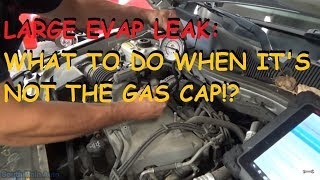
For the 2016-2022 Chevrolet Spark (M400 generation), the P0455 code doesn't point to a single, notoriously faulty part. 🎬 Watch: What to check when it's not the gas cap. Instead, like many modern GM vehicles, it requires a systematic diagnosis. A manufacturer-issued service bulletin for this platform, #21-NA-124, provides a clear diagnostic flow for finding leaks, suggesting that the cause can vary and requires proper testing rather than just replacing one specific component. On related platforms like the Chevy Sonic, confusion can arise from multiple similarly named parts (e.g., two purge valves), leading to misdiagnosis if the technician isn't careful.
Diagnostic Flowchart
Tap your situation to follow the diagnostic path that matches what you're seeing on this vehicle.
Symptoms You May Notice
- Check Engine Light is on
- A faint to strong smell of fuel, particularly around the rear of the car or after refueling.
- In rare cases, if the purge valve is stuck open, it can create a vacuum leak that leads to rough idling or difficulty starting, especially after refueling.
- The code may appear intermittently, sometimes clearing on its own after a few drive cycles only to return later, which can be frustrating for diagnosis.
- Replacing the oxygen (O2) sensors. O2 sensors are not part of the EVAP system and will not cause a P0455 code.
- Replacing the fuel pump. While a faulty fuel tank pressure sensor (often part of the fuel pump module) can cause EVAP codes, it's less common for a large leak and usually has its own specific codes (e.g., P0451-P0454).
- Replacing the wrong purge valve. On some related GM platforms, there can be more than one valve in the EVAP system. A user on a Chevy Sonic forum reported a shop replaced a valve near the fuel tank when the actual failed part was the purge solenoid in the engine bay.
Most Likely Causes


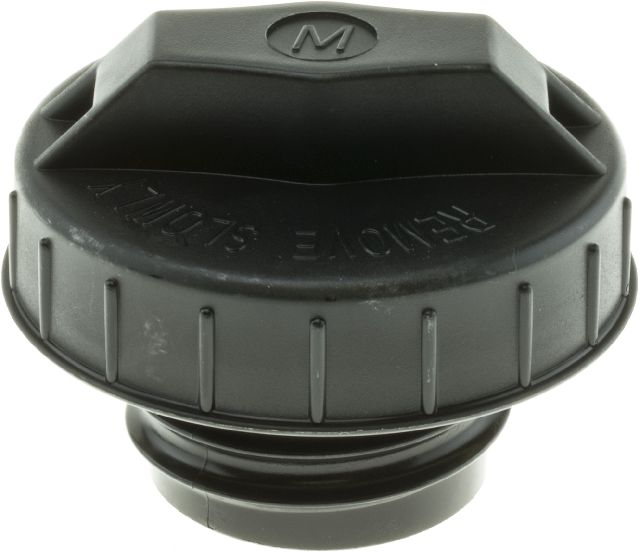
- Loose, Damaged, or Incorrect Gas Cap 🔴 High Probability The gas cap is the most frequently handled part of the emissions system, and its seal can wear out or it can simply be left loose after refueling. This is the most common cause for a P0455 code on almost any vehicle, accounting for over 50% of cases in some analyses.
How to confirm: Ensure the gas cap is tightened until it clicks multiple times. Inspect the rubber O-ring on the cap for cracks, stiffness, or damage. A user on a GMTNation forum fixed their persistent P0455 code by simply replacing the cap due to a bad seal.
Typical fix: Tighten or replace the fuel filler cap.
Est. part cost: $15-$40 - Faulty EVAP Purge Solenoid Valve 🟡 Medium Probability The purge valve (often located in the engine bay) controls the flow of fuel vapors to the engine and is a common failure point on many GM vehicles. It can get stuck open, causing a leak, or stuck closed, which prevents the system from drawing a vacuum during its self-test, also triggering a P0455.
How to confirm: With the engine off, disconnect the valve and try to blow through it. If air passes through, it's stuck open. A scan tool can command the valve to open and close; you should hear it click and see a change in system pressure.
Typical fix: Replace the vapor canister purge solenoid valve.
Est. part cost: $30-$70 - Faulty EVAP Vent Solenoid Valve 🟡 Medium Probability This valve, located near the charcoal canister under the car, is responsible for sealing the EVAP system for pressure testing. It can get stuck open due to dirt and debris from its exposed location, preventing the system from sealing and holding pressure.
How to confirm: The vent valve is normally open. When 12V is applied, it should close completely. If it doesn't close or is stuck open without power, it has failed. A diagnostic scan tool can also command it to close for testing, which should allow the system to be smoke tested effectively.
Typical fix: Replace the canister vent solenoid valve.
Est. part cost: $40-$80 - Cracked or Disconnected EVAP Hoses ⚪ Low Probability Over time, the rubber and plastic hoses in the EVAP system can become brittle from heat and age, leading to cracks and leaks. TSB #21-NA-124 specifically calls out checking for unseated or damaged tube connections as a primary step.
How to confirm: A visual inspection may reveal obvious cracks or disconnected lines, especially at connection points. However, smaller cracks are best found using a smoke test. In one documented case on a similar GM platform, a persistent P0455 was only resolved after discovering and replacing a cracked vapor line that was missed during initial diagnosis.
Typical fix: Replace the damaged section of hose.
Est. part cost: $10-$50
Rare But Worth Checking
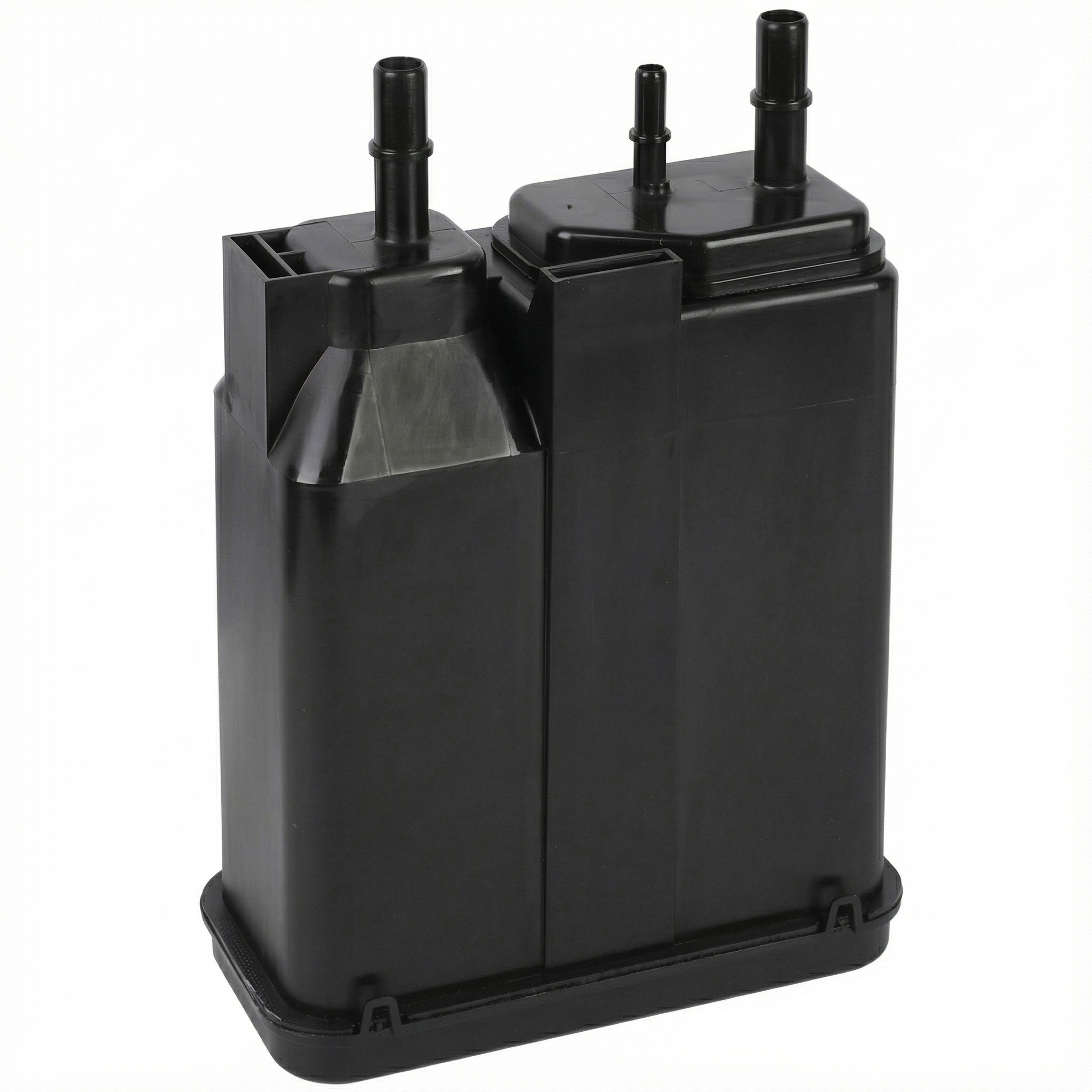
- Cracked Charcoal Canister: The plastic housing of the charcoal canister can crack from road debris or age, creating a large leak. This is less common but should be inspected, especially if a smoke test leads to this component.
- Damaged Fuel Filler Neck: Rust or corrosion on the metal fuel filler neck can create a rough surface that prevents the gas cap from sealing properly, leading to a persistent P0455 code even with a new cap.
Diagnosis Steps

- Check the gas cap. Remove it, inspect the seal for cracks or hardness, and retighten it until it clicks at least three times. Clear the code and drive for a few days to see if it returns.
- If the code returns, replace the gas cap with a new, quality OEM part. This is the cheapest and most common fix.
- Follow the diagnostic flow from TSB #21-NA-124: Visually inspect all accessible EVAP hoses and lines between the engine bay, the fuel tank, and the charcoal canister for obvious cracks, damage, or disconnections. Pay close attention to the seven critical connection points mentioned in the TSB.
- Locate and test the EVAP vent solenoid valve near the charcoal canister (under the rear of the car). It should be open with the engine off, and close when voltage is applied via a scan tool or direct power. If it's stuck open, it's faulty.
- Locate and test the EVAP purge solenoid valve in the engine compartment. It should be closed with the engine off (no air should pass through). If it's stuck open or stuck closed (and won't open when commanded by a scan tool), it needs replacement.
- If the cause of the leak is still not found, the most effective method is to perform a smoke test. This test fills the EVAP system with a harmless, visible smoke, making even hairline cracks in hoses, the filler neck, or the charcoal canister easy to spot.
Parts You'll Likely Need
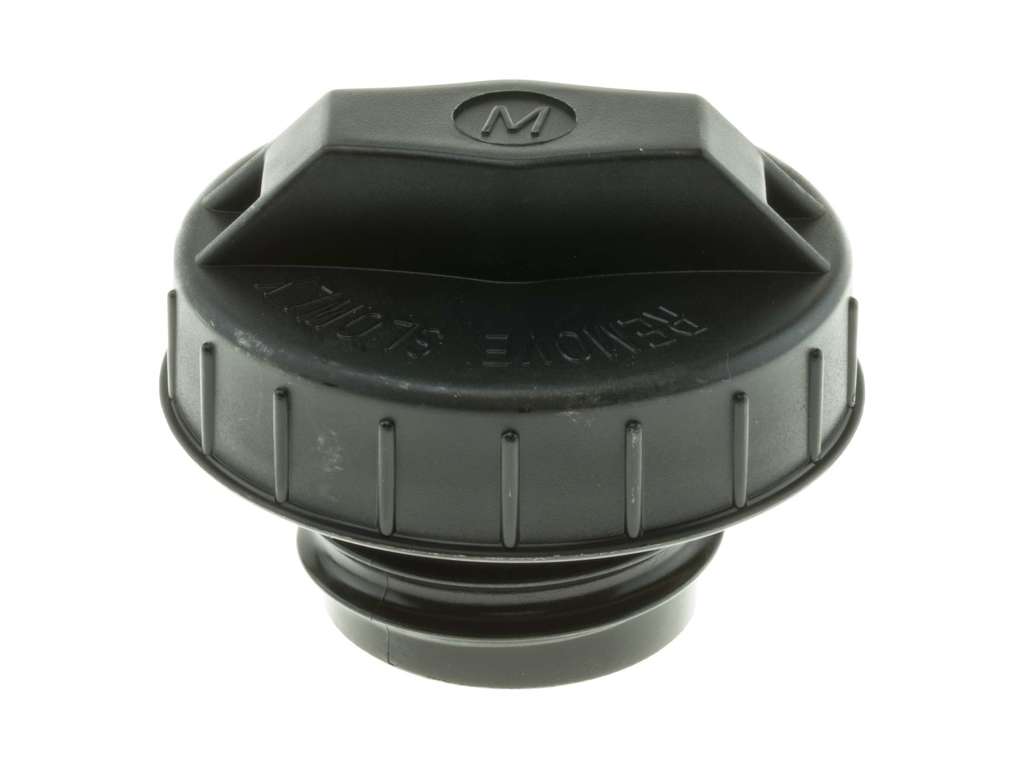
- Fuel Tank Filler Cap
(OEM #95049575)— This is the most common failure point, either from wear on the seal or not being tightened properly. It's the first and cheapest part to replace.
Trusted brands: ACDelco, Motorad, GM Genuine Parts
OEM price range: $25-$40
Aftermarket price range: $15-$25 - Vapor Canister Purge Solenoid Valve
(OEM #ACDelco 214-2137 or GM 12666845 (Verify by VIN))— This valve is frequently activated and can fail by sticking open or closed, causing a leak path or preventing the system from testing, respectively. It is a very common failure point on GM vehicles.
Trusted brands: ACDelco, Dorman, GM Genuine Parts
OEM price range: $50-$70
Aftermarket price range: $30-$50 - Vapor Canister Vent Solenoid Valve
(OEM #ACDelco 214-2324 or GM 13575701 (Verify by VIN))— Located under the vehicle, this valve is exposed to the elements and can fail by getting stuck open with dirt or debris, preventing the EVAP system from sealing during its self-test.
Trusted brands: ACDelco, Dorman, Standard Motor Products (SMP)
OEM price range: $60-$90
Aftermarket price range: $40-$60
Related Codes That Often Appear With This One
- P0442 — P0442 indicates a small EVAP leak. Sometimes a leak can be on the borderline between small and large, or the system may detect both at different times. The official GM TSB #21-NA-124 groups these two codes together for the same diagnostic procedure.
Technical Service Bulletins (TSBs) & Recalls
- Bulletin #21-NA-124: A general GM bulletin that provides a specific diagnostic order for DTCs P0442 and P0455. It advises technicians to first inspect all EVAP line connections and hoses for damage, then test the vent valve for a stuck-open condition, and finally, investigate the purge valve. This confirms a systematic approach is required.
Mechanic-Grade Diagnostic Values
- Fuel Tank Pressure (FTP) Sensor Voltage — expected: Around 1.5 Volts with the gas cap off (atmospheric pressure).. Failure: If the voltage is stuck high (e.g., above 4.5V) or low (e.g., below 0.5V) regardless of system pressure, or does not change when a vacuum/pressure is applied during testing, the sensor may be faulty.
Scan Tool Commands That Help
- GDS2 (GM Diagnostic Software): EVAP Service Bay Test — This is a guided test that commands the purge and vent valves to seal the system and monitors the Fuel Tank Pressure sensor to verify if the system can hold a vacuum. It's the primary function to confirm a leak exists after a visual inspection.
- GDS2 (or similar bidirectional scanner): EVAP Purge/Seal — This function allows a technician to manually command the Purge Solenoid open/closed and the Vent Solenoid closed to seal the system for a smoke test. Cycling the valves while smoke is introduced can help identify intermittent sticking of a solenoid.
Wiring & Ground Locations
- G1xx grounds (e.g., G101, G103, G107) — The '1' in G1xx indicates a ground located in the engine compartment, on or forward of the firewall. For the Spark, common grounds are near the headlamp assemblies, behind the battery, and on the engine block.. The Engine Control Module (ECM) and EVAP solenoids rely on solid ground connections. A corroded or loose engine bay ground could cause erratic behavior in the purge or vent solenoid circuits, potentially mimicking a component failure.
- G3xx grounds — The '3' in G3xx indicates a ground located in the rear of the vehicle, often under or near the rear seats or in the trunk area.. The Fuel Tank Pressure (FTP) sensor and the fuel pump module, which it's often part of, are grounded in the rear of the vehicle. A bad ground here (e.g., G301, G302) could cause incorrect FTP sensor readings, leading to a false P0455 code.
- ECM Connector X1, Pin 36 — On the Engine Control Module (ECM), located in the left front of the engine compartment near the battery.. According to a 2017 Spark wiring diagram, Pin 36 on connector X1 is the control circuit for the EVAP Canister Vent Solenoid. This is the specific pin a technician would test for a signal from the ECM when diagnosing a vent solenoid circuit fault.
Real Owner Repair Stories
- Reddit r/MechanicAdvice user (2004 Chevrolet Colorado (similar GM EVAP system)) — Persistent P0455 code, Check Engine Light on.
❌ Tried (didn't work) Replacing the gas cap.
✅ What actually fixed it A smoke test revealed the leak was coming from the top of the fuel tank, specifically from the fuel pump assembly area. The final fix required dropping the tank to access and repair the seal or vapor line connection at the fuel pump module.
OEM Part Supersession History
10382104, 25932570→13575701— Part consolidation and design updates by GM over the years.
Heads up: Part 13575701 is the widely used vent solenoid for many GM vehicles from the mid-2000s into the 2010s, including models related to the Spark. While it is listed as compatible, always verify fitment with a VIN as connector styles can vary.
Helpful Videos

Used OEM Parts in Stock
New Aftermarket Parts Available


The information in this article is provided for general reference and educational purposes only. Vehicle specifications, procedures, and part compatibility can vary by production date, trim level, and region. Always consult your vehicle's factory service manual and verify part numbers before purchasing or performing repairs. Safety-critical components such as airbags, seat belts, and braking systems should be installed by a qualified professional.
- Chevrolet SPARK:
- 🎬 Helpful Videos
- 🛍️ Shop This Part
- What's Unique About the 2016-2022 Chevrolet SPARK
- Diagnostic Flowchart
- Symptoms You May Notice
- Most Likely Causes
- Rare But Worth Checking
- Diagnosis Steps
- Parts You'll Likely Need
- Related Codes That Often Appear With This One
- Technical Service Bulletins (TSBs) & Recalls
- Mechanic-Grade Diagnostic Values
- Scan Tool Commands That Help
- Wiring & Ground Locations
- Real Owner Repair Stories
- OEM Part Supersession History
- 🎟️ Get 5% Off