

P0455 on 2016-2020 Chevrolet Impala: EVAP Large Leak Causes & Fixes
This code indicates a large leak in the evaporative emissions system. For the 2016-2020 Impala, the most common causes are a loose gas cap or a failed vapor canister purge valve located on top of the engine. A new purge valve costs about $25-$50 and is a very easy DIY fix.
- P0455 on your Impala means there's a large leak in the fuel vapor system.
- Before anything else, check that your gas cap is tight and its seal is in good condition.
- The most likely failed part is the vapor canister purge valve on top of the engine; it's an inexpensive and easy part to replace yourself.
- Check with a Chevy dealer to see if your car is covered under a special warranty (N192210240) for a free purge valve replacement.
What's Unique About the 2016-2020 Chevrolet IMPALA

On this generation of Chevrolet Impala, the vapor canister purge valve is a very common failure point, often more so than on other vehicles. The issue is well-documented, and GM has issued Special Coverage Programs for this specific part, extending the warranty due to the high failure rate. This makes the purge valve a primary suspect for a P0455 code, sometimes even more likely than the typical loose gas cap. This issue is shared with platform-mates like the Buick LaCrosse and Cadillac XTS.
Diagnostic Flowchart

Tap your situation to follow the diagnostic path that matches what you're seeing on this vehicle.
Symptoms You May Notice
- Check Engine Light is on
- A noticeable smell of gasoline, especially around the rear of the car.
- Difficulty starting the engine immediately after refueling (a classic sign of a stuck-open purge valve).
- Slightly reduced fuel economy in some cases
- Rough idle, hesitation, or stalling, particularly when the purge valve is stuck open.
- A 'Tighten Gas Cap' message may appear on the driver information center.
- Replacing the charcoal canister when the problem is just a simple hose or valve. The canister itself is often durable; the components attached to it are more likely to fail.
- Repeatedly replacing the gas cap with cheap aftermarket versions that do not seal properly, leading to a recurring code.
Most Likely Causes

- Loose or Faulty Gas Cap 🔴 High Probability User error and wear of the cap's seal are universal issues. Aftermarket caps are a frequent source of problems if they don't seal correctly.
How to confirm: Check if the gas cap is present and tightened until it clicks at least three times. Inspect the rubber seal on the cap for cracks, brittleness, or damage. An ill-fitting aftermarket cap was a confirmed fix in one owner's video.
Typical fix: Tighten or replace the gas cap with a quality OEM or equivalent part.
Est. part cost: $15-$30 - Failed Vapor Canister Purge Valve (Solenoid) 🔴 High Probability This is a very common failure item on this platform, acknowledged by GM through special warranty extensions (Special Coverage N192210240). The valve can get stuck open or closed, but getting stuck open is most common for this code.
How to confirm: The purge valve is located on top of the engine. With the engine off, disconnect the hose from the valve and try to blow through it. If air passes, the valve is stuck open and is bad. A related code, P0496, often points directly to this part.
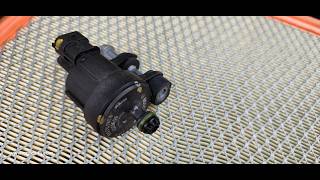
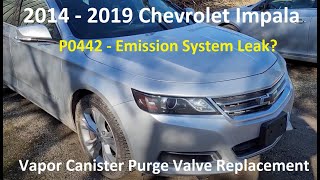
Typical fix: Replace the purge valve assembly. This is a simple repair, often taking less than 15 minutes with basic tools. 🎬 Watch this quick walkthrough to replace your purge valve. It is highly recommended to use an OEM ACDelco part, as aftermarket versions are known to fail quickly.
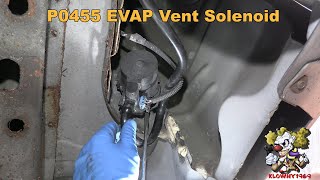
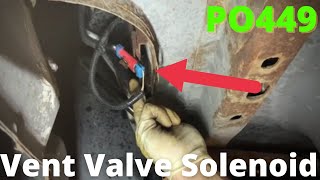
Est. part cost: $25-$50 - Failed EVAP Vent Valve (Solenoid) 🟡 Medium Probability Located near the rear of the vehicle, this part is exposed to road debris and moisture, which can cause it to fail or its electrical connector to break.
How to confirm: The vent valve is located near the charcoal canister at the rear of the vehicle. It is normally open and should close when commanded by a scan tool. A smoke test is the most effective way to confirm a faulty vent valve. You can also test it by applying 12V power; it should click closed and stop air from passing through.
Typical fix: Replace the vent valve solenoid. The part may be updated, requiring a wiring adapter harness. 🎬 See how to replace the vent valve solenoid yourself.
Est. part cost: $30-$60 - Cracked or Disconnected EVAP Hoses ⚪ Low Probability
How to confirm: Visually inspect all accessible EVAP lines in the engine bay and around the fuel tank area for obvious cracks, brittleness, or disconnections. A smoke test is the definitive method for finding a cracked hose.
Typical fix: Replace the damaged section of hose.
Est. part cost: $10-$40
Rare But Worth Checking
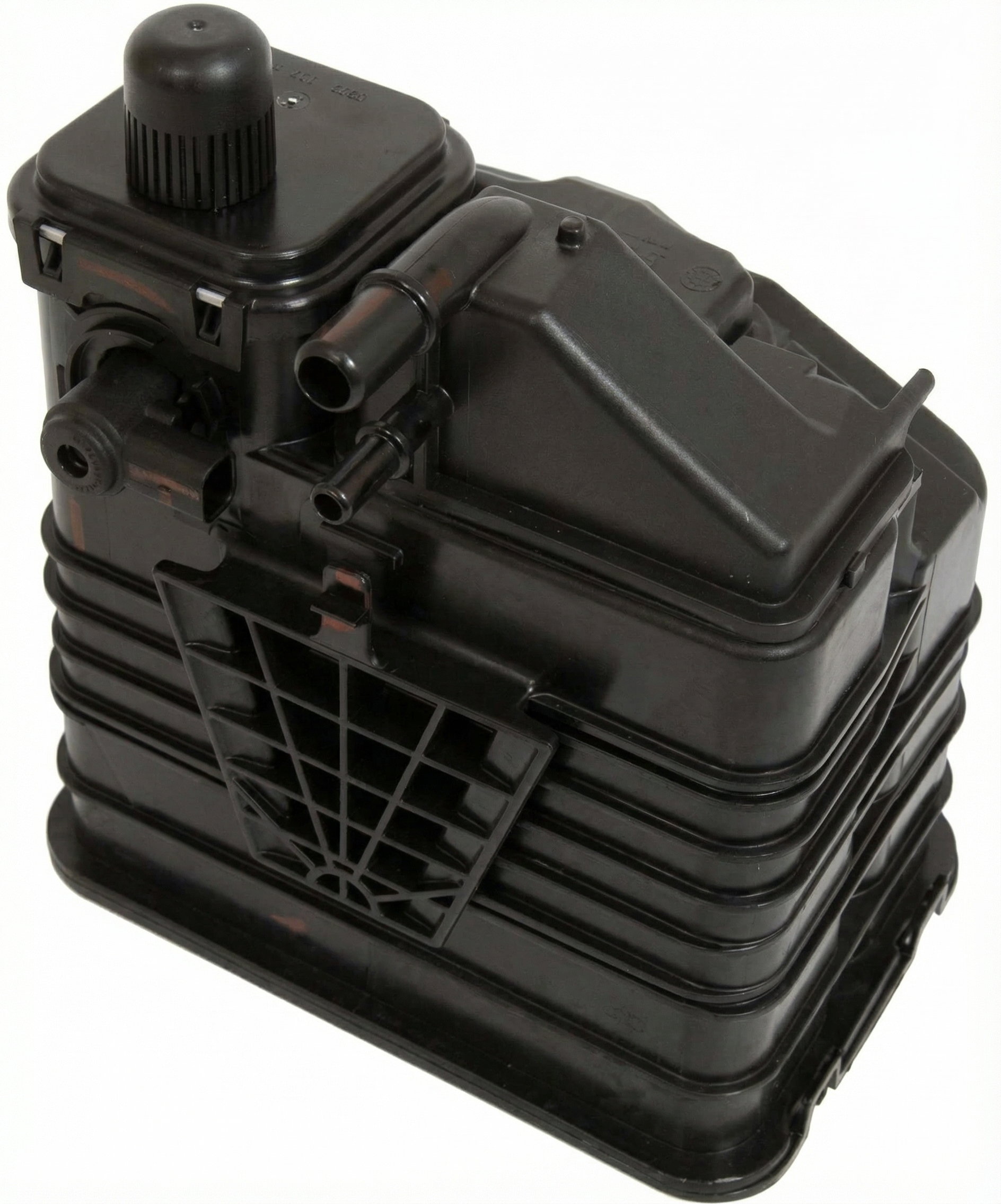
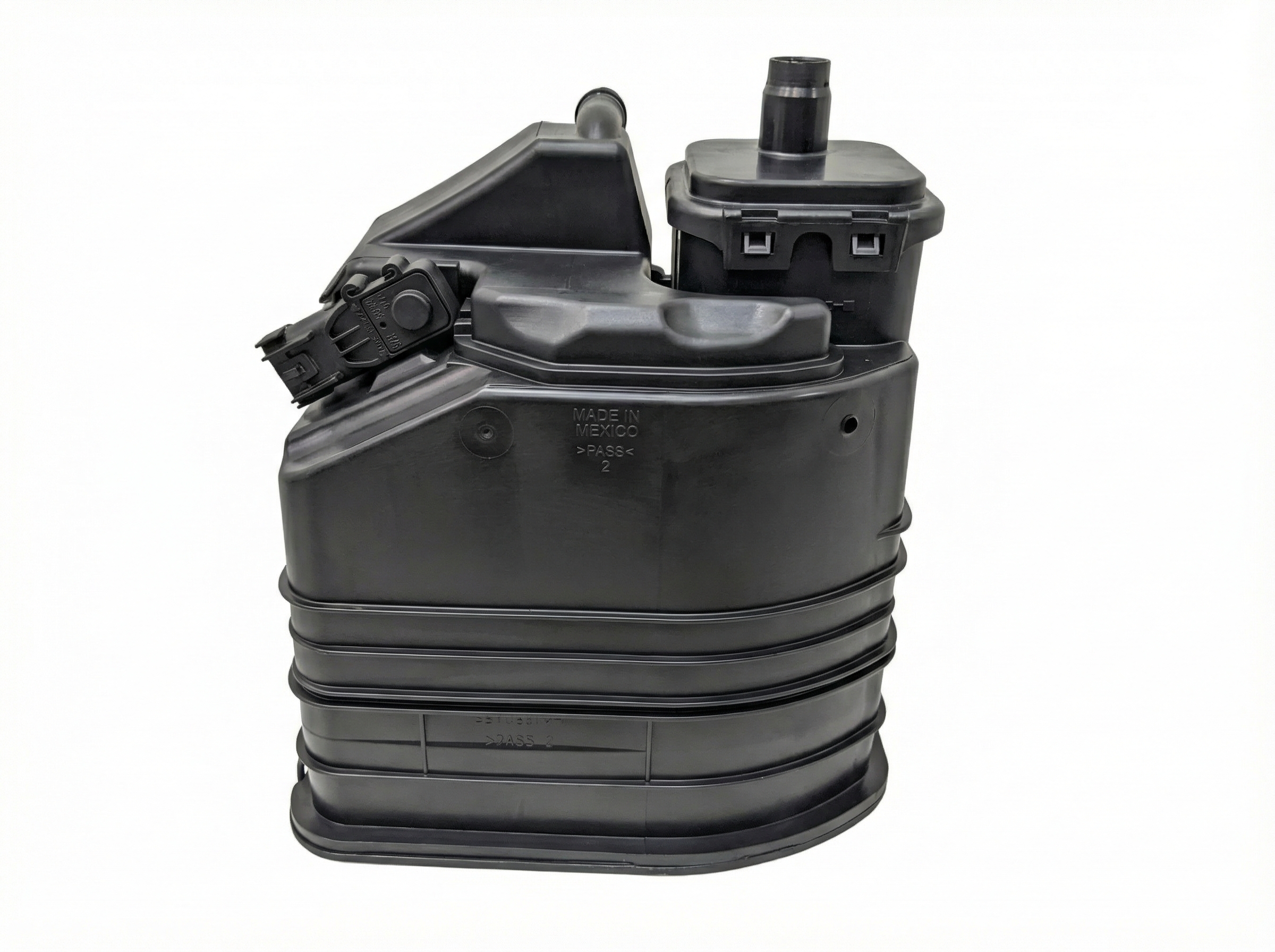
- Cracked Charcoal Canister: The plastic housing of the canister can crack from road debris impact or age, creating a large leak.
- Damaged Fuel Tank Filler Neck: Rust or damage to the filler neck can prevent the gas cap from creating a proper seal, leading to a leak code.
- Faulty Fuel Tank Pressure Sensor: While less common, a faulty fuel tank pressure sensor can incorrectly report a large leak. This will typically be accompanied by other sensor-specific codes.
Diagnosis Steps
- Inspect the Gas Cap: Ensure it is an OEM or high-quality equivalent, is tight, and the seal is not cracked or worn. Clear the code and drive to see if it returns.
- Visually Inspect Hoses: Check the EVAP lines in the engine bay, especially around the purge valve, for any obvious cracks or disconnections. Follow the lines to the rear of the vehicle, checking for damage from road debris.
- Test the Purge Valve: Locate the purge valve on the engine. With the engine off, remove the vapor line. If you can blow through the valve, it has failed and needs replacement. This is the most common failure point.
- Check for Special Coverage: Before buying parts, contact a Chevrolet dealer with your VIN to see if your vehicle is covered under Special Coverage N192210240 for a free purge valve replacement.
- Test the Vent Valve: Locate the vent valve near the charcoal canister at the rear of the car. It should be open with the engine off. A scan tool can command it closed to test for function, but a visual inspection for damage or a bench test with a 12V source is also effective.
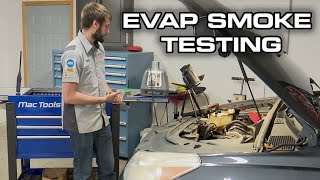
- Perform a Smoke Test: If the cause is not obvious, the most effective diagnostic step is to have a professional (or use a DIY kit) perform an EVAP smoke test. This involves filling the system with a harmless, low-pressure smoke to quickly reveal the source of the leak(s). 🎬 Watch: How to perform a DIY EVAP smoke test.
Parts You'll Likely Need

- Vapor Canister Purge Valve
(OEM #12690512 (Superseded by 12737252))— This is the most common failure part for EVAP issues on this vehicle, often getting stuck open. GM has issued warranty extensions for it. Part number 12690512 has been superseded by 12737252.
Trusted brands: ACDelco (OEM recommended), Standard Motor Products, Dorman
OEM price range: $40-$60
Aftermarket price range: $25-$45 - Gas Cap
(OEM #Contact dealer with VIN)— A worn-out seal on the gas cap is a very frequent cause of all EVAP leak codes. Using a non-OEM cap can also cause issues.
Trusted brands: ACDelco, Stant
OEM price range: $20-$30
Aftermarket price range: $15-$25 - Vapor Canister Vent Valve Solenoid
(OEM #85123399)— This valve, located near the fuel tank, can fail and get stuck open, causing a large leak that triggers P0455. It is exposed to the elements and prone to failure. This part number fits a wide range of GM vehicles.
Trusted brands: ACDelco, Dorman
OEM price range: $45-$65
Aftermarket price range: $30-$50
Related Codes That Often Appear With This One
- P0442 — This code is for a small EVAP leak. It can appear alongside P0455 if the system has multiple leaks of different sizes, or it may be a precursor to the leak worsening.
- P0496 — This code means 'EVAP System High Purge Flow' and almost always points to a purge valve that is stuck open. If you see P0496 with P0455, the purge valve is the most likely culprit.
- P0449 — This code relates specifically to the EVAP vent valve/solenoid control circuit. If seen with P0455, it strongly suggests the vent valve or its wiring is the source of the problem.
Technical Service Bulletins (TSBs) & Recalls
- Bulletin #21-NA-124: Provides diagnostic tips for technicians when troubleshooting EVAP codes P0442 (small leak) and P0455 (large leak), indicating this is a recognized issue. It advises checking line connections first, then the vent valve, and finally the purge valve.
Platform-Specific Known Issues

- GM has issued Special Coverage Program N192210240 for the vapor canister purge valve on 2016-2017 Impala models, extending the warranty to 10 years or 120,000 miles. Owners should contact a Chevrolet dealer with their VIN to see if their vehicle is eligible for a free replacement, even if outside of the standard warranty.
- The issue with the purge valve is so common that many owners on forums recommend replacing it proactively, especially if P0496 is also present.
Mechanic-Grade Diagnostic Values
- Vapor Canister Purge Valve Solenoid Resistance — expected: 15-30 Ohms. Failure: A reading significantly outside this range, or an open circuit (infinite resistance), indicates a failed solenoid coil.
- Vapor Canister Vent Valve Solenoid Resistance — expected: 20-50 Ohms. Failure: A reading outside this range or an open circuit suggests the solenoid coil is bad. This test does not confirm if the valve is mechanically stuck.
- Fuel Tank Pressure (FTP) Sensor Voltage — expected: Approximately 1.5 Volts with the system at atmospheric pressure (e.g., gas cap off).. Failure: A voltage that is skewed high or low, or does not change when a vacuum/pressure is applied during testing, points to a faulty sensor.
Scan Tool Commands That Help
- GDS2 (or equivalent professional scan tool): EVAP Purge/Seal — This function is used to command the purge valve open and the vent valve closed, sealing the system. The technician can then monitor the Fuel Tank Pressure sensor to see if the system pulls into a vacuum and holds it, verifying the integrity of the seals and valves.
- GDS2 (or equivalent professional scan tool): EVAP Vent Solenoid Command (On/Off) — This bidirectional control allows a technician to manually command the normally-open vent valve to close. You should hear a click from the valve, located near the fuel tank. This is used to confirm the solenoid is receiving the command and is actuating electrically.
Wiring & Ground Locations
- Engine Compartment Fuse Box — Located on the left (driver's) side of the engine compartment.. The fuse for the EVAP system components is located here. A loss of power to the vent or purge solenoid circuits can cause EVAP codes. Checking for a blown fuse is a preliminary step in electrical diagnosis.
- G103 / G105 — G103 is on the cowl, above the brake booster. G105 is at the left front of the engine compartment behind the cooling fan relays.. While not exclusively for the EVAP system, these are major grounds for the Engine Control Module (ECM) and various engine bay components. A poor ground at these locations can cause erratic behavior from sensors and solenoids, including those in the EVAP system.
Real Owner Repair Stories
- YouTube video by 'South Main Auto LLC' (GM Vehicle (similar platform behavior)) — P0455 Large EVAP Leak code present. Owner had already tried replacing the gas cap multiple times.
❌ Tried (didn't work) Replacing the gas cap (multiple times).
✅ What actually fixed it The vapor canister purge valve was mechanically stuck and not opening/closing correctly, even though it was electrically functional. Tapping it with a screwdriver handle temporarily made it work, confirming it was the point of failure. It was replaced, and a scan tool's 'Purge/Seal' test confirmed the new valve allowed the system to pull a vacuum correctly. - YouTube video by 'Trey Clanton' (2004 Chevrolet Impala) — P0455 EVAP Large Leak code.
❌ Tried (didn't work) Initial visual inspection did not reveal the leak.
✅ What actually fixed it A smoke test revealed a leak from the EVAP vent valve solenoid located near the charcoal canister. Replacing the vent valve solenoid resolved the code.
"I Checked Everything" — The Actual Cause
- A common mistake during a smoke test is not verifying that smoke has filled the entire system. If the fuel filler neck has a check valve, smoke introduced at the engine bay test port may not reach the gas cap area. A technician should always check for smoke at the filler neck (with the cap removed) to confirm the whole system is being tested before concluding there are no leaks.
- In a case on a 2010 Impala, a user reported that even after a professional smoke test found no leaks and they had replaced the gas cap, purge valve, and vent solenoid, the P0455 and P0442 codes persisted, suggesting a potential intermittent electrical issue or a faulty Fuel Tank Pressure sensor giving false readings.
OEM Part Supersession History
12690512→12737252— Standard part evolution for improved reliability or manufacturing changes.
Heads up: The new part number, 12737252, also replaces previous numbers 12610560 and 12661763, indicating it is the current correct service part for a wide range of GM vehicles.
Helpful Videos
Used OEM Parts in Stock

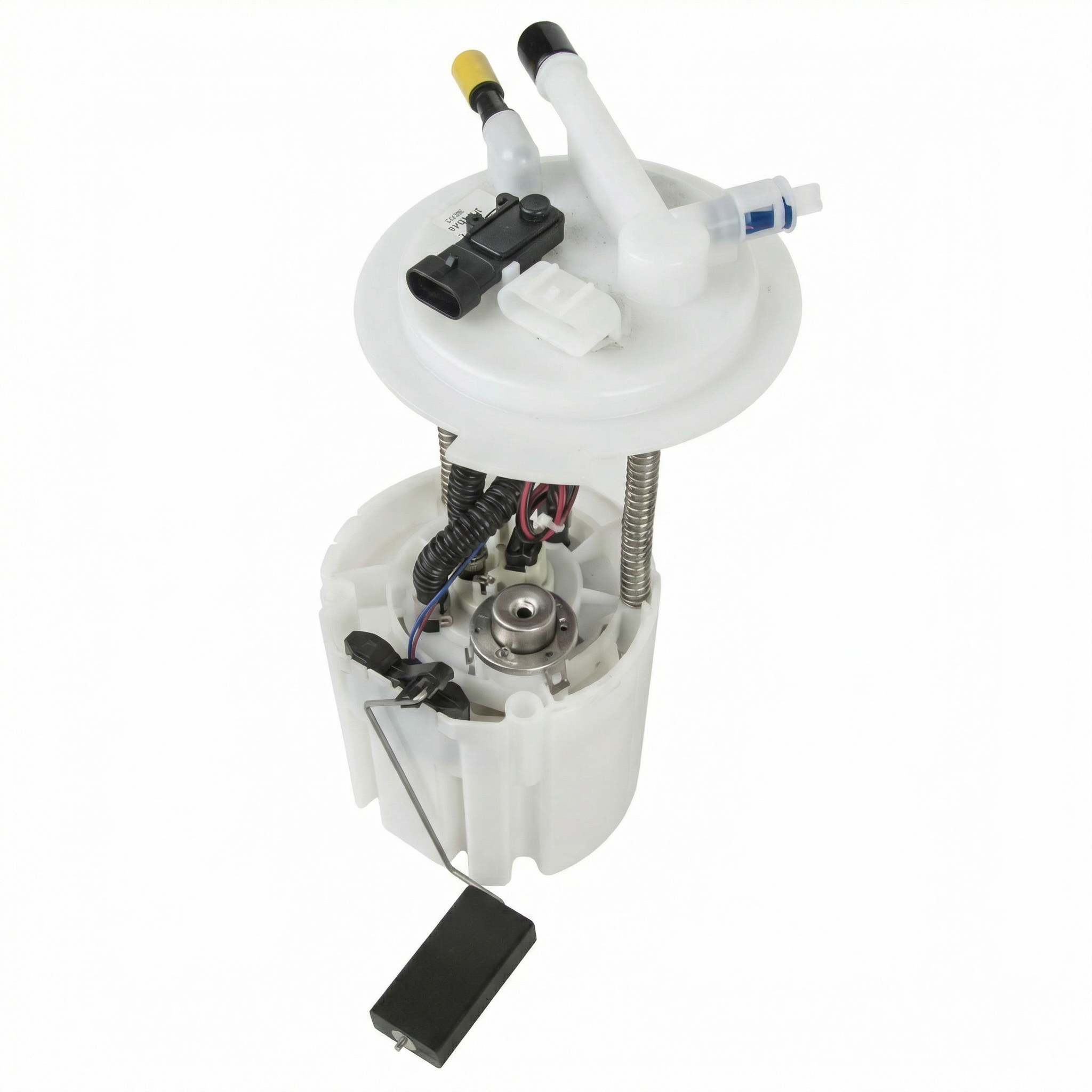
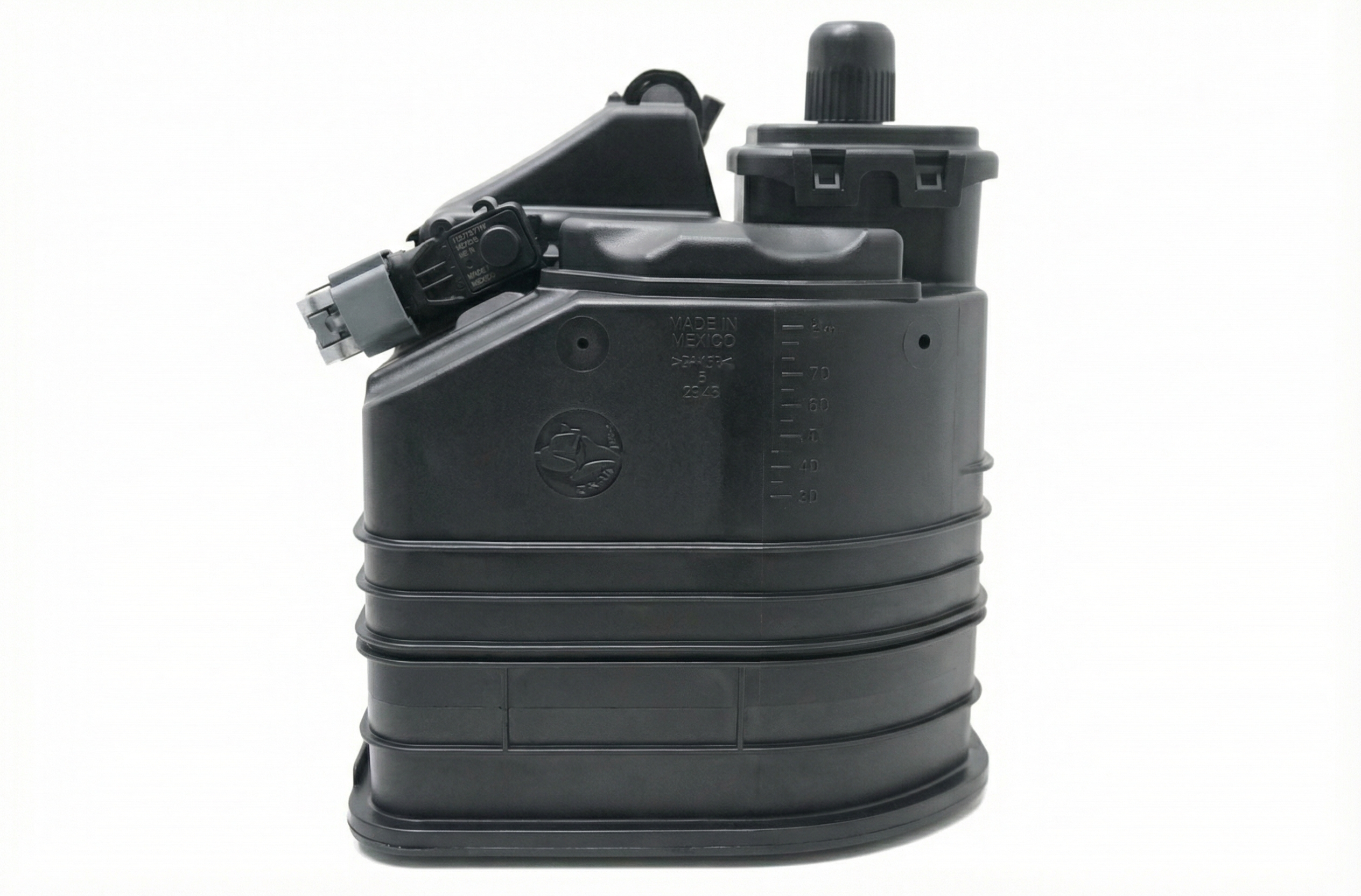
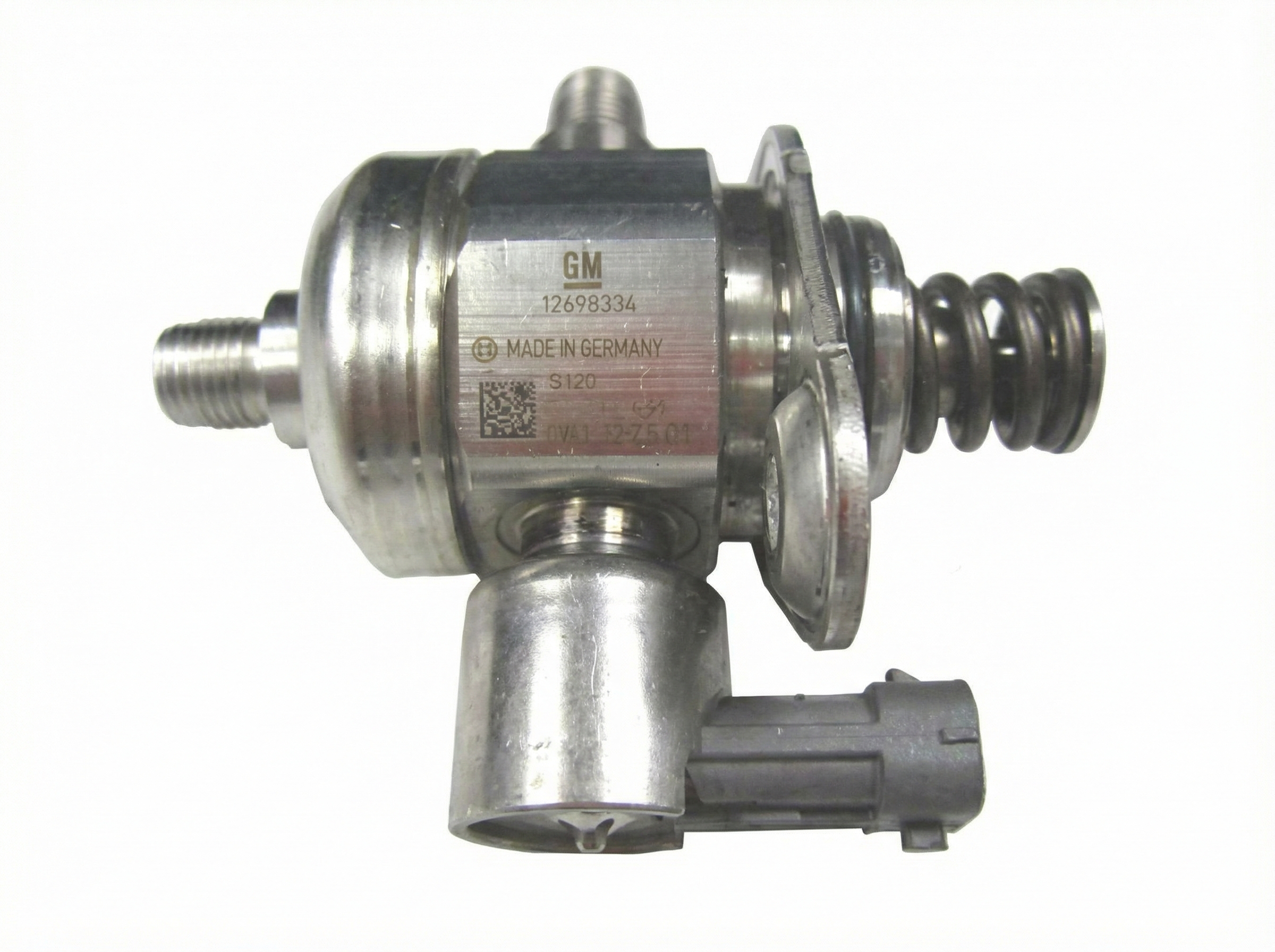
New Aftermarket Parts Available

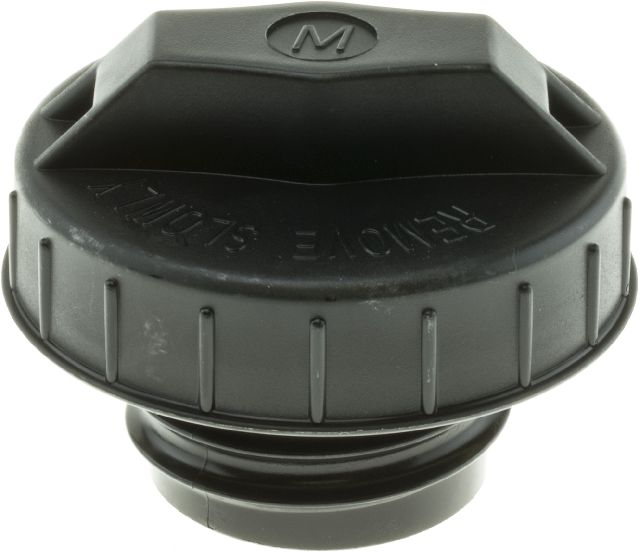


The information in this article is provided for general reference and educational purposes only. Vehicle specifications, procedures, and part compatibility can vary by production date, trim level, and region. Always consult your vehicle's factory service manual and verify part numbers before purchasing or performing repairs. Safety-critical components such as airbags, seat belts, and braking systems should be installed by a qualified professional.
- Chevrolet IMPALA:
- 🎬 Helpful Videos
- 🛍️ Shop This Part
- What's Unique About the 2016-2020 Chevrolet IMPALA
- Diagnostic Flowchart
- Symptoms You May Notice
- Most Likely Causes
- Rare But Worth Checking
- Diagnosis Steps
- Parts You'll Likely Need
- Related Codes That Often Appear With This One
- Technical Service Bulletins (TSBs) & Recalls
- Platform-Specific Known Issues
- Mechanic-Grade Diagnostic Values
- Scan Tool Commands That Help
- Wiring & Ground Locations
- Real Owner Repair Stories
- "I Checked Everything" — The Actual Cause
- OEM Part Supersession History
- 🎟️ Get 5% Off