

P0455 on 2005-2009 Chevrolet Express: EVAP Large Leak Causes and Fixes
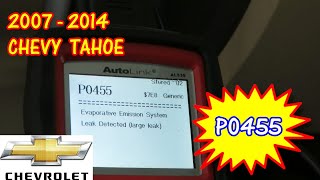
For a P0455 code on a 2005-2009 Chevy Express, the most likely cause is a loose or faulty gas cap, accounting for over 50% of cases. If that's not it, suspect the EVAP vent valve near the fuel tank (often causing refueling issues) or the purge valve in the engine bay (often causing hard starts after refueling). A new gas cap is about $15-$30, while valves can range from $25 to $70.
- P0455 means your van has a large leak in the fuel vapor system.
- Always check the gas cap first; it's the most common, cheapest, and easiest fix.
- If you have trouble starting the van right after getting gas, the purge valve in the engine bay is the most likely culprit.
- If the gas cap and purge valve are fine, the vent valve near the gas tank is the next most probable cause.
- A smoke test is the most reliable way for a mechanic to find the exact source of a persistent leak.
What's Unique About the 2005-2009 Chevrolet EXPRESS
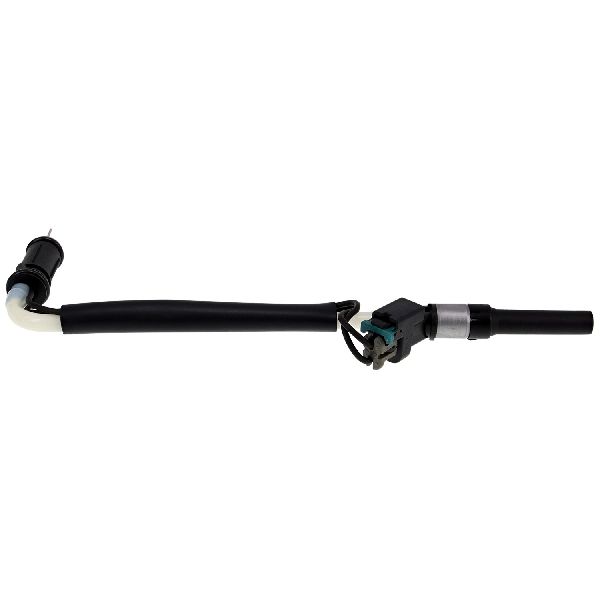
On the Chevrolet Express and similar GM trucks, the EVAP system components are common failure points, particularly as the vehicle ages. The vent valve, located above the spare tire, is notoriously prone to getting stuck open due to road debris and corrosion. Aftermarket solutions, like the Dorman 911-070 kit, often include a filter relocation hose to move the air intake to a cleaner location. Additionally, a stuck-open purge valve on these vans often presents a unique and telling symptom: difficulty starting the engine immediately after refueling. A helpful visual cue for diagnosis is the green service cap on the EVAP line in the engine bay, which marks the smoke test injection point.
Diagnostic Flowchart
Tap your situation to follow the diagnostic path that matches what you're seeing on this vehicle.
Symptoms You May Notice
- Check Engine Light is on
- A noticeable smell of gasoline, which may be faint and most obvious when the vehicle is parked
- Difficulty starting the engine right after filling the gas tank
- Gas pump nozzle clicks off repeatedly when trying to refuel (in some cases related to a faulty vent valve)
- Replacing the fuel tank pressure sensor. While this sensor can fail, it typically triggers other specific codes (like P0452 or P0453) and is not a common cause for a P0455 alone. A mechanic in one video considered it but ultimately found a bad purge valve. 🎬 Watch this mechanic diagnose a faulty purge valve on a Chevy.
Most Likely Causes
- Loose, Damaged, or Incorrect Gas Cap 🔴 High Probability The gas cap is the most frequently handled part of the emissions system and its seal can wear out, get lost, or simply not be tightened correctly after refueling. This accounts for over 50% of P0455 codes.
How to confirm: Inspect the gas cap for cracks or a worn, brittle seal. Ensure it is tightened until it clicks at least once. If the seal looks bad, it's the cheapest part to replace first. A new cap resolved the issue for many owners.
Typical fix: Tighten or replace the gas cap.
Est. part cost: $15-$30 - Faulty EVAP Vent Valve/Solenoid 🟡 Medium Probability Located near the fuel tank and often above the spare tire, this valve is exposed to road grime, moisture, and salt, causing it to fail and get stuck open. This is a very common failure point on these vans.
How to confirm: The valve is normally open. Using a capable scan tool, command the valve to close. If it doesn't, or if it's audibly stuck, it needs replacement. A smoke test will show smoke exiting a stuck-open vent valve. Intermittent failures are possible, where the valve works sometimes but fails during the ECM's test cycle.
Typical fix: Replace the EVAP vent valve solenoid. This may require lowering the spare tire for access.
Est. part cost: $25-$70 - Faulty EVAP Purge Valve/Solenoid 🟡 Medium Probability This valve can get stuck open or closed, creating a constant vacuum leak into the engine from the fuel tank. This is a very common cause for the 'hard start after fueling' symptom.
How to confirm: The valve is normally closed. Disconnect the valve (located in the engine bay, often near a green service cap) and try to blow through it. If air passes through, it is stuck open and faulty. Conversely, it can also get stuck closed, which can be diagnosed with a scan tool and vacuum gauge.
Typical fix: Replace the purge valve solenoid.
Est. part cost: $25-$60 - Cracked or Disconnected EVAP Hoses/Lines ⚪ Low Probability Over time, the plastic and rubber hoses that make up the EVAP system can become brittle and crack, especially in areas with extreme temperatures or road salt exposure.
How to confirm: A visual inspection may reveal obvious cracks or disconnected lines. A Reddit user compiled a helpful list of seven critical connection points to check between the engine, canister, and tank. The most reliable method is a professional smoke test, which forces smoke through the system and makes any leaks visible.
Typical fix: Replace the damaged section of hose.
Est. part cost: $10-$50
Rare But Worth Checking
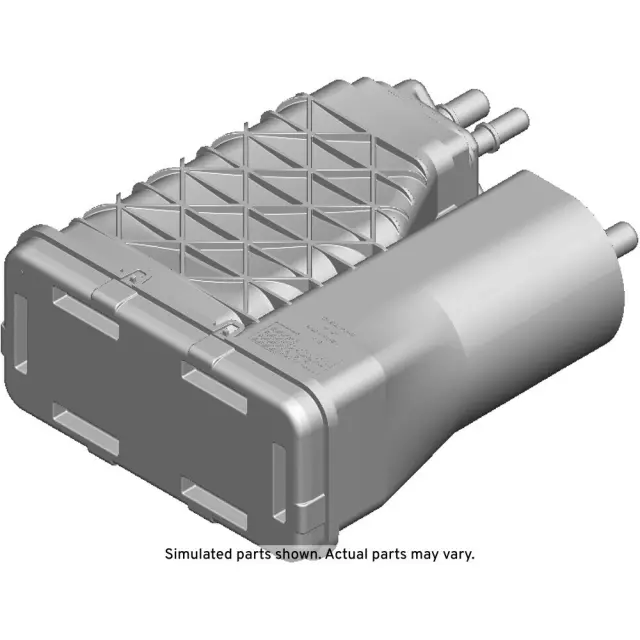
- Cracked Charcoal Canister: The plastic housing of the charcoal canister can develop cracks from road debris or age, creating a large leak. This is usually found during a smoke test. Some owners have noted charcoal bits leaking into the EVAP lines from a failed canister.
- Damaged Fuel Filler Neck: Rust and corrosion can build up on the fuel filler neck, preventing the gas cap from creating a proper seal, which will trigger the P0455 code. Owners have confirmed replacing a rusted filler neck to solve the code. 🎬 Watch how to perform a smoke test to find hidden leaks.
- Chafed Wiring Harness: Though less common for a P0455, a wiring harness can chafe against the frame or engine components, causing a short or open circuit for the purge or vent valve solenoids. This can prevent them from operating correctly, mimicking a leak. TSB #21-NA-149 addresses harness chafing issues on similar GM trucks.
Diagnosis Steps
- Read the code with an OBD-II scanner to confirm P0455 is present.
- Inspect the gas cap. Ensure it is tight. Remove it and check the seal for cracks or damage. This is the most common fix. If in doubt, replace it, clear the code, and drive for a few days.
- If the code returns, follow the diagnostic order recommended by GM in TSB #21-NA-124. First, perform a visual inspection of all accessible EVAP hoses and connections, looking for obvious cracks or disconnections. A helpful checklist includes 7 key connection points. 🎬 See a walkthrough of the seven critical EVAP connection points.
- If lines are secure, test the purge valve in the engine bay. With the engine off, disconnect it and see if you can blow through it. If air passes, it's stuck open and must be replaced.
- If the purge valve is good, the next suspect is the vent valve. Locate it near the charcoal canister, usually above the spare tire. Use a scan tool to command it closed while observing with a smoke machine or pressure gauge.
- The most definitive way to find the leak is with a smoke test. A mechanic will introduce smoke into the EVAP system via the service port (often marked with a green cap). Smoke will pour out of the leak's location, whether it's a hose, valve, canister, or the fuel filler neck.
Parts You'll Likely Need
- Fuel Cap
(OEM #GT284 (ACDelco), GM 10372246)— This is the most common and easiest fix. The seal wears out over time, causing a large leak.
Trusted brands: ACDelco, Stant, Gates
OEM price range: $20-$35
Aftermarket price range: $15-$25 - EVAP Vent Valve Solenoid
(OEM #25950499 (ACDelco, supersedes 10377196, 21996868, 25658328))— This part is highly prone to failure due to its location under the vehicle. It gets stuck open, causing a permanent large leak. The Dorman 911-070 is a popular aftermarket kit that often includes a hose to relocate the filter away from debris.
Trusted brands: ACDelco, Dorman (p/n 911-070), Delphi
OEM price range: $40-$70
Aftermarket price range: $25-$50 - EVAP Canister Purge Valve Solenoid
(OEM #12610560 (ACDelco), CP470 (Aftermarket reference))— Often gets stuck open or closed, causing a large leak code and frequently leading to hard starts after refueling.
Trusted brands: ACDelco, Bosch, Dorman
OEM price range: $35-$60
Aftermarket price range: $20-$45
Related Codes That Often Appear With This One
- P0442 — P0442 is for a 'small' EVAP leak. Sometimes a deteriorating component can trigger both small and large leak codes at different times as the failure worsens.
- P0449 — This code specifically points to a fault in the EVAP vent valve solenoid control circuit, which is a very common cause of the P0455 leak code on GM vehicles.
Technical Service Bulletins (TSBs) & Recalls
- Bulletin #21-NA-124: Provides a diagnostic hierarchy for technicians chasing P0442 and P0455 codes, recommending checking lines first, then the vent valve, then the purge valve. Applies to a wide range of GM vehicles from 2000-2021.
Platform-Specific Known Issues
- TSB Guidance on Diagnosis: Per TSB #21-NA-124, GM has issued specific diagnostic tips for dealers regarding P0455. The bulletin advises a specific diagnostic flow: first inspect all EVAP lines and connections for integrity, then test the vent valve for being stuck open, and finally, investigate the purge valve.
- Vent Valve Filter Contamination: The placement of the vent valve and its air filter above the rear axle/spare tire area makes it highly susceptible to clogging from dust and road grime. This can cause the valve to stick open, triggering P0455, and also cause issues with refueling. Aftermarket kits like Dorman 911-070 often include a longer hose to relocate the filter to a cleaner location, such as higher in the chassis or near the fuel filler neck.
Mechanic-Grade Diagnostic Values
- Fuel Tank Pressure (FTP) Sensor Voltage — expected: ~1.4V - 1.5V. Failure: Voltage is stuck high (e.g., 5V) or low (e.g., 0V) and does not change when pressure or vacuum is applied to the system.
- EVAP Vent Valve Solenoid Coil Resistance — expected: 20.6 - 20.9 Ohms. Failure: A reading of infinity (OL) indicates an open circuit, while a reading near zero indicates a shorted coil. The measurement is taken across the two pins of the solenoid connector.
- EVAP Test Run Condition: Engine Coolant Temperature — expected: Between 4-65°C (39-149°F) for the passive test.. Failure: The ECM will not initiate the EVAP monitor test if the engine is too hot or too cold. A scan tool's service bay test may require the coolant temp to be below 70°C (158°F) to run.
- EVAP Test Run Condition: Fuel Level — expected: Between 15% and 85%. Failure: The test will not run if the fuel tank is too full or too empty, which can delay diagnosis if the code has been recently cleared.
Scan Tool Commands That Help
- Tech2 / GDS2 or equivalent professional scanner: EVAP Service Bay Test — This is a forced, comprehensive test that commands the entire EVAP system through a seal and vacuum test cycle, providing a pass/fail result for large leaks. It's the first step after a visual inspection to confirm an active fault.
- Tech2 / GDS2 or equivalent professional scanner: Output Control -> EVAP Vent Solenoid On/Off — Used to manually command the normally-open vent valve to close. A technician will listen for an audible click from the valve. If there is no click, it suggests a bad solenoid or wiring issue. This is critical for smoke testing, as the valve must be commanded closed to seal the system.
- Tech2 / GDS2 or equivalent professional scanner: Output Control -> EVAP Purge Solenoid Duty Cycle % — Used to manually open the normally-closed purge valve. By commanding it to 50% duty cycle, a technician can check if it opens and allows engine vacuum to pull on the EVAP system by watching the FTP sensor voltage drop. If the voltage doesn't drop, the valve is likely stuck closed.
Wiring & Ground Locations
- G400 — On the inner left (driver's side) rear frame rail.. This is the primary ground connection for components at the rear of the vehicle, including the EVAP canister vent solenoid and potentially the fuel tank pressure sensor. Corrosion at this point can cause intermittent or total failure of these components.
- G102 — On the left rear of the engine block (for gasoline engines).. This ground is critical for engine-mounted sensors and actuators, including the EVAP purge solenoid. A poor connection here can affect the solenoid's operation.
- Powertrain Control Module (PCM) — In the engine compartment, mounted on the left inner fender.. This is the location of the computer that controls the EVAP system. Knowing its location is essential for checking wiring continuity from the solenoids and sensors.
- EVAP Canister — Under the vehicle, mounted to the frame in front of the fuel tank.. This is the central hub for the EVAP system. The vent valve is typically mounted on or very near the canister.
Real Owner Repair Stories
- YouTube channel 'Homie Hektor' (Chevrolet Express Van (year not specified, but within generation)) — P0455 code present, could not pass emissions test.
❌ Tried (didn't work) The technician first suspected a bad vent valve or gas cap, which are more common causes.
✅ What actually fixed it The EVAP purge valve in the engine bay was stuck closed. The technician used a scan tool to run a service bay test, which failed. He then removed the purge valve and confirmed it would not open. Replacing the purge valve allowed the system to function correctly and pass the service bay test, resolving the P0455 code. - YouTube channel 'South Main Auto Repair LLC' (2008 Pontiac Torrent 3.4L (similar GM EVAP system)) — P0455 Large EVAP Leak code, intermittent check engine light.
❌ Tried (didn't work) The owner had already replaced the gas cap multiple times without success.
✅ What actually fixed it The EVAP purge solenoid was stuck closed. Using a scan tool, the technician commanded the purge valve to open but observed no vacuum being pulled on the fuel tank pressure sensor. After physically tapping the valve with a screwdriver, it began to function intermittently. Replacing the purge valve was the final fix.
"I Checked Everything" — The Actual Cause
- In cases where a smoke test reveals no leaks, the P0455 code can be caused by a component that is not leaking to the atmosphere but is failing to operate. The most common culprit is a stuck-closed EVAP purge valve. The ECM commands the valve to open to draw a vacuum on the system for the self-test. If the valve fails to open, no vacuum is created. The ECM cannot distinguish this failure from a massive hole in the system, so it incorrectly reports a 'large leak'.
- A faulty Fuel Tank Pressure (FTP) sensor can also cause a P0455 with no actual leak. If the sensor is electrically failed and sending a fixed, incorrect voltage to the ECM (e.g., stuck at 1.5V), the ECM will not see the pressure change when the system is sealed and a vacuum is applied. It interprets this lack of change as a large leak.
When the Usual Fixes Don't Work
- While a loose gas cap is the most frequent cause, many owners and technicians report that for the P0455 code specifically, the purge and vent valves are extremely common failure points that should be investigated next, especially if the vehicle exhibits secondary symptoms. For example, a 2007 Suburban owner with P0455 reported that replacing the gas cap did not fix the code, but he did have the classic symptom of a hard start after refueling, which strongly points to a faulty purge or vent valve.
Helpful Videos
Used OEM Parts in Stock

New Aftermarket Parts Available


The information in this article is provided for general reference and educational purposes only. Vehicle specifications, procedures, and part compatibility can vary by production date, trim level, and region. Always consult your vehicle's factory service manual and verify part numbers before purchasing or performing repairs. Safety-critical components such as airbags, seat belts, and braking systems should be installed by a qualified professional.
- Chevrolet EXPRESS:
- 🎬 Helpful Videos
- 🛍️ Shop This Part
- What's Unique About the 2005-2009 Chevrolet EXPRESS
- Diagnostic Flowchart
- Symptoms You May Notice
- Most Likely Causes
- Rare But Worth Checking
- Diagnosis Steps
- Parts You'll Likely Need
- Related Codes That Often Appear With This One
- Technical Service Bulletins (TSBs) & Recalls
- Platform-Specific Known Issues
- Mechanic-Grade Diagnostic Values
- Scan Tool Commands That Help
- Wiring & Ground Locations
- Real Owner Repair Stories
- "I Checked Everything" — The Actual Cause
- When the Usual Fixes Don't Work
- 🎟️ Get 5% Off