

P0455 on 2005-2012 Chevrolet Equinox: EVAP Large Leak Causes and Fixes
For a 2005-2012 Equinox, code P0455 almost always points to a large leak in the evaporative emissions (EVAP) system. The most common and cheapest fix is replacing a worn or loose gas cap with an OEM part. If that doesn't work, the next most likely culprits are a faulty EVAP vent valve solenoid (under the vehicle) or purge valve solenoid (in the engine bay).
- Start with the simplest fix: check, tighten, and if necessary, replace the gas cap with an OEM part.
- P0455 will not affect how your car drives, but it will cause you to fail an emissions test.
- The most common parts to fail after the gas cap are the EVAP vent solenoid (under the car) and the purge solenoid (in the engine bay).
- If you replace the gas cap and the light comes back, the most effective way to find the leak and avoid replacing unnecessary parts is to have a smoke test performed.
What's Unique About the 2005-2012 Chevrolet EQUINOX

The 2005-2012 Equinox spans two generations, with the first (2005-2009) and second (2010-2012) having different EVAP component locations and unique failure points. For second-generation models, especially in rust-belt states, corroded and rusted EVAP lines running along the chassis are a known issue that can cause this code. Across both generations, owners report that using aftermarket gas caps can sometimes cause this code to appear, even if the cap is new, suggesting a strong preference for OEM parts. A repair video on a platform-mate Saturn Vue demonstrated a new aftermarket cap failing a smoke test, while a new OEM ACDelco cap sealed perfectly.
Diagnostic Flowchart

Tap your situation to follow the diagnostic path that matches what you're seeing on this vehicle.
Generation note: The 2005-2012 range covers the first generation (2005-2009) and the start of the second generation (2010-2012). While the core causes are similar, the physical location and part numbers for components differ. For the first generation, the vent solenoid is typically located near the rear of the fuel tank. For the second generation (2010-2012), the vent solenoid is integrated into the charcoal canister assembly, which is located under the vehicle on the driver's side, roughly between the front and rear doors and next to the muffler.
Symptoms You May Notice

- Check Engine Light is on
- A message on the dash to "TIGHTEN GAS CAP".
- A noticeable smell of fuel, especially around the gas tank area or when the vehicle is parked.
- Difficulty starting the engine, especially right after filling up the gas tank. This is a classic symptom of a purge valve stuck open.
- Rough idle that may come and go, caused by an unregulated flow of fuel vapors into the engine from a faulty purge valve.
- Replacing the purge or vent valve without performing a smoke test first. The issue could simply be a bad gas cap or a cracked hose, and throwing parts at the problem can get expensive.
- Using a cheap aftermarket gas cap. Many owners report that only an OEM ACDelco cap will properly seal the system on these vehicles.
Most Likely Causes


- Loose, Damaged, or Incorrect Gas Cap 🔴 High Probability The gas cap is used frequently and its seal can wear out over time. Aftermarket caps are notoriously problematic on these vehicles and may not seal correctly even when new. It is highly recommended to use an OEM ACDelco cap.
How to confirm: Check that the cap clicks at least three times when tightened. Inspect the rubber seal on the cap for cracks or brittleness. An owner complaint to the NHTSA specifically mentioned the dash message "TIGHTEN GAS CAP" appearing with code P0455. A smoke test is the definitive way to confirm a leak at the cap seal.
Typical fix: Tighten the cap or replace it with a new OEM part. For most models, the correct part is ACDelco GT294.
Est. part cost: $15-$40 - Faulty EVAP Vent Valve Solenoid 🟡 Medium Probability This valve is located underneath the vehicle near the charcoal canister, making it highly susceptible to corrosion from road salt and moisture, or clogging from dirt and debris. This can cause it to stick open or fail electrically, creating a large leak.
How to confirm: With a scan tool, command the vent valve to close and see if it holds a vacuum during a smoke test. A visual inspection may reveal cracks or corrosion on the valve body. If code P0449 (Vent Valve Circuit Malfunction) is also present, it strongly points to a failed solenoid.
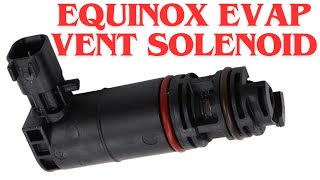
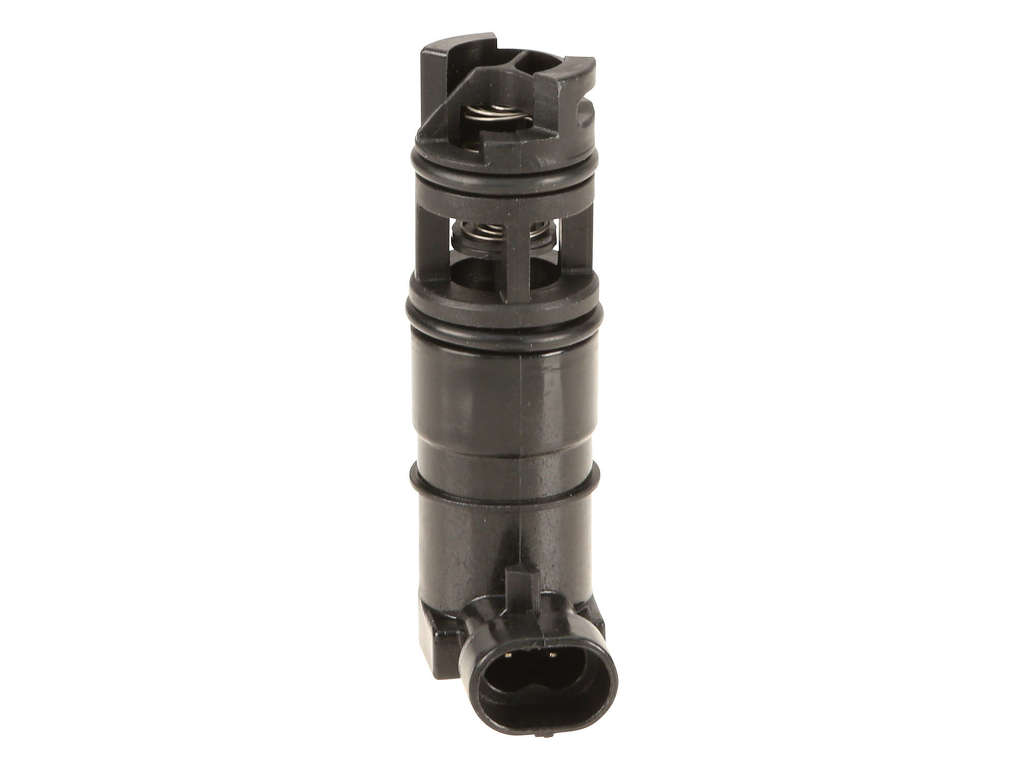
Typical fix: Replace the vent valve solenoid. On Gen 2 models, this is part of the canister assembly. The common ACDelco part number is 214-2149 🎬 Watch: How to replace the EVAP vent solenoid under the vehicle. (GM Part #25932571).
Est. part cost: $30-$90 - Faulty EVAP Purge Valve Solenoid 🟡 Medium Probability This is a very common failure item on many GM vehicles. The valve can get stuck open, creating a constant vacuum leak into the intake manifold which the system detects as a large leak. It can also get stuck closed, which prevents the system from drawing a vacuum during its self-test, also resulting in a P0455 code.
How to confirm: Remove the valve (located in the engine bay) and try to blow through it. If air passes through, it is stuck open and faulty. A scan tool can also be used to command it closed and check for leaks. Difficulty starting after refueling is a strong indicator of a stuck-open purge valve.
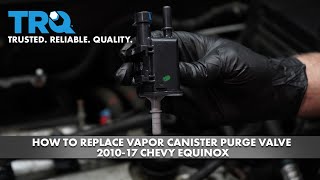
Typical fix: Replace the purge valve solenoid. The common ACDelco part is 214-1680 🎬 See this walkthrough for replacing the purge valve on 2010-2017 models. (GM Part #12597567).
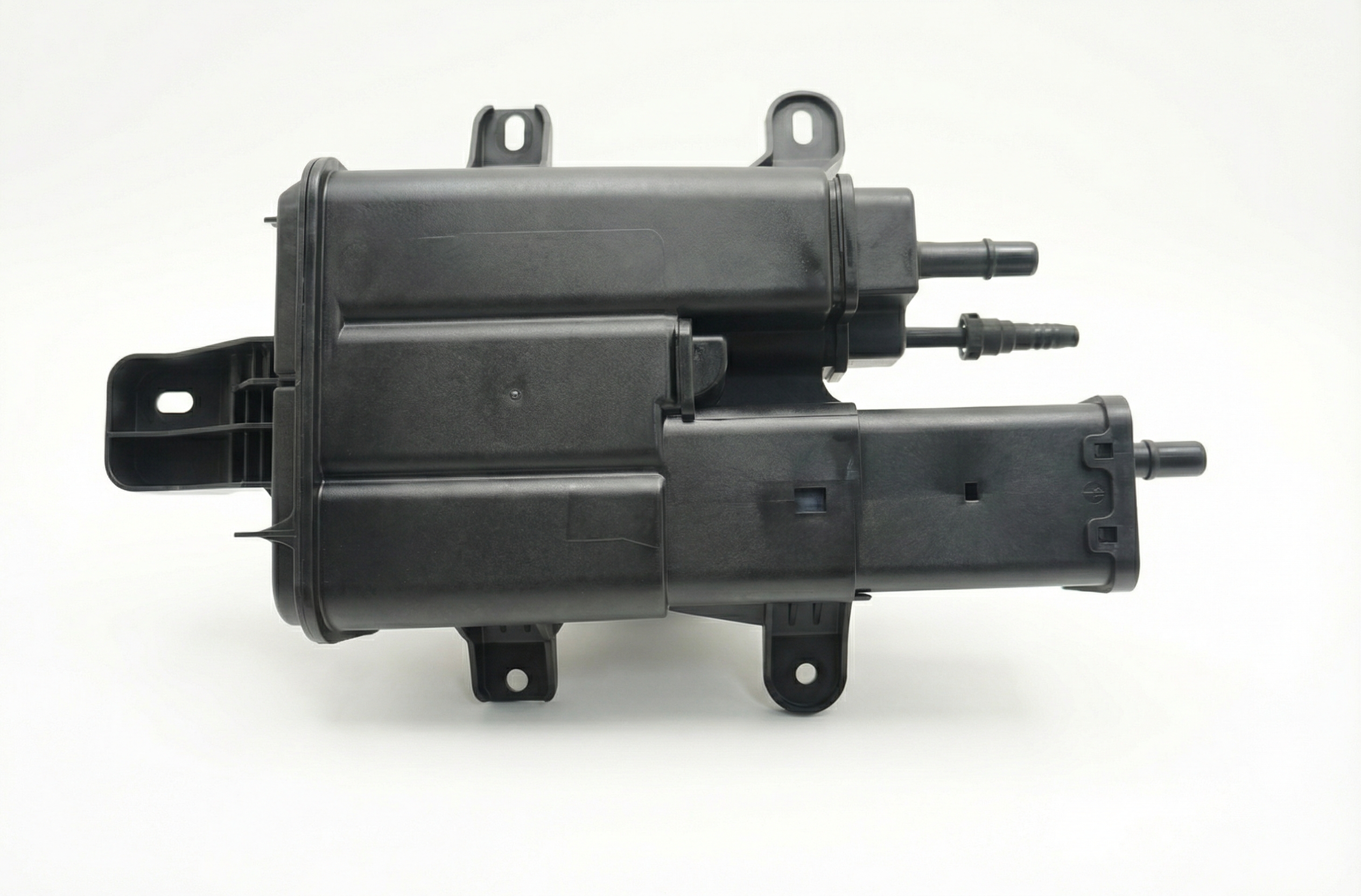
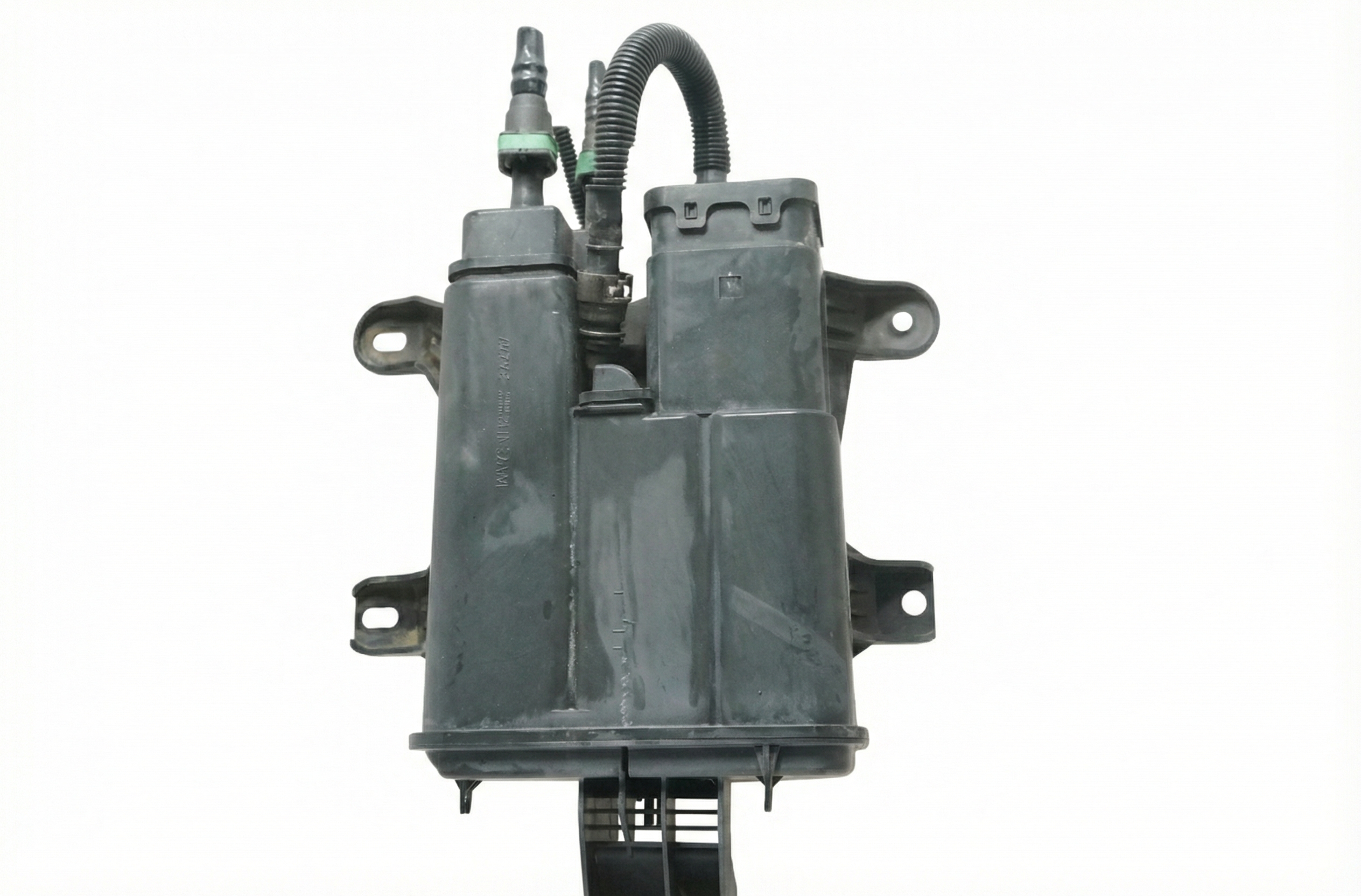
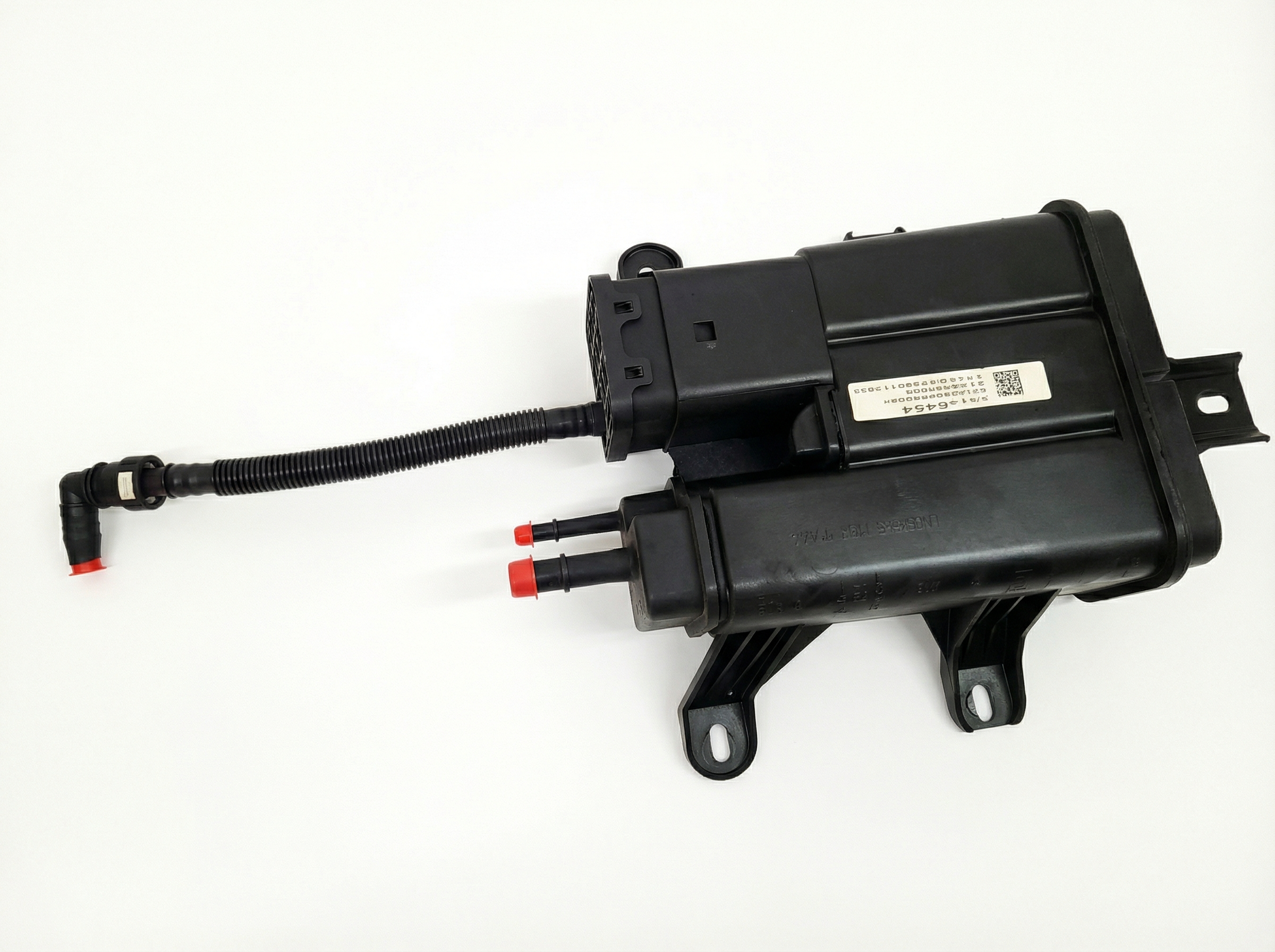
Est. part cost: $25-$60 - Cracked or Damaged Charcoal Canister ⚪ Low Probability The canister is made of plastic and located under the car, where it can be damaged by road debris or during improper jacking. Over-filling the gas tank can also saturate the canister with raw fuel, causing it to fail.
How to confirm: A smoke test is the most effective way to find a crack. Smoke will be seen pouring out of the damaged area of the canister housing. You may also find small charcoal pellets in the EVAP lines if the canister has broken apart internally.
Typical fix: Replace the charcoal canister assembly.
Est. part cost: $150-$300
Rare But Worth Checking
- Cracked or Rusted EVAP Lines/Hoses: Especially common on second-generation (2010+) models in the Rust Belt. The metal lines that run along the frame can rust through, creating a leak that is often difficult to see. A smoke test is required to find these pinhole leaks.
- Damaged Fuel Filler Neck: Rust can perforate the metal filler neck where the gas cap seals, preventing a proper seal and causing a large leak.
- Stuck-Closed Purge Valve: While a stuck-open valve is more common, a valve that is stuck closed can also trigger P0455. The ECM expects to see the fuel tank pressure drop when it opens the purge valve to draw a vacuum. If the valve is stuck closed, no vacuum is pulled, and the system interprets this failure to achieve vacuum as a large leak.
Diagnosis Steps
- Inspect the gas cap. Ensure it is an OEM cap (ACDelco is preferred) and that it is tightened until it clicks several times. Check the seal for cracks or damage. If in doubt, replace it.
- Clear the code and drive the vehicle for a few days to see if the code returns. The EVAP monitor only runs under specific conditions.
- If the code returns, perform a thorough visual inspection of all accessible EVAP hoses and lines in the engine bay and under the vehicle for obvious cracks, disconnections, or damage.
- Locate the purge valve in the engine bay. With the engine off, remove it and try to blow through it. If air passes, it's stuck open and needs replacement.
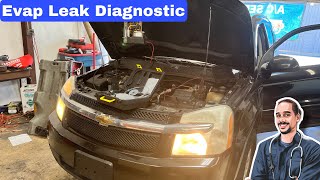
- If the above steps don't reveal the issue, a smoke test is necessary. 🎬 Watch: A professional mechanic's diagnostic process for finding large leaks. This involves feeding low-pressure smoke into the EVAP system's service port to see where it escapes. This is the most effective way to find leaks in hoses, the filler neck, or the charcoal canister.
- While the smoke test is running, use a scan tool to command the vent valve (near the tank) and purge valve (in the engine bay) to close. If smoke appears from one of these valves when commanded closed, the valve is faulty.
- Pay close attention to the full length of the metal EVAP lines along the frame, the charcoal canister, and the fuel filler neck for smoke, as these are common, hard-to-see leak points.
- Once the leak is identified, replace the faulty component.
Parts You'll Likely Need
- Gas Cap
(OEM #ACDelco GT294 (GM #25828267))— This is the most frequent cause of P0455. The seal wears out, and aftermarket caps often fail to provide a proper seal on this platform.
Trusted brands: ACDelco
OEM price range: $25-$40
Aftermarket price range: $15-$25 - EVAP Vent Valve Solenoid
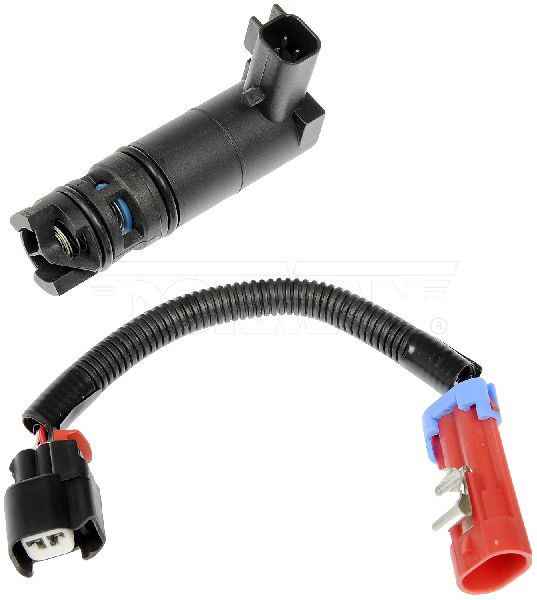
(OEM #ACDelco 214-2149 (GM #25932571))— Its location under the vehicle makes it prone to failure from corrosion and debris, causing it to stick open or fail electrically.
Trusted brands: ACDelco, Dorman, Standard Motor Products
OEM price range: $50-$90
Aftermarket price range: $30-$60 - EVAP Purge Valve Solenoid
(OEM #ACDelco 214-1680 (GM #12597567))— A common failure point on GM vehicles where the valve gets stuck open or closed, causing a leak or preventing the system from testing, respectively.
Trusted brands: ACDelco, Dorman
OEM price range: $25-$60
Aftermarket price range: $20-$40
Related Codes That Often Appear With This One
- P0442 — P0442 indicates a small EVAP leak. It can appear with P0455 if the system has multiple leaks of different sizes, or if a single fault is borderline between a small and large leak. GM issued a TSB (#21-NA-124) that covers diagnosing both codes together.
- P0449 — This code points specifically to an electrical fault in the EVAP vent valve circuit. If the vent valve is both electrically faulty (P0449) and stuck open (causing a large leak), you will see both codes. Checking the 10A EVAP fuse (Fuse #16 in some models) in the underhood fuse box is a good first step.
Technical Service Bulletins (TSBs) & Recalls
- 21-NA-124: Diagnostic Tip for Malfunction Indicator Lamp (MIL) Illuminated - DTC P0442 and/or P0455 Set.
- 08-05-22-004A: Check Engine Light On, DTC P0455, Fuel Odor (Inspect Fuel Filler Pipe for Corrosion/Perforation) - While not specific to Equinox, describes an identical, known issue.
Platform-Specific Known Issues
- The Parts Cannon Ordeal: An owner of a 2008 Equinox with only 58,000 miles reported on ChevyEquinoxForum.com a recurring P0455 even after replacing the gas cap, purge valve, vent solenoid, and charcoal canister with new GM parts. This highlights that diagnosis can be complex and a smoke test is critical to avoid simply throwing parts at the problem.
- GM Diagnostic TSB: A GM Technical Service Bulletin (TSB #21-NA-124) was issued to provide technicians with diagnostic tips for finding leaks related to codes P0442 and P0455, acknowledging the difficulty in pinpointing these leaks.
- The Aftermarket Gas Cap Trap: Multiple forums and even repair videos demonstrate that non-OEM gas caps are a very common cause for P0455 on the Equinox and its platform mates. A user on ChevroletForum.com mentioned replacing the cap first, only for the code to return, a common story before another component is found to be the true cause. A video on a Saturn Vue showed a brand new aftermarket cap leaking profusely during a smoke test.
Mechanic-Grade Diagnostic Values
- EVAP Purge Valve Solenoid Coil Resistance — expected: Approximately 20-30 Ohms. Failure: A reading that is significantly higher, lower, or infinite (open circuit) indicates a faulty solenoid coil.
- EVAP Purge Valve Connector Voltage — expected: 11-12 Volts DC. Failure: No voltage indicates a wiring or fuse issue upstream of the valve.
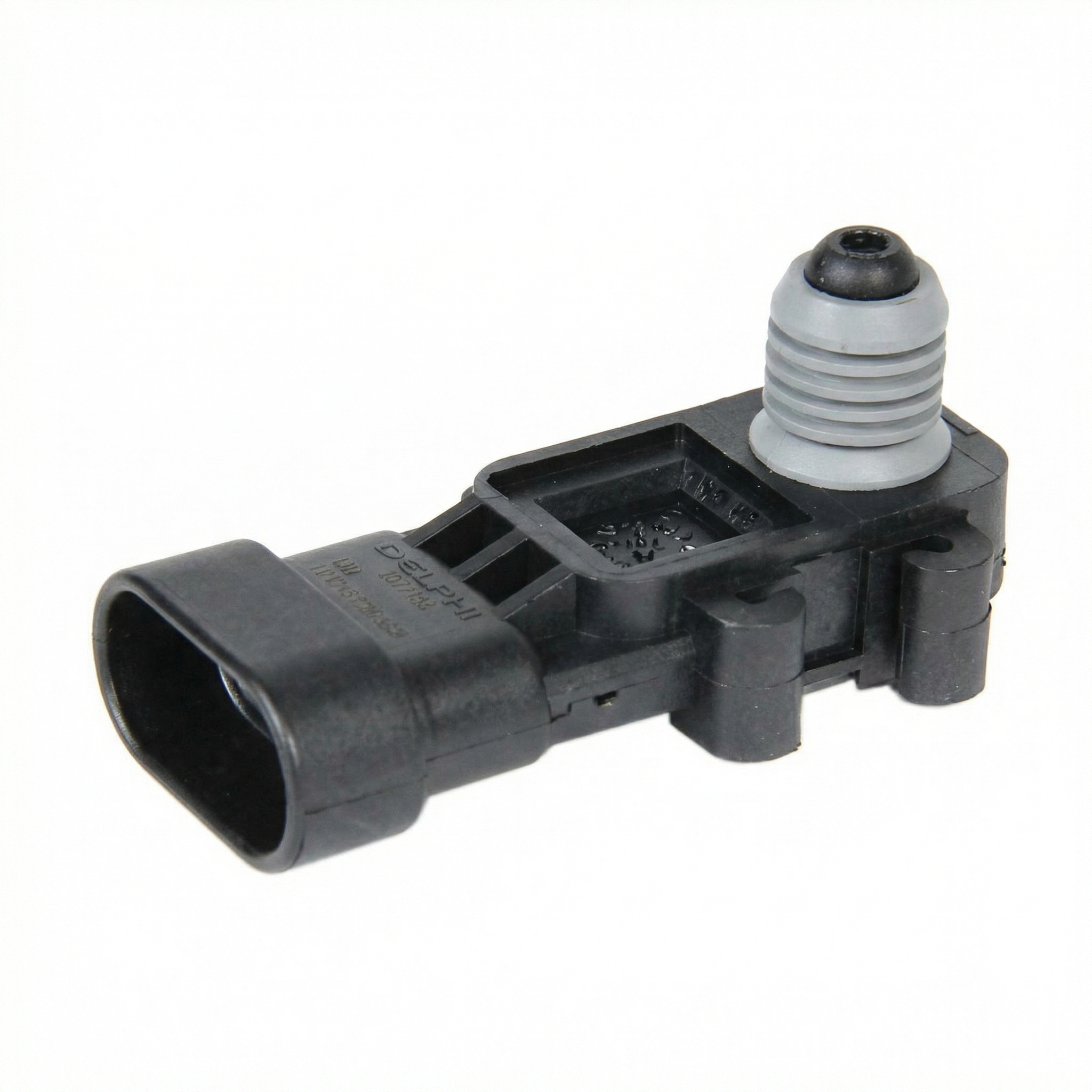
- Fuel Tank Pressure (FTP) Sensor Voltage (at rest) — expected: Approximately 1.5 Volts. Failure: A reading that is significantly different with the gas cap off and system at atmospheric pressure may indicate a skewed or faulty sensor.
Scan Tool Commands That Help
- GDS2 / Tech2 / Professional Scan Tool: EVAP Vent Solenoid Control — Used to manually command the normally-open vent valve to close. This is the first step in sealing the system to perform a smoke or vacuum test.
- GDS2 / Tech2 / Professional Scan Tool: EVAP Purge/Seal Test — This function seals the system (closes the vent valve) and then commands the purge valve to open, allowing the technician to monitor the Fuel Tank Pressure sensor reading to see if the system can pull a vacuum. This directly tests the function of the purge valve and the integrity of the system.
Wiring & Ground Locations
- EVAP Vent Valve Solenoid Connector — Under the vehicle, attached to the vent solenoid on the charcoal canister assembly. For Gen 2 (2010-2012), this is on the driver's side between the front and rear doors, next to the muffler.. The connector and its wiring are exposed to road debris and corrosion, which can lead to a poor connection or circuit fault, often triggering a P0449 code alongside P0455.
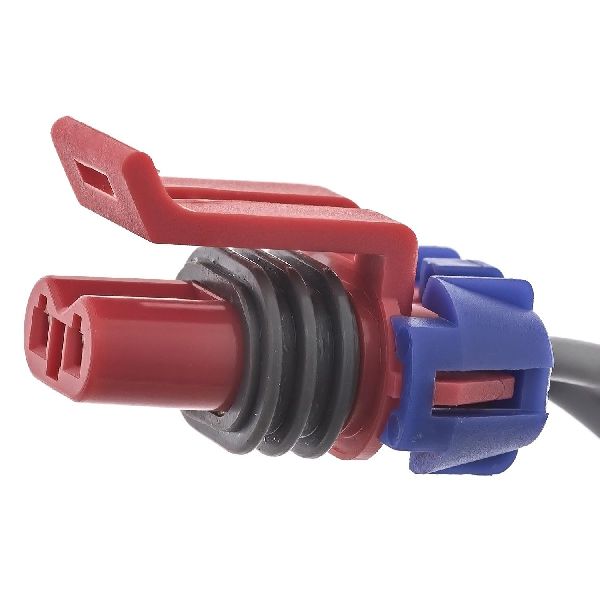
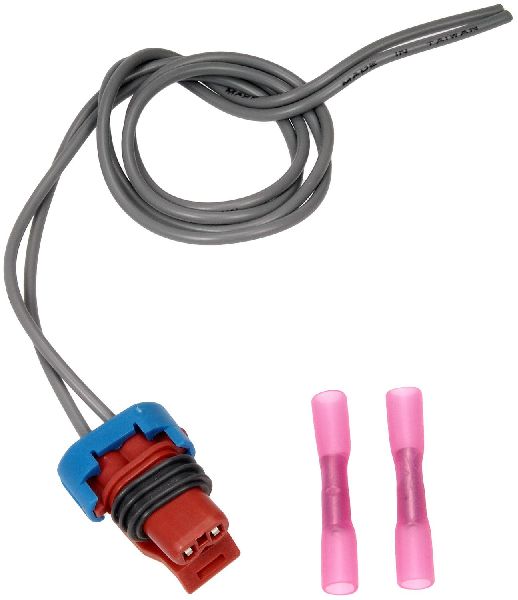
- EVAP Purge Valve Solenoid Connector — In the engine bay, on the purge valve, which is typically mounted on or near the intake manifold.. A loose or corroded connector can prevent the purge valve from being commanded open or closed, leading to a failed EVAP test and a P0455 code.
- EVAP Fuse — In the underhood fuse block. On some models, this is fuse #16.. This fuse supplies power to the EVAP vent solenoid. If it's blown, the vent valve cannot be commanded closed, creating a permanent large leak and instantly setting a P0455 or P0449 code.
"I Checked Everything" — The Actual Cause
- In one documented case on a similar GM vehicle, a P0455 code persisted even after a smoke test found no leaks and the owner had already replaced the vent valve, purge valve, and gas cap. The suspected root cause was a faulty Fuel Tank Pressure (FTP) sensor that was not reporting pressure changes correctly to the computer, thus tricking the ECM into thinking a large leak was present when the system was actually sealed.
- A stuck-closed EVAP purge valve can cause a P0455 code and will pass a smoke test. The ECM triggers the code because when it runs the system self-test, it commands the purge valve to open to draw a vacuum on the fuel tank. If the valve is stuck closed, no vacuum is created, and the ECM incorrectly interprets this lack of pressure change as a massive leak.
OEM Part Supersession History
GM 12597567 (Purge Valve)→GM 12735397— Standard part evolution and consolidation.
Heads up: This part also replaces numerous other part numbers, including 12606684 and 12597566.GM 25932571 (Vent Valve)→Varies by VIN— Part redesign.
Heads up: Suppliers note this part has been redesigned and may not be correct for all vehicles it was originally specified for. It is critical to verify the correct part number with the vehicle's VIN before ordering.
Model Year Variations Within This Range
- 2005-2009 (First Generation): The common EVAP Purge Valve is GM part #12597567 (or #12573220 for some years).
- 2010-2012 (Second Generation): A common EVAP Purge Valve for the I4 and V6 engines is GM part #12610560. The vent solenoid is integrated into a canister assembly located on the driver's side frame rail.
Helpful Videos
Used OEM Parts in Stock

New Aftermarket Parts Available


The information in this article is provided for general reference and educational purposes only. Vehicle specifications, procedures, and part compatibility can vary by production date, trim level, and region. Always consult your vehicle's factory service manual and verify part numbers before purchasing or performing repairs. Safety-critical components such as airbags, seat belts, and braking systems should be installed by a qualified professional.
- Chevrolet EQUINOX:
- 🎬 Helpful Videos
- 🛍️ Shop This Part
- What's Unique About the 2005-2012 Chevrolet EQUINOX
- Diagnostic Flowchart
- Symptoms You May Notice
- Most Likely Causes
- Rare But Worth Checking
- Diagnosis Steps
- Parts You'll Likely Need
- Related Codes That Often Appear With This One
- Technical Service Bulletins (TSBs) & Recalls
- Platform-Specific Known Issues
- Mechanic-Grade Diagnostic Values
- Scan Tool Commands That Help
- Wiring & Ground Locations
- "I Checked Everything" — The Actual Cause
- OEM Part Supersession History
- Model Year Variations Within This Range
- 🎟️ Get 5% Off