

P0455 on 2011-2018 Chevrolet Cruze: EVAP Large Leak Causes and Fixes
For a 2011-2018 Chevy Cruze, code P0455 most often means you have a loose gas cap or a bad EVAP purge valve. First, check that your gas cap is tight and the seal is intact. If that doesn't fix it, the next most likely culprit is the purge valve solenoid (P/N 55573017), a very common failure on the 1.4L Turbo engine that is relatively inexpensive and easy to replace.
- P0455 on a Chevy Cruze indicates a large leak in the emissions system designed to contain fuel vapors.
- Always check your gas cap first. Make sure it's tight and the seal isn't cracked or broken.
- The most common part to fail on a Cruze causing this code is the EVAP purge valve solenoid, located on the engine.
- This code will cause an automatic failure on an emissions test, but it does not represent an immediate danger to your engine.
- Other potential causes include the vent solenoid near the tank or cracked hoses, which are best found with a smoke test.
What's Unique About the 2011-2018 Chevrolet CRUZE

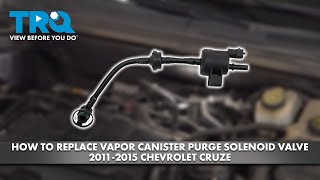
The Chevrolet Cruze, particularly the first generation with the 1.4L turbo engine, is well-known for issues with its EVAP purge valve. This component can fail and stick open, creating the large leak that triggers the P0455 code. While a loose gas cap is always the first thing to check on any vehicle, a faulty purge valve is a very common failure point specific to this platform and its platform mates 🎬 Watch: Step-by-step guide to replacing the Cruze purge solenoid. like the Sonic and Encore.
Diagnostic Flowchart

Tap your situation to follow the diagnostic path that matches what you're seeing on this vehicle.
Generation note: This guide covers the first generation (2011-2016) and the second generation (2016-2018) of the Chevrolet Cruze. While the EVAP system components serve the same function, their specific part numbers and locations may differ slightly. The purge valve is a common failure on both generations, especially those with the 1.4L Turbo engine.
Symptoms You May Notice

- Check Engine Light is on
- A noticeable smell of gasoline, especially around the rear of the car.
- Difficulty starting the engine, particularly after refueling (less common, but a strong indicator of a stuck-open purge valve)
- Slightly rough idle (less common)
- Gas pump nozzle clicks off repeatedly when trying to refuel, indicating the tank is not venting properly (often linked to a bad vent valve).
- Replacing the oxygen sensors. Oxygen sensors are not part of the EVAP system and will not cause a P0455 code.
- Replacing the fuel tank pressure sensor without proper diagnosis. While this sensor can fail, it often produces its own specific trouble codes and is less likely to be the cause of a large leak code than a stuck valve or bad gas cap.
- Replacing the purge or vent valve without checking the fuse first. A blown fuse for the EVAP system can mimic the symptoms of a failed component.
Most Likely Causes

- Loose or Faulty Gas Cap 🔴 High Probability This is the most common cause for a P0455 on any vehicle due to user error (not tightening it enough) or simple wear and tear of the cap's seal. Many owners on forums like Reddit and CruzeTalk report this as the first thing they check.
How to confirm: Ensure the gas cap is tightened until it clicks at least once. Inspect the rubber O-ring on the cap for cracks, brittleness, or damage. If the cap looks worn, it's a cheap and easy first replacement. An OEM cap is recommended as some aftermarket caps have been reported to not seal correctly.
Typical fix: Tighten or replace the gas cap.
Est. part cost: $15-$30 - Faulty EVAP Purge Valve Solenoid 🔴 High Probability The purge valve on the Cruze, especially the 1.4L turbo models, is a very common failure item. It can get stuck open, creating a constant vacuum leak from the EVAP system to the intake manifold, which also frequently triggers code P0496.
How to confirm: Remove the purge valve (located on top of the engine). With the valve disconnected, try to blow through it. A healthy, normally-closed purge valve should not allow air to pass. If you can blow through it, it's stuck open and needs to be replaced. This is a widely documented test on YouTube and forums for the Cruze.
Typical fix: Replace the EVAP purge valve solenoid.
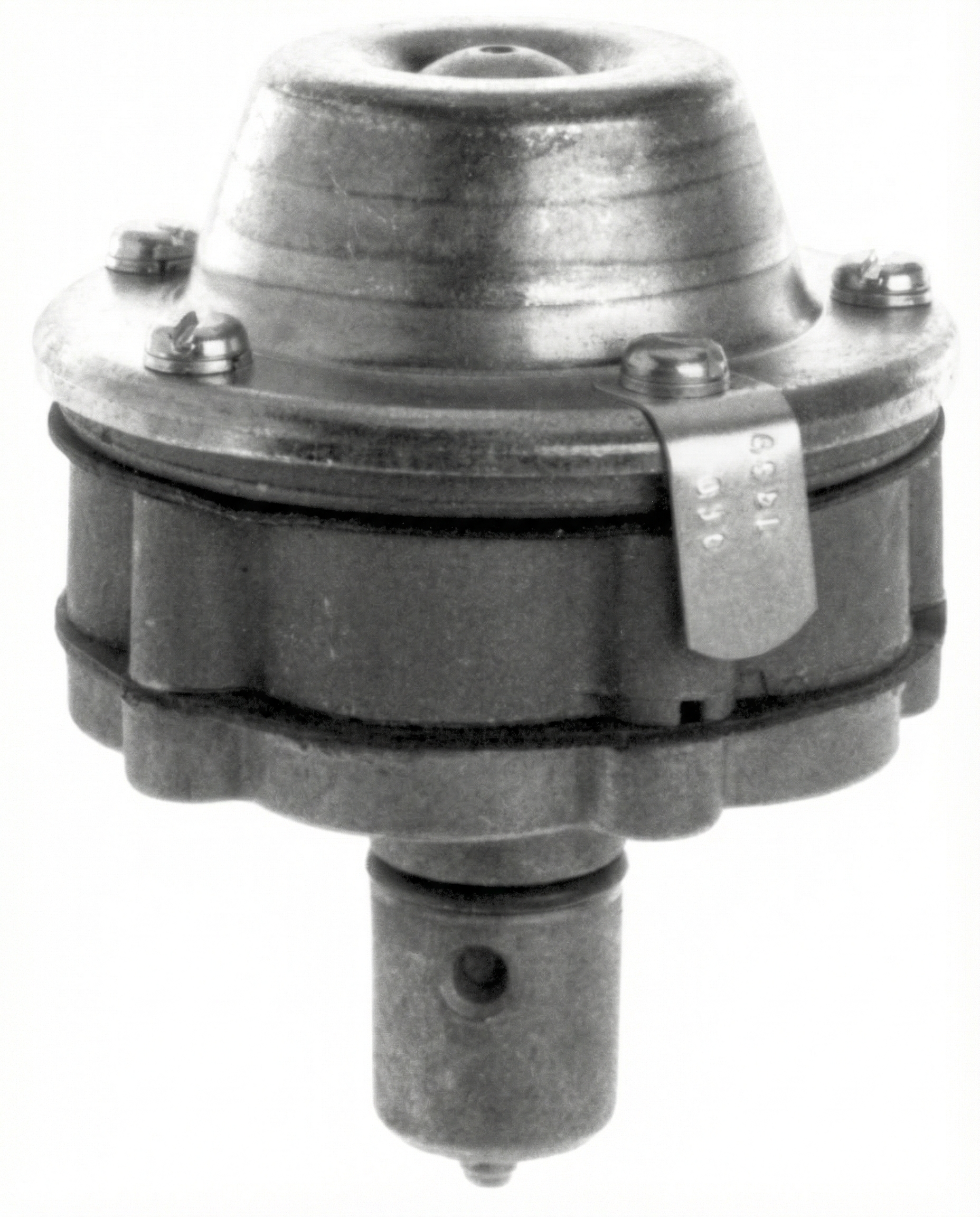
Est. part cost: $25-$60 - Faulty EVAP Vent Valve Solenoid 🟡 Medium Probability The vent valve, located near the charcoal canister by the fuel tank, can get stuck open, preventing the system from sealing for its pressure test. This can also cause issues with refueling where the gas pump constantly clicks off.
How to confirm: This is more difficult to access than the purge valve. A mechanic would command the valve closed with a scan tool and perform a smoke test to see if smoke escapes from the vent. A DIY approach involves removing the valve and testing it with a 12V source to see if it actuates. A user on Reddit described their diagnostic process which led to identifying a bad vent valve after a smoke test showed no other leaks.
Typical fix: Replace the EVAP vent valve solenoid.
Est. part cost: $30-$70 - Cracked or Disconnected EVAP Hoses ⚪ Low Probability Over time, the plastic and rubber hoses in the EVAP system can become brittle and crack, or a connection can come loose. GM TSB 21-NA-124 specifically advises technicians to check for improperly seated or damaged lines first. A Reddit user cited service information listing seven critical connection points to check for leaks.
How to confirm: Visually inspect all accessible EVAP lines between the engine bay, the charcoal canister, and the fuel tank. A smoke test is the most effective way to find a leak in a hose.
Typical fix: Replace the damaged section of hose or reconnect it.
Est. part cost: $5-$30
Rare But Worth Checking
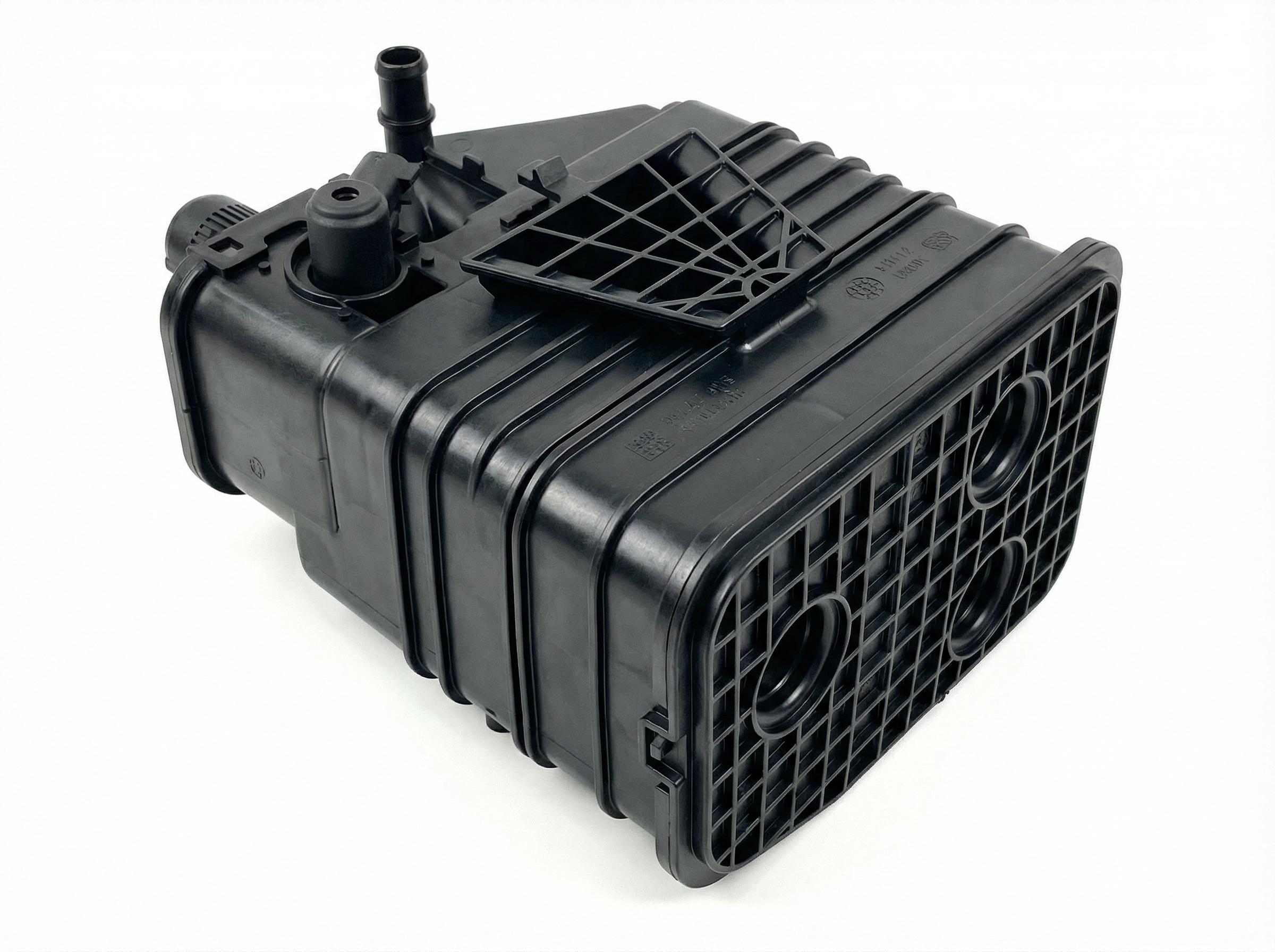
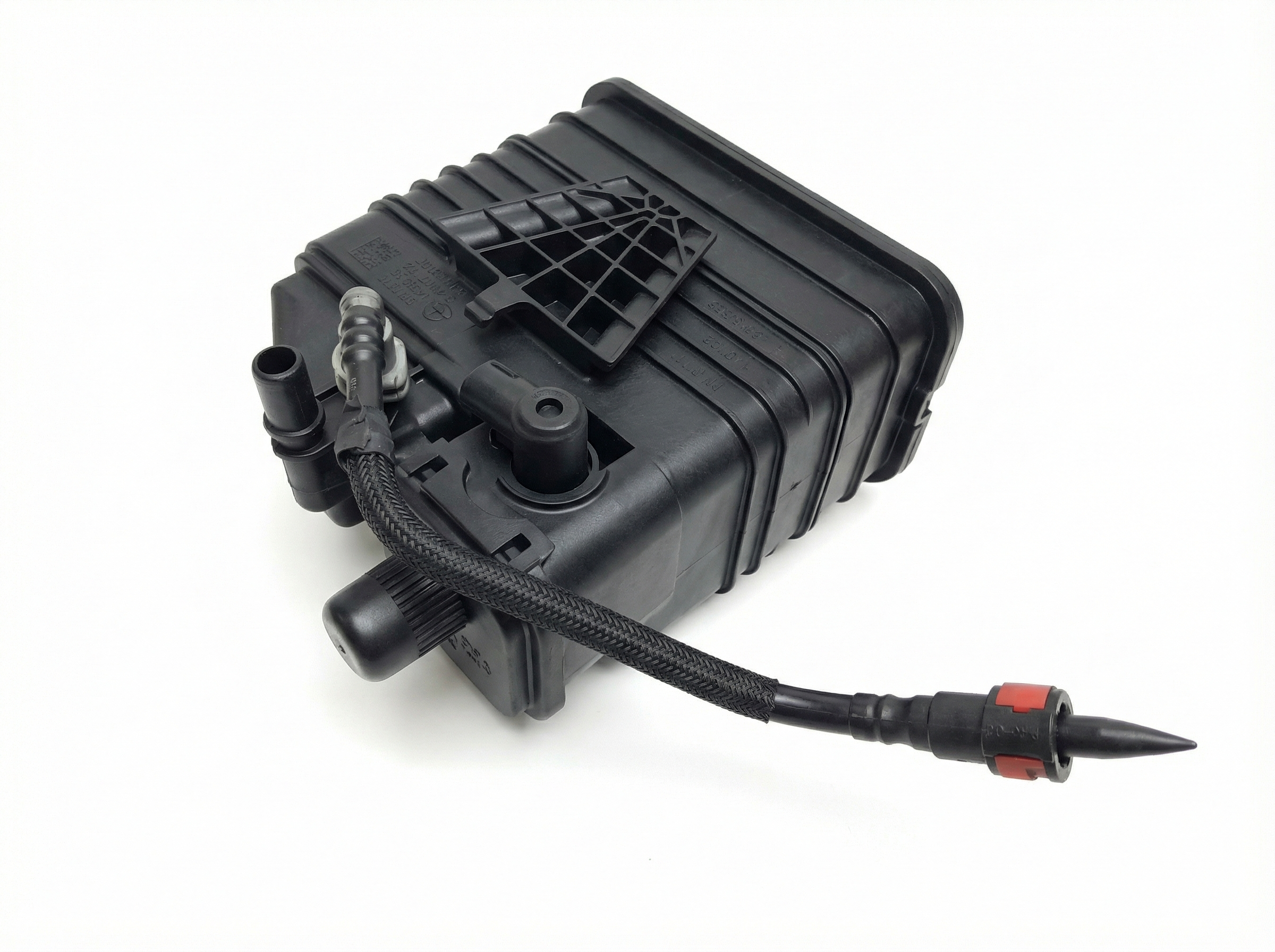
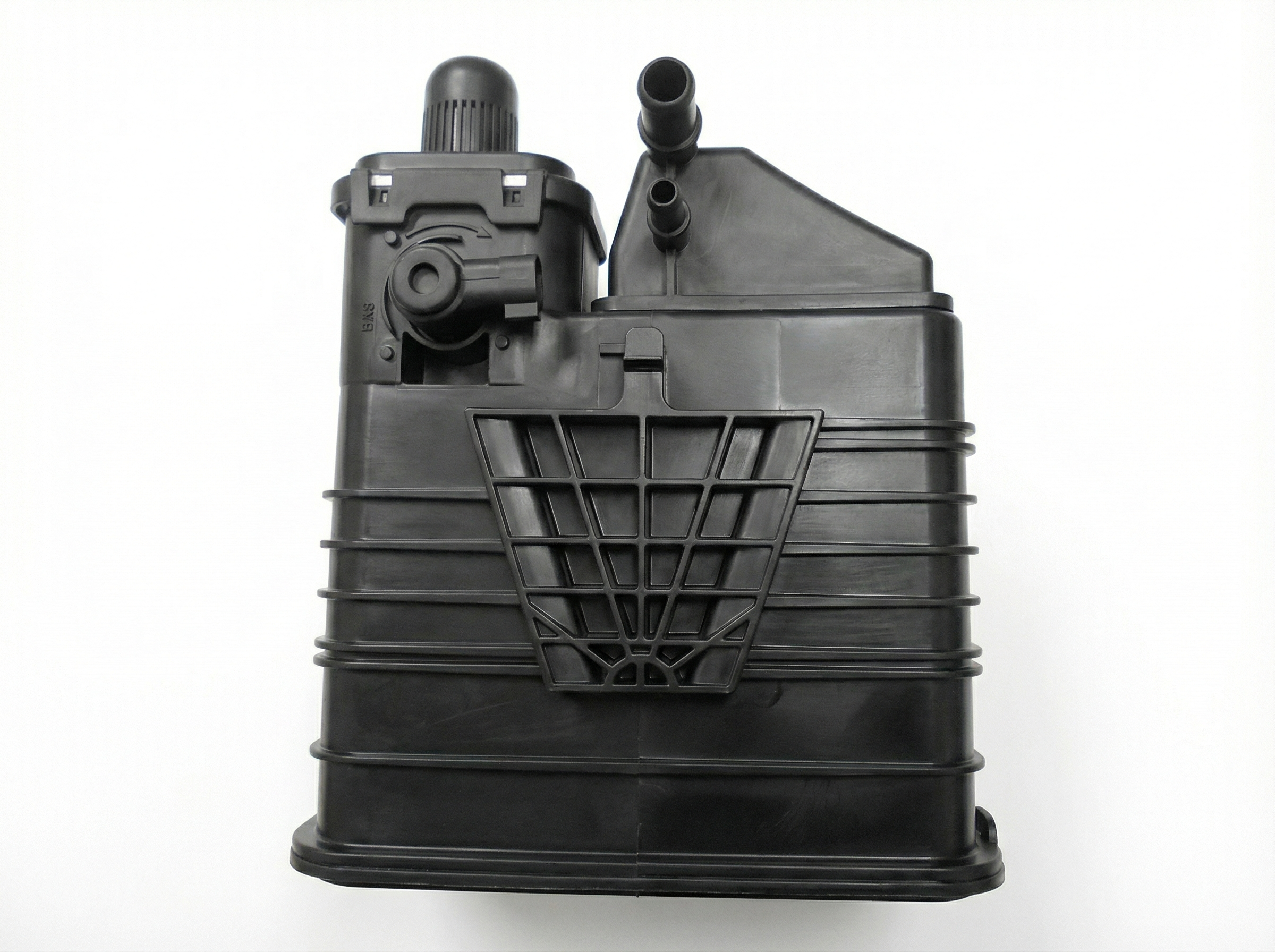
- Cracked EVAP Charcoal Canister: The canister itself can be damaged by road debris, leading to a large crack and a P0455 code. This is worth a visual inspection while checking the vent valve.
- Leaking Fuel Tank or Filler Neck: Rust or physical damage can cause a leak in the fuel tank or the filler neck, which will prevent the system from holding pressure. This is usually accompanied by a strong fuel smell and possibly visible fuel leakage. A user on a Jeep forum (a different platform) with a P0455 found the cause to be a rotted steel line near the canister.
Diagnosis Steps
- Read the code with an OBD-II scanner to confirm P0455 is present.
- Inspect the gas cap. Remove it, check the seal for damage, and reinstall it, ensuring it clicks. Clear the code and drive for a few days.
- If the code returns, locate the EVAP purge valve on the engine. It is typically mounted on the intake manifold.
- Disconnect the electrical connector and hoses from the purge valve. Try to blow through the valve. If air passes through, the valve has failed and must be replaced. This is the most common fix reported by owners.
- If the purge valve is good, check the fuse for the EVAP system in the under-hood fuse box. For the first-generation Cruze, this may be fuse #3 or #13.
- If the fuse is good, the next step is to inspect the EVAP vent valve and hoses near the fuel tank. This may require safely raising the vehicle.
- Visually inspect all EVAP hoses for obvious cracks or disconnections, paying close attention to connections as recommended by GM TSB 21-NA-124.
- If no visible issues are found, a smoke test is the most reliable method to find the source of the leak. This involves injecting smoke into the EVAP system and looking for where it escapes.
Parts You'll Likely Need
- EVAP Vapor Canister Purge Valve Solenoid
(OEM #55573017)— This is a very common failure point on the 2011-2018 Cruze that causes a large leak when it sticks open. It is often seen with code P0496.
Trusted brands: ACDelco, Dorman (P/N 911-409), Standard Motor Products (P/N CP781)
OEM price range: $40-$70
Aftermarket price range: $25-$50 - Fuel Cap
(OEM #ACDelco GT364 (example, verify by VIN))— A worn out or improperly sealed gas cap is the simplest and a very common cause for a P0455 code.
Trusted brands: ACDelco, Stant
OEM price range: $20-$30
Aftermarket price range: $10-$20 - EVAP Vapor Canister Vent Valve Solenoid
(OEM #ACDelco 214-2137 (GM P/N 13575703))— This valve, located near the fuel tank, can fail and stick open, preventing the system from sealing during its self-test. Failure can also lead to difficulty refueling.
Trusted brands: ACDelco, Dorman (P/N 911-082), WVE
OEM price range: $50-$80
Aftermarket price range: $30-$60
Related Codes That Often Appear With This One
- P0442 — P0442 indicates a small EVAP leak. Sometimes a failing component can cause either code to appear intermittently before it fails completely and consistently sets the P0455 large leak code. TSB 21-NA-124 covers diagnostics for both codes.
- P0496 — This code indicates 'EVAP Flow During a Non-Purge Condition,' which points directly to a purge valve that is stuck open. It's very common to see P0496 alongside P0455 on a Chevy Cruze, often confirming the purge valve is the culprit.
Technical Service Bulletins (TSBs) & Recalls
- 21-NA-124: Offers diagnostic advice for technicians on testing for EVAP system leaks that cause P0442 and/or P0455 codes. The recommended order is to check lines, then the vent valve, then the purge valve.
Platform-Specific Known Issues
- TSB #21-NA-124: Diagnostic Priority: A Technical Service Bulletin, #21-NA-124, was issued for the 2018 Cruze (and other GM vehicles) providing diagnostic tips for finding EVAP leaks related to codes P0442 and P0455. It advises technicians to check for damaged or improperly seated EVAP lines first, then check the vent valve for being stuck open, and finally investigate the purge valve.
- Owner Experience: Purge Valve is the Usual Suspect: Despite the TSB's diagnostic order, a vast number of owner experiences shared on forums like cruzetalk.com and Reddit's /r/cruze point to the purge valve (P/N 55573017) as the primary culprit, often being the first and only part replaced to successfully fix the P0455 and P0496 codes.
Mechanic-Grade Diagnostic Values
- EVAP Purge or Vent Valve Solenoid Resistance — expected: 15 to 30 Ohms. Failure: A reading far outside this range indicates a damaged internal coil.
- Fuel Tank Pressure (FTP) Sensor Voltage (KOEO) — expected: Approximately 1.45 - 1.5 Volts. Failure: A reading significantly higher or lower can indicate a faulty sensor, which can sometimes mislead the ECM into setting a leak code.
Scan Tool Commands That Help
- GDS2 / Professional Scan Tool: EVAP System Test — This is a guided, automated test that commands the vent valve closed and the purge valve open to draw a vacuum on the tank, then monitors the Fuel Tank Pressure (FTP) sensor to see if the vacuum holds. It's the factory-prescribed way to confirm a leak exists before using a smoke machine.
- GDS2 / Professional Scan Tool: EVAP Purge/Seal — This function allows a technician to manually command the vent valve to close and seal the system. This is essential before performing a smoke test to ensure the system is in the correct state to find a leak.
- GDS2 / Professional Scan Tool: Purge Valve Solenoid Control — Allows for manually commanding the purge valve open and closed (or duty-cycling it) while monitoring engine RPM or vacuum to confirm it is functioning mechanically and not stuck.
Wiring & Ground Locations
- EVAP Purge Valve Fuse — In the under-hood fuse block for the first-generation Cruze. It may be fuse #3 or #13 depending on the specific year and model.. A blown fuse will prevent the purge valve solenoid from being controlled by the ECM. While this typically won't cause a large leak code on its own (as the valve is normally closed), it can cause other EVAP codes and should be checked before replacing components.
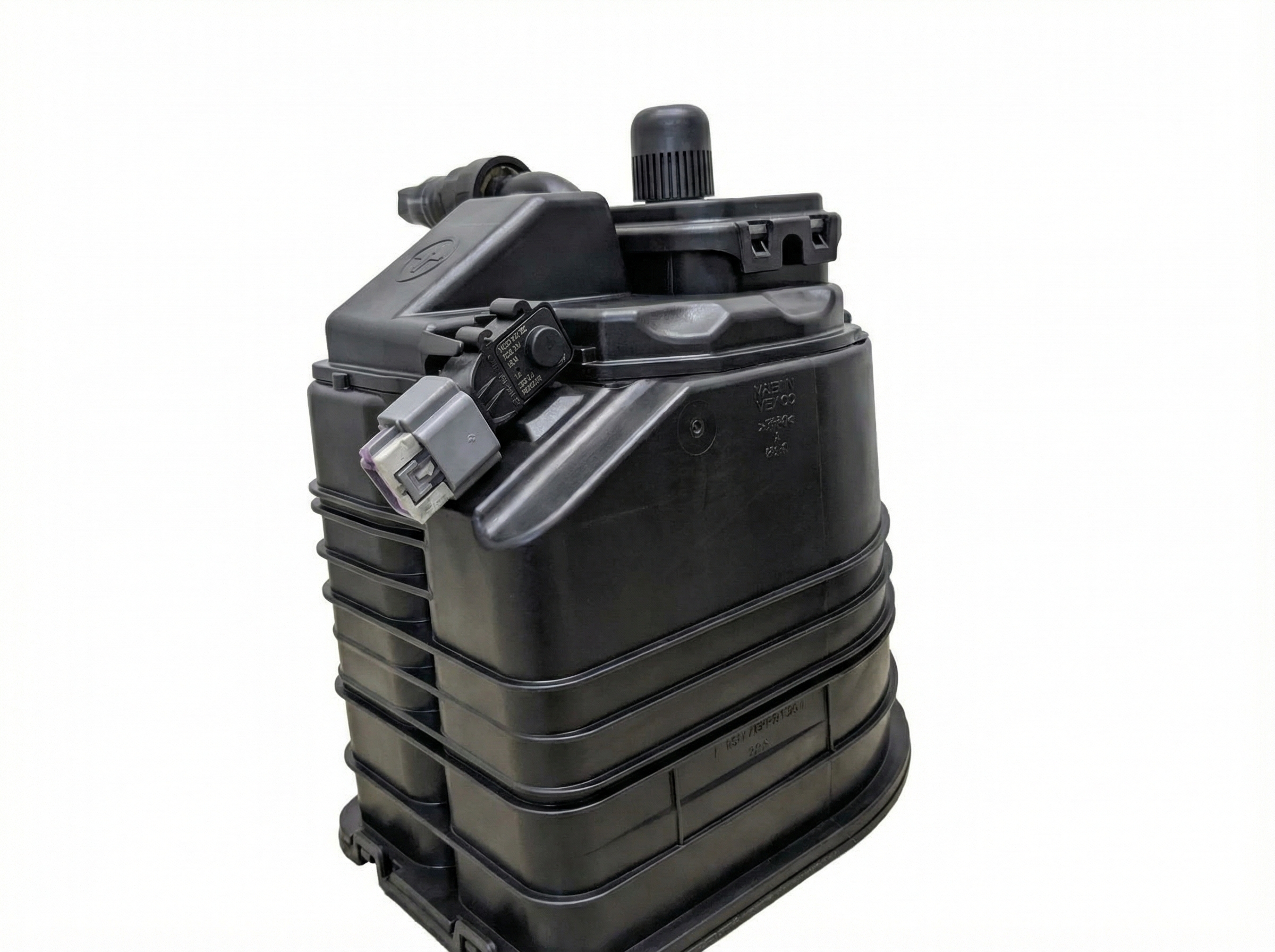
- EVAP Canister — On the driver's side, mounted near the rear frame rail, just in front of the fuel tank.. This is the location for the charcoal canister, the vent valve solenoid, and multiple hose connections. It is a primary area to inspect for cracks or loose hoses when diagnosing a P0455, especially if a fuel smell is present at the rear of the vehicle.
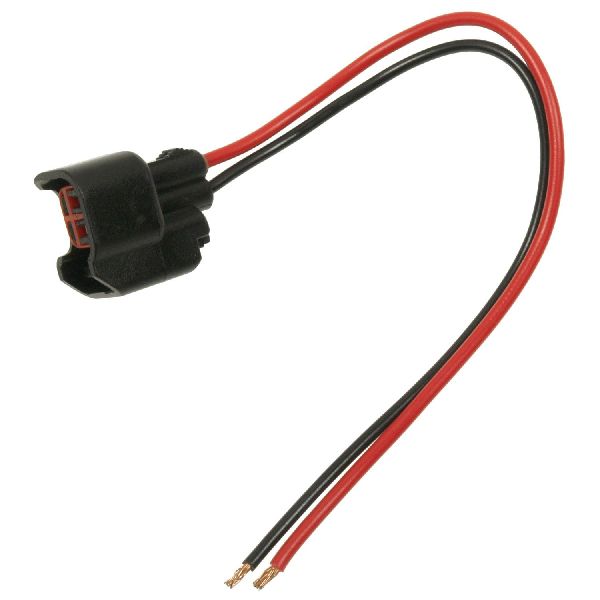
- Purge Valve Connector — A 2-pin connector on the purge valve solenoid itself, located on or near the intake manifold.. Technicians test for 12V power at this connector with the key on to verify the circuit is live before condemning the valve itself. One wire should have constant power, and the other is ground-side switched by the ECM.
Real Owner Repair Stories
- YouTube channel 'Valley Mobile Automotive' (2017 Chevrolet Cruze) — Check Engine Light with codes P0446 (Vent Performance) and P0451 (Pressure Sensor Range).
❌ Tried (didn't work) The vehicle had a new, aftermarket (Dorman) vent solenoid already installed, but the codes persisted.
✅ What actually fixed it The technician found that the charcoal canister itself was restricted. Replacing the entire EVAP canister assembly, which included a new vent solenoid, resolved the issue. The pressure sensor readings returned to normal after the replacement. - YouTube channel 'Chris Morales' (2016 Chevrolet Cruze (2nd Gen) 1.4L) — Check Engine Light with code P0442 (Small Leak).
❌ Tried (didn't work) The owner first replaced the purge valve solenoid, but the code returned.
✅ What actually fixed it The owner then replaced the EVAP canister vent valve, which required partially dropping the fuel tank for access. This ultimately fixed the leak and the code did not return after a drive cycle.
OEM Part Supersession History
Unknown→55573017— This is the widely recognized and currently available OEM part number for the 1.4L Turbo engine's purge valve. GM has issued special coverage programs (e.g., N192210240) for this part due to high failure rates, extending the warranty for some vehicles.
Model Year Variations Within This Range
- 2011-2016 (Gen 1): The purge valve is typically located on top of the intake manifold, making it extremely easy to access and replace. The electrical connector has a red sliding lock tab.
- 2016-2018 (Gen 2): The purge valve is located behind the engine, making it slightly more difficult to access. The electrical connector uses a white push-to-release lock, and the hose connectors may have different colored locking clips (e.g., green and red).
- 2011-2018 (1.8L Engine): The purge valve for the 1.8L naturally aspirated engine is a different part number (e.g., 55567453) and has a different physical shape and mounting compared to the 1.4L turbo engine's valve.
Helpful Videos
Used OEM Parts in Stock

New Aftermarket Parts Available


The information in this article is provided for general reference and educational purposes only. Vehicle specifications, procedures, and part compatibility can vary by production date, trim level, and region. Always consult your vehicle's factory service manual and verify part numbers before purchasing or performing repairs. Safety-critical components such as airbags, seat belts, and braking systems should be installed by a qualified professional.
- Chevrolet CRUZE:
- 🎬 Helpful Videos
- 🛍️ Shop This Part
- What's Unique About the 2011-2018 Chevrolet CRUZE
- Diagnostic Flowchart
- Symptoms You May Notice
- Most Likely Causes
- Rare But Worth Checking
- Diagnosis Steps
- Parts You'll Likely Need
- Related Codes That Often Appear With This One
- Technical Service Bulletins (TSBs) & Recalls
- Platform-Specific Known Issues
- Mechanic-Grade Diagnostic Values
- Scan Tool Commands That Help
- Wiring & Ground Locations
- Real Owner Repair Stories
- OEM Part Supersession History
- Model Year Variations Within This Range
- 🎟️ Get 5% Off