

P0455 on 2013-2020 Chevrolet Corvette: EVAP Large Leak Causes and Fixes
For the 2013-2020 Corvette, a P0455 code most often points to a faulty EVAP purge solenoid valve or a bad seal on the capless fuel filler neck. Replacing the purge valve is a common, relatively easy DIY fix costing between $25 and $60 for the part.
- P0455 on a 2013-2020 Corvette indicates a large leak in the emissions system, but it won't stop you from driving the car.
- The most likely culprit is a faulty EVAP purge solenoid valve located on the engine, which is an inexpensive and easy part to replace yourself.
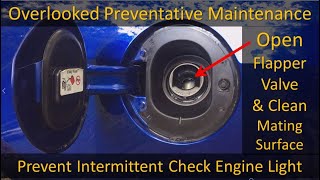
- Before buying parts, inspect and clean the seal on the car's capless fuel filler neck, as debris can prevent a proper seal.
- If simple checks don't solve the issue, a professional smoke test is the fastest way to find the exact source of the leak.
- This vehicle range covers both the C7 and C8 generations; while the code is the same, part locations differ significantly between them.
What's Unique About the 2013-2020 Chevrolet CORVETTE

The 2013-2020 range covers two distinct generations: the front-engine C7 (2014-2019) and the mid-engine C8 (2020). While the code's meaning is the same, the physical location of EVAP components like the charcoal canister and vent solenoid are completely different. On the C7, these parts are in the rear passenger-side wheel well, making access relatively simple. On the C8, the mid-engine layout changes the packaging and routing of all systems. Corvette owners on forums frequently point to the purge solenoid, located on the engine itself, as a primary failure point for this code across both generations.
Diagnostic Flowchart

Tap your situation to follow the diagnostic path that matches what you're seeing on this vehicle.
Generation note: This range covers the C7 generation (2014-2019) and the first year of the C8 generation (2020). The C7 is a front-engine platform, while the C8 is mid-engine. This significantly changes the location of EVAP components like the vapor canister and vent solenoid. The purge valve, however, remains on the engine in both generations and is a common point of failure.
Symptoms You May Notice
- Check Engine Light is on
- A message to check the gas cap may appear on the driver information center
- A faint smell of fuel, especially around the rear of the car
- The vehicle will automatically fail an emissions inspection
- In rare cases, an erratic or surging idle if the purge valve is stuck open, creating a significant vacuum leak
- Replacing the gas cap. The 2013-2020 Corvette has a capless fuel system, so there is no traditional gas cap to replace. The issue would be with the filler neck seal itself.
Most Likely Causes


- Faulty EVAP Purge Solenoid Valve 🔴 High Probability This is the most frequently reported failure item on Corvette forums for the C7 generation. The valve can get stuck open, creating a constant vacuum leak that the system interprets as a large leak.
How to confirm: With the engine off, remove the purge valve (located on top of the engine, on the driver's side near the cylinder head) and try to blow through it. If air passes through, the valve is stuck open and has failed. A scan tool can also command the valve to cycle while checking for vacuum.
Typical fix: Replace the purge solenoid valve. This is a simple repair involving one bolt, one electrical connector, and two hose connections. Many owners report it as a 15-minute job.
Est. part cost: $25-$60 - Poorly Sealing or Dirty Capless Fuel Filler Neck 🟡 Medium Probability The C7 and C8 Corvettes use a capless fuel filler system. Debris, dirt, or even the gas cap tether getting caught on the seal of the internal flapper door can prevent it from closing properly, creating a large leak.
How to confirm: Visually inspect the fuel filler opening for any dirt, debris, or damage to the seal. Use the funnel tool that comes with the vehicle to open the flap and inspect the inner sealing surfaces.
Typical fix: Clean the sealing surface of the fuel filler neck. Owners have had success using the vehicle's included funnel to open the flaps, then wiping the sealing area with a clean cloth and a small amount of lubricant like WD-40. If the seal is damaged, the filler neck assembly may need to be replaced.
Est. part cost: $0 for cleaning, $150-$250 for a new filler neck. - Faulty EVAP Vent Solenoid/Valve 🟡 Medium Probability The vent solenoid is located underneath the car near the fuel tank and is exposed to road debris and moisture. It can get stuck open or closed, preventing the system from sealing properly for its self-test.
How to confirm: The valve is normally open. A diagnostic scan tool can command it closed. If it fails to close or is stuck, it needs replacement. A smoke test will show smoke exiting a stuck-open vent valve.
Typical fix: Replace the vent solenoid. On a C7, this is located in the rear passenger wheel well area, accessible after removing the wheel and liner.
Est. part cost: $25-$50 - Cracked or Disconnected EVAP Hose ⚪ Low Probability Hoses can become brittle over time with heat cycles. A specific hose near the purge valve on the engine is a potential point of failure, especially after engine work has been performed.
How to confirm: A visual inspection of all accessible EVAP lines is the first step. The definitive method is to use a smoke machine, which fills the system with a visible vapor to pinpoint the exact location of the leak.
Typical fix: Replace the cracked or damaged section of the hose. Some owners have successfully used sections of spark plug boots for rotted elbow connections on older models.
Est. part cost: $20-$100 depending on the hose assembly.
Rare But Worth Checking
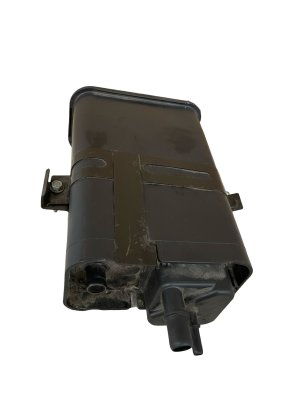
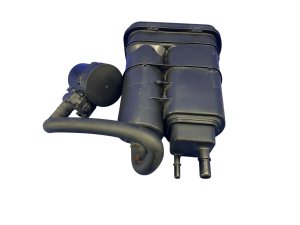
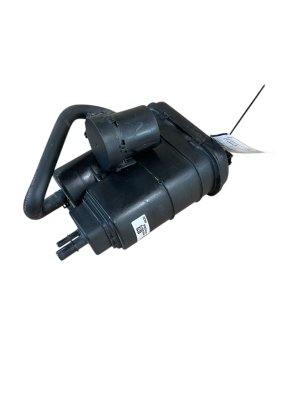
- Cracked EVAP Charcoal Canister: Physical damage from road debris can crack the plastic housing of the canister. This is more likely if the car has been lowered or driven on poor roads. A smoke test will easily reveal a cracked canister.
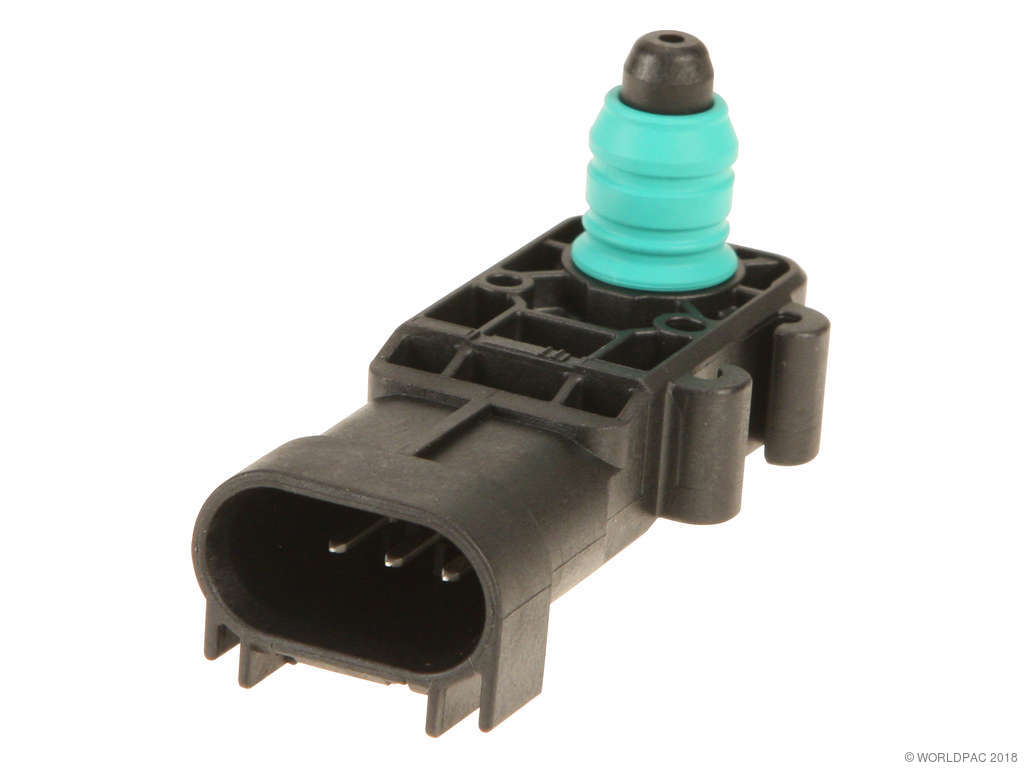
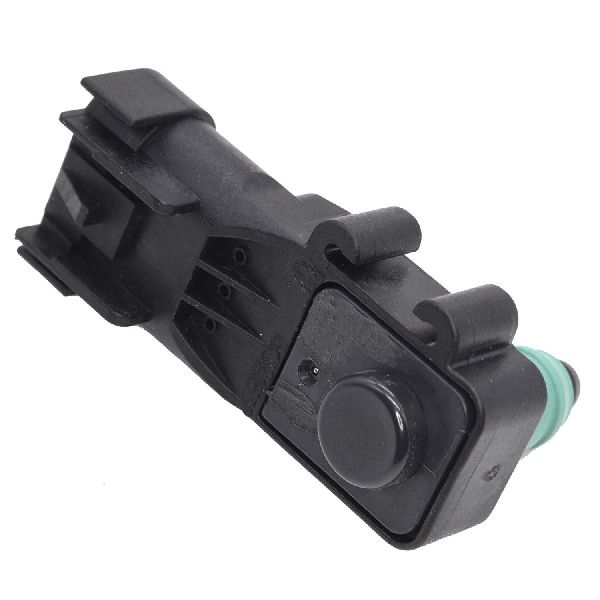
- Faulty Fuel Tank Pressure (FTP) Sensor: A faulty FTP sensor can incorrectly report a large leak to the ECM when none exists. This is often accompanied by other FTP-specific codes and should be considered if a smoke test reveals no leaks.
Diagnosis Steps
- Read the Code: Confirm P0455 is the active code using an OBD-II scanner.
- Inspect Fuel Filler Neck: Open the fuel door and inspect the capless filler neck seal for any dirt, debris, or damage. Clean it thoroughly using the provided funnel and a cloth.
- Inspect Purge Solenoid: Locate the EVAP purge solenoid on the engine. Disconnect it and attempt to blow through it. If air passes, it's stuck open and must be replaced. Many owners on forums suggest that for a ~$30 part, if P0455 is present, simply replacing it is a time-effective diagnostic step.
- Visual Inspection: Visually inspect all accessible EVAP hoses in the engine bay and around the rear wheel wells for obvious cracks, damage, or disconnections.
- Test Vent Solenoid: If you have a capable scan tool, command the vent solenoid closed and see if it holds a vacuum. This valve is normally open.
- Perform a Smoke Test: If the previous steps do not reveal the cause, the most effective next step is a smoke test. This involves injecting low-pressure smoke into the EVAP system and watching for where it escapes. This will definitively find any leak.
Parts You'll Likely Need
- EVAP Vapor Canister Purge Solenoid Valve
(OEM #12690512, 214-1680)— This is the most frequently cited cause of P0455 on C7 Corvettes. It gets stuck open, causing a leak that the system detects.
Trusted brands: ACDelco, GM Genuine
OEM price range: $30-$60
Aftermarket price range: $20-$45 - EVAP Vapor Canister Vent Solenoid
(OEM #25950499)— This valve is located under the car and is prone to failure from dirt and moisture, causing it to stick open.
Trusted brands: ACDelco, Dorman
OEM price range: $30-$50
Aftermarket price range: $20-$40 - Fuel Tank Filler Neck — If the seal on the capless system is damaged and cannot be fixed by cleaning, the entire filler neck assembly must be replaced to ensure a proper seal.
Trusted brands: GM Genuine
OEM price range: $150-$250
Aftermarket price range: $100-$180
Related Codes That Often Appear With This One
- P0442 — P0442 indicates a small EVAP leak. The same faulty component can sometimes trigger a small leak code before it worsens and triggers the large leak code P0455. The official GM TSB #21-NA-124 groups these two codes together for diagnosis.
- P0496 — This code means 'EVAP Flow During a Non-Purge Condition' and often points directly to a purge valve that is stuck open. Since a stuck-open purge valve is a primary cause of P0455, seeing these two codes together strongly suggests the purge valve is the culprit.
Technical Service Bulletins (TSBs) & Recalls
- 21-NA-124: Provides diagnostic tips for DTCs P0442 (small leak) and/or P0455 (large leak). It advises a specific order of operations: 1) Inspect all EVAP lines for proper connection and damage. 2) Investigate for a stuck-open vent valve. 3) Investigate for a stuck-open purge valve.
Platform-Specific Known Issues
- Easy Purge Valve DIY Fix: A CorvetteForum member with a 2015 Z06 and only 3,400 miles reported getting a P0455 code. Another user confirmed they had the same issue and resolved it by replacing the EVAP purge valve located on the driver's side of the engine. They described it as a 'Quick, easy, replacement. One bolt, one EVAP hose, 15 minutes in total to replace.' This highlights how common and simple this specific fix is for Corvette owners.
Mechanic-Grade Diagnostic Values
- Fuel Tank Pressure (FTP) Sensor Voltage — expected: Approximately 1.5 Volts with the system at atmospheric pressure (e.g., cap off or vent valve open).. Failure: A reading near 0.15V for more than 10 seconds can trigger a related low-voltage code (P0452) and indicates a problem. A P0455 can be set if the sensor provides an erroneous reading that doesn't reflect the true system pressure during a test.
- FTP Sensor Reference Voltage — expected: 5 Volts on the yellow/red wire when the connector is unplugged.. Failure: Significantly lower or no voltage indicates a wiring or ECM issue.
- Vent Valve Control Wire — expected: With the key in 'run' and the valve not commanded, a test light connected to B+ should NOT light up when probing the white control wire.. Failure: If the test light illuminates, it indicates the ECM driver is stuck or the wire is shorted to ground.
Hidden / Shadow Codes Worth Checking
- Permanent DTC (P-code): This is not a unique code but a state for the P0455 code. After a repair, the 'permanent' code cannot be cleared with a scan tool. It will only clear after the vehicle's internal EVAP monitor has successfully run and passed its self-test, which may take several drive cycles under specific conditions (e.g., fuel level between 15-85%). (see via Visible on most modern OBD-II scanners, but its behavior is often misunderstood. It is relevant for passing state emissions tests.)
Scan Tool Commands That Help
- GDS2 / Tech2 (or equivalent bidirectional scanner): EVAP Service Bay Test — This function should be used after a repair to manually run the onboard EVAP system diagnostic test. It confirms if the fix was successful without waiting for multiple natural drive cycles. It's a critical step for a technician to verify the repair and clear the permanent DTC.
- GDS2 / Tech2 (or equivalent bidirectional scanner): Purge/Seal — Allows a technician to manually command the purge solenoid and vent solenoid open or closed. This is used to seal the system for a smoke test or to check the function of individual solenoids. For example, commanding the vent valve closed and seeing if it holds pressure.
Wiring & Ground Locations
- EVAP System Grounds — Specific, verified ground point schematics for the C7 Corvette are not readily available in public forums, indicating their complexity. Technicians typically subscribe to services like AlldataDIY for detailed wiring diagrams.. A poor ground for the Fuel Tank Pressure sensor or EVAP solenoids can cause erratic behavior, leading to false codes. A common C7 issue is a loose small black ground wire on the main battery negative terminal, which can cause various electrical faults, though not directly tied to P0455.
Real Owner Repair Stories
- CorvetteForum user 'Z06-O', corroborated by user 'jagamg' (2015 Corvette Z06 with 3,400 miles) — Check Engine Light with code P0455.
❌ Tried (didn't work) Initial diagnosis and forum discussion.
✅ What actually fixed it Replacement of the EVAP purge valve located on the driver's side of the engine. Described as a 'Quick, easy, replacement. One bolt, one EVAP hose, 15 minutes in total to replace.' - CorvetteForum user 'Blue Batman' (2015 Corvette Z51) — Check Engine Light with code P0455 and 'Check Gas Cap' message.
❌ Tried (didn't work) Clearing the code, which would return.
✅ What actually fixed it A trip to the dealership determined the cause was a 'leaky fuel filler fuel tube' which was replaced.
"I Checked Everything" — The Actual Cause
- In scenarios where a smoke test reveals no visible leaks, the root cause is often not a physical hole in a hose. A technician on CorvetteForum noted that a P0455 can still be set if the EVAP vent valve fails to close when commanded by the ECM during a self-test, or if the Fuel Tank Pressure (FTP) sensor itself is faulty and providing incorrect readings. In these cases, the system is mechanically sealed, so a smoke test shows nothing, but it cannot perform its electronic self-test correctly, leading to the code.
OEM Part Supersession History
12690512→12737252— Standard part revision and consolidation by GM. The new part number replaces several older ones, including 12610560 and 12661763.
Model Year Variations Within This Range
- 2014: GM issued voluntary emissions recall 14689 for some 2014 models due to an out-of-position 'anti-siphon' grid in the fuel filler pipe. While this primarily caused fuel filling issues, it highlights a known issue with the fuel filler neck area on early C7s.
Helpful Videos

Used OEM Parts in Stock
New Aftermarket Parts Available



The information in this article is provided for general reference and educational purposes only. Vehicle specifications, procedures, and part compatibility can vary by production date, trim level, and region. Always consult your vehicle's factory service manual and verify part numbers before purchasing or performing repairs. Safety-critical components such as airbags, seat belts, and braking systems should be installed by a qualified professional.
- Chevrolet CORVETTE:
- 🎬 Helpful Videos
- 🛍️ Shop This Part
- What's Unique About the 2013-2020 Chevrolet CORVETTE
- Diagnostic Flowchart
- Symptoms You May Notice
- Most Likely Causes
- Rare But Worth Checking
- Diagnosis Steps
- Parts You'll Likely Need
- Related Codes That Often Appear With This One
- Technical Service Bulletins (TSBs) & Recalls
- Platform-Specific Known Issues
- Mechanic-Grade Diagnostic Values
- Hidden / Shadow Codes Worth Checking
- Scan Tool Commands That Help
- Wiring & Ground Locations
- Real Owner Repair Stories
- "I Checked Everything" — The Actual Cause
- OEM Part Supersession History
- Model Year Variations Within This Range
- 🎟️ Get 5% Off