

P0455 on 2007-2013 Chevrolet Avalanche: EVAP Gross Leak Causes & Fixes
For a 2007-2013 Avalanche, code P0455 most often means you have a loose gas cap or a bad EVAP vent solenoid located near the spare tire. A new gas cap is about $20, while a new ACDelco vent solenoid (Part No. 25932571 or the updated 23481275) can cost between $30 and $80. This is a common failure on GM trucks of this era.
- P0455 means your Avalanche has a large leak in the emissions system designed to contain fuel vapors.
- Always check the gas cap first; it's the most common and cheapest fix.
- The EVAP vent solenoid, located near the spare tire, is the most likely part to have failed on this specific vehicle.
- If you smell fuel, the leak is significant and should be addressed promptly, as noted in official GM service bulletins.
- If the problem isn't obvious, a smoke test is the fastest way for a mechanic to find the exact source of the leak.
What's Unique About the 2007-2013 Chevrolet AVALANCHE

The Chevrolet Avalanche from this era, like its GMT900 truck siblings (Silverado, Tahoe, Suburban), is particularly known for failures of the EVAP vent solenoid. This part is mounted on or near the charcoal canister by the spare tire, exposing it to road grime, moisture, and corrosion that leads to it getting stuck open or clogged with debris. This specific failure is so common that it's a frequent topic in owner forums and DIY repair videos. Additionally, TSB #15-NA-019 addresses issues with a fractured fuel tank filler vent hose connector on these trucks, which can also trigger a P0455 code and a strong fuel odor.
Diagnostic Flowchart
Tap your situation to follow the diagnostic path that matches what you're seeing on this vehicle.
Symptoms You May Notice
- Check Engine Light is illuminated.
- A noticeable fuel smell, especially after filling the gas tank or when the vehicle is idling.
- The gas pump nozzle may click off repeatedly when trying to refuel, indicating a venting problem caused by a clogged or failed vent solenoid.
- A hissing sound when removing the gas cap may be absent, indicating the system is not holding pressure.
- Difficulty starting the engine immediately after refueling, which often points to a stuck-open purge valve.
- Replacing the entire charcoal canister when only the much cheaper and more accessible vent solenoid has failed. The solenoid is often sold separately and is the more common failure point.
- Replacing the gas cap repeatedly without performing a smoke test to find the actual leak, which could be a cracked hose or faulty valve.
- Guessing and replacing parts without proper diagnosis. A smoke test is the most effective way to pinpoint the exact source of a P0455 leak.
Most Likely Causes


- Loose, Damaged, or Incorrect Gas Cap 🔴 High Probability This is the most frequent and simplest cause for any vehicle, as the cap is removed with every fill-up. The seal can wear out, or it can simply be forgotten to be tightened until it clicks. It accounts for over 50% of P0455 cases.
How to confirm: Inspect the gas cap for cracks or a worn-out, brittle rubber seal. Ensure it is tightened until it clicks at least three times. A new gas cap is a cheap and easy first step in diagnosis.
Typical fix: Tighten the cap or replace it with a new OEM-equivalent part. An ACDelco gas cap is a common choice.
Est. part cost: $15-$35 - Faulty EVAP Vent Solenoid 🔴 High Probability On GMT900 platform trucks like the Avalanche, the vent solenoid is located near the rear axle and spare tire, making it highly vulnerable to dirt, water, and rust. This causes the valve to fail by sticking open (causing a leak) or getting clogged with debris (causing refueling issues).
How to confirm: Locate the valve near the charcoal canister. A capable scan tool can command it to close; if the system still can't hold a vacuum (during a smoke test), the valve is stuck open. It can also be removed and tested with a 12V power source; it should click when power is applied.
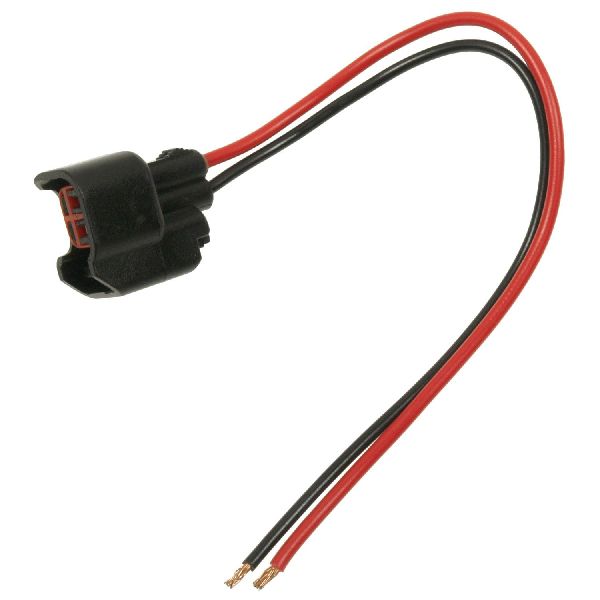
Typical fix: Replace the vent solenoid. The original part may be ACDelco 25932571, which has been superseded by parts like 23481275. The replacement may require a wiring harness adapter (Part No. 19257603) if the connector style has changed.
Est. part cost: $30-$80 - Faulty EVAP Purge Valve/Solenoid 🟡 Medium Probability This valve is located on the engine's intake manifold and can fail by sticking open, creating a constant vacuum leak from the EVAP system into the engine.
How to confirm: With the engine off, remove the valve and try to blow through it. If air passes through, it is stuck open and faulty. A common symptom of a stuck-open purge valve is difficulty starting the engine right after refueling, as raw fuel vapors are drawn into the intake.
Typical fix: Replace the purge valve. This is typically a very easy repair on top of the engine, often requiring only a flat blade screwdriver to release clips.
Est. part cost: $25-$60 - Cracked or Disconnected EVAP Hoses 🟡 Medium Probability The plastic and rubber lines that make up the EVAP system can become brittle over time and crack, especially at connection points or where they are exposed to the elements under the truck.
How to confirm: Visually inspect all accessible EVAP lines running from the fuel tank to the charcoal canister and up to the engine. A definitive method is a smoke test, which forces smoke through the system's service port to reveal the exact location of any leaks.
Typical fix: Replace the damaged section of hose or reconnect a loose line. Sometimes a whole line assembly needs to be replaced.
Est. part cost: $10-$50
Rare But Worth Checking
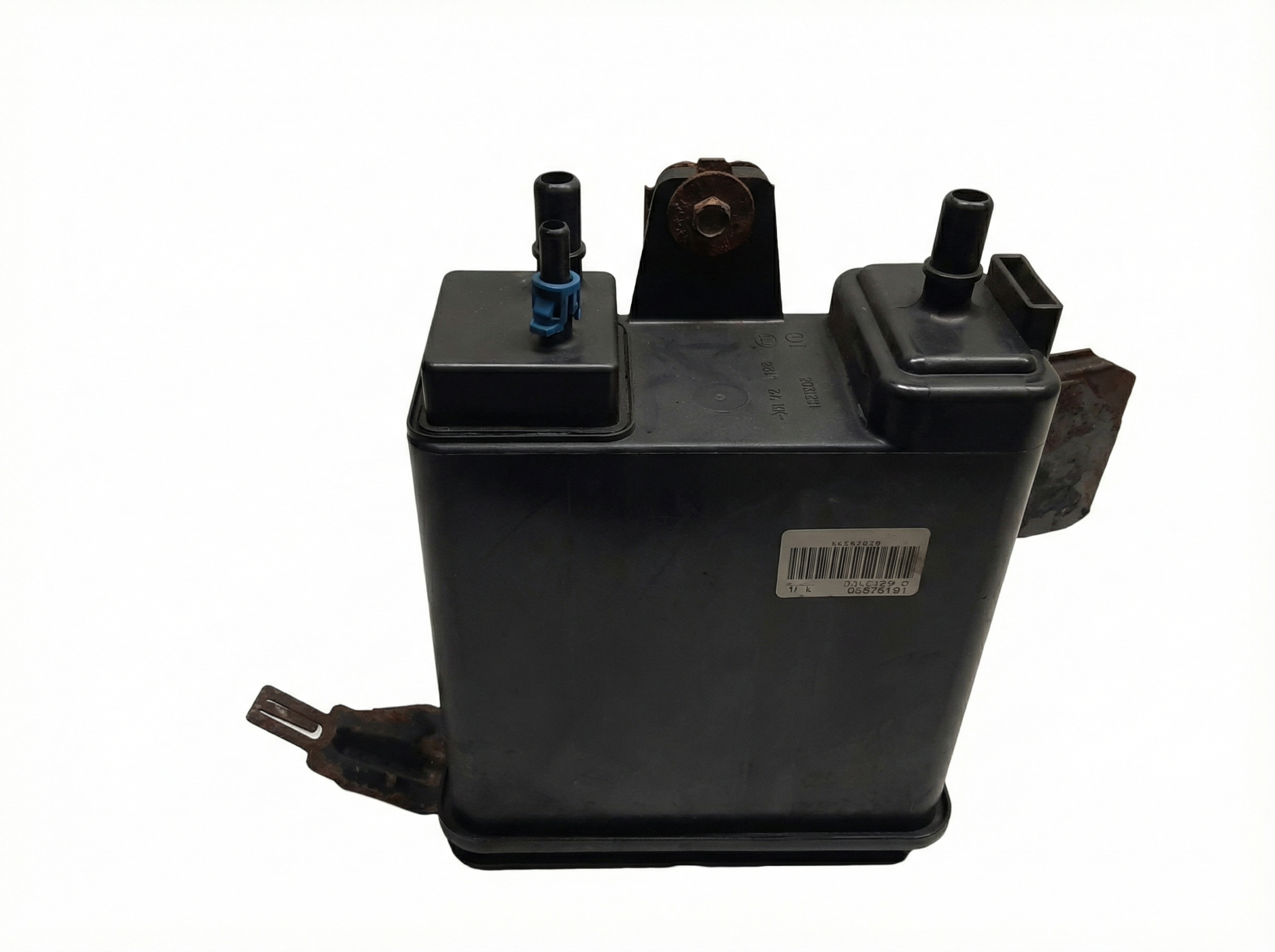
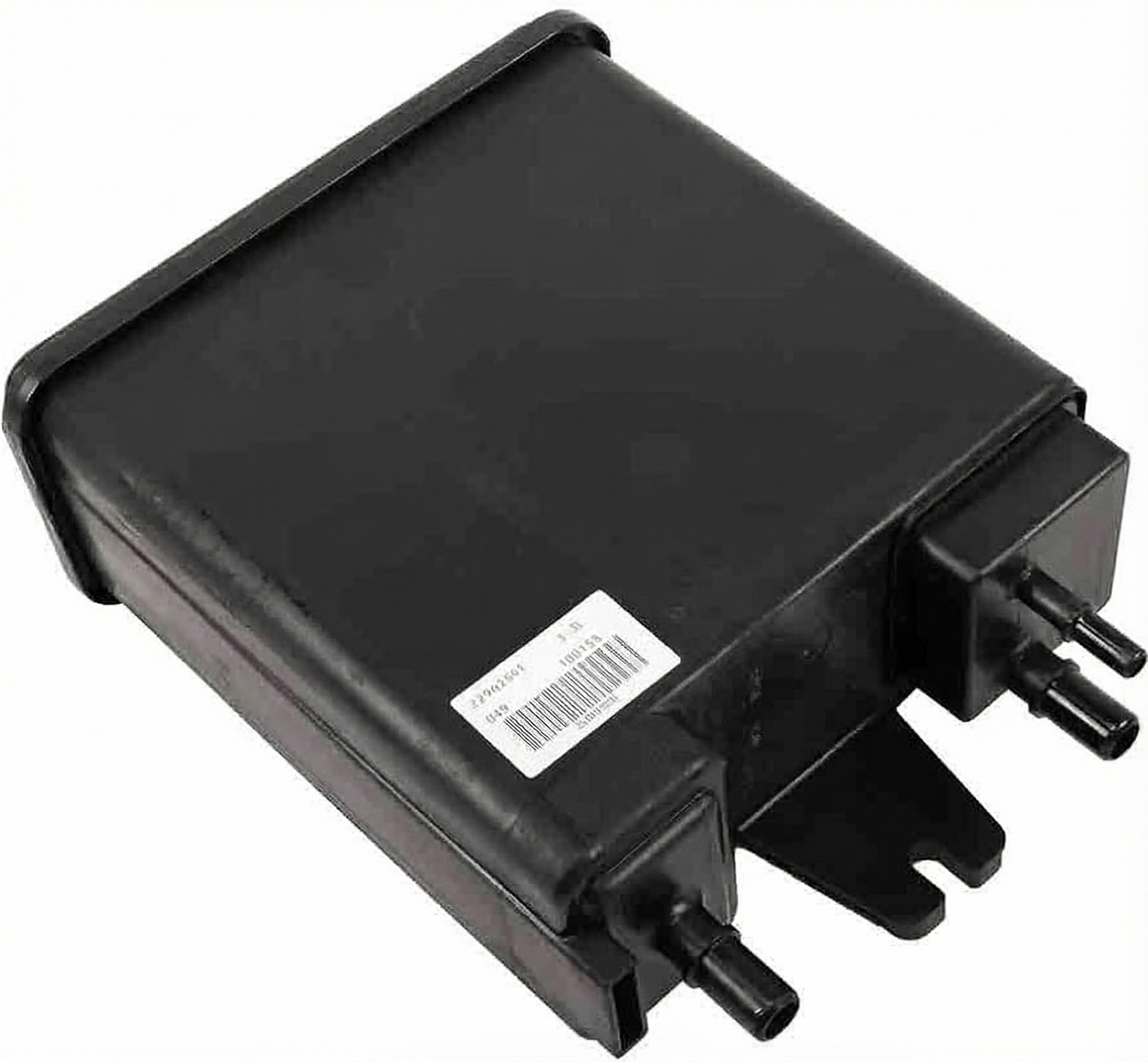
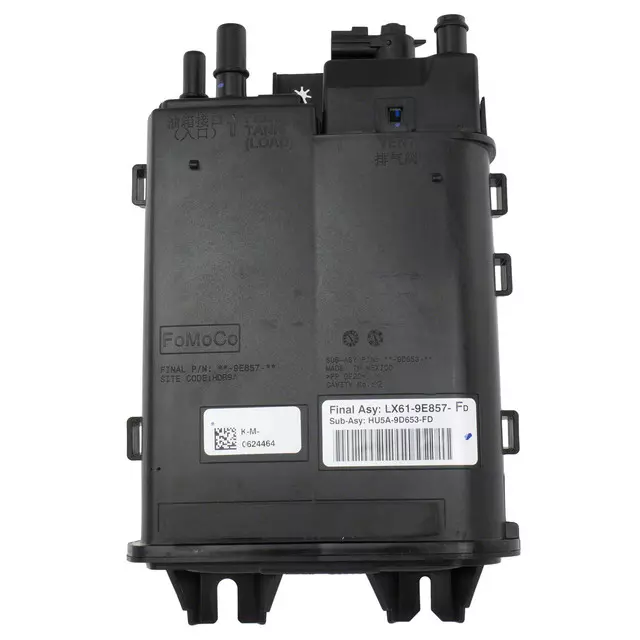
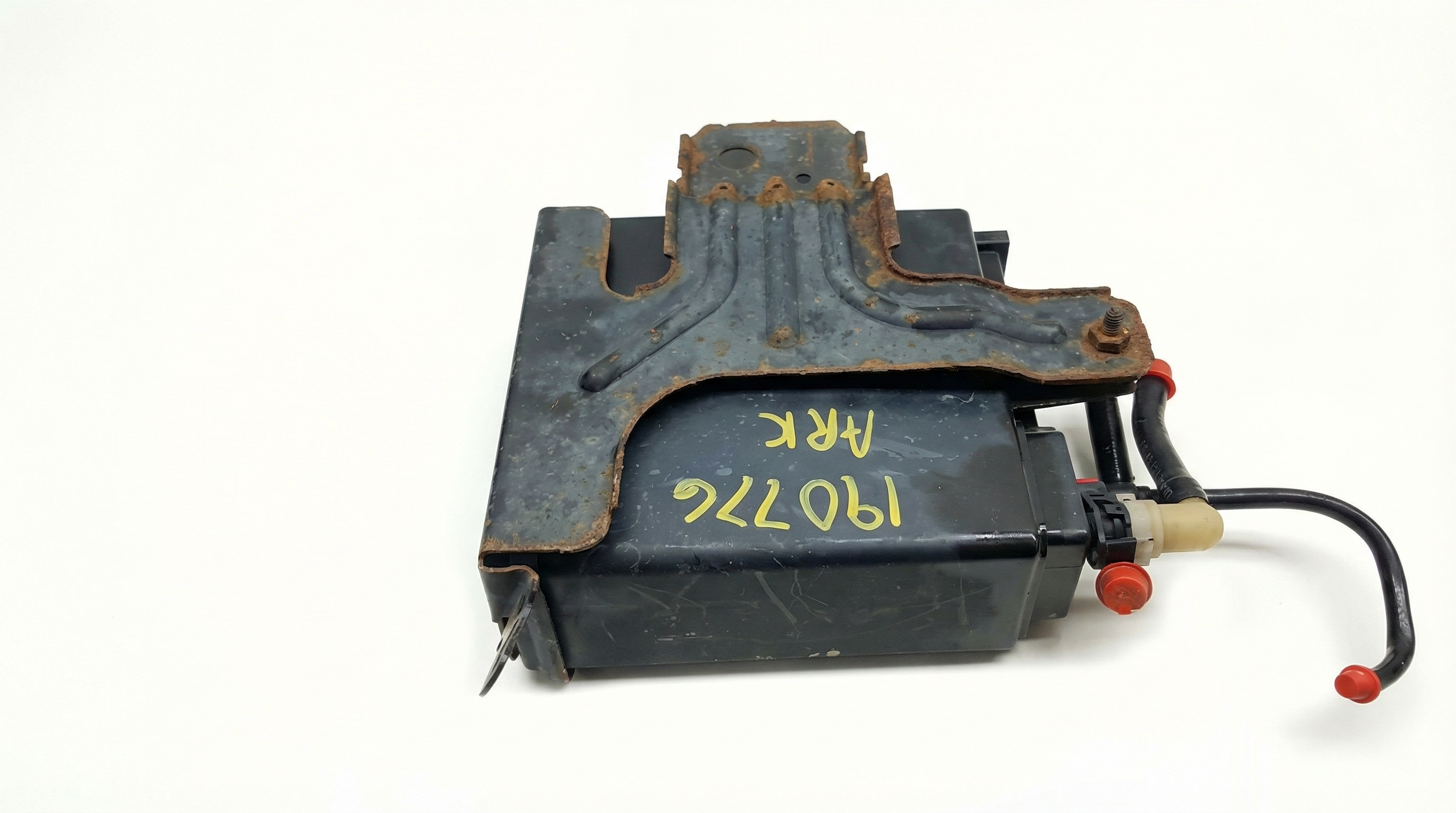
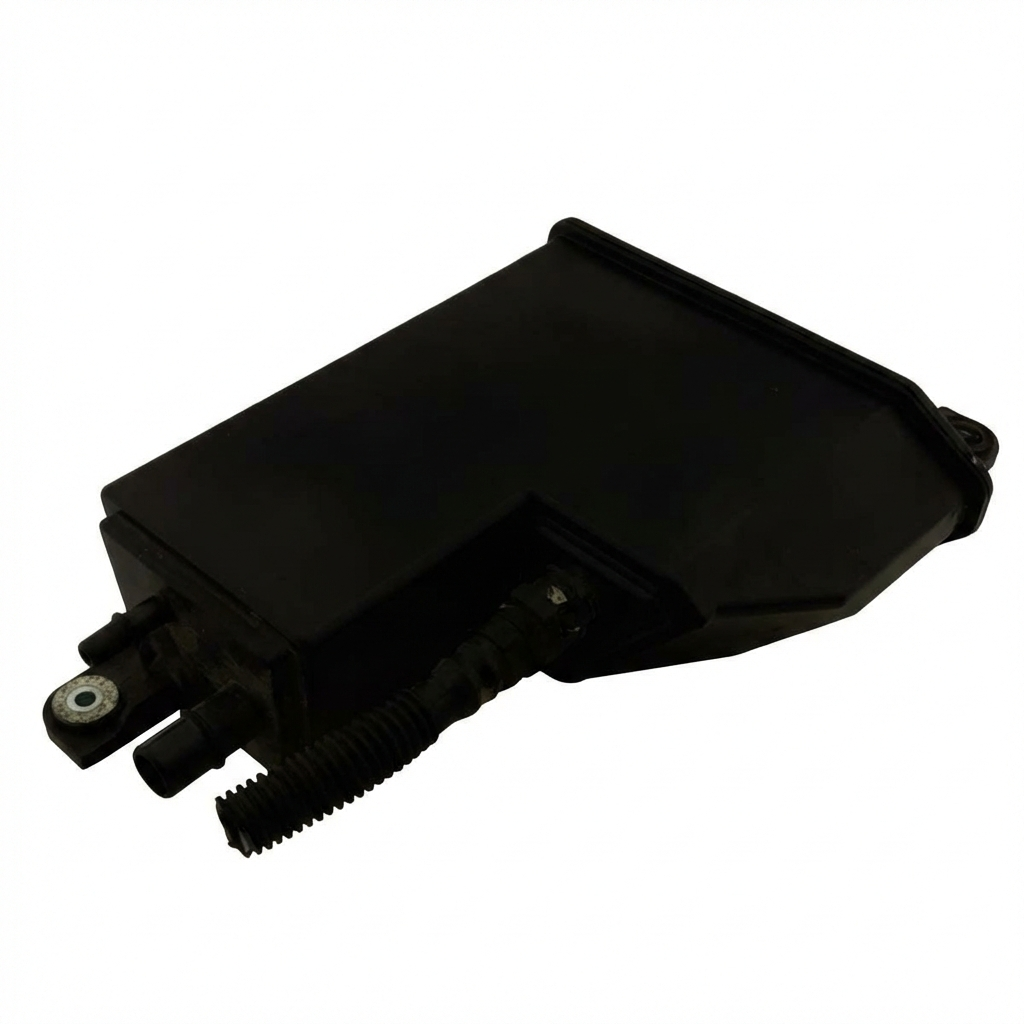
- Cracked EVAP Charcoal Canister: The canister itself, a black plastic box located near the fuel tank, can be damaged by road debris or develop cracks from age, causing a large leak. A broken nipple on the canister is a known failure point.
- Leaking Fuel Tank Filler Neck: Rust and corrosion can perforate the metal filler neck where you insert the gas pump nozzle, creating a leak that the system will detect. This is more common in regions where road salt is used. TSB #15-NA-019 also points to a fractured vent hose connector on the filler neck assembly as a cause.
- Faulty Fuel Tank Pressure (FTP) Sensor: While less common for a P0455, a faulty FTP sensor can send incorrect readings to the ECM, making it think there is a large leak when there isn't one. This is often a diagnosis of last resort after mechanical leaks have been ruled out.
Diagnosis Steps

- Check the gas cap. Remove it, inspect the seal for cracks or damage, and reinstall it, ensuring it clicks several times. Clear the code and drive to see if it returns.
- Perform a thorough visual inspection of all accessible EVAP hoses and lines, especially around the charcoal canister, the filler neck, and the connections leading to the engine. Look for obvious cracks, damage, or loose connections.
- Locate the EVAP purge valve on the engine intake manifold. With the engine off, disconnect the line running to the canister and try to blow through the valve. If air passes, it's stuck open and must be replaced.
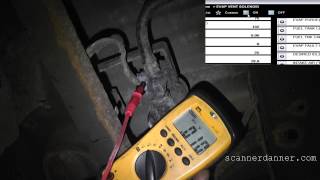
- Locate the EVAP vent solenoid near the spare tire. Check its wiring and look for physical damage or a clogged filter. You can test it by applying 12V power to its terminals 🎬 Watch: How to test the vent solenoid for P0449 and P0455 to see if it clicks.
- If the cause is not obvious, the most effective diagnostic procedure is a smoke test. A mechanic will inject pressurized smoke into the EVAP system's service port. Smoke will exit from the point of the leak, making it easy to find cracked hoses, a bad canister, a leaking filler neck, or a faulty valve.
Parts You'll Likely Need
- EVAP Vent Solenoid Valve
(OEM #25932571 (superseded by 23481275))— This is the most common part to fail on the 2007-2013 Avalanche for code P0455 due to its vulnerable location near the spare tire.
Trusted brands: ACDelco, Dorman (911-064), Standard Motor Products (CP516)
OEM price range: $40-$70
Aftermarket price range: $30-$50 - Fuel Cap
(OEM #GT295 (ACDelco))— A worn or loose gas cap is the simplest and a very common cause of a large EVAP leak.
Trusted brands: ACDelco, Stant
OEM price range: $20-$35
Aftermarket price range: $15-$25 - EVAP Purge Valve / Solenoid
(OEM #12597567)— This valve can get stuck open, causing a leak and often hard starting after refueling. It's a frequent failure point located on the engine.
Trusted brands: ACDelco (214-1680), Dorman (911-032), Bosch
OEM price range: $35-$50
Aftermarket price range: $25-$40
Related Codes That Often Appear With This One
- P0442 — This code is for a small EVAP leak. It can appear with P0455 if the system detects different leak sizes during its tests, or if there are multiple leaks. Both are mentioned together in manufacturer TSBs.
- P0449 — This code specifically points to a fault in the EVAP vent solenoid's electrical circuit. It often appears when the vent solenoid fails, confirming it as the root cause.
- P0496 — This code indicates 'EVAP Flow During a Non-Purge Condition,' which almost always points to a purge valve that is stuck open.
Technical Service Bulletins (TSBs) & Recalls

- Bulletin #15-NA-019: Fuel Odor During Fuel Filling or During Idle, Possible P0442 or P0455 DTC SET. This TSB points to a fractured connector on the fuel tank filler vent hose.
- Bulletin #21-NA-124: Diagnostic tips for testing EVAP leaks related to DTCs P0442 and/or P0455. (Details limited, confirms manufacturer attention to the issue).
Platform-Specific Known Issues
- TSB #15-NA-019 specifically addresses customer complaints of a strong fuel odor and P0455/P0442 codes. The cause is identified as a fractured gasoline filler neck recirculation line connector. The fix involves replacing the fuel tank filler vent hose assembly (Part No. 22802075 for the Avalanche).
- Owners on forums like chevyavalanchefanclub.com and Chevrolet Forum frequently discuss P0455. The most common resolutions posted by owners involve replacing the EVAP vent solenoid near the spare tire or the purge solenoid on the engine.
Mechanic-Grade Diagnostic Values
- Fuel Tank Pressure (FTP) Sensor Voltage — expected: Approximately 1.5 Volts with the gas cap off (at atmospheric pressure). Voltage will increase (>1.5V) as vacuum is applied and decrease (<1.5V) with positive pressure.. Failure: A voltage reading that is stuck, or does not change when the system is sealed and vacuum is applied, may indicate a faulty sensor or a large leak.
- EVAP Purge/Vent Solenoid Coil Resistance — expected: Generally between 15 and 30 ohms, but can range from 12 to 130 ohms depending on the specific part.. Failure: A reading of infinite resistance (OL) indicates an open circuit in the coil. A reading of zero ohms indicates a short circuit.
- EVAP Vent Solenoid Control Wire Voltage (Key On, Solenoid Commanded OFF) — expected: Should read 12V (system voltage). The vent solenoid on these trucks is ground-side switched, so with the computer not providing a ground, voltage passes through the coil and should be present on the control wire.. Failure: A reading of 0V or very low voltage (e.g., 500mV) when the solenoid is commanded OFF suggests an open circuit in the solenoid coil or a break in the wiring.
Scan Tool Commands That Help
- GDS2 / Tech2 / High-End Bidirectional Scanner: EVAP Service Bay Test / Purge/Seal Test — This function allows a technician to command the EVAP system through a full diagnostic cycle while the vehicle is stationary. It will close the vent solenoid and command the purge solenoid to create a vacuum, then seal the system to monitor for decay. This is the primary professional method to test the entire system's integrity and the function of both solenoids without a smoke machine.
- GDS2 / Tech2 / High-End Bidirectional Scanner: EVAP Vent Solenoid ON/OFF Command — Used to manually close the normally-open vent solenoid. This is essential for performing a smoke test, as it seals the system's atmospheric vent. It's also used to verify the solenoid clicks when activated and to check for voltage changes on the control circuit.
- GDS2 / Tech2 / High-End Bidirectional Scanner: EVAP Purge Solenoid Duty Cycle Control (%) — Allows the technician to incrementally open the purge solenoid. This is used to verify the valve is not stuck and to check if it can pull a vacuum on the system when the vent is closed. A failure to pull vacuum when commanded open points to a stuck-closed purge valve.
Wiring & Ground Locations
- EVAP Canister Vent Solenoid Connector — On the EVAP canister, typically located near the spare tire.. The wiring to this connector is a known failure point. Due to its exposed location, the wires can corrode and break internally, often right at the connector, causing an open circuit (related code P0449) or intermittent connection that can disrupt EVAP tests.
- EVAP Canister Purge Solenoid Valve — On the top left of the engine, mounted on the intake manifold.. This is the location for testing the purge valve. It has a two-wire connector for power and computer control.
- G102 / G103 — G102 is at the lower left front of the engine. G103 is on the front of the right cylinder head.. These are primary engine grounds. While not directly for the EVAP solenoids, a poor engine ground can cause a variety of erratic electrical issues and incorrect sensor readings from the Engine Control Module (ECM), which controls the EVAP system.
Real Owner Repair Stories
- YouTube channel 'MotorCityMechanic' (GM Vehicle (similar platform)) — P0455 Large EVAP Leak code. Customer had already replaced the gas cap.
❌ Tried (didn't work) Replacing the gas cap.
✅ What actually fixed it The EVAP Purge Solenoid on the engine was stuck closed. When the ECM ran its diagnostic test, it commanded the purge valve to open to pull a vacuum on the tank. Because the valve was stuck shut, no vacuum was generated. The computer interpreted this inability to pull a vacuum as a massive leak in the system and set the P0455 code, even though there was no physical leak. Tapping the valve with a screwdriver temporarily freed it, confirming it was the mechanical failure point. Replacing the purge solenoid resolved the code. - YouTube channel 'ScannerDanner' (2008 Chevrolet Avalanche) — P0449 (EVAP Vent Solenoid Circuit) and P0455 (Large Leak).
❌ Tried (didn't work) Initial visual inspection showed no obvious damage.
✅ What actually fixed it The EVAP Vent Solenoid itself had failed internally, creating an open circuit. A voltage test on the control wire showed very low voltage (around 500mV) when it should have been system voltage (12V), indicating high resistance or an open in the solenoid coil. The computer driver was confirmed to be working via a bidirectional test. Replacing the vent solenoid fixed the issue. - Reddit r/MechanicAdvice (2004 Chevy Colorado (similar EVAP system design)) — P0455 code after replacing gas cap.
❌ Tried (didn't work) Replacing the gas cap.
✅ What actually fixed it After performing a smoke test, smoke was seen coming from the top of the fuel tank, near the fuel pump assembly. The leak was from a cracked or failed seal on the fuel pump module locking ring, which is sealed to the top of the gas tank. This required dropping the tank to access and replace the seal/locking ring.
"I Checked Everything" — The Actual Cause
- In some cases, a P0455 can be set even if the system has no leak. A common scenario is a stuck-closed EVAP purge solenoid. The ECM expects to see the fuel tank pressure sensor react when it commands the purge valve to open and apply engine vacuum to the system. If the valve is stuck shut, no vacuum is created, and the ECM falsely interprets this as a massive leak, setting a P0455 code.
OEM Part Supersession History
25932571 (and others)→23481275— GM regularly updates service part designs to integrate new materials and technologies. The connector design was changed on the updated part.
Heads up: When replacing an older style vent solenoid with the updated part (23481275), a wiring harness adapter, Part No. 19257603, is often required to connect the new valve to the existing vehicle harness.
Helpful Videos
Used OEM Parts in Stock
New Aftermarket Parts Available



The information in this article is provided for general reference and educational purposes only. Vehicle specifications, procedures, and part compatibility can vary by production date, trim level, and region. Always consult your vehicle's factory service manual and verify part numbers before purchasing or performing repairs. Safety-critical components such as airbags, seat belts, and braking systems should be installed by a qualified professional.
- Chevrolet AVALANCHE:
- 🎬 Helpful Videos
- 🛍️ Shop This Part
- What's Unique About the 2007-2013 Chevrolet AVALANCHE
- Diagnostic Flowchart
- Symptoms You May Notice
- Most Likely Causes
- Rare But Worth Checking
- Diagnosis Steps
- Parts You'll Likely Need
- Related Codes That Often Appear With This One
- Technical Service Bulletins (TSBs) & Recalls
- Platform-Specific Known Issues
- Mechanic-Grade Diagnostic Values
- Scan Tool Commands That Help
- Wiring & Ground Locations
- Real Owner Repair Stories
- "I Checked Everything" — The Actual Cause
- OEM Part Supersession History
- 🎟️ Get 5% Off