

P0455 on 2001-2005 Chevrolet Astro: EVAP Large Leak Causes and Fixes
For a 2001-2005 Chevy Astro, a P0455 code almost always means a large leak in the evaporative emissions system. The most common fixes are tightening or replacing the gas cap, or replacing the EVAP vent solenoid located on the frame rail near the fuel tank. A new gas cap costs $10-$30, while a vent solenoid is around $30-$60. Rust on the fuel filler neck is another very common cause on these vans.
- Start with the easiest and cheapest fix: inspect and tighten the gas cap. If the seal is worn, replace it.
- The second most likely culprit on a 2001-2005 Astro is the EVAP vent solenoid, located on the driver's side frame rail near the fuel tank.
- Visually inspect the fuel filler neck for rust, as this is a known failure point that will cause a P0455 code.
- If a visual inspection doesn't reveal the problem, a smoke test is the most reliable method to find the exact source of the large leak.
What's Unique About the 2001-2005 Chevrolet ASTRO

On the 2001-2005 Astro, the EVAP components, particularly the vent solenoid, are mounted under the van on the driver's side frame rail. This location makes them susceptible to road debris, moisture, and corrosion, especially in regions that use road salt. While the causes are typical for a P0455 code, the accessibility of the vent solenoid makes it a common and relatively easy part for owners to inspect and replace themselves without needing to drop the fuel tank. Another key issue specific to these vans is the tendency for the fuel filler neck to rust out where it meets the gas cap, 🎬 See a real-world fix for common Astro P0455 leaks. preventing a proper seal. There are also different EVAP vapor canisters for Rear-Wheel Drive (RWD) and All-Wheel Drive (AWD) models, which are not interchangeable.
Diagnostic Flowchart
Tap your situation to follow the diagnostic path that matches what you're seeing on this vehicle.
Symptoms You May Notice
- Check Engine Light is on
- A noticeable smell of gasoline, especially around the rear of the van or after refueling.
- Difficulty refueling (gas pump nozzle clicks off prematurely) if the vent solenoid is stuck closed or the canister is saturated.
- Audible 'hiss' or vapor release when opening the gas cap if the system is not venting properly.
- Replacing the EVAP purge valve in the engine bay when the more common failure point on the Astro is the EVAP vent solenoid near the fuel tank.
- Replacing the gas cap without thoroughly inspecting the fuel filler neck for rust, which is often the actual cause of the sealing issue.
Most Likely Causes


- Loose, Damaged, or Incorrect Gas Cap 🔴 High Probability This is the most common cause for a P0455 code on any vehicle due to user error or simple wear of the cap's seal.
How to confirm: Ensure the gas cap is tightened until it clicks at least three times. Inspect the rubber seal on the cap for cracks, stiffness, or damage. If it looks worn, replacement is a cheap and easy first step. Also, inspect the lip of the fuel filler neck for rust or debris that could prevent a seal.
Typical fix: Tighten or replace the gas cap.
Est. part cost: $10 - $30 - Failed EVAP Vent Solenoid 🔴 High Probability The vent solenoid is located under the van on the driver's side frame rail, where it is exposed to the elements, leading to corrosion and failure. It can get stuck open, causing a large leak. This is a very frequent failure point on Astro/Safari vans.
How to confirm: Locate the solenoid on the frame rail near the fuel filter. You can test it by applying 12V power and ground; it should click closed. If it doesn't, or if it's visibly corroded or cracked, it has likely failed. A scan tool can also command it closed for testing. If codes P0455 and P0449 are present together, the vent solenoid or its circuit is almost certainly the culprit.
Typical fix: Replace the EVAP vent solenoid. This is a common DIY repair.
Est. part cost: $30 - $60 - Rusted Fuel Filler Neck 🟡 Medium Probability Common in areas with road salt, the metal fuel filler neck can rust through, especially on the lip where the gas cap seals or along the pipe itself, creating a large leak in the EVAP system. This is a well-documented issue on Astro/Safari forums.
How to confirm: Visually inspect the entire fuel filler neck (the pipe you put the gas nozzle into) for rust, holes, or severe corrosion, paying close attention to the sealing surface at the top. A smoke test will quickly reveal a leak from a rusted neck.
Typical fix: Replace the fuel filler neck.
Est. part cost: $60 - $130 - Cracked or Disconnected EVAP Hoses 🟡 Medium Probability Rubber and plastic hoses become brittle with age and heat cycles, leading to cracks. Connections can also become loose over time. TSB #21-NA-124 specifically calls out checking for unseated or damaged lines as a primary step.
How to confirm: Visually inspect all accessible EVAP lines running from the engine bay to the charcoal canister and fuel tank. A smoke test is the most effective way to find a leak that isn't obvious.
Typical fix: Replace the damaged section of hose or reconnect a loose line.
Est. part cost: $5 - $25 - Failed EVAP Purge Valve/Solenoid ⚪ Low Probability The purge valve, located in the engine bay, can get stuck open, causing a leak. While possible, it's less common for a large leak code than the vent solenoid on this platform.
How to confirm: Locate the purge valve in the engine compartment, typically near the intake manifold. Disconnect it and try to blow through it. It is a normally-closed valve, so if air passes through, it is stuck open and needs replacement.
Typical fix: Replace the purge valve.
Est. part cost: $25 - $50
Rare But Worth Checking
- Cracked Charcoal Canister: The canister itself can be damaged by road debris, causing a large leak. Inspect it for any visible cracks or damage while checking the vent solenoid.
- Leaking Fuel Pump Gasket/Seal: If the fuel pump has been replaced, the large O-ring gasket on top of the tank can be pinched or installed incorrectly, creating a large leak. This is difficult to find without dropping the fuel tank or performing a smoke test. One owner chased a P0455 for a long time, replacing both solenoids, before a smoke test revealed the leak was from a kinked fuel pump gasket from a previous repair.
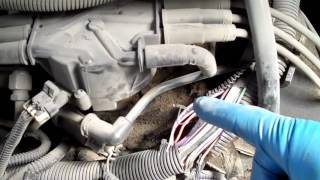
- Chafed or Broken Wiring to Vent Solenoid: A wiring issue, such as a broken power or ground wire to the vent solenoid, will prevent it from closing during the EVAP test, creating a large leak by default. A YouTube video by 'briansmobile1' on a 2003 Astro with P0449 and P0455 found the orange power wire had chafed through where the harness rested on an A/C line. GM has also issued TSBs like 21-NA-149 for other vehicles with the 4.3L V6 regarding harness chafing issues.
Diagnosis Steps
- Check the gas cap. Remove it, inspect the seal, and reinstall it, ensuring it clicks several times. Clear the code and drive for a few days to see if it returns.
- If the code returns, perform a thorough visual inspection of the fuel filler neck for any signs of rust or holes, especially on the sealing surface.
- Visually inspect all accessible EVAP hoses and lines between the engine, charcoal canister, and fuel tank for obvious cracks or disconnections.
- Locate the EVAP vent solenoid on the driver's side frame rail. Check its wiring connector for corrosion and the component itself for damage. Test its function with a scan tool or by applying 12V power. Tug gently on the wires at the connector to check for breaks inside the insulation.
- If no obvious faults are found, the most definitive next step is to have a smoke test performed. This involves injecting pressurized smoke into the EVAP system to quickly and accurately reveal the source of the leak, which could be a hairline crack in a hose, a rusted filler neck, or a bad fuel pump gasket.
Parts You'll Likely Need

- Fuel Tank Cap
(OEM #GT261)— This is the simplest and most frequent cause of a P0455 code. The seal wears out over time.
Trusted brands: ACDelco, Motorad, Stant
OEM price range: $20-$30
Aftermarket price range: $10-$20 - EVAP Canister Vent Solenoid
(OEM #19207763 (supercedes older numbers), ACDelco 214-2149)— Its exposed location on the Astro's frame rail makes it highly prone to failure from corrosion and debris, causing it to stick open. The combination of P0449 and P0455 almost always points to this part or its wiring.
Trusted brands: ACDelco, Dorman (911-033), Standard Motor Products (CP422)
OEM price range: $40-$70
Aftermarket price range: $25-$50 - Fuel Filler Neck — Prone to rusting through in salt-belt states, creating a large, un-sealable leak in the system. Aftermarket parts are widely available.
Trusted brands: Spectra Premium (FN850), Dorman, Autopart Premium
OEM price range: $100-$150
Aftermarket price range: $60-$130
Related Codes That Often Appear With This One
- P0442 — P0442 indicates a small EVAP leak. The two codes can appear together if the system has multiple leaks or if the size of a single leak is borderline between 'small' and 'large'. The provided TSB #21-NA-124 specifically addresses diagnostics for both codes.
- P0449 — P0449 specifically points to a malfunction in the EVAP vent solenoid valve/solenoid circuit. If you have P0455 and P0449 together, the vent solenoid is almost certainly the problem, either due to an internal failure or an electrical issue like a broken wire preventing it from closing.
Technical Service Bulletins (TSBs) & Recalls
- Bulletin #21-NA-124: Provides diagnostic tips for testing EVAP leaks related to DTCs P0442 and/or P0455. It advises a specific diagnostic order: 1. Check all EVAP lines for proper connection. 2. Inspect lines for damage. 3. Investigate the vent valve for a stuck-open fault. 4. Investigate the purge valve.
Platform-Specific Known Issues
- Owner Experience: Chasing P0455 to the Fuel Pump Gasket: A user on YouTube documented a lengthy battle with P0455 on a 2004 Astro. After replacing the purge solenoid and vent solenoid to no avail, the check engine light kept returning. A smoke test finally revealed the true culprit: the large
Mechanic-Grade Diagnostic Values
- EVAP Vent Solenoid Resistance — expected: 20 to 50 Ohms. Failure: An open circuit (infinite resistance) or a reading far outside this range indicates a bad solenoid coil.
- EVAP Purge Solenoid Resistance — expected: 20 to 30 Ohms. Failure: A reading that is too high, too low, or infinite suggests a faulty solenoid coil.
- Fuel Tank Pressure (FTP) Sensor Voltage — expected: 1.3 to 1.7 Volts at atmospheric pressure (gas cap off). Failure: Voltage stuck low (e.g., 0.2V) or high suggests a bad sensor or wiring issue.
- EVAP Vent Solenoid Power Supply — expected: 12V at the orange wire with key on. Failure: No voltage indicates a break in the power supply wire, often due to chafing.
Scan Tool Commands That Help
- Tech2 / GDS2: EVAP System Test — This is a PCM-initiated routine that automatically closes the vent solenoid, opens the purge solenoid, and monitors the FTP sensor to check for leaks. It's used to confirm if a leak is present after a repair or during initial diagnosis.
- Tech2 / GDS2: EVAP Purge/Seal — This function allows the technician to manually command the purge solenoid on/off and seal the system (by closing the vent solenoid) to observe FTP sensor data in real-time.
- Tech2 / GDS2: EVAP Vent Solenoid — This is a bidirectional control that directly commands the vent solenoid to open or close. It's used to verify if the solenoid clicks and if the command changes the system's ability to hold pressure/vacuum during a smoke test.
Wiring & Ground Locations
- G108 — Under the vehicle, on the frame, next to the EVAP vent valve solenoid.. This is the primary ground for the fuel pump. While not directly for the EVAP solenoids, a poor ground in this area can cause electrical noise and intermittent issues with nearby components.
- G105 — On one of the thermostat housing nuts/studs on the front of the engine.. This ground point serves the Powertrain Control Module (PCM), which controls the entire EVAP system. Corrosion here can cause a wide range of seemingly unrelated engine and emissions codes.
- Vent Solenoid Wiring — The harness runs along the driver's side frame rail. A common chafe point is where the harness rests on the A/C lines near the receiver/drier.. The orange power wire to the vent solenoid can rub through its insulation at this point, causing an open circuit. This prevents the solenoid from closing, which the PCM interprets as a large leak, triggering P0455 and P0449.
Real Owner Repair Stories
- YouTube channel 'briansmobile1' (2003 Chevrolet Astro) — Check Engine Light with codes P0449 and P0455.
❌ Tried (didn't work) The owner suspected a repeat of a previous wiring issue at a different location.
✅ What actually fixed it The technician found there was no 12V power at the orange wire for the EVAP vent solenoid. Tracing the harness forward, he discovered the orange wire had chafed through where the harness was resting on a low-pressure A/C line under the van. Repairing the broken wire restored power to the solenoid and fixed the codes. - astrosafari.com forum user (Chevrolet Astro (year not specified)) — Persistent P0455 code.
❌ Tried (didn't work) Replacing the gas cap., Replacing the EVAP vent solenoid., Replacing the EVAP purge solenoid.
✅ What actually fixed it After multiple part replacements failed, a smoke test was performed. The smoke test revealed the leak was not from any of the common components but from the fuel filler neck pipe itself, which had rusted through. Replacing the fuel filler neck resolved the P0455 code.
When the Usual Fixes Don't Work
- While the gas cap and vent solenoid are the most common fixes, numerous owner accounts confirm that on Astro vans used in salt-belt regions, the fuel filler neck is a very frequent point of failure that should be inspected just as closely. Replacing the cap and solenoid will not fix a code caused by a rusted-through filler neck. Additionally, as documented by 'briansmobile1', a wiring failure can perfectly mimic a component failure, making a voltage check at the component connector a critical, and sometimes overlooked, diagnostic step before replacing parts.
OEM Part Supersession History
Various older GM numbers→19207763, 25932571 (ACDelco 214-2149)— Part consolidation and design updates.
Heads up: Some replacement vent solenoids may come with a different electrical connector than the original vehicle harness. These kits should include a pigtail adapter that must be spliced in. Failure to use the adapter will prevent connection.
Model Year Variations Within This Range
- 2001-2005: The EVAP vapor canister is different for Rear-Wheel Drive (RWD) and All-Wheel Drive (AWD) models. They have different shapes and mounting points and are not interchangeable. The RWD canister is GM Part #17113683. Ordering the wrong canister will result in fitment issues.
Helpful Videos

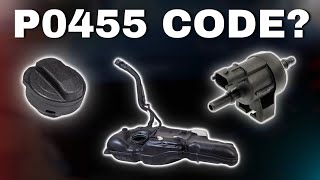
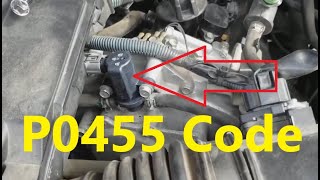
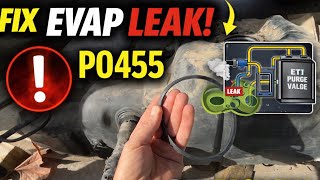

We Have This Part in Stock


The information in this article is provided for general reference and educational purposes only. Vehicle specifications, procedures, and part compatibility can vary by production date, trim level, and region. Always consult your vehicle's factory service manual and verify part numbers before purchasing or performing repairs. Safety-critical components such as airbags, seat belts, and braking systems should be installed by a qualified professional.
- Chevrolet ASTRO:
- 🎬 Helpful Videos
- 🛍️ Shop This Part
- What's Unique About the 2001-2005 Chevrolet ASTRO
- Diagnostic Flowchart
- Symptoms You May Notice
- Most Likely Causes
- Rare But Worth Checking
- Diagnosis Steps
- Parts You'll Likely Need
- Related Codes That Often Appear With This One
- Technical Service Bulletins (TSBs) & Recalls
- Platform-Specific Known Issues
- Mechanic-Grade Diagnostic Values
- Scan Tool Commands That Help
- Wiring & Ground Locations
- Real Owner Repair Stories
- When the Usual Fixes Don't Work
- OEM Part Supersession History
- Model Year Variations Within This Range
- 🎟️ Get 5% Off