

P0455 on 2013-2019 Cadillac XTS: EVAP Large Leak Causes and Fixes
Code P0455 on a Cadillac XTS indicates a large leak in the evaporative emissions (EVAP) system. The most common causes are a loose gas cap or a faulty EVAP purge valve. Always check the gas cap first. If that doesn't solve it, the purge valve is a likely culprit, costing around $30-$80 for the part.
- P0455 means your Cadillac XTS has a large leak in the fuel vapor system.
- Always check for a loose or damaged gas cap first; it's the easiest and most common fix.
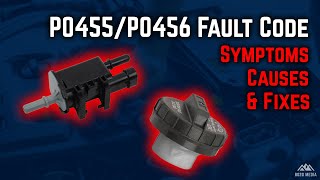
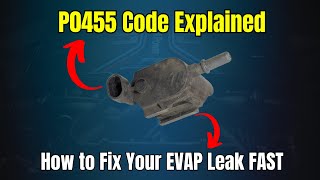
- The EVAP purge valve, located on the engine, is the second most likely cause and is a straightforward DIY replacement.
- If you have codes P0455 and P0496 together, the purge valve is almost certainly the problem.
- For a persistent leak, a professional smoke test is the fastest way to find the source.
What's Unique About the 2013-2019 Cadillac XTS

For the 2013-2019 Cadillac XTS, built on the GM Epsilon II platform, the EVAP system components are shared across many GM vehicles with the 3.6L LFX V6 engine, like the Buick LaCrosse and Chevy Impala. This leads to well-documented failure patterns. A key issue is the EVAP purge valve sticking open, sometimes due to oil contamination from the cam cover gasket as noted in TSB 17-NA-409 for the same engine in other models. Additionally, TSB PI0898 for the 2013 XTS specifically points out that a sticking purge solenoid can be caused by overfilling the fuel tank, recommending replacement of both the purge solenoid and the charcoal canister.
Diagnostic Flowchart

Tap your situation to follow the diagnostic path that matches what you're seeing on this vehicle.
Symptoms You May Notice
- Check Engine Light is on
- A faint smell of fuel, particularly around the rear of the vehicle or near the gas cap.
- Potentially a slight decrease in fuel economy.
- Difficulty starting the engine, especially after refueling (if the purge valve is stuck open).
- Rough idle (if the purge valve is stuck open).
- Replacing the fuel tank pressure sensor. While possible, this sensor is less likely to fail than the purge/vent valves and will often trigger its own specific trouble codes if it malfunctions.
Most Likely Causes

- Loose or Faulty Gas Cap / Capless Filler Neck Issue 🔴 High Probability The gas cap or capless filler neck is the most frequently handled part of the EVAP system. Human error (not tightening a cap enough) or debris/damage to the capless system's sealing door is very common.
How to confirm: For traditional caps, ensure it is tightened until it clicks at least once and inspect the seal for cracks. For the XTS's capless system, inspect the internal flapper door for debris, damage, or a poor seal. The emergency fuel funnel can be inserted and removed a few times to help clean and reseat the seal.
Typical fix: Tighten or replace the gas cap, or clean the capless filler neck.
Est. part cost: $10-$30 - Faulty EVAP Purge Solenoid/Valve 🔴 High Probability This valve is a notoriously high-failure item on the GM 3.6L LFX engine. It can get stuck open, creating a constant vacuum leak. TSB PI0898 specifically calls this part out for sticking on the 2013 XTS. TSB 17-NA-409 on the related Chevy Impala suggests oil from the cam cover can contaminate and seize the valve. Its failure is often accompanied by code P0496.
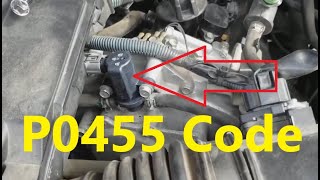
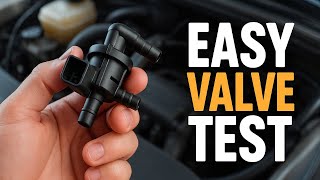
How to confirm: The valve is located on top of the engine, behind the throttle body. Remove the valve (it's normally closed) and try to blow through it. If air passes through, it is stuck open and has failed. A bi-directional scan tool can also command it to cycle while checking for vacuum.
Typical fix: Replace the EVAP purge solenoid valve. Many owners find it easier to access by moving the throttle body aside.
Est. part cost: $30-$80 - Faulty EVAP Vent Solenoid/Valve 🟡 Medium Probability Located near the fuel tank and charcoal canister, this valve is exposed to road debris and moisture, which can cause it to fail or get stuck open, preventing the system from sealing for a test.
How to confirm: This valve is normally open and closes when commanded by the ECM. Diagnosis often requires a bi-directional scan tool to command the valve closed and a smoke machine to see if it's leaking. On some platform mates, accessing this valve may require lowering the fuel tank.
Typical fix: Replace the EVAP vent solenoid.
Est. part cost: $25-$100 - Cracked or Disconnected EVAP Hose ⚪ Low Probability Over time, the rubber and plastic lines that make up the EVAP system can become brittle and crack, especially those exposed to engine heat or road elements. TSB 21-NA-124 highlights checking all seven critical connection points in the EVAP system before replacing parts.
How to confirm: A visual inspection may reveal an obvious crack or disconnected line, like a hose popping off the purge valve. However, the most effective method is to use an automotive smoke machine, which fills the EVAP system with a visible vapor, making even small leaks easy to spot.
Typical fix: Replace the damaged section of hose or reconnect it.
Est. part cost: $5-$50
Rare But Worth Checking
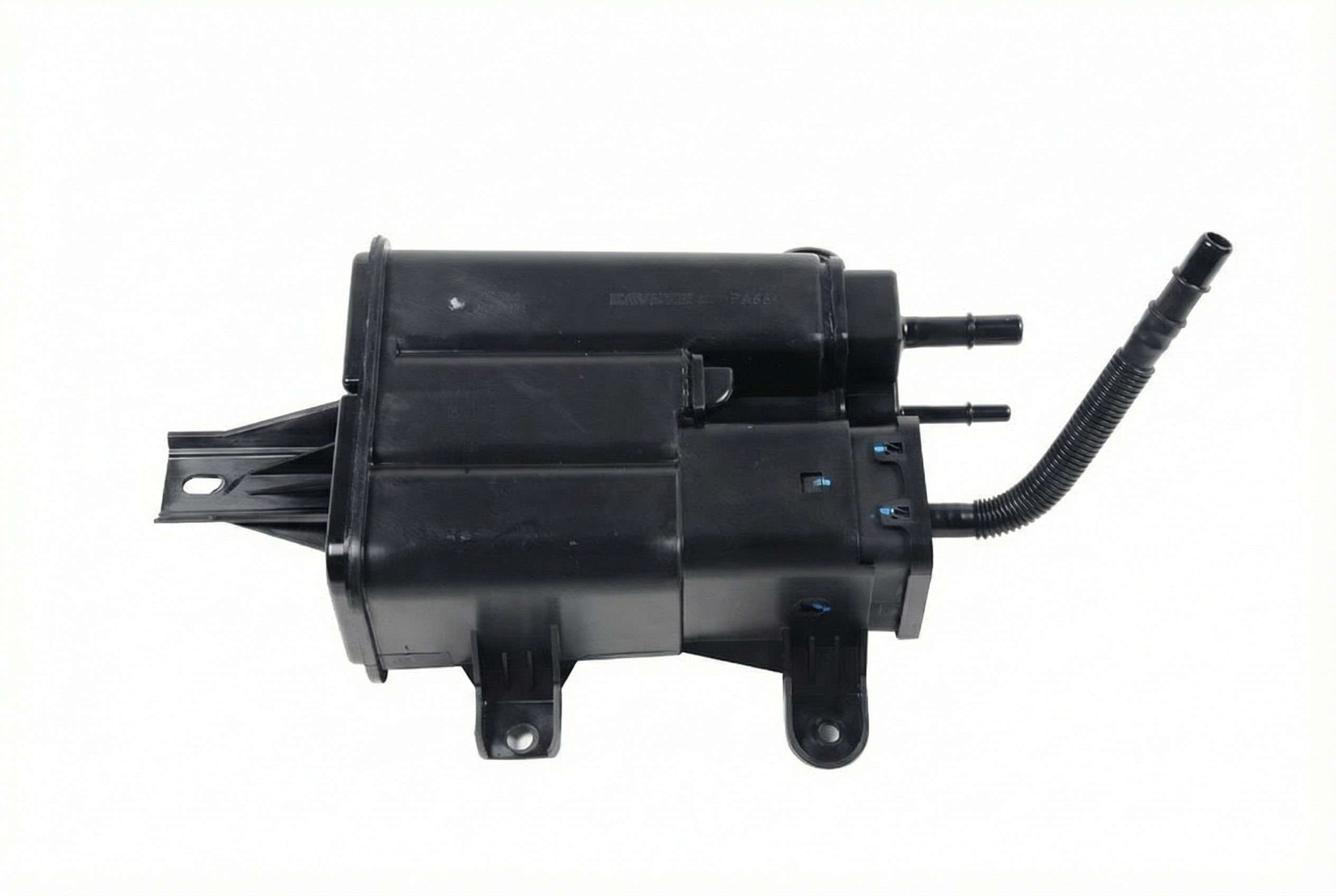
- Cracked Charcoal Canister: The canister itself can develop cracks from age or impact from road debris. TSB PI0898 notes that if the purge solenoid is found sticking, the canister should also be replaced as it may be deteriorating internally and sending charcoal debris down the lines, which will cause the new purge valve to fail.
- Damaged Fuel Filler Neck: The pipe leading from the fuel door to the tank can rust or be damaged, creating a leak. This is more common in regions that use road salt and is a known issue on similar GM sedans.
Diagnosis Steps
- Read the code with an OBD-II scanner to confirm P0455 is present. Note any other codes like P0442 or P0496.
- Inspect the capless fuel filler neck. Open the fuel door and check the opening for debris, dirt, or damage to the seal. Clean it with a rag.
- Clear the code and drive for a few days. If the code does not return, a temporary seal issue was the likely cause.
- If the code returns, perform a visual inspection of all accessible EVAP hoses, especially around the engine bay near the purge valve, for obvious cracks or disconnections.
- Locate the EVAP purge valve on the engine, behind the throttle body. Disconnect the valve's electrical connector and vapor lines. Attempt to blow through it. If air passes, the valve is stuck open and must be replaced.
- If the purge valve tests good, the next most likely culprits are the EVAP vent valve or a cracked hose elsewhere in the system.
- The most effective way to find the leak is with an automotive smoke machine. Connect the smoke machine to the EVAP service port, command the vent valve closed with a scan tool, and introduce smoke. Look for smoke escaping from any component, hose, or seal to pinpoint the leak.
Parts You'll Likely Need
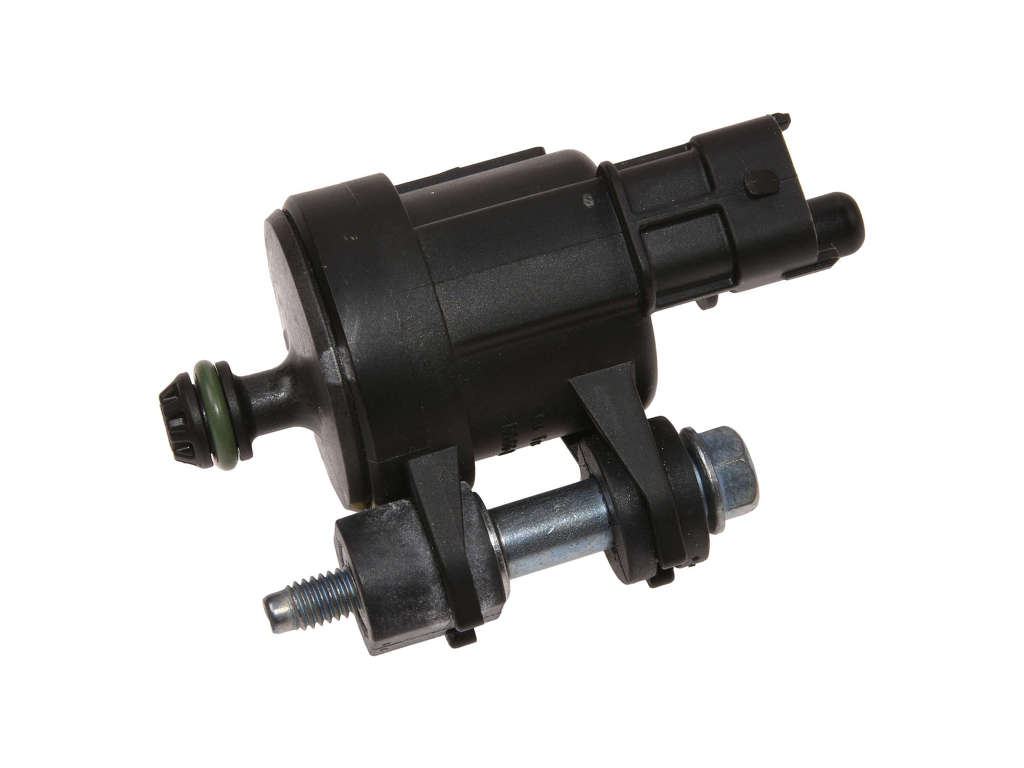
- EVAP Canister Purge Solenoid Valve
(OEM #12690512 (superseded by 12737252))— This is the most common failure point for P0455 on this vehicle, often getting stuck open. It is frequently seen with code P0496.
Trusted brands: ACDelco (GM Genuine), Standard Motor Products (SMP), Dorman
OEM price range: $30-$55
Aftermarket price range: $25-$45 - Gas Cap — A loose or worn-out gas cap is a very common and simple cause for a large EVAP leak code. For the XTS, this applies to the seal on the capless fuel filler neck.
Trusted brands: ACDelco, Gates, Stant
OEM price range: $20-$35
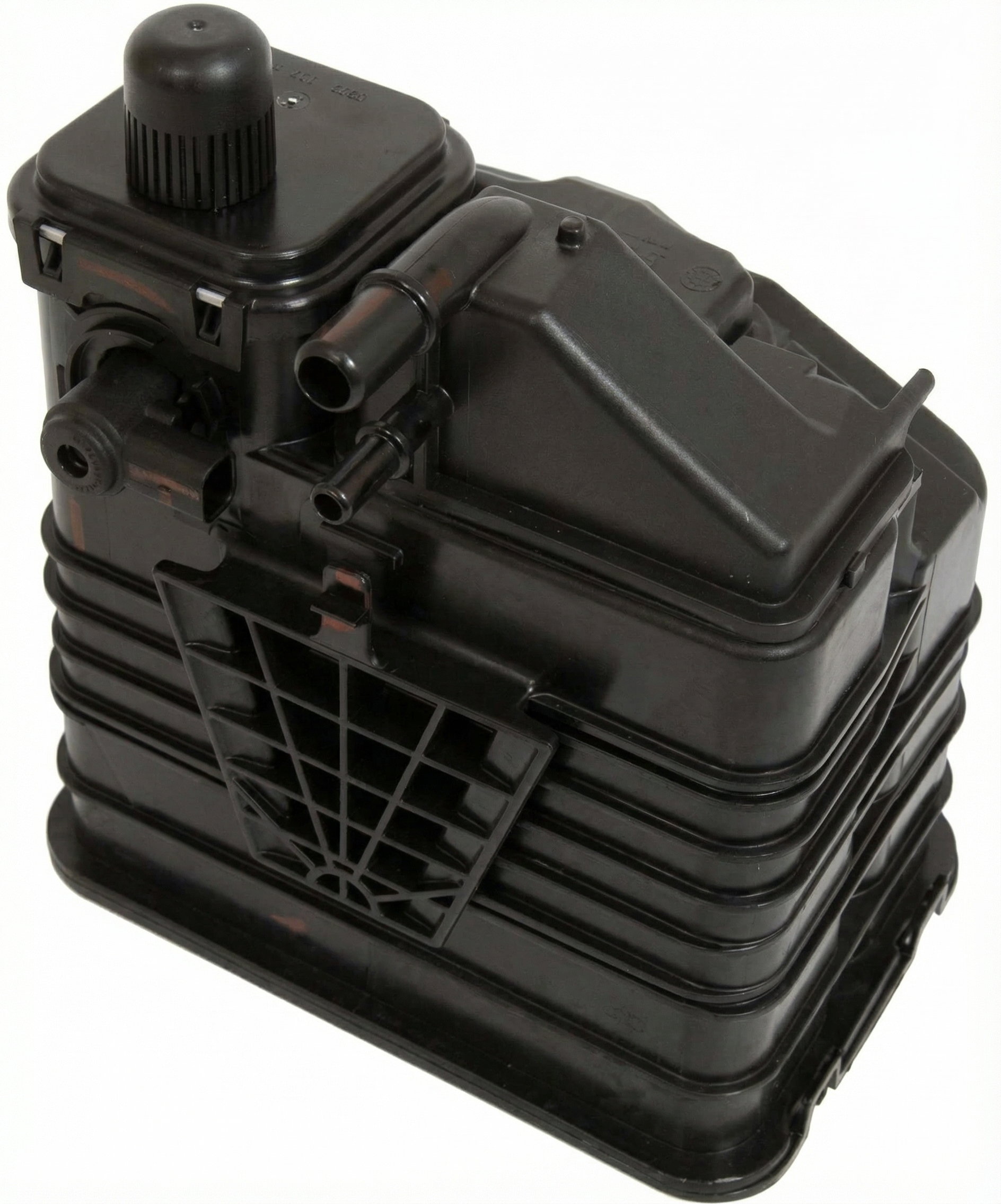
Aftermarket price range: $10-$25 - EVAP Canister Vent Solenoid Valve
(OEM #85123399)— This valve can get stuck open due to its location near the fuel tank, causing a large leak. It is often sold as part of the vapor canister assembly.
Trusted brands: ACDelco (GM Genuine), Dorman, Wells
OEM price range: $40-$80
Aftermarket price range: $25-$60
Related Codes That Often Appear With This One
- P0442 — P0442 indicates a small EVAP leak. An intermittent fault in a component like a purge or vent valve can cause the system to report either a small or large leak at different times. TSB 21-NA-124 addresses diagnostic strategies for both codes.
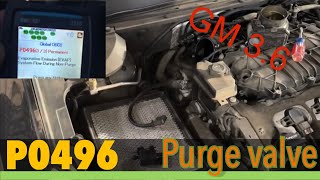
- P0496 — This code indicates 'EVAP Flow During a Non-Purge Condition,' which almost always points directly to a purge valve that is stuck open. If you have P0455 and P0496 together, the purge valve is the prime suspect.
Technical Service Bulletins (TSBs) & Recalls

- 21-NA-124: Diagnostic tips for testing EVAP leaks causing P0442 and/or P0455.
- PI0898: Addresses P0455 on 2013 models caused by a sticking purge solenoid, recommending replacement of the solenoid and canister.
- 17-NA-409: Links P0455/P0496 on the 3.6L LFX engine to a purge valve contaminated by oil from the cam cover gasket.
- N222369620: Special Coverage program that may cover purge valve replacement for free at a dealership.
Platform-Specific Known Issues
- Special Coverage N222369620 - Purge Valve Replacement: GM issued this special coverage for some vehicles with the 3.6L LFX engine, which may include the XTS. It addresses a purge valve that may not close properly, causing codes like P0455, P0496, and P0442. This program may cover the cost of diagnosis and replacement at a dealer for up to 15 years or 150,000 miles. Owners should contact a GM dealer with their VIN to check for eligibility.
- TSB PI0898 - Sticking Purge Solenoid (2013 Models): For 2013 models, this bulletin addresses P0455 caused by a sticking purge solenoid, potentially from overfilling the fuel tank. It recommends replacing both the purge solenoid and the charcoal canister and blowing out all EVAP lines to clear debris that could cause a repeat failure.
- TSB 21-NA-124 - General EVAP Leak Diagnostics: This bulletin provides general diagnostic tips for finding EVAP leaks related to codes P0442 and P0455. It emphasizes checking the seven critical line connections throughout the system before replacing components and suggests using a smoke machine.
- TSB 17-NA-409 - Purge Valve Oil Contamination: While written for other GM models with the 3.6L LFX engine, this TSB is relevant as it identifies a potential root cause for purge valve failure. It notes that oil from a leaking cam cover gasket can travel into the EVAP system and contaminate the purge valve, causing it to stick.
Mechanic-Grade Diagnostic Values
- EVAP Purge Solenoid Coil Resistance — expected: 15 to 30 Ohms. Failure: A reading far outside this range, or an open circuit (infinite resistance), indicates a failed solenoid coil.
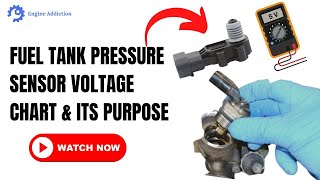
- Fuel Tank Pressure (FTP) Sensor Voltage (Key On, Engine Off, Gas Cap Off) — expected: Approximately 1.3V to 1.7V. Failure: A voltage that is stuck low (e.g., 0.2V) or high (e.g., 4.5V) and does not change when the gas cap is removed points to a faulty sensor or wiring issue.
- Fuel Tank Pressure (FTP) Sensor 5V Reference — expected: 5 Volts. Failure: No voltage or significantly lower voltage indicates a wiring problem or an issue with the Engine Control Module (ECM).
Hidden / Shadow Codes Worth Checking
- Mode $06 Data: This is not a specific code but a diagnostic mode that provides raw test data from the vehicle's self-tests before a DTC is set. For the EVAP system, a technician can view pressure decay values from the last test. A value that is close to the failure threshold can indicate a borderline leak that may not have set a code yet. (see via Accessible with advanced scan tools that support Mode $06 functionality.)
Scan Tool Commands That Help
- GDS2 / Tech2: EVAP Service Bay Test — This is a GM-specific function used to force the vehicle to run the entire EVAP monitor test sequence in a condensed timeframe (about an hour) instead of waiting for specific drive cycle conditions. It's used to verify a repair is successful and that the monitor will run to completion for an emissions inspection. The test requires the fuel level to be between 15-85% and a cool engine.
- Bi-directional Scan Tool: EVAP Purge/Seal — This command allows a technician to manually open and close the purge and vent solenoids. It is essential for smoke testing, as the normally-open vent valve must be commanded closed to seal the system and check for leaks.
Wiring & Ground Locations
- G401 — Left side of the luggage compartment (trunk).. This is a major ground point for rear-body components. While not directly tied to the engine-mounted purge valve, a poor ground here could potentially affect the operation of the rear-mounted EVAP vent solenoid or Fuel Tank Pressure sensor, which are located near the fuel tank.
- EVAP Canister Vent Solenoid Connector — Near the right side of the fuel tank, connected to the EVAP canister.. This connector and its wiring are exposed to road debris and moisture. Corrosion or damage here can prevent the vent valve from closing, creating a large leak condition that sets P0455.
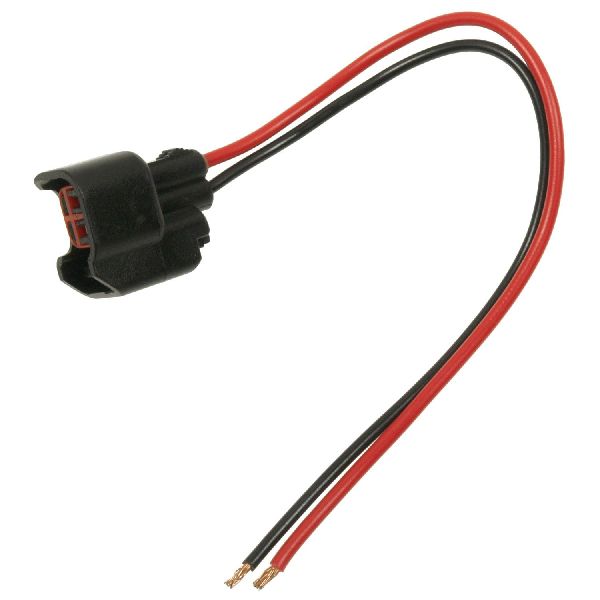
- EVAP Purge Solenoid Connector — On the purge solenoid, located behind the throttle body on top of the engine.. The Light Blue/White wire at pin 9 of the ECM's X1 connector controls the purge solenoid. A break or short in this wire would prevent the valve from operating correctly, though this would typically set a circuit code rather than a leak code.
Real Owner Repair Stories
- YouTube video by 'JS Truck Repair' (2016 Cadillac XTS 3.6L) — Check Engine Light with a purge-related code (P0496 is discussed, which is highly related to P0455).
❌ Tried (didn't work) The video focuses on direct diagnosis rather than parts swapping.
✅ What actually fixed it The diagnosis confirmed the EVAP purge valve was stuck open. With the engine running and the valve's electrical connector unplugged (so it should be closed), vacuum was still felt at the valve's nipple, indicating it was mechanically stuck open and needed replacement.
"I Checked Everything" — The Actual Cause
- In some cases, a smoke test may not reveal a leak if the issue is with a component that fails intermittently or under specific conditions. A common scenario is a faulty Fuel Tank Pressure (FTP) sensor that sends incorrect readings to the ECM, making the computer believe there is a large leak when the system is actually sealed. The ECM may interpret a stuck voltage signal from the FTP sensor as a major leak, even though a smoke machine will show the system holds pressure perfectly.
OEM Part Supersession History
12610560, 12661763, 12690512→12737252— Standard part evolution by the manufacturer for improved reliability or manufacturing efficiency.
Heads up: The newest part number, 12737252, is the correct service replacement for all previous versions and is fully compatible with the 2013-2019 XTS.
Model Year Variations Within This Range
- 2013-2019: While the Cadillac XTS received a cosmetic facelift for the 2018 model year, the core 3.6L LFX engine and its associated EVAP system components (purge valve, vent valve, canister, fuel tank pressure sensor) remained consistent. Part numbers for the most common failure items are the same across the entire 2013-2019 range.
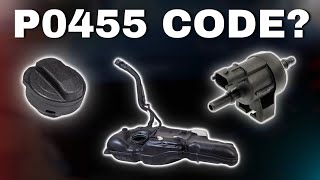
Helpful Videos



Used OEM Parts in Stock

New Aftermarket Parts Available


The information in this article is provided for general reference and educational purposes only. Vehicle specifications, procedures, and part compatibility can vary by production date, trim level, and region. Always consult your vehicle's factory service manual and verify part numbers before purchasing or performing repairs. Safety-critical components such as airbags, seat belts, and braking systems should be installed by a qualified professional.
- Cadillac XTS:
- 🎬 Helpful Videos
- 🛍️ Shop This Part
- What's Unique About the 2013-2019 Cadillac XTS
- Diagnostic Flowchart
- Symptoms You May Notice
- Most Likely Causes
- Rare But Worth Checking
- Diagnosis Steps
- Parts You'll Likely Need
- Related Codes That Often Appear With This One
- Technical Service Bulletins (TSBs) & Recalls
- Platform-Specific Known Issues
- Mechanic-Grade Diagnostic Values
- Hidden / Shadow Codes Worth Checking
- Scan Tool Commands That Help
- Wiring & Ground Locations
- Real Owner Repair Stories
- "I Checked Everything" — The Actual Cause
- OEM Part Supersession History
- Model Year Variations Within This Range
- 🎟️ Get 5% Off