

P0455 on 2005-2011 Cadillac STS: EVAP Large Leak Causes and Fixes
The P0455 code on a 2005-2011 Cadillac STS most often indicates a large leak in the evaporative emissions system, commonly caused by a loose or faulty gas cap. If the cap is secure, the next most likely culprits are the EVAP vent solenoid near the fuel tank or the purge solenoid in the engine bay. A new gas cap is about $15-$30, while solenoids can range from $25 to $75. A smoke test is the most reliable way to pinpoint the exact leak source.
- P0455 signifies a large leak in the EVAP system, which is an emissions issue but won't stop you from driving the car.
- Always check the gas cap first. Ensure it's tight and the seal is intact. This is the cheapest and most common fix.
- If the gas cap isn't the issue, the problem is most likely one of the two EVAP solenoids: the purge solenoid (engine bay) or the vent solenoid (near the fuel tank).
- A code P0496 appearing with P0455 strongly suggests the purge solenoid is the culprit.
- A smoke test is the most reliable way to find the leak if a visual inspection and checking the gas cap don't solve the problem.
What's Unique About the 2005-2011 Cadillac STS
For the 2005-2011 Cadillac STS, like many GM vehicles of this era built on the Sigma platform (such as the CTS and SRX), the EVAP system components are fairly common and prone to failure over time. The two key valves, the purge solenoid in the engine bay and the vent solenoid near the fuel tank, are frequent failure points. Owners often confuse the two, so it's important to diagnose the correct part. A manufacturer TSB (#21-NA-124) was issued providing diagnostic tips for this exact code, highlighting that it's a recognized issue across many GM models. The diagnostic order recommended by GM is to first check all EVAP line connections, then the vent valve, and finally the purge valve.
Diagnostic Flowchart
Tap your situation to follow the diagnostic path that matches what you're seeing on this vehicle.
Symptoms You May Notice
- Check Engine Light is on
- A noticeable smell of fuel, especially around the rear of the vehicle or near the gas cap.
- Difficulty starting the engine immediately after refueling (often points to a stuck-open purge solenoid).
- In rare cases, a slight decrease in fuel economy.
- Gas pump nozzle clicks off repeatedly before the tank is full (can be a symptom of a blocked or faulty vent valve).
- Replacing the purge solenoid in the engine bay when the vent solenoid near the tank is the actual problem, or vice-versa. It is crucial to differentiate between the two parts and their functions before ordering a replacement.
- Replacing parts without confirming the leak location. A smoke test is highly recommended to avoid replacing functional components.
Most Likely Causes
- Loose, Damaged, or Incorrect Gas Cap 🔴 High Probability The gas cap is the most frequently removed and re-installed part of the EVAP system. Its seal can wear out, or it can simply be forgotten or not tightened properly after fueling. Using a non-OEM cap can also lead to sealing issues.
How to confirm: Ensure the gas cap is tightened until it clicks at least three times. Inspect the rubber O-ring on the cap for cracks, stiffness, or damage. Check that you are using the correct OEM or equivalent cap, such as ACDelco GT284.
Typical fix: Tighten or replace the gas cap.
Est. part cost: $15-$30 - Faulty EVAP Vent Solenoid 🟡 Medium Probability Located near the fuel tank and charcoal canister, this valve is exposed to road debris and moisture. It's designed to be normally open and can get stuck open due to dirt or internal failure, preventing the system from sealing for its leak test.
How to confirm: The valve can be tested with a scan tool that can command it closed. A smoke test is the most effective way to confirm; if smoke pours out of the vent valve when it's commanded shut, it has failed. It can also be removed and tested for function with a 12V power source. A failing vent valve can also cause the fuel pump to click off constantly during refueling.
Typical fix: Replace the EVAP vent solenoid. It is typically located near the charcoal canister by the fuel tank.
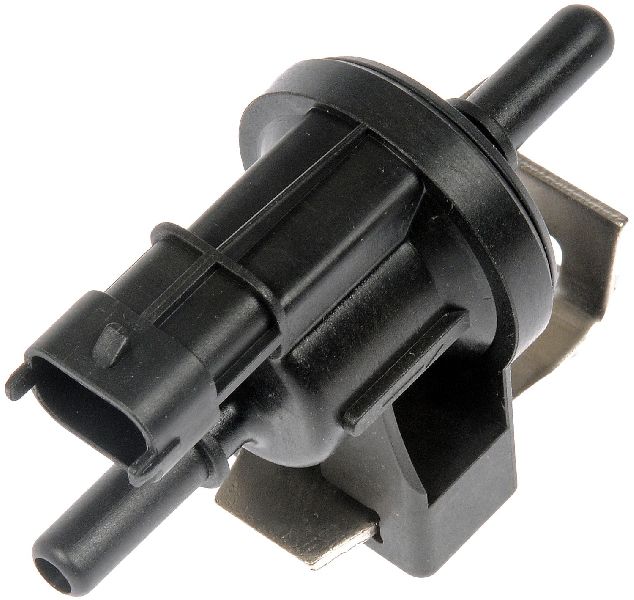
Est. part cost: $30-$75 - Faulty EVAP Purge Solenoid/Valve 🟡 Medium Probability This valve is located in the engine bay and controls the flow of fuel vapors from the canister to the engine. It can get stuck open, creating a constant vacuum leak into the intake manifold, or get stuck closed, preventing the system from drawing a vacuum during its test.
How to confirm: A common symptom is difficulty starting after fueling, often accompanied by code P0496. To test, remove the valve and try to blow through it; if air passes through when unpowered, it's stuck open and faulty. A scan tool can also monitor its commanded state versus its actual state and check for vacuum flow.
Typical fix: Replace the purge solenoid. It is easily accessible on top of or near the engine, often requiring just a 10mm socket.
Est. part cost: $25-$60 - Cracked or Disconnected EVAP Hoses ⚪ Low Probability Over time, the rubber and plastic hoses in the EVAP system can become brittle and crack, especially in areas with extreme temperatures or exposure to the elements. The plastic connectors can also become brittle and break.
How to confirm: Visually inspect all accessible EVAP lines from the engine bay to the fuel tank for obvious cracks, breaks, or loose connections. Pay close attention to the connection points at the purge valve, canister, and tank. A smoke test is the definitive method to find hard-to-see leaks.
Typical fix: Replace the damaged section of hose or reconnect it securely.
Est. part cost: $10-$50
Rare But Worth Checking
- Cracked Charcoal Canister: The plastic housing of the canister itself can develop cracks from age or impact, creating a large leak. This is usually found during a smoke test after all other common components have been checked.
- Leaking Fuel Tank Filler Neck: Corrosion or damage to the metal filler neck where the gas cap seals can prevent a proper seal, even with a new cap. A visual inspection and smoke test will reveal leaks in this area.
- Faulty Fuel Tank Pressure Sensor: A rare but possible cause is a faulty Fuel Tank Pressure (FTP) sensor giving an incorrect reading to the ECM, making it believe there is a leak when there isn't one. This is typically diagnosed by observing live data on a scan tool.
Diagnosis Steps
- Check the gas cap. Remove it, inspect the seal for damage, and retighten it until it clicks several times. Clear the code and drive for a few days to see if it returns.
- If the code returns, perform a thorough visual inspection of all visible EVAP hoses and lines in the engine bay and under the vehicle, looking for obvious cracks or disconnections. GM TSB 21-NA-124 specifically calls out checking all connections to ensure they are fully seated.
- Locate the purge solenoid in the engine bay. With the engine off, disconnect it and try to blow through it. If air passes, it is stuck open and must be replaced. You can also use a scan tool to command it open and closed to check for function.
- Locate the vent solenoid near the fuel tank. Check its electrical connector and hose for damage. A scan tool can command it closed to see if it functions. If it's suspected to be stuck open, it's a likely cause for P0455.
- If the leak source is still not apparent, the most effective next step is to have a smoke test performed. A machine injects vaporized smoke into the EVAP system, and any leaks will be visible as smoke escapes from the faulty component, whether it's a hose, the canister, a solenoid, or the filler neck.
Parts You'll Likely Need
- Fuel Tank Cap
(OEM #GT284)— This is the most common failure point due to frequent use and seal degradation. An ACDelco GT284 is a common OEM replacement.
Trusted brands: ACDelco, Stant
OEM price range: $20-$35
Aftermarket price range: $15-$25 - Vapor Canister Purge Solenoid / Valve
(OEM #12581282)— Commonly gets stuck open, causing P0455 and often P0496. It's an easy replacement located in the engine bay. Cross-references include 12573220 and ACDelco 214-1105.
Trusted brands: ACDelco, Standard Motor Products (SMP), Dorman
OEM price range: $40-$60
Aftermarket price range: $25-$45 - Vapor Canister Vent Solenoid / Valve
(OEM #25932571)— This valve, located near the fuel tank, often fails by getting stuck open, preventing the system from sealing for a leak test. The OEM part number often corresponds to ACDelco part number 214-2149 or the updated 214-2324. Dorman 911-140 is a common aftermarket alternative.
Trusted brands: ACDelco, Dorman
OEM price range: $50-$75
Aftermarket price range: $30-$50
Related Codes That Often Appear With This One
- P0442 — P0442 indicates a small EVAP leak. Sometimes a component is beginning to fail and may initially set a P0442 before the leak worsens and triggers a P0455. The official GM TSB 21-NA-124 for the STS mentions both codes together.
- P0496 — This code indicates 'EVAP Flow During a Non-Purge Condition' and very commonly points to a purge solenoid that is stuck open. If you see P0496 along with P0455, the purge solenoid is the prime suspect.
- P0449 — This code specifically relates to a malfunction in the EVAP Vent Solenoid control circuit. If seen with P0455, it strongly suggests the vent solenoid or its wiring is the root cause.
Technical Service Bulletins (TSBs) & Recalls
- 21-NA-124: "Diagnostic Tip for Malfunction Indicator Lamp (MIL) Illuminated - DTC P0442 and/or P0455 Set." This bulletin, updated in May 2021, applies to a wide range of GM vehicles. It advises technicians to check for unseated or damaged EVAP lines as a primary step, followed by checking the vent valve for a stuck-open condition, and finally, investigating the purge valve. It emphasizes a chronological diagnostic process.
Platform-Specific Known Issues
- Owner Experience: Purge Valve vs. Vent Valve Confusion: On CadillacForums, a user with a 2007 STS reported a P0455 code. They initially replaced the purge valve solenoid in the engine bay because it was easy to access, but the code returned. After getting a smoke test, the actual leak was found at the vent valve solenoid near the tank, which resolved the issue once replaced. This highlights the importance of proper diagnosis before replacing parts.
Mechanic-Grade Diagnostic Values
- EVAP Purge Valve Solenoid Coil Resistance — expected: 20 - 30 Ohms at approximately 68°F (20°C).. Failure: A reading that is significantly higher, lower, or infinite (open circuit) indicates a faulty solenoid coil.
- Fuel Tank Pressure (FTP) Sensor Voltage (Key On, Engine Off) — expected: Approximately 1.5 Volts at normal atmospheric pressure (e.g., with the gas cap off).. Failure: A voltage that is stuck high (e.g., 5V) or low (e.g., 0V) and does not change as pressure changes indicates a faulty sensor or wiring issue.
- Fuel Tank Pressure (FTP) Sensor Voltage during EVAP Test — expected: During a successful test, the voltage should increase above 3.2 Volts as the system pulls a vacuum.. Failure: If the voltage fails to rise when the purge valve is commanded open and the vent valve is closed, it indicates the system is not sealing or not pulling a vacuum.
Hidden / Shadow Codes Worth Checking
- Diagnostic Logic, Not a Code: The Engine Control Module (ECM) requires that the test for DTC P0496 (EVAP Flow During a Non-Purge Condition) must run and pass before it will execute the test for a P0455 large leak. Additionally, a long list of other DTCs related to engine sensors and actuators must not be set for the P0455 test to run. (see via This is internal ECM logic detailed in the factory service manual. A technician would infer this if the EVAP monitor refuses to run despite meeting temperature and fuel level conditions.)
Scan Tool Commands That Help
- GM Tech 2 / GDS2: EVAP Service Bay Test — This is a comprehensive automated test that forces the EVAP monitor to run without a full drive cycle. It commands the vent and purge solenoids and monitors the FTP sensor to confirm system integrity. It's used to verify a leak exists or to confirm a repair was successful. The test requires holding the engine RPM between 1800-2200 for several minutes.
- GM Tech 2 / Professional Scan Tool: EVAP Purge/Seal — This function allows a technician to manually command the vent solenoid to close ('Seal' the system) and then incrementally open the purge solenoid ('Purge') to create a vacuum. It is used to check the function of each valve individually and to monitor the FTP sensor's response to diagnose if a valve is stuck or if the system can hold a vacuum.
Wiring & Ground Locations
- G401 — In the rear compartment (trunk), located to the rear of the right-hand rear shock tower.. This is a major rear body ground. The EVAP vent solenoid and Fuel Tank Pressure sensor are located at the rear of the vehicle, and a poor ground at G401 can cause intermittent or failed operation of these components.
- G100 / G107 — On the rear side of the right cylinder head.. This is a primary engine ground. A poor connection here can affect the Engine Control Module's (ECM) operation and its ability to correctly control and interpret signals from all engine and emissions systems, including the EVAP solenoids.
- EVAP Purge Solenoid Harness Splice (3.6L V6) — In the engine harness, approximately 27 cm (10.6 inches) from the EVAP canister purge solenoid valve connector.. Factory splices can be a point of corrosion or failure over time, leading to an intermittent or complete loss of power to the purge solenoid, causing it to fail to operate.
Real Owner Repair Stories
- Synthesized from multiple mechanic repair videos (Mid-2000s GM Vehicle (similar to STS)) — Check Engine Light with code P0455.
❌ Tried (didn't work) Replacing the gas cap with a new OEM part.
✅ What actually fixed it The code returned after replacing the gas cap. The issue was a faulty EVAP vent valve solenoid located near the fuel tank. The valve was stuck open, preventing the system from sealing itself for the pressure test. Replacing the vent valve solenoid finally resolved the P0455 code. - YouTube channel 'Merlin's Garage' (2006 Cadillac STS 3.6L) — Check Engine Light with code P0496 (often seen with P0455).
❌ Tried (didn't work) Initial diagnosis was uncertain.
✅ What actually fixed it The mechanic demonstrated a definitive test: with the engine running, the electrical connector and the rear EVAP line were disconnected from the purge valve. Feeling for vacuum on the valve's port confirmed it was stuck open (a working valve should be closed with no power). Replacing the purge valve solenoid on the engine fixed the issue.
"I Checked Everything" — The Actual Cause
- If a smoke test reveals no leaks, the problem is almost certainly a functional failure, not a static leak. A common scenario is a purge solenoid that is stuck closed. A smoke test will not find this because the system is sealed; however, when the ECM tries to run its test, it commands the purge valve to open to draw a vacuum, and nothing happens. This triggers a P0455 because the system fails to pull a vacuum, yet there is no physical leak to be found with smoke.
When the Usual Fixes Don't Work
- While the gas cap is the most common cause, it is not a guaranteed fix. In many documented cases, owners replace the gas cap only to have the P0455 code return. The next most likely cause in this scenario is a functional failure of either the vent solenoid (stuck open) or the purge solenoid (stuck closed), which are not physical leaks but prevent the system from testing itself correctly.
OEM Part Supersession History
10382105, 15750484, 22728634→25932571— Part consolidation and design updates for the EVAP Vent Solenoid.
Heads up: Multiple parts vendors note that part number 25932571 has been redesigned and may not be correct for the vehicle, despite being the official supersession. It is critical to verify the correct part by VIN before ordering to avoid fitment issues.
Model Year Variations Within This Range
- 2005-2011: There are no significant design changes to the core EVAP system across this generation. The diagnostic process for both V6 and V8 engines is the same, though the physical location of the purge solenoid on the engine will vary slightly between the two.
Helpful Videos
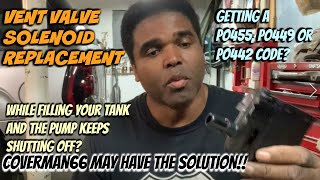
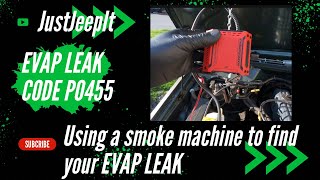
![How to Fix P0455 Engine Code in 3 Minutes [2 DIY Methods / Only $4.61]](https://img.youtube.com/vi/b-o1a2XuVN4/mqdefault.jpg)
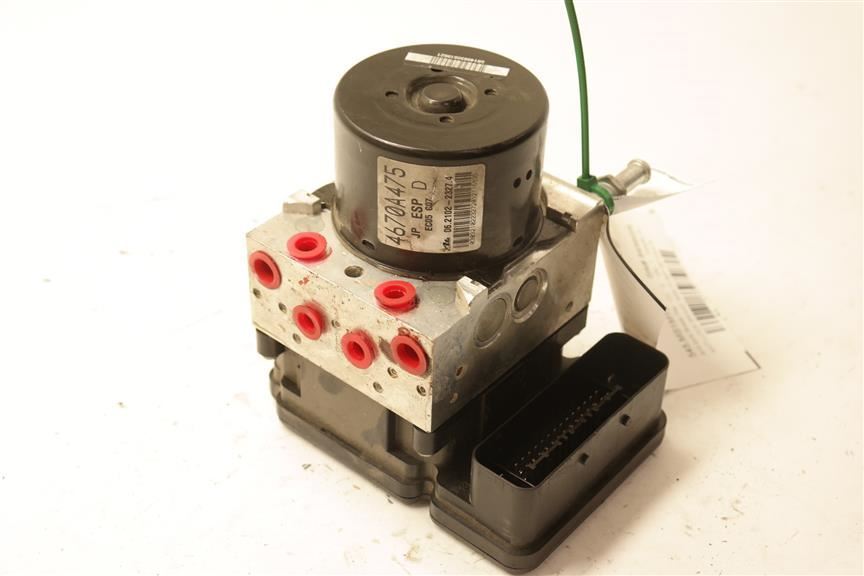
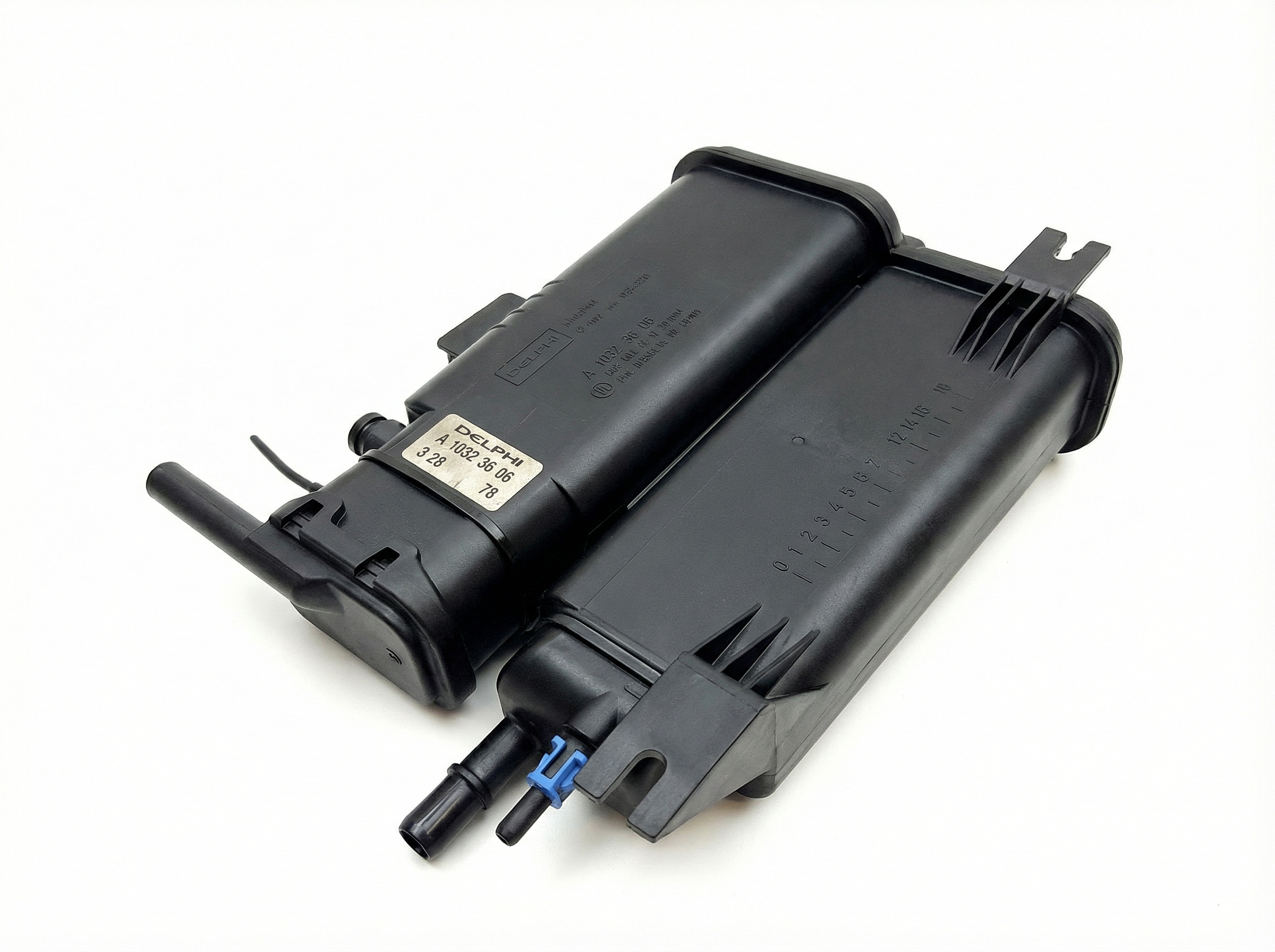
Used OEM Parts in Stock
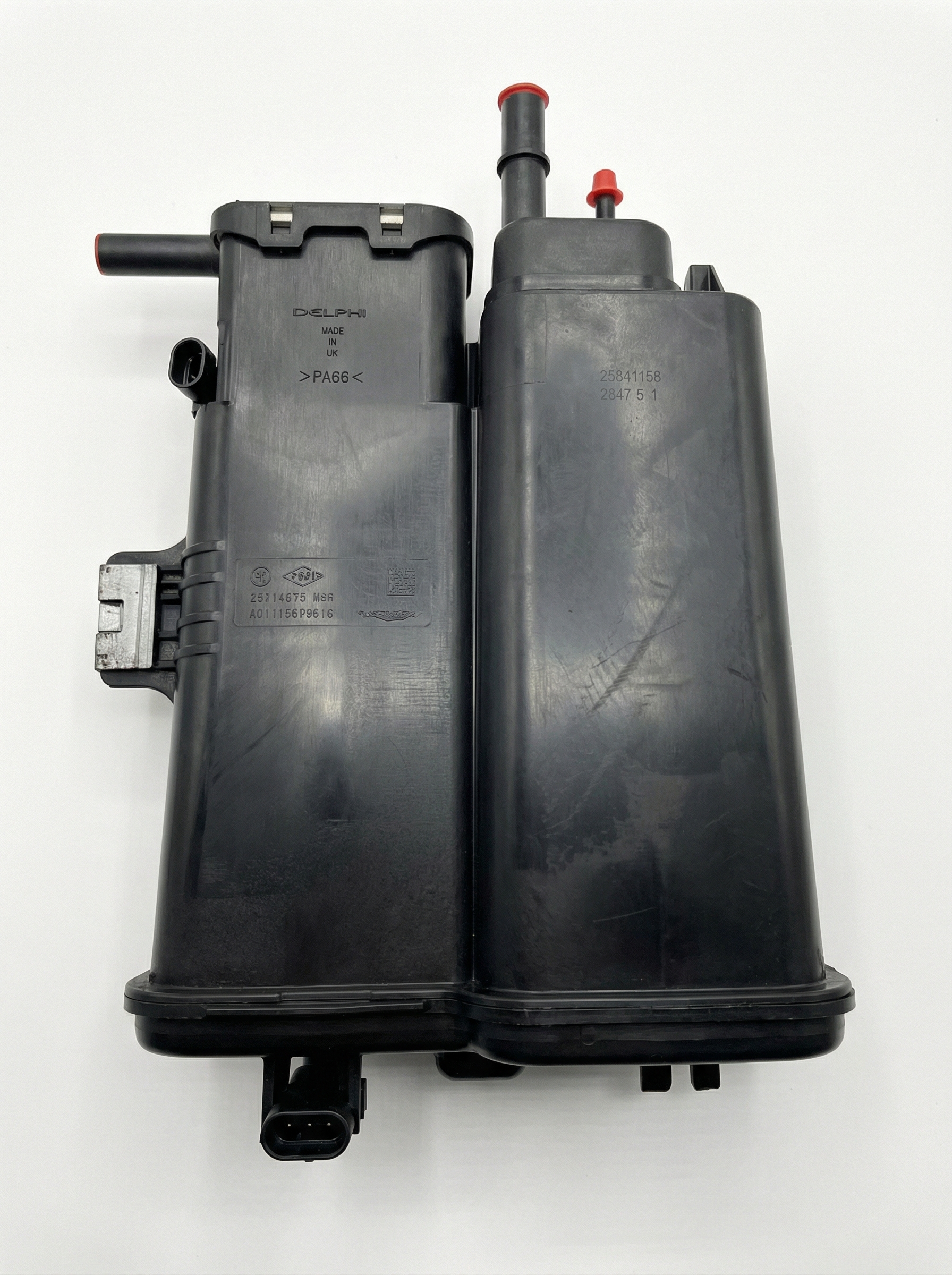
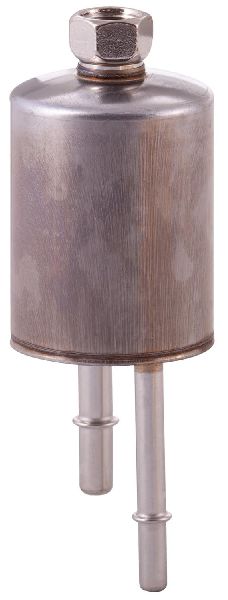
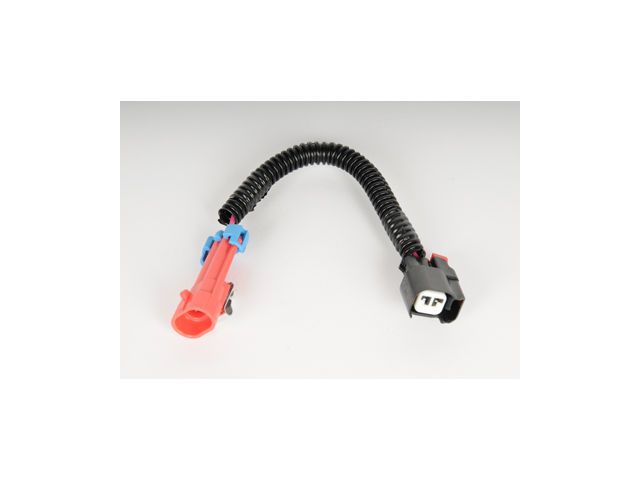
New Aftermarket Parts Available



The information in this article is provided for general reference and educational purposes only. Vehicle specifications, procedures, and part compatibility can vary by production date, trim level, and region. Always consult your vehicle's factory service manual and verify part numbers before purchasing or performing repairs. Safety-critical components such as airbags, seat belts, and braking systems should be installed by a qualified professional.
- Cadillac STS:
- 🎬 Helpful Videos
- 🛍️ Shop This Part
- What's Unique About the 2005-2011 Cadillac STS
- Diagnostic Flowchart
- Symptoms You May Notice
- Most Likely Causes
- Rare But Worth Checking
- Diagnosis Steps
- Parts You'll Likely Need
- Related Codes That Often Appear With This One
- Technical Service Bulletins (TSBs) & Recalls
- Platform-Specific Known Issues
- Mechanic-Grade Diagnostic Values
- Hidden / Shadow Codes Worth Checking
- Scan Tool Commands That Help
- Wiring & Ground Locations
- Real Owner Repair Stories
- "I Checked Everything" — The Actual Cause
- When the Usual Fixes Don't Work
- OEM Part Supersession History
- Model Year Variations Within This Range
- 🎟️ Get 5% Off