

P0455 on 2000-2004 Cadillac Seville: EVAP Large Leak Causes and Fixes
For a P0455 code on a 2000-2004 Cadillac Seville, first check for a loose or worn-out gas cap. If the cap is good, the most likely culprit is a failed EVAP purge solenoid in the engine bay or the vent valve near the fuel tank. A new gas cap is about $15-$30, while solenoids can range from $25 to $75 for aftermarket parts. A smoke test is the most definitive way to find the leak source if it's not obvious.
- Always start with the gas cap. It's the cheapest and most likely fix for P0455.
- If the gas cap isn't the problem, the purge solenoid (in the engine bay) and the vent solenoid (by the gas tank) are the next most likely culprits.
- To prevent future EVAP system problems, do not 'top off' your fuel tank after the pump clicks off.
- A smoke test is the most effective way to find a leak if it's not one of the common components.
- You can continue to drive the car with this code, but you will fail an emissions test and may notice a fuel smell.
What's Unique About the 2000-2004 Cadillac SEVILLE
On this generation of Cadillac Seville, which shares its G-body platform with the DeVille, the EVAP system components are common failure points, particularly due to age and owner habits. The leading cause of repeated failure of the purge and vent solenoids, as well as the charcoal canister itself, is habitually 'topping off' the fuel tank. This practice can force liquid gasoline into the vapor-only system, saturating the charcoal and damaging the electronic valves.
Diagnostic Flowchart
Tap your situation to follow the diagnostic path that matches what you're seeing on this vehicle.
Symptoms You May Notice
- Check Engine Light is on
- A noticeable smell of gasoline, especially around the rear of the vehicle or near the gas cap.
- Difficulty starting the engine immediately after refueling
- Slightly rough or unstable idle if the purge valve is stuck open.
- Gas pump nozzle clicks off repeatedly when trying to fill the tank (symptom of a clogged canister or vent path).
- Message on the driver information center (DIC) such as 'Check Gas Cap'.
- Replacing the Fuel Tank Pressure (FTP) sensor. While an FTP sensor can fail, it will typically set its own specific codes (like P0452 or P0453) and is not a common cause for a P0455 leak code. However, a technician may use its readings during diagnosis to confirm a leak.
Most Likely Causes
- Loose, Damaged, or Incorrect Gas Cap 🔴 High Probability The gas cap seal is a simple rubber component that degrades over time, becoming brittle and cracked. It's the most frequent and easiest-to-fix cause for a large EVAP leak, accounting for a high percentage of P0455 codes.
How to confirm: Inspect the gas cap for cracks in the seal. Ensure it is tightened until it clicks multiple times. A new, inexpensive cap is often the first diagnostic step. A smoke test will show smoke escaping from a bad cap seal.
Typical fix: Replace the gas cap.
Est. part cost: $15-$30 - Failed EVAP Purge Solenoid/Valve 🟡 Medium Probability This valve is located in the hot engine bay and cycles frequently, leading to eventual failure. It can get stuck open or, less commonly, stuck closed, which the ECM interprets as a large leak because no vacuum can be drawn during the self-test.
How to confirm: The purge solenoid is located under the plastic engine cover, near the throttle body. With the engine running, a stuck-open valve may cause a vacuum to be felt at the hose port. A scan tool can command the valve to open and close to test its function; if it doesn't click or flow air when commanded, it has failed.
Typical fix: Replace the purge solenoid. This is a DIY-friendly job.
Est. part cost: $25-$75 - Failed EVAP Vent Valve/Solenoid 🟡 Medium Probability Located near the fuel tank, this valve is exposed to road debris, salt, and moisture, causing corrosion and failure. It's responsible for sealing the EVAP system during the leak test. If it's stuck open, the system can't seal, causing a large leak code.
How to confirm: The valve is located near the charcoal canister, behind the driver's side rear wheel. It can be tested with a scan tool or by applying 12V power to see if the solenoid clicks. A smoke test will clearly show a leak from the vent if it's stuck open.
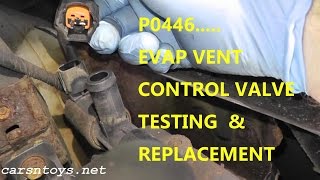
Typical fix: Replace the vent valve solenoid. 🎬 See how to test and replace the canister vent valve.
Est. part cost: $30-$80 - Cracked or Disconnected EVAP Hoses ⚪ Low Probability Over two decades, the plastic and rubber hoses in the EVAP system can become brittle and crack, especially those in the engine bay exposed to heat cycles or near the fuel tank exposed to the elements.
How to confirm: A visual inspection may reveal obvious cracks. The most effective method is a smoke test, which forces low-pressure smoke through the EVAP system, making any leaks visible. Pay close attention to connection points at the canister and valves.
Typical fix: Replace the cracked section of hose or secure a loose connection.
Est. part cost: $5-$50
Rare But Worth Checking
- Cracked EVAP Charcoal Canister: While the canister itself is durable, it can be damaged by road debris or become internally clogged/saturated from overfilling the fuel tank. This can cause P0455 and make refueling difficult.
- Damaged Fuel Filler Neck: Rust or damage to the metal filler neck where the gas cap seals can prevent a proper seal, causing a large leak that a new cap won't fix. A visual and physical inspection of the neck's sealing surface is necessary if a new cap doesn't solve the problem.
Diagnosis Steps
- Check the Gas Cap: Remove, inspect the rubber seal for cracks or brittleness, and reinstall, ensuring it clicks at least three times. Clear the code and drive for a few days to see if it returns.
- Replace the Gas Cap: If the seal looks questionable or is old, replace it. This is the cheapest and most common fix.
- Inspect the Purge Solenoid: Locate the purge solenoid under the engine cover. With the car running, disconnect the hose leading from the canister and check for vacuum. There should be no vacuum at idle unless commanded by a scan tool. If there is vacuum, the valve is stuck open and must be replaced.
- Inspect the Vent Solenoid and Canister: Visually inspect the vent solenoid and charcoal canister near the driver's side rear wheel for any obvious cracks or damage from road debris.
- Perform a Smoke Test: If the above steps do not reveal the issue, the most reliable diagnostic method is a smoke test. This involves injecting low-pressure smoke into the EVAP service port and looking for where it escapes. This will definitively identify any leaks in hoses, the canister, the filler neck, or the fuel tank itself.
Parts You'll Likely Need
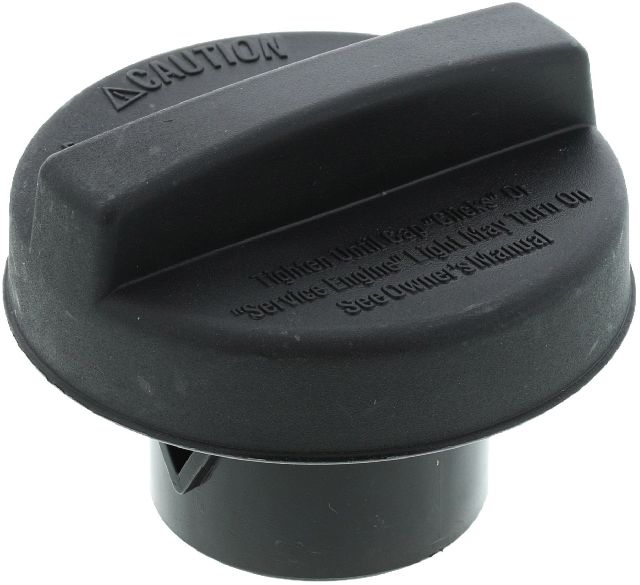
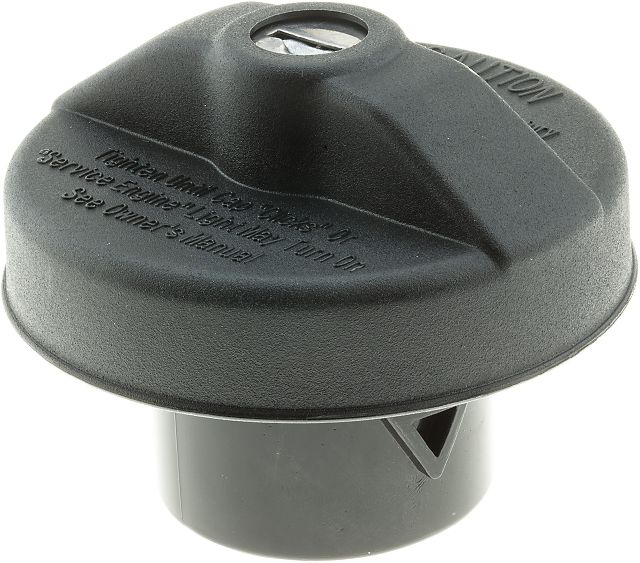
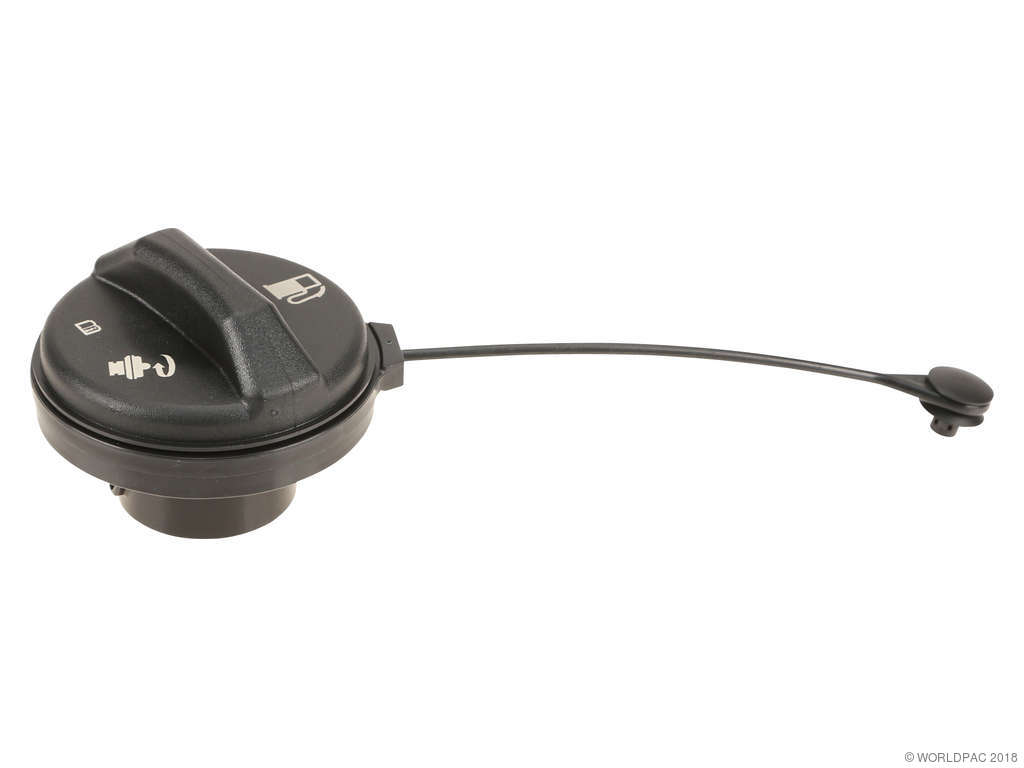
- Gas Cap
(OEM #GT243 (ACDelco))— This is the most common failure point. The seal degrades over time, causing a large leak.
Trusted brands: ACDelco, Stant
OEM price range: $20-$35
Aftermarket price range: $15-$25 - Vapor Canister Purge Solenoid
(OEM #1997278)— This valve is a common failure item that can stick open or closed, directly causing a P0455 code and potential drivability symptoms. It is also sold under ACDelco part number 214-641.
Trusted brands: ACDelco, Standard Motor Products (CP470), Dorman
OEM price range: $50-$90
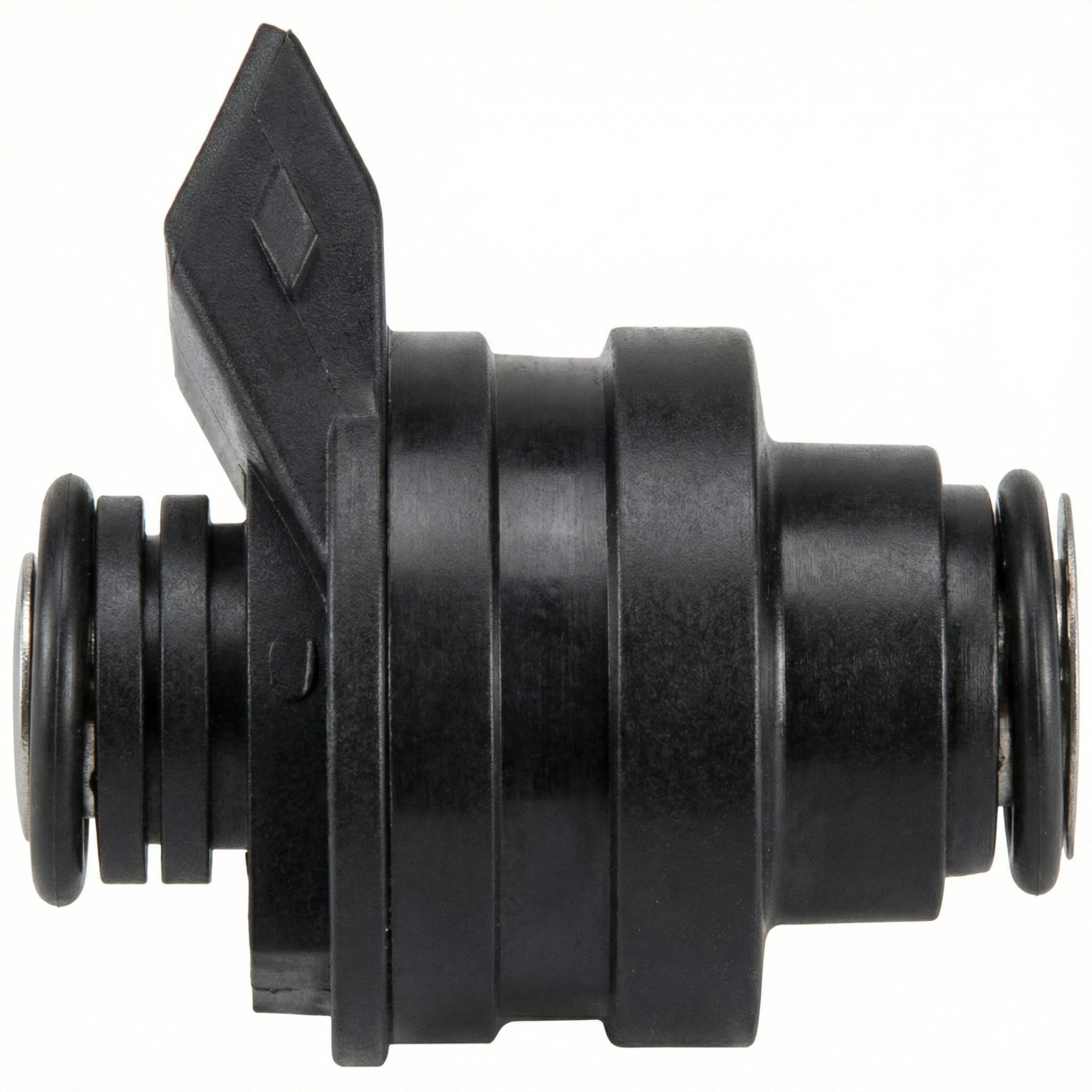
Aftermarket price range: $25-$60 - Vapor Canister Vent Valve Solenoid
(OEM #25950499 (ACDelco))— This valve is required to seal the system for testing. Its location makes it prone to corrosion and failure, preventing the system from sealing and causing a large leak code. An aftermarket alternative is Dorman 911-030.
Trusted brands: ACDelco, Dorman
OEM price range: $60-$100
Aftermarket price range: $30-$80
Related Codes That Often Appear With This One
- P0442 — P0442 indicates a small EVAP leak. You might see both if the system has an intermittent or borderline leak that the computer interprets differently on separate tests. GM TSB #21-NA-124 specifically addresses diagnostics for both codes appearing.
- P0446 — This code points specifically to a fault in the EVAP vent control circuit. If the vent valve is the source of the large leak, it may trigger both codes.
- P0449 — Similar to P0446, this code indicates a fault in the vent valve/solenoid circuit, often appearing alongside P0455 if that component is the root cause.
Technical Service Bulletins (TSBs) & Recalls
- TSB #21-NA-124: Notes that GM has issued diagnostic tips for testing EVAP leaks related to codes P0442 and/or P0455. The bulletin advises technicians to first inspect all EVAP line connections for proper seating and damage before testing the vent and purge valves.
Platform-Specific Known Issues
- Habitually overfilling the fuel tank past the first click is a known cause of saturating the charcoal canister with liquid fuel, leading to the failure of the canister and both the purge and vent solenoids.
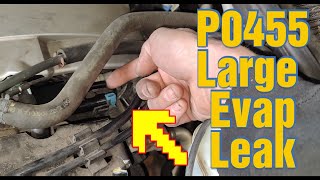
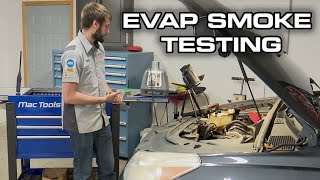
- On the related Cadillac DeVille, a repair shop forum thread confirms that a vent valve stuck open was the cause of a P0455 after a smoke test was performed. 🎬 Watch a mechanic diagnose a large EVAP leak on this platform.
Mechanic-Grade Diagnostic Values
- EVAP Purge Valve Solenoid Resistance — expected: Approximately 20 - 36 Ohms. Failure: An infinite reading (open circuit) or a reading far outside the typical range indicates a failed solenoid coil.
- EVAP Vent Valve Solenoid Resistance — expected: Typically between 20 - 50 Ohms. Failure: A reading of zero (short circuit) or infinite (open circuit) ohms indicates a bad coil within the solenoid.
- EVAP Purge Solenoid Connector Voltage — expected: Battery voltage on the power feed wire with Key On, Engine Off.. Failure: No voltage indicates a wiring or fuse issue upstream of the solenoid.
Scan Tool Commands That Help
- Tech2 / GDS2 (or capable Bi-Directional Scanner): EVAP Purge/Seal — This function allows a technician to manually command the EVAP Vent Solenoid closed and the Purge Solenoid open or closed. It is essential during a smoke test to seal the system and to individually test valve function while monitoring the Fuel Tank Pressure (FTP) sensor.
- Tech2 / GDS2: EVAP Vent Solenoid Control — Used to command the vent solenoid on (closed) and off (open) to verify its operation. A technician can listen for a click and observe changes in system pressure or smoke flow. A scan tool can also display the circuit status, indicating if the computer sees an open or short.
Wiring & Ground Locations
- EVAP Canister Purge Solenoid — Located in the engine bay, under the plastic engine cover, near the throttle body.. This is the physical location for inspection and testing of the purge solenoid, a common cause of P0455. Its power is supplied via the PCM IGN fuse (Fuse #19) in the under-hood fuse block.
- EVAP Canister Vent Solenoid — Located underneath the vehicle on the driver's side, near the fuel tank and charcoal canister.. This is the physical location for inspection and testing of the vent solenoid. It is exposed to the elements, making it and its wiring prone to corrosion and damage.
- G401 / G402 — G401 is at the right rear corner of the rear compartment, and G402 is at the left rear corner of the rear compartment.. These are the primary chassis ground points for the rear of the vehicle. The EVAP vent solenoid and Fuel Tank Pressure sensor are located nearby and rely on a clean, solid ground connection for proper operation. A corroded or loose ground at these locations can cause intermittent or faulty operation of these components, leading to incorrect diagnostics.
- Rear Fuse Block — Located under the left rear seat.. This fuse block contains fuses and relays that may be related to the power supply for the EVAP system components, depending on the specific wiring configuration for the year.
OEM Part Supersession History
1997301→1997278— Part number consolidation and design update for the Vapor Canister Purge Solenoid.10377196, 21996868, 25658328→25950499— Part number consolidation and design update for the Vapor Canister Vent Valve Solenoid.
Helpful Videos
Used OEM Parts in Stock
New Aftermarket Parts Available


The information in this article is provided for general reference and educational purposes only. Vehicle specifications, procedures, and part compatibility can vary by production date, trim level, and region. Always consult your vehicle's factory service manual and verify part numbers before purchasing or performing repairs. Safety-critical components such as airbags, seat belts, and braking systems should be installed by a qualified professional.
- Cadillac SEVILLE:
- 🎬 Helpful Videos
- 🛍️ Shop This Part
- What's Unique About the 2000-2004 Cadillac SEVILLE
- Diagnostic Flowchart
- Symptoms You May Notice
- Most Likely Causes
- Rare But Worth Checking
- Diagnosis Steps
- Parts You'll Likely Need
- Related Codes That Often Appear With This One
- Technical Service Bulletins (TSBs) & Recalls
- Platform-Specific Known Issues
- Mechanic-Grade Diagnostic Values
- Scan Tool Commands That Help
- Wiring & Ground Locations
- OEM Part Supersession History
- 🎟️ Get 5% Off