

P0455 on 2007-2013 Cadillac Escalade EXT: EVAP Large Leak Causes and Fixes
P0455 on a 2007-2013 Escalade EXT indicates a large leak in the EVAP system. The most common causes are a loose or faulty gas cap, a bad EVAP vent valve solenoid near the spare tire, or a failed purge valve on the engine. A gas cap is a cheap first step, while solenoids cost around $30-$70 each. A smoke test is the most reliable diagnostic method.
- P0455 means your Escalade EXT has a large leak in the fuel vapor system.
- Always start with the simplest fix: check that your gas cap is tight and its seal is intact. A new gas cap is a cheap and easy first step.
- The two most likely culprits after the gas cap are the EVAP vent valve (by the spare tire) and the EVAP purge valve (on the engine). Both are common failure items and relatively inexpensive to replace.
- A fuel smell is a strong indicator of an EVAP leak. Don't ignore it.
- While you can drive with this code, you won't pass an emissions test until it's fixed.
What's Unique About the 2007-2013 Cadillac ESCALADE EXT
On the GMT900 platform, which includes the 2007-2013 Escalade EXT, the P0455 code is frequently traced back to two specific solenoid valves. The EVAP vent valve, located in a vulnerable position under the truck near the spare tire, is prone to failure from road debris, corrosion, and moisture. The EVAP purge valve, located on top of the engine, is also a common failure point. GM has issued updated parts for these components over the years, which often include a new wiring harness adapter, indicating a known issue with the original designs.
Diagnostic Flowchart
Tap your situation to follow the diagnostic path that matches what you're seeing on this vehicle.
Symptoms You May Notice
- Check Engine Light is on
- A noticeable fuel odor, especially around the rear of the vehicle or after refueling.
- "Tighten Gas Cap" message on the driver information center, even if the cap is tight.
- Difficulty starting the vehicle immediately after refueling. This is a classic symptom of a stuck-open purge valve flooding the intake with fuel vapors.
- Slightly rough idle in some cases.
- Gas pump nozzle clicks off repeatedly, making it difficult to fill the tank (more common with a stuck-closed vent valve, but can be related).
- Replacing the fuel tank pressure sensor without proper diagnosis. This sensor is more likely to cause other codes or fail to detect pressure changes, but it's rarely the source of the leak itself.
- Replacing the charcoal canister when only a valve has failed. The canister can become contaminated with debris if a purge valve fails, but the canister itself is usually not the leak source unless it is physically cracked.
Most Likely Causes
- Loose, Damaged, or Incorrect Gas Cap 🔴 High Probability This is the most common cause for a P0455 on any vehicle. The plastic tether can break, leading to the cap being lost, dropped, or damaged. Over time, the rubber O-ring seal dries out and cracks.
How to confirm: Visually inspect the gas cap for cracks and check the rubber seal for damage or brittleness. Ensure it clicks at least three times when tightened. A broken tether is a sign the cap may be old or damaged. If the "Tighten Gas Cap" message appears, this is the first suspect.
Typical fix: Tighten the existing cap or replace it with a new OEM or equivalent part. Clearing the code may be necessary, as it can take several drive cycles for the light to turn off on its own.
Est. part cost: $15-$40 - Failed EVAP Vent Valve Solenoid 🔴 High Probability The vent valve is located under the truck near the spare tire, exposing it to road grime, salt, and moisture, which leads to corrosion and failure. It can get stuck open, causing a large leak that the system detects immediately during its self-test.
How to confirm: Perform a smoke test. 🎬 Watch: How to build a cheap smoke tester and find leaks. Smoke will be seen exiting the vent valve filter if the valve is stuck open. The valve is normally open and should close when 12V is applied to its connector. If you apply power and can still blow through it or smoke still escapes, it has failed.
Typical fix: Replace the EVAP vent valve solenoid. 🎬 See this walkthrough for replacing the vent valve under the truck. The replacement part is often an updated design that may include a new filter box and wiring harness adapter.
Est. part cost: $30-$70 - Failed EVAP Purge Valve Solenoid 🟡 Medium Probability This valve, located on top of the engine intake manifold, can get stuck open or fail to seal properly, creating a constant vacuum leak that the system interprets as a large leak. It can also become clogged with charcoal particles from a deteriorating EVAP canister.
How to confirm: With the engine off, disconnect the EVAP line from the purge valve. Try to blow through the valve. If any air passes through, it is stuck open and has failed, as it should be normally closed. Another key symptom is difficulty starting right after filling the gas tank.
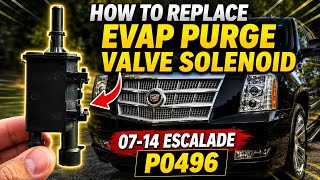
Typical fix: Replace the purge valve solenoid. 🎬 Watch: Step-by-step guide to replacing the engine-mounted purge valve. This is a very accessible part on top of the engine, typically held by one bolt and two hose connections.
Est. part cost: $25-$60 - Cracked or Disconnected EVAP Hoses ⚪ Low Probability Rubber and plastic lines can become brittle and crack over time due to heat and age. TSB #15-NA-019 specifically points to a fracture of the gasoline filler neck recirculation line connector as a cause for P0455 and fuel odors.
How to confirm: Visually inspect all accessible EVAP lines between the canister, valves, and engine. A smoke test is the most effective way to find a cracked hose that isn't obvious. Pay close attention to the connection points identified in TSB #15-NA-019 near the filler neck.
Typical fix: Replace the damaged section of hose or the entire hose assembly. For the issue in TSB #15-NA-019, the fix is to replace the Fuel Tank Filler Vent Hose Assembly (Part No. 22802075 for Escalade EXT/Avalanche).
Est. part cost: $10-$75
Rare But Worth Checking
- Cracked EVAP (Charcoal) Canister: The canister itself can develop cracks from road debris impact or age, creating a large leak. This is less common than valve failure but should be checked during a visual inspection, especially if a smoke test shows smoke coming from the canister body itself.
- Damaged Fuel Filler Neck: Rust or physical damage to the metal filler neck where the gas cap seals can prevent a proper seal, causing a P0455 code. Inspect the sealing surface for corrosion or deformities when you check the gas cap.
- Leaking Fuel Tank Gasket: The gasket that seals the fuel pump/sending unit assembly to the top of the fuel tank can fail, creating a leak. This is often accompanied by a strong fuel smell and may be found with a smoke test showing smoke from the top of the tank.
- Charcoal Pellets Contaminating EVAP Lines: If the charcoal canister fails internally, activated charcoal pellets can be drawn into the EVAP lines. This can cause the purge or vent valves to stick open, leading to P0455 and other codes. If you replace a valve and find black debris inside, the canister and lines will also need to be replaced or cleaned out.
Diagnosis Steps
- Check the Gas Cap: This is the simplest and most common fix. Ensure the cap is tight and clicks several times. Inspect the cap and its rubber seal for any cracks or damage. An OEM replacement is recommended if the seal is compromised.
- Visual Inspection: Look under the vehicle near the spare tire for the EVAP canister and vent solenoid. Check for any obviously disconnected hoses, corroded wires, or visible cracks in the plastic components.
- Check the Purge Valve: Locate the purge valve on the engine's intake manifold. With the engine off, disconnect the electrical connector and the two EVAP lines. Try to blow through the valve; if air passes through, it's stuck open and needs to be replaced.
- Perform a Smoke Test: This is the most effective way to find a leak. A smoke machine forces low-pressure smoke into the EVAP system's service port. The leak will be revealed by the smoke exiting from the cracked hose, faulty valve, or bad seal.
- Test the Vent Valve: During a smoke test, if no other leaks are found, apply 12V power to the vent valve's electrical connector. This should cause the normally-open valve to click shut. If smoke starts coming out of the vent filter only after power is removed, the valve is working. If smoke comes out while it is powered, the valve is stuck open and faulty.
Parts You'll Likely Need
- EVAP Vent Valve Solenoid
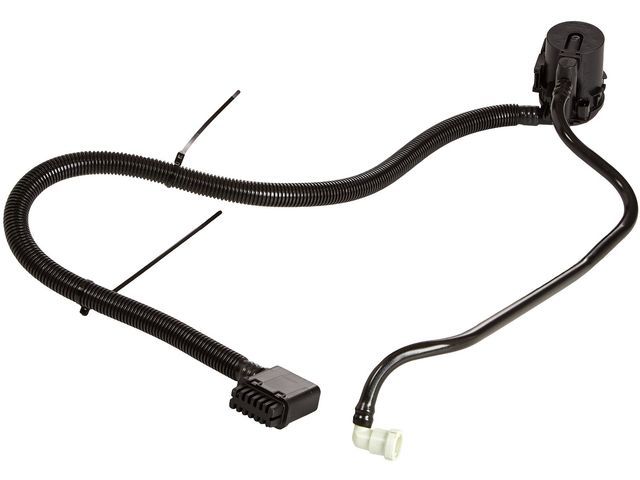
(OEM #25932571 (supersedes 10382105, 15750484, 22728634))— This part is located under the vehicle and is highly prone to failure from the elements. It often gets stuck open, causing a large leak.
Trusted brands: ACDelco (GM Genuine), Dorman, Standard Motor Products
OEM price range: $40-$60
Aftermarket price range: $30-$50 - EVAP Purge Valve Solenoid
(OEM #12597567 (latest may be 12735397, supersedes 12606684))— Located on the engine, this valve can get stuck open, causing hard starting after refueling and triggering a P0455 code.
Trusted brands: ACDelco (GM Genuine), Bosch, Standard Motor Products
OEM price range: $35-$55
Aftermarket price range: $25-$50
Related Codes That Often Appear With This One
- P0442 — P0442 is for a small EVAP leak. A problem that starts as a small leak (P0442) can worsen and eventually be detected as a large leak (P0455). Both codes are mentioned together in TSB #15-NA-019.
- P0449 — P0449 specifically indicates a fault in the EVAP vent valve solenoid electrical circuit. If you have both P0455 and P0449, the vent valve solenoid assembly is almost certainly the problem.
- P0496 — P0496 indicates 'High Purge Flow,' which is almost always caused by a purge valve stuck open. This condition allows un-commanded vacuum into the EVAP system and can also lead to the system failing a leak test, setting P0455.
Technical Service Bulletins (TSBs) & Recalls
- TSB #15-NA-019: Addresses a fuel odor and P0442/P0455 codes caused by a fractured fuel tank filler vent hose connector. The fix involves replacing the hose assembly (Part #22802075 for Escalade EXT).
- TSB #21-NA-124: Provides general diagnostic tips for finding EVAP leaks related to P0442 and P0455 codes.
Platform-Specific Known Issues
- TSB #15-NA-019 notes that a strong fuel odor and P0455/P0442 codes can be caused by a fracture of the fuel tank filler vent hose connector. The repair requires replacing the entire hose assembly, GM Part #22802075 for the Escalade EXT and Avalanche.
Mechanic-Grade Diagnostic Values
- EVAP Vent Valve Solenoid Resistance — expected: Approximately 20-22 Ohms.. Failure: A reading of infinite resistance (Open Loop/OL) or zero resistance (short) indicates a failed coil.
- EVAP Purge Valve Solenoid Resistance — expected: Approximately 20-30 Ohms.. Failure: A reading significantly outside this range, or OL, indicates a faulty coil.
- Fuel Tank Pressure (FTP) Sensor Voltage (Key On, Engine Off, Gas Cap Off) — expected: Approximately 1.5V.. Failure: A voltage that is stuck high (towards 4.9V) or low (towards 0.1V) and does not change when vacuum or pressure is applied during testing indicates a failed sensor.
Scan Tool Commands That Help
- Tech2 / GDS2 (or equivalent professional scanner): EVAP Service Bay Test — This is an automated, guided test that commands the entire EVAP system to run its monitor. It's used to verify a repair has fixed the leak without needing to complete multiple drive cycles.
- Tech2 / GDS2 (or equivalent professional scanner): EVAP Purge/Seal — This function allows the technician to manually command the vent solenoid to close (seal the system) and then cycle the purge solenoid. This is essential during a smoke test to confirm solenoid operation and isolate different parts of the system.
- Tech2 / GDS2 (or equivalent professional scanner): Vent Solenoid On/Off — This command directly actuates the vent solenoid. During a smoke test, a technician will command the valve closed (On). If smoke still exits the vent filter, the valve is faulty.
Wiring & Ground Locations
- EVAP Vent Solenoid Fuse — In the underhood fuse block, fuse #14 (10 Amp) labeled 'TCM BATT' often powers the vent solenoid.. If there is no 12V power at the vent solenoid connector (typically an orange/white wire), this fuse should be checked before condemning the wiring or solenoid.
- G401 / G402 — On the driver's side frame rail, near the rear of the vehicle, close to the fuel tank and EVAP canister.. These are the primary ground points for the rear chassis components, including the fuel pump module and EVAP system. A corroded or loose ground here can cause intermittent or total failure of the vent solenoid and other components, leading to various EVAP codes.
- EVAP Vent Solenoid Connector — Under the vehicle near the spare tire, connected directly to the vent solenoid.. This 2-pin connector is highly susceptible to corrosion from road spray. The terminals can become corroded, causing a poor connection that mimics a failed solenoid. Updated replacement solenoids often come with a new pigtail harness to replace a damaged original connector.
Real Owner Repair Stories
- Reddit user, r/MechanicAdvice (2004 Chevy Colorado (similar GM EVAP system)) — P0455 code, Check Engine Light on.
❌ Tried (didn't work) Replaced gas cap.
✅ What actually fixed it A smoke test revealed no leaks at the gas cap, purge valve, or canister area. Using a borescope, smoke was seen coming from the top of the fuel tank. The cause was a cracked or disconnected vapor line on the fuel pump assembly module, requiring the fuel tank to be dropped for access and repair. - YouTube video by 'Greeks Garage' (2008 Cadillac Escalade) — P0455 (Large Leak) and P0496 (High Purge Flow), hard to start after refueling.
✅ What actually fixed it The problem was resolved by replacing the EVAP Purge Valve Solenoid located on top of the engine. The video demonstrates the replacement process.
"I Checked Everything" — The Actual Cause
- In some cases, a smoke test may not reveal an obvious leak around the common components (valves, canister). The actual cause can be a small crack on a hose fitting on the very top of the fuel tank, which is obscured by the truck bed. This leak may only become visible with a borescope camera or by slightly lowering the fuel tank to gain a clear line of sight.
OEM Part Supersession History
10382105, 15750484, 22728634→25932571— Redesign of the EVAP Vent Valve Solenoid to improve durability and resistance to weather. The new design may have a different electrical connector.
Heads up: When replacing an older style solenoid with the newer part number (25932571), a wiring harness adapter is often required to connect the new valve to the existing vehicle harness. Many replacement kits include this adapter.12597567, 12606684→12735397— Internal design improvements to the EVAP Purge Valve Solenoid to prevent sticking.
Heads up: The newer part numbers are generally direct-fit replacements with no compatibility issues noted.
Model Year Variations Within This Range
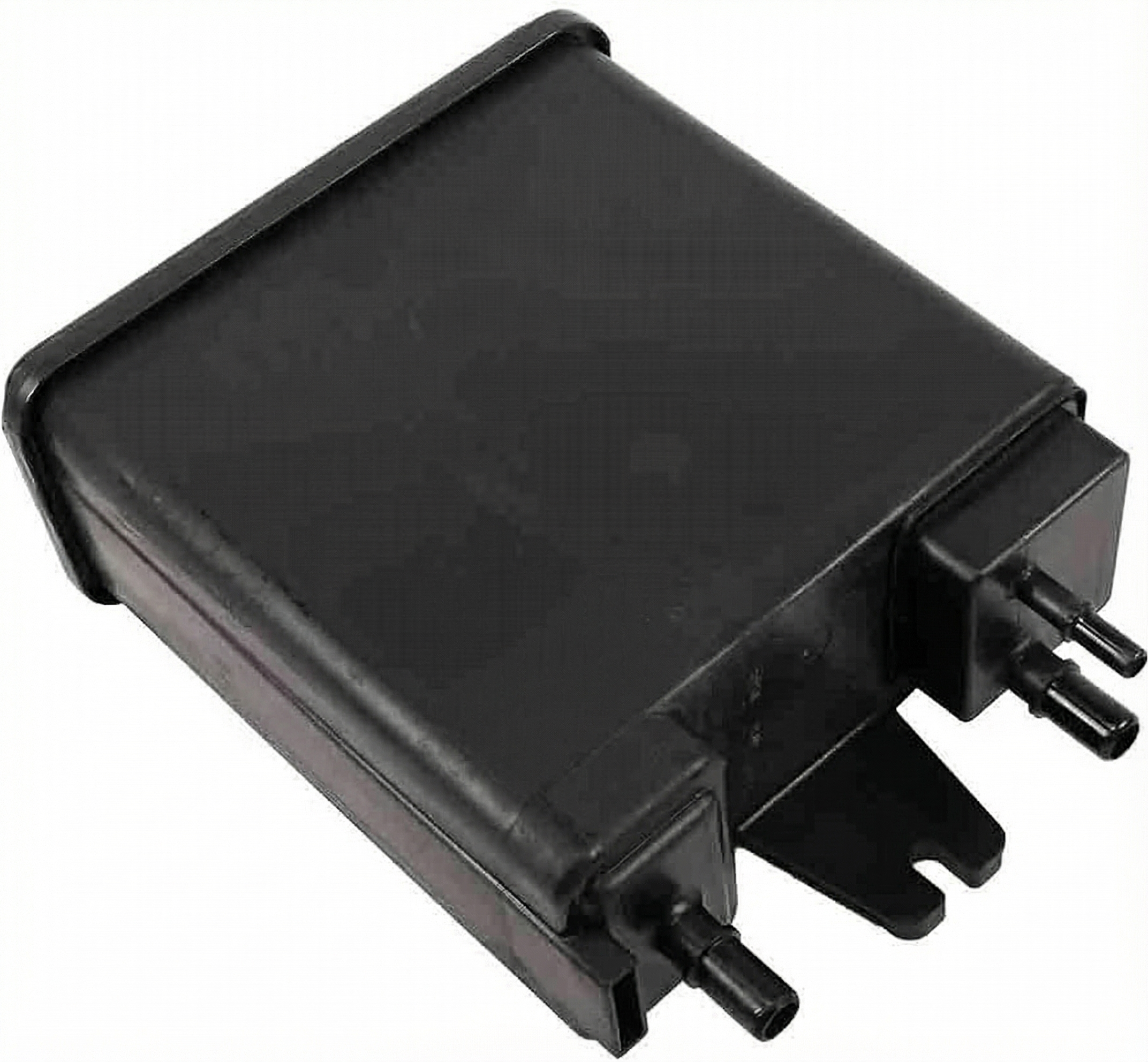
- 2007-2009 (approx.): Early models in this generation were more likely to be equipped with a rectangular-style EVAP vent solenoid. Later models transitioned to a round, can-style solenoid. When replacing an early rectangular solenoid, the modern replacement is typically the round style, which necessitates the use of a wiring harness adapter.
Helpful Videos
Used OEM Parts in Stock

New Aftermarket Parts Available


The information in this article is provided for general reference and educational purposes only. Vehicle specifications, procedures, and part compatibility can vary by production date, trim level, and region. Always consult your vehicle's factory service manual and verify part numbers before purchasing or performing repairs. Safety-critical components such as airbags, seat belts, and braking systems should be installed by a qualified professional.
- Cadillac ESCALADE EXT:
- 🎬 Helpful Videos
- 🛍️ Shop This Part
- What's Unique About the 2007-2013 Cadillac ESCALADE EXT
- Diagnostic Flowchart
- Symptoms You May Notice
- Most Likely Causes
- Rare But Worth Checking
- Diagnosis Steps
- Parts You'll Likely Need
- Related Codes That Often Appear With This One
- Technical Service Bulletins (TSBs) & Recalls
- Platform-Specific Known Issues
- Mechanic-Grade Diagnostic Values
- Scan Tool Commands That Help
- Wiring & Ground Locations
- Real Owner Repair Stories
- "I Checked Everything" — The Actual Cause
- OEM Part Supersession History
- Model Year Variations Within This Range
- 🎟️ Get 5% Off