

P0455 on 2000-2002 Cadillac Eldorado: EVAP Large Leak Causes and Fixes
On a 2000-2002 Cadillac Eldorado, the P0455 code indicates a large leak in the EVAP system. The most common and simple fix is to inspect and tighten or replace the gas cap, which costs about $15-$40. If that doesn't solve it, the EVAP purge or vent solenoids are the next likely culprits. A smoke test is the most definitive way to find the exact source of the leak if the common parts check out.
- P0455 on your Eldorado means a large leak has been detected in the fuel vapor system.
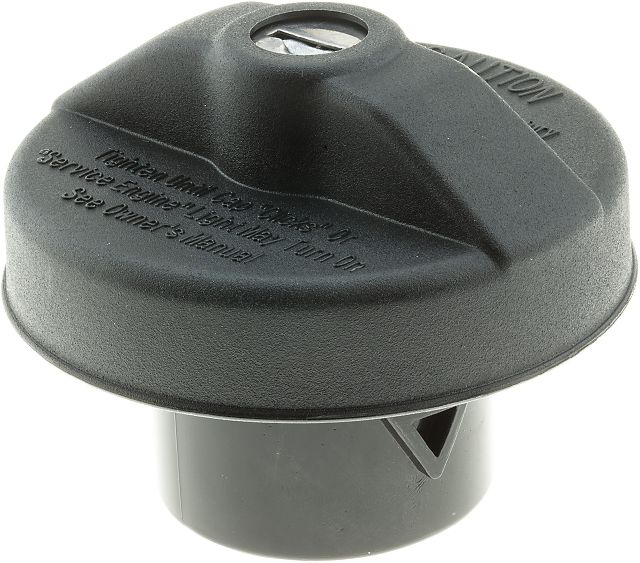
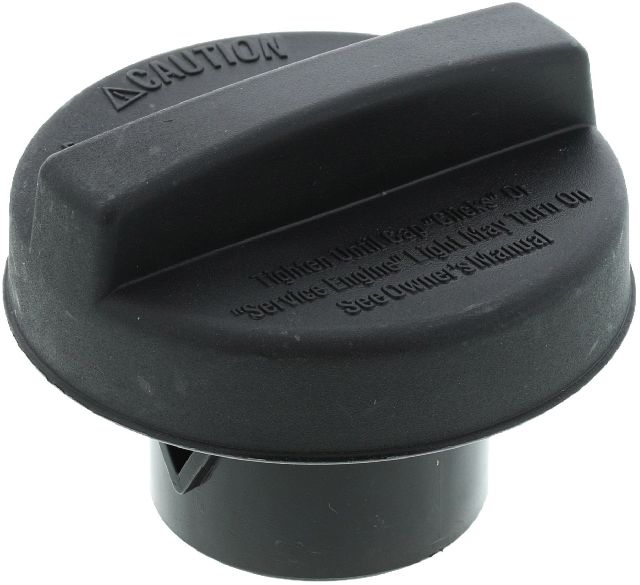
- Always check the gas cap first; ensure it's tight and the seal is intact. An OEM ACDelco cap is recommended for replacement.
- If the gas cap is not the issue, the purge and vent solenoids are the next most common failure points on this platform.
- A smoke test is the most reliable method for finding the exact source of a persistent leak.
- This code will cause an emissions test failure but does not represent an immediate risk to the engine's operation.
What's Unique About the 2000-2002 Cadillac ELDORADO
The 2000-2002 Eldorado shares its G-body platform and many components, including the Northstar V8 engine and EVAP system, with other Cadillacs like the Seville and DeVille of the same era. For these vehicles, EVAP system components like purge and vent solenoids are known failure points over time. The purge solenoid is located on the engine, while the vent solenoid is at the rear of the vehicle near the fuel tank, making it susceptible to corrosion and road debris. While the most common cause is a simple gas cap issue, these solenoids are frequently the next items to check, as noted in TSB #21-NA-124 which provides diagnostic tips for EVAP leaks on these models. Another TSB, #02-06-04-037, addresses issues with the vent valve assembly due to dirt and water intrusion, a common problem in dusty environments.
Diagnostic Flowchart
Tap your situation to follow the diagnostic path that matches what you're seeing on this vehicle.
Symptoms You May Notice
- Check Engine Light is on
- A noticeable smell of fuel, especially around the gas tank area or after refueling.
- Potentially a hissing sound from the fuel tank area.
- Difficulty refueling (gas pump nozzle clicks off repeatedly before the tank is full), which can be a symptom of a blocked vent valve or saturated charcoal canister.
- Replacing the fuel tank pressure sensor without proper diagnosis. While this sensor can fail, it's not a common cause for a P0455 leak code unless it's physically cracked and leaking. It will typically set its own codes like P0452 or P0453.
- Repeatedly replacing the gas cap when the actual leak is from a rusted fuel filler neck or a cracked EVAP hose. A smoke test is required to differentiate these issues.
Most Likely Causes
- Loose, Damaged, or Incorrect Gas Cap 🔴 High Probability This is the most common cause for a P0455 code on any vehicle. The rubber O-ring seal on the cap degrades, cracks, or becomes dirty over time, preventing a proper seal. Using a non-OEM cap can also lead to sealing issues.
How to confirm: Inspect the gas cap for any visible cracks or damage to the rubber seal. Ensure it is tightened until it clicks several times. Cleaning the filler neck sealing surface with a rag can also help ensure a good seal. A new, correct-spec cap is a cheap and effective diagnostic step.
Typical fix: Tighten or replace the gas cap.
Est. part cost: $15-$40 - Faulty EVAP Canister Purge Valve/Solenoid 🟡 Medium Probability This valve cycles frequently and is a common failure point on many GM vehicles of this era. It can get stuck open, creating a constant vacuum leak within the EVAP system. It can also get stuck closed, which prevents the system from pulling a vacuum during its self-test, tricking the ECM into reporting a large leak.
How to confirm: The purge valve is normally closed. It is typically located on or near the intake manifold on the Northstar V8. With the engine idling, disconnect the vapor line from the valve and check for vacuum suction with your finger. 🎬 Watch: How to test and replace a faulty purge valve If suction is present, the valve is stuck open and needs to be replaced. A scan tool can also command the valve to open and close to verify its operation.
Typical fix: Replace the purge valve solenoid.
Est. part cost: $25-$60 - Faulty EVAP Canister Vent Valve/Solenoid 🟡 Medium Probability Located near the charcoal canister at the rear of the vehicle, this valve is exposed to road debris and moisture, causing it to fail. It can get stuck open, preventing the system from sealing during its self-test. GM issued TSB #02-06-04-037 to address this part failing due to dirt and water intrusion.
How to confirm: The vent valve is normally open and closes when commanded by the ECM during a test. Diagnosis often requires a bi-directional scan tool to command the valve closed, followed by a smoke test to see if it's leaking. The valve is located near the spare tire area.
Typical fix: Replace the vent valve solenoid. Updated kits may include a filter to relocate the air intake to a cleaner location. 🎬 See this walkthrough on replacing the vent valve solenoid
Est. part cost: $25-$50 - Cracked or Disconnected EVAP Hoses/Lines ⚪ Low Probability Over two decades, the rubber and plastic hoses in the EVAP system can become brittle, dry-rotted, and crack, especially at connection points or molded elbows. A user on a GM forum reported solving their P0455 by replacing a small, cracked molded hose at the purge solenoid.
How to confirm: A visual inspection may reveal obvious cracks or disconnections. The most effective method is a professional smoke test, which fills the EVAP system with visible smoke, making even small leaks easy to spot. 🎬 Watch: How to perform a professional EVAP smoke test
Typical fix: Replace the damaged section of hose.
Est. part cost: $10-$50
Rare But Worth Checking
- Cracked EVAP Charcoal Canister: The plastic housing of the canister can crack due to age or impact from road debris. This is often caused by repeatedly 'topping off' the fuel tank, which forces liquid fuel into the canister and saturates the charcoal, leading to failure and potential restrictions.
- Leaking Fuel Tank or Filler Neck: Rust or physical damage to the fuel tank or the filler neck where the gas cap seals can create a large leak. This is more common in regions that use road salt and can be confirmed with a visual inspection or a smoke test.
- Leaking Fuel Tank Pressure (FTP) Sensor Seal: While the sensor itself rarely causes a P0455 code, the rubber grommet or seal where it mounts to the fuel tank can dry rot and leak, creating a large leak condition.
Diagnosis Steps
- Check the gas cap. Remove it, inspect the seal for cracks or damage, and clean the filler neck surface. Reinstall the cap, ensuring it clicks multiple times. Clear the code and drive for a few days to see if it returns.
- If the code returns, perform a thorough visual inspection of all accessible EVAP hoses and lines running from the engine bay to the fuel tank, looking for obvious cracks, damage, or disconnections. Pay special attention to molded rubber elbows.
- Locate the EVAP purge solenoid on the engine. With the engine idling, disconnect the hose running from the canister to the valve and feel for suction at the valve's port. If vacuum is present, the valve is stuck open and needs replacement.
- If the gas cap and purge valve are good, the next step is a smoke test. This involves injecting low-pressure smoke into the EVAP system's service port. Smoke will escape from the source of the leak, making it visible.
- During the smoke test, pay close attention to the EVAP vent solenoid (near the fuel tank and spare tire), the charcoal canister, all hose connections, and the fuel filler neck.
- If no external leak is found, a bi-directional scan tool is needed to command the vent and purge solenoids closed to isolate and test specific parts of the system. This can also help determine if a valve is not responding to commands or if the FTP sensor is providing an inaccurate reading.
Parts You'll Likely Need
- Gas Cap
(OEM #ACDelco GT261 (Verify Fitment))— This is the most frequent cause of a P0455 code due to wear and tear on the seal or simply not being tightened properly. An OEM cap is highly recommended.
Trusted brands: ACDelco, Stant
OEM price range: $25-$40
Aftermarket price range: $15-$30 - EVAP Canister Purge Valve Solenoid
(OEM #ACDelco 214-646 (Verify Fitment))— A very common failure item that gets stuck open or closed, creating or mimicking a large leak in the EVAP system.
Trusted brands: ACDelco, Standard Motor Products (e.g., CP417), Delphi
OEM price range: $40-$70
Aftermarket price range: $25-$60 - EVAP Canister Vent Valve Solenoid
(OEM #ACDelco 214-1091 (Verify Fitment))— This valve, located near the rear of the car, often fails due to exposure to the elements, getting stuck open and preventing the system from sealing for a leak test.
Trusted brands: ACDelco, Dorman (e.g., 911-085), Standard Motor Products
OEM price range: $35-$60
Aftermarket price range: $25-$50
Related Codes That Often Appear With This One
- P0442 — P0442 indicates a small EVAP leak. It can appear alongside P0455 if the system has multiple leaks or if the size of the leak is on the borderline between 'small' and 'large' as defined by the ECM. The provided TSB #21-NA-124 specifically mentions both codes together.
- P0449 — P0449 specifically relates to a fault in the EVAP vent valve solenoid control circuit. Since a malfunctioning vent valve is a common cause of a P0455 leak, it's common to see both codes together. TSB #09-06-04-028D also groups these codes for similar diagnostic procedures.
Technical Service Bulletins (TSBs) & Recalls
- 21-NA-124: Provides diagnostic tips for testing EVAP system leaks related to DTCs P0442 and/or P0455.
- 02-06-04-037 (multiple revisions): Addresses DTC P0446 and other EVAP codes caused by dirt/dust intrusion into the EVAP canister vent solenoid. The fix involves replacing the vent valve with an updated kit that relocates the fresh air intake filter to a less exposed location.
- 09-06-04-028D: Mentions water intrusion at the EVAP canister vent solenoid causing corrosion and restriction, leading to codes P0442, P0446, P0455, or P0449.
Platform-Specific Known Issues
- Vent Solenoid Location and Failure Mode: The EVAP vent solenoid on the
Mechanic-Grade Diagnostic Values
- EVAP Canister Purge Valve Resistance — expected: 30 to 38 ohms. Failure: A reading significantly outside this range indicates a faulty coil in the solenoid.
- EVAP Canister Vent Solenoid Resistance — expected: 48 to 65 ohms. Failure: A resistance reading outside this range suggests the solenoid's internal coil is open or shorted.
- Fuel Tank Pressure (FTP) Sensor Voltage (Key On, Engine Off) — expected: Approximately 1.4 to 1.6 volts at atmospheric pressure.. Failure: Voltage stuck at 0V or 5V, or not changing when vacuum/pressure is applied, indicates a faulty sensor or circuit issue. Voltage will increase under pressure and decrease under vacuum.
- FTP Sensor 5V Reference Voltage — expected: 5 volts. Failure: No voltage or significantly lower voltage points to a wiring or ECM issue.
Scan Tool Commands That Help
- Tech2 / GDS2 (or equivalent): EVAP Purge/Seal — This function allows a technician to manually command the purge and vent solenoids to seal the system and then draw a vacuum, while monitoring the FTP sensor. It's used to functionally test the entire system without waiting for a drive cycle and to confirm a repair has worked.
- Tech2 / GDS2 (or equivalent): EVAP Vent Solenoid Control — This command specifically actuates the vent solenoid, allowing a technician to command it closed. This is essential during a smoke test to ensure the system is sealed and to verify the vent solenoid itself isn't the source of the leak.
- Tech2 / GDS2 (or equivalent): EVAP Purge Solenoid Control (% duty cycle) — Allows for commanding the purge solenoid to open at various percentages. This helps confirm if the valve is physically stuck or not responding to the ECM's command. A technician can command it open while checking for vacuum flow to confirm operation.
Wiring & Ground Locations
- G404 — Left rear side of the trunk.. This is a major body ground point in the rear of the vehicle. A corroded or loose connection here could cause intermittent electrical faults for rear-mounted components like the EVAP Vent Solenoid and the Fuel Tank Pressure sensor, leading to incorrect operation or codes.
- G106 — Located on the left rear of the engine block (on similar Northstar platforms).. This is a primary engine ground. A poor connection could affect the operation of the engine-mounted EVAP Purge Solenoid or the ECM itself, potentially causing false codes.
- EVAP Canister Purge Valve Connector — On the EVAP purge solenoid, located on top of the engine near the intake manifold.. This 2-pin connector provides power (12V with key on) and a ground control signal from the PCM. Checking for power and signal here is a key step in diagnosing a non-responsive purge valve.
- EVAP Canister Vent Valve Connector — On the EVAP vent solenoid, located near the charcoal canister behind the driver's side rear wheel.. This 2-pin connector provides power and ground control. Due to its exposed location, it is susceptible to corrosion, which can cause an open circuit and trigger a P0449 code along with the P0455.
Real Owner Repair Stories
- YouTube channel 'Rainman Ray's Repairs' (2005 Cadillac DeVille 4.6L (similar Northstar platform)) — Check Engine Light with P0455 Large Leak Detected, and a "Check Gas Cap" message on the Driver Information Center (DIC).
❌ Tried (didn't work) Initial scan tool test showed the system could not pull a vacuum when commanded using the 'Purge/Seal' function.
✅ What actually fixed it The EVAP Purge Solenoid was commanded to 100% duty cycle via the scan tool but was not pulling any vacuum, despite making a clicking sound. Replacing the purge solenoid in the engine bay resolved the issue, allowing the system to successfully pull the fuel tank into a vacuum when tested again.
"I Checked Everything" — The Actual Cause
- In some cases, a P0455 can be triggered by a faulty EVAP Purge Valve that is stuck closed or mechanically inoperative, even if it clicks electrically. When the ECM runs its test, it commands the vent valve closed and the purge valve open to create a vacuum. If the purge valve fails to open, no vacuum is generated, and the FTP sensor reading doesn't change. The ECM interprets this lack of vacuum change as a massive leak, setting a P0455, even though the system holds pressure perfectly during a smoke test. The fix is to replace the purge valve.
OEM Part Supersession History
ACDelco 214-2149 (or similar)→ACDelco 214-1091 (Verify Fitment)— Part design update for improved durability and performance.
Heads up: Some replacement vent valve solenoids for this era of GM vehicle may require a wiring harness adapter due to a different connector design on the new part. TSB #01-06-04-043 addresses this for some models. Always check if the new part comes with an adapter or if one needs to be purchased separately.
Model Year Variations Within This Range
- 2000-2002: The primary difference between the Eldorado ESC (Eldorado Sport Coupe) and ETC (Eldorado Touring Coupe) trims was engine output and suspension tuning, not the core EVAP system. The ETC featured the higher-output 300 hp Northstar V8, while the ESC had a 275 hp version. The EVAP components and diagnostic procedures for a P0455 code are identical between the two trims.
Helpful Videos
We Have This Part in Stock


The information in this article is provided for general reference and educational purposes only. Vehicle specifications, procedures, and part compatibility can vary by production date, trim level, and region. Always consult your vehicle's factory service manual and verify part numbers before purchasing or performing repairs. Safety-critical components such as airbags, seat belts, and braking systems should be installed by a qualified professional.
- Cadillac ELDORADO:
- 🎬 Helpful Videos
- 🛍️ Shop This Part
- What's Unique About the 2000-2002 Cadillac ELDORADO
- Diagnostic Flowchart
- Symptoms You May Notice
- Most Likely Causes
- Rare But Worth Checking
- Diagnosis Steps
- Parts You'll Likely Need
- Related Codes That Often Appear With This One
- Technical Service Bulletins (TSBs) & Recalls
- Platform-Specific Known Issues
- Mechanic-Grade Diagnostic Values
- Scan Tool Commands That Help
- Wiring & Ground Locations
- Real Owner Repair Stories
- "I Checked Everything" — The Actual Cause
- OEM Part Supersession History
- Model Year Variations Within This Range
- 🎟️ Get 5% Off