

P0455 on 2020-2023 Cadillac CT4: EVAP Large Leak Causes and Fixes
P0455 on a 2020-2023 Cadillac CT4 signifies a large leak in the evaporative emissions system. Before suspecting complex issues, inspect the capless fuel filler neck for debris or a poor seal. If the filler neck is clean and sealing, the most likely culprits are a faulty EVAP purge valve or vent solenoid, with a smoke test being the definitive diagnostic method.
- P0455 indicates a large EVAP leak but is not a critical safety or drivability issue.
- Always check the gas cap first. A loose or faulty cap is the most frequent cause and the easiest fix.
- If the gas cap isn't the problem, the EVAP purge valve (engine bay) and vent valve (rear of car) are the next most likely culprits.
- A professional smoke test is the most reliable way to find the leak if it is not one of the common, easily replaceable parts.
- This code will cause an automatic failure on an emissions test.
What's Unique About the 2020-2023 Cadillac CT4
The 2020-2023 Cadillac CT4 features a modern capless fuel filler system, which eliminates the traditional gas cap as a failure point. Instead, the spring-loaded filler door and its seal become the primary point of inspection for leaks at the tank opening. A manufacturer Technical Service Bulletin (TSB #21-NA-124) has been issued that provides a specific diagnostic hierarchy for dealers encountering P0455: 1) Inspect all EVAP lines for proper connection/damage, 2) Investigate the vent valve, and 3) Investigate the purge valve. This indicates a focus on systematic diagnosis rather than a single, universally faulty part.
Diagnostic Flowchart
Tap your situation to follow the diagnostic path that matches what you're seeing on this vehicle.
Symptoms You May Notice
- Check Engine Light is on
- A noticeable fuel smell, especially around the rear of the vehicle
- Remote start feature may be disabled by the system
- Difficulty filling the fuel tank (gas pump clicks off repeatedly), often points to a stuck vent solenoid.
- Replacing the fuel tank pressure (FTP) sensor. While an FTP sensor can fail, it typically produces its own specific trouble codes (like P0452) and is less likely to be the cause of a P0455 code alone.
Most Likely Causes
- Improperly Sealing Capless Fuel Filler 🔴 High Probability As the main interface for refueling, the capless system's sealing flap can be compromised by dirt, debris, or damage, preventing a proper seal. This is the most common cause of an EVAP leak on vehicles with this system.
How to confirm: Visually inspect the fuel filler neck's metal flap and the rubber seal around it. Ensure it is clean, free of debris, and not bent or damaged. Use the emergency funnel that came with the vehicle to gently cycle the flap to check for smooth operation. A smoke test will show smoke escaping from this area if it is not sealing.
Typical fix: Clean the fuel filler neck seal. If damaged, the filler neck assembly may need replacement.
Est. part cost: $0 for cleaning, $150-$300 for filler neck replacement. - Faulty EVAP Purge Valve Solenoid 🟡 Medium Probability This valve is a very common failure point on many modern GM vehicles. It can get stuck open, creating a permanent vacuum leak that the system immediately detects. If this is the cause, code P0496 is often present as well.
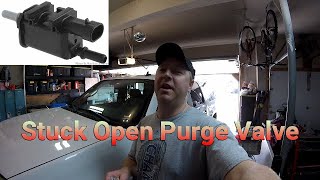
How to confirm: The purge valve is normally closed. Locate the valve in the engine bay, disconnect it, and try to blow air through it. If air passes through, it is stuck open and needs replacement. A bi-directional scan tool can also command the valve closed to verify its operation.
Typical fix: Replace the vapor canister purge valve.
Est. part cost: $25-$60 - Faulty EVAP Vent Valve/Solenoid 🟡 Medium Probability Located near the charcoal canister at the rear of the vehicle, this valve is exposed to road debris and moisture, which can cause it to fail or get stuck open, preventing the system from sealing for its self-test. TSB #21-NA-124 specifically calls this out as a component to check before the purge valve.
How to confirm: A diagnostic scan tool can command the vent valve to close. If the system still won't hold a vacuum (during a smoke test, for example), the valve is likely faulty. In some cases, a stuck-open vent valve can also cause the fuel pump to click off repeatedly during refueling.
Typical fix: Replace the vapor canister vent solenoid.
Est. part cost: $25-$50 - Cracked or Disconnected EVAP Hose ⚪ Low Probability Hoses can become brittle over time due to heat and age, leading to cracks. Connections can also become loose. TSB #21-NA-124 advises checking all line connections for proper seating as the very first diagnostic step.
How to confirm: A visual inspection may reveal obvious damage, but a smoke test is the most effective method. This involves 🎬 Watch: How to find an EVAP leak with a smoke tester filling the EVAP system with visible smoke and looking for where it escapes.
Typical fix: Replace the damaged hose or reconnect it.
Est. part cost: $10-$100
Rare But Worth Checking
- Cracked Charcoal Canister: The canister itself can develop a crack from road debris impact or age, creating a large leak. This is often found during a smoke test.
- Damaged Fuel Filler Neck: The surface where the capless system seals can become bent or damaged, preventing a proper seal.
Diagnosis Steps
- Confirm the P0455 code is present using an OBD-II scanner.
- Inspect the capless fuel filler neck. Open the fuel door and check the spring-loaded flap and surrounding seal for any dirt, debris, or damage that could prevent a seal. Clean as needed.
- Per TSB #21-NA-124, perform a thorough visual inspection of all accessible EVAP hoses and lines, ensuring all connections are fully seated and not cracked or damaged.
- Visually inspect the EVAP vent solenoid and charcoal canister under the rear of the vehicle for any physical damage.
- If no obvious issues are found, the most effective next step is to perform a smoke test. A smoke machine injects vapor into the EVAP system, and any leaks will be visible as smoke escaping from the faulty component (hose, valve, canister, or filler neck).
- If a smoke test reveals no leaks, use a bi-directional scan tool to command the vent and purge valves closed individually to ensure they are functioning electrically and mechanically, per the TSB diagnostic flow.
Parts You'll Likely Need
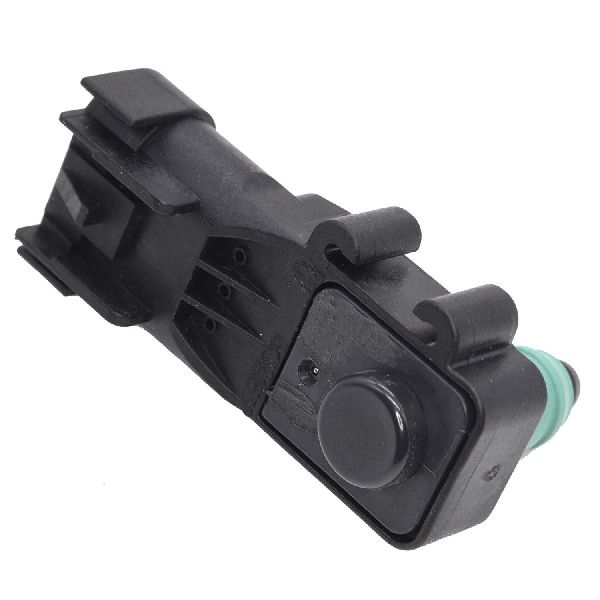
- Vapor Canister Purge Valve
(OEM #12690512 (Superseded by 12704337))— A very common failure item on GM vehicles that gets stuck open, causing a large leak. It is typically located in the engine bay and is relatively easy to replace.
Trusted brands: ACDelco (GM Genuine)
OEM price range: $30-$60
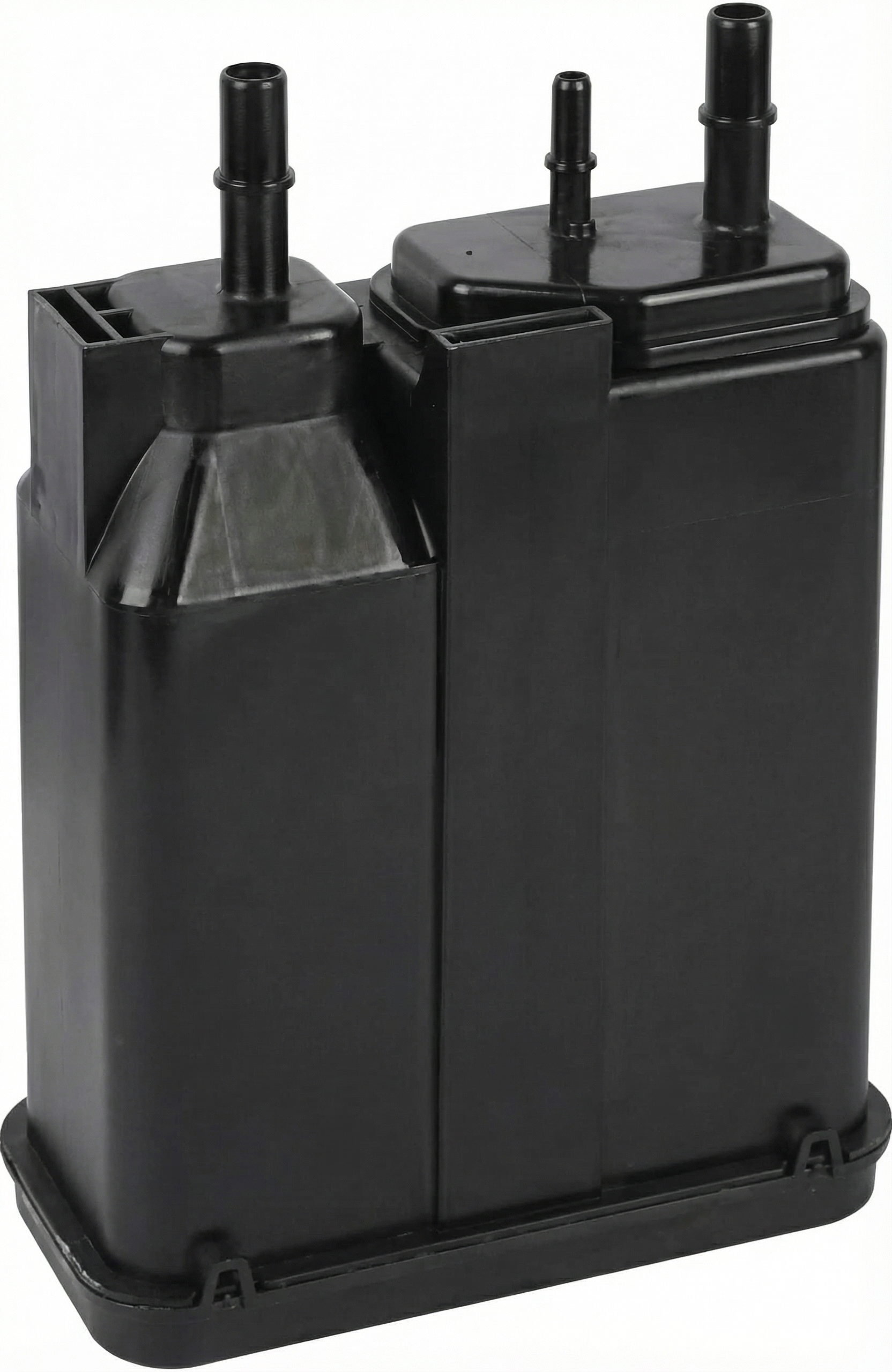
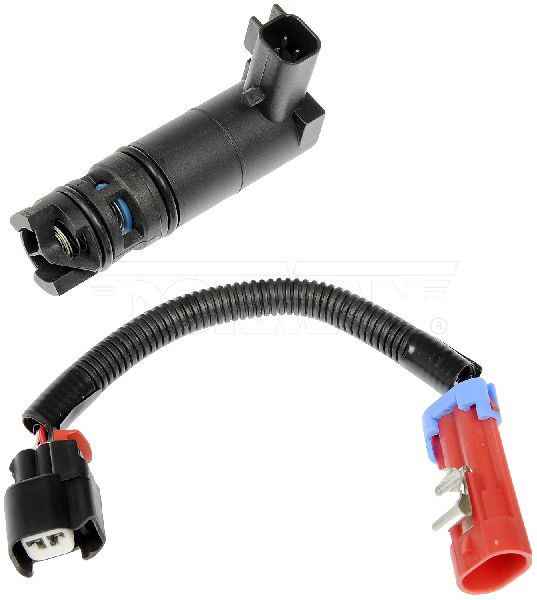
Aftermarket price range: $20-$45 - Vapor Canister Vent Solenoid
(OEM #23481275)— This valve is located near the fuel tank and can fail due to exposure to the elements, getting stuck open and preventing the system from sealing. This is also a primary suspect when experiencing issues filling the fuel tank.
Trusted brands: ACDelco (GM Genuine)
OEM price range: $35-$55
Aftermarket price range: $25-$45 - Capless Fuel Filler Funnel
(OEM #84428336)— While not a replacement part, this is the required tool for adding fuel from a gas can and is useful for testing the function of the filler neck flap. It is often missing from used vehicles.
Trusted brands: GM Genuine
OEM price range: $10-$20
Aftermarket price range: $5-$15
Related Codes That Often Appear With This One
- P0442 — P0442 indicates a small EVAP leak. It can appear alongside P0455 if the system has multiple leaks or if the size of the leak is borderline between small and large. The TSB #21-NA-124 specifically mentions both codes together.
- P0496 — This code indicates 'EVAP Flow During a Non-Purge Condition,' which often points directly to a purge valve that is stuck open. If the purge valve is the cause of the P0455 leak, P0496 is very likely to be present as well.
Technical Service Bulletins (TSBs) & Recalls
- 21-NA-124: Provides diagnostic tips for testing EVAP leaks related to DTCs P0442 and/or P0455. It instructs technicians to first verify all EVAP line connections, then test the vent valve, and finally test the purge valve.
Platform-Specific Known Issues
- A Technical Service Bulletin (TSB #21-NA-124) was issued by GM for this vehicle range. It provides a specific diagnostic flow for P0455/P0442: 1) Check all EVAP line connections are secure. 2) Check the vent valve for being stuck open. 3) Check the purge valve. This confirms it's a recognized issue and provides a clear path for diagnosis.
Mechanic-Grade Diagnostic Values
- Fuel Tank Pressure (FTP) Sensor Voltage — expected: Approximately 1.3V to 1.7V with the system at atmospheric pressure (engine off, or system unsealed). On many GM vehicles, this baseline is around 1.5V.. Failure: A reading stuck near 0V may indicate a wiring issue, while a reading stuck near 5.0V can indicate a faulty sensor. During a scan tool's EVAP test, if this voltage does not rise significantly (e.g., above 2.5V-3.0V) when a vacuum is being pulled, it confirms a large leak is present.
- EVAP Purge or Vent Valve Solenoid Resistance — expected: Generally between 15 and 30 Ohms for many solenoids.. Failure: A reading far outside this range (e.g., infinite resistance for an open circuit, or very low resistance for a short) indicates a faulty solenoid coil. Note: This is a generic value; always consult the specific service manual for the exact specification for your vehicle if available.
Scan Tool Commands That Help
- GM GDS2 (or equivalent professional scan tool): EVAP Service Bay Test — This is the primary diagnostic function used after a visual inspection finds no obvious leaks. It allows the technician to bypass the engine computer's automatic test conditions and manually control the EVAP system components to isolate a fault.
- GM GDS2 (or equivalent professional scan tool): Seal System / Vent Solenoid Command — Within the Service Bay Test, this command energizes the normally-open vent solenoid, closing it to seal the EVAP system. This is the first step before attempting to pull a vacuum.
- GM GDS2 (or equivalent professional scan tool): Purge/Seal (Purge Solenoid Duty Cycle Control) — After sealing the system, this command allows the technician to incrementally open the normally-closed purge valve by a set percentage. This uses engine vacuum to draw a vacuum on the fuel tank, which is monitored via the FTP sensor voltage. If a vacuum cannot be created, a large leak is confirmed.
Wiring & Ground Locations
- EVAP Vent Solenoid Connector — Typically located near the charcoal canister, under the rear of the vehicle. On similar GM platforms like the Cadillac XT4, this is behind the passenger-side rear fender liner, requiring wheel and liner removal for access.. This connector and its wiring are exposed to road spray and debris, making them susceptible to corrosion or physical damage. A poor connection here can prevent the vent valve from closing, directly causing a P0455 leak code or a related P0449 circuit code.
- GM Ground Points (General Scheme) — GM typically uses a numbering scheme for ground locations: G1xx grounds are in the engine bay, G2xx are in the front passenger cabin, G3xx are in the rear passenger area, and G4xx are in the trunk/cargo area.. A corroded or loose ground for the EVAP vent solenoid (likely a G3xx or G4xx ground) or purge solenoid (likely a G1xx ground) can cause intermittent or total failure of the component, leading to EVAP codes. Knowing the general location helps in tracing the circuit.
OEM Part Supersession History
12690512→12737252 (also listed as 12704337 in some databases)— Standard part evolution for improved reliability or manufacturing changes.
Heads up: Part 12690512 also replaced older numbers 12610560 and 12661763. When replacing, ensure the new part number is the latest valid supersession for the 2020-2023 CT4.84524033→
Heads up: This is the part number for the entire vapor canister assembly, which fits both the CT4 and CT5 across multiple years and engines.
Helpful Videos
Used OEM Parts in Stock
New Aftermarket Parts Available


The information in this article is provided for general reference and educational purposes only. Vehicle specifications, procedures, and part compatibility can vary by production date, trim level, and region. Always consult your vehicle's factory service manual and verify part numbers before purchasing or performing repairs. Safety-critical components such as airbags, seat belts, and braking systems should be installed by a qualified professional.
- Cadillac CT4:
- 🎬 Helpful Videos
- 🛍️ Shop This Part
- What's Unique About the 2020-2023 Cadillac CT4
- Diagnostic Flowchart
- Symptoms You May Notice
- Most Likely Causes
- Rare But Worth Checking
- Diagnosis Steps
- Parts You'll Likely Need
- Related Codes That Often Appear With This One
- Technical Service Bulletins (TSBs) & Recalls
- Platform-Specific Known Issues
- Mechanic-Grade Diagnostic Values
- Scan Tool Commands That Help
- Wiring & Ground Locations
- OEM Part Supersession History
- 🎟️ Get 5% Off