

P0455 on 2013-2018 Cadillac ATS: EVAP Large Leak Causes and Fixes
For a P0455 code on a 2013-2018 Cadillac ATS, the most common causes are a faulty EVAP purge valve in the engine bay (Part No. 12632174 or the superseded 12690512) or a problem with the capless fuel filler seal. Replacing the purge valve is a common DIY fix costing around $30-$75 for the part and can often be done in under 15 minutes.
- P0455 on a Cadillac ATS indicates a large leak in the emissions system, which is not a critical driving concern but will cause an emissions test failure.
- Before buying any parts, carefully inspect the seal on the capless fuel filler neck for debris or damage.
- The most likely part to have failed is the EVAP purge valve located in the engine bay; it's a common failure and a relatively easy DIY replacement.
- If the purge valve isn't the issue, the next most likely causes are the vent valve (near the gas tank) or a cracked EVAP hose.
- A professional smoke test is the fastest way to find the exact location of a leak if it's not obvious from a visual inspection.
What's Unique About the 2013-2018 Cadillac ATS

The Cadillac ATS, built on the GM Alpha platform shared with the Chevrolet Camaro and Cadillac CTS, is prone to failure of the EVAP purge valve located on the engine. This part (ACDelco 12690512) 🎬 Watch: A quick overview of this common failure part. is such a frequent cause of EVAP codes that it's often the first component mechanics suspect. Additionally, the ATS uses a capless fuel filler system, so unlike cars with a traditional gas cap, the source of a leak at the filler neck is the spring-loaded door and its seal, which can wear out or get stuck with debris, preventing a proper seal.
Diagnostic Flowchart
Tap your situation to follow the diagnostic path that matches what you're seeing on this vehicle.
Symptoms You May Notice
- Check Engine Light is on
- A noticeable fuel odor, particularly around the rear of the vehicle or near the gas cap.
- Difficulty starting the engine immediately after refueling (a classic sign of a stuck-open purge valve flooding the intake with vapors).
- Fuel pump nozzle clicks off repeatedly when trying to fill the gas tank (can indicate a bad vent valve or canister).
- Rough idle, especially if the purge valve is stuck open.
- Replacing the charcoal canister when the actual problem is the much cheaper vent solenoid attached to it.
- Replacing the fuel tank pressure sensor, which usually sets its own specific codes (e.g., P0452, P0453) and is rarely the cause of a P0455 alone.
- Immediately assuming a complex leak when the issue is just debris in the capless fuel filler neck.
Most Likely Causes

- Faulty or Debris-Laden Capless Fuel Filler Seal 🔴 High Probability The spring-loaded seal in the capless system can weaken over time or be held open by dirt, pollen, or debris, preventing a proper seal required by the EVAP system test.
How to confirm: Visually inspect the fuel filler opening for any debris holding the flap open. Use a clean cloth to wipe the seal and the flap. The seal itself should be pliable and free of cracks. A temporary fix to test this is to clear the code after cleaning and see if it returns.
Typical fix: Thoroughly clean the filler neck opening with a rag. If the seal is damaged or deformed, the entire fuel filler neck assembly must be replaced.
Est. part cost: $0 (for cleaning) - $155 - Faulty EVAP Purge Solenoid/Valve 🔴 High Probability This is a very common failure item on many GM vehicles from this period, including the ATS. The valve gets stuck open, allowing unmetered vapor flow.
How to confirm: The purge valve is located in the engine bay, typically on the intake manifold. Remove the valve (engine off) and try to blow through it. It is a normally-closed valve, so if air passes through, it is stuck open and faulty. This is a very common real-world finding.
Typical fix: Replace the EVAP purge solenoid. This is a simple repair involving one 10mm bolt and two hose connections, often taking less than 15 minutes.
Est. part cost: $25-$60 - Faulty EVAP Vent Solenoid/Valve 🟡 Medium Probability This valve is exposed to the elements near the charcoal canister at the rear of the car and can fail by getting stuck open or clogged with dust, preventing the system from sealing for the test.
How to confirm: The vent valve is normally open. A bidirectional scan tool is needed to command it closed. If it doesn't close, or if it's stuck open, it will cause a large leak. A smoke test will show smoke exiting the valve when it's commanded closed. A user on Reddit with a 2014 ATS suspected this part after replacing the purge valve and gas cap.
Typical fix: Replace the EVAP vent solenoid, which is typically located near the charcoal canister behind the rear wheel well liner. Access can be tight.
Est. part cost: $40-$80 - Cracked or Disconnected EVAP Hose 🟡 Medium Probability Plastic and rubber lines become brittle with age and heat cycles, leading to cracks, especially at connection points. GM TSB #21-NA-124 specifically calls out checking for improperly seated connections.
How to confirm: A thorough visual inspection may reveal an obvious crack or disconnected line. A smoke test is the most effective way to find a leak in the hose network.
Typical fix: Replace the damaged section of the hose or the entire line assembly. Ensure new connections are fully seated.
Est. part cost: $10-$100
Rare But Worth Checking
- Cracked Charcoal Canister: The canister itself can be damaged by road debris or develop cracks from age, creating a large leak. This is often found during a smoke test after all valves and hoses have been checked.
- Leaking Fuel Tank or Filler Neck: Corrosion or physical damage to the fuel tank or the metal filler neck can cause a large leak, though this is less common than component failure.
- Wiring Harness Chafing: Though less common for this specific code, GM has issued TSBs like 21-NA-149 for other models regarding engine harness chafing against brackets or the chassis, which can cause intermittent electrical faults in EVAP components. If valves test good but the code persists, inspecting the wiring to the purge and vent solenoids is a valid step.
Diagnosis Steps

- Check the capless fuel filler neck. Open the fuel door, push the flap, and use a clean cloth to wipe the sealing surface and the flap itself. Ensure it closes fully and is free of debris.
- Clear the code with a scanner and drive the vehicle for a few days to see if the light returns. An intermittent issue or a one-time sealing problem might not recur.
- If the light returns, perform a visual inspection of all accessible EVAP hoses in the engine bay and under the car for obvious cracks, damage, or loose connections, as recommended by GM TSB #21-NA-124.
- Locate and test the EVAP purge valve in the engine bay (on the intake manifold). Disconnect it and try to blow air through it. If air passes, it's stuck open, faulty, and needs replacement. This is a very common failure.
- If the purge valve is good, the next likely culprit is the vent valve near the rear of the car by the charcoal canister. Testing requires a scan tool to command it shut, or you can replace it as it's a common failure point.
- If the cause is still not found, the most definitive diagnostic step is to have a smoke test performed. This involves injecting vaporized smoke into the EVAP system to visually pinpoint the location of the leak from a hose, the canister, or the filler neck.
Parts You'll Likely Need

- Vapor Canister Purge Solenoid/Valve
(OEM #12690512 (supersedes 12632174))— This is a very high-failure rate item on this platform and often gets stuck open, causing a large leak and often a P0496 code.
Trusted brands: ACDelco (GM OE), Standard Motor Products (SMP), Dorman, Wells
OEM price range: $35-$60
Aftermarket price range: $25-$50 - Vapor Canister Vent Solenoid/Valve
(OEM #85123399)— This valve can get stuck open or clogged with debris, preventing the EVAP system from sealing for its self-test. This is the second most likely valve to fail after the purge valve.
Trusted brands: ACDelco (GM OE), Dorman, Standard Motor Products (SMP)
OEM price range: $40-$70
Aftermarket price range: $25-$50 - Fuel Tank Filler Neck
(OEM #20931475 (2013-15), 84997133 (2018))— If the integrated seal on the capless system fails or is damaged, the entire neck assembly must be replaced to fix the leak.
Trusted brands: GM Genuine Parts
OEM price range: $100-$155
Related Codes That Often Appear With This One
- P0442 — P0442 is for a 'small leak'. Sometimes a deteriorating component, like a seal or valve, can trigger small and large leak codes intermittently as the leak size fluctuates.
- P0496 — P0496 means 'EVAP Flow During a Non-Purge Condition' and very strongly points to a purge valve that is stuck open. If the purge valve is the cause of the P0455, it's extremely common to see P0496 as well.
- P0449 — P0449 indicates a malfunction in the EVAP Vent Valve Solenoid control circuit. If you see this code alongside P0455, it points directly to a problem with the vent valve or its wiring.
Technical Service Bulletins (TSBs) & Recalls
- 21-NA-124: Diagnostic Tips for DTC P0442 and/or P0455
Platform-Specific Known Issues
- GM Technical Service Bulletin #21-NA-124 provides diagnostic tips for P0455, emphasizing checking for improperly seated EVAP line connections before replacing parts. The recommended diagnostic order is: check lines, check vent valve, then check purge valve.
Mechanic-Grade Diagnostic Values
- Fuel Tank Pressure (FTP) Sensor Signal Voltage — expected: Approximately 2.5 Volts with key on, engine off, and gas cap removed (atmospheric pressure).. Failure: If voltage is stuck high (e.g., 5V) or low (e.g., <1.5V) regardless of pressure, or does not decrease when a slight vacuum is manually applied, the sensor is likely faulty.
- Fuel Tank Pressure (FTP) Sensor Reference Voltage — expected: 5 Volts on the reference wire pin at the sensor connector with key on, engine off.. Failure: Significantly lower or no voltage indicates a wiring or ECM problem, not a sensor failure.
Hidden / Shadow Codes Worth Checking
- Mode $06, Test ID $0A, Comp ID $05: This refers to the raw data for the 'EVAP/EVPD .040” leak test'. A professional scan tool can read this data to see the test value, the maximum allowed limit, and the minimum allowed limit. Seeing a value that is very close to the failure limit can indicate an intermittent or developing leak, even if the full P0455 code hasn't set on that drive cycle. (see via A professional-grade OBD-II scan tool with Mode $06 capability.)
Scan Tool Commands That Help
- GDS2 / Tech2 (GM Specific): EVAP Service Bay Test — Use this after a repair to force the EVAP readiness monitor to run and verify the fix without needing to perform a multi-day drive cycle. The test requires a cold start and specific engine RPM holds, but can confirm the P0455 condition is resolved in about an hour.
- Bidirectional Scan Tool: EVAP System Seal / Vent Valve CLOSE — During a smoke test, command the normally-open vent valve to the 'CLOSED' position. This seals the system, allowing the smoke to build pressure and reveal leaks. If smoke immediately exits the vent valve, the valve is faulty and has failed to close.
Wiring & Ground Locations
- G1xx Series (e.g., G101, G104) — Engine compartment, forward of the firewall. G101 is often above the left headlight, G104 on the cylinder head.. These grounds are for various engine and front-end modules. A poor ground at G101 or G104 could potentially affect the Engine Control Module (ECM) or its inputs, leading to incorrect sensor readings or component operation.
- G3xx Series (e.g., G312) — Inside the vehicle, in the rear seat or trunk area.. Grounds in the rear of the vehicle are critical for components located there, such as the EVAP vent solenoid, charcoal canister, and fuel tank pressure sensor. A poor ground could cause these components to malfunction.
- TSB PIT5562 Faulty Grounds — Multiple body and chassis ground locations, including G101, G312, and the fuel filler neck ground strap.. A GM service bulletin notes that a small number of vehicles may have ground bolts that were not properly hardened, leading to a poor connection. This can cause intermittent and difficult-to-diagnose electrical issues, which could potentially manifest as an EVAP code if a relevant component's ground is affected.
"I Checked Everything" — The Actual Cause
- A common 'expert trap' is when a smoke test reveals no leaks, leading to confusion. In this scenario, the fault may lie with the Fuel Tank Pressure (FTP) sensor itself. A technician can use a scan tool to command the system to seal and apply vacuum; if a separate vacuum gauge shows vacuum but the FTP sensor reading on the scan tool does not change, the sensor is bad and is failing to report the pressure change.
OEM Part Supersession History
12632174, 12610560→12690512 (which is now superseded by 12737252)— Standard part evolution for improved reliability and to address high failure rates of the original design.
Helpful Videos
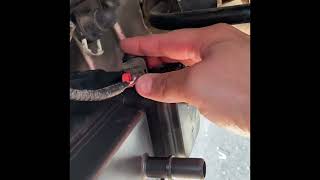
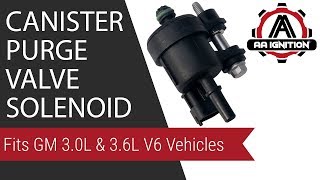
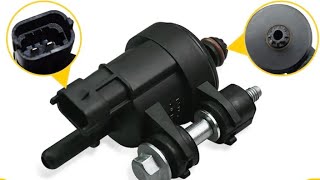
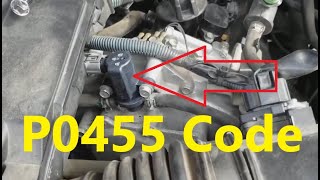
![How to Fix P0455 Engine Code in 3 Minutes [2 DIY Methods / Only $4.61]](https://img.youtube.com/vi/b-o1a2XuVN4/mqdefault.jpg)
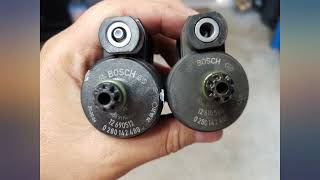
Used OEM Parts in Stock
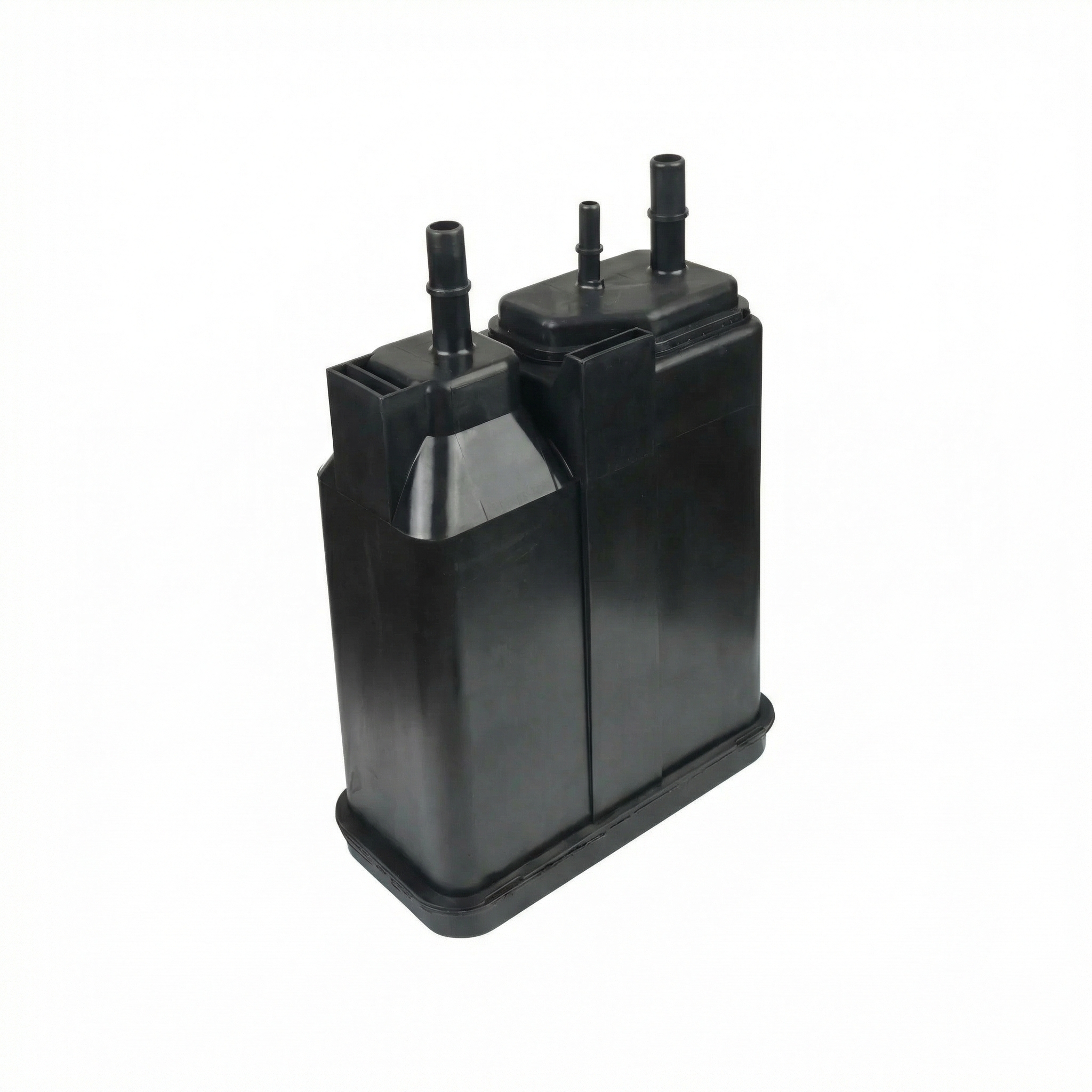
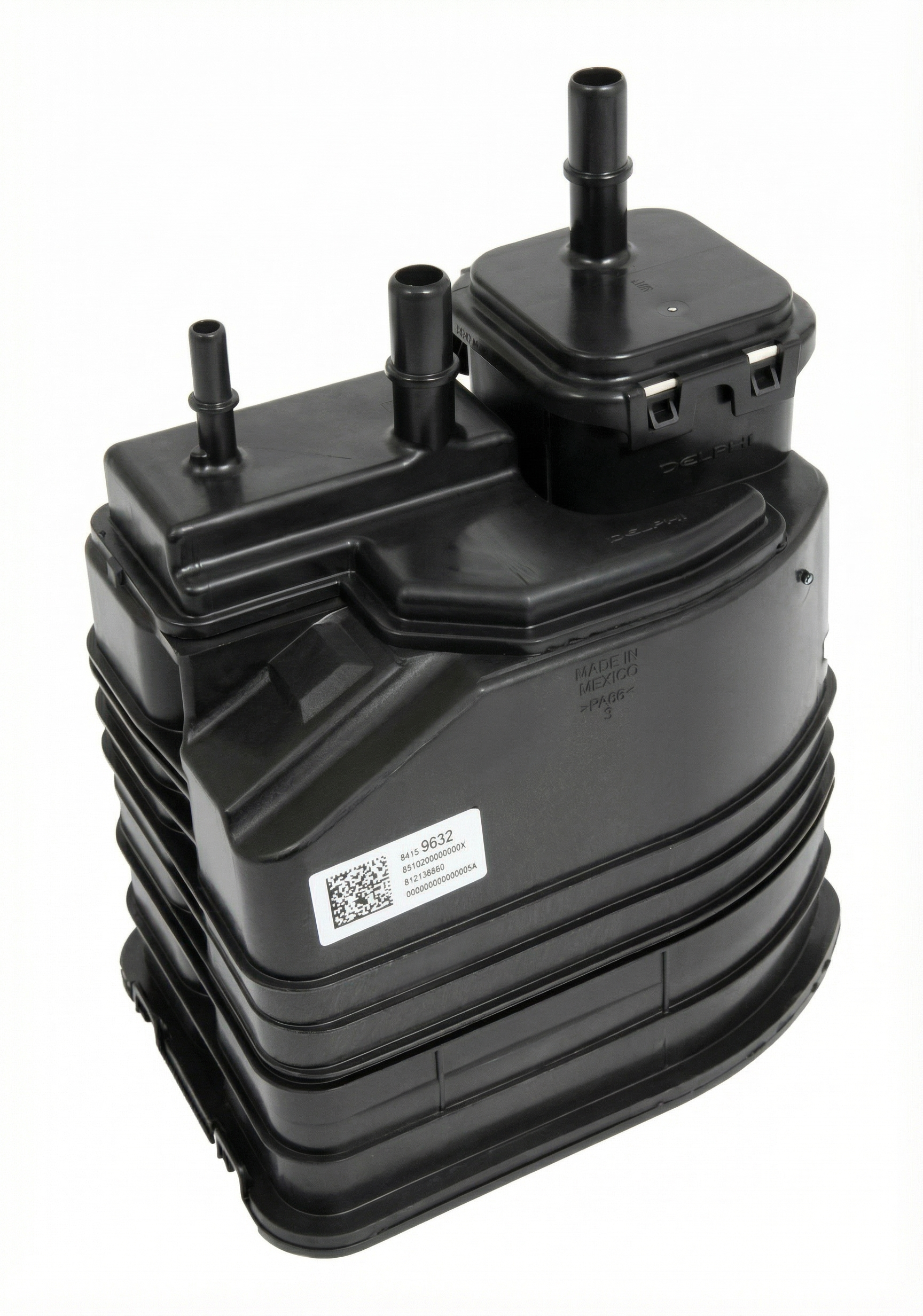

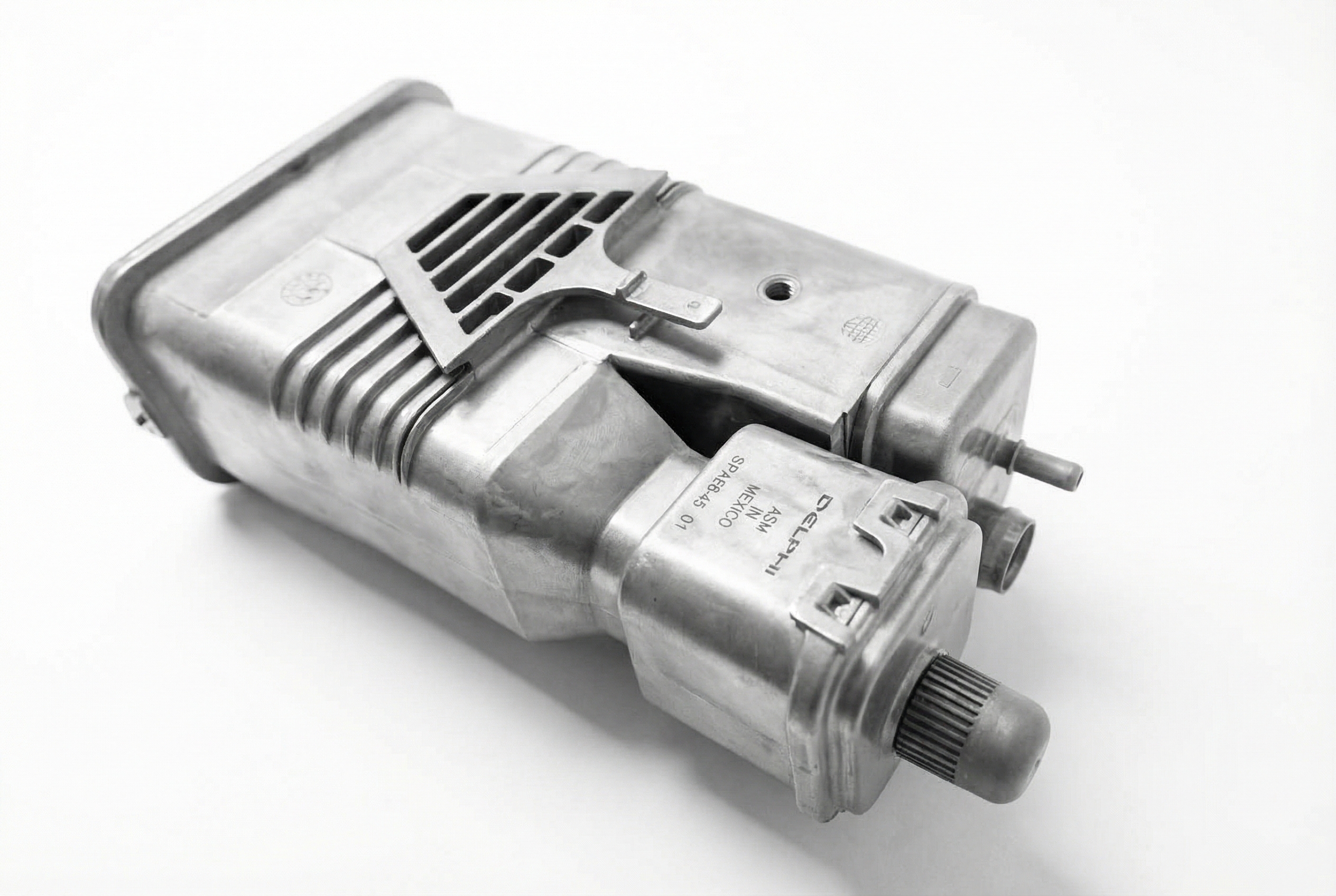
New Aftermarket Parts Available

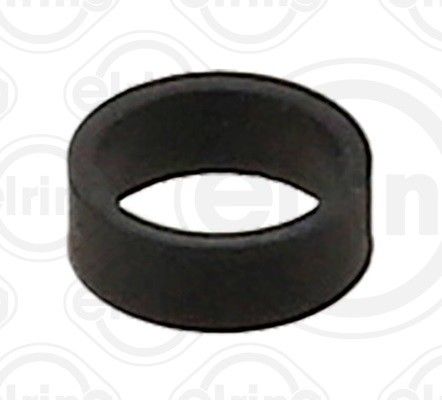
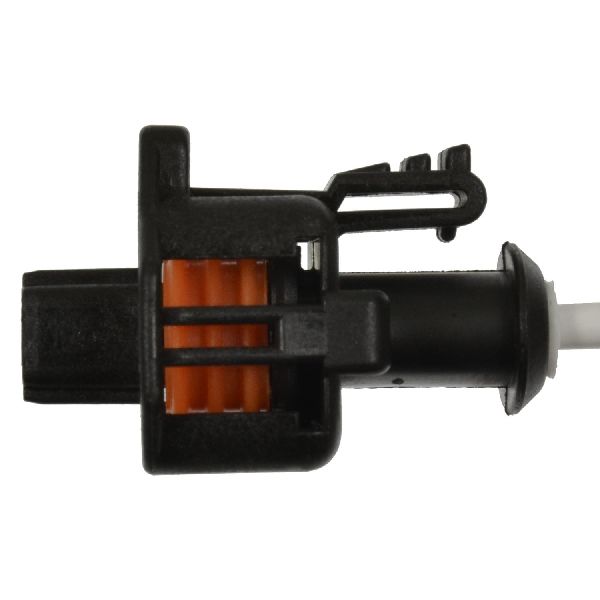
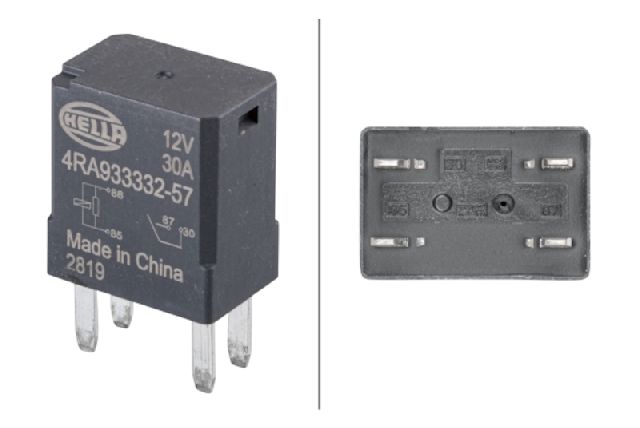

The information in this article is provided for general reference and educational purposes only. Vehicle specifications, procedures, and part compatibility can vary by production date, trim level, and region. Always consult your vehicle's factory service manual and verify part numbers before purchasing or performing repairs. Safety-critical components such as airbags, seat belts, and braking systems should be installed by a qualified professional.
- Cadillac ATS:
- 🎬 Helpful Videos
- 🛍️ Shop This Part
- What's Unique About the 2013-2018 Cadillac ATS
- Diagnostic Flowchart
- Symptoms You May Notice
- Most Likely Causes
- Rare But Worth Checking
- Diagnosis Steps
- Parts You'll Likely Need
- Related Codes That Often Appear With This One
- Technical Service Bulletins (TSBs) & Recalls
- Platform-Specific Known Issues
- Mechanic-Grade Diagnostic Values
- Hidden / Shadow Codes Worth Checking
- Scan Tool Commands That Help
- Wiring & Ground Locations
- "I Checked Everything" — The Actual Cause
- OEM Part Supersession History
- 🎟️ Get 5% Off