

P0455 on 2012-2017 Buick Verano: EVAP Large Leak Causes and Fixes
For a 2012-2017 Buick Verano, a P0455 code most often means you have a loose or faulty gas cap. If tightening or replacing the gas cap doesn't work, the next most likely causes are a failed EVAP purge valve or vent valve. A new gas cap is about $15-$30, while the valves can range from $30 to $70 each.
- P0455 means your Buick Verano has a large leak in the fuel vapor containment system.
- Always check the gas cap first. Make sure it's tight and the seal is intact. This fixes the problem a majority of the time.
- If the gas cap isn't the issue, the next most common culprits are the EVAP purge valve (in the engine bay) or the vent valve (near the gas tank).
- While the issue is not critical to drivability, it will prevent your vehicle from passing an emissions test and releases harmful pollutants.
- For hard-to-find leaks, a professional smoke test is the most reliable diagnostic method.
What's Unique About the 2012-2017 Buick VERANO
The Buick Verano shares its Delta II platform with the first-generation Chevrolet Cruze (2011-2016), and as a result, they share the same EVAP system components and common failures for the P0455 code. Repair guides and forum discussions for the Chevy Cruze are highly relevant and interchangeable for troubleshooting this code on a Verano. There are no widespread, unique design flaws that make it exceptionally different. However, as with many modern cars, the vent valve is located near the fuel tank and can be susceptible to road debris and corrosion. A GM Technical Service Bulletin (TSB) for the 2017 model year acknowledges the need for clear diagnostic steps for this code, suggesting that pinpointing the leak can sometimes be tricky 🎬 Watch: A pro mechanic pinpoints the cause on a Buick. without a methodical approach. [⭐ MANUFACTURER TSB — highest authority]
Diagnostic Flowchart
Tap your situation to follow the diagnostic path that matches what you're seeing on this vehicle.
Symptoms You May Notice
- Check Engine Light is on
- A noticeable smell of gasoline, especially around the rear of the car or when parked in a garage.
- A "Check Gas Cap" message may appear on the driver information center
- A slight whistling sound after turning off the engine as pressure escapes.
- Replacing the fuel tank pressure sensor. While this sensor reports the pressure, it rarely fails in a way that causes a P0455 code without other accompanying sensor-specific codes.
- Immediately replacing the charcoal canister. The canister is often expensive and is usually not the point of failure unless it is physically cracked. The vent valve attached to it is a more likely culprit.
Most Likely Causes
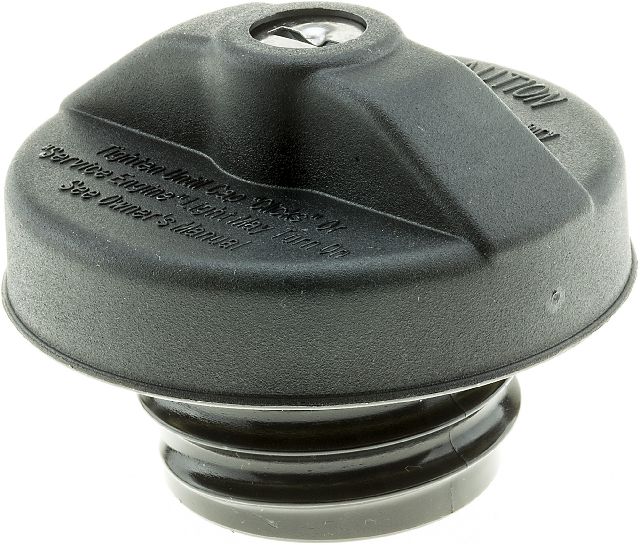
- Loose, Incorrect, or Faulty Gas Cap 🔴 High Probability This is the most common cause for a P0455 code on any vehicle, accounting for over 50% of cases on this platform. The cap is frequently removed and its rubber O-ring can harden, crack, or get dirty over time, preventing a proper seal.
How to confirm: Ensure the gas cap is tightened until it clicks several times. Inspect the rubber O-ring on the cap for cracks, dirt, or signs of hardening. A definitive test, even with a tightened cap, is a smoke test; a worn seal will show smoke leaking directly from the cap area. If the light returns after tightening, a new cap is a cheap and effective test.
Typical fix: Tighten or replace the gas cap. It is highly recommended to use an OEM or OEM-quality (e.g., ACDelco) replacement cap to ensure a proper seal.
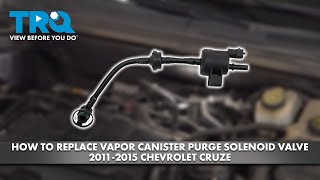
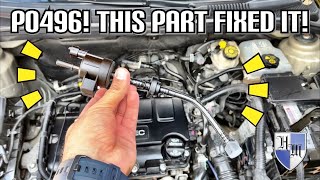
Est. part cost: $15-$30 - EVAP Purge Valve (Solenoid) Stuck Open 🟡 Medium Probability The purge valve is an electromechanical part located in the engine bay that cycles frequently. It can wear out and get stuck in the open position, creating a constant leak path from the EVAP system to the engine intake.
How to confirm: The purge valve is located in the engine bay, near the top of the engine. With the engine off, disconnect the valve's electrical connector and the two vapor lines. Try to blow through it. If air passes through, the valve is stuck open and needs replacement, as it is a normally-closed valve.
Typical fix: Replace the EVAP purge valve solenoid.
Est. part cost: $30-$60 - EVAP Vent Valve (Solenoid) Stuck Open or Failed 🟡 Medium Probability Located near the fuel tank and charcoal canister, this valve is exposed to road salt, water, and debris. This exposure can cause corrosion or cause the valve to get stuck open, preventing the system from sealing itself for a pressure test.
How to confirm: The valve is typically located near the EVAP canister under the rear of the vehicle, behind the gas tank. It is a normally open valve that should close when commanded by a capable scan tool during an EVAP test. A definitive diagnosis often requires a smoke machine; if smoke is introduced into the system and the vent valve is commanded closed but smoke still escapes from it, the valve has failed.
Typical fix: Replace the EVAP vent valve solenoid.
Est. part cost: $40-$70 - Cracked or Disconnected EVAP Hose/Line ⚪ Low Probability The plastic and rubber lines that carry fuel vapor can become brittle over time and crack, especially at connection points or bends. The quick-disconnect fittings can also be damaged during other repairs.
How to confirm: A visual inspection of all accessible EVAP lines between the engine bay, charcoal canister, and fuel tank may reveal obvious cracks. However, a smoke test is the most effective way to find a leak in a hose, as the smoke will visibly escape from the point of the leak.
Typical fix: Replace the damaged section of hose or the entire line assembly.
Est. part cost: $10-$50
Rare But Worth Checking
- Cracked EVAP Charcoal Canister: The canister itself can develop a crack from road debris impact or age, creating a large leak. This is usually found during a smoke test when smoke is seen emitting from the canister body itself, not from a hose or valve attached to it.
- Damaged Fuel Filler Neck: The metal neck where the gas cap screws on can rust or become damaged, preventing the cap from creating a proper seal. Inspect the sealing surface for any corrosion, pitting, or deformities that could compromise the gas cap's O-ring.
Diagnosis Steps
- Read the Code: Confirm P0455 is present. Note any other codes, like P0442 or P0449, as they can help pinpoint the issue.
- Check the Gas Cap: Remove, inspect the seal for damage, and securely reinstall the gas cap, ensuring it clicks multiple times. Clear the code and drive for a few days. If the light stays off, the problem is solved.
- Visual Inspection: Inspect all visible EVAP hoses in the engine bay and under the vehicle for obvious cracks, disconnections, or damage.
- Test the Purge Valve: Locate the purge valve in the engine bay. Disconnect it and attempt to blow through it. If air passes, it is defective and needs replacement.
- Perform a Smoke Test: This is the most effective method to find the leak. Introduce smoke into the EVAP system's service port. The smoke will exit from the location of the leak. While injecting smoke, command the vent valve closed with a scan tool. If smoke exits the vent valve, the valve is bad. If smoke exits from a hose, the canister, or the gas cap area, you have found the leak.
- Advanced TSB Diagnostics: Per GM TSB 21-NA-124, if a simple gas cap fix doesn't work, the official diagnostic flow is to first inspect all EVAP lines for proper seating and damage, then investigate the vent valve for malfunction, and finally, investigate the purge valve. [⭐ MANUFACTURER TSB — highest authority]
Parts You'll Likely Need
- Gas Cap
(OEM #13502509)— This is the most frequent failure point and the easiest and cheapest part to replace. A worn, hardened seal is the primary reason for a large EVAP leak.
Trusted brands: ACDelco (GT294), Gates, Stant
OEM price range: $20-$30
Aftermarket price range: $15-$25 - Vapor Canister Purge Valve
(OEM #12735397)— This valve operates constantly while the engine is running and can fail by getting stuck open, creating a direct leak from the EVAP system to the intake manifold.
Trusted brands: ACDelco (214-2317), Bosch, Dorman
OEM price range: $40-$60
Aftermarket price range: $25-$50 - Vapor Canister Vent Valve Solenoid
(OEM #13575703)— Located under the car, this valve is critical for sealing the system during self-tests. Its exposure to the elements makes it a common failure point due to corrosion and debris.
Trusted brands: ACDelco (214-2149), Dorman (911-731)
OEM price range: $50-$70
Aftermarket price range: $30-$55
Related Codes That Often Appear With This One
- P0442 — P0442 is for a small EVAP leak. Sometimes a deteriorating component, like a gas cap seal, will first cause a small leak code before it worsens and triggers the large leak P0455 code.
- P0449 — P0449 is a code specifically for a malfunction in the EVAP vent valve solenoid circuit. If you see P0455 accompanied by P0449, it points very strongly to a failed vent valve or its wiring.
Technical Service Bulletins (TSBs) & Recalls
- 21-NA-124: Provides diagnostic tips for testing EVAP leaks related to DTCs P0442 and P0455. It recommends a specific diagnostic order for technicians: 1) Inspect EVAP lines for damage/proper connection, 2) Test the vent valve, 3) Test the purge valve. This bulletin applies broadly to GM vehicles but confirms a standardized approach. [⭐ MANUFACTURER TSB — highest authority]
Platform-Specific Known Issues
- Due to the shared Delta II platform, owners of the 2012-2017 Verano can reliably use repair videos and forum guides for the 2011-2016 Chevrolet Cruze to diagnose P0455. The components, locations, and failure modes are identical.
Mechanic-Grade Diagnostic Values
- Fuel Tank Pressure (FTP) Sensor Voltage — expected: Approximately 1.5V with the system at atmospheric pressure (e.g., gas cap off).. Failure: Voltage greater than 1.5V indicates a vacuum, while less than 1.5V indicates positive pressure. A sensor that is stuck at a specific voltage or does not change when a vacuum/pressure is applied is faulty.
- EVAP System Self-Test Enabling Criteria — expected: Fuel level between 10-90%, Barometric pressure >70 kPa, Engine Coolant and Intake Air Temp between 4-35°C (39-95°F) on a cold start.. Failure: If these conditions are not met, the EVAP monitor will not run, and the code status will not update, delaying diagnosis.
Scan Tool Commands That Help
- GDS2 / Tech2: EVAP Service Bay Test — This is a technician-level function used to force the vehicle to run the entire EVAP leak test sequence while stationary. It commands the vent and purge valves to seal and then draw a vacuum on the system, monitoring the FTP sensor to confirm the system's integrity. It's the most efficient way to test the system's function without performing a full drive cycle.
- Professional Scan Tool: EVAP Vent Valve Control — During a smoke test, this command is used to manually close the normally-open vent valve. If the valve is commanded closed and smoke still exits from the vent valve assembly, it confirms the valve is physically broken or stuck and needs replacement.
Wiring & Ground Locations
- Vent Valve Connector — At the EVAP vent valve, located near the charcoal canister under the rear of the vehicle.. A common but hard-to-find failure is for the power or ground wire to break *inside* the insulation right at the connector due to vibration and weather exposure. The wire will appear intact visually but will fail a pull test, causing an intermittent or permanent fault that can mimic a failed valve.
- Underhood Fuse Block — Located in the engine compartment, next to the battery.. This panel contains fuses and relays critical to the engine control module and emissions system components. A blown fuse for the ECM or EVAP system could cause this code.
"I Checked Everything" — The Actual Cause
- A P0455 can be set even if a smoke test shows no leaks. A possible cause is a stuck-closed EVAP purge valve. During the self-test, the ECM commands the purge valve to open to draw a vacuum on the fuel tank. If the valve fails to open, no vacuum is generated. The Fuel Tank Pressure sensor reports no change in pressure, which the ECM interprets as a massive leak (as it cannot differentiate between a large leak and an inability to draw vacuum). This can be confirmed using a scan tool to command the purge valve open while checking for vacuum at the valve's inlet port.
OEM Part Supersession History
12597567, 12606684, and others→12735397— This is the current OEM replacement for the Vapor Canister Purge Valve, consolidating multiple older part numbers into one revised part.10337458, 20761332→13575703— This is the current OEM replacement for the Vapor Canister Vent Valve Solenoid, replacing several previous part numbers.
Helpful Videos

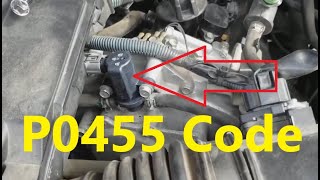
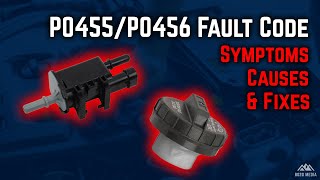
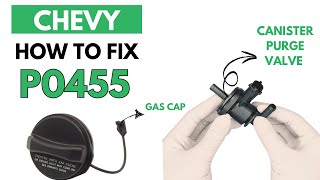
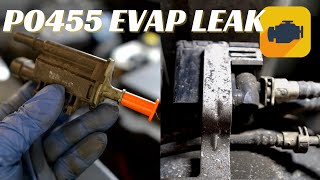
![How to Fix P0455 Engine Code in 3 Minutes [2 DIY Methods / Only $4.61]](https://img.youtube.com/vi/b-o1a2XuVN4/mqdefault.jpg)


Used OEM Parts in Stock

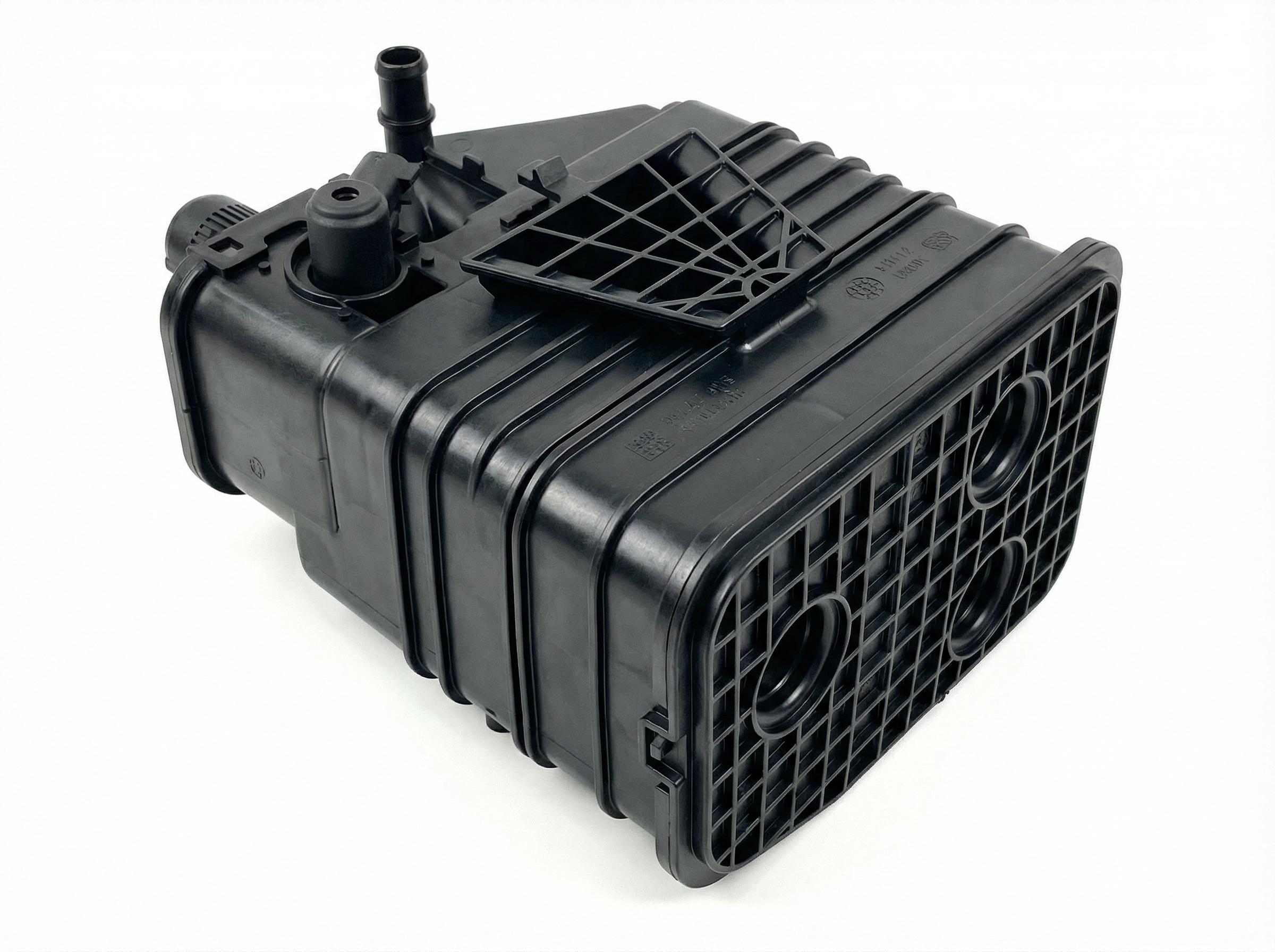

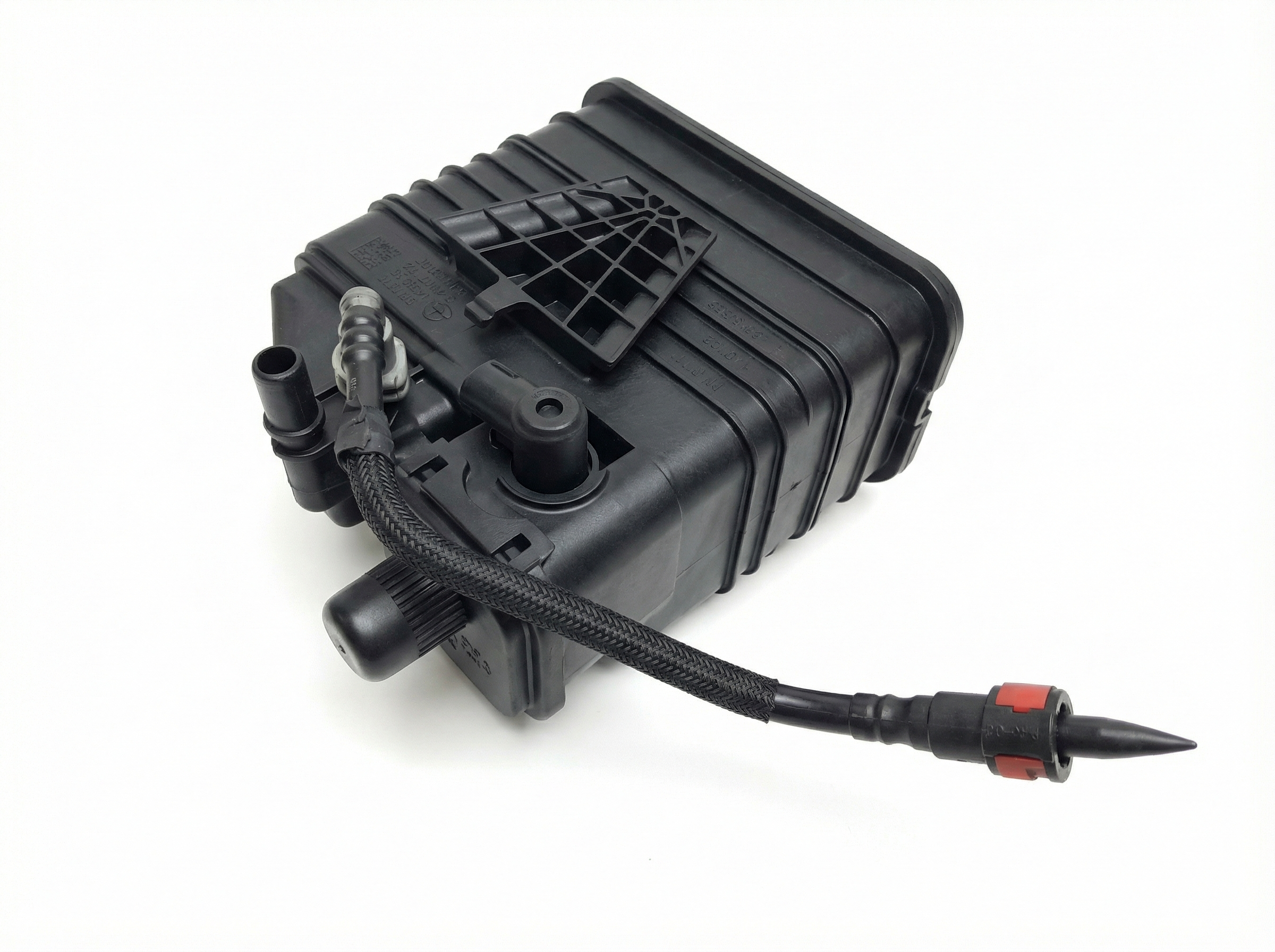
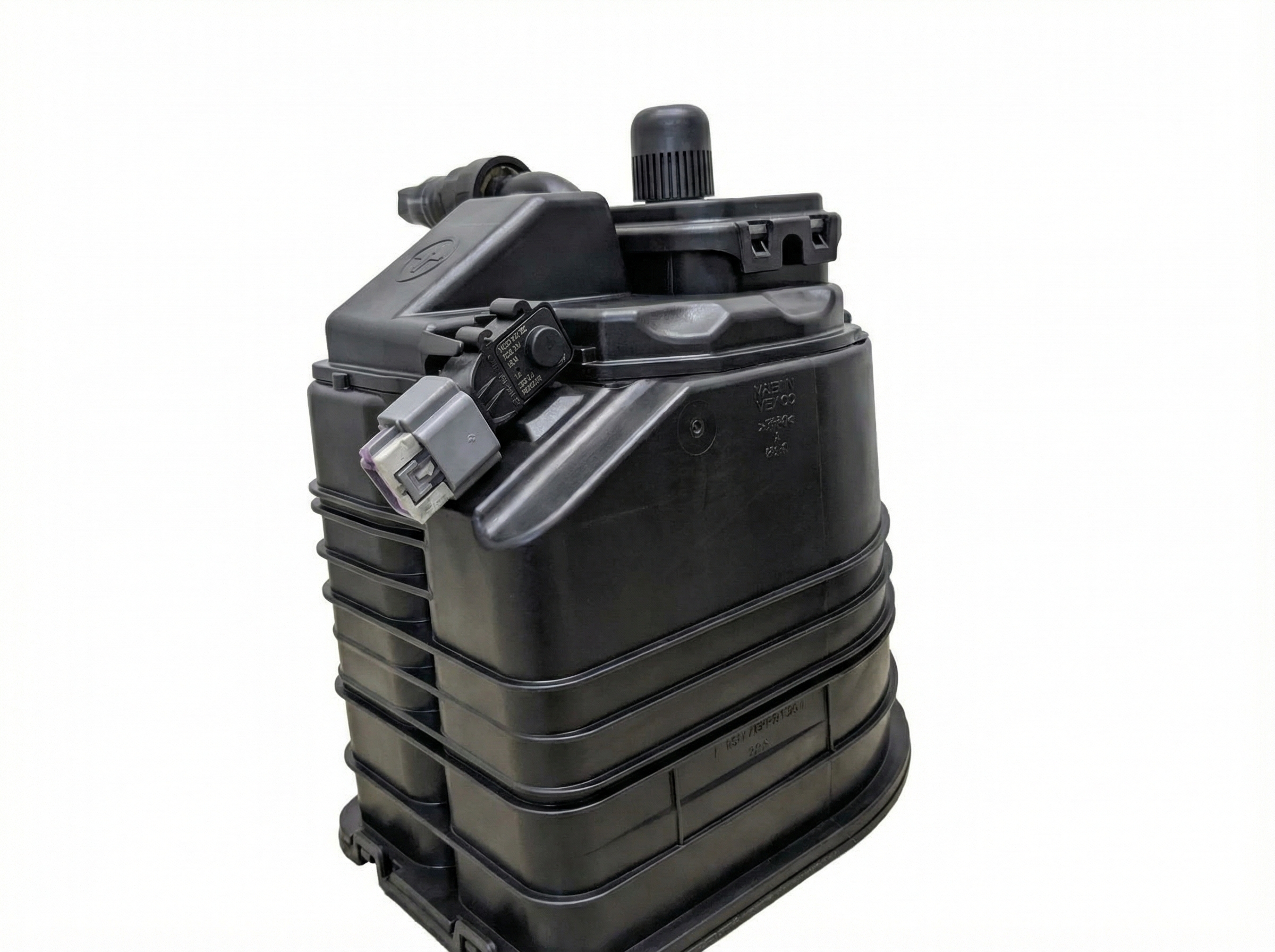

New Aftermarket Parts Available

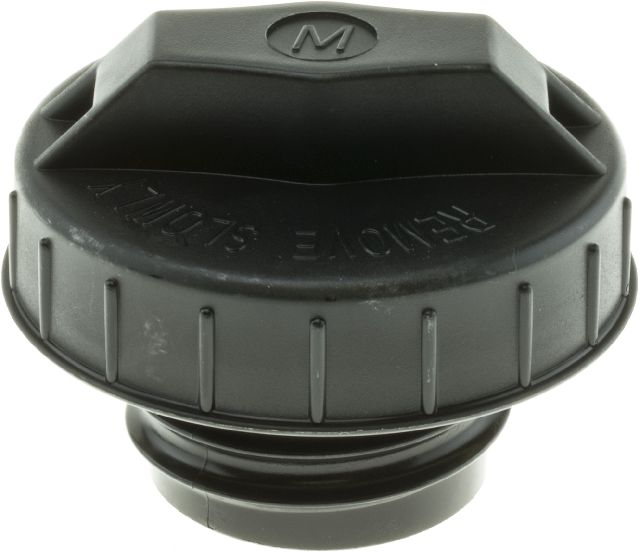
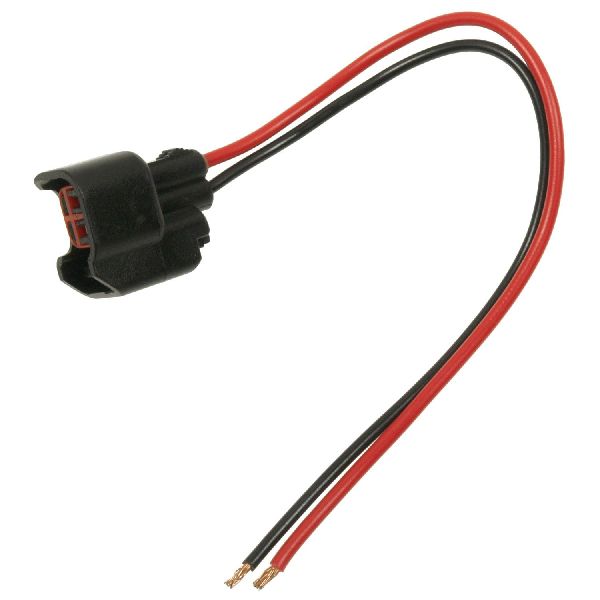

The information in this article is provided for general reference and educational purposes only. Vehicle specifications, procedures, and part compatibility can vary by production date, trim level, and region. Always consult your vehicle's factory service manual and verify part numbers before purchasing or performing repairs. Safety-critical components such as airbags, seat belts, and braking systems should be installed by a qualified professional.
- Buick VERANO:
- 🎬 Helpful Videos
- 🛍️ Shop This Part
- What's Unique About the 2012-2017 Buick VERANO
- Diagnostic Flowchart
- Symptoms You May Notice
- Most Likely Causes
- Rare But Worth Checking
- Diagnosis Steps
- Parts You'll Likely Need
- Related Codes That Often Appear With This One
- Technical Service Bulletins (TSBs) & Recalls
- Platform-Specific Known Issues
- Mechanic-Grade Diagnostic Values
- Scan Tool Commands That Help
- Wiring & Ground Locations
- "I Checked Everything" — The Actual Cause
- OEM Part Supersession History
- 🎟️ Get 5% Off