

P0455 on 2005-2007 Buick Terraza: EVAP Gross Leak Causes & Fixes
P0455 on a Buick Terraza indicates a large leak in the EVAP system, most often caused by a loose or faulty gas cap. If the cap is good, the next most likely culprits are the EVAP purge or vent solenoids. A new gas cap is under $25, while solenoids range from $30 to $80. Rust on the fuel filler neck is also a known cause on these vans.
- Start with the simplest and most common fix: check, tighten, or replace your gas cap.
- If the gas cap isn't the issue, the EVAP purge valve (in the engine bay) and vent valve (by the tank) are the next most likely culprits.
- A fuel smell along with the check engine light is a strong indicator of an EVAP system leak.
- While you can continue to drive the vehicle, the P0455 code will cause an automatic failure on an emissions test.
- For leaks that aren't obvious, a professional smoke test is the fastest and most accurate way to find the source of the problem.
What's Unique About the 2005-2007 Buick TERRAZA
The Buick Terraza and its GM U-body platform siblings (Chevy Uplander, Pontiac Montana SV6, Saturn Relay) have common and well-documented failure points within the EVAP system. While the gas cap is a universal starting point, the purge and vent solenoids are known issues on these vans. The purge solenoid is conveniently located in the engine bay for an easy fix. However, the vent solenoid is located near the fuel tank, exposed to road salt and moisture, making it a frequent failure point that is difficult to access. Rust on the fuel filler neck, preventing a good gas cap seal, is also a common complaint in areas where road salt is used.
Diagnostic Flowchart
Tap your situation to follow the diagnostic path that matches what you're seeing on this vehicle.
Symptoms You May Notice
- Check Engine Light is on
- A noticeable fuel smell, especially around the rear of the vehicle.
- Difficulty starting right after refueling (if the purge valve is stuck open)
- Rough idle (if the purge valve is stuck open)
- Gas pump nozzle clicks off repeatedly when refueling, even if the tank is not full. This can be a symptom of a stuck-closed vent valve.
- Replacing the O2 sensors. O2 sensors are not part of the EVAP system and will not cause this code.
- Replacing the charcoal canister when the problem is a much cheaper and easier-to-replace vent or purge solenoid.
- Repeatedly replacing the gas cap when the true problem is a rusted fuel filler neck that prevents any cap from sealing properly.
Most Likely Causes
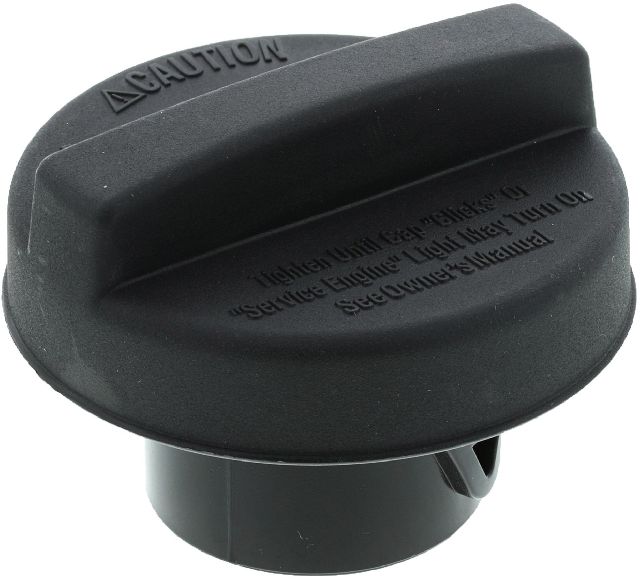
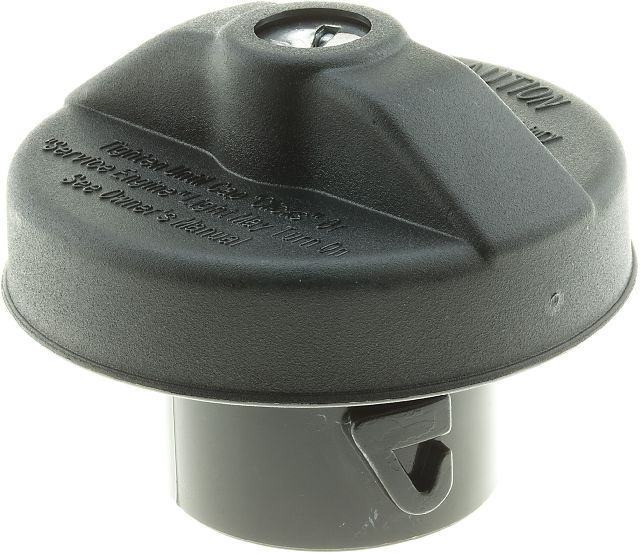
- Loose, Damaged, or Incorrect Gas Cap 🔴 High Probability This is the most common cause for a P0455 code on any vehicle. The seal on the cap can wear out, or it may simply not have been tightened correctly after refueling. An incorrect aftermarket cap can also fail to seal properly.
How to confirm: Inspect the gas cap for cracks in the plastic or damage to the rubber O-ring seal. Ensure it clicks at least three times when tightened. If it looks worn, replacement is the best test as it's an inexpensive part. A smoke test will show smoke pouring from a bad cap seal.
Typical fix: Tighten or replace the gas cap.
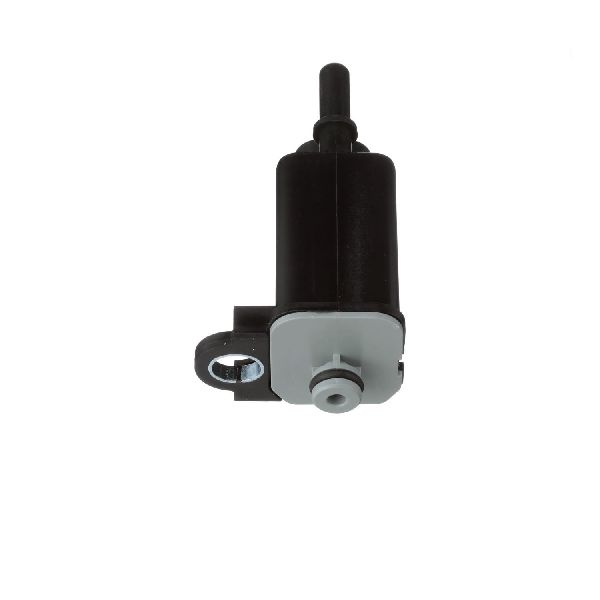
Est. part cost: $15-$35 - Faulty EVAP Purge Valve/Solenoid 🟡 Medium Probability The purge valve is a common failure item on many GM vehicles of this era due to constant heat cycles in the engine bay. It can get stuck open or closed. If stuck open, it creates a constant vacuum leak; if stuck closed, it prevents the system from drawing a vacuum during its test, which the computer can misinterpret as a large leak.
How to confirm: The purge valve is located in the engine bay, typically on the driver's side near the intake manifold. With the engine off, disconnect the valve and try to blow through it. If air passes through, the valve is stuck open and needs to be replaced. A scan tool can also command the valve to cycle, and you should hear it clicking. A stuck-open purge valve often triggers code P0496 as well. 🎬 See how to diagnose a stuck-open GM purge valve.
Typical fix: Replace the purge valve solenoid. This is a simple plug-and-play replacement.
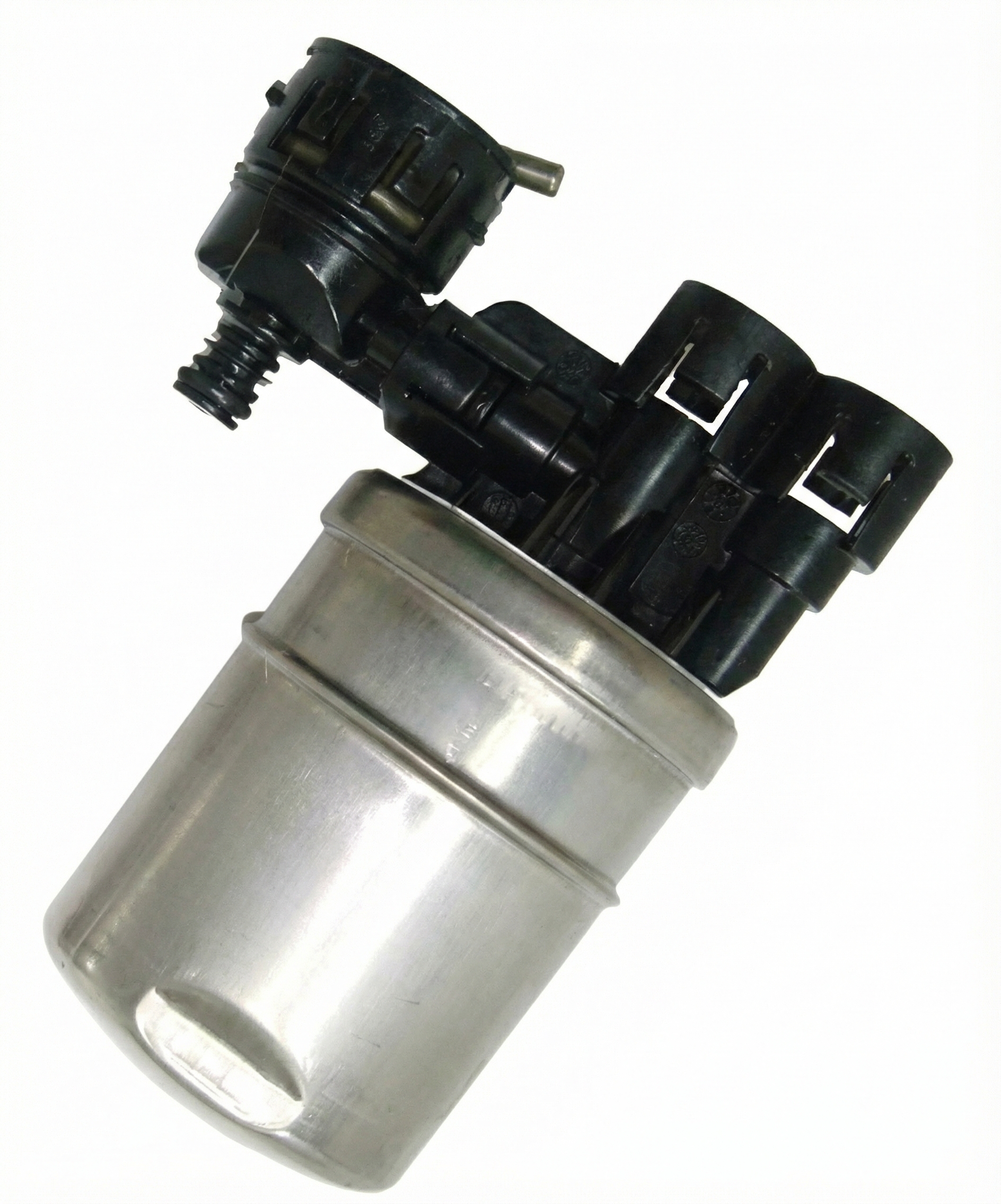
Est. part cost: $30-$80 - Faulty EVAP Vent Valve/Solenoid 🟡 Medium Probability The vent solenoid is located underneath the vehicle near the charcoal canister and is highly exposed to road debris, water, and salt, leading to corrosion and failure. It can get stuck open, preventing the system from sealing during its self-test, or get stuck closed, causing refueling issues.
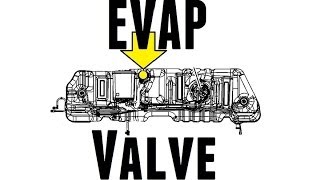
How to confirm: The vent solenoid is located near the fuel tank, often attached to the charcoal canister. Access can be difficult. A professional smoke test is the best way to confirm a leak at the vent valve. This valve is normally open and should close (and you should hear it click) when commanded by a scan tool. If it's commanded closed and smoke still escapes from it, it has failed.
Typical fix: Replace the vent valve solenoid. This can be a difficult DIY job as the part is often rusted in place and access is tight.
Est. part cost: $40-$90 - Cracked or Disconnected EVAP Hoses ⚪ Low Probability Rubber hoses and plastic lines become brittle over time and can crack, especially at connection points or where they are clipped to the chassis.
How to confirm: Visually inspect all accessible EVAP lines running from the engine bay to the fuel tank. A smoke test is the most effective method, as it will force smoke out of any cracks or breaks in the lines, making the leak easy to spot.
Typical fix: Replace the damaged section of hose.
Est. part cost: $10-$50
Rare But Worth Checking
- Damaged Fuel Tank Filler Neck: Rust and corrosion on the filler neck where the gas cap seals is a very common issue on these vans, especially in the Rust Belt. The rough, pitted surface prevents the gas cap's O-ring from creating a proper seal, causing a large leak that the system detects. A smoke test will show smoke billowing from around the gas cap even if the cap itself is new.
- Cracked EVAP (Charcoal) Canister: The canister is a plastic box filled with charcoal located near the fuel tank. It can be damaged by road debris or a physical impact, causing a large leak. Overfilling the fuel tank can also saturate it with raw fuel, causing it to fail.
Diagnosis Steps
- Check the gas cap. Remove it, inspect the seal for cracks, and retighten it until it clicks several times. Clear the code and drive for a few days to see if it returns.
- If the code returns, inspect the fuel filler neck for any rust or pitting that could prevent a good seal.
- Perform a visual inspection of all visible EVAP hoses and lines in the engine bay for obvious cracks or disconnections.
- Locate the purge valve in the engine bay. Disconnect it and attempt to blow through it. If air passes, it is faulty and needs replacement.
- If the above steps don't reveal the issue, a smoke test is the most definitive diagnostic step. This involves injecting harmless smoke into the EVAP system's service port.
- During the smoke test, command the vent solenoid closed with a scan tool and listen for a click. Check for smoke leaking from the gas cap, filler neck, vent solenoid, purge valve, and the full length of all EVAP lines.
Parts You'll Likely Need
- Gas Cap
(OEM #ACDelco GT281, ACDelco GT304)— This is the most frequent cause of a P0455 code due to wear or improper tightening.
Trusted brands: ACDelco, Dorman, Stant
OEM price range: $20-$35
Aftermarket price range: $15-$25 - EVAP Canister Purge Valve
(OEM #ACDelco 214-1680 (cross-references to GM 12597567))— A common failure item on these vehicles that gets stuck open or closed. It's an easy and relatively inexpensive part to replace.
Trusted brands: ACDelco, Dorman (p/n 911-032), Standard Motor Products (p/n CP471)
OEM price range: $50-$75
Aftermarket price range: $30-$60 - EVAP Canister Vent Solenoid
(OEM #ACDelco 214-2149 or ACDelco 214-2324 (verify by VIN, may require harness adapter 19257603))— This part is exposed to the elements under the vehicle and often fails due to rust and corrosion, getting stuck open and preventing the system from sealing.
Trusted brands: ACDelco, Dorman
OEM price range: $60-$100
Aftermarket price range: $40-$90
Related Codes That Often Appear With This One
- P0442 — P0442 indicates a small EVAP leak. They can appear together if the computer detects both a small and a large leak condition at different times, or if the size of the leak is borderline.
- P0449 — This code specifically points to a fault in the EVAP vent valve/solenoid control circuit. If you have P0455 and P0449 together, the vent valve assembly is the most likely culprit. 🎬 Watch: Step-by-step vent solenoid diagnosis and repair walkthrough.
- P0496 — This code indicates 'EVAP Flow During a Non-Purge Condition,' which almost always points to a purge valve that is stuck open. If you see P0455 and P0496, the purge valve is the primary suspect.
Technical Service Bulletins (TSBs) & Recalls
- Bulletin #21-NA-124: Provides diagnostic tips for testing EVAP leaks related to codes P0442 and/or P0455.
Platform-Specific Known Issues
- The official GM Technical Service Bulletin #21-NA-124 provides diagnostic tips for finding EVAP leaks that cause P0455, indicating this is a recognized issue by the manufacturer.
- Rust forming on the fuel filler neck is a significant issue for these vans in northern climates, often causing P0455 even with a brand new gas cap. The only fix is to sand the neck smooth or replace it.
Mechanic-Grade Diagnostic Values
- EVAP Purge/Vent Solenoid Coil Resistance — expected: 14 to 30 ohms. Failure: A reading of infinite resistance (open circuit) or zero resistance (short circuit).
- Fuel Tank Pressure (FTP) Sensor Voltage (Key On, Engine Off, Gas Cap Off) — expected: Approximately 1.5V to 2.5V.. Failure: A reading stuck high (near 5V) or low (near 0V) indicates a faulty sensor or wiring issue.
- EVAP Vent Solenoid Voltage Supply (at connector) — expected: 11V to 18V (system battery voltage) with ignition on.. Failure: No voltage indicates a wiring or fuse issue upstream of the solenoid.
Scan Tool Commands That Help
- Tech2 / Professional Scan Tool: EVAP System Test / Service Bay Test — This command initiates a full, automated EVAP system self-test, simulating the conditions the ECM uses to detect leaks. It will command the vent and purge solenoids and monitor the FTP sensor to confirm if a leak is present. Note: This test has specific prerequisites, such as fuel level between 15-85% and a cold engine.
- Tech2 / Professional Scan Tool: Vent Solenoid ON/OFF Command — This is a critical bidirectional control used during a smoke test. The technician commands the normally-open vent solenoid to the 'ON' (closed) position to seal the system. If smoke still escapes from the vent valve area, the solenoid is confirmed to be faulty.
- Tech2 / Professional Scan Tool: Purge/Seal Test — This function allows manual control of the purge solenoid while monitoring the FTP sensor. A technician can command the purge solenoid ON to apply engine vacuum to the system and then command it OFF to seal the system, watching for vacuum decay on the FTP sensor data, which helps verify a repair.
Wiring & Ground Locations
- EVAP Canister Vent Solenoid — On top of the fuel tank, accessible from underneath the passenger side of the vehicle, between the front and rear doors.. This is the physical location of a primary cause. Knowing it's on top of the tank confirms the difficulty of replacement, which often requires lowering the fuel tank.
- EVAP Canister Purge Solenoid — In the engine compartment, on the left side of the engine (driver's side), near the rear of the throttle body or intake manifold.. This is the location of another primary cause. Its easy accessibility in the engine bay makes it a good starting point for diagnosis after the gas cap.
- G100 / G101 — Located on the upper front of the radiator support, on the right (G100) and left (G101) sides of the engine compartment.. These are primary engine compartment grounds. A corroded or loose ground here could potentially affect the operation of the PCM/ECM or the purge solenoid, leading to erratic behavior or fault codes.
- Fuel Tank Pressure (FTP) Sensor — Located on top of the fuel tank, often integrated into the fuel pump/sender assembly.. This sensor provides the pressure reading that the computer uses to detect the leak. A faulty sensor can report a leak when none exists. Its location on top of the tank means replacement is labor-intensive.
Real Owner Repair Stories
- GMTNation forum user (2005 GM 4.2L (platform relative)) — Persistent P0455 code for 3 months.
❌ Tried (didn't work) Replaced gas cap, Replaced rusted fuel filler pipe
✅ What actually fixed it The final cause was not explicitly stated as fixed, but a follow-up suggestion pointed to a rusted-through top of the fuel pump module, a common issue in the rust belt that would be found with another smoke test. This highlights that even after replacing the filler neck, other components on top of the tank can be the source of the leak. - Edmunds Forums user (Chevy Uplander (platform-mate)) — P0455 code, gas nozzle clicks off when refueling.
❌ Tried (didn't work) Replaced gas cap, Visually checked vacuum hoses and wiring
✅ What actually fixed it The user suspected a flooded charcoal canister or a bad vent solenoid after overfilling the tank, which are the classic next steps for these symptoms on this platform. The thread points to the vent solenoid as the likely culprit given the refueling issue.
OEM Part Supersession History
Various older vent solenoid designs→ACDelco 214-2149 or 214-2324— The original box-style vent solenoids were prone to failure from water and debris. Updated parts often have a revised design.
Heads up: When replacing an older vent solenoid with a newer design like 214-2324, the electrical connector may be different. This requires the use of a jumper harness, GM part #19257603, to adapt the new solenoid to the existing vehicle harness.
Model Year Variations Within This Range
- 2005-2007: The vehicle was offered in short-wheelbase (SWB) and long-wheelbase (LWB) versions. This affects the physical part number and replacement procedure for the EVAP charcoal canister, as it is shaped differently between the two chassis lengths.
- 2006: Wiring diagrams for 2006 list the engine computer as a PCM (Powertrain Control Module) for the 3.5L engine and an ECM (Engine Control Module) for the 3.9L engine, though their control over the EVAP system is functionally identical.
Helpful Videos
Used OEM Parts in Stock
New Aftermarket Parts Available


The information in this article is provided for general reference and educational purposes only. Vehicle specifications, procedures, and part compatibility can vary by production date, trim level, and region. Always consult your vehicle's factory service manual and verify part numbers before purchasing or performing repairs. Safety-critical components such as airbags, seat belts, and braking systems should be installed by a qualified professional.
- Buick TERRAZA:
- 🎬 Helpful Videos
- 🛍️ Shop This Part
- What's Unique About the 2005-2007 Buick TERRAZA
- Diagnostic Flowchart
- Symptoms You May Notice
- Most Likely Causes
- Rare But Worth Checking
- Diagnosis Steps
- Parts You'll Likely Need
- Related Codes That Often Appear With This One
- Technical Service Bulletins (TSBs) & Recalls
- Platform-Specific Known Issues
- Mechanic-Grade Diagnostic Values
- Scan Tool Commands That Help
- Wiring & Ground Locations
- Real Owner Repair Stories
- OEM Part Supersession History
- Model Year Variations Within This Range
- 🎟️ Get 5% Off