

P0455 on 2016-2023 Buick Envision: EVAP Large Leak Causes and Fixes
P0455 on a Buick Envision indicates a large leak in the evaporative emissions (EVAP) system. The most common causes are a loose or faulty gas cap, a bad canister purge valve, or a failed vent valve. For models with a capless system, a damaged filler neck seal is also common. Expect to spend $20 for a gas cap or $30-$100 for a replacement valve.
- P0455 means your Buick Envision has a large leak in the fuel vapor (EVAP) system.
- Always check your gas cap first. Make sure it's tight and the seal is intact. This is the most common and cheapest fix.
- If the gas cap isn't the issue, the next most likely culprits are the EVAP purge valve (in the engine bay) or the vent valve (near the gas tank).
- The vehicle is safe to drive, but you will fail an emissions test and are releasing excess pollutants until it is fixed.
- A smoke test is the most reliable way for a mechanic (or a skilled DIYer) to find the exact source of the leak.
What's Unique About the 2016-2023 Buick ENVISION

For this generation of GM vehicles, including the Envision and its platform mates like the Chevy Equinox and GMC Terrain, the canister purge valve and vent valve are known failure points that can lead to EVAP codes like P0455. While a loose gas cap is always the first thing to check, many owners find the issue lies with one of these valves. GM has issued a Technical Service Bulletin (TSB #21-NA-124) that provides diagnostic tips for technicians dealing with P0455, highlighting a specific order of operations: check for leaks at line connections first, then test the vent valve, and finally, the purge valve.
Diagnostic Flowchart

Tap your situation to follow the diagnostic path that matches what you're seeing on this vehicle.
Generation note: The 2016-2023 range covers two generations of the Buick Envision. The first generation (2016-2020) is built on the GM D2XX platform, shared with the Chevy Equinox and GMC Terrain. The second generation (2021-2023) uses the E2XX platform, shared with the Cadillac XT4. While the EVAP system components are functionally similar, their exact location and part numbers may differ. For example, the purge valve part number changes for the 2020+ model years.
Symptoms You May Notice

- Check Engine Light is on
- A noticeable smell of gasoline, especially around the fuel tank area or after filling up
- Potentially a loose-feeling or difficult-to-tighten gas cap
- For capless systems, visible damage or debris around the fuel filler neck seal
- Difficulty refueling (the gas pump nozzle clicks off repeatedly before the tank is full), which can point to a faulty vent valve
- Replacing the fuel tank pressure sensor. While this sensor can fail, it is more likely to set its own specific trouble codes (e.g., P0452, P0453) rather than a general leak code.
Most Likely Causes


- Loose, Incorrect, or Faulty Gas Cap 🔴 High Probability This is the most common cause for a P0455 code on any vehicle. The gas cap seal can wear out or harden over time, preventing a proper seal. Using a cheap, non-OEM gas cap can also cause issues; a diagnostic video on a platform-mate Equinox showed a brand new aftermarket cap leaking profusely during a smoke test while the original OEM cap sealed perfectly.
How to confirm: Inspect the gas cap for cracks or a hardened, brittle seal. Ensure it is tightened until it clicks several times. For capless systems, check the filler neck opening for debris or damage preventing the flap from sealing. A smoke test is the definitive way to confirm a leak at the cap or filler neck.
Typical fix: Tighten or replace the gas cap, preferably with an OEM part.
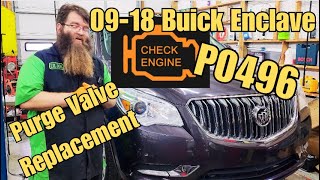
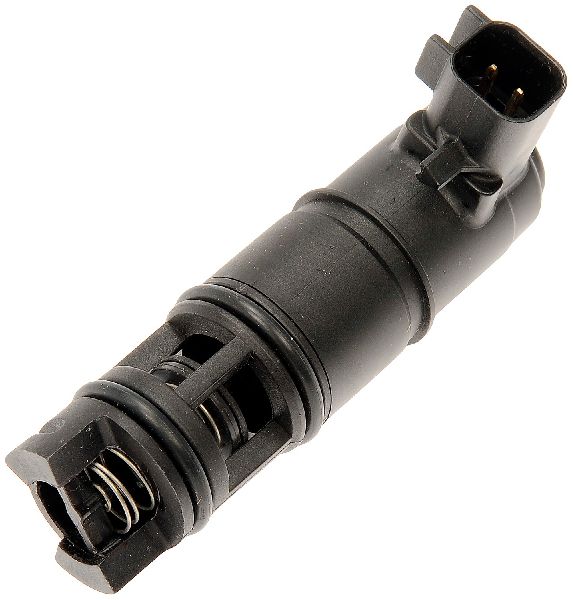
Est. part cost: $15-$40 - Faulty EVAP Canister Purge Valve 🟡 Medium Probability The purge valve (or purge solenoid) is a very common failure point on many GM vehicles, including the Envision and its relatives like the Buick Enclave and Chevy Traverse. It can get stuck open, creating a constant vacuum leak that the ECM detects as a large leak. This can sometimes also trigger a P0496 (High Purge Flow) code.
How to confirm: With the engine off, disconnect the valve and try to blow through it. If air passes, it's stuck open and faulty. A more definitive test involves a hand-held vacuum pump connected to the valve; if it fails to hold a vacuum, it's bad. A scan tool can also command the valve closed to check its function during a smoke test.
Typical fix: Replace the purge valve. It is typically located on the engine's intake manifold and is a relatively simple replacement.
Est. part cost: $30-$80 - Faulty EVAP Canister Vent Valve/Solenoid 🟡 Medium Probability The vent valve, which is normally open, can fail by getting stuck open and failing to close when commanded by the ECM during a system test. Due to its location near the fuel tank, it's exposed to road debris and corrosion, which can cause it to fail.
How to confirm: Use a scan tool to command the vent valve closed. Then, use a smoke machine to introduce smoke into the EVAP system. If smoke escapes from the vent valve/canister area, the valve is not sealing. This part failing can also cause issues with filling the fuel tank.
Typical fix: Replace the vent valve. It is usually located on or near the charcoal canister by the fuel tank.
Est. part cost: $40-$100 - Cracked or Disconnected EVAP Hose ⚪ Low Probability Rubber and plastic hoses can become brittle and crack over time due to heat and age, especially the connections to the purge valve or charcoal canister. TSB 21-NA-124 specifically calls out checking for improperly seated line connections as a primary diagnostic step.
How to confirm: Visually inspect all accessible EVAP lines for obvious cracks or disconnections. A smoke test is the most effective way to find a leak in a hose that isn't easily visible.
Typical fix: Replace the damaged section of hose or reconnect it securely.
Est. part cost: $10-$50
Rare But Worth Checking
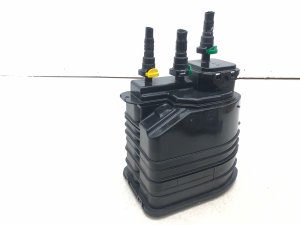
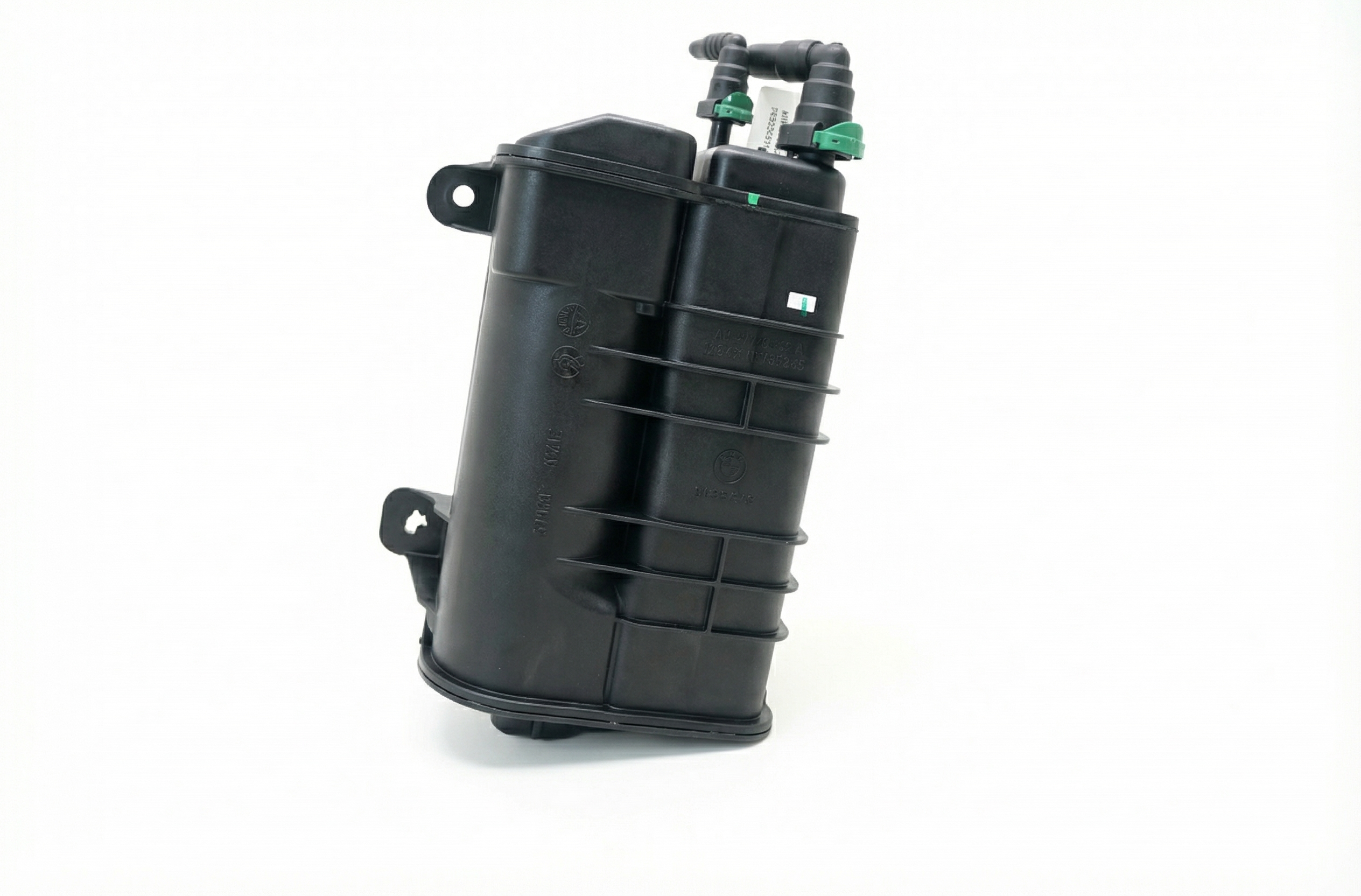
- Cracked EVAP (Charcoal) Canister: The plastic housing of the canister can crack from road debris or age, creating a large leak. This is less common but should be checked if other components are good. Over-filling the gas tank repeatedly can also saturate the canister with raw fuel, causing it to fail.
- Damaged Fuel Filler Neck: For models with a traditional gas cap, rust or damage to the metal filler neck where the cap seals can prevent a proper seal. For capless systems, the inner seal can be torn or dislodged by a fuel nozzle, which requires replacement of the entire filler neck assembly. This has been observed on the platform-mate GMC Terrain.
Diagnosis Steps
- Check the gas cap. Remove and reinstall it, ensuring it clicks multiple times. Inspect the seal for cracks or damage. If you have a capless system, inspect the filler neck flap and inner seal for tears or debris.
- Clear the code with a scanner and drive for a few days. If the code does not return, the issue was likely the gas cap.
- If the code returns, perform a visual inspection of all visible EVAP hoses and lines between the engine bay and the fuel tank, looking for obvious cracks or disconnections. Pay close attention to the connections as noted in TSB 21-NA-124.
- Locate the EVAP canister purge valve in the engine bay. With the engine off, remove the valve and try blowing through it. If air passes, it has failed and needs replacement.
- The most effective next step is to perform a smoke test. This involves injecting smoke into the EVAP system (usually via a service port) and watching where it escapes. This will pinpoint the exact location of the leak, whether it's a hose, valve, or the gas cap seal.
- While smoke testing, use a scan tool to command the vent valve (near the tank) and purge valve (in the engine bay) to open and close. This will test their function and help isolate the leak.
Parts You'll Likely Need
- Gas Cap — This is the simplest and most frequent cause of a P0455 code. The seal fails over time. Using an OEM cap is highly recommended as aftermarket versions can leak.
Trusted brands: ACDelco, Stant
OEM price range: $25-$40
Aftermarket price range: $15-$25 - EVAP Canister Purge Valve
(OEM #12690512 (for 2016-2019), 12630282 (for 2020+))— A very common failure item on GM vehicles. It gets stuck open, causing a leak. Part number may vary by year.
Trusted brands: ACDelco, Dorman
OEM price range: $40-$80
Aftermarket price range: $30-$60 - EVAP Canister Vent Valve / Solenoid
(OEM #23481275 (supersedes multiple older numbers))— This valve fails to seal during the EVAP test, creating a large leak. It's located near the fuel tank. Part number 23481275 is a common replacement for many GM trucks and SUVs, but always verify fitment for your specific year.
Trusted brands: ACDelco, Standard Motor Products (SMP)
OEM price range: $60-$115
Aftermarket price range: $40-$80
Related Codes That Often Appear With This One
- P0442 — P0442 indicates a small EVAP leak. If a component is beginning to fail, it might first cause a small leak code before it worsens and triggers a large leak code like P0455. Both codes are mentioned in TSB #21-NA-124.
- P0496 — P0496 indicates 'High Purge Flow,' which is almost always caused by a faulty purge valve that is stuck open. This is a strong indicator that the purge valve is the source of your P0455 leak.
Technical Service Bulletins (TSBs) & Recalls
- 21-NA-124
Platform-Specific Known Issues
- Capless Fuel Filler Seal Damage: On Envision models equipped with a capless fuel system, the internal seal in the filler neck can be damaged or dislodged by the gas pump nozzle. This creates a large, permanent leak that will set P0455. A technician on YouTube demonstrated this exact failure on a 2022 GMC Terrain, a platform mate. The only fix is to replace the entire fuel filler neck assembly.
Mechanic-Grade Diagnostic Values
- EVAP Canister Purge Valve Solenoid Resistance — expected: 15 to 30 Ohms is a common range for many vehicles. Some sources state a wider range of 12 to 130 Ohms is possible depending on the specific part.. Failure: A reading of 0 Ohms (short circuit) or infinite/OL (open circuit) indicates a failed solenoid coil. A reading significantly outside the expected range can also indicate a problem.
- EVAP Canister Vent Valve Solenoid Resistance — expected: Typically between 20 and 50 Ohms.. Failure: An open circuit (OL) or a reading far outside the expected range indicates the internal coil has failed.
- EVAP Vent/Purge Solenoid Connector Voltage (Power Wire) — expected: 12 Volts with the key in the ON position.. Failure: No voltage indicates a problem with the fuse or the power supply circuit to the solenoid.
- EVAP Vent/Purge Solenoid Connector Voltage (Control Wire) — expected: This is a ground-side switched circuit. With the valve commanded OFF, you should see 12V. When the ECM commands the valve ON, this wire is grounded, and the voltage should drop to near 0V.. Failure: Voltage that doesn't change when the valve is commanded on/off by a scan tool points to a wiring issue or a faulty ECM driver.
Scan Tool Commands That Help
- GDS2 / Tech2 (GM Dealer Tools): EVAP Service Bay Test — This is a guided diagnostic routine that forces the EVAP monitor to run and complete its self-tests without needing to perform a lengthy, multi-day drive cycle. It's used to verify a repair has been successful and that the code will not return. It requires specific steps like holding RPMs steady for several minutes.
- Bidirectional Scan Tool: EVAP Purge/Seal — This command allows the technician to manually open and close the purge and vent valves to test their functionality. It is essential during a smoke test to isolate different parts of the EVAP system and confirm if a valve is sticking or not sealing properly.
- Bidirectional Scan Tool: EVAP Vent Solenoid ON/OFF — Specifically commands the vent solenoid to close (it is normally open). This is the first step in sealing the system for a smoke or pressure test. If smoke immediately exits the vent filter after commanding it closed, the vent solenoid is faulty.
Wiring & Ground Locations
- G1xx Series (e.g., G103, G104) — Engine compartment grounds. Common locations on similar GM platforms are on the cylinder heads, the engine block, and near the radiator core support.. A poor engine ground can cause a variety of electrical issues, including erratic behavior of engine-mounted components like the EVAP purge solenoid. The ECM relies on solid ground references to operate sensors and solenoids correctly.
- G3xx Series (e.g., G303) — Grounds located in the rear seat or cargo area of the vehicle.. The EVAP vent solenoid and fuel tank pressure sensor are located near the fuel tank. A corroded or loose ground in this area (often on the frame rail) can directly impact the operation of these components.
- G4xx Series (e.g., G401, G402) — Rear chassis grounds, often near the rear bumper or trailer hitch area.. These are critical for components at the very back of the vehicle, including the EVAP canister and vent solenoid assembly. Corrosion from road salt is common at these points.
Real Owner Repair Stories
- Jeep Cherokee Forum (Jeep Cherokee (similar EVAP principle)) — P0455 Large EVAP Leak code.
❌ Tried (didn't work) Initial checks of purge valve and hoses near the engine.
✅ What actually fixed it The steel line running from the charcoal canister back toward the gas tank was badly rusted and had a hole in it. The owner replaced the rotted steel section with polyethylene tubing to resolve the leak. This was found after pressurizing the system and hearing a leak near the canister. - Reddit r/MechanicAdvice (2006 Trailblazer 4.2L V6) — P0449 (EVAP Vent Solenoid Circuit) code returned after replacing the vent valve solenoid.
❌ Tried (didn't work) Replacing the EVAP canister vent valve solenoid.
✅ What actually fixed it The user was advised to check the fuse for the EVAP circuit and test the wiring for power and continuity back to the PCM. The P0449 code is an electrical circuit code, not a leak code, indicating the problem was likely in the wiring or power supply to the new part, not the part itself.
OEM Part Supersession History
Various older GM vent valve part numbers→23481275— GM often updates part designs to improve durability and integrate new materials.
Heads up: A customer review for part 23481275 noted that the electrical connector was a different configuration than their original part, requiring the separate purchase of a conversion pigtail. This is a potential trap when replacing an older valve with the newer superseded part.
Model Year Variations Within This Range
- 2016-2020: These first-generation models are built on the D2XX platform. The EVAP purge valve is commonly listed as part number 12690512.
- 2021-2023: These second-generation models use the E2XX platform. The purge valve part number changes to 12630282 or 12666845 depending on the specific engine and emissions configuration. The physical location of components and fuse boxes also differs from the first generation.
Helpful Videos
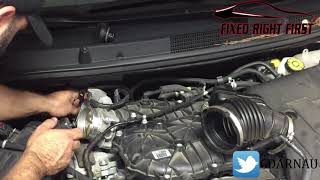
![How to Fix P0455 Engine Code in 3 Minutes [2 DIY Methods / Only $4.61]](https://img.youtube.com/vi/b-o1a2XuVN4/mqdefault.jpg)
Used OEM Parts in Stock
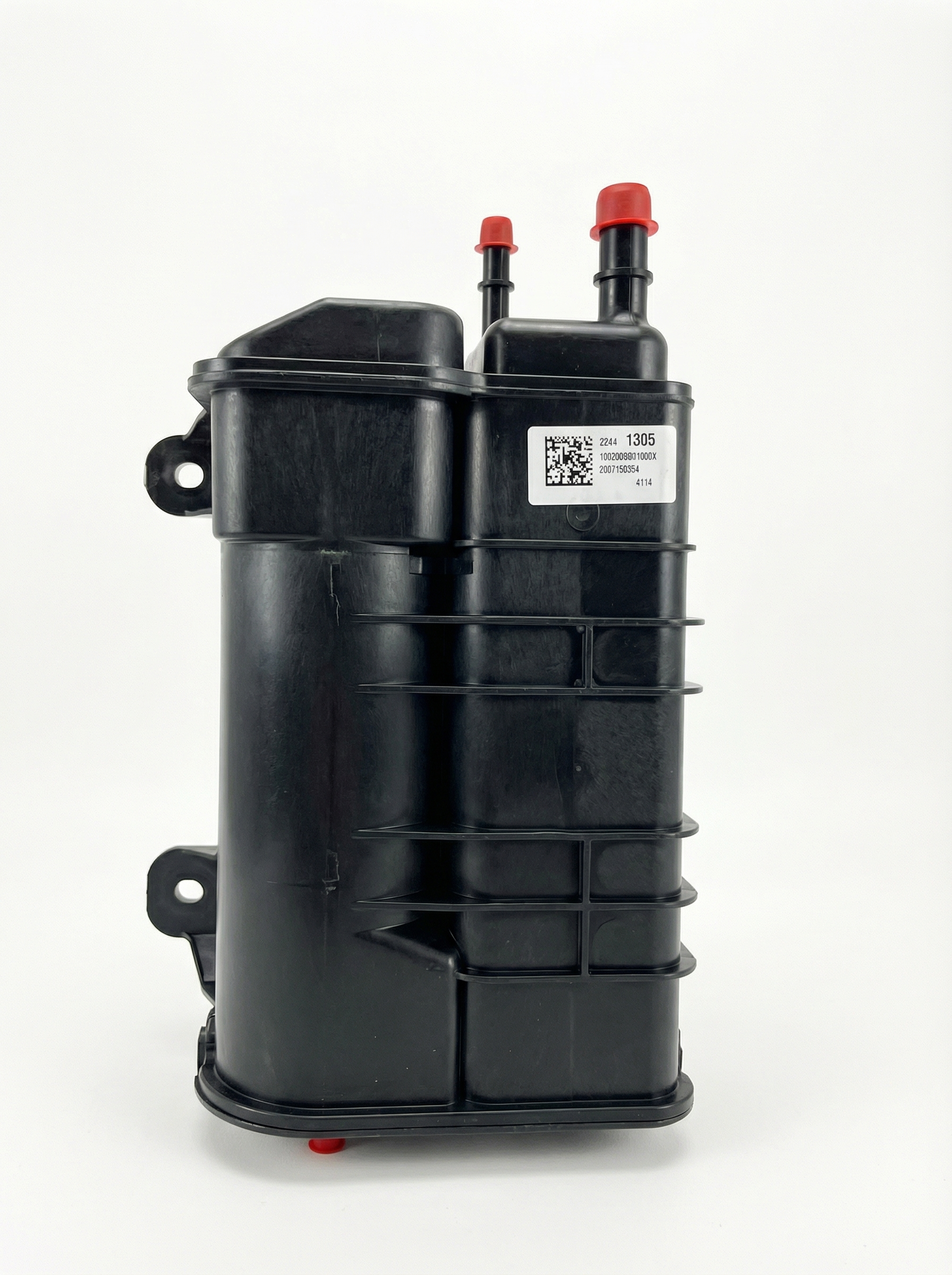
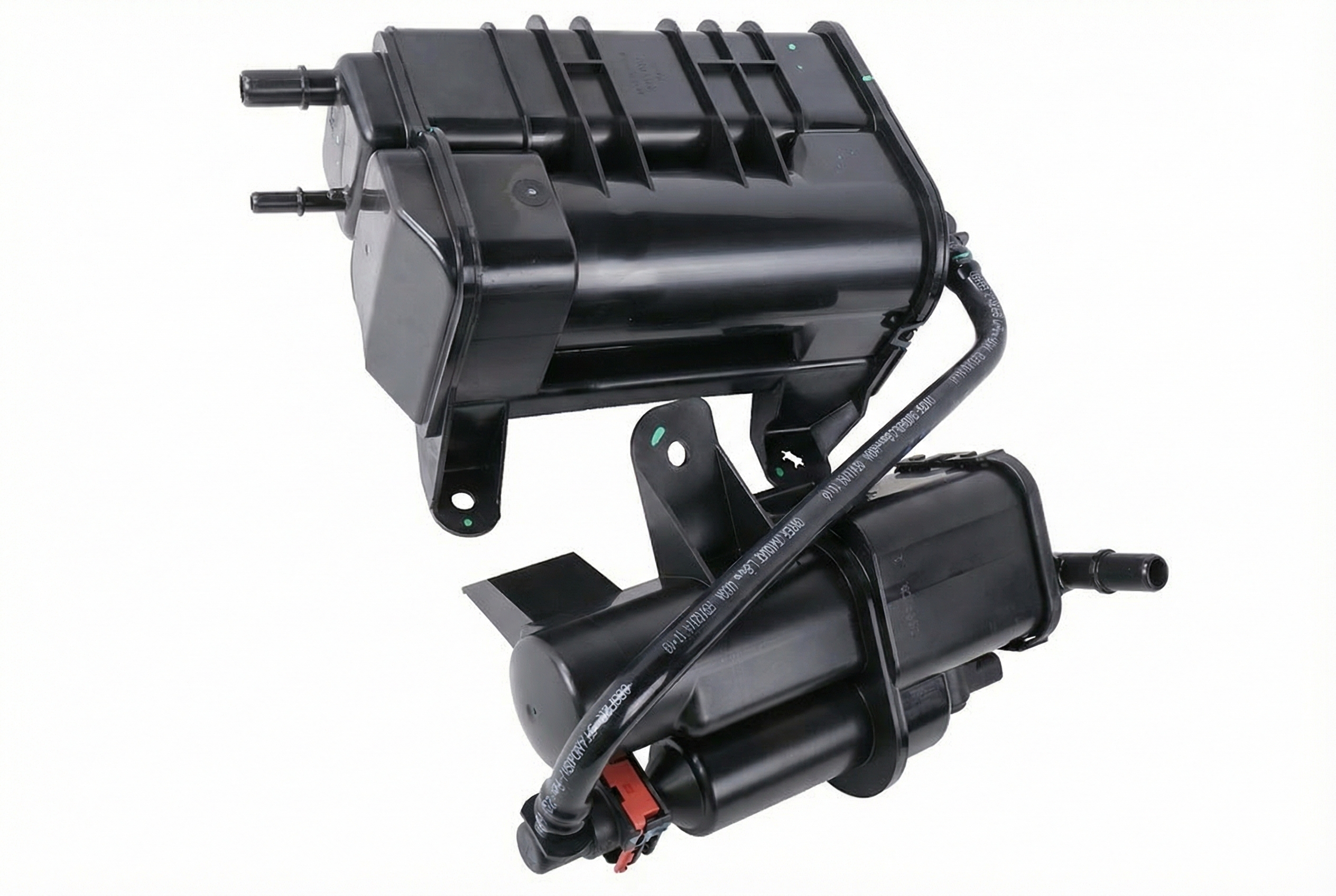

New Aftermarket Parts Available

The information in this article is provided for general reference and educational purposes only. Vehicle specifications, procedures, and part compatibility can vary by production date, trim level, and region. Always consult your vehicle's factory service manual and verify part numbers before purchasing or performing repairs. Safety-critical components such as airbags, seat belts, and braking systems should be installed by a qualified professional.
- Buick ENVISION:
- 🎬 Helpful Videos
- 🛍️ Shop This Part
- What's Unique About the 2016-2023 Buick ENVISION
- Diagnostic Flowchart
- Symptoms You May Notice
- Most Likely Causes
- Rare But Worth Checking
- Diagnosis Steps
- Parts You'll Likely Need
- Related Codes That Often Appear With This One
- Technical Service Bulletins (TSBs) & Recalls
- Platform-Specific Known Issues
- Mechanic-Grade Diagnostic Values
- Scan Tool Commands That Help
- Wiring & Ground Locations
- Real Owner Repair Stories
- OEM Part Supersession History
- Model Year Variations Within This Range
- 🎟️ Get 5% Off