

P0455 on 2016-2019 Buick Cascada: EVAP Large Leak Causes & Fixes
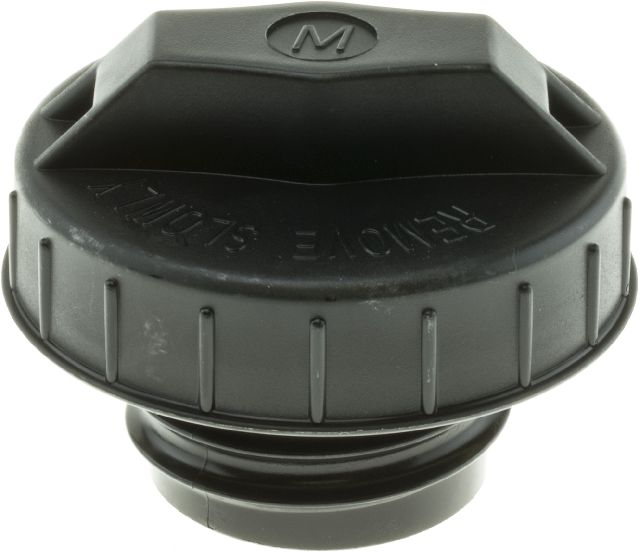
For a 2016-2019 Buick Cascada, P0455 most often means the gas cap is loose, worn out, or wasn't tightened properly. The OEM replacement cap is part number 95292260. If not the cap, the next most likely culprit is a faulty EVAP purge solenoid valve (OEM part 55509571), which can get stuck open. A new gas cap is under $25, while a purge valve is around $50-$85 for the part.
- P0455 on your Cascada means a large leak is detected in the fuel vapor recovery system.
- Always check your gas cap first. Ensure it's tight (at least one click) and the seal isn't cracked or worn.
- If the gas cap isn't the issue, the most likely parts to fail are the EVAP purge valve (in the engine bay) or the vent valve (near the gas tank).
- A professional smoke test is the fastest and most accurate way to find the leak if it's not the gas cap.
- You can continue to drive the car without causing damage, but you will fail an emissions test and are releasing excess pollutants.
What's Unique About the 2016-2019 Buick CASCADA
The Buick Cascada, being a single-generation convertible based on an Opel design, has a specific parts layout but shares its core GM EVAP system design with many other vehicles like the Buick Verano and Chevrolet Cruze. The key vehicle-specific insight is that GM issued a Technical Service Bulletin (TSB #21-NA-124) that directly addresses diagnostic strategies for P0455 on this platform, indicating it's a recognized issue. This bulletin guides technicians on how to properly test for leaks, which underscores that a systematic approach is sometimes needed beyond just replacing the gas cap.
Diagnostic Flowchart
Tap your situation to follow the diagnostic path that matches what you're seeing on this vehicle.
Symptoms You May Notice
- Check Engine Light is on
- A faint to strong smell of fuel, especially around the gas tank area or after refueling.
- Potentially difficulty refueling (the pump nozzle clicks off repeatedly), which can be linked to a faulty vent valve.
- Less commonly, a rough idle or difficulty starting if the purge valve is stuck wide open, creating a large vacuum leak.
- Replacing the charcoal canister when only a valve is bad. The vent solenoid is often attached to the canister but can sometimes be replaced separately.
- Immediately assuming a complex leak exists before thoroughly checking the gas cap's condition and tightness.
- Replacing parts without confirming the failure. For example, replacing the purge valve without first testing if it's stuck open.
Most Likely Causes
- Loose, Damaged, or Incorrect Gas Cap 🔴 High Probability This is the most common cause for a P0455 code on any vehicle. The gas cap is a critical sealing point of the EVAP system, and user error (not tightening until it clicks) or simple wear of the rubber O-ring over time is very frequent. The O-ring can become hard and brittle, preventing a proper seal.
How to confirm: Ensure the gas cap is tightened until it clicks at least once. Inspect the rubber O-ring on the cap for cracks, stiffness, or damage. Check the fuel filler neck for rust or debris that could prevent a good seal; clean it with a cloth or light abrasive pad if necessary.
Typical fix: Tighten the gas cap. If the seal is bad or the cap is damaged, replace it with a new OEM (part #95292260) or equivalent part.
Est. part cost: $15-$30 - Faulty EVAP Purge Solenoid Valve 🟡 Medium Probability The purge valve is an electromechanical part that is constantly working, making it a common failure item on many GM vehicles. It can get stuck open, creating a permanent leak path from the EVAP canister to the engine intake.
How to confirm: The purge valve is normally closed. With the engine off, disconnect the hose leading from the valve to the intake manifold and try to blow through the valve. If air passes through, the valve is stuck open and is faulty. It is typically located in the engine bay, mounted on or near the intake manifold.
Typical fix: Replace the purge solenoid valve. This is generally an easy part to access and replace. The OEM part number is 55509571.
Est. part cost: $50-$85 - Faulty EVAP Vent Solenoid/Valve 🟡 Medium Probability Located near the fuel tank and charcoal canister, this valve is exposed to road debris, moisture, and rust, which can cause it to fail or get stuck open. This failure directly creates a large leak that the system will detect when it tries to seal itself for a test.
How to confirm: This valve is normally open and closes when the system runs a test. Diagnosis often requires a bi-directional scan tool to command the valve closed and see if it complies. A definitive diagnosis is best made with a smoke machine to see if smoke escapes from the valve when it's commanded shut.
Typical fix: Replace the vent solenoid. It is located 🎬 See this walkthrough on replacing a vent valve solenoid near the EVAP canister by the fuel tank.
Est. part cost: $25-$60 - Cracked or Disconnected EVAP Hose ⚪ Low Probability Rubber and plastic hoses can become brittle and crack over time due to heat and age. A disconnected or cracked hose will create a significant leak. A real-world example from a GM owner forum showed a small, cracked molded elbow hose near the purge solenoid was the culprit.
How to confirm: A visual inspection of all accessible EVAP lines between the engine bay, charcoal canister, and fuel tank may reveal obvious cracks or disconnections. A smoke test is the most effective method to pinpoint the exact location of a hose leak.
Typical fix: Replace the damaged section of hose or reconnect it securely with a new clamp.
Est. part cost: $5-$50
Rare But Worth Checking
- Cracked Charcoal Canister: The plastic housing of the canister itself can develop cracks from age or impact, creating a leak. This is less common than valve failures but should be checked during a smoke test if other causes are ruled out.
- Faulty Fuel Tank Pressure Sensor: While rare, the sensor that reports pressure values to the computer can fail and send incorrect data, making the computer think there is a leak when there isn't one. This usually sets other codes as well, such as P0452.
- Damaged Fuel Filler Neck: Rust or damage to the metal neck where the gas cap seals can prevent even a new cap from sealing properly. This should be inspected closely when checking the gas cap.
Diagnosis Steps
- Read the code with an OBD-II scanner to confirm P0455 is present.
- Inspect the gas cap. Remove it, check the seal for cracks or hardness, and ensure it is the correct cap for the vehicle. Check the filler neck for rust or debris. Tighten the cap until it clicks at least once, clear the code, and drive for a few days to see if the light returns.
- If the light returns, follow the diagnostic hierarchy recommended by GM's TSB #21-NA-124. First, perform a visual inspection of all visible EVAP hoses and lines in the engine bay and underneath the vehicle near the fuel tank for obvious cracks, damage, or disconnections.
- Locate the EVAP purge solenoid in the engine bay. With the engine off, disconnect it and try to blow through it. If air passes, it has failed and needs replacement.
- If the purge valve is good, the next suspect is the vent valve/solenoid near the tank. A scan tool can command it closed to test it, but a smoke test is the most effective confirmation.
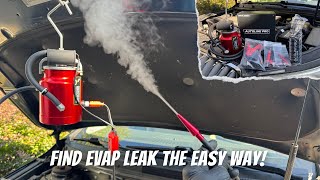
- If no obvious causes are found, a professional smoke test is the definitive next step. This involves injecting pressurized smoke into the EVAP system to quickly and accurately find the source of the leak. 🎬 Watch: How to find an EVAP leak with a smoke machine The smoke will visibly escape from any cracked hoses, the vent valve, the charcoal canister, the fuel tank, or the filler neck.
Parts You'll Likely Need
- Gas Cap
(OEM #95292260)— This is the most frequent cause of P0455 due to wear on the seal or improper tightening. The rubber seal can harden and fail.
Trusted brands: ACDelco (GM OE), Stant, Gates
OEM price range: $20-$35
Aftermarket price range: $15-$25 - Vapor Canister Purge Solenoid Valve
(OEM #55509571)— A very common failure point on GM vehicles. It gets stuck open, creating a large, constant leak path from the EVAP system to the intake manifold. The OEM part supersedes part number 55569458.
Trusted brands: ACDelco (GM OE), Bosch, Duralast
OEM price range: $60-$85
Aftermarket price range: $40-$60 - Vapor Canister Vent Solenoid — This valve, located near the tank, can fail due to exposure to the elements, getting stuck open and preventing the system from sealing for its pressure test.
Trusted brands: ACDelco, Dorman (e.g., 911-059), TRQ (e.g., EVA45463)
OEM price range: $40-$70
Aftermarket price range: $25-$50
Related Codes That Often Appear With This One
- P0442 — P0442 is for a 'small' EVAP leak. They often appear together because a large leak (P0455) might be intermittent or a failing component could initially cause a small leak that worsens. The official TSB for the Cascada, #21-NA-124, groups these two codes together for diagnostic purposes.
- P0456 — This code is for a 'very small' EVAP leak. If you have multiple leak codes, it points strongly to a systemic issue, but P0455 is the most urgent one to address.
- P0171 — System Too Lean. If the purge solenoid is stuck open, it can create a vacuum leak that allows unmetered air into the intake manifold, causing a lean fuel condition.
Technical Service Bulletins (TSBs) & Recalls
- 21-NA-124
Platform-Specific Known Issues
- GM has issued Technical Service Bulletin #21-NA-124 for a wide range of 2000-2021 vehicles, including the 2016-2019 Buick Cascada. It provides 'diagnostic tips/steps on testing for possible EVAP leaks in the system to correct a customer concern of an MIL Illuminated with DTCs P0442 and/or P0455 Set.' The bulletin advises a specific diagnostic order: check lines/connections, then the vent valve, then the purge valve.
Mechanic-Grade Diagnostic Values
- Fuel Tank Pressure (FTP) Sensor Voltage — expected: Approximately 1.3V to 1.7V with the gas cap off (at atmospheric pressure).. Failure: A reading stuck low (e.g., 0.2V) or high (e.g., 5V) indicates a faulty sensor or wiring issue.
- EVAP Vent or Purge Solenoid Coil Resistance — expected: Typically between 20 and 50 Ohms.. Failure: A reading of OL (Open Loop) or infinite resistance means the coil winding is broken and the solenoid is bad. A reading of zero or very low resistance indicates a short.
Scan Tool Commands That Help
- GM GDS2 / Tech2: EVAP Canister Vent Solenoid Valve Control — This bidirectional command allows a technician to manually command the vent valve closed. This is a critical step before performing a smoke test to ensure the system is sealed for the test.
- GM GDS2 / Tech2: EVAP System Purge/Seal Test — This automated test commands the vent valve closed and the purge valve open to pull a vacuum on the tank, then seals the system to monitor for vacuum decay. It's used to verify a repair and confirm the system can hold a vacuum after a fix has been implemented.
Wiring & Ground Locations
- EVAP Purge Solenoid Connector — In the engine bay, mounted on or near the intake manifold. It is a two-wire connector.. A poor connection, corrosion, or damaged wires at this connector can prevent the purge solenoid from operating correctly, potentially leaving it stuck open or closed and triggering EVAP codes.
- EVAP Vent Solenoid Connector — Under the vehicle, near the charcoal canister and fuel tank.. This connector is exposed to road debris and moisture, making it susceptible to corrosion and damage. A bad connection can prevent the vent valve from closing during the EVAP self-test, directly causing a P0455 large leak code.
- Fuel Tank Pressure (FTP) Sensor Connector — On top of the fuel tank, accessible by lowering the tank or through an access panel. The connector typically has three wires: a 5V reference, a ground, and a signal wire.. Wiring issues here can cause incorrect pressure readings, making the ECM believe there is a leak when one doesn't exist. A technician can test for 5V reference and ground at this connector to verify wiring integrity from the ECM.
Real Owner Repair Stories
- GM Forum user (Buick (model not specified, but common GM issue)) — P0455 code
❌ Tried (didn't work) Initial diagnosis pointed towards common causes.
✅ What actually fixed it Found a cracked, short molded elbow hose running from the purge solenoid. The user replaced the hose with a custom-molded one from an auto parts store and also replaced the solenoid as a precaution, which resolved the code.
"I Checked Everything" — The Actual Cause
- A stuck-open EVAP purge solenoid can cause a P0455 code even if a smoke test of the rest of the system comes back clean. The ECM detects the issue because it cannot pull a vacuum on the fuel tank during the self-test, as the open purge valve creates a leak path to the engine intake. A technician might be misled if they only smoke test from a service port without specifically testing the purge solenoid's ability to hold vacuum when commanded closed.
OEM Part Supersession History
55569458→55509571— Standard part revision and improvement by the manufacturer.
Helpful Videos
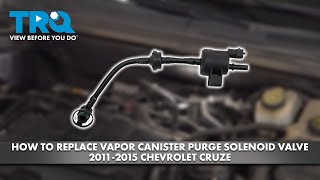
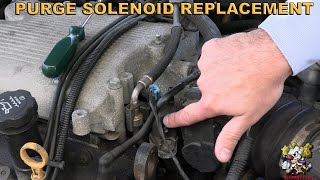
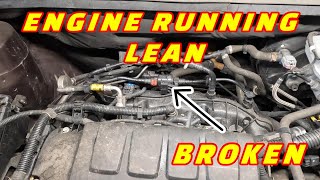
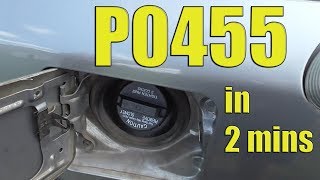
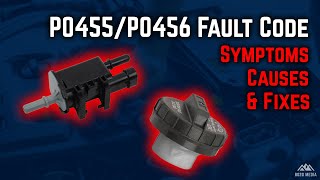
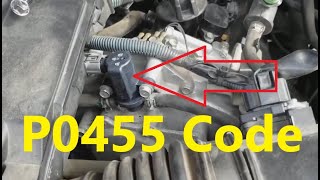
Used OEM Parts in Stock
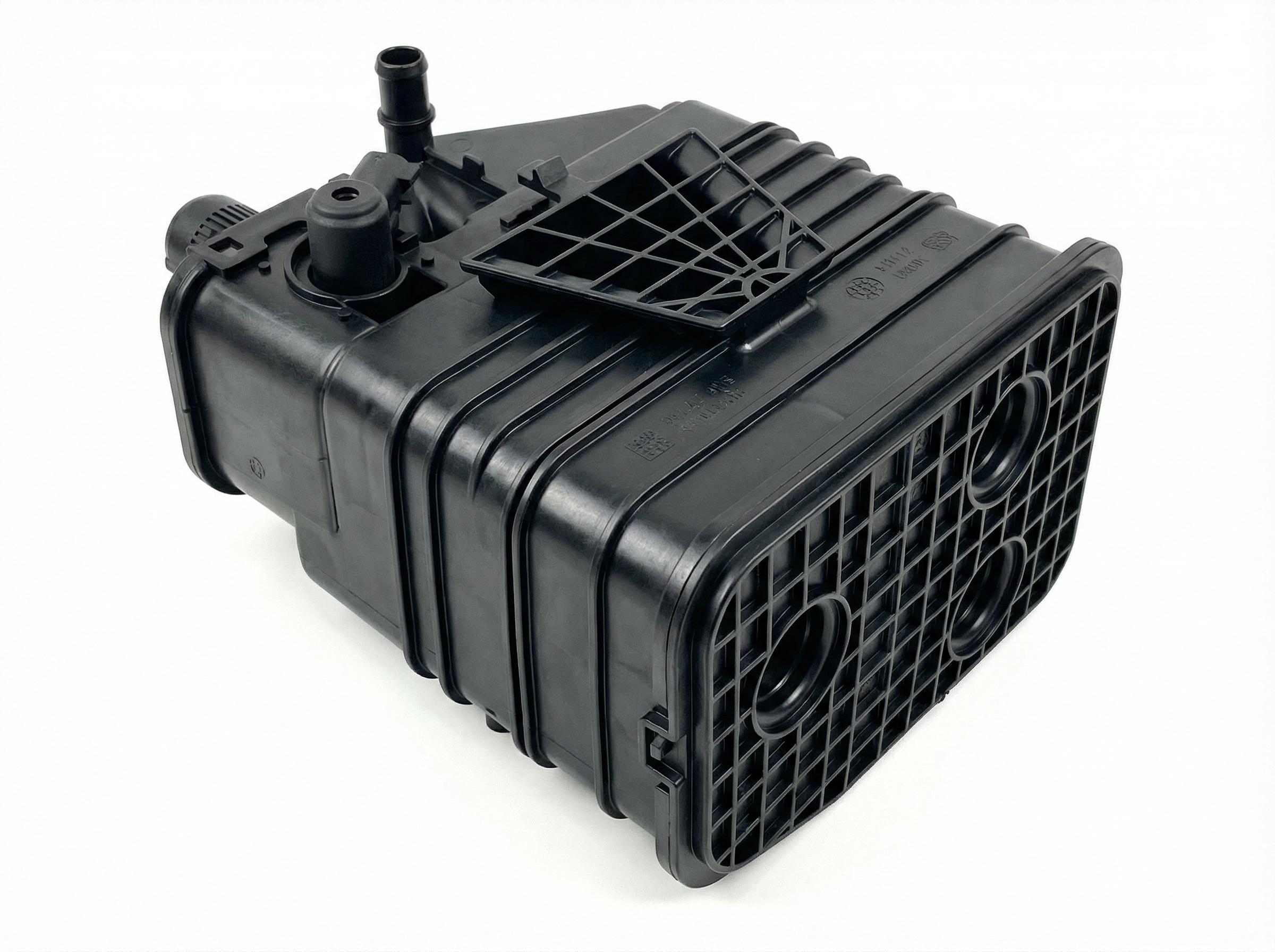

New Aftermarket Parts Available



The information in this article is provided for general reference and educational purposes only. Vehicle specifications, procedures, and part compatibility can vary by production date, trim level, and region. Always consult your vehicle's factory service manual and verify part numbers before purchasing or performing repairs. Safety-critical components such as airbags, seat belts, and braking systems should be installed by a qualified professional.
- Buick CASCADA:
- 🎬 Helpful Videos
- 🛍️ Shop This Part
- What's Unique About the 2016-2019 Buick CASCADA
- Diagnostic Flowchart
- Symptoms You May Notice
- Most Likely Causes
- Rare But Worth Checking
- Diagnosis Steps
- Parts You'll Likely Need
- Related Codes That Often Appear With This One
- Technical Service Bulletins (TSBs) & Recalls
- Platform-Specific Known Issues
- Mechanic-Grade Diagnostic Values
- Scan Tool Commands That Help
- Wiring & Ground Locations
- Real Owner Repair Stories
- "I Checked Everything" — The Actual Cause
- OEM Part Supersession History
- 🎟️ Get 5% Off