

P0449 on 2012-2016 Hyundai Veloster: EVAP Vent Valve Circuit Causes and Fixes
On a 2012-2016 Hyundai Veloster, code P0449 almost always points to a failed Canister Close Valve (also called the EVAP vent solenoid). This part is relatively inexpensive and easy to replace for a DIYer, often resolving the check engine light. Before replacing, it is wise to inspect the electrical connector and nearby wiring for corrosion or damage, as this is also a common point of failure.
- P0449 on a 2012-2016 Veloster specifically points to an electrical circuit problem with the Canister Close Valve (CCV), not a general EVAP leak.
- The most likely cause is a failed Canister Close Valve itself, followed by corroded wiring/connector at the valve.
- This is a DIY-friendly repair; the valve is located near the driver's side rear wheel and is not integrated into the charcoal canister.
- Before buying parts, perform a thorough visual inspection of the wiring and connector for corrosion or damage and test the valve with a 12V source.
- Do not waste money replacing the gas cap or the purge valve in the engine bay for this specific code.
- If a new valve doesn't fix the code, the fault lies in the wiring harness or, rarely, the Engine Control Module (ECM).
What's Unique About the 2012-2016 Hyundai VELOSTER
For the first-generation Hyundai Veloster, the P0449 code is a very common issue that typically leads directly to the canister close valve. Unlike some vehicles where this valve is integrated into the expensive charcoal canister assembly, on the Veloster it is a separate, more accessible component located near the rear driver's side wheel well. This makes for a more straightforward and affordable repair. This issue is also prevalent across other Hyundai and Kia models sharing the 1.6L Gamma engine or similar EVAP system architecture.
Diagnostic Flowchart
Tap your situation to follow the diagnostic path that matches what you're seeing on this vehicle.
Symptoms You May Notice
- Check Engine Light is on
- Slight fuel odor near the rear of the vehicle
- Difficulty filling the gas tank (pump may shut off repeatedly, especially if the valve fails stuck-closed or the vent line is clogged)
- Failing an emissions test
- Replacing the gas cap. While a faulty gas cap can cause other EVAP codes (like P0455 or P0456 for leaks), it does not cause a P0449 circuit code.
- Replacing the purge valve. The purge valve (or Purge Control Solenoid Valve - PCSV) is located in the engine bay and has its own set of diagnostic codes (e.g., P0441). P0449 specifically points to the vent valve circuit at the rear of the vehicle.
Most Likely Causes
- Failed Canister Close Valve (Vent Solenoid) 🔴 High Probability The solenoid is an electro-mechanical part that cycles frequently and is exposed to the elements under the car, leading to eventual failure from corrosion, moisture, and wear. It can fail electrically (internal coil breaks) or mechanically (stuck open or closed).
How to confirm: Use a scan tool to command the valve to open and close; listen for an audible click. You can also apply 12V directly to the valve's terminals to see if it actuates. 🎬 Watch: How to test the vent valve solenoid circuit. If it doesn't click, it has failed electrically. If it clicks but symptoms persist, it may be mechanically stuck.
Typical fix: Replace the canister close valve. This is a simple unbolt-and-unplug procedure. 🎬 See this replacement walkthrough for a Hyundai vent valve solenoid.
Est. part cost: $45-$75 - Damaged Wiring or Connector 🟡 Medium Probability The wiring is located under the vehicle near the rear wheel, making it highly susceptible to corrosion from road salt and moisture, as well as damage from road debris.
How to confirm: Visually inspect the wiring harness and connector leading to the canister close valve for any breaks, chafing, or green/white corrosion on the pins. Gently tug on the wires at the back of the connector to ensure they haven't broken internally. Use a multimeter to check for 12V power and a ground signal at the connector with the key on.
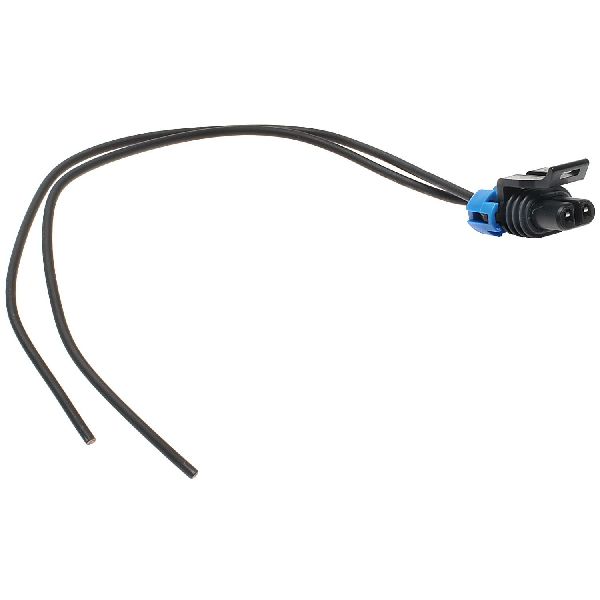
Typical fix: Repair the broken wire or clean the connector pins with electrical contact cleaner. If the connector is badly damaged, a replacement pigtail may be needed.
Est. part cost: $5-$30 - Clogged EVAP Vent Hose or Filter Low-to-medium Probability Insects, particularly spiders, can build nests inside the vent hose or the attached filter box, causing a blockage. Dirt and debris can also accumulate over time, restricting airflow.
How to confirm: Disconnect the vent hose from the canister close valve and attempt to blow through it. If air cannot pass freely, it is clogged. A professional diagnostic video on a similar Hyundai showed a completely clogged filter box was present along with a failed valve. 🎬 Watch this professional diagnostic video on a similar Hyundai model.
Typical fix: Clear the blockage from the hose and filter box using compressed air or a flexible wire. In severe cases, the hose or filter may need replacement.
Est. part cost: $0-$20
Rare But Worth Checking
- Faulty Engine Control Module (ECM): This is extremely rare. The ECM contains a driver circuit that provides the ground signal to operate the valve. If this internal circuit fails, the P0449 code will be set. This should only be considered after a new valve and verified wiring fail to resolve the issue. A Reddit user with a similar Hyundai model experienced this after replacing all other components.
Diagnosis Steps
- Confirm the Code: Use an OBD-II scanner to verify that P0449 is the active code. Note any other codes present.
- Visual Inspection: Raise the rear of the vehicle safely. Locate the canister close valve near the driver's side rear wheel, attached to the charcoal canister. Visually inspect the valve, its connector, and the wiring harness for any obvious signs of damage, corrosion (green crust on pins), chafing, or loose connections.
- Check for Blockages: Disconnect the vent hose from the valve and check it and any attached filter box for obstructions like dirt or insect nests. Attempt to blow through the hose; if blocked, clear it with compressed air.
- Test the Circuit: With the ignition on (engine off), disconnect the valve's electrical connector. Use a multimeter to check for voltage at the connector. You should have battery voltage (approx. 12V) on one pin and a ground signal on the other (the ECM may control the ground, so you may need to test for continuity to ground).
- Test the Valve: If voltage and ground are present at the connector, the valve itself is the likely culprit. You can confirm by applying 12V and a ground directly to the valve's pins with jumper wires. A healthy valve will make an audible 'click'. No click indicates an electrical failure.
- Replace the Part: If the valve is faulty, replace it with a new one. Ensure the new part visually matches the old one, as there are several similar Hyundai/Kia valves.
- Clear Code and Test Drive: After replacement, clear the code with your scanner and drive the vehicle for a few days, including multiple start/stop cycles, to ensure the Check Engine Light does not return.
Parts You'll Likely Need
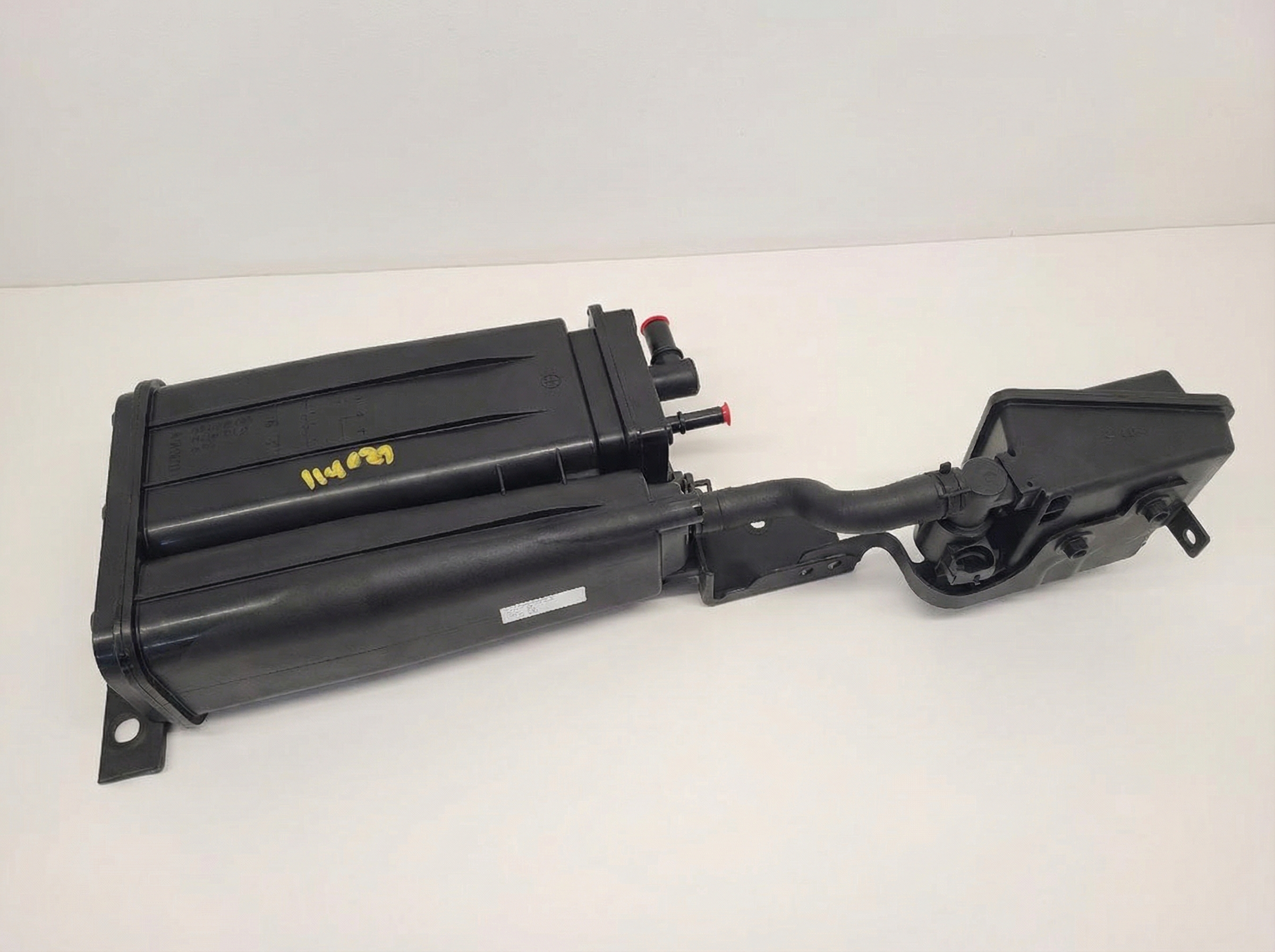
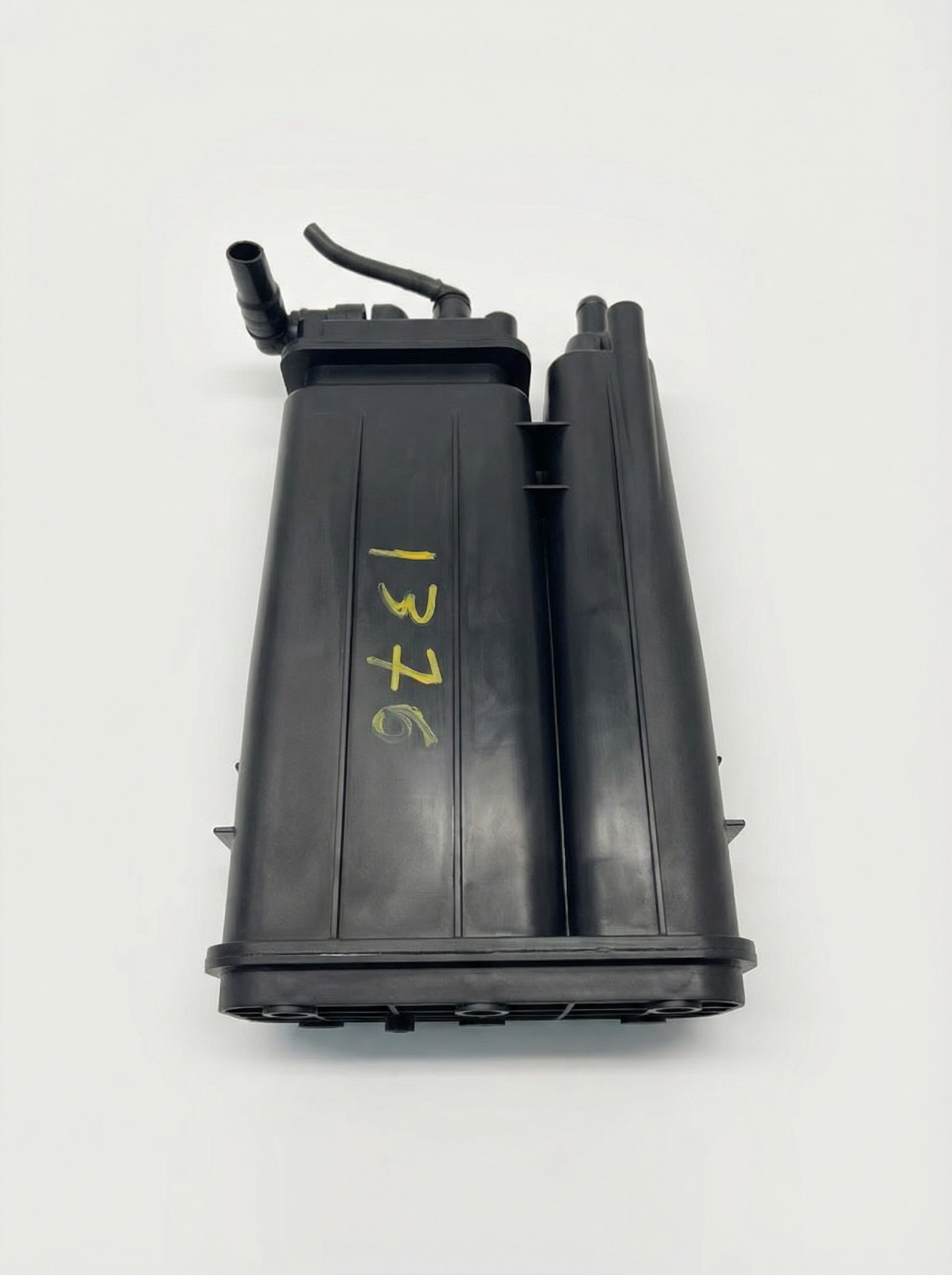
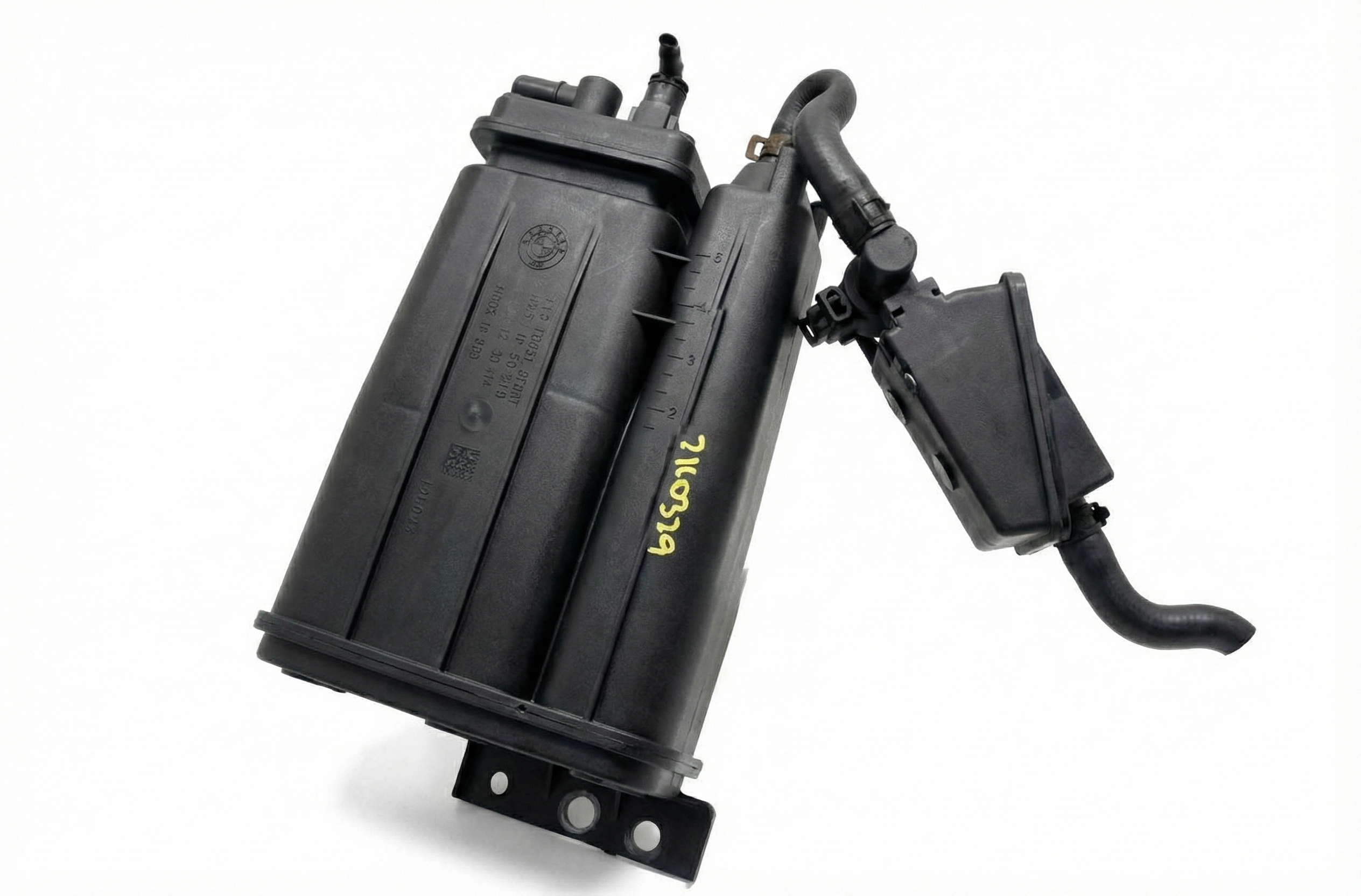
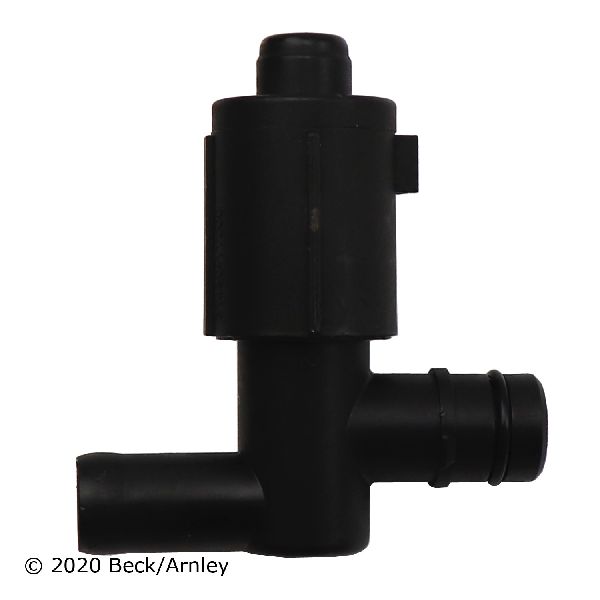
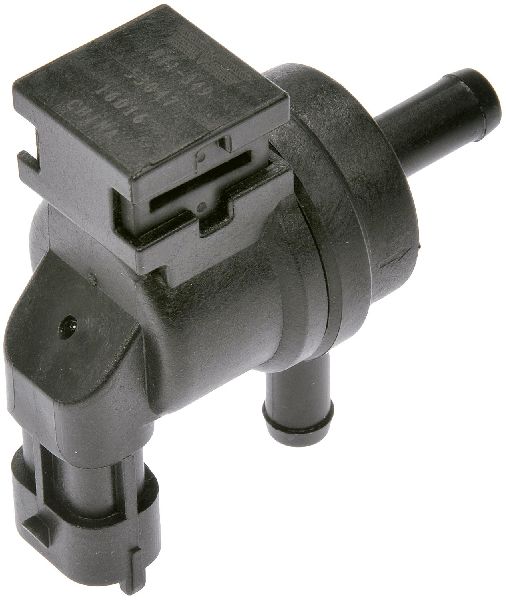
- Canister Close Valve / EVAP Vent Solenoid
(OEM #31430-2V500)— This is the component whose electrical circuit is identified as faulty by the P0449 code. It is the most common failure point for this specific issue on the Veloster.
Trusted brands: Hyundai (Genuine OEM), Dorman, Standard Motor Products (SMP), SKP
OEM price range: $60-$80
Aftermarket price range: $45-$70
Related Codes That Often Appear With This One
- P0455 — A large EVAP leak can be detected if the vent valve circuit fails in a way that leaves the valve stuck open.
- P0456 — A small EVAP leak can be flagged if the vent valve isn't sealing properly due to the circuit fault.
Technical Service Bulletins (TSBs) & Recalls
- 5NP-Q7J2C-07: Lists P0449 among other EVAP codes and provides the specific Hyundai definition for the fault. No specific repair action is detailed in this document.
Platform-Specific Known Issues
- A Technical Service Bulletin (TSB #5NP-Q7J2C-07) issued by Hyundai lists DTC P0449, defining it as 'Canister Closed Valve (CCV) - Restricted Vent Circuit', confirming this is a known issue. This TSB serves primarily as a code definition list rather than a specific repair procedure.
Mechanic-Grade Diagnostic Values
- Canister Close Valve (CCV) Solenoid Resistance — expected: Approximately 20 Ω. Failure: An open circuit (infinite resistance) or a reading significantly different from the specification indicates a failed solenoid coil.
- CCV Connector Voltage (Key On, Engine Off) — expected: Approximately 12V (battery voltage) on the power feed pin. Approximately 12V on the ECM control pin (when disconnected).. Failure: No voltage on the power pin indicates a fuse or wiring issue upstream. If both pins show 12V when disconnected but the code persists, it points towards an open in the control wire back to the ECM.
Hidden / Shadow Codes Worth Checking
- N/A (Enhanced Data): While not a separate code, the Hyundai GDS (Global Diagnostic System) provides more descriptive data. For a P0449, the live data parameter for the vent solenoid may explicitly read 'Short to ground or open,' giving a more precise direction for diagnosis than a generic scanner. (see via Hyundai GDS factory scan tool or equivalent high-level aftermarket scanner.)
Scan Tool Commands That Help
- Hyundai GDS (or advanced aftermarket scanner): EVAP Vent Solenoid Actuation Test / Output Control — This bidirectional command is used to manually open and close the Canister Close Valve. It is a critical step to verify if the valve clicks audibly, confirming the entire circuit from the ECM to the solenoid is functional and the valve is not mechanically seized.
Wiring & Ground Locations
- Canister Close Valve Connector — Behind the fuel tank, near the driver's side rear wheel, connected to the Canister Close Valve which is attached to the charcoal canister assembly.. This is the primary point for electrical testing (voltage, ground) and is a common failure point due to corrosion or wires breaking internally within the insulation right at the connector.
- Ground Point Gf06 — General location is near the fuel tank / rear of the vehicle.. While the CCV is controlled via a ground signal from the ECM, a faulty chassis ground in the general area could cause various electrical issues. Verifying main ground points in the vicinity is a good practice during advanced electrical diagnosis.
Real Owner Repair Stories
- Reddit user comment in r/AskMechanics (2011 Hyundai Sonata (similar EVAP system)) — Persistent P0449 code that returns immediately after clearing; difficulty filling the gas tank.
❌ Tried (didn't work) Replaced charcoal canister, Replaced purge valve, Replaced canister close valve
✅ What actually fixed it A mechanic responding to the thread described a similar case at their shop where, after all components and wiring were tested and verified good, the root cause was a failed driver circuit within the Powertrain Control Module (PCM). The final fix was to replace the PCM.
"I Checked Everything" — The Actual Cause
- In cases where a smoke test reveals no leaks and the vent valve has been replaced, the P0449 code (being a circuit code) strongly points to an electrical fault. The issue is likely in the wiring harness between the valve and the ECM, or in the rare case, the ECM's internal driver circuit itself.
- A dual-fault scenario was documented where a vehicle had a failed (stuck open) vent solenoid AND a completely clogged vent filter hose. A smoke test might not show a leak because the system is venting as it would with an open valve, but the clog prevents proper system function and causes symptoms like being hard to fill. The fix required replacing the valve AND clearing the blockage.
When the Usual Fixes Don't Work
- While replacing the Canister Close Valve is the most common fix, there are documented cases where this does not resolve the P0449 code. In one instance involving a similar Hyundai model, after replacing the valve, purge valve, and charcoal canister, the code persisted. A professional mechanic pointed to a failed driver circuit in the Engine Control Module (ECM) as the final culprit, which requires comprehensive electrical testing of the harness before condemning the expensive ECM.
OEM Part Supersession History
31430-2V500→N/A— N/A
Heads up: Hyundai uses many visually similar but functionally different Canister Close Valves across its model lineup (e.g., 31430-2H500, 31430-1Y000, 31430-3M000). It is critical to verify the correct part number for your specific vehicle using the VIN to avoid incompatibility issues.
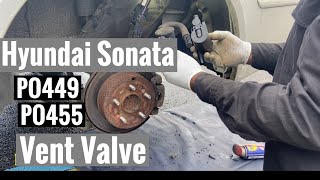
Helpful Videos


Used OEM Parts in Stock
New Aftermarket Parts Available


The information in this article is provided for general reference and educational purposes only. Vehicle specifications, procedures, and part compatibility can vary by production date, trim level, and region. Always consult your vehicle's factory service manual and verify part numbers before purchasing or performing repairs. Safety-critical components such as airbags, seat belts, and braking systems should be installed by a qualified professional.
- Hyundai VELOSTER:
- 🎬 Helpful Videos
- 🛍️ Shop This Part
- What's Unique About the 2012-2016 Hyundai VELOSTER
- Diagnostic Flowchart
- Symptoms You May Notice
- Most Likely Causes
- Rare But Worth Checking
- Diagnosis Steps
- Parts You'll Likely Need
- Related Codes That Often Appear With This One
- Technical Service Bulletins (TSBs) & Recalls
- Platform-Specific Known Issues
- Mechanic-Grade Diagnostic Values
- Hidden / Shadow Codes Worth Checking
- Scan Tool Commands That Help
- Wiring & Ground Locations
- Real Owner Repair Stories
- "I Checked Everything" — The Actual Cause
- When the Usual Fixes Don't Work
- OEM Part Supersession History
- 🎟️ Get 5% Off