

P0446 on 2016-2020 GMC Sierra 2500: EVAP Vent Circuit Causes and Fixes
On a 2016-2020 GMC Sierra 2500, code P0446 is most often caused by a faulty EVAP vent solenoid or a canister clogged with dust. The vent solenoid is a common failure point, and a GM Technical Service Bulletin specifically addresses dust intrusion into the canister on these trucks, recommending a filter relocation kit as a fix. In some cases, a faulty fuel tank pressure sensor can also incorrectly trigger this code.
- P0446 on a 2016-2020 GMC Sierra 2500 points to a problem with the EVAP vent control circuit, not the gas cap.
- The most likely culprit is a failed EVAP vent solenoid, which is a relatively inexpensive and accessible part to replace.
- Due to a known issue with dust intrusion (TSB #23-NA-073), it is critical to also inspect the EVAP canister and vent filter for blockages, especially if the truck is operated in dusty conditions.
- Diagnosis can be done with basic tools, but a scan tool with bidirectional controls makes testing the solenoid much easier.
- Driving with this code is safe, but the issue should be fixed to pass emissions testing and prevent potential fuel filling issues.
What's Unique About the 2016-2020 Gmc SIERRA 2500

For this generation of GMC Sierra, a key issue is vulnerability to dust and dirt. A specific Technical Service Bulletin (TSB) from GM, #23-NA-073, points to dust getting into the EVAP canister and causing blockages that trigger code P0446 and others. This suggests the system's design or filter placement may not be robust enough for trucks frequently used in dusty environments. The TSB outlines a procedure to retrofit an external, serviceable filter into the vent line to prevent future dust intrusion. This is considered a customer-pay alteration, not a warranty repair.
Diagnostic Flowchart

Tap your situation to follow the diagnostic path that matches what you're seeing on this vehicle.
Generation note: The 2016-2020 year range covers two generations of the GMC Sierra 2500HD: the 4th generation (2015-2019) and the 5th generation (2020-2023). While the underlying EVAP system principles are the same, part locations and designs may vary slightly. The TSB for dust intrusion (#23-NA-073) applies to models up to 2025, covering both generations and confirming the issue persists across designs.
Symptoms You May Notice

- Check Engine Light is on.
- A slight fuel odor may be noticeable near the vehicle.
- Difficulty filling the fuel tank (the pump nozzle may click off repeatedly).
- Rough idle or hard starting after refueling (less common, but possible if the system is severely restricted).
- Replacing the gas cap. While a bad gas cap can cause other EVAP codes (like P0455 or P0457), P0446 specifically points to a vent path restriction or circuit fault, not a system leak that a loose cap would cause.
- Replacing the EVAP Purge Valve. The purge valve is located in the engine bay and has its own set of diagnostic codes (e.g., P0496). P0446 points to the vent valve/solenoid located near the tank.
Most Likely Causes

- Faulty EVAP Vent Solenoid/Valve 🔴 High Probability This is a common failure part on many vehicles, including GM trucks. The solenoid can get stuck open, closed, or fail electrically due to its location under the truck, exposed to the elements.
How to confirm: Use a scan tool with bidirectional controls to command the valve open and closed while listening for a click. You can also apply 12V directly to the solenoid pins to test its function; you should hear a distinct click. Check for 12V power and ground at the connector with the key on. The solenoid's resistance should typically be between 20 and 50 ohms.
Typical fix: Replace the EVAP vent solenoid. It is typically located on or near the charcoal canister, which is mounted to the frame rail near the fuel tank.
Est. part cost: $25-$75 - Clogged EVAP Canister or Vent Filter 🔴 High Probability As noted in TSB #23-NA-073, these trucks are susceptible to dust intrusion clogging the canister, especially in rural or off-road conditions. The original vent filter is often located in a high-dust area, such as near the transmission bell housing.
How to confirm: Visually inspect the canister and vent lines for excessive dust, dirt, or insect nests. Disconnect the vent hose from the canister and try to blow low-pressure air through it. If air doesn't pass freely, there is a blockage.
Typical fix: The official GM fix per TSB #23-NA-073 is to install a filter relocation kit, which involves splicing a new, more robust filter into the vent line. If the canister is saturated with fuel or internally clogged with charcoal pellets or dust, it must be replaced.
Est. part cost: $150-$300 for a canister, $50-$100 for a filter relocation kit. - Faulty Fuel Tank Pressure (FTP) Sensor 🟡 Medium Probability The FTP sensor can fail by getting stuck and reporting a constant pressure value, even when pressure changes. The ECM misinterprets this as a vent system failure because it doesn't see the expected pressure drop when the vent valve opens.
How to confirm: With a capable scan tool, monitor the FTP sensor reading (in volts or inches of water) with the engine off. The reading should be near zero/atmospheric pressure. Open the gas cap. If the reading does not change, the sensor is likely faulty. A normal sensor should read around 1.5-2.5 volts with the system at rest. A reading stuck near 0V or 5V indicates a failed sensor.
Typical fix: Replace the fuel tank pressure sensor. This is a more involved repair as it is located on top of the fuel pump module, requiring the fuel tank to be dropped 🎬 Watch: Step-by-step fuel tank pressure sensor replacement guide for access.
Est. part cost: $40-$90 - Damaged or Corroded Wiring/Connector 🟡 Medium Probability The vent solenoid is located under the truck, exposing its wiring and connector to road salt, water, and physical damage from road debris or off-roading.
How to confirm: Visually inspect the wiring harness leading to the vent solenoid for cracks, corrosion, or breaks. Check for a secure connection at the plug. Perform a continuity test on the wires from the solenoid connector to the PCM if damage is suspected.
Typical fix: Repair the damaged section of wire or replace the connector pigtail.
Est. part cost: $15-$50
Rare But Worth Checking
- Faulty Powertrain Control Module (PCM): This is extremely rare. The PCM should only be considered after all other possibilities, including wiring, have been exhaustively tested and ruled out. A failed driver circuit inside the PCM could prevent it from properly commanding the vent solenoid.
Diagnosis Steps
- Scan for codes and record any other codes present, along with freeze-frame data.
- Perform a visual inspection of the EVAP system under the truck, near the spare tire and fuel tank. Look for the charcoal canister, vent solenoid, and all associated hoses. Check for obvious damage, corrosion, or blockages from dirt/mud.
- Using a scan tool, observe the Fuel Tank Pressure (FTP) sensor data with the engine off. It should be close to 0 inches of water or 1.5-2.5 volts. Remove the gas cap; if the value doesn't change, suspect a faulty FTP sensor.
- Inspect the electrical connector and wiring at the vent solenoid for damage or corrosion.
- If you have a capable scan tool, command the EVAP vent solenoid to close. Listen for an audible click from the solenoid.
- If no click is heard, use a multimeter to check for 12V power and a ground signal at the solenoid's connector (ground is supplied by the PCM to activate). If power is present but the solenoid doesn't click, the solenoid is faulty and needs replacement.
- If the solenoid clicks but the code returns, check for a blockage in the vent hose or filter. Disconnect the hose from the canister and use low-pressure compressed air to check for restrictions. The original filter box is often located high on the frame rail near the transmission.
- If the vent path is clear and the solenoid works, inspect the charcoal canister for signs of being clogged with dust or saturated with fuel. If dust is found, performing the filter relocation described in TSB #23-NA-073 is the recommended long-term fix.
Parts You'll Likely Need
- Vapor Canister Vent Valve / Solenoid
(OEM #23481275)— This is the most common failure part for code P0446. It is an electromechanical valve that frequently fails over time due to getting stuck or electrical failure.
Trusted brands: ACDelco, GM Genuine Parts
OEM price range: $40-$80
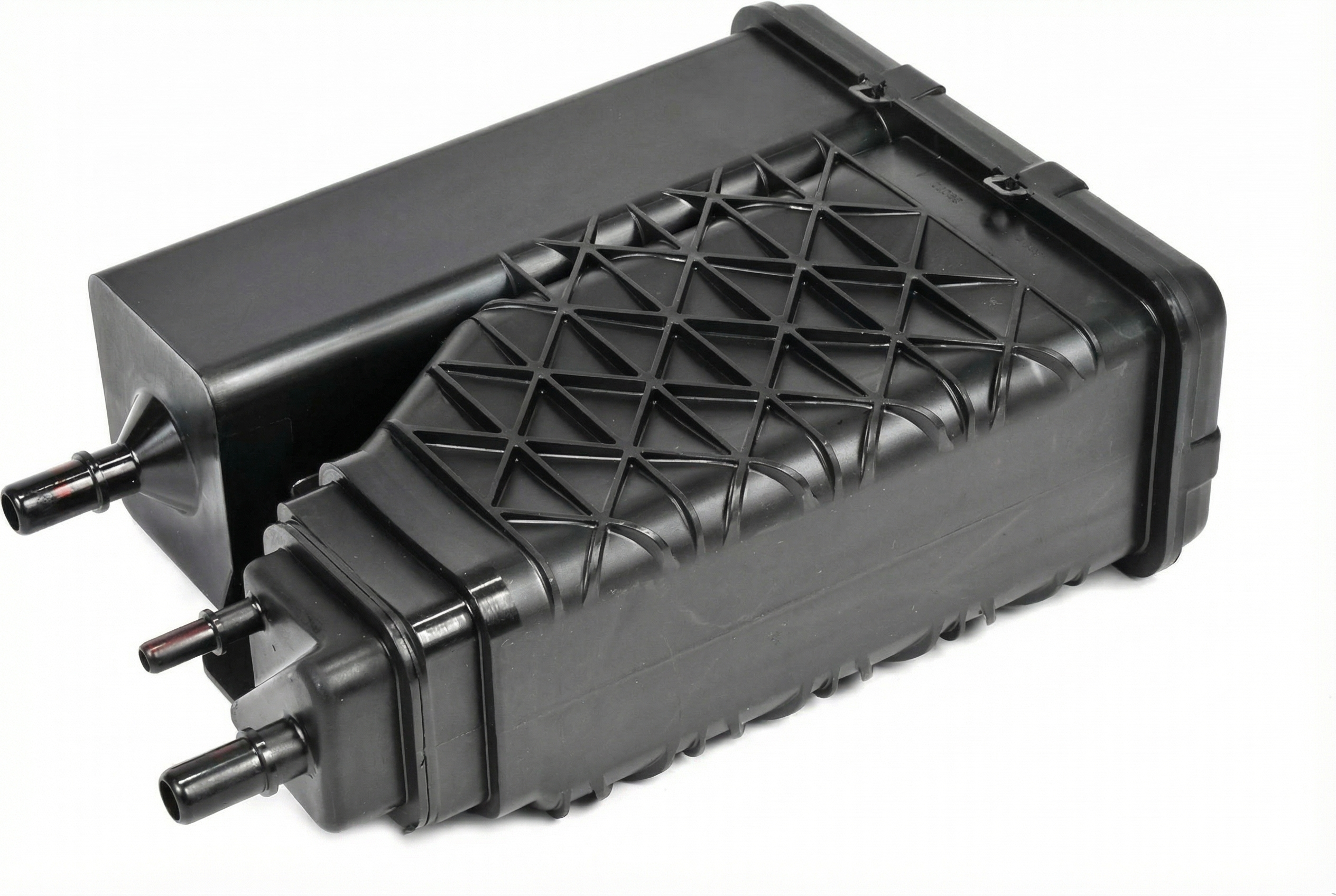
Aftermarket price range: $25-$50 - Vapor Canister
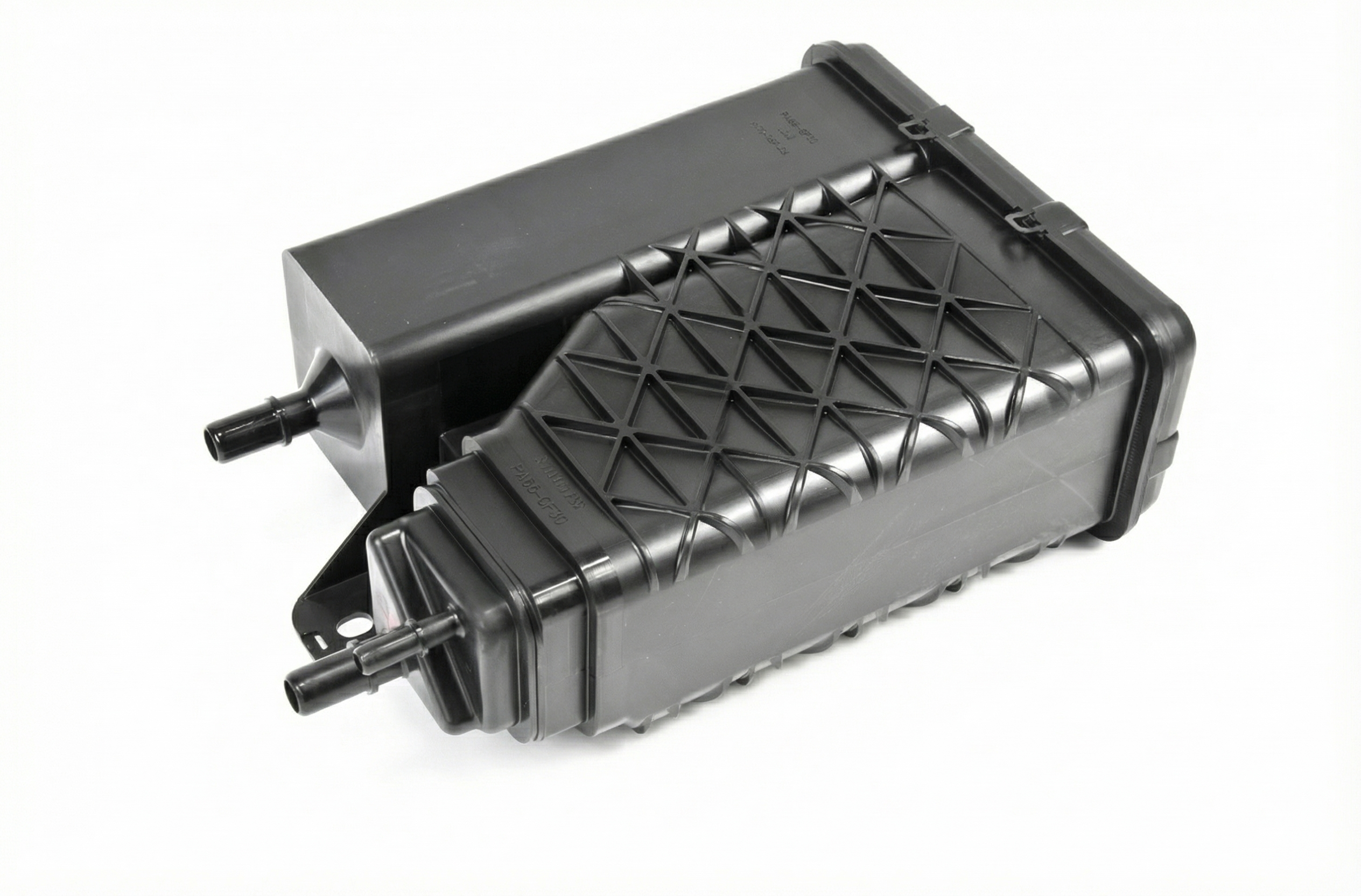
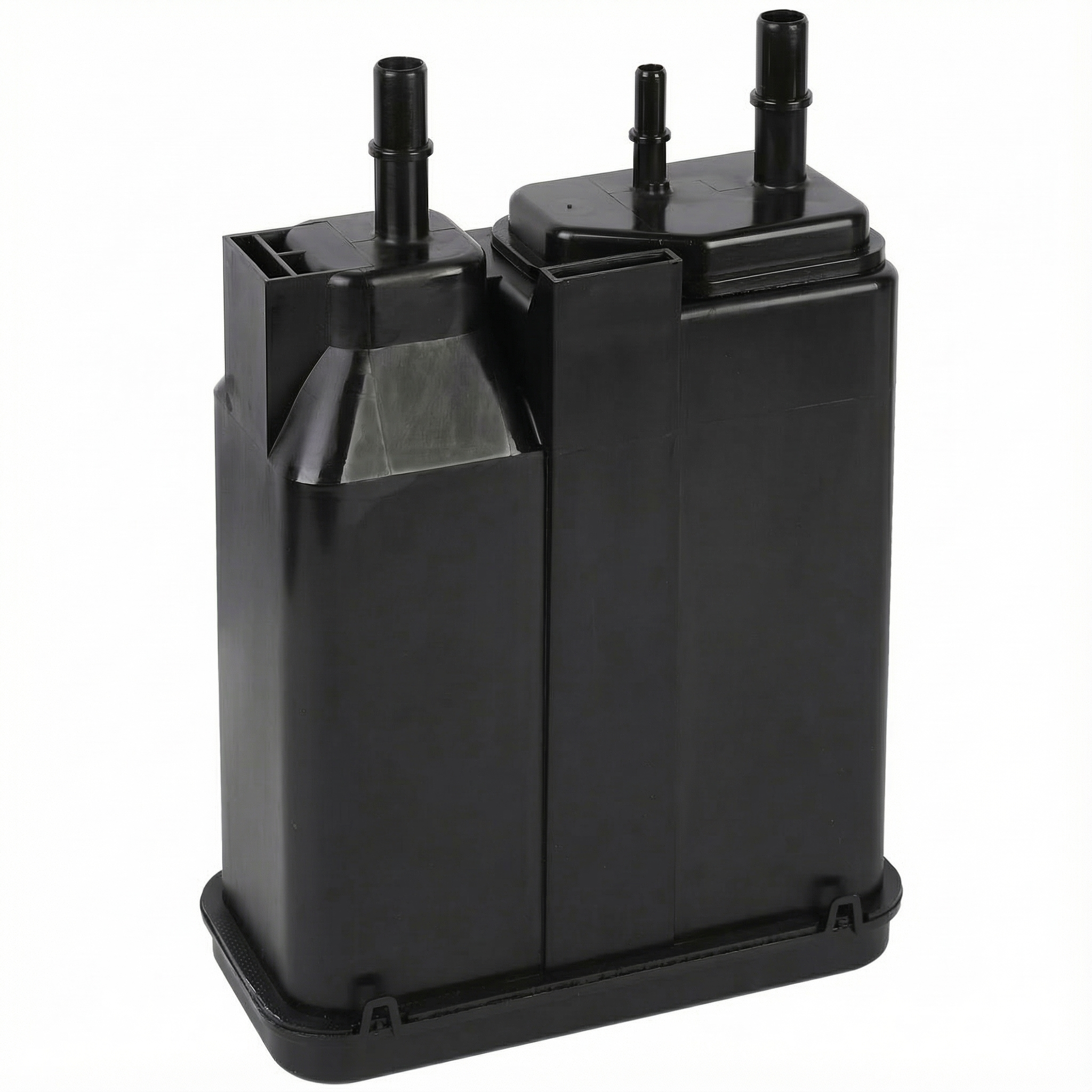
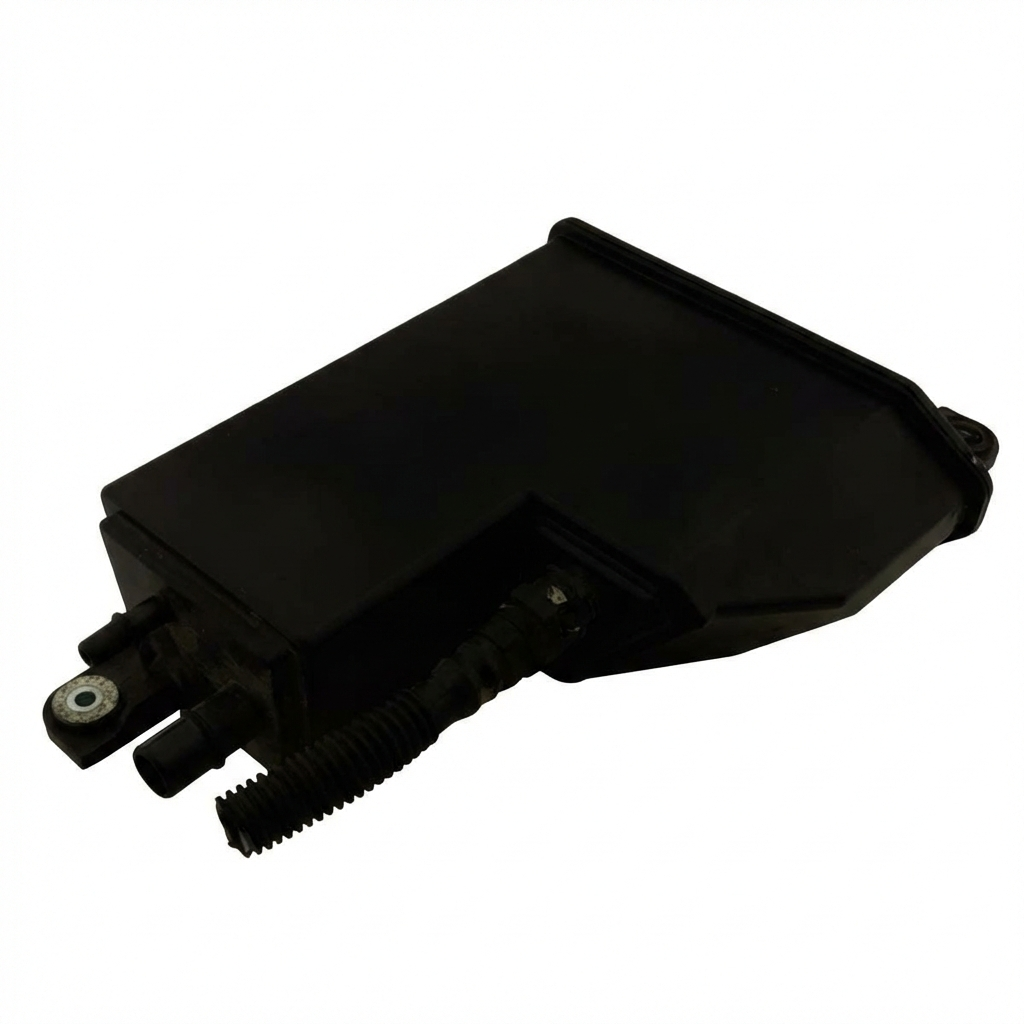
(OEM #84677984)— On these trucks, the canister can become clogged with dust and debris, as highlighted by a GM TSB. It can also become saturated with fuel if the vehicle is habitually overfilled, requiring replacement.
Trusted brands: ACDelco, GM Genuine Parts
OEM price range: $200-$300
Aftermarket price range: $150-$220 - EVAP Vent Filter Relocation Kit
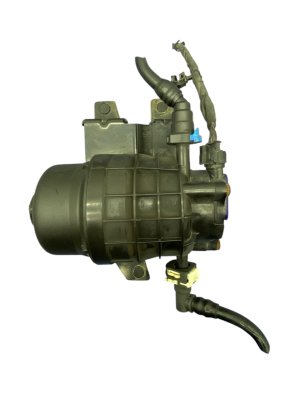
(OEM #The TSB specifies using generic hoses and clamps with a specific filter assembly, rather than a single kit part number.)— The official GM-recommended fix for the common dust-intrusion problem documented in TSB #23-NA-073. This moves the air intake for the EVAP system to a cleaner location.
Trusted brands: GM Parts, Aftermarket solutions
OEM price range: $50-$100
Aftermarket price range: $40-$80
Related Codes That Often Appear With This One
- P0449 — P0449 is another code for the EVAP Vent Solenoid Control Circuit. They are very similar and often point to the same faulty component or wiring issue.
- P0442 — P0442 (Small EVAP Leak) can appear if the vent valve is stuck partially open or if a blockage causes other parts of the system to fail under pressure.
- P0455 — P0455 (Large EVAP Leak) can be triggered if the vent valve is stuck open, creating a massive leak in the system from the computer's perspective.
Technical Service Bulletins (TSBs) & Recalls
- Bulletin #23-NA-073: Addresses customer concern of Evaporative DTCs P0442, P0446, P0455 or P0449, Caused by Dust Intrusion into the Evaporative Canister. It provides a procedure for retrofitting an external filter.
Platform-Specific Known Issues
- A known issue, documented in GM Technical Service Bulletin #23-NA-073, is the intrusion of dust into the evaporative canister, which can cause P0446 among other EVAP codes. This is particularly relevant for trucks used in dusty or off-road environments. The official fix is not a warranty item but a customer-pay 'alteration' that involves retrofitting an auxiliary filter into the vent line in a cleaner location.
Mechanic-Grade Diagnostic Values
- Fuel Tank Pressure (FTP) Sensor Voltage — expected: 1.3V to 1.7V with key on, engine off, and gas cap removed (atmospheric pressure).. Failure: Voltage is stuck at a fixed value (e.g., 0.2V, 2.2V, or 4.8V) and does not change when the gas cap is removed or when vacuum/pressure is applied during a bidirectional test.
- P0446 DTC Set Condition — expected: Fuel tank pressure remains near atmospheric when the vent path is open.. Failure: The PCM detects a vacuum level of less than -10 inches of H2O for 30 seconds during a vent path test.
Scan Tool Commands That Help
- GDS2 / Tech 2: EVAP Purge/Seal Test — This is a guided functional test to verify the entire system's integrity. The tool commands the purge and vent solenoids and monitors the FTP sensor to see if the system can build and hold vacuum, helping to isolate a leak or restriction.
- GDS2 / Tech 2: EVAP Vent Solenoid ON/OFF Command — Used to directly test the vent solenoid's mechanical function. A technician can command the solenoid on and off while listening for an audible click from the component, confirming the solenoid is receiving the command and is not mechanically seized.
- GDS2 / Tech 2: Service Bay Test — Located under 'Special Functions,' this test forces the EVAP monitor to run to confirm a repair without having to perform a full drive cycle. The fuel level must be between 15% and 85% for the test to initiate.
Wiring & Ground Locations
- FTP Sensor Harness — On top of the fuel tank, connecting to the fuel pump module.. All three wires for the FTP sensor (5V reference, low reference/ground, and signal) run directly to the Powertrain Control Module (PCM) without intermediate connectors, meaning a wiring fault would likely be near the sensor or the PCM.
- Vent Solenoid — At the rear of the truck, typically mounted on a frame crossmember near the charcoal canister and spare tire.. This is the component controlled by the 'vent circuit.' Its exposed location makes its wiring and connector susceptible to damage from road debris and corrosion.
Real Owner Repair Stories
- Wells Vehicle Electronics, YouTube (GMC Sierra (year not specified, but similar platform)) — Check Engine Light with code P0446.
❌ Tried (didn't work) A previous shop had quoted a vent solenoid replacement, which had already been replaced 2 years prior.
✅ What actually fixed it The Fuel Tank Pressure (FTP) sensor was faulty. It was stuck at 2.2V, which was not low enough to trigger a sensor-specific circuit code (P0452) but caused the PCM to incorrectly flag a vent performance issue (P0446). - Commenter on YouTube video (2006 Chevy Silverado (similar platform)) — Persistent P0446 code and inability to refuel without the nozzle clicking off.
❌ Tried (didn't work) Replacing the gas cap, Replacing the charcoal canister, Replacing the fuel tank pressure sensor, Replacing the vent valve (twice)
✅ What actually fixed it The owner disconnected all lines to the canister and vent valve and blew them out with a shop vac/compressor. This cleared a hidden debris blockage in the lines themselves, which finally resolved the code and refueling issue. - ANCEL Blog / Real-world case (2001 GMC Sierra (older but relevant principle)) — Persistent EVAP codes.
❌ Tried (didn't work) Replacing the gas cap, Replacing the purge valve, Replacing the vent valve
✅ What actually fixed it The final fix was replacing the fuel tank pressure sensor located on top of the fuel tank.
"I Checked Everything" — The Actual Cause
- A common scenario for P0446 is that the system passes a smoke test, indicating no leaks. The actual cause is often a faulty Fuel Tank Pressure (FTP) sensor. The sensor gets stuck and provides incorrect data to the PCM. When the PCM commands the vent valve to open, it expects to see a rapid change in pressure on the FTP sensor. If the sensor's reading is frozen, the PCM incorrectly concludes the vent path is blocked and sets code P0446, even though there are no leaks and the vent solenoid may be functioning perfectly.
OEM Part Supersession History
Multiple, including 10382080, 20995472, 25932566→23481275— Part has been revised and consolidated over many model years.
Heads up: This part number is generally for models up to 2019. 2020 and newer models use a different part.
Model Year Variations Within This Range
- 2016-2019 (K2XX Platform): These models typically use Vapor Canister Vent Solenoid P/N 23481275.
- 2020 (T1XX Platform): The 2020 model year marked a new generation. For the 6.6L gas engine, the vent solenoid part number changes to 84613097. Additionally, TSB #23-NA-073 regarding dust intrusion is specifically targeted at 2020 and newer models, suggesting a higher susceptibility or a change in the vent intake design.
Helpful Videos
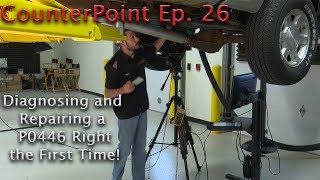
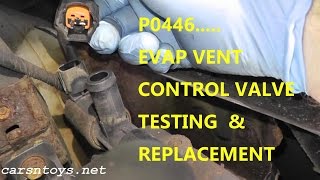
We Have This Part in Stock

The information in this article is provided for general reference and educational purposes only. Vehicle specifications, procedures, and part compatibility can vary by production date, trim level, and region. Always consult your vehicle's factory service manual and verify part numbers before purchasing or performing repairs. Safety-critical components such as airbags, seat belts, and braking systems should be installed by a qualified professional.
- Gmc SIERRA 2500:
- 🎬 Helpful Videos
- 🛍️ Shop This Part
- What's Unique About the 2016-2020 Gmc SIERRA 2500
- Diagnostic Flowchart
- Symptoms You May Notice
- Most Likely Causes
- Rare But Worth Checking
- Diagnosis Steps
- Parts You'll Likely Need
- Related Codes That Often Appear With This One
- Technical Service Bulletins (TSBs) & Recalls
- Platform-Specific Known Issues
- Mechanic-Grade Diagnostic Values
- Scan Tool Commands That Help
- Wiring & Ground Locations
- Real Owner Repair Stories
- "I Checked Everything" — The Actual Cause
- OEM Part Supersession History
- Model Year Variations Within This Range
- 🎟️ Get 5% Off