

P0446 on 2013-2017 Chevrolet Trax: Causes and Fixes for EVAP Vent Control
On a 2013-2017 Chevy Trax and its platform-mates (Buick Encore, Chevy Sonic), code P0446 is overwhelmingly caused by spider nests blocking the EVAP canister's fresh air inlet. This is a well-documented issue confirmed by GM Technical Service Bulletins. The standard fix is to inspect for the blockage and replace the entire EVAP canister assembly (Part No. 95128163). Expect to pay ~$135 for an OEM canister.
- For a 2013-2017 Chevy Trax, Buick Encore, or Chevy Sonic, P0446 is very likely caused by spider nests clogging the EVAP canister.
- The first diagnostic step should be a visual inspection of the EVAP canister's vent port for blockages, located ahead of the rear driver's side wheel.
- The official GM-recommended fix is to replace the entire EVAP canister assembly (Part No. 95128163), not just clean it.
- A primary symptom, besides the CEL, is the gas pump nozzle repeatedly clicking off during refueling.
- This repair is accessible for a DIYer with basic tools and can save significant labor costs, as confirmed by owner forum posts.
What's Unique About the 2013-2017 Chevrolet TRAX

Unlike many vehicles where P0446 points to a simple bad vent solenoid, the 2013-2017 Chevrolet Trax, Buick Encore, and Chevy Sonic have a well-documented, peculiar issue. Manufacturer Technical Service Bulletins (TSBs #17-NA-383 and #PIC6250B) confirm that spiders are known to build nests in the fresh air inlet of the EVAP canister. This specific type of blockage is the most probable cause for this code on this platform, often leading to a direct recommendation to replace the entire canister assembly rather than just the valve or attempting to clean it.
Diagnostic Flowchart
Tap your situation to follow the diagnostic path that matches what you're seeing on this vehicle.
Symptoms You May Notice
- Check Engine Light is on
- Gas pump nozzle clicks off repeatedly or prematurely when trying to fill the tank
- Difficulty starting the engine immediately after refueling
- A faint fuel odor near the rear of the vehicle
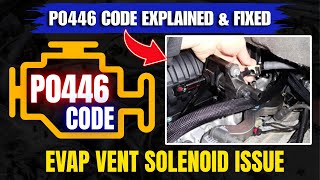
- Replacing the gas cap. While a faulty gas cap can cause other EVAP codes (like P0455 or P0457 for leaks), P0446 specifically points to a problem with the vent control circuit 🎬 See this video for a deep dive into P0446 causes. or a blockage, not a system-wide leak that a gas cap would cause.
Most Likely Causes

- Spider Nest or Debris Blocking EVAP Canister Vent 🔴 High Probability As confirmed by GM Technical Service Bulletins #17-NA-383 and #PIC6250B, the design of the EVAP canister's fresh air inlet on the Trax, Encore, and Sonic is highly susceptible to being blocked by spider nests and egg sacs.
How to confirm: Visually inspect the fresh air inlet port on the EVAP canister, which is located under the vehicle, just ahead of the rear driver's side wheel. Remove the vent cap and look inside the port for webs, nests, or other debris. The TSB includes images for reference.
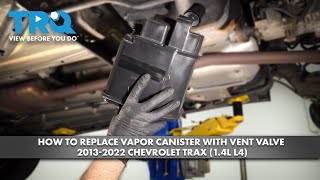
Typical fix: Replace the entire EVAP canister assembly (GM Part No. 95128163). 🎬 Watch: Step-by-step guide to replacing the Trax vapor canister. Cleaning is not recommended by GM as it is often insufficient or temporary.
Est. part cost: $130-$230 - Faulty EVAP Vent Solenoid/Valve 🟡 Medium Probability While less common than the spider issue on this platform, the solenoid is an electromechanical part that can fail over time by getting stuck or having an internal electrical short. On the Trax, the solenoid is integrated into the canister assembly, so a failed solenoid also requires replacing the entire canister.
How to confirm: If no blockage is found, test the solenoid. Use a capable scan tool to command the valve to open and close, listening for an audible click. You can also apply 12V power and a ground directly to the solenoid's pins to see if it actuates.
Typical fix: Replace the EVAP canister assembly, as the solenoid is not sold separately for this application.
Est. part cost: $130-$230 - Clogged or Damaged EVAP Hoses ⚪ Low Probability Road debris or dirt, especially in dusty environments, can clog the vent hose leading to the canister. Hoses can also become brittle and crack over time.
How to confirm: Visually inspect all hoses connected to the EVAP canister and vent solenoid for cracks, kinks, or blockages. A smoke test is the most effective way to identify hard-to-see cracks or restrictions.
Typical fix: Replace the damaged section of hose or clear the blockage. Be careful not to push debris further into the canister.
Est. part cost: $10-$30 - Wiring Issue in the Vent Solenoid Circuit ⚪ Low Probability The wiring harness runs underneath the vehicle and is exposed to the elements, making it susceptible to corrosion, chafing, or damage from road debris.
How to confirm: Check for 12V power and ground at the vent solenoid connector with a multimeter (key on, engine off). Inspect the wiring harness for any visible breaks, corrosion, or short circuits, paying close attention to where it is secured to the frame.
Typical fix: Repair the damaged section of the wiring harness.
Est. part cost: $5-$50
Rare But Worth Checking
- Faulty Fuel Tank Pressure (FTP) Sensor:
Diagnosis Steps
- Read the code with an OBD-II scanner to confirm P0446 is present.
- Check for official Technical Service Bulletins (TSBs). For the Trax, TSBs #17-NA-383 and #PIC6250B point directly to spider nests in the EVAP canister as the primary cause.
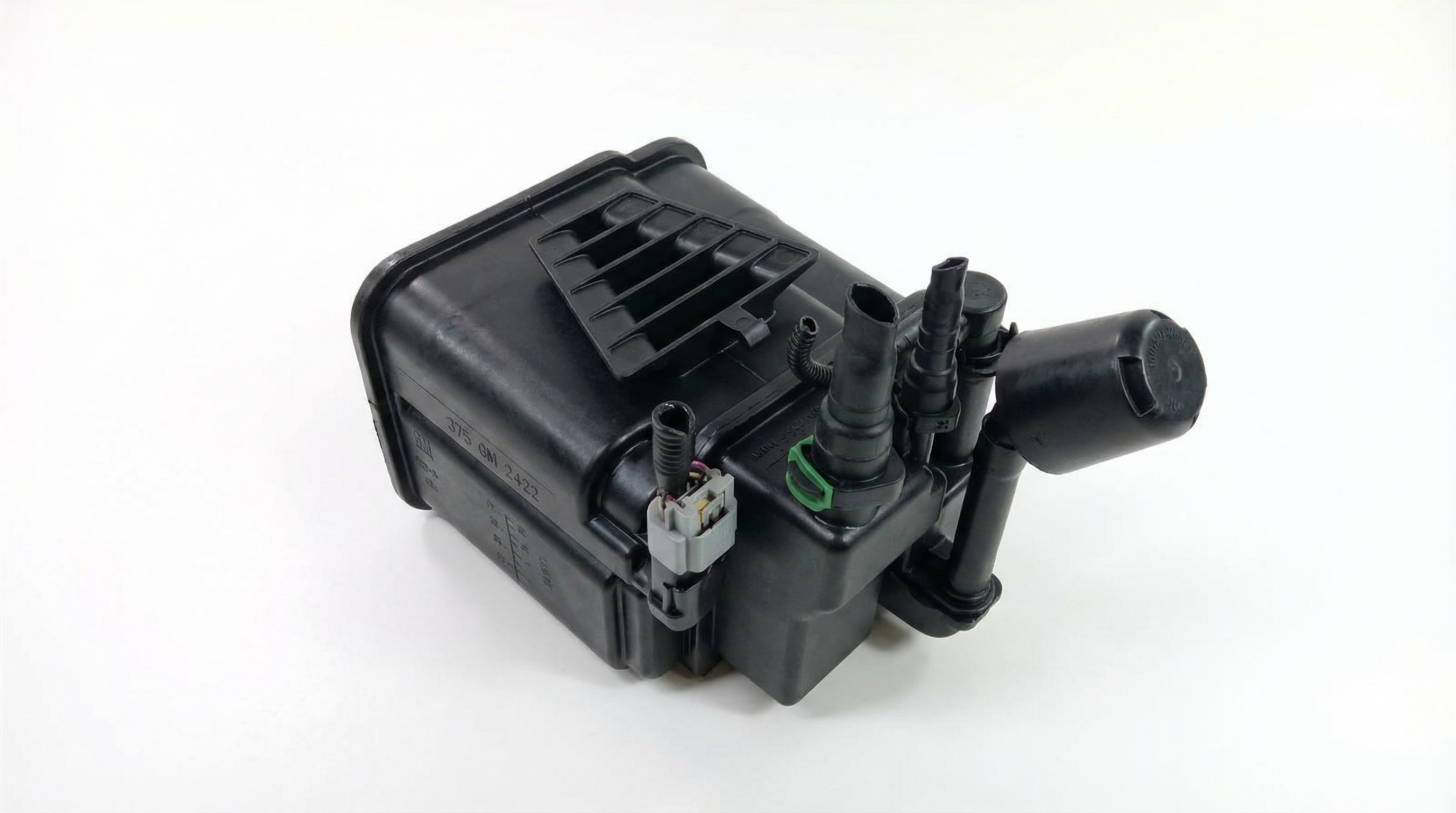
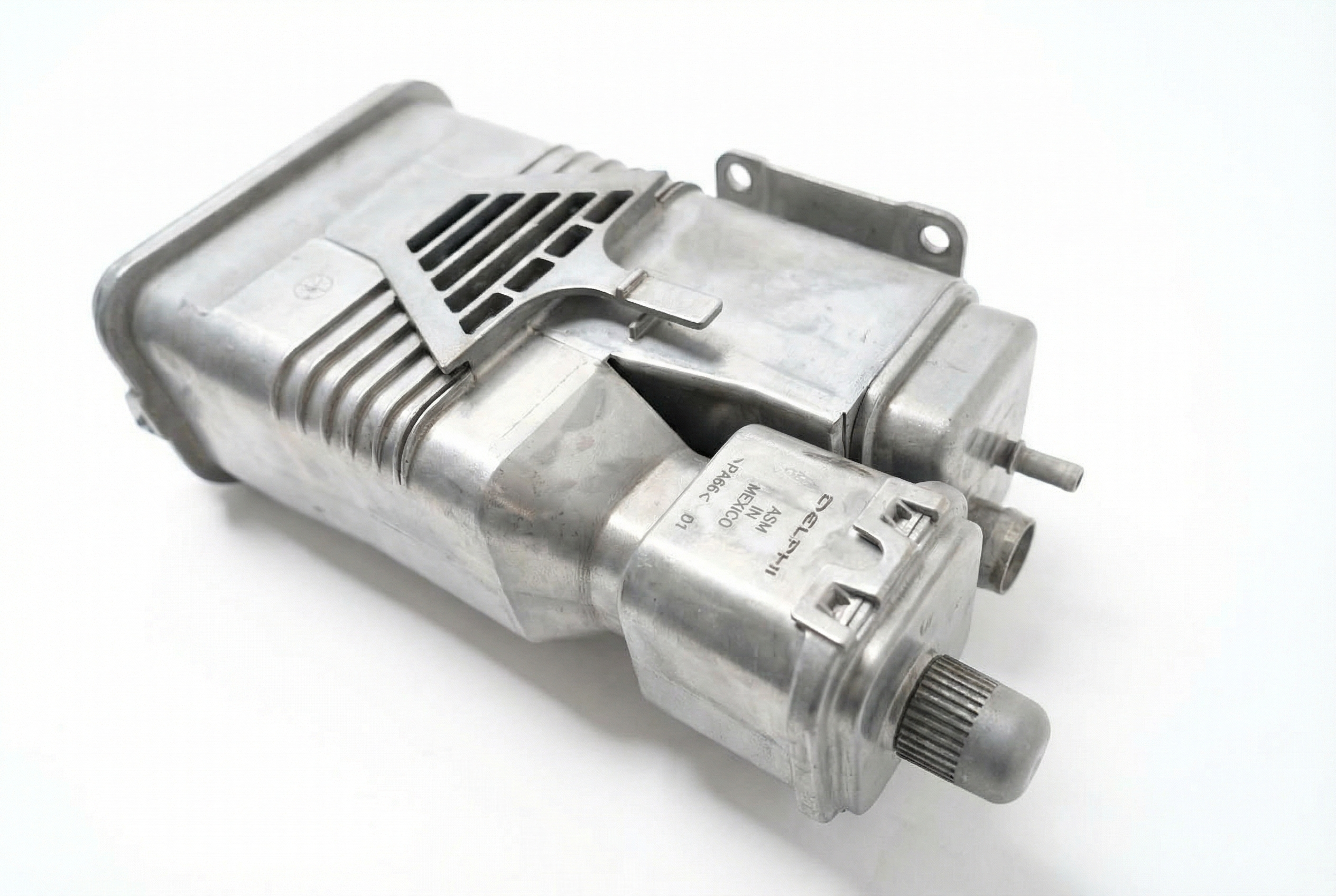
- Safely raise the vehicle. Locate the EVAP canister assembly. It is a black plastic box located under the vehicle, just forward of the rear driver's side wheel.
- Disconnect the vent hose from the canister and thoroughly inspect the canister's fresh air inlet port for spider webs, egg sacs, dirt, or other debris.
- If a blockage is found, the official and most effective fix is to replace the entire EVAP canister assembly (Part No. 95128163) as per the TSB.
- If no blockage is visible, inspect the vent solenoid's electrical connector and wiring for damage, corrosion, or looseness.
- Test the integrated vent solenoid. Use a bi-directional scan tool to command it open and closed, listening for a click. Alternatively, apply 12V power and ground to the terminals to check for actuation.
- If the solenoid doesn't operate, replace the canister assembly.
- If the solenoid works, inspect the attached hoses for kinks, cracks, or blockages. A smoke test can be performed to find elusive leaks or restrictions.
- After repair, clear the code with the scanner and perform a complete EVAP drive cycle to ensure the Check Engine Light does not return.
Parts You'll Likely Need

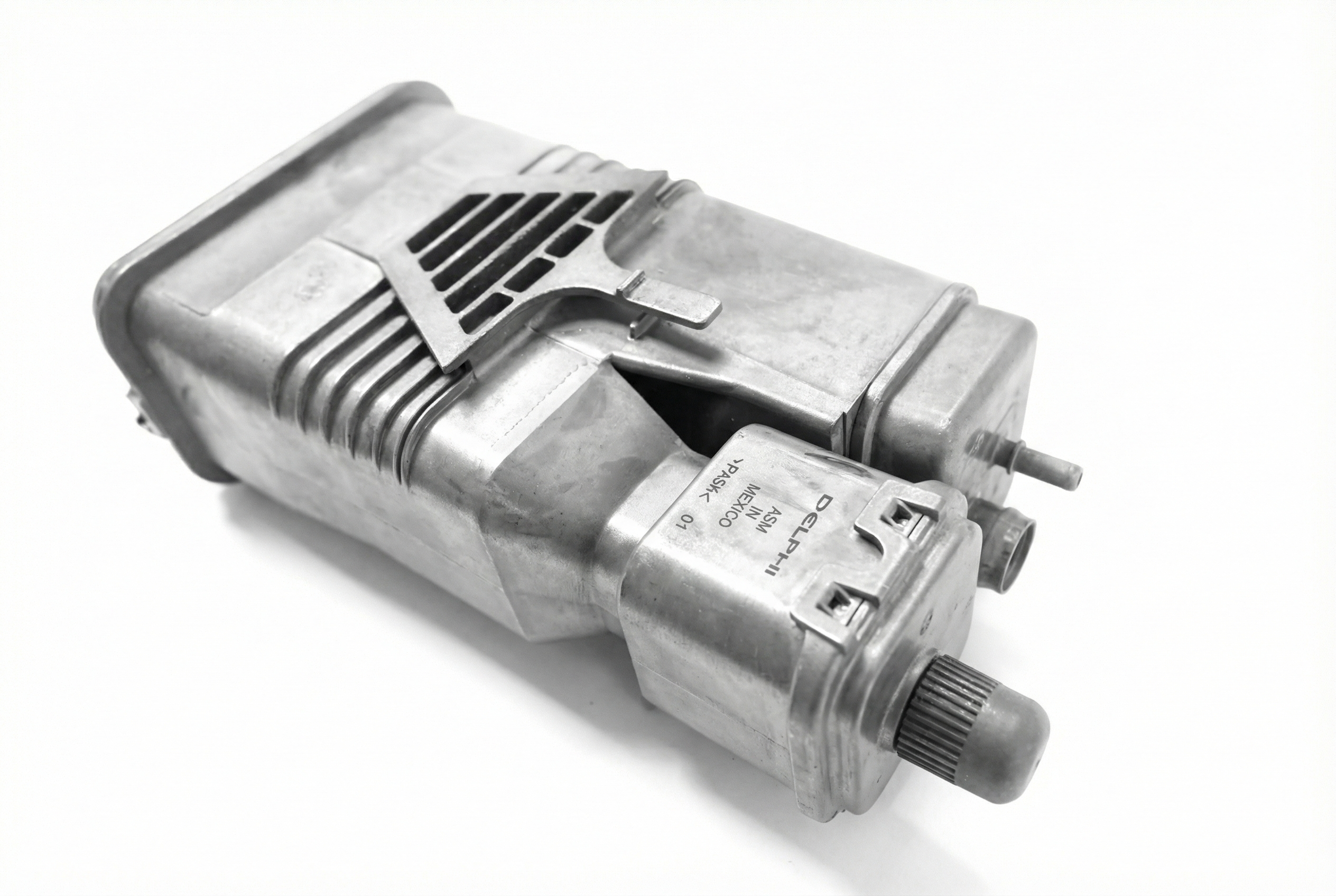
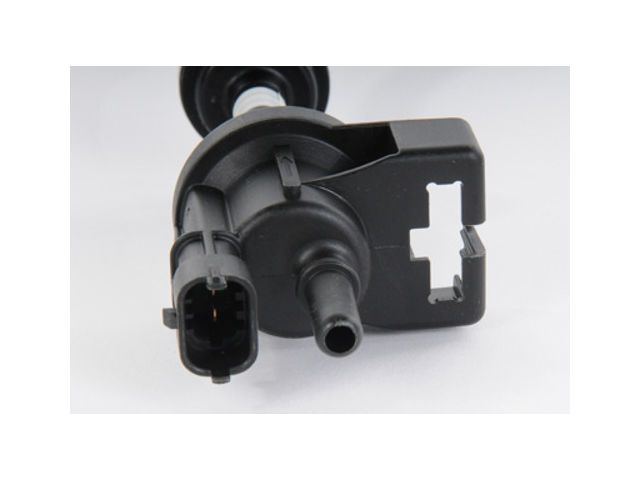
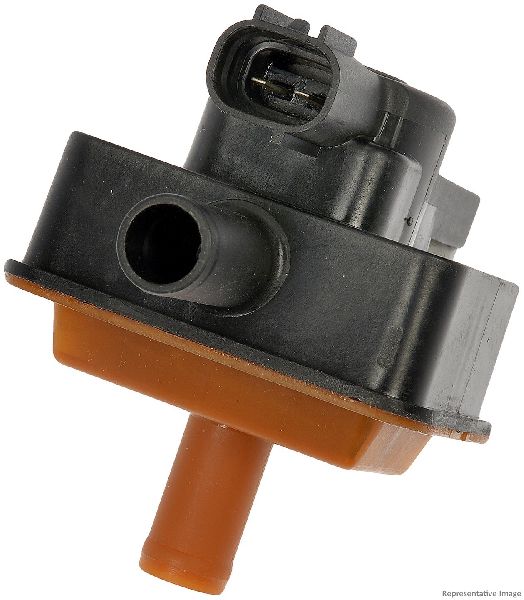
- EVAP Vapor Canister
(OEM #95128163)— This is the most common and GM-recommended fix for P0446 on the Trax/Encore due to the high probability of internal blockage from spider nests, as cited in GM TSBs #17-NA-383 and #PIC6250B. The vent solenoid is integrated into this part.
Trusted brands: ACDelco (GM Genuine), Dorman
OEM price range: $135-$160
Aftermarket price range: $100-$225
Related Codes That Often Appear With This One
- P0455 — This code for a 'Gross EVAP Leak' is often seen with P0446. TSB #17-NA-383 for the Trax specifically mentions that the spider nest blockage can trigger either P0446 or P0455. The computer may interpret the severe restriction as a large leak when it fails its pressure/vacuum tests.
Technical Service Bulletins (TSBs) & Recalls
- 17-NA-383: 'Malfunction Indicator Lamp (MIL) Illuminated with DTC P0446 or P0455 Set.' This bulletin supersedes PIC6250B and confirms the cause is a restriction from spiders and the fix is canister replacement.
- PIC6250B: 'Check engine light- P0446- Check EVAP canister for restriction.' This earlier bulletin identifies the spider nest issue and lists the specific part number for the Trax/Encore canister (95128163).
Platform-Specific Known Issues
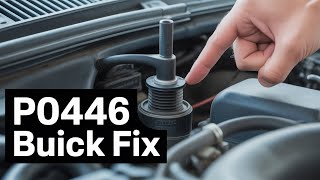
- TSB #17-NA-383 & #PIC6250B: Spider Nest Blockage: General Motors issued these bulletins specifically addressing P0446 (and P0455) on the 2013-2017 Trax, 2013-2017 Buick Encore, and 2012-2017 Chevy Sonic. 🎬 Watch: Understanding the unique Buick and Chevy EVAP system design. The bulletins state the cause is a 'Restriction in fresh air inlet port caused by spiders.' The official repair procedure is to inspect and, if nests are found, replace the EVAP canister.
Mechanic-Grade Diagnostic Values
- EVAP Vent Solenoid Control Wire Voltage (Key On, Engine Off, Solenoid Commanded OFF) — expected: ~12V (Battery Voltage). Failure: A reading of 0V indicates an open circuit or a short to ground in the wiring harness or a faulty ECM driver.
- EVAP Vent Solenoid Control Wire Voltage (Key On, Engine Off, Solenoid Commanded ON) — expected: ~0V. Failure: A reading that stays at 12V indicates the ECM is not grounding the circuit, or there is an open in the control wire.
Hidden / Shadow Codes Worth Checking
- EVAP Vent Solenoid Circuit Status (Live Data PID): Some advanced scan tools (like the GM GDS2) can display a specific live data parameter for the circuit's status as interpreted by the ECM. (see via This parameter may show text like 'OK,' 'Open,' or 'Short to Ground,' providing a direct diagnostic clue without needing a multimeter.)
Scan Tool Commands That Help

- GM GDS2 / Tech 2 or equivalent professional scanner: EVAP Service Bay Test — This function forces the EVAP system to run its internal diagnostic tests in the shop, sealing the system and checking for pressure changes. It is used to verify a repair is successful without having to perform a lengthy, multi-day drive cycle.
- Bidirectional OBD-II Scanner: EVAP Vent Valve/Solenoid Control — This command allows the technician to manually toggle the vent solenoid on and off. It is used to listen for an audible 'click' from the solenoid and to test the electrical circuit's voltage response with a multimeter.
Wiring & Ground Locations
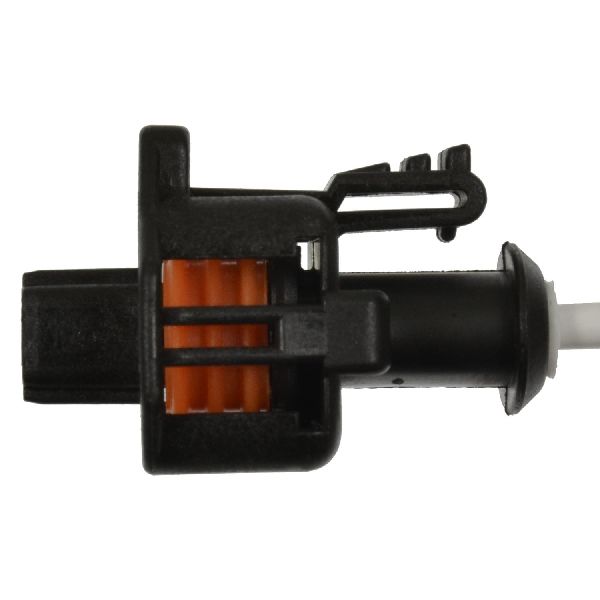
- EVAP Canister Connector — On the EVAP canister, located under the vehicle just ahead of the rear driver's side wheel.. This 2-pin connector provides power and ground control to the integrated vent solenoid. One pin is the 12V feed (often a Pink wire on GM vehicles), and the other is the control wire (often White) that the ECM grounds to close the valve.
- Chassis Ground (G400-series) — GM vehicles typically use ground points designated G4xx for the rear of the vehicle frame. While a specific Trax diagram is not available, look for a bolt on the frame rail near the EVAP canister where multiple black wires are terminated.. A corroded or loose chassis ground can cause intermittent or complete failure of any component grounded to it, including the EVAP system. This can lead to a P0446 circuit code even if the component and wiring are otherwise intact.
Real Owner Repair Stories
- Chevy Trax Forum user (2015 Chevrolet Trax, ~80,000 miles) — Check Engine Light with code P0446, gas pump nozzle clicked off constantly during refueling.
❌ Tried (didn't work) Initially considered other causes but forum advice pointed directly to the TSB.
✅ What actually fixed it Owner purchased an ACDelco vapor canister (part #95128163) and replaced it themselves. The repair resolved both the P0446 code and the refueling problem, confirming the TSB's accuracy.
"I Checked Everything" — The Actual Cause
- A smoke test is designed to find leaks (which set codes like P0442 or P0455). Code P0446 is for a vent restriction or circuit fault. Therefore, a smoke test that comes back 'clean' (no leaks found) when a P0446 is present is an expected result and strongly points the diagnosis away from leaks and towards the two most likely causes: a physical blockage inside the EVAP canister (the spider nest issue) or an electrical problem in the vent solenoid control circuit.
When the Usual Fixes Don't Work
- While the overwhelming majority of P0446 cases on the 2013-2017 Trax are caused by the spider nest blockage described in GM's TSBs, a small number of cases are resolved by addressing other issues. These are typically electrical faults, such as a broken wire in the harness leading to the canister, a corroded chassis ground point near the rear of the vehicle, or, in very rare instances, a faulty Fuel Tank Pressure (FTP) sensor giving the ECM illogical data. These cases do not disprove the TSB but represent the next diagnostic steps if a visual inspection of the canister vent reveals no blockage.
OEM Part Supersession History
95128163→42933886 or 42782039— Parts are often superseded to improve design, change suppliers, or consolidate inventory. It is unknown if the new part numbers specifically address the spider nest issue, but it is a possibility.
Heads up: Multiple sources show different supersession numbers. It is critical to verify the correct, most current part number with a GM dealer using the vehicle's VIN before ordering.
Model Year Variations Within This Range
- 2013-2017: Within the 2013-2017 model years covered by the TSBs, there are no significant documented variations in the EVAP system or the P0446 cause. The 1.4L LUV engine and associated EVAP canister (95128163) were used consistently. The 2017 model year did receive a facelift, but the underlying powertrain and emissions components related to this code remained the same.
Helpful Videos
Used OEM Parts in Stock

New Aftermarket Parts Available



The information in this article is provided for general reference and educational purposes only. Vehicle specifications, procedures, and part compatibility can vary by production date, trim level, and region. Always consult your vehicle's factory service manual and verify part numbers before purchasing or performing repairs. Safety-critical components such as airbags, seat belts, and braking systems should be installed by a qualified professional.
- Chevrolet TRAX:
- 🎬 Helpful Videos
- 🛍️ Shop This Part
- What's Unique About the 2013-2017 Chevrolet TRAX
- Diagnostic Flowchart
- Symptoms You May Notice
- Most Likely Causes
- Rare But Worth Checking
- Diagnosis Steps
- Parts You'll Likely Need
- Related Codes That Often Appear With This One
- Technical Service Bulletins (TSBs) & Recalls
- Platform-Specific Known Issues
- Mechanic-Grade Diagnostic Values
- Hidden / Shadow Codes Worth Checking
- Scan Tool Commands That Help
- Wiring & Ground Locations
- Real Owner Repair Stories
- "I Checked Everything" — The Actual Cause
- When the Usual Fixes Don't Work
- OEM Part Supersession History
- Model Year Variations Within This Range
- 🎟️ Get 5% Off