

P0443 on 2013-2018 Nissan Altima: EVAP Purge Valve Circuit Causes and Fixes
For a 2013-2018 Nissan Altima, code P0443 almost always points to a faulty EVAP canister purge solenoid valve located on the engine. Expect to pay around $40-$100 for an aftermarket part or $200+ for OEM. Replacement is simple (DIY difficulty 2/5) and is the most common fix.
- P0443 on a 2013-2018 Altima is an electrical circuit code, not a leak code.
- The most likely culprit is a bad EVAP purge solenoid valve located on the engine, which is a common failure item across many Nissan and Infiniti models.
- Diagnosis is straightforward with a multimeter by checking the valve's resistance (expect 15-38 ohms) and verifying power at the connector.
- Do not replace the gas cap for this code; it is not the cause.
- Replacement is a simple DIY job that can be completed in under an hour with basic tools.
- In very rare cases where the valve and wiring are confirmed good, the ECM itself can be the cause.
What's Unique About the 2013-2018 Nissan Altima

While P0443 is a generic code, on Nissan platforms like the Altima, it is a very common trouble code that strongly points to the failure of the purge solenoid valve itself. Unlike some other vehicles where wiring or other components are equally suspect, the purge valve is the primary failure point on these models. The issue is consistent across the entire 2013-2018 (L33) generation and shared with other Nissan vehicles using the same engines and part.
Symptoms You May Notice
- Check Engine Light is on.
- Rough idle or stalling, especially if the valve is stuck open.
- Slightly reduced fuel economy.
- A faint fuel odor near the vehicle.
- Vehicle will not pass an emissions inspection.
- Difficulty starting the engine.
- Replacing the gas cap. A loose or faulty gas cap will typically cause EVAP leak codes like P0455 or P0457, not a circuit code like P0443.
- Replacing the EVAP canister or vent valve. These components are located near the fuel tank and have their own specific trouble codes (e.g., P0448 for the vent valve). P0443 specifically points to the purge valve circuit on the engine side.
Most Likely Causes

- Faulty EVAP Purge Solenoid Valve 🔴 High Probability The solenoid coil can fail electrically (open or short circuit) or the internal valve can become stuck over time, which is a common failure mode for this part on many Nissan vehicles. This part is known to fail frequently across a wide range of Nissan models that use it.
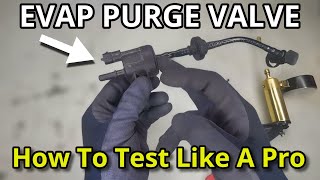
How to confirm: Locate the valve on the engine near the intake manifold. With the engine off, disconnect the electrical connector and test the resistance across the two pins with a multimeter; a reading of infinity (OL) 🎬 See this step-by-step video on testing the solenoid with a multimeter. or zero ohms indicates a failed coil. A normal reading for a Nissan purge valve is often in the range of 15-38 ohms. You can also briefly apply 12V directly to the pins to listen for an audible 'click'; no click means the valve is mechanically stuck.
Typical fix: Replace the EVAP purge solenoid valve.
Est. part cost: $40-$230 - Damaged Wiring or Connector 🟡 Medium Probability
How to confirm: Visually inspect the wiring harness and connector leading to the purge solenoid for any signs of cracking, fraying, melting, or corrosion on the pins. Use a multimeter to check for battery voltage (approx. 12V) on the power wire (often Yellow on Nissans) with the ignition on. Check for continuity on the ground wire (often Tan) back to the ECM. A break or short in this wiring will trigger P0443.
Typical fix: Repair the damaged section of the wire or clean/replace the connector.
Est. part cost: $5-$30 - Blown Fuse ⚪ Low Probability
How to confirm: Check the vehicle's fuse box diagram (often in the engine bay) for the fuse related to the emissions or EVAP system. Pull the fuse and visually inspect if it has blown. If no power is reaching the purge valve connector, a blown fuse is a likely cause.
Typical fix: Replace the blown fuse. If it blows again, a short circuit exists in the purge valve circuit that must be diagnosed.
Est. part cost: $1-$5
Rare But Worth Checking
- Faulty Engine Control Module (ECM): This is rare, but if the valve, wiring, and fuse are all confirmed to be good, the driver circuit within the ECM may have failed. This should be the last component to suspect. There are documented cases on forums where after replacing all other components, a faulty ECM was the confirmed root cause.
Diagnosis Steps

- Scan the vehicle with an OBD-II scanner to confirm P0443 is the primary code. Read freeze frame data to understand engine conditions when the fault occurred.
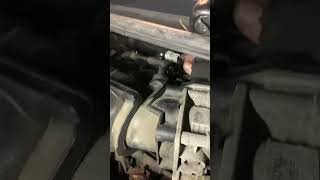
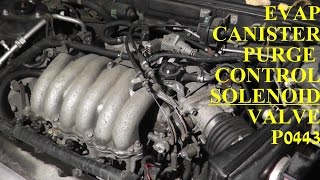
- Locate the EVAP purge solenoid valve on the engine. On the 2.5L and 3.5L Altima, it is typically mounted on or near the intake manifold with two hoses and a 2-pin electrical connector.
- Inspect the electrical connector and wiring going to the valve for any visible damage, corrosion, or loose connections.
- Check the fuse for the EVAP system in the fuse box. If it's blown, replace it and see if the code returns.
- Disconnect the connector. Use a multimeter to check for battery voltage on one of the pins in the harness-side connector with the ignition on. One wire (often yellow) should have constant power.
- Test the valve itself. Measure the resistance between the two pins on the valve. A normal reading is typically between 15-38 ohms. An open circuit (OL) or short (0 ohms) means the valve is bad.
- If resistance is okay, you can briefly apply 12V and a ground to the valve's pins to listen for a distinct click. No click means the valve is mechanically stuck.
- If the valve and wiring seem good, the problem may be a rare ECM failure. This was confirmed by some owners at dealerships after all other components checked out.
Parts You'll Likely Need
- EVAP Canister Purge Solenoid Valve
(OEM #14935-JF00E (supersedes 14935-JF00A, 14935-JF00B))— This is the most common failure point for code P0443 on this vehicle, due to either electrical failure of the coil or the valve becoming stuck.
Trusted brands: Nissan (OEM), Dorman (e.g., 911-503, 911-504), Standard Motor Products (e.g., CP759), Hitachi, CARQUEST (e.g., CPC1211)
OEM price range: $200-$230
Aftermarket price range: $30-$110
Related Codes That Often Appear With This One
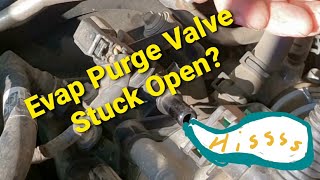
- P0171 — If the purge valve is stuck open, it creates a vacuum leak, allowing unmetered air into the intake manifold. 🎬 Watch how a leaking purge valve causes lean mixture codes. This can cause the engine to run lean, triggering a 'System Too Lean (Bank 1)' code.
- P0444 — This code for 'EVAP Purge Control Valve Circuit Open' can appear if you disconnect the valve's electrical connector to test it with the ignition on. It confirms the ECM is monitoring the circuit.
Platform-Specific Known Issues
- Aftermarket Part Quality Varies: While aftermarket purge valves from brands like Dorman are significantly cheaper, some owners on forums like 'BobIsTheOilGuy' have reported premature failures or fitment issues with Dorman parts in general, though many use them without issue. For peace of mind, OEM is often recommended despite the higher cost.
Mechanic-Grade Diagnostic Values
- EVAP Canister Purge Volume Control Solenoid Valve Resistance — expected: Approximately 33.4 Ω at 25°C (77°F). Failure: A reading of infinity (open circuit) or near zero ohms (short circuit).
- Voltage at Purge Valve Connector (Harness Side) — expected: Pin 1 (Yellow wire): Battery voltage with ignition ON. Pin 2 (Tan wire): This is the ground-side control from the ECM. Voltage will vary based on ECM duty cycle command, but should show near 0V when the valve is commanded OFF and fluctuate when commanded ON.. Failure: No voltage on Pin 1 indicates a power supply issue (fuse, relay, or wiring). No change on Pin 2 during an active test points to a wiring or ECM driver issue.
Scan Tool Commands That Help
- Nissan CONSULT (or advanced aftermarket scanners): Active Test: 'PURGE VOL CONT/V' — This bidirectional command allows the technician to manually open the purge valve in controlled increments (e.g., 0%, 25%, 50%) while the engine is running. It is used to verify that the ECM can control the valve and that the valve responds mechanically. A change in engine RPM or short-term fuel trim should be observed when the valve is opened, confirming its operation.
Wiring & Ground Locations

- ECM Connector M29, Pin 4 — This is the specific pin on the main ECM harness connector that provides the ground-side control signal to the purge valve (Tan wire). The ECM is located behind the glove box.. If the valve and its power supply are good, a continuity test from Pin 2 at the valve connector to Pin 4 at the M29 connector can confirm if the control wire is intact. A break in this wire is a common cause of P0443 that isn't the valve itself.
- Fuse 15 (10A) — Located in the fuse block inside the vehicle, often referred to as the Junction Box (J/B).. This fuse provides power to the EVAP Canister Purge Volume Control Solenoid Valve. While a blown fuse is uncommon without a short circuit, it is a critical and simple check. If this fuse is blown, the valve will have no power at Pin 1.
Real Owner Repair Stories
- NICOclub Forums (2013 Nissan Altima 2.5L) — Check Engine Light with code P0443.
❌ Tried (didn't work) Replaced the EVAP purge solenoid valve twice (once with aftermarket, once with OEM)., Checked for voltage at the valve connector (found 12V)., Checked continuity of the wiring harness between the valve and the ECM.
✅ What actually fixed it The Engine Control Module (ECM) was faulty. After replacing the ECM and having the dealer program it, the code was resolved. The owner noted the part cost was ~$800 and labor for programming was ~$120. This confirms that in rare cases where all other components and wiring are verified good, the ECM's internal driver circuit can be the root cause.
OEM Part Supersession History
14935-JF00A→14935-JF00B, 14935-JF00C, 14935-JF00D, and finally 14935-JF00E— Standard part evolution for improved reliability or manufacturing process changes. The high number of revisions suggests Nissan was aware of issues with earlier versions of the valve.
Heads up: All superseded parts (A, B, C, D) are fully replaced by 14935-JF00E. While an older version might be found, installing the latest revision (JF00E) is highly recommended for longevity.
Model Year Variations Within This Range
- 2013-2018: No significant variations have been documented for the P0443 code diagnosis on the L33 Altima. The purge valve part number, its location, and the diagnostic procedure remained consistent across the 2016 model year facelift for both the 2.5L (QR25DE) and 3.5L (VQ35DE) engines.
Diagnostic Flowchart
Used vs. New Parts: Buying Guide for This Vehicle
When a used part is the smart pick: For this specific repair, a used part is NOT recommended. The EVAP purge solenoid is a known high-failure item with multiple OEM part revisions. A used part from a salvage yard has an unknown history and a high probability of either being faulty already or failing shortly after installation.
What to inspect on the donor part:
- Not applicable as used parts are not advised for this component.
OEM-only on this vehicle (don't cheap out):
- Engine Control Module (ECM) - Must be OEM and requires dealer programming to the vehicle's VIN and key system.
Aftermarket brands forum-validated for this vehicle:
- Hitachi (Often the original OEM manufacturer for Nissan electronics)
- Standard Motor Products (SMP)
- Denso
Brands owners have reported issues with on this vehicle:
- Unbranded or 'white box' parts from online marketplaces. While Dorman is a common choice due to price and availability, some owners report a higher-than-average failure rate for their solenoid products compared to OEM or premium aftermarket brands like Hitachi.
Real Owner Stories
Aggregated from forums and TSBs cited above. Mileages and costs reflect what owners reported in those sources.
2012 Altima — 100000 miles
Symptoms: The Check Engine Light would come back on every other start with the same P0443 code, but there were no other noticeable issues with how the car was running.
What fixed it: After confirming the purge valve and wiring were good, the dealership and another mechanic both concluded that the Engine Control Module (ECM) was faulty.
Source hint: Reddit r/MechanicAdvice
Related OBD-II Codes
Frequently Asked Questions
Where is the EVAP purge valve located on my 2013-2018 Nissan Altima?
What resistance reading should I get when testing the purge valve on my Altima?
I replaced the purge valve, but the P0443 code came back. What should I check next?
Are aftermarket purge valves a good option for this repair?
What are the wire colors for the purge valve connector on my Altima?
My Nissan Rogue has a P0443 code. Is the problem the same as on the Altima?
Helpful Videos

Used OEM Parts in Stock
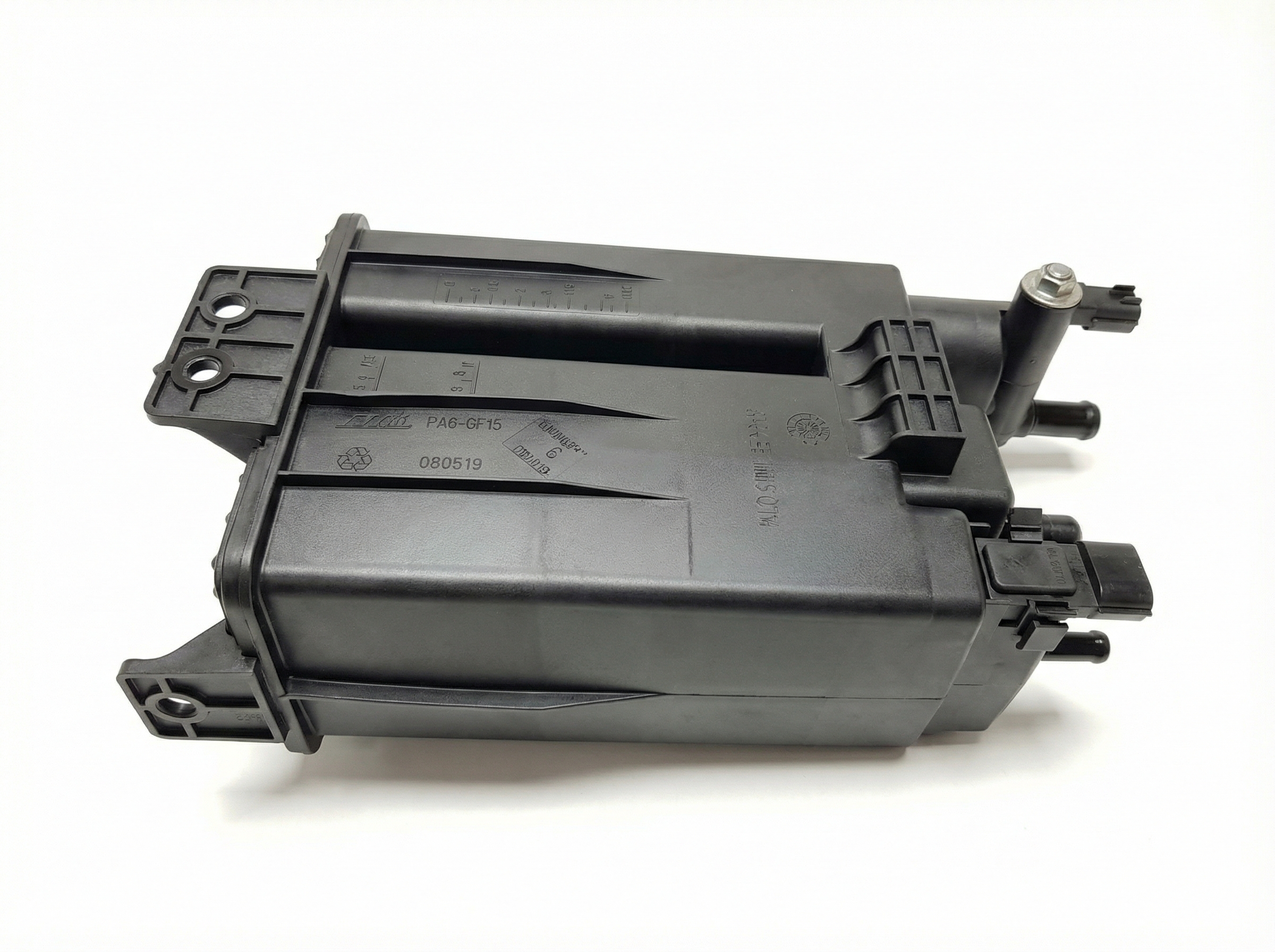
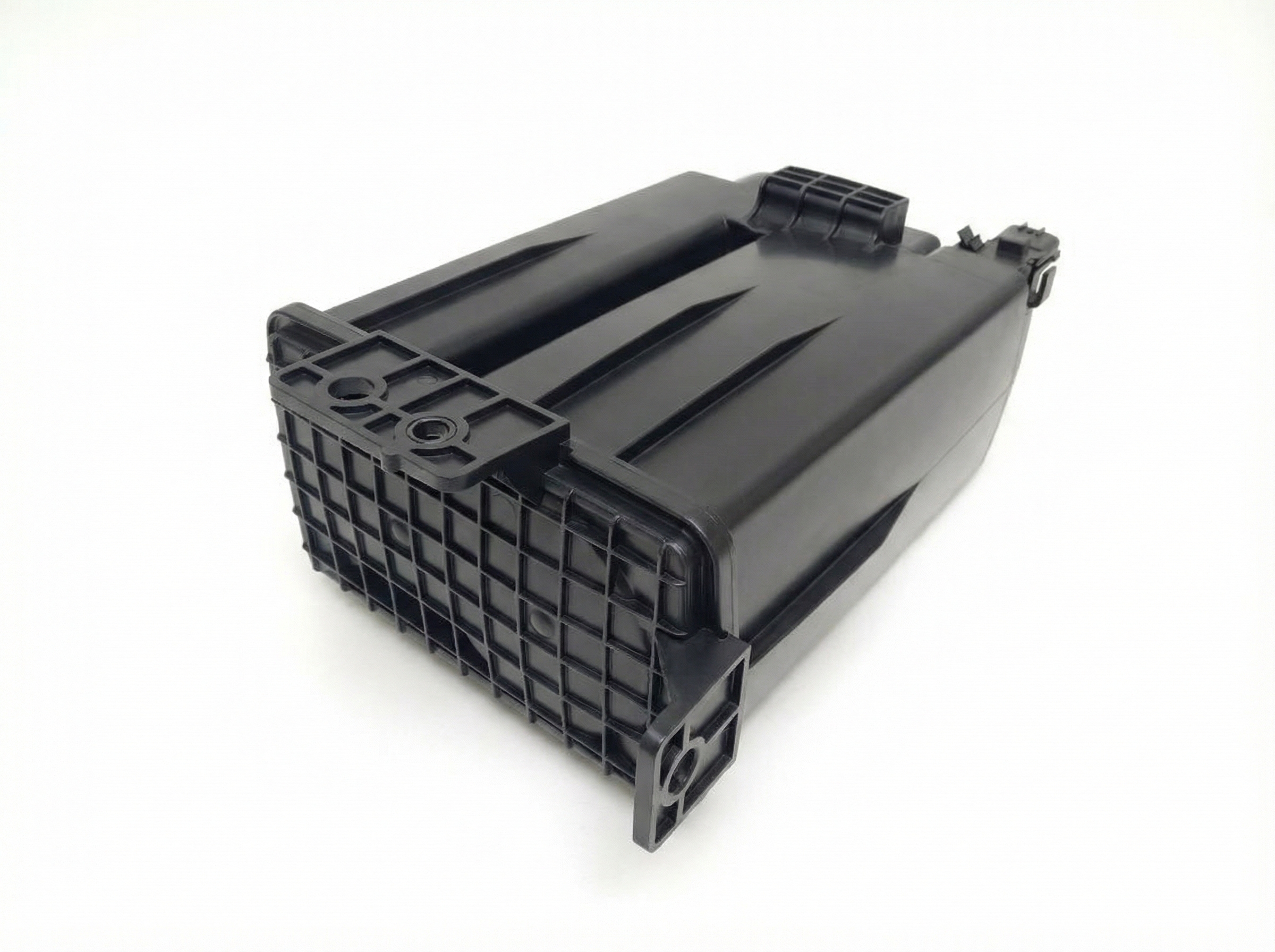
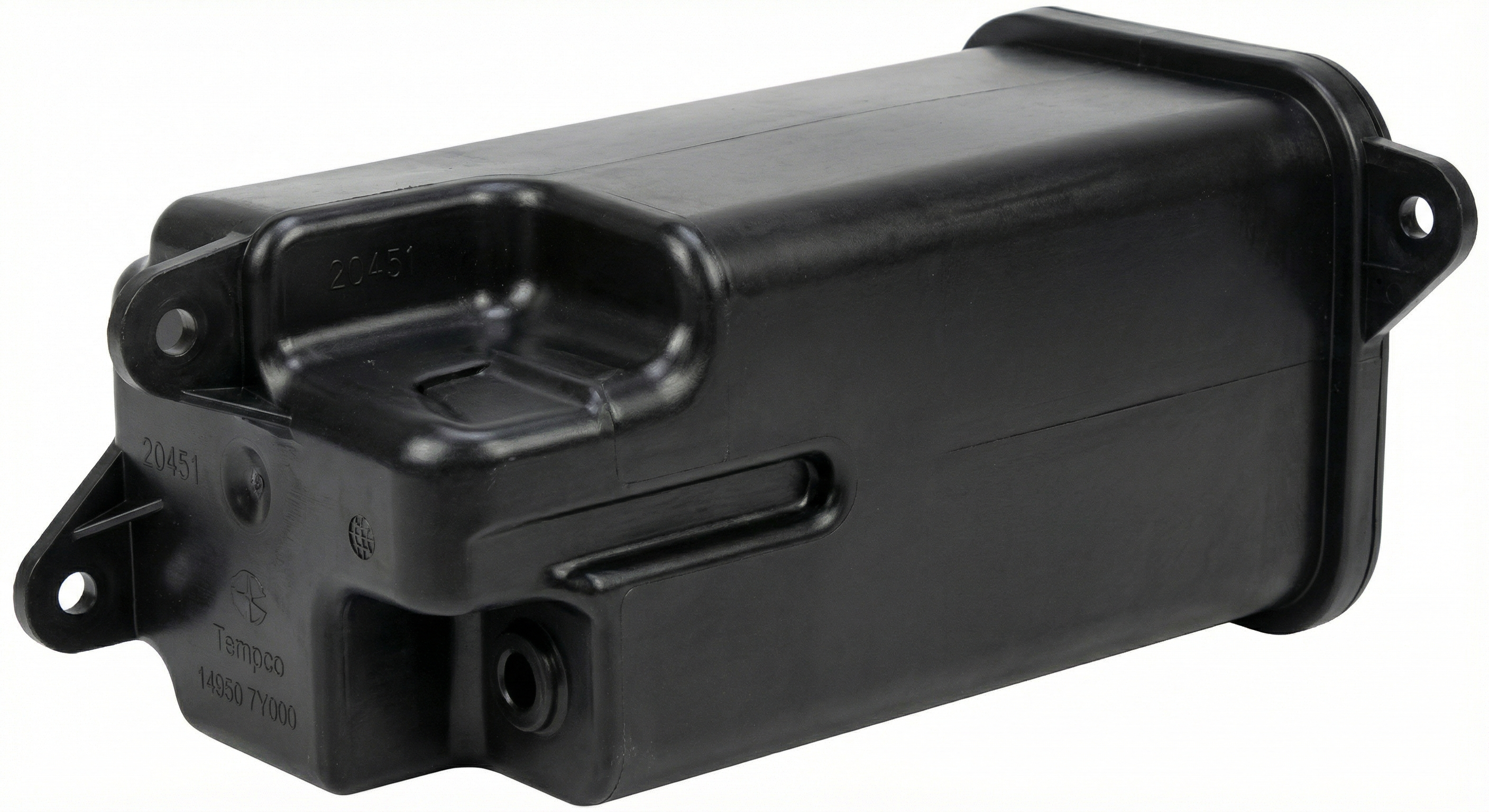
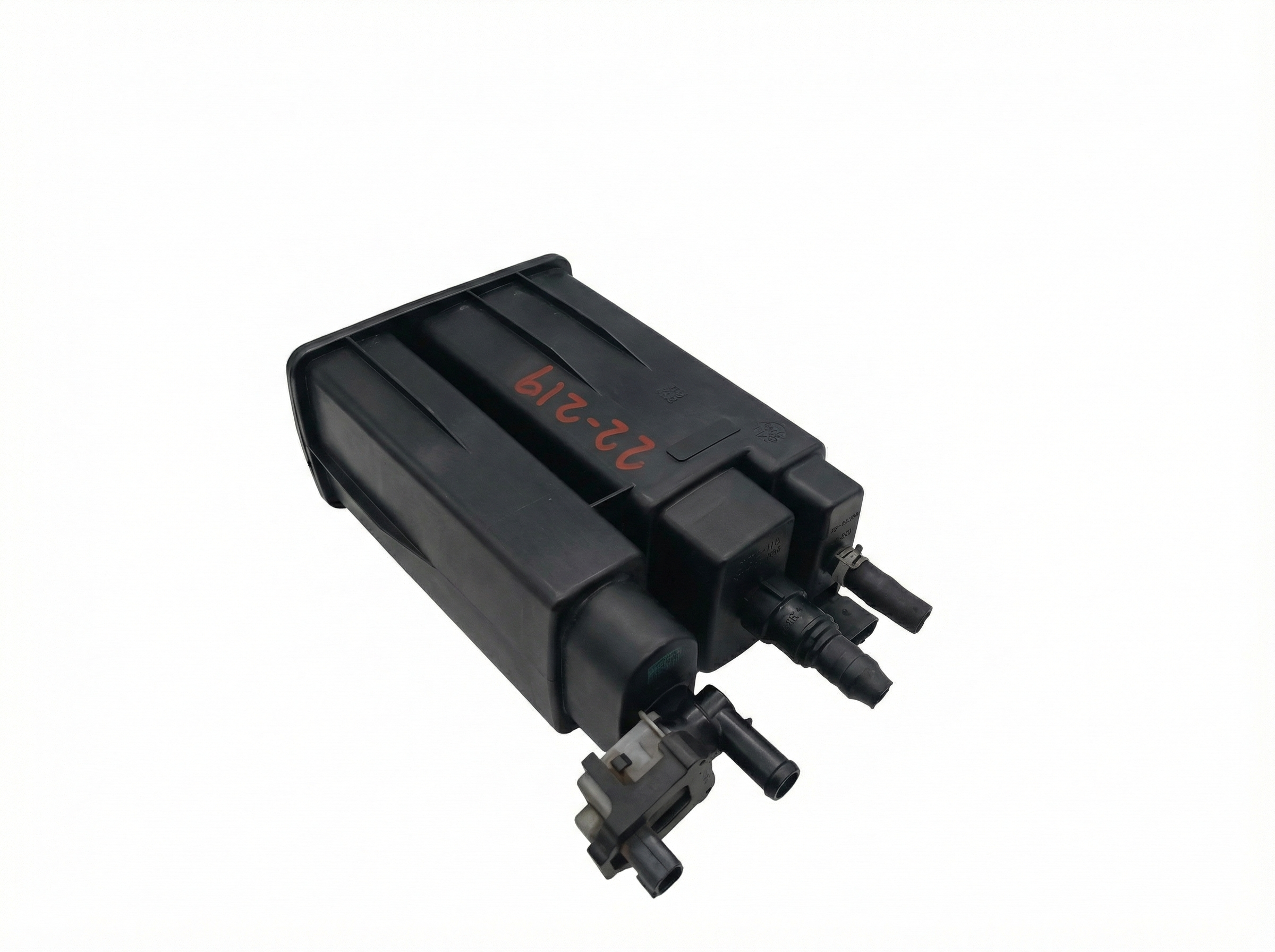
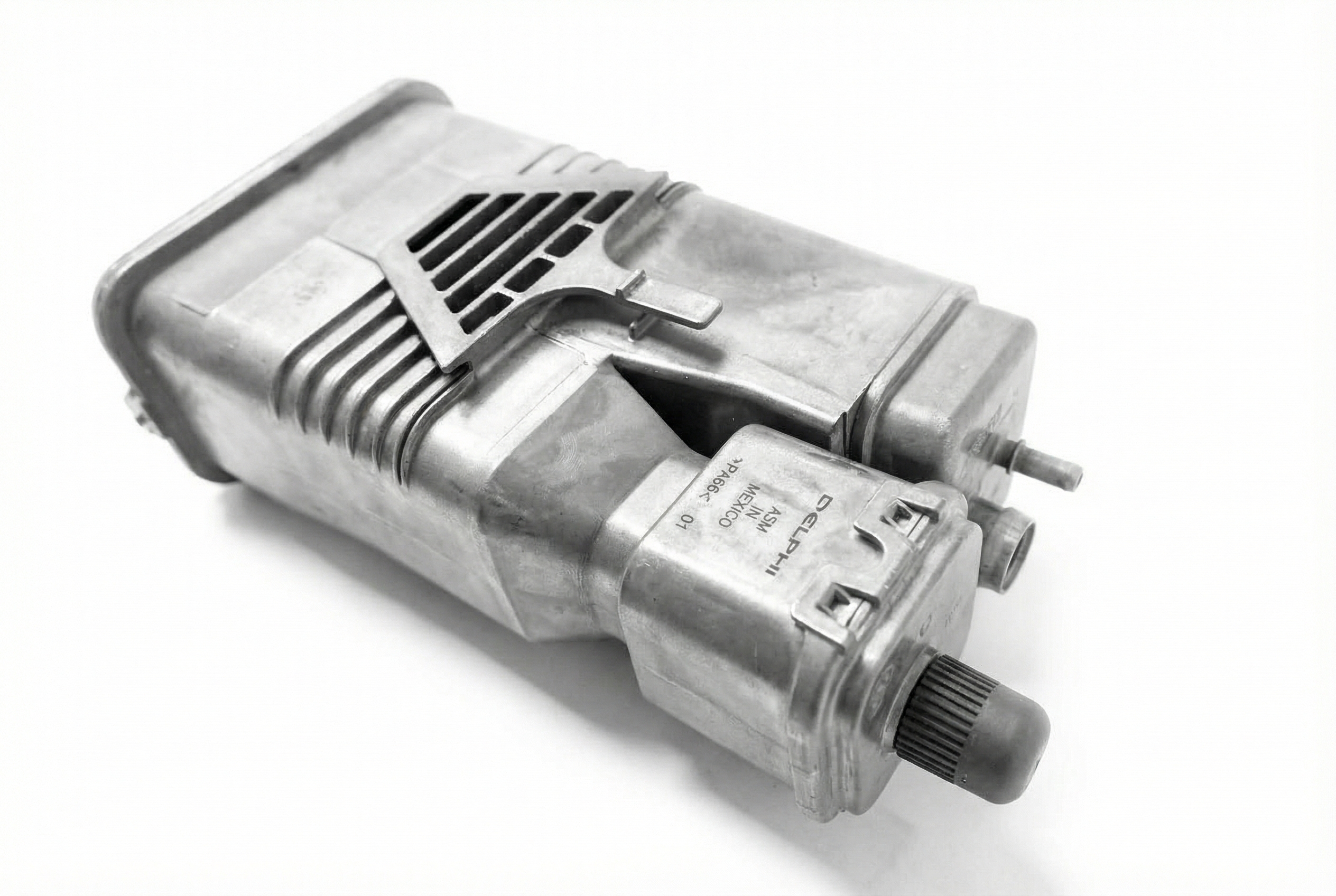
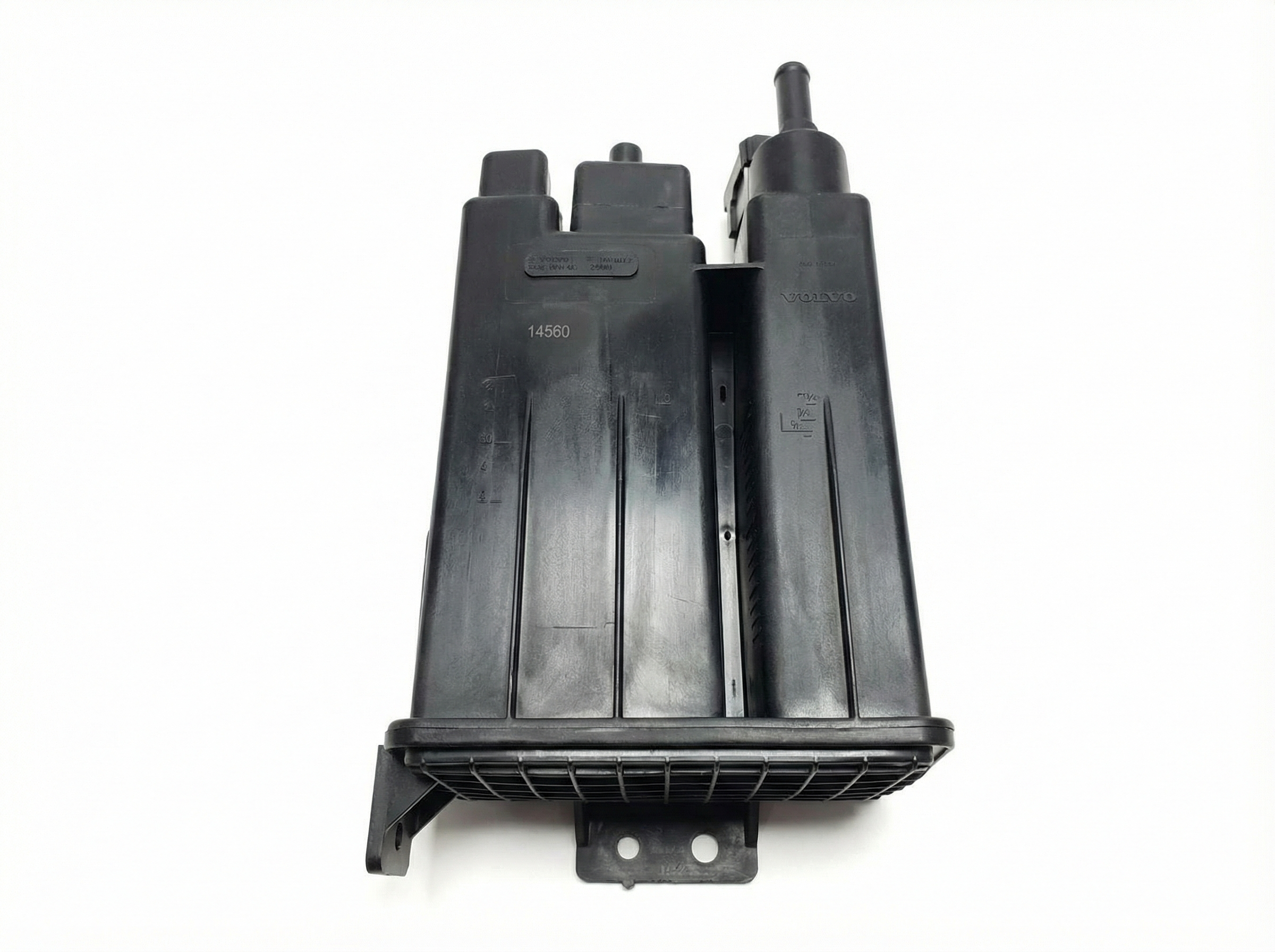
New Aftermarket Parts Available

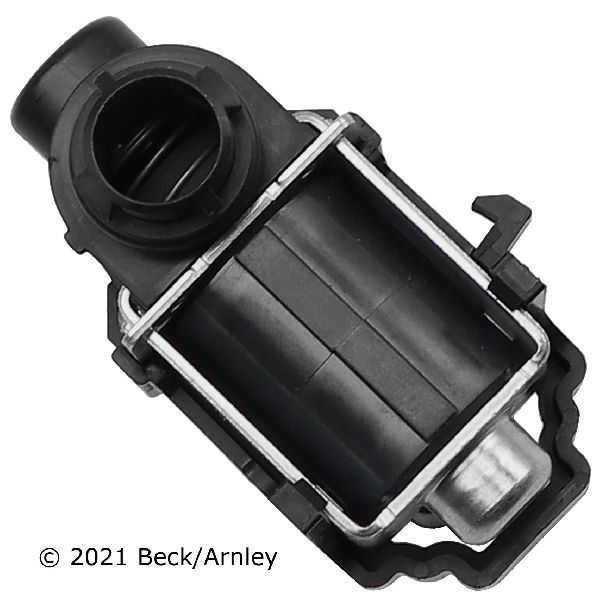
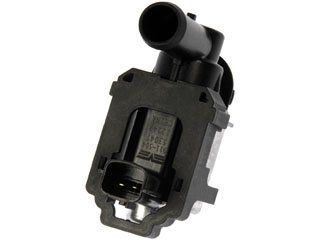

The information in this article is provided for general reference and educational purposes only. Vehicle specifications, procedures, and part compatibility can vary by production date, trim level, and region. Always consult your vehicle's factory service manual and verify part numbers before purchasing or performing repairs. Safety-critical components such as airbags, seat belts, and braking systems should be installed by a qualified professional.
- Nissan Altima:
- 🎬 Helpful Videos
- 🛍️ Shop This Part
- What's Unique About the 2013-2018 Nissan Altima
- Symptoms You May Notice
- Most Likely Causes
- Rare But Worth Checking
- Diagnosis Steps
- Parts You'll Likely Need
- Related Codes That Often Appear With This One
- Platform-Specific Known Issues
- Mechanic-Grade Diagnostic Values
- Scan Tool Commands That Help
- Wiring & Ground Locations
- Real Owner Repair Stories
- OEM Part Supersession History
- Model Year Variations Within This Range
- Diagnostic Flowchart
- Used vs. New Parts: Buying Guide for This Vehicle
- Real Owner Stories
- 2012 Altima — 100000 miles
- Related OBD-II Codes
- Frequently Asked Questions
- 🎟️ Get 5% Off