

P0443 on 2013-2018 GMC Acadia: EVAP Purge Valve Circuit Causes and Fixes
P0443 on a 2013-2018 GMC Acadia most often indicates a faulty EVAP Purge Solenoid Valve or a related wiring issue. Before replacing parts, check the 'Emission 1' fuse (typically a 15A fuse in the under-hood block); a blown fuse is a strong indicator of a short in the engine wiring harness, a known issue on first-generation models (2013-2016) per TSB PIT5336.
- P0443 on a GMC Acadia is an electrical circuit code, not a system leak code.
- Always check the 'Emission 1' fuse first, especially on 2013-2016 models. A blown fuse points to a wiring short, not a bad valve.
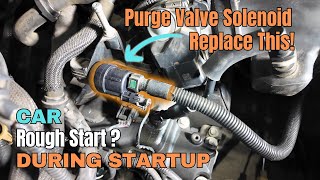
- The most likely failed part is the EVAP purge solenoid valve located on top of the engine.
- If the fuse is blown, you must find and repair the short in the engine harness to achieve a permanent fix.
- The repair is generally straightforward for a DIYer, requiring basic tools and diagnostic steps.
What's Unique About the 2013-2018 Gmc ACADIA

For the GMC Acadia, particularly the 2013-2016 models, this code is frequently linked to a known wiring harness problem as documented in GM Technical Service Bulletin PIT5336. The harness can chafe against the engine block and short to ground, blowing the 'Emission 1' fuse and triggering P0443 along with a host of other codes. For the redesigned 2017-2018 models, GM issued TSB PIP5552, which stated engineering was investigating the root cause of P0443 and P0459. The bulletin specifically advised technicians: "Do not replace the purge valve or ECM for this condition. Clear the codes and release vehicle to customer," suggesting the issue could be intermittent or require a software update, not a part replacement.
Diagnostic Flowchart
Tap your situation to follow the diagnostic path that matches what you're seeing on this vehicle.
Generation note: This year range covers two generations of the GMC Acadia: the first generation (2013-2016) and the redesigned second generation (2017-2018). The wiring harness issue cited in TSB PIT5336 is most relevant to the first-generation models and their platform mates. While the function of the purge valve is the same across both generations, the part's specific location and the wiring harness routing differ. The 2017 model year also includes the 'Acadia Limited', which is a continuation of the first-generation body style and is susceptible to the first-gen issues.
Symptoms You May Notice
- Check Engine Light is on
- Slightly rough idle in some cases
- Difficulty starting immediately after refueling 🎬 Watch: How to fix hard starts after refueling your Acadia. (less common)
- Slight decrease in fuel economy
- Vehicle may stall or have fluctuating RPMs (less common).
- Replacing the gas cap. A loose or faulty gas cap typically causes a P0455 (large leak) or P0457 code, not a P0443 circuit code.
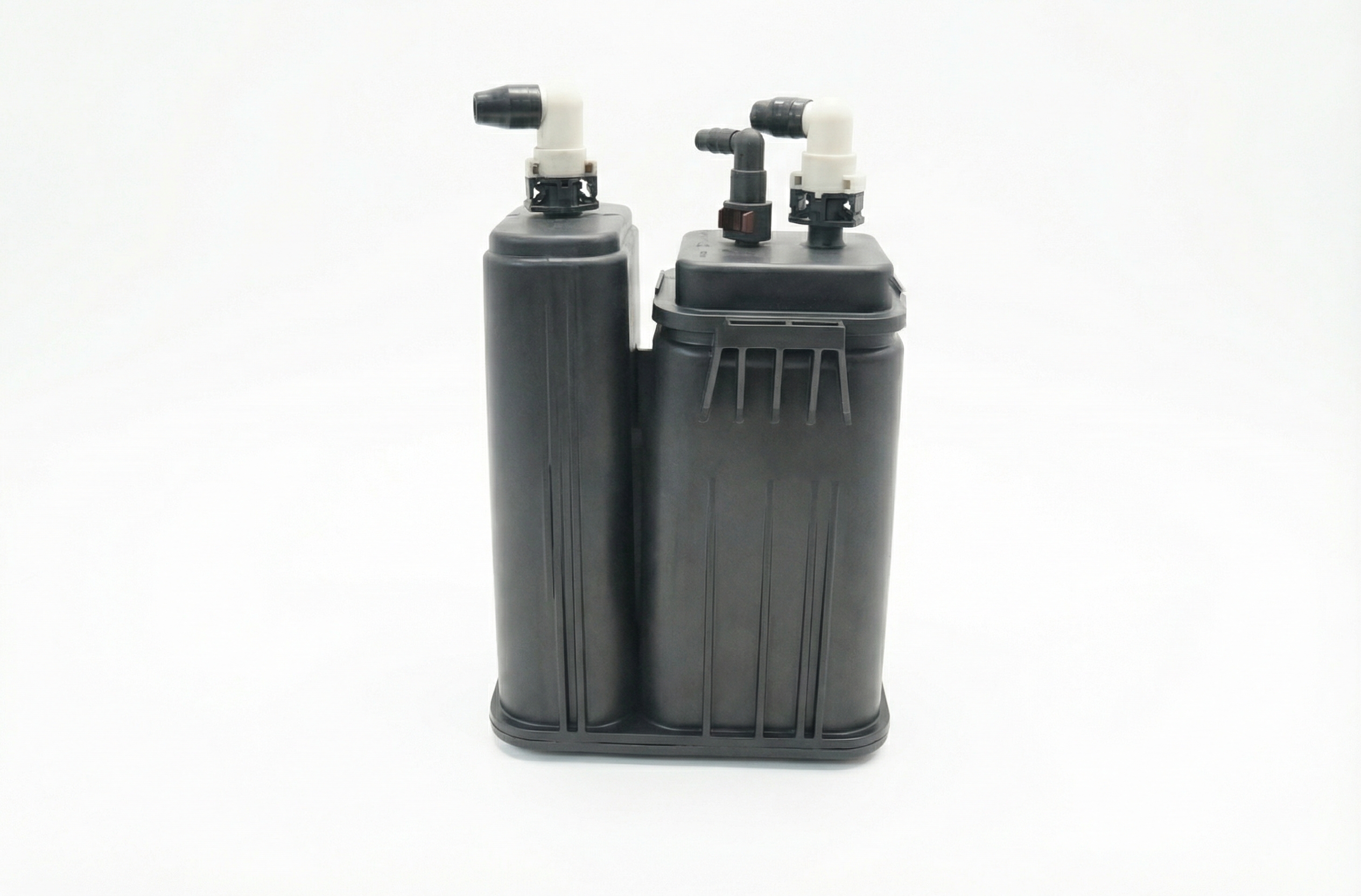
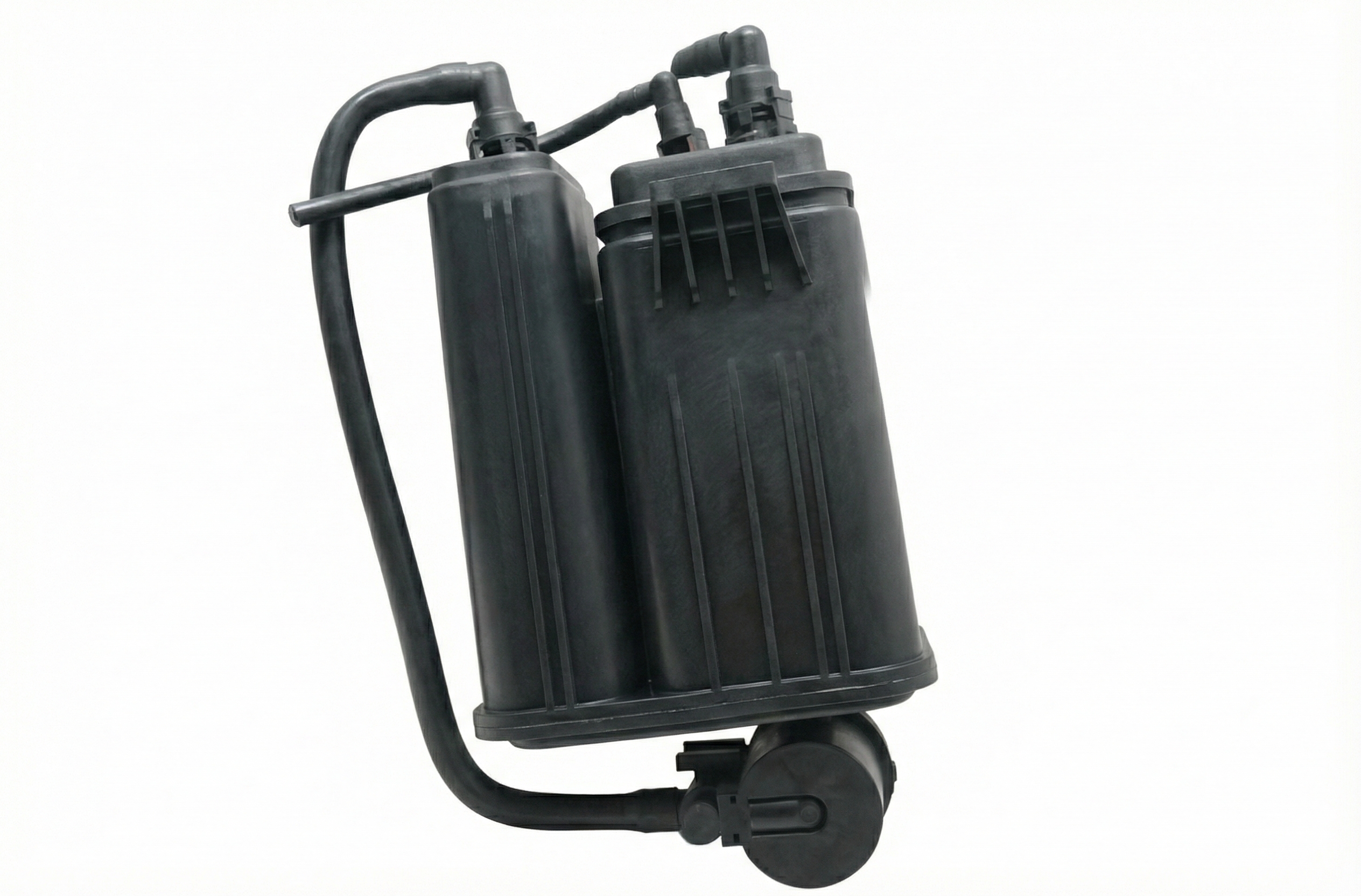
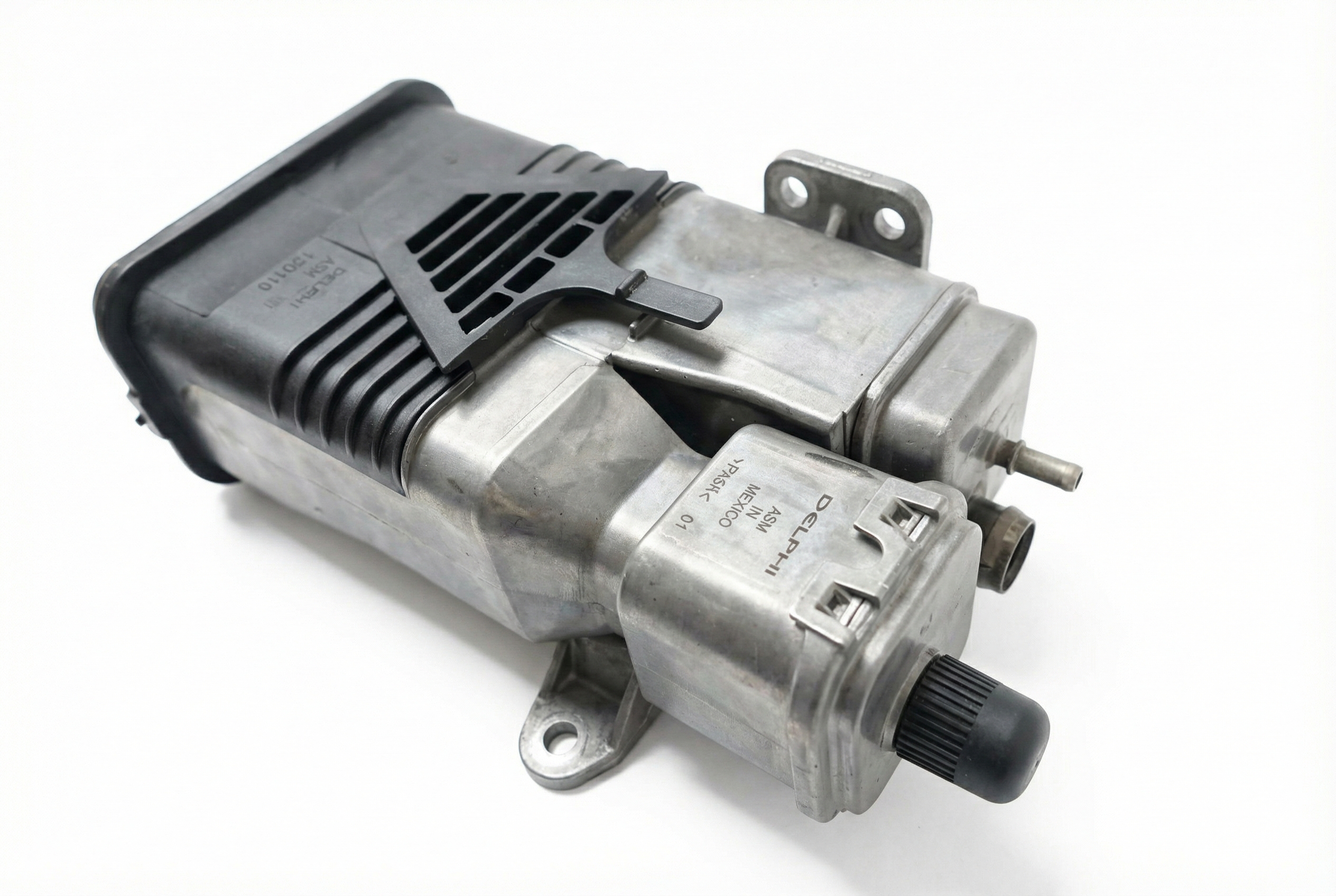
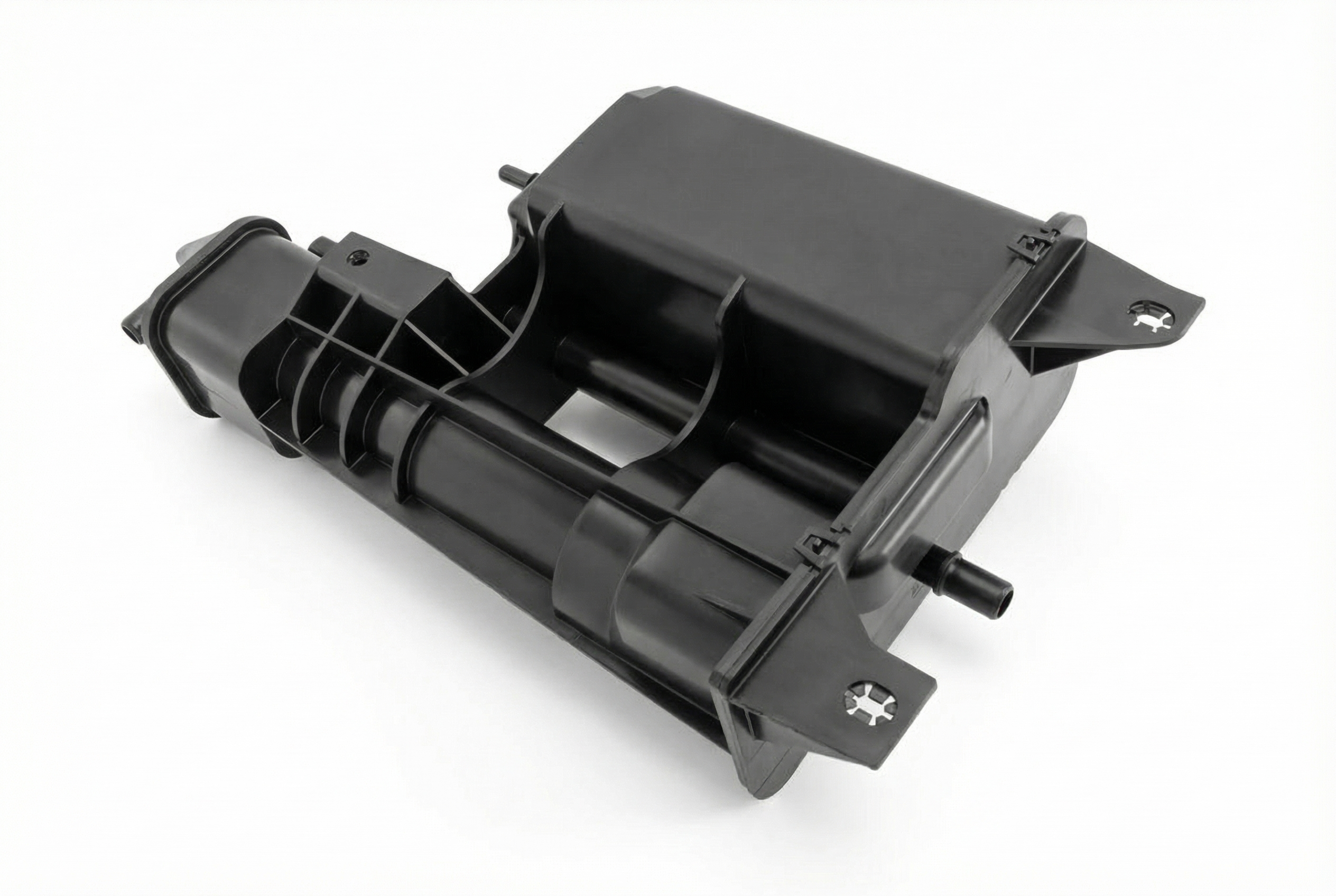
- Replacing the EVAP vapor canister. The canister is a storage component and is not part of the electrical circuit referenced by P0443.
Most Likely Causes


- Faulty EVAP Canister Purge Solenoid Valve 🔴 High Probability The solenoid coil can fail electrically over time, creating an open or short circuit that the ECM detects. It is a very common failure item across many GM models.
How to confirm: Locate the valve on top of the engine. With the engine off, disconnect the electrical connector and measure the resistance between the two pins on the solenoid. A reading that is infinite (open) or zero (short) confirms a bad solenoid. A typical resistance for a good valve is in the range of 22-26 Ohms. You can also apply 12V directly to the pins to listen for a distinct 'click'. No click means the solenoid is dead.
Typical fix: Replace the EVAP canister purge solenoid valve.
Est. part cost: $25-$60 - Blown Fuse / Shorted Engine Wiring Harness 🔴 High Probability As per TSB PIT5336, the engine harness on first-generation models is prone to chafing against the engine or other components, particularly near the exhaust and O2 sensor wiring. This can cause a short circuit, blowing the 15A 'Emission 1' fuse and triggering P0443.
How to confirm: Check the 'Emission 1' fuse in the under-hood fuse block. If it is blown, this is a strong indicator of a short circuit in the harness that needs to be located and repaired. If the fuse is good, the harness could still have an open or intermittent fault.
Typical fix: Inspect the engine wiring harness for any signs of damage, chafing, or melting, paying close attention to where it may contact the engine block or exhaust components. Repair the damaged wires with new wire and heat-shrink tubing, then replace the blown fuse.
Est. part cost: $1-$5 for a fuse, wiring repair costs can vary. - Damaged Wiring or Connector at the Purge Solenoid 🟡 Medium Probability The connector or its pigtail can become brittle from engine heat cycles, leading to broken wires or poor pin connections right at the valve.
How to confirm: Visually inspect the electrical connector and the wires leading to it for any signs of corrosion, breakage, or loose pins. With the key on and engine off, check for 12V power at one pin (typically the pink/black wire). Then, with the engine running, use a multimeter or test light connected to battery positive to check for a pulsating ground signal from the ECM on the other pin (typically the gray wire). No power or no ground signal points to a wiring issue.
Typical fix: Repair the broken wire or replace the connector pigtail. Common pigtail part numbers include ACDelco PT2044 and Duralast CONB11107.
Est. part cost: $15-$40 for a pigtail connector.
Rare But Worth Checking
- Faulty Powertrain Control Module (PCM): This is extremely rare. The PCM's internal driver for the purge solenoid circuit can fail. This should only be considered after all other possibilities (valve, wiring, fuses) have been thoroughly tested and ruled out.
Diagnosis Steps
- Read the trouble codes with an OBD-II scanner. Note any other codes present. If many other emissions codes are present, suspect a blown fuse.
- Check the 'Emission 1' fuse (typically 15A) in the under-hood fuse block. If it's blown, skip to step 7.
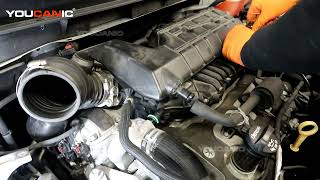
- Locate the EVAP purge solenoid valve on top of the engine, near the intake manifold.
- Visually inspect the valve's electrical connector and wiring for any obvious damage, corrosion, or loose connections.
- Disconnect the connector. Test the solenoid's internal resistance with a multimeter. A good valve should have a specific resistance (e.g., typically 22-26 ohms); an infinite reading means an open circuit, and near-zero means a shorted coil.
- If the solenoid tests good, check the harness connector. With the key on, engine off, one pin should have 12V power. If power is missing, trace the power circuit back from the fuse block.
- Check the control circuit. Connect a test light to battery positive and probe the other wire in the connector. Start the engine. The test light should pulse, indicating the ECM is commanding the valve. If it does not pulse, there is an issue in the wiring back to the ECM.
- If the fuse was blown, meticulously inspect the entire engine wiring harness for signs of chafing or short circuits, paying close attention to where it may contact the engine block or exhaust components. Repair any damaged wiring.
- If the solenoid, fuse, and wiring all appear to be in good condition, the issue may be with the ECM, but this is highly unlikely and professional diagnosis is recommended before replacement.
Parts You'll Likely Need

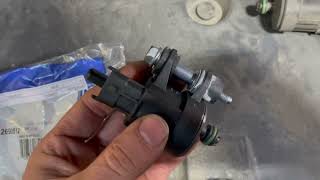
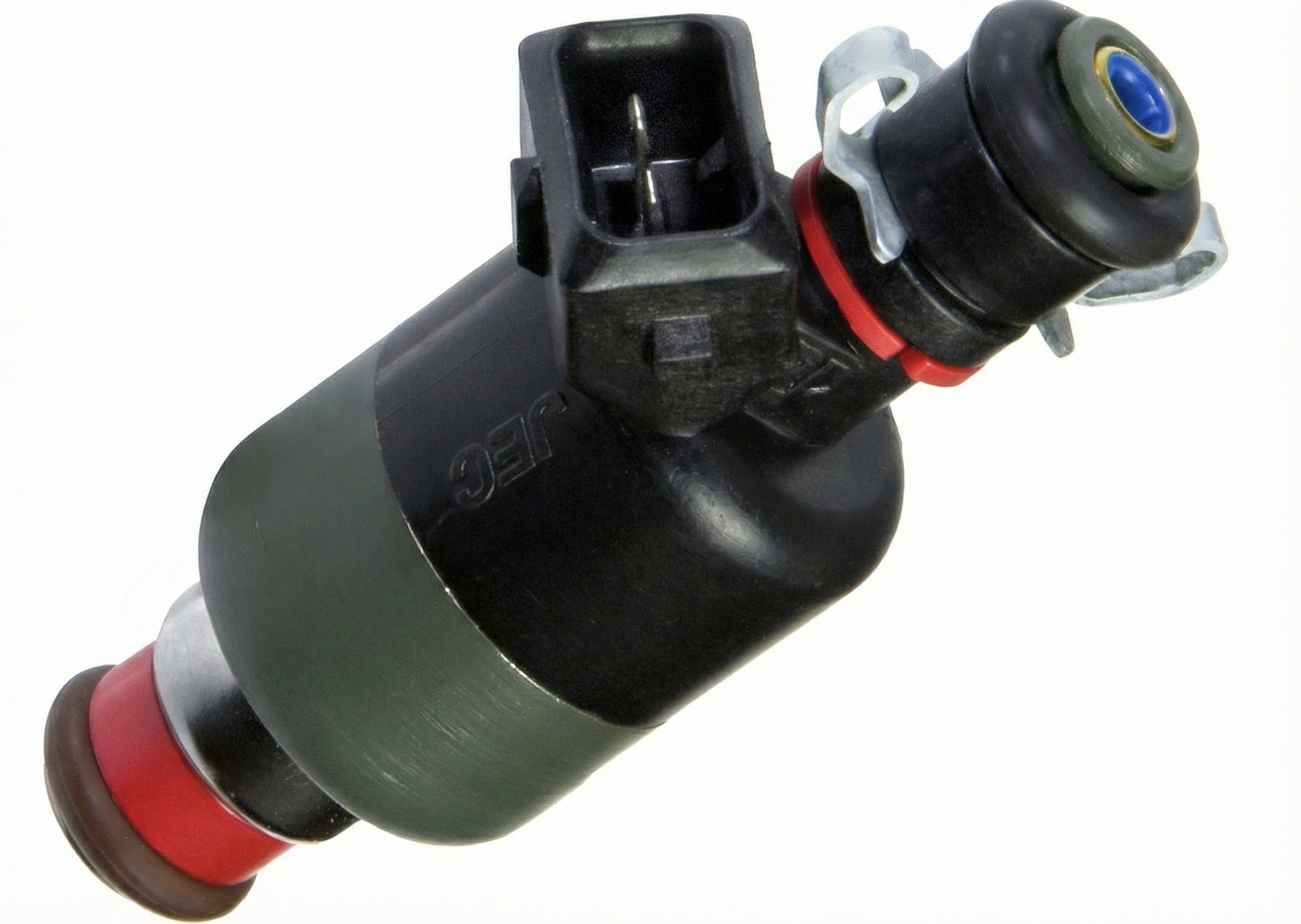
- EVAP Canister Purge Solenoid Valve
(OEM #12690512 (superseded by 12737252))— This is the most common component to fail electrically, triggering the P0443 code.
Trusted brands: ACDelco, Delphi, Dorman (911-082)
OEM price range: $40-$70
Aftermarket price range: $25-$50 - EVAP Purge Valve Connector Pigtail
(OEM #ACDelco PT2044)— The original connector can become brittle and fail, or wiring can break at the connector. Replacing the pigtail is often easier than repairing the old connector.
Trusted brands: ACDelco, Duralast (CONB11107), Standard Motor Products (S-1414)
OEM price range: $35-$50
Aftermarket price range: $15-$40
Related Codes That Often Appear With This One
- P0444 — P0444 indicates an 'open' circuit, which is a more specific version of the general circuit malfunction reported by P0443. They often point to the same root causes.
- P0459 — Mentioned alongside P0443 in TSB PIP5552 for the 2017-2018 model years, indicating they can be related issues under investigation by GM. P0459 indicates 'Circuit High Voltage'.
- Multiple other codes (P0030, P0053, P0134, etc.) — If TSB PIT5336 is the cause (blown 'Emission 1' fuse), P0443 will appear with a long list of other codes for components powered by the same fuse, such as oxygen sensors and other emissions equipment. This is a key diagnostic clue.
Technical Service Bulletins (TSBs) & Recalls
- PIP5552: Communicates an investigation into MIL on with P0459 or P0443 for 2017-2018 models. It advises against replacing the purge valve or ECM, instructing dealers to clear the codes and release the vehicle.
- PIT5336: Details a potential for an open 'Emission 1' fuse and P0443 (among other codes) due to a damaged engine harness on 2013-2016 models.
Platform-Specific Known Issues
- A well-documented issue covered by TSB PIT5336 involves the engine wiring harness shorting out, which blows the 'Emission 1' fuse. This triggers P0443 and often many other codes simultaneously. This should be a primary suspicion if multiple, seemingly unrelated codes appear with P0443 on 2013-2016 models.
- TSB PIP5552 indicates that GM was actively investigating the cause of P0443/P0459 codes on the 2017-2018 model years. The official recommendation was to clear the code and return the vehicle, not to replace parts, suggesting an intermittent condition or a problem that might be resolved with a future software update.
Mechanic-Grade Diagnostic Values
- EVAP Purge Solenoid Resistance — expected: 22 - 26 Ω at room temperature. Failure: An infinite reading (OL) indicates an open coil. A reading near zero indicates a shorted coil.
- Voltage at Purge Solenoid Connector (Power Side) — expected: Battery Voltage (approx. 12V) with Key On, Engine Off. Failure: 0V indicates a blown fuse or an open in the power supply wire.
- Signal at Purge Solenoid Connector (Control Side) — expected: Pulsing ground signal when commanded by scan tool or during normal operation (engine running).. Failure: No pulse indicates an open in the control wire or a faulty ECM driver. A constant ground indicates a short to ground.
Scan Tool Commands That Help
- GDS2 / Tech2 or equivalent professional scanner: EVAP Purge/Seal or EVAP Purge Solenoid Active Test — This bidirectional control is used to verify the entire circuit's integrity. A technician can command the purge valve to open (e.g., 25%, 50%) and listen for an audible click from the valve. Simultaneously, they can observe the change in fuel tank pressure on the live data stream to confirm the valve is not only clicking but also opening and allowing vacuum to be pulled. Failure to click points to a bad valve or wiring issue; clicking without a change in vacuum points to a blocked line or mechanically stuck valve.
Wiring & Ground Locations
- EVAP Purge Solenoid Connector — On top of the engine, near the intake manifold.. This is the primary connection point. The two pins are power (typically from the 'Emission 1' fuse) and a ground-side control wire from the ECM. Damage here is a common cause.
- Underhood Fuse Block — Typically located above the right front wheel well in the engine bay.. This block houses the 'Emission 1' fuse (usually 15A) that provides power to the purge solenoid circuit. A blown fuse here is a critical clue pointing towards the harness short described in TSB PIT5336.
- G110 — A primary engine ground located on the right front of the engine, mounted to the cylinder head.. While the purge valve is controlled by a dedicated ECM driver, a poor main engine ground can cause a variety of unpredictable electrical issues and codes. Verifying this ground is tight and clean is a good practice when chasing electrical faults.
- Engine Control Module (ECM) — Located on the left side of the engine compartment.. The control wire for the purge solenoid terminates here. A wiring fault must be traced back to this module. In very rare cases, the driver circuit inside the ECM can fail.
Real Owner Repair Stories
- Multiple forum threads on AcadiaForum.net and similar GM Lambda platform forums. (2013-2016 GMC Acadia (and platform mates like Buick Enclave, Chevy Traverse)) — Check Engine Light on with P0443, often accompanied by a long list of other codes for O2 sensors and other emissions components.
❌ Tried (didn't work) Replacing the EVAP purge solenoid valve, sometimes multiple times., Clearing the codes, only for them to return immediately upon key-on.
✅ What actually fixed it The root cause was a blown 'Emission 1' 15A fuse in the underhood fuse block. The fuse blew because the engine wiring harness had chafed against a bracket or the engine block itself, causing the power wire for the EVAP/emissions circuit to short to ground. The fix was to locate the damaged section of the harness, repair the shorted wire with new wire and heat-shrink tubing, wrap the harness in protective conduit, and replace the fuse. This aligns directly with the issue described in TSB PIT5336.
"I Checked Everything" — The Actual Cause
- A common misdiagnosis for P0443 is to perform a smoke test, which is used to find physical leaks in the EVAP system (associated with codes like P0442, P0455). Since P0443 is an electrical circuit malfunction code, a smoke test is expected to be 'clean' (show no leaks). A technician finding no leaks with a smoke machine should not be confused; it simply rules out a leak and confirms the diagnosis must focus on the electrical circuit: the valve's coil, the wiring, the fuse, and the ECM.
OEM Part Supersession History
12690512→12737252— Standard part evolution and consolidation. The new part number also replaces 12610560 and 12661763, streamlining inventory for dealers and suppliers.
Model Year Variations Within This Range
- 2013-2016 (First Generation): These models are highly susceptible to the wiring harness chafing issue described in TSB PIT5336, which causes a blown fuse and multiple codes. Diagnosis should heavily focus on this possibility if more than just P0443 is present.
- 2017-2018 (Second Generation): These models are covered by TSB PIP5552, which points to an intermittent condition being investigated by GM engineering. The official advice was to not replace parts, suggesting a potential software glitch or other non-obvious fault. A simple part swap is less likely to be the correct fix.
Helpful Videos
We Have This Part in Stock


The information in this article is provided for general reference and educational purposes only. Vehicle specifications, procedures, and part compatibility can vary by production date, trim level, and region. Always consult your vehicle's factory service manual and verify part numbers before purchasing or performing repairs. Safety-critical components such as airbags, seat belts, and braking systems should be installed by a qualified professional.
- Gmc ACADIA:
- 🎬 Helpful Videos
- 🛍️ Shop This Part
- What's Unique About the 2013-2018 Gmc ACADIA
- Diagnostic Flowchart
- Symptoms You May Notice
- Most Likely Causes
- Rare But Worth Checking
- Diagnosis Steps
- Parts You'll Likely Need
- Related Codes That Often Appear With This One
- Technical Service Bulletins (TSBs) & Recalls
- Platform-Specific Known Issues
- Mechanic-Grade Diagnostic Values
- Scan Tool Commands That Help
- Wiring & Ground Locations
- Real Owner Repair Stories
- "I Checked Everything" — The Actual Cause
- OEM Part Supersession History
- Model Year Variations Within This Range
- 🎟️ Get 5% Off