

P0443 on 2013-2018 Chevrolet Traverse: EVAP Purge Valve Circuit Fixes
P0443 on a Traverse usually means a bad EVAP purge solenoid or a wiring issue. Before replacing the solenoid (a ~$30-$60 part), check the 'Emission 1' fuse and inspect the engine wiring harness for damage, as noted in GM service bulletins. This wiring issue is a well-documented problem on this platform and its siblings, the GMC Acadia and Buick Enclave.
- P0443 on a Traverse indicates an electrical circuit problem with the EVAP purge valve, not a system leak.
- Before buying parts, ALWAYS check the 'Emission 1' fuse and thoroughly inspect the engine wiring harness for chafing or damage, as this is a known issue documented in TSB #PIT5336.
- The most commonly replaced part is the EVAP purge solenoid itself. Specific OEM part numbers are ACDelco 12690512 (2013-2017) and 12737252 (2018).
- The location of the purge valve differs between the 2013-2017 models (front of engine) and the 2018 model (rear of engine, by firewall).
- Do not mistake this circuit code for a leak code; replacing the gas cap will not fix P0443.
What's Unique About the 2013-2018 Chevrolet TRAVERSE

For this generation of Chevrolet Traverse and its platform mates (GMC Acadia, Buick Enclave), the P0443 code is not always a simple case of a failed purge valve. General Motors has issued Technical Service Bulletins (TSBs), like #PIT5336, indicating that this code is frequently triggered by a blown fuse caused by a damaged engine wiring harness. The harness can chafe against engine components, causing a short circuit. This makes a thorough inspection of the wiring a critical, money-saving first step before replacing any parts.
Diagnostic Flowchart
Tap your situation to follow the diagnostic path that matches what you're seeing on this vehicle.
Generation note: This range covers the end of the first generation (2013-2017) and the first year of the second generation (2018). The EVAP purge valve is located in slightly different positions between these generations. On the 2013-2017 models, it's typically on the front of the engine, mounted to the intake manifold. On 2018 models, it's located near the firewall on the passenger side. 🎬 See this walkthrough for replacing the valve on 2018 and newer models. However, the causes and diagnostic principles for P0443, especially the TSB-documented wiring issue, remain the same across these model years.
Symptoms You May Notice
- Check Engine Light is on
- Slightly rough idle
- Slight decrease in fuel economy
- Possible fuel odor
- Vehicle will not pass an emissions test
- Difficulty starting the engine right after refueling
- Replacing the gas cap. While a loose gas cap can cause other EVAP codes (like P0455 or P0457), it does not cause a P0443 circuit code, which is electrical in nature.
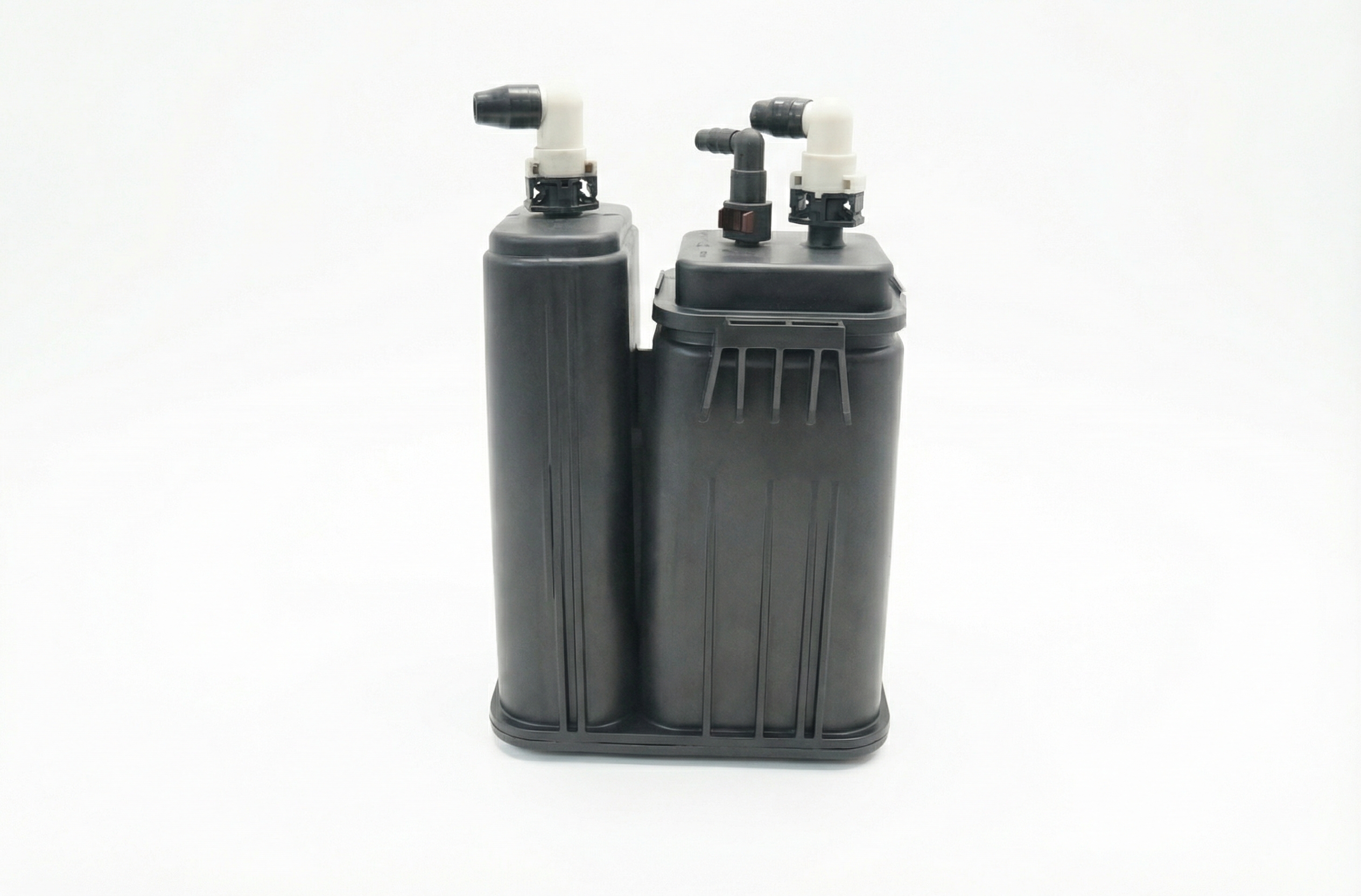
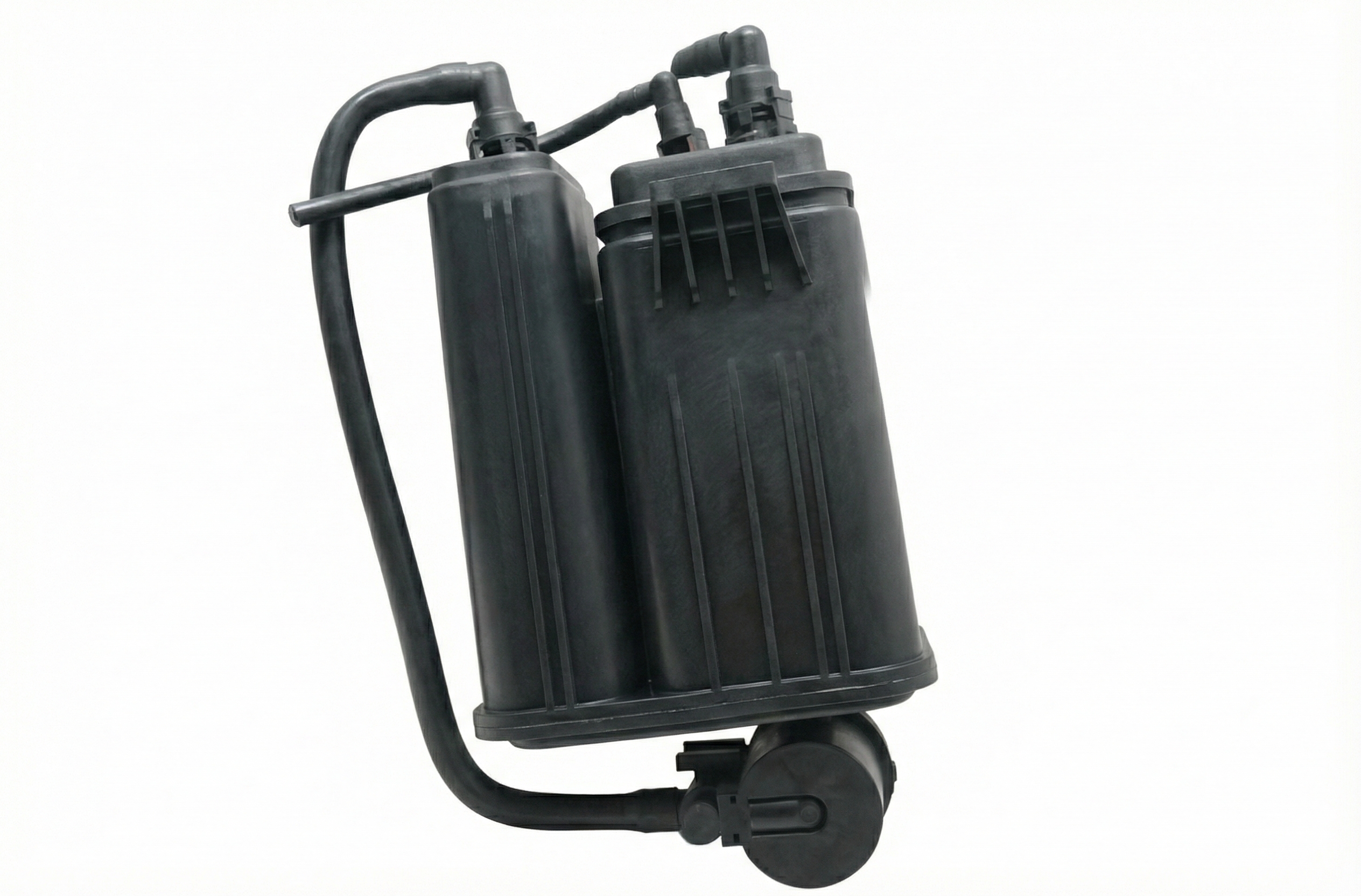
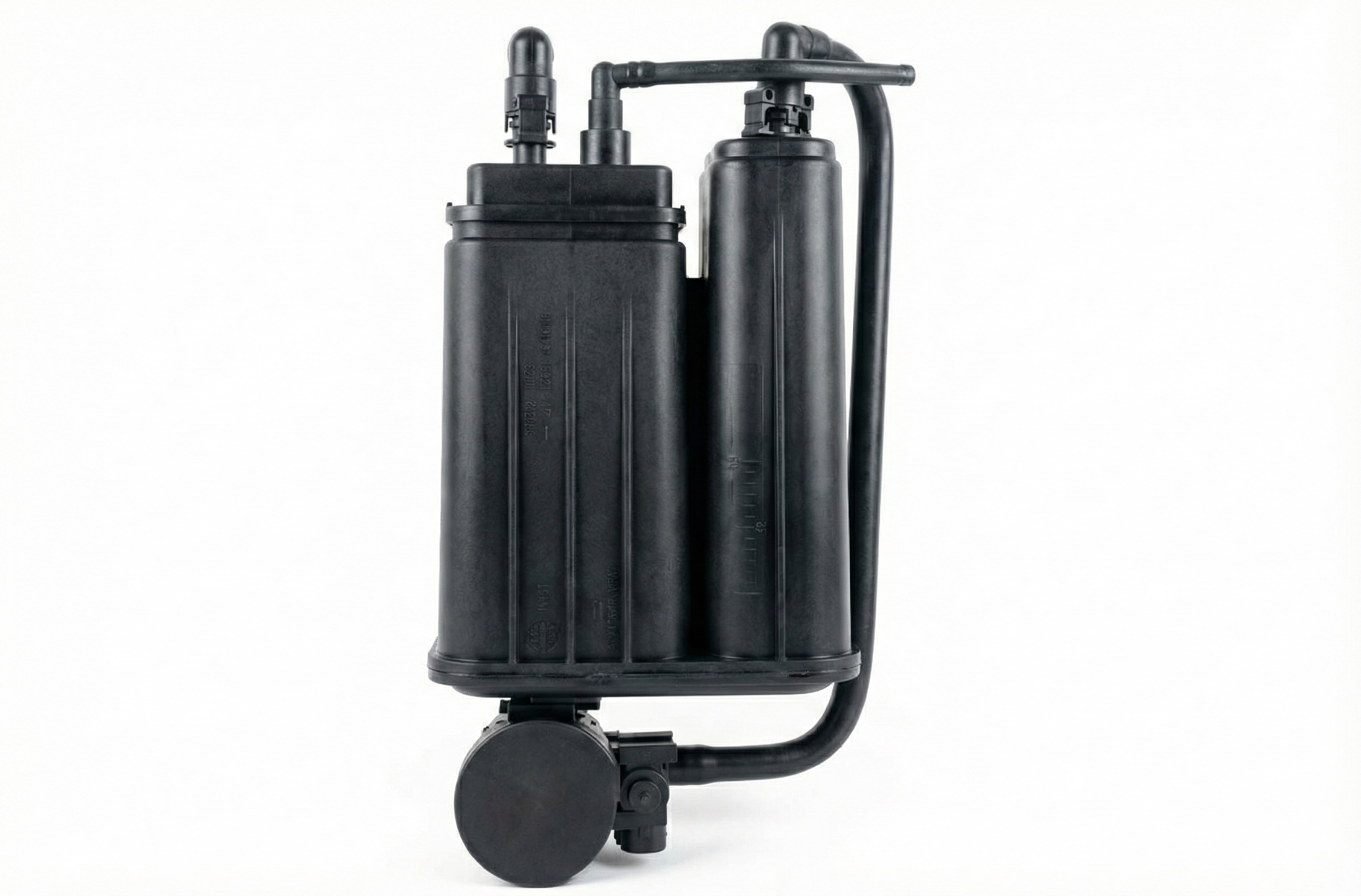
- Replacing the charcoal canister. The canister is a passive component, and while it can fail (e.g., become saturated with fuel), it won't trigger a circuit malfunction code for the purge valve itself.
Most Likely Causes

- Faulty EVAP Purge Solenoid/Valve 🔴 High Probability The valve is a known high-failure part on GM's 3.6L V6 engine. It's a constantly moving part that can wear out, get stuck open or closed from fuel vapor deposits, or fail electrically over time.
How to confirm: Remove the valve and try to blow through it; it should be closed (no air passes) when no power is applied. You can also test its internal resistance with a multimeter, which should be between 20-30 Ohms for many GM vehicles. Applying 12V power and ground should produce an audible click.
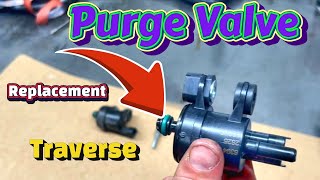
Typical fix: Replace the EVAP purge solenoid/valve. 🎬 Watch: This video shows the purge valve replacement on a 3.6L engine.
Est. part cost: $30-$80 - Damaged Engine Wiring Harness 🟡 Medium Probability TSB #PIT5336 specifically calls out that damaged wires in the engine harness can cause a short, blow the 'Emission 1' fuse, and trigger code P0443 along with other codes. The harness routing can lead to chafing against brackets or other engine components.
How to confirm: Visually inspect the entire engine wiring harness for any signs of chafing, rubbing, or melting, particularly where it routes near the engine block, alternator, and intake manifold.
Typical fix: Repair the damaged section of the wiring harness using solder and heat shrink, and secure it away from any potential sources of damage with zip ties or loom.
Est. part cost: $5-$50 - Blown Fuse 🟡 Medium Probability As a direct consequence of the wiring issue noted in TSB #PIT5336, the 'Emission 1' fuse (often a 15A fuse in the underhood fuse block) may be open. This is a known symptom of the short-circuit problem for this platform.
How to confirm: Locate and inspect the 'Emission 1' fuse in the vehicle's underhood fuse box. If it is blown, it confirms a circuit over-current issue, most likely from a shorted wire.
Typical fix: Replace the fuse only after diagnosing and repairing the underlying short circuit that caused it to blow (likely a wiring issue). Simply replacing the fuse without fixing the short will result in the new fuse blowing as well.
Est. part cost: $1-$5
Rare But Worth Checking
- Faulty Powertrain Control Module (PCM): This is very rare and should be considered a last resort. The PCM's internal driver for the purge solenoid circuit can fail, but this is highly unlikely. All other possibilities, including the valve, wiring, connectors, and fuses, must be exhaustively ruled out before suspecting the PCM.
Diagnosis Steps
- Scan the vehicle for trouble codes to confirm P0443 is present and note any other codes.
- Check the 'Emission 1' fuse in the underhood fuse block. If it's blown, this strongly points to a short circuit in the harness, per TSB #PIT5336.
- Carefully inspect the entire engine wiring harness for signs of damage, chafing, or melting. Pay close attention to where the harness may rub against the engine block or mounting brackets.
- Locate the EVAP purge solenoid. On 2013-2017 models, it's on the front of the engine intake. On 2018 models, it's near the firewall.
- Inspect the electrical connector and wiring going to the solenoid for damage, corrosion, or loose pins.
- With a multimeter, check for battery voltage at the power supply pin of the connector (key on, engine off).
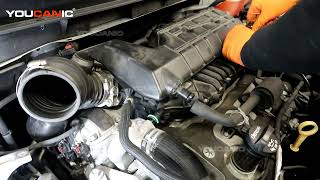
- Test the solenoid itself. Disconnect it and measure the resistance across its two pins. 🎬 Watch: How to test the purge valve circuit and electrical connector. A reading between 20-30 ohms is typical for these parts. An infinite reading means an open circuit, while a very low reading indicates a short.
- Perform a 'click test' by applying 12V and ground directly to the solenoid's pins to listen for an audible click, confirming mechanical operation.
- If the fuse, wiring, and solenoid all test good, the problem may lie within the PCM's driver circuit, but this is extremely unlikely.
Parts You'll Likely Need

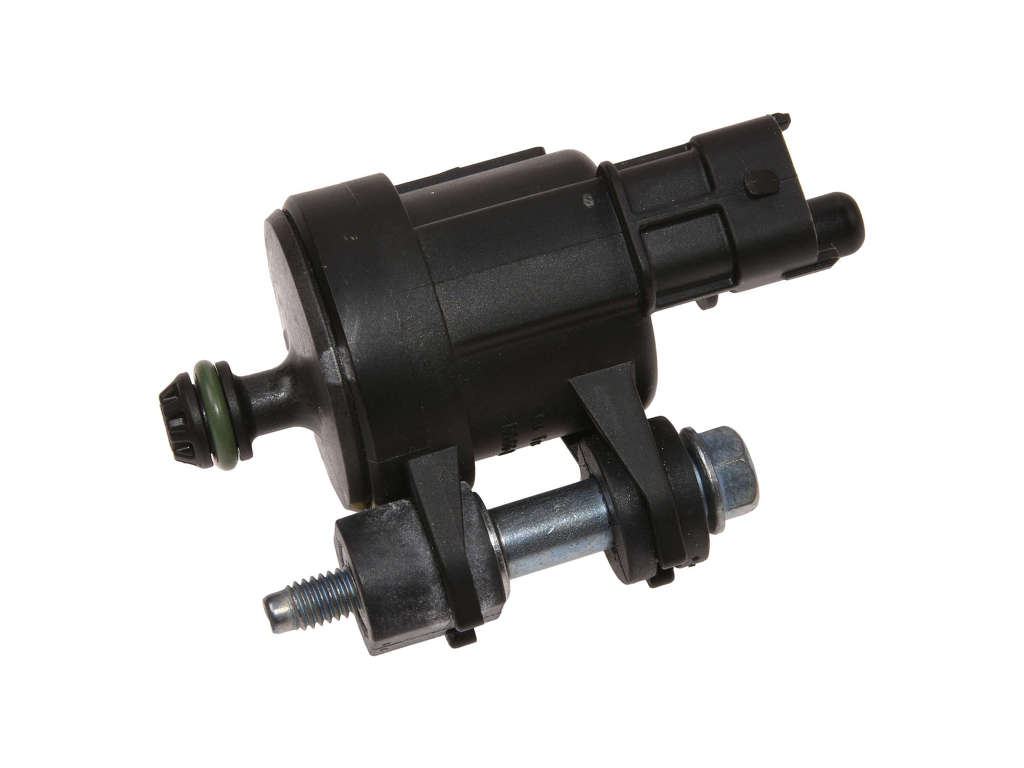
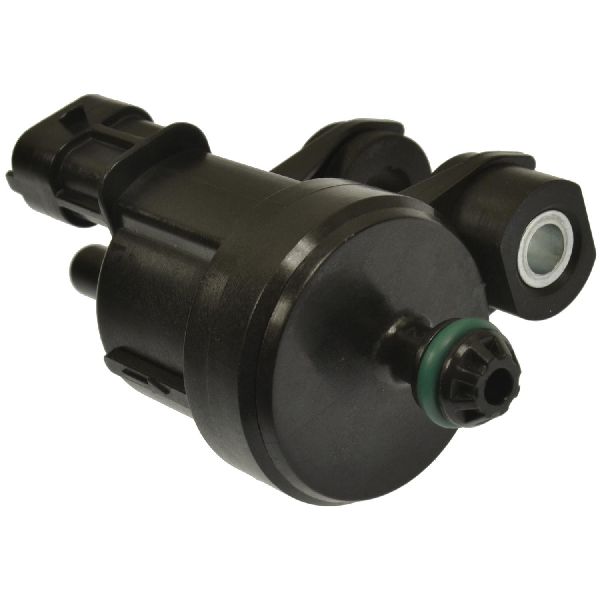
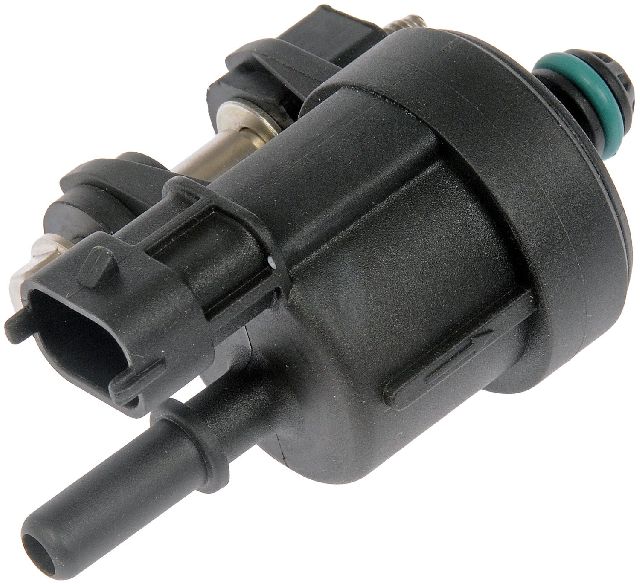
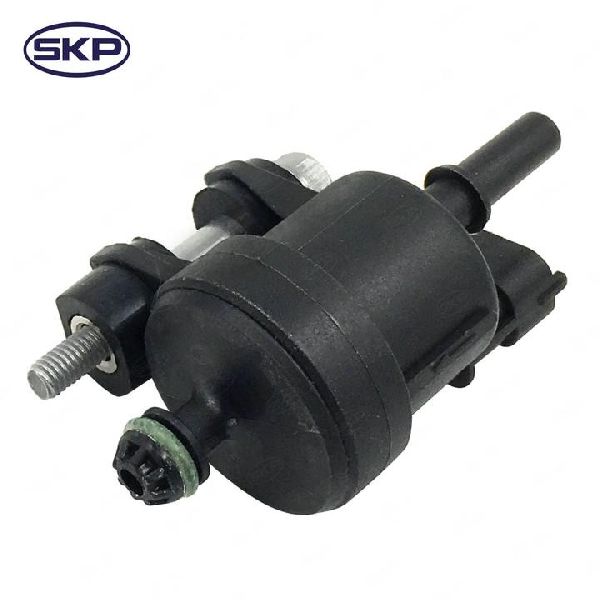
- EVAP Vapor Canister Purge Valve/Solenoid
(OEM #ACDelco 12690512 (For 2013-2017 models) or ACDelco 12737252 (For 2018 models). Always verify with VIN.)— This is the most common component to fail, either by getting stuck or failing electrically, directly causing the P0443 code.
Trusted brands: ACDelco (OEM), Delphi, Dorman, Standard Motor Products (SMP)
OEM price range: $45-$80
Aftermarket price range: $25-$60
Related Codes That Often Appear With This One
- P0496 — This code indicates 'EVAP Flow During a Non-Purge Condition,' which often happens when the purge valve is physically stuck open. It frequently appears with P0443 if the valve has both a mechanical and electrical fault.
- P0459 — TSB #PIP5552 notes that P0459 ('EVAP System Purge Control Valve Circuit High') can appear with P0443, indicating a related electrical circuit problem under investigation by the manufacturer.
- Multiple other codes — If TSB #PIT5336 is relevant, the wiring harness short can cause a cascade of other codes related to components powered by the same 'Emission 1' fuse, such as oxygen sensor heater circuits (e.g., P0053, P0054, P0131, P0137).
Technical Service Bulletins (TSBs) & Recalls
- PIP5552: Notes an investigation into P0443 and P0459 codes on 2018 models.
- PIT5336: Links P0443 to a blown 'Emission 1' fuse caused by a damaged engine wiring harness. This TSB is critical for diagnosing this code on the Traverse and its platform mates.
Platform-Specific Known Issues
- A known issue documented in TSB #PIT5336 involves the engine harness getting damaged, causing a short that blows the 'Emission 1' fuse and triggers code P0443. Owners on forums report finding chafed wires near the alternator or where the harness is secured to the engine.
- TSB #PIP5552 confirms that GM was actively investigating the cause of P0443 and P0459 codes on the 2018 model year, indicating a potential pattern of failure early in the second generation's life.
- Owners frequently report experiencing a hard start or stumbling engine immediately after refueling, which is a classic symptom of a purge valve stuck open, a common failure mode for this part on the 3.6L V6 engine.
Mechanic-Grade Diagnostic Values

- EVAP Purge Solenoid Coil Resistance — expected: 20 - 30 Ohms. Failure: An infinite reading (open circuit) or a reading near zero (short circuit) indicates a failed solenoid.
- Voltage at Purge Solenoid Connector (Power Pin) — expected: Battery Voltage (~12V) with key on, engine off.. Failure: No voltage indicates an open circuit in the power feed from the fuse block.
- PCM Control Voltage Thresholds — expected: When valve is commanded OFF, voltage should be > 5.8V. When commanded ON, voltage should be < 11.5V.. Failure: The PCM sets P0443 if the control circuit voltage goes outside these specific ranges, indicating a short or open.
Scan Tool Commands That Help
- GDS2 / Professional Scan Tool: EVAP Purge/Seal or Vapor Management Valve Command — Use this bidirectional control to command the purge solenoid ON and OFF (or to a specific percentage) to verify the PCM can control the circuit. While commanding the valve, a technician can check for an audible click from the valve and verify the voltage change on the control wire with a multimeter or test light.
Wiring & Ground Locations
- Fuse: 'EMISSION 1' — In the under-hood fuse block, located in the engine compartment on the passenger side.. Per TSB #PIT5336, a short in the engine harness will often blow this specific fuse, cutting power to the purge solenoid and other emission components. Finding this fuse blown is a strong indicator of the TSB-related wiring problem.
- Purge Solenoid Connector Pin 1 (or Pink Wire) — At the connector for the EVAP purge solenoid.. This is the power supply pin. It should have battery voltage with the key on. A lack of voltage here points to a problem upstream (blown fuse, broken wire).
- Purge Solenoid Connector Pin 2 (Control Wire) — At the connector for the EVAP purge solenoid.. This is the ground-side control wire that the PCM pulses to operate the valve. Testing this pin with a test light connected to battery positive should show a flashing light when the valve is commanded on, confirming the PCM driver is working.
- Engine Wiring Harness Chafe Points — Commonly reported near the alternator, against engine mounting brackets, or where the harness bends sharply.. Physical rubbing in these areas can wear through the wire insulation, causing the control wire to short to ground and blow the 'Emission 1' fuse, directly causing the P0443 code as described in TSB #PIT5336.
Real Owner Repair Stories
- Illustrative example from 'Fix It Carter' on YouTube (2003 Chevrolet Silverado (demonstrates a similar GM wiring failure)) — P0443 code present, new-looking purge valve already installed by someone else.
❌ Tried (didn't work) Replacing the purge solenoid valve.
✅ What actually fixed it A broken power wire was found inside the wiring loom right at a junction point near the valve. The wire was corroded and had failed internally. Repairing the broken wire and a second weak-looking wire resolved the code.
"I Checked Everything" — The Actual Cause
- A smoke test is not the correct primary diagnostic tool for a P0443 code. This code specifically indicates an electrical circuit malfunction (open, short, high resistance), not a physical vapor leak in the EVAP system (which would set codes like P0442 or P0455). Technicians who perform a smoke test and find no leaks may be confused, but the test is irrelevant to the fault. The actual cause will be found by testing the electrical circuit: the fuse, wiring, connector, and solenoid itself.
OEM Part Supersession History
12610560→12690512— Standard part revision and consolidation by GM.
Heads up: 12690512 is the correct part for the 2013-2017 Traverse.12690512→12737252— Part redesign for the new generation.
Heads up: 12737252 is the correct part for the 2018 Traverse, which has a different valve location and possibly connector. The two parts are not interchangeable.
Model Year Variations Within This Range
- 2013-2017: The purge valve (PN 12690512) is located on the front of the engine's intake manifold.
- 2018: The purge valve (PN 12737252) was moved to a new location near the firewall on the passenger side. TSB #PIP5552 was issued specifically for this model year, indicating a potential pattern of failure associated with the new design or location.
Helpful Videos


Used OEM Parts in Stock

New Aftermarket Parts Available


The information in this article is provided for general reference and educational purposes only. Vehicle specifications, procedures, and part compatibility can vary by production date, trim level, and region. Always consult your vehicle's factory service manual and verify part numbers before purchasing or performing repairs. Safety-critical components such as airbags, seat belts, and braking systems should be installed by a qualified professional.
- Chevrolet TRAVERSE:
- 🎬 Helpful Videos
- 🛍️ Shop This Part
- What's Unique About the 2013-2018 Chevrolet TRAVERSE
- Diagnostic Flowchart
- Symptoms You May Notice
- Most Likely Causes
- Rare But Worth Checking
- Diagnosis Steps
- Parts You'll Likely Need
- Related Codes That Often Appear With This One
- Technical Service Bulletins (TSBs) & Recalls
- Platform-Specific Known Issues
- Mechanic-Grade Diagnostic Values
- Scan Tool Commands That Help
- Wiring & Ground Locations
- Real Owner Repair Stories
- "I Checked Everything" — The Actual Cause
- OEM Part Supersession History
- Model Year Variations Within This Range
- 🎟️ Get 5% Off