

P0443 on 2013-2018 Buick Enclave: Causes and Fixes for the EVAP Purge Valve Circuit
P0443 on a Buick Enclave usually points to a faulty EVAP Purge Solenoid Valve or a wiring issue. The valve itself is the most common failure point and is a relatively easy and affordable DIY replacement, typically costing $50-$100 for the part. A known issue on these vehicles is wire chafing near the back of the engine, which can blow the 'Emission 1' fuse and cause this code.
- P0443 on a 2013-2018 Buick Enclave is an electrical circuit code for the EVAP purge solenoid.
- The most likely cause is a failed purge solenoid valve, which is an inexpensive part and easy to replace.
- Always inspect the wiring harness and connector for damage before replacing parts, as this is a known issue on these vehicles per GM TSBs.
- Do not mistake this for a gas cap issue; a bad gas cap will set different EVAP codes.
- This issue will cause an automatic failure on an emissions test, so it should be addressed before your next inspection.
What's Unique About the 2013-2018 Buick ENCLAVE

For the 2013-2018 Buick Enclave and its GM Lambda platform mates (like the Chevy Traverse, GMC Acadia, and Saturn Outlook), the P0443 code is a well-documented issue. While the purge valve itself is a frequent culprit, these vehicles are also susceptible to specific wiring problems. GM Technical Service Bulletin (TSB) PIT5336 explicitly details how the engine harness can chafe against an A/C hose coupling at the back of the engine. This damage can cause a short or open circuit, leading to P0443 and often blowing the 15A "Emission 1 Fuse" located in the underhood fuse block. This makes a thorough wiring inspection in that specific area just as important as checking the valve itself.
Diagnostic Flowchart
Tap your situation to follow the diagnostic path that matches what you're seeing on this vehicle.
Generation note: This range covers the end of the first generation (2013-2017) with the LFX engine and the first year of the second generation (2018) with the updated LFY engine. The 3.6L V6 is used in both, and the causes and fixes for P0443 are largely the same. The purge valve is a common failure item across these model years and their platform mates.
Symptoms You May Notice
- Check Engine Light is on
- Slightly reduced fuel economy
- Rough idle, sometimes causing vibrations or hesitation
- Difficulty starting after refueling (more common with a stuck-open purge valve, which can also set code P0496)
- Noticeable fuel odor
- Replacing the gas cap. While a loose or faulty gas cap can cause other EVAP codes (like P0455 for a large leak), it does not cause a P0443 electrical circuit code.
- Replacing the EVAP charcoal canister. The canister is a storage device and is not part of the electrical circuit that this code monitors. A canister issue would set different codes.
- Replacing the EVAP vent solenoid. This is a different valve, usually located near the fuel tank, that controls fresh air entering the canister. A failure here would typically set a P0446 or P0449 code.
Most Likely Causes

- Faulty EVAP Purge Solenoid Valve 🔴 High Probability The solenoid can fail internally over time, either by the internal coil shorting/opening or the mechanical valve getting stuck. This is a very common failure part on many GM vehicles using the 3.6L V6 engine.
How to confirm: With the engine running, disconnect the EVAP line from the purge valve. If you can feel suction from the valve's port at idle, it is stuck open and needs to be replaced. You can also test the coil's resistance with a multimeter (a common reading is 15-30 ohms, but verify spec); an open circuit 🎬 Watch: How to test the solenoid circuit with a multimeter (infinite resistance) or a reading far outside the specification indicates a bad solenoid. A scan tool can also command the valve to open and close to check for an audible click.
Typical fix: Replace the EVAP purge solenoid valve. It is located on top of the engine intake manifold and is easy to access, held by one or two bolts.
Est. part cost: $40-$100 - Damaged Wiring or Loose Connector 🟡 Medium Probability GM TSB #PIT5336 specifically calls out inspecting for damaged wires in the engine harness for this code. The harness can chafe against the A/C hose coupling on the back side of the engine, leading to a short or open circuit.
How to confirm: Visually inspect the wiring harness leading to the purge solenoid, paying close attention to the area behind the engine near the A/C lines for any signs of chafing, melting, or corrosion. Check for a secure connection at the solenoid's electrical connector. Use a multimeter to check for 12V power on the power wire (often pink/red) at the connector with the key on. Then check for continuity on the ground/control wire back to the PCM.
Typical fix: Repair the damaged section of the wiring harness using butt connectors or solder and heat shrink. Secure the repaired harness away from sharp edges or hot components with a zip tie. Clean any corroded terminals.
Est. part cost: $5-$25 - Blown Fuse ⚪ Low Probability TSB #PIT5336 notes that a short in the engine harness can cause the "Emission 1 Fuse" to blow. This 15A fuse, typically located in the underhood fuse block, provides power to the purge solenoid and other emissions components like O2 sensor heaters.
How to confirm: Check the underhood fuse box for a blown fuse labeled "EMISSION 1" or similar (consult your owner's manual for the exact location). If the fuse is blown, there is likely an underlying short circuit in the wiring that must be found and repaired before replacing the fuse.
Typical fix: Replace the blown 15A fuse after repairing the underlying short circuit. Simply replacing the fuse without fixing the short will cause it to blow again.
Est. part cost: $1-$5
Rare But Worth Checking
- Faulty Powertrain Control Module (PCM): This is very rare. The PCM's internal driver for the purge solenoid circuit can fail. This should only be considered after all other possibilities, including the valve, wiring, and fuse, have been thoroughly tested and ruled out.
Diagnosis Steps

- Read the code with an OBD-II scanner to confirm P0443 is present.
- Check the "Emission 1" 15A fuse in the underhood fuse box. If it's blown, proceed directly to inspecting the wiring harness for a short circuit, especially at the rear of the engine per TSB PIT5336.
- Locate the EVAP purge solenoid on the engine's intake manifold.
- Visually inspect the electrical connector and wiring harness going to the solenoid. Look for any signs of damage, corrosion, or loose connections.
- With the ignition on (engine off), use a multimeter to verify that one of the pins on the connector has battery voltage (around 12V).
- If power is present, test the solenoid itself. You can check its internal resistance with a multimeter (compare to spec, often 15-30 ohms). An open or shorted reading means the valve is bad.
- Alternatively, use a scan tool with bidirectional controls to command the purge solenoid to open (e.g., to 50%). You should hear a click and, with the engine running, feel suction on the tank-side port when commanded on.
- If the valve tests good and the fuse is okay, but the code persists, perform a wiggle test on the harness between the solenoid and the PCM to check for intermittent opens or shorts.
- If all wiring and the solenoid are confirmed good, the final, though rare, possibility is a faulty PCM driver circuit.
Parts You'll Likely Need

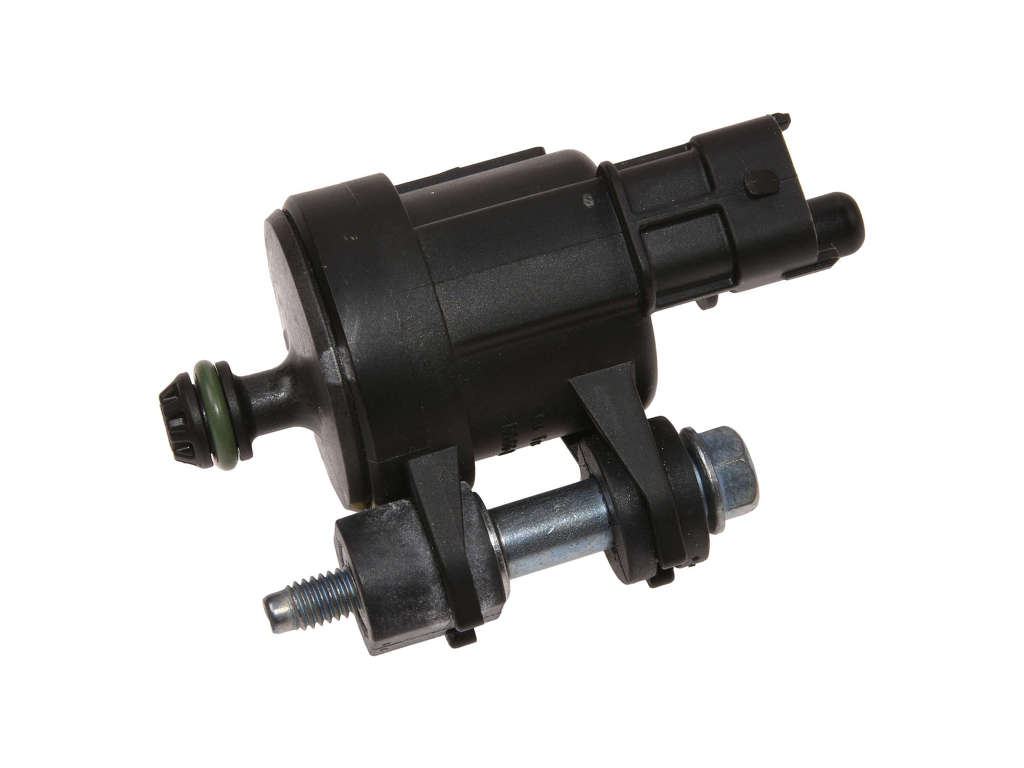
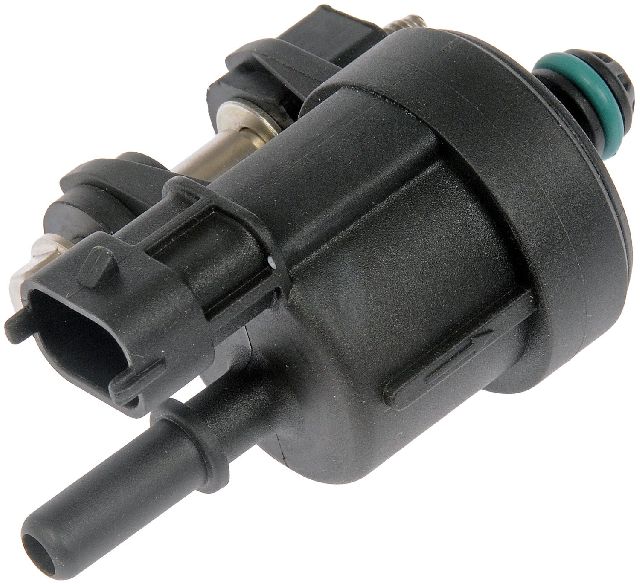
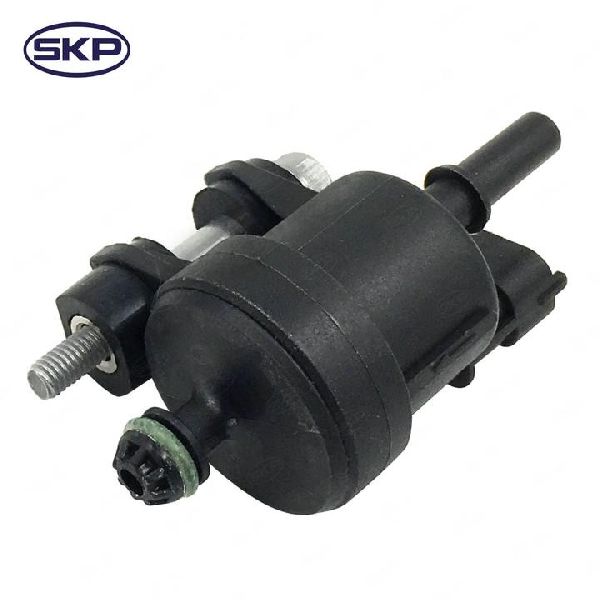
- EVAP Canister Purge Solenoid Valve
(OEM #12610560)— This is the most common component to fail, causing the P0443 code. The internal coil can fail or the valve can get stuck.
Trusted brands: ACDelco (GM OE), Dorman, SKP, APA/URO Parts
OEM price range: $60-$90
Aftermarket price range: $40-$70
Related Codes That Often Appear With This One
- P0496 — P0496 (EVAP Flow During a Non-Purge Condition) is often seen if the purge valve is stuck open. The P0443 circuit code may be set alongside it if the PCM detects an electrical issue while also seeing the effects of the stuck valve.
- P0459 — TSB #PIP5552 mentions P0459 (EVAP Purge Control Circuit High) and P0443 together, indicating they can be triggered by the same underlying issue that GM was investigating.
- P0030, P0036, P0050, etc. — If the "Emission 1 Fuse" is blown due to a wiring short as described in TSB PIT5336, you will likely see codes for other components powered by that same fuse, such as O2 sensor heater circuits.
Technical Service Bulletins (TSBs) & Recalls
- PIP5552: Notes a concern with a Malfunction Indicator Lamp (MIL) on with P0443 or P0459 setting, with engineering investigating the condition.
- PIT5336: Warns of potential for an open Emission 1 Fuse and damaged engine harness wires causing P0443 and other DTCs. Specifically points to the harness chafing on the A/C hose coupling at the back of the engine.
Platform-Specific Known Issues
- TSB #PIT5336 points to the potential for a damaged engine wiring harness chafing on an A/C hose coupling at the back of the engine, causing an open in the Emission 1 Fuse circuit, which can trigger P0443 along with a host of other codes.
- TSB #PIP5552 indicates that GM engineering was actively investigating the cause for P0443 and P0459, suggesting it was a recognized issue on these vehicles.
Mechanic-Grade Diagnostic Values
- EVAP Purge Solenoid Coil Resistance — expected: 15-35 Ω (Ohms). Failure: A reading of 0 Ω indicates a shorted coil. An infinite reading (OL) indicates an open coil.
- EVAP Purge Solenoid Connector Voltage (Key On, Engine Off) — expected: ~12V (Battery Voltage) on the power supply pin.. Failure: 0V on the power pin indicates a blown fuse (e.g., 'Emission 1') or an open in the power supply wire.
Scan Tool Commands That Help
- GM GDS2 / Professional Scan Tool: EVAP Purge/Seal or Activate the VSV for Evap Control — This bidirectional control is used to command the purge solenoid valve on and off manually. While commanding the valve, a technician can listen for an audible click from the valve and feel for suction on the vapor line to confirm if the valve is physically responding to the PCM's command, which helps isolate a bad valve from a wiring problem.
Wiring & Ground Locations
- EVAP Purge Solenoid Connector — On top of the engine intake manifold, connected directly to the purge solenoid valve.. This is the primary connection point for testing. It has two pins: one for the 12V ignition power feed and one for the control circuit (ground-side switched) from the PCM. A poor connection here can cause P0443.
- G101 / G103 — On the lower left side of the engine block.. These are primary engine block grounds. G101 specifically grounds the Engine Control Module (ECM). A poor or corroded ground connection here can cause various electrical issues and fault codes, including improper operation of PCM-controlled circuits like the purge solenoid.
- Engine Harness at Rear of Engine — The wiring harness section that routes along the back of the engine, near the firewall and A/C hose couplings.. This is the specific location mentioned in TSB #PIT5336 where the harness is prone to chafing against an A/C hose coupling, which can cause a short or open in the purge solenoid circuit and blow the 'Emission 1' fuse.
Real Owner Repair Stories
- YouTube Channel 'Fix It Carter' (2003 Chevy Silverado (demonstrates a common GM wiring failure pattern)) — Check Engine Light with code P0443.
❌ Tried (didn't work) The video notes that the purge valve appeared to have been replaced previously, implying a parts-based approach did not fix the root cause.
✅ What actually fixed it A broken wire was found inside the wiring loom near a junction point for the purge solenoid harness. The wire was repaired with a butt connector and heat shrink, which permanently resolved the P0443 code. - YouTube Channel 'ScannerDanner' (General GM vehicle (demonstrates a common wiring failure mode)) — Check Engine Light with EVAP code P0449 (Vent circuit, but same failure mode applies to P0443 Purge circuit).
❌ Tried (didn't work) The owner had already replaced the EVAP vent solenoid and the connector pigtail.
✅ What actually fixed it The wire for the solenoid control circuit was broken inside the insulation, a few inches back from the connector. It looked visually intact but had no continuity. Pulling on the wire revealed the break. Repairing the wire fixed the code.
"I Checked Everything" — The Actual Cause
- A smoke test will almost always come back clean for a P0443 code. This code specifically indicates an electrical circuit malfunction (open, short, high resistance), not a physical leak in the EVAP system hoses or components. Technicians who perform a smoke test for P0443 are misinterpreting the code's definition, as a smoke test is designed to find leaks (which set codes like P0455, P0456, P0442), not electrical faults.
OEM Part Supersession History
12610560→12690512, and subsequently 12737252— Standard part evolution for design improvements, material changes, or manufacturing updates. The function remains identical.
Heads up: The newer part numbers (12690512, 12737252) are direct replacements for 12610560 and are fully compatible.
Model Year Variations Within This Range
- 2013-2017 vs 2018: The 2013-2017 first-generation Enclave uses the 3.6L LFX V6. The 2018 second-generation model uses the updated 3.6L LFY V6, which added an auto start/stop system. While the purge valve part number and general location on the intake manifold remain consistent for this code, some surrounding components and harness routing may differ slightly between generations.
Helpful Videos
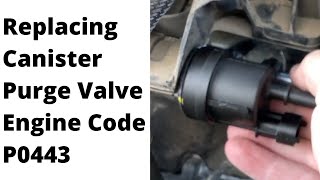

Used OEM Parts in Stock
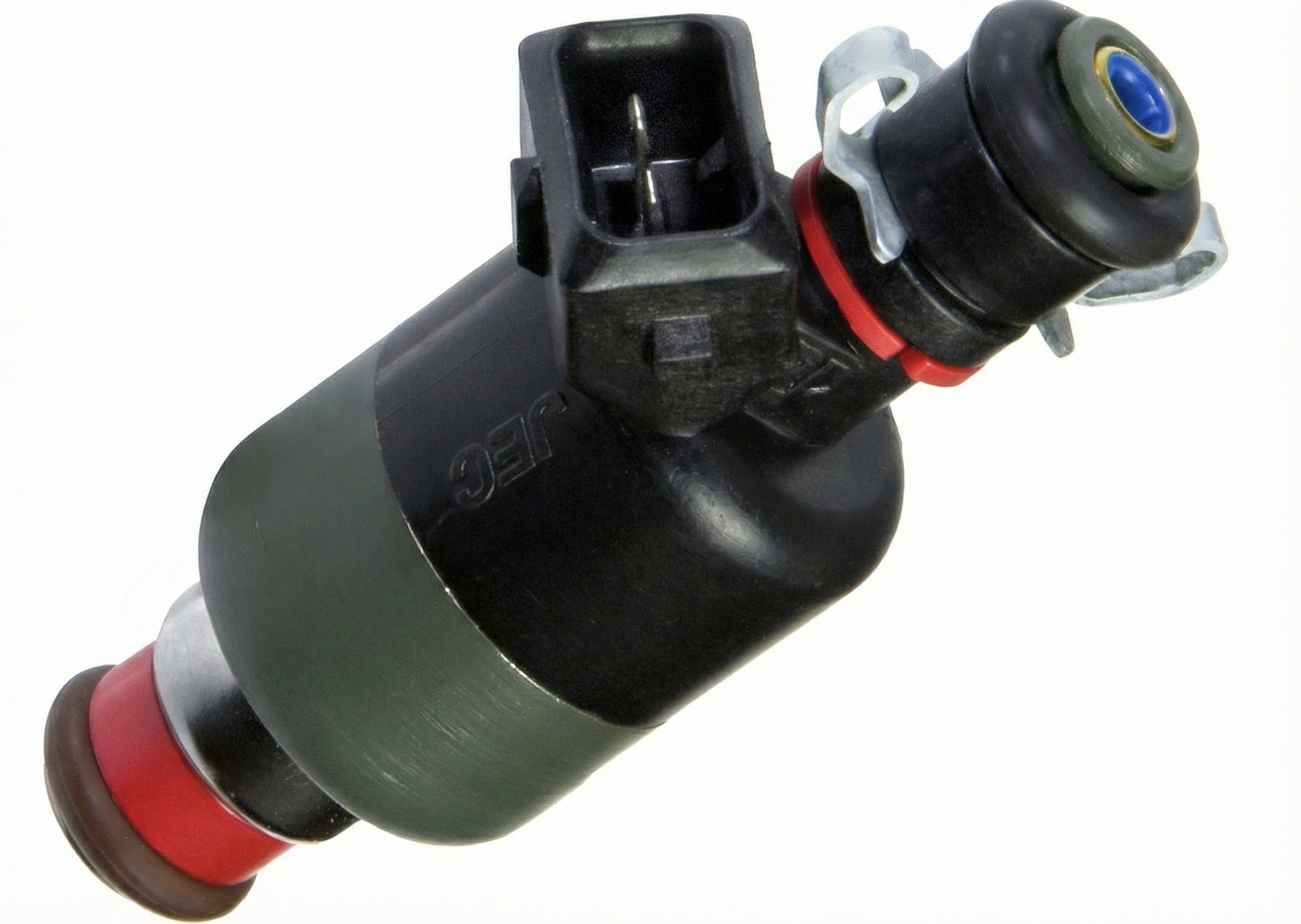
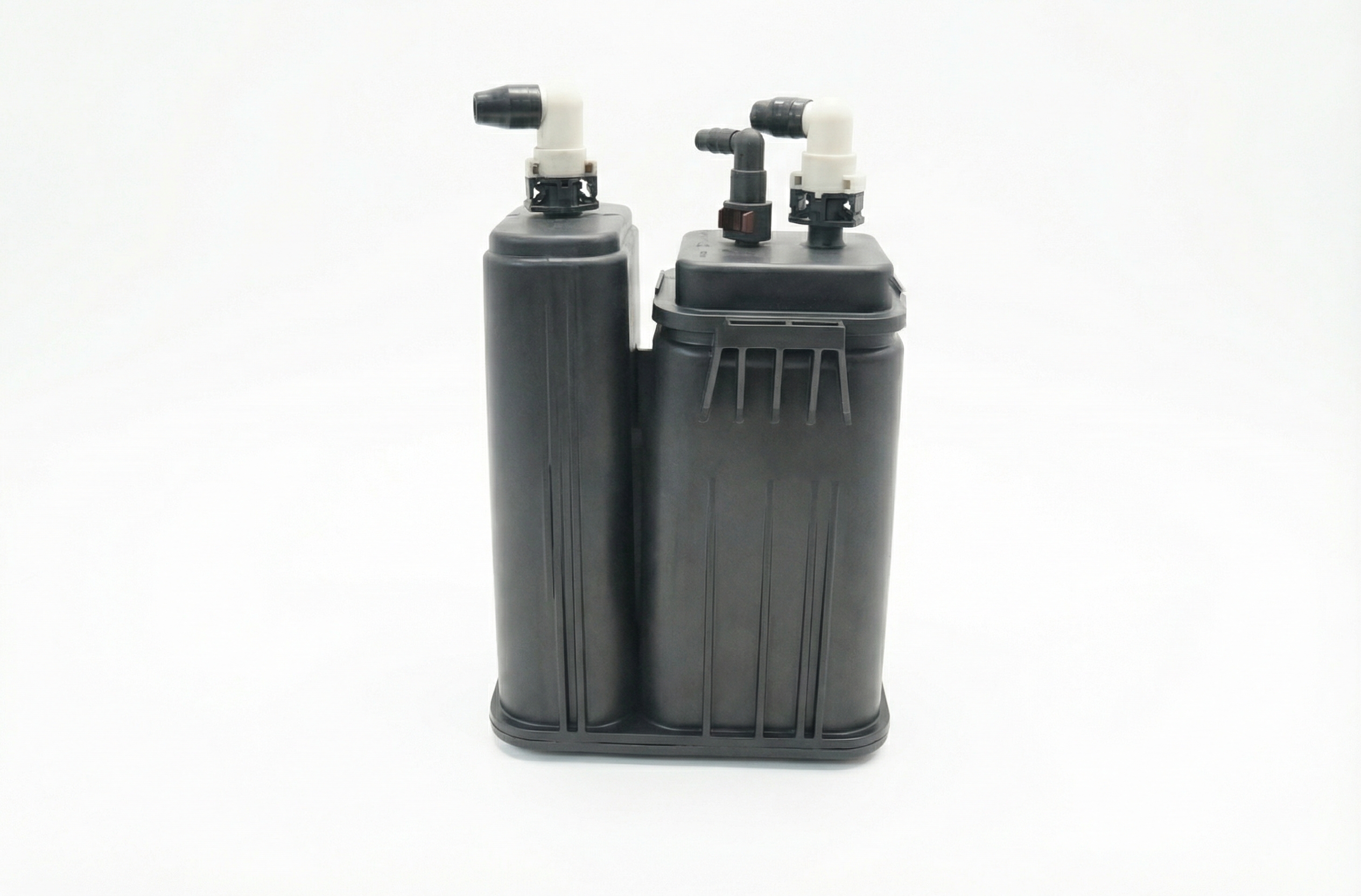
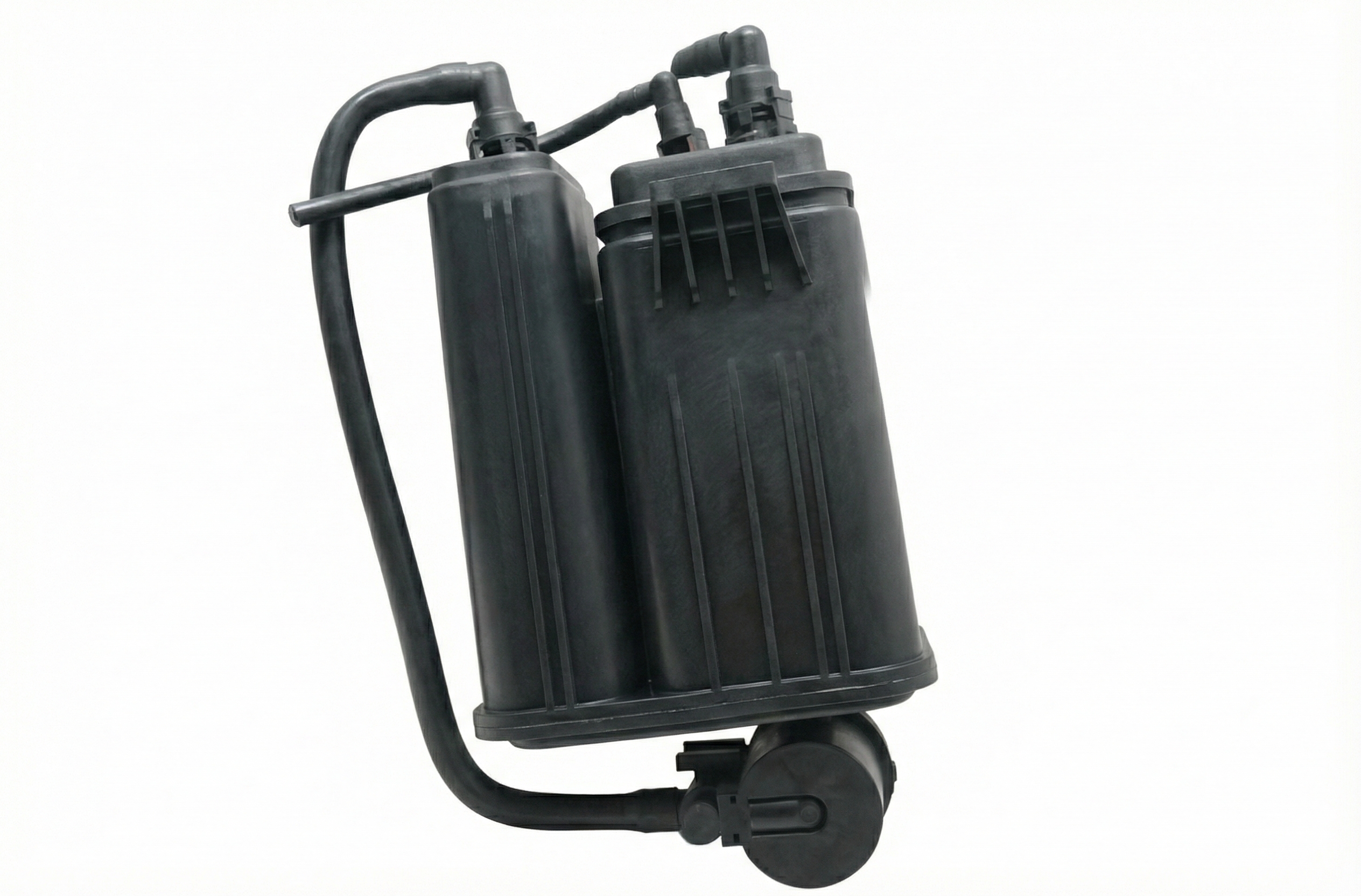

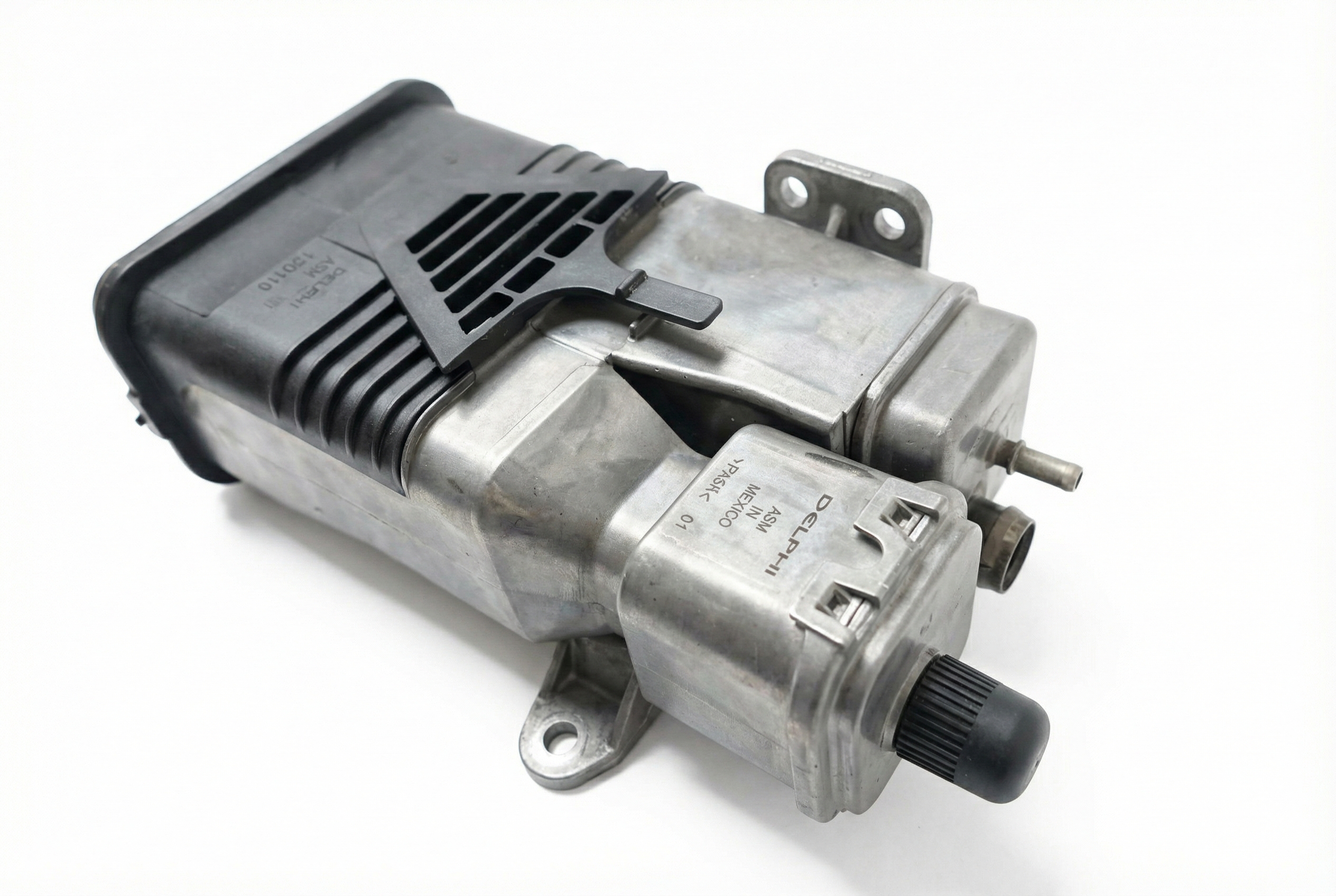
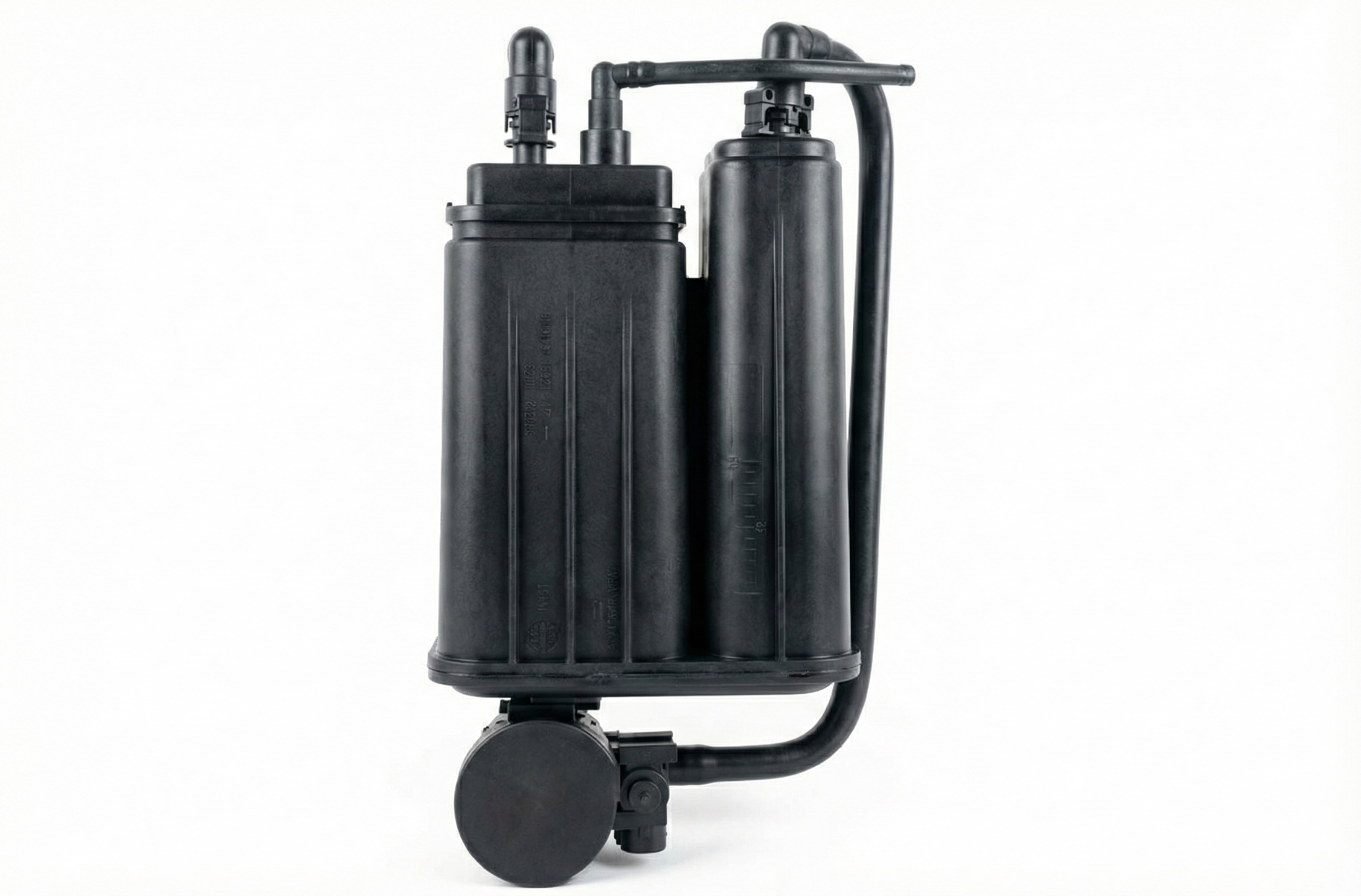
New Aftermarket Parts Available

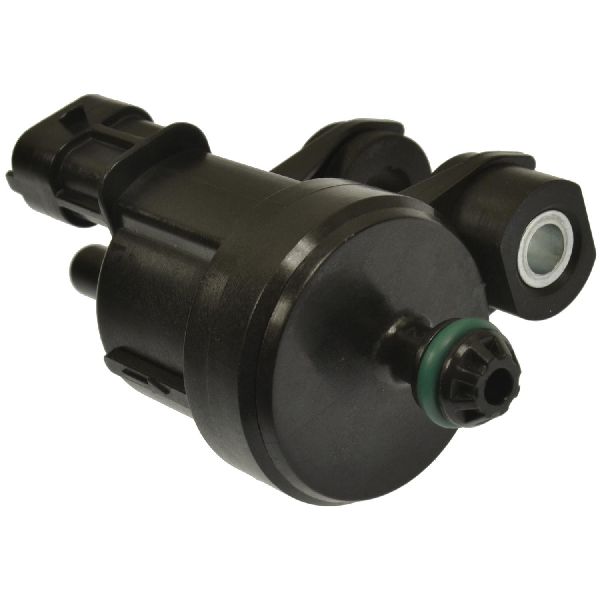

The information in this article is provided for general reference and educational purposes only. Vehicle specifications, procedures, and part compatibility can vary by production date, trim level, and region. Always consult your vehicle's factory service manual and verify part numbers before purchasing or performing repairs. Safety-critical components such as airbags, seat belts, and braking systems should be installed by a qualified professional.
- Buick ENCLAVE:
- 🎬 Helpful Videos
- 🛍️ Shop This Part
- What's Unique About the 2013-2018 Buick ENCLAVE
- Diagnostic Flowchart
- Symptoms You May Notice
- Most Likely Causes
- Rare But Worth Checking
- Diagnosis Steps
- Parts You'll Likely Need
- Related Codes That Often Appear With This One
- Technical Service Bulletins (TSBs) & Recalls
- Platform-Specific Known Issues
- Mechanic-Grade Diagnostic Values
- Scan Tool Commands That Help
- Wiring & Ground Locations
- Real Owner Repair Stories
- "I Checked Everything" — The Actual Cause
- OEM Part Supersession History
- Model Year Variations Within This Range
- 🎟️ Get 5% Off