

P0442 on 2013-2014 Volkswagen Beetle: EVAP Small Leak Causes and Fixes
For a 2013-2014 VW Beetle, a P0442 code is most often caused by a loose or worn-out gas cap. Always check this first. If the cap is tight, the next most likely culprit is a failing EVAP purge valve (N80 valve), a common issue on these vehicles. If the car is hard to start after getting gas, the N80 valve is almost certainly the problem.
- P0442 indicates a small leak in the emissions system and is not an immediate mechanical threat.
- Always start your diagnosis with the simplest and most common fix: check that the gas cap is tight and its seal is not cracked. Replace it if in doubt.
- The N80 purge valve is the second most likely cause on a 2013-2014 Beetle and is a relatively inexpensive and easy part to replace yourself.
- If the gas cap and purge valve are good, the leak is likely in a hose or another component, which will require a smoke test to locate accurately.
What's Unique About the 2013-2014 Volkswagen BEETLE

On the A5 generation Beetle, like many Volkswagens from this era built on the PQ35 platform (including the Jetta and Golf), the P0442 code frequently points toward specific component failures rather than random hose leaks. The N80 EVAP purge valve is a particularly common failure point that can get stuck open, creating a persistent small leak. While a bad gas cap is always a possibility on any car, on this platform, the N80 valve should be the next item on your checklist if the gas cap isn't the issue.
Diagnostic Flowchart
Tap your situation to follow the diagnostic path that matches what you're seeing on this vehicle.
Symptoms You May Notice
- Check Engine Light is on.
- A faint smell of fuel, particularly around the gas cap area or outside the vehicle.
- Slightly reduced fuel economy over time.
- Difficulty starting the engine immediately after refueling. This happens when the N80 valve is stuck open, flooding the engine with fuel vapors.
- Replacing the oxygen (O2) sensors. O2 sensors are not part of the EVAP system and will not cause a P0442 code.
- Replacing the catalytic converter. This is a costly and unrelated repair for an EVAP system leak.
Most Likely Causes


- Loose or Faulty Gas Cap 🔴 High Probability The gas cap is a simple mechanical part with a rubber seal that is frequently used. The seal can dry out, crack, or get dirty over time, preventing a proper seal. Using a non-OEM (aftermarket) cap is a very common cause for this code, as they often do not seal to VW's specifications.
How to confirm: First, ensure the cap is tightened until it clicks several times. Inspect the rubber O-ring on the cap for any visible cracks, stiffness, or damage. If the light returns after tightening, the cap seal is likely faulty. If you have an aftermarket cap, replace it with a genuine one even if it looks fine.
Typical fix: Replace the gas cap. It is highly recommended to use a genuine OEM (Original Equipment Manufacturer) cap to ensure a perfect seal.
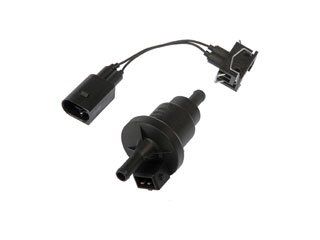
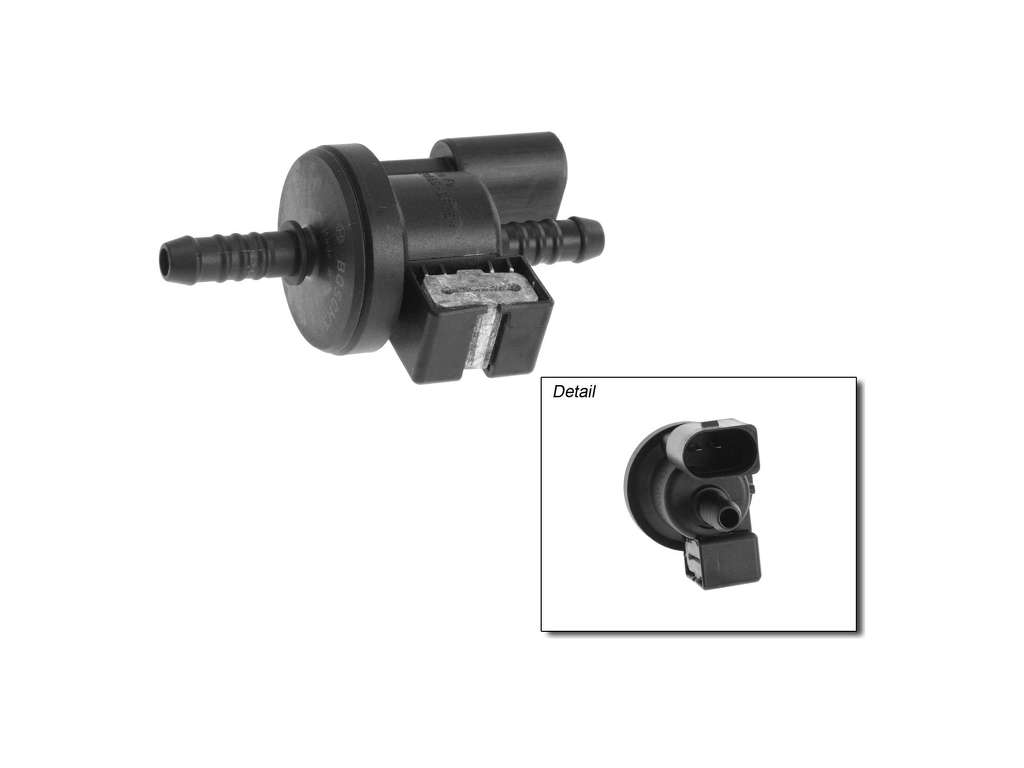
Est. part cost: $25-$50 - Faulty EVAP Purge Valve (N80 Valve) 🔴 High Probability This valve is a known common failure item on many VW models of this era. It can fail internally and remain slightly open, creating a vacuum leak within the EVAP system that the computer detects as a small leak.
How to confirm: The valve is located on top of the engine and is normally closed. Disconnect the electrical connector and the two hoses. Try to blow air through it or apply a hand vacuum pump; if air passes through or it fails to hold a vacuum, it is faulty. You can also test the solenoid's resistance with a multimeter; it should be between 15-30 ohms. A definitive symptom is difficulty starting the car right after filling the gas tank.
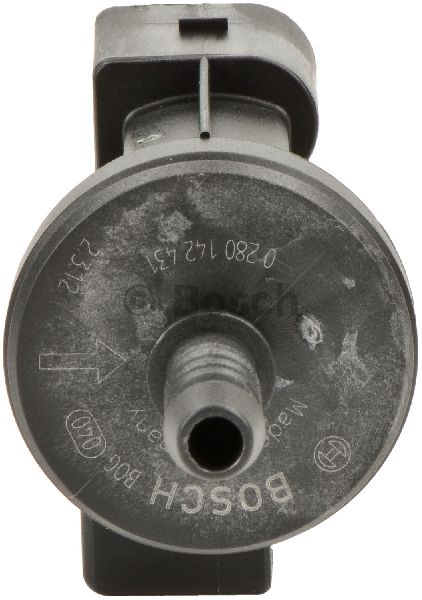
Typical fix: Replace the N80 purge valve. This is a straightforward DIY job for most owners. 🎬 Watch: How to diagnose and replace the N80 valve Bosch is the original equipment supplier for this part.
Est. part cost: $25-$70 - Cracked or Disconnected EVAP Hoses 🟡 Medium Probability The plastic and rubber hoses in the EVAP system can become brittle from age and engine heat, leading to small cracks that are often difficult to see. The lines connected directly to the N80 purge valve are common suspects.
How to confirm: A visual inspection may reveal an obviously cracked or disconnected hose. However, the most reliable method is to have a mechanic perform a smoke test. This involves filling the EVAP system with a harmless, visible smoke and watching to see where it escapes.
Typical fix: Replace the specific section of hose that is leaking. This can range from simple to complex depending on the hose's location.
Est. part cost: $10-$100 - Faulty Leak Detection Pump (LDP) ⚪ Low Probability The LDP is the component that pressurizes the system to test for leaks. It contains seals and a diaphragm that can fail over time, causing a leak within the pump itself. While less common than the N80 valve, it is a known failure point.
How to confirm: This is difficult to confirm without a smoke test or an advanced scan tool. During a smoke test, smoke may be seen escaping from the LDP housing itself, which is typically located near the charcoal canister by the rear passenger-side wheel well. A video of a replacement on a 2014 Jetta shows the location and process. 🎬 Watch: Step-by-step leak detection pump replacement guide
Typical fix: Replace the leak detection pump. This requires removing the rear fender liner for access.
Est. part cost: $100-$200
Rare But Worth Checking
- Cracked Charcoal Canister: While not common, the plastic housing of the charcoal canister can develop a hairline crack, causing a small leak. This is usually found during a smoke test. Overfilling the fuel tank repeatedly can saturate the canister with liquid fuel, leading to its premature failure.
- Leaking Fuel Tank Filler Neck: Rust or corrosion on the metal filler neck where the gas cap seals can create an uneven surface, preventing a proper seal and triggering the P0442 code.
Diagnosis Steps

- Read the code with an OBD-II scanner and confirm P0442 is present. Note any other codes, especially P0441, P0455, or P0456.
- Inspect the gas cap. Ensure it is tightened until it clicks. Check the rubber seal for cracks or damage. If it's an aftermarket cap, consider it the prime suspect.
- If the gas cap looks old, is not OEM, or is suspect in any way, replace it with a genuine OEM part, clear the code, and drive for a few days to see if the light returns.
- If the code comes back, or if you experience hard starts after refueling, locate the N80 purge valve on top of the engine.
- With the engine off, disconnect the hoses and electrical connector from the N80 valve. Try to blow through it. If any air passes, the valve is bad and must be replaced.
- For a more thorough test, use a multimeter to check the resistance across the two pins on the N80 valve. A reading between 15-30 ohms is good; infinite resistance or zero indicates a failed solenoid.
- Visually inspect all accessible EVAP hoses in the engine bay for obvious cracks, brittleness, or loose connections, paying close attention to the lines attached to the N80 valve.
- If no issues are found, the next step is a professional smoke test to find the source of the leak, which could be a less obvious hose, the charcoal canister, or the leak detection pump (LDP).
Parts You'll Likely Need
- Gas Cap
(OEM #5C0-201-550-B)— This is the most common cause due to the wear and tear on its seal. Using an aftermarket cap is a frequent source of this code. It's the first and cheapest part to replace.
Trusted brands: Volkswagen (OEM)
OEM price range: $30-$50
Aftermarket price range: $15-$30 - Vapor Canister Purge Valve (N80 Valve)
(OEM #06E906517A (Fits 2.0T/2.5L), 0280142431 (Bosch))— A very common failure point on VWs that causes an internal leak. It's the second most likely part to fail after the gas cap, and the primary suspect if hard-starting after refueling occurs.
Trusted brands: Bosch (OEM supplier), Standard Motor Products
OEM price range: $50-$80
Aftermarket price range: $25-$50
Related Codes That Often Appear With This One
- P0456 — P0456 indicates a 'very small leak,' which is a smaller leak threshold than P0442. Sometimes a borderline leak can trigger either code. It's common to see these together.
- P0455 — P0455 indicates a 'large leak.' If a small leak worsens, or if the gas cap is left completely loose, a P0455 may appear alongside or instead of P0442.
- P0441 — P0441 indicates 'Incorrect Purge Flow.' This code often appears with P0442 when the N80 purge valve is failing, as the valve is both leaking (causing P0442) and not flowing correctly when commanded (causing P0441).
Technical Service Bulletins (TSBs) & Recalls
- VIN4APIN20200728: Notes customer complaints of MIL-on with P0442 on 2014 models.
- VIN4APIN20200624: Lists customer complaints of MIL-on with P0442 on 2013 models.
- VIN4APIN20200720: Documents customer complaints of MIL-on with P0442 on 2014 models.
- 01-19-06 (Tech Tip): Provides a detailed procedure for testing the N80 valve for leaks on platform-mate vehicles like the Jetta, which is directly relevant to diagnosing the Beetle.
Platform-Specific Known Issues
- Volkswagen Technical Service Bulletins (TSBs) #VIN4APIN20200728, #VIN4APIN20200624, and #VIN4APIN20200720 all list customer complaints of the Malfunction Indicator Lamp (MIL) being on with code P0442 for 2013-2014 Beetles, confirming it is a documented issue on this platform. These TSBs acknowledge the code but do not provide a special repair procedure outside of standard diagnostics.
- A VW Technical Service Tip (01-19-06) was issued for the platform-mate Jetta, providing specific instructions on how to test a leaking N80 valve with a vacuum gauge, a procedure directly applicable to the Beetle.
Mechanic-Grade Diagnostic Values
- N80 Purge Valve Resistance — expected: 15 to 30 Ohms. Failure: Infinite resistance (open circuit) or zero resistance (short circuit).
- N80 Purge Valve Voltage (Key On, Engine Off) — expected: ~12V (Battery Voltage) at Pin 1. Failure: Low or no voltage at the power supply pin (Pin 1) indicates a wiring or fuse issue upstream.
- N80 Purge Valve Control Signal — expected: Pulsing ground signal from ECM when active. Failure: No ground signal from the ECM (Pin 2) when the valve should be active indicates a wiring or ECM driver issue.
Scan Tool Commands That Help
- VCDS (VAG-COM): Basic Settings - Group 070 (or 071) — To initiate the complete EVAP system leak test. The engine must be warm and at idle. The test will report 'EVAP System OK' or 'Leak Detected'. This is the primary function to verify a fix.
- VCDS (VAG-COM) or similar advanced scanner: Output Diagnostic Test Mode (DTM) / Output Tests — To individually cycle specific EVAP components like the N80 Purge Valve and the Leak Detection Pump (LDP). This allows a technician to hear the component click or actuate, confirming the electrical circuit and the component's basic function.
Wiring & Ground Locations
- N80 Purge Valve Connector — On the N80 valve itself, typically on top of the intake manifold.. Pin 1 is the power supply (should have battery voltage with key on) and Pin 2 is the ground control from the ECM. Testing voltage here is a key step in diagnosing a non-responsive valve.
- G15 Ground — On the engine cylinder head.. A poor engine ground can cause a variety of sensor and actuator issues, including erratic behavior of EVAP system components controlled by the ECM.
- G642 Ground — In the left front of the engine compartment, on the frame rail.. This is a major chassis ground point. Corrosion or a loose connection here can lead to widespread electrical problems.
- ECM (Engine Control Module) — Located in the plenum chamber, under the plastic cowling at the base of the windshield.. The ECM provides the switched ground signal to the N80 valve and receives the signal from the fuel tank pressure sensor. All wiring for these components terminates here.
Real Owner Repair Stories
- JNB Tuning YouTube Channel (2014 VW Jetta 1.8T (platform-mate) with 214,000 km) — Check Engine Light with codes P0442 (Small Leak) and P0457 (Loose Cap / Gross Leak).
❌ Tried (didn't work) The video implies the issue was recurring, suggesting simpler fixes may have been tried previously.
✅ What actually fixed it The EVAP Leak Detection Pump (LDP), located in the passenger side rear wheel well, was replaced. After replacement and clearing the codes with an OBD11 scanner, the EVAP system fault turned green (passed).
OEM Part Supersession History
6e906517→06E-906-517-A— Standard part revision by the manufacturer.
Heads up: The new part number is a direct replacement for the old one.
Helpful Videos

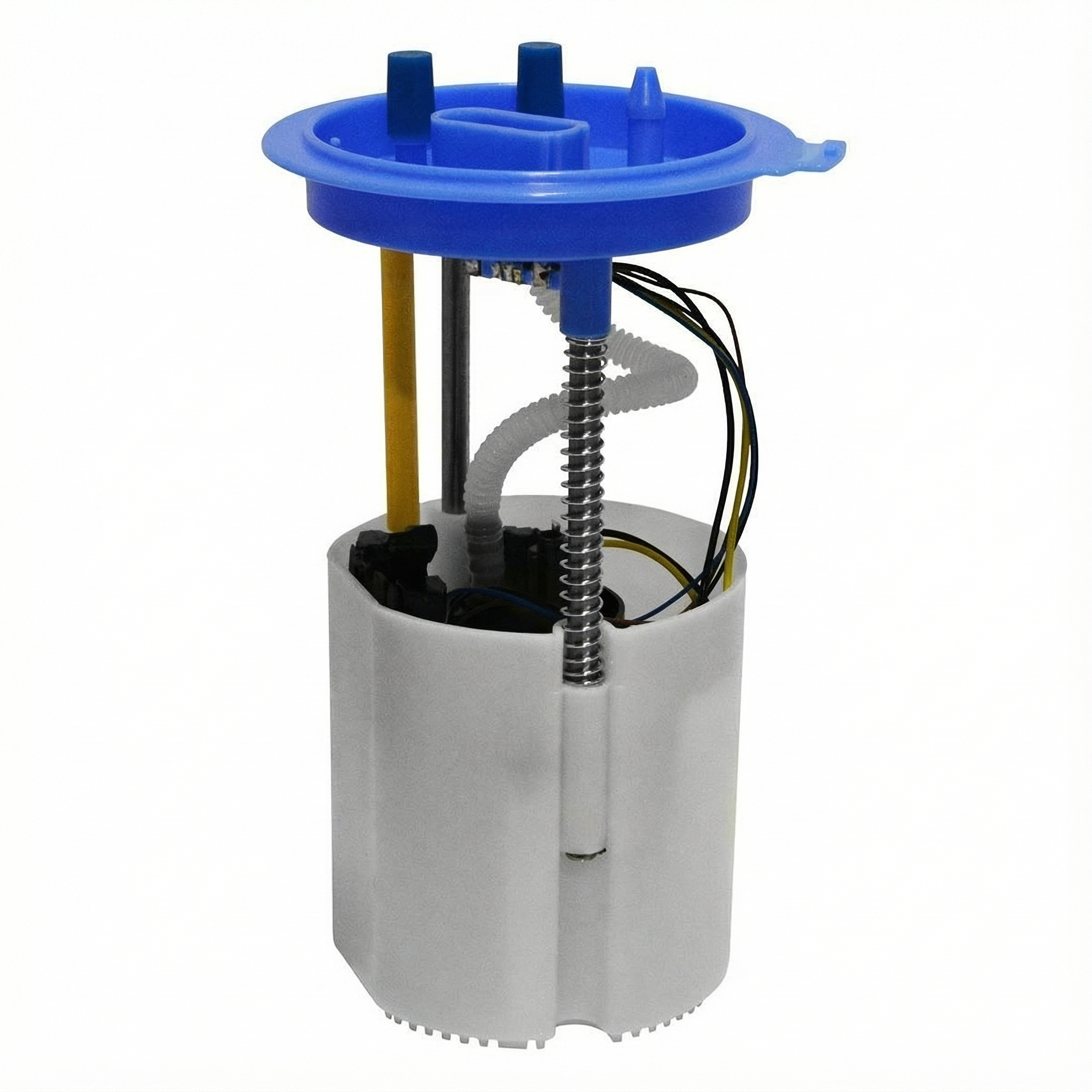
Used OEM Parts in Stock
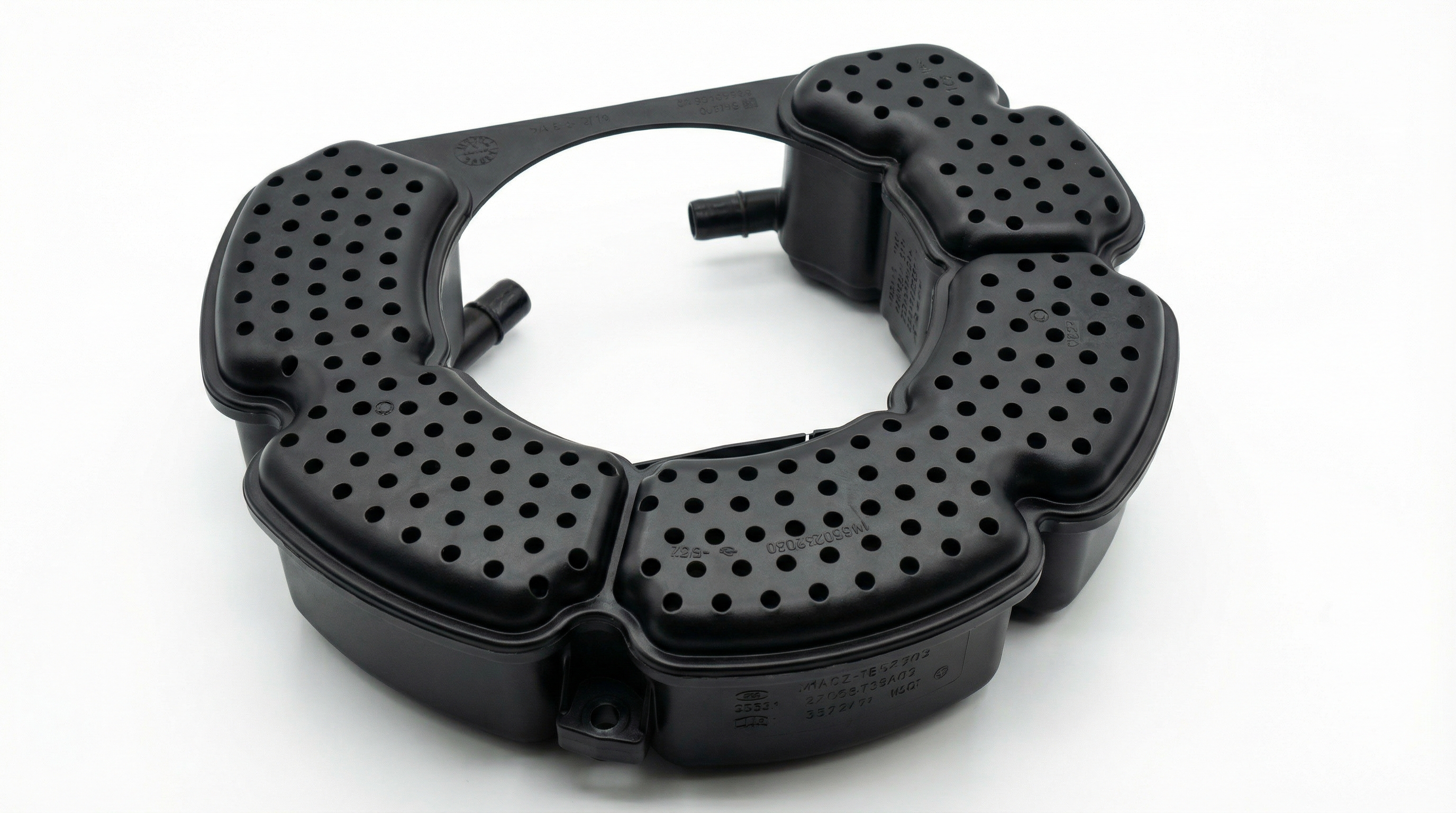
New Aftermarket Parts Available


The information in this article is provided for general reference and educational purposes only. Vehicle specifications, procedures, and part compatibility can vary by production date, trim level, and region. Always consult your vehicle's factory service manual and verify part numbers before purchasing or performing repairs. Safety-critical components such as airbags, seat belts, and braking systems should be installed by a qualified professional.
- Volkswagen BEETLE:
- 🎬 Helpful Videos
- 🛍️ Shop This Part
- What's Unique About the 2013-2014 Volkswagen BEETLE
- Diagnostic Flowchart
- Symptoms You May Notice
- Most Likely Causes
- Rare But Worth Checking
- Diagnosis Steps
- Parts You'll Likely Need
- Related Codes That Often Appear With This One
- Technical Service Bulletins (TSBs) & Recalls
- Platform-Specific Known Issues
- Mechanic-Grade Diagnostic Values
- Scan Tool Commands That Help
- Wiring & Ground Locations
- Real Owner Repair Stories
- OEM Part Supersession History
- 🎟️ Get 5% Off