

P0442 on 2007-2010 Saturn SKY: EVAP Small Leak Causes and Fixes
The most common cause for a P0442 code on a Saturn SKY is a loose or faulty gas cap. If tightening or replacing the cap doesn't work, the next most likely culprits are the EVAP purge or vent solenoids. A high-quality OEM gas cap costs about $25-$35, while solenoids range from $30 to $70. Using cheaper, aftermarket gas caps is a known cause of this code.
- Always check the gas cap first for a P0442 code. It's the most common and cheapest fix.
- The EVAP purge solenoid, located on the engine, is a frequent failure point and is easy to replace yourself.
- If the gas cap and purge solenoid are good, the next likely part is the vent solenoid at the rear of the car.
- For leaks that are not obvious, a smoke test is the most reliable way to find the exact source and avoid replacing unnecessary parts.
What's Unique About the 2007-2010 Saturn SKY

The Saturn SKY shares its Kappa platform and powertrains with the Pontiac Solstice, Opel GT, and Daewoo G2X, so they experience identical issues. A known problem on these cars is difficulty filling the gas tank, which is almost always related to EVAP system components like a faulty vent solenoid or a clogged charcoal canister that has become saturated with fuel or charcoal pellets. The manufacturer issued a Technical Service Bulletin (TSB #PIT4943D) that points technicians toward specific diagnostic procedures with an EVAP tester, acknowledging that finding the source of a P0442 leak can be tricky without a smoke test or specialized tools. Some owners have resorted to cutting an access panel in the trunk's fiberglass body to replace the charcoal canister, a notoriously difficult part to access.
Diagnostic Flowchart

Tap your situation to follow the diagnostic path that matches what you're seeing on this vehicle.
Symptoms You May Notice
- Check Engine Light is on
- A faint smell of fuel, particularly outside the vehicle or in the garage after being parked
- Difficulty starting the car after refueling (if the purge solenoid fails open)
- Gas pump nozzle clicks off repeatedly when trying to refuel (can be related to a faulty vent solenoid or clogged canister)
- A 'Check Fuel Cap' message may appear on the driver information center, if equipped.
- Replacing the purge or vent solenoid without first checking the gas cap with a genuine OEM part.
- Replacing multiple EVAP components without performing a smoke test to confirm the exact location of the leak.
- Using a cheap, aftermarket gas cap which fails to seal properly and causes the code to return.
Most Likely Causes

- Loose, Worn, or Incorrect Gas Cap 🔴 High Probability This is the most common cause for a P0442 code on nearly all vehicles. The rubber seal on the cap can crack and degrade over time, preventing a proper seal. On the Kappa platform, using aftermarket gas caps is a frequent cause of the P0442 code, as they often fail to seal as effectively as the OEM part.
How to confirm: First, ensure the cap is tightened until it clicks several times. Inspect the rubber O-ring on the cap for any cracks, stiffness, or damage. Check the fuel filler neck for rust, dirt, or debris that could prevent a good seal. Cleaning the filler neck surface with a cloth can resolve minor sealing issues.
Typical fix: Replace the gas cap with a new, high-quality OEM ACDelco part. Many owners report that only an OEM cap will solve the problem permanently.
Est. part cost: $25-$35 - Faulty EVAP Purge Solenoid/Valve 🟡 Medium Probability The purge solenoid controls the flow of fuel vapors from the charcoal canister to the engine. It can fail by getting stuck open or closed, or by developing a leak. On the SKY's Ecotec engine, this is a known failure point across many GM vehicles that use the same part.
How to confirm: The purge solenoid is located on the driver's side of the intake manifold in the engine bay. A simple test is to remove the valve and try to blow through it; if air passes through when it's not energized, it has failed open. A scan tool can also be used to command the valve open and closed to check for response and monitor for vacuum decay.
Typical fix: Replacement of the purge solenoid. This is a very easy DIY job, typically requiring only a 10mm socket and about 15 minutes.
Est. part cost: $25-$60 - Faulty EVAP Vent Solenoid/Valve 🟡 Medium Probability The vent solenoid is normally open to allow air into the EVAP system. The ECM closes it during system self-tests. If it fails to close properly or has a leak, it will trigger a code. Its location near the rear of the car, attached to the charcoal canister, exposes it to road grime, moisture, and debris, leading to failure.
How to confirm: The vent solenoid is located near the charcoal canister at the rear of the vehicle, accessible through the trunk. Diagnosis often requires a scan tool to command the valve closed and a smoke machine to see if it's leaking. A symptom of being unable to fill the gas tank is a strong indicator of a failed vent solenoid.
Typical fix: Replace the vent solenoid. Access requires removing the trunk liner and sometimes cutting an access hole in the fiberglass tub to reach the canister assembly. Some replacement parts may require a new pigtail connector.
Est. part cost: $30-$70 - Cracked or Disconnected EVAP Hose ⚪ Low Probability Over time, the rubber and plastic hoses that make up the EVAP system can become brittle and crack, especially at connection points and elbows.
How to confirm: A visual inspection of all accessible EVAP lines between the engine, charcoal canister, and fuel tank may reveal obvious damage. However, small cracks are difficult to spot and are best found using a smoke machine, which fills the system with a visible vapor to pinpoint the leak source.
Typical fix: Replace the damaged section of hose.
Est. part cost: $5-$50
Rare But Worth Checking
- Leaking Charcoal Canister: The plastic housing of the canister itself can develop cracks. On the Sky/Solstice platform, a known issue is the internal filter media breaking down, sending charcoal pellets into the EVAP lines, clogging them and causing refueling issues. Replacement is expensive and labor-intensive due to its location.
- Rusted Fuel Filler Neck: In areas with heavy road salt use, the metal filler neck where the gas cap seals can corrode, creating a rough or pitted surface that prevents the cap from sealing properly, even with a new cap. Cleaning the surface with a wire brush may help, but replacement of the neck might be necessary in severe cases.
- Leaking Fuel Tank Pressure Sensor Seal: The sensor that monitors pressure in the EVAP system has a seal that can degrade and cause a small leak. This was a common enough issue on older Saturn models that it is a known diagnostic step, though less common on the Sky.
Diagnosis Steps

- Check the gas cap. Ensure it is tight and clicks at least three times. Remove it and inspect the seal for cracks or damage. Clean the filler neck surface. If in doubt, replace it with a genuine ACDelco cap.
- Clear the code with an OBD-II scanner and drive the vehicle for a few days. If the code does not return, the issue was likely the loose or faulty cap.
- If the code returns, perform a thorough visual inspection of all visible EVAP hoses and lines in the engine bay and under the car for obvious cracks, disconnections, or damage.
- Locate and test the EVAP purge solenoid on the intake manifold. With the engine off, disconnect the valve and try to blow through it. If air passes, the valve is stuck open and must be replaced.
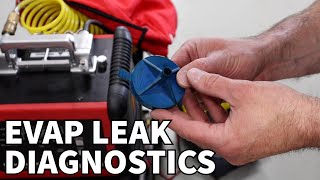
- If the above steps do not reveal the problem, the most effective next step is to have a smoke test performed. A mechanic will inject low-pressure smoke into the EVAP system. The smoke will exit from the source of the leak, making it easy to identify. TSB PIT4943D specifically recommends this procedure.
- Based on the smoke test results, inspect the indicated component, which could be the vent solenoid, charcoal canister, a hose, or the fuel tank gasket. If refueling is difficult, the vent solenoid or canister is the prime suspect.
Parts You'll Likely Need
- Vapor Canister Purge Solenoid
(OEM #12597567 (superseded by 12606684, 12735397))— This is a very common failure point on GM Ecotec engines, often getting stuck open and causing a leak. It is used on dozens of GM models from the era.
Trusted brands: ACDelco (GM Genuine)
OEM price range: $30-$50
Aftermarket price range: $20-$40 - Fuel Cap
(OEM #19432733 (ACDelco GT287))— The gas cap is the most frequently handled part of the EVAP system, and its seal wears out over time, making it the number one cause of small EVAP leaks. Aftermarket caps are a known problem.
Trusted brands: ACDelco (GM Genuine)
OEM price range: $25-$35
Aftermarket price range: $15-$25 - Vapor Canister Vent Solenoid
(OEM #25932571 (ACDelco 214-2149))— This valve can fail to seal during EVAP tests, causing a leak. Its location at the rear of the car makes it susceptible to dirt and moisture. Failure also causes difficulty when refueling.
Trusted brands: ACDelco (GM Genuine)
OEM price range: $30-$70
Aftermarket price range: $20-$45
Related Codes That Often Appear With This One
- P0455 — Indicates a large EVAP leak. Sometimes a large leak (like a very loose gas cap) is fixed, revealing a secondary, smaller leak that then triggers P0442.
- P0446 — This code points specifically to a fault in the EVAP vent control circuit. A problem with the vent valve can sometimes manifest as a small leak code like P0442.
- P0496 — Indicates 'EVAP Flow During a Non-Purge Condition,' which almost always means the purge valve is stuck open. A stuck-open purge valve is a leak to the intake manifold and can be interpreted by the system as a small leak, triggering P0442.
Technical Service Bulletins (TSBs) & Recalls
- PIT4943D: Advises technicians on diagnosing a P0442 code by referencing a Techlink article on using the 'Evaporative Emissions System Tester'. [⭐ MANUFACTURER TSB — highest authority]
Platform-Specific Known Issues
- TSB for P0442 Diagnosis: A Technical Service Bulletin (TSB #PIT4943D) was issued for P0442 on these vehicles, directing technicians to use a specific EVAP system tester and smoke machine, highlighting that proper diagnosis is key and leaks may only appear under vacuum.
- Charcoal Canister Access: The charcoal canister and vent solenoid are located in the trunk area, but are blocked by the vehicle's fiberglass tub. Many owners and technicians cut an access panel into the fiberglass above the fuel pump cover to gain access for replacement, as the official procedure is extremely labor-intensive.
- Refueling Issues Point to Venting: A very common complaint on the Sky/Solstice platform is the fuel pump nozzle shutting off constantly during refueling. This is almost always caused by a clogged or failed EVAP vent solenoid or a charcoal canister that is saturated with fuel/charcoal bits, preventing the tank from venting properly.
Mechanic-Grade Diagnostic Values
- EVAP Vent Solenoid Coil Resistance — expected: 20 - 30 Ohms. Failure: A reading outside this range indicates a damaged solenoid winding. An open circuit (infinite resistance) means the coil is broken.
- EVAP Purge Solenoid Coil Resistance — expected: Generally 20 - 50 Ohms, varies by specific part.. Failure: A reading significantly outside the expected range for the specific part number, or an open/short circuit, indicates a failed solenoid coil.
- Fuel Tank Pressure (FTP) Sensor Voltage at Atmospheric Pressure — expected: 1.3V to 1.7V (typically around 1.5V) with the sensor unplugged from the tank or with the gas cap off.. Failure: A voltage stuck near 0V or 5V indicates a failed sensor or a wiring issue. The voltage should decrease with vacuum and increase with pressure.
Scan Tool Commands That Help
- GM Tech 2 / GDS2: EVAP Purge/Seal — This function commands the vent solenoid closed and the purge solenoid open to seal the system, allowing a technician to monitor the Fuel Tank Pressure (FTP) sensor for vacuum decay to check for leaks without a smoke machine.
- GM Tech 2 / GDS2: EVAP Vent Solenoid Control — Allows the technician to command the vent solenoid on (closed) and off (open) to verify its function. A click should be heard when activated. This is used during a smoke test to seal the system or to check if the valve is stuck.
- GM Tech 2 / GDS2: EVAP Service Bay Test — This is an automated test that runs the onboard EVAP diagnostic routine on command, rather than waiting for the vehicle's drive cycle conditions to be met. It can quickly confirm if a repair was successful or if a leak is still present.
Wiring & Ground Locations
- G304 — On the rear support panel, behind the driver's seat.. This is a major chassis ground point for several rear-body components. While not directly tied to the EVAP solenoids, a poor ground here can cause erratic behavior in nearby systems, and it's a key location to check for corrosion or looseness when diagnosing any rear-of-vehicle electrical issues.
- G400 / G402 — Located in the rear of the vehicle, near the tail lamp assemblies.. These are the primary grounds for the rear chassis harness, which includes the wiring for the EVAP canister vent solenoid and fuel tank pressure sensor. A corroded or loose connection at G400 or G402 is a potential cause for intermittent or failed operation of the vent solenoid.
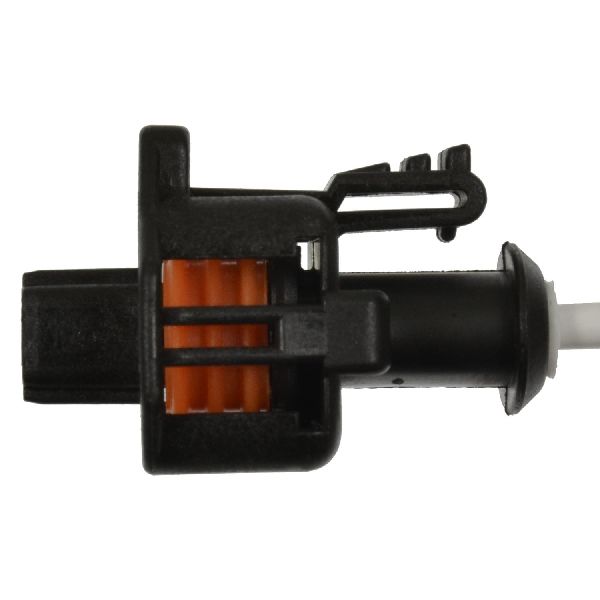
- EVAP Canister Vent Solenoid Connector — At the EVAP canister vent solenoid, located at the rear of the vehicle near the fuel tank.. The wiring harness provides power and a control signal (ground) from the ECM. One wire should have 12V with the key on, and the other is the ground path controlled by the ECM. Checking for power at this connector is a key step in diagnosing a non-responsive vent solenoid.
Real Owner Repair Stories
- Pontiac Solstice Forum user (Pontiac Solstice (mechanically identical to Sky)) — Check Engine Light with P0442 code.
❌ Tried (didn't work) Replaced gas cap with an OEM part., Replaced the EVAP purge solenoid in the engine bay.
✅ What actually fixed it The user performed a smoke test and found smoke leaking from a crack in the seam of the charcoal canister itself. Replacing the entire charcoal canister assembly resolved the P0442 code. - Saturn Sky Roadster Forum user (2007 Saturn Sky) — P0442 code that would not clear.
❌ Tried (didn't work) Replaced gas cap., Replaced purge solenoid valve.
✅ What actually fixed it The final fix was replacing the EVAP vent solenoid located at the rear of the car. The owner noted that after replacing it, the code was cleared and did not return after multiple drive cycles.
"I Checked Everything" — The Actual Cause
- A common scenario is a smoke test showing no leaks, yet the P0442 code persists. This can happen if the EVAP purge solenoid is mechanically stuck open internally but seals perfectly on the outside. When the engine is off, it allows a vacuum leak from the intake manifold into the canister, which the ECM interprets as a system leak during its test cycle. A smoke test won't reveal this because the smoke machine pressurizes the system from the test port, and the valve body itself isn't cracked. The fix is to remove the valve and attempt to blow through it; if air passes, it's faulty despite passing a smoke test.
OEM Part Supersession History
12597567→12606684, which was then superseded by 12735397— Standard part evolution for improved reliability or manufacturing changes across the many GM platforms that used this purge solenoid.
Heads up: All parts in this chain are direct replacements and are compatible with the 2007-2010 Saturn SKY.25932571 (ACDelco 214-2149)→The part number has remained stable, but some aftermarket versions or updated OEM kits may come with a pigtail adapter.— The electrical connector design may have been updated on the service part.
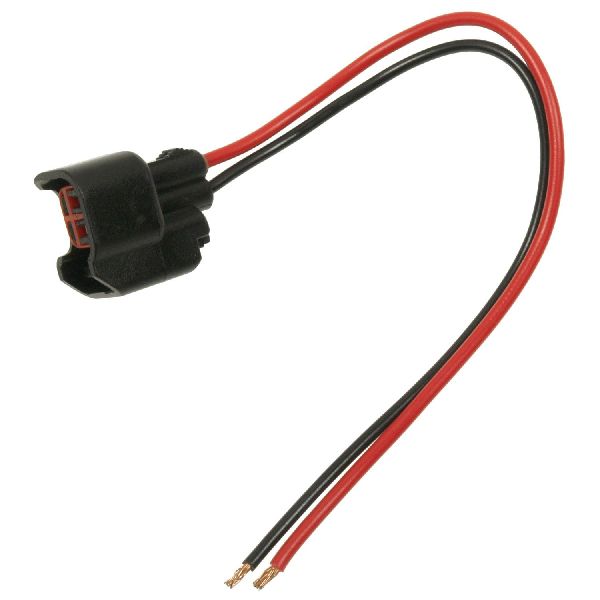
Heads up: If replacing the vent solenoid, be prepared that the new part may have a different connector shape than the original harness. Many replacement kits include a new pigtail that must be spliced in.
Helpful Videos


We Have This Part in Stock


The information in this article is provided for general reference and educational purposes only. Vehicle specifications, procedures, and part compatibility can vary by production date, trim level, and region. Always consult your vehicle's factory service manual and verify part numbers before purchasing or performing repairs. Safety-critical components such as airbags, seat belts, and braking systems should be installed by a qualified professional.
- Saturn SKY:
- 🎬 Helpful Videos
- 🛍️ Shop This Part
- What's Unique About the 2007-2010 Saturn SKY
- Diagnostic Flowchart
- Symptoms You May Notice
- Most Likely Causes
- Rare But Worth Checking
- Diagnosis Steps
- Parts You'll Likely Need
- Related Codes That Often Appear With This One
- Technical Service Bulletins (TSBs) & Recalls
- Platform-Specific Known Issues
- Mechanic-Grade Diagnostic Values
- Scan Tool Commands That Help
- Wiring & Ground Locations
- Real Owner Repair Stories
- "I Checked Everything" — The Actual Cause
- OEM Part Supersession History
- 🎟️ Get 5% Off