

P0442 on 2005-2007 Saturn RELAY: EVAP Small Leak Causes and Fixes
This code means a small leak in the emissions system. Most often, it's just a loose or worn-out gas cap, a $15-$30 part. If a new gas cap doesn't fix it, the next likely culprits are a bad purge or vent valve, or a cracked hose. A smoke test is the most reliable way to find the leak's exact location before replacing parts.
- Always check the gas cap first. Make sure it's tight and the seal is in good condition. This is the cheapest and most common fix.
- If a new gas cap doesn't solve the problem, don't just replace parts randomly. The most efficient next step is a smoke test to pinpoint the exact location of the leak.
- The two most likely parts to fail after the gas cap are the purge solenoid (in the engine bay) and the vent solenoid (at the rear of the van by the tank).
- This code will not affect how your vehicle drives, but it will cause an automatic failure on an emissions test.
What's Unique About the 2005-2007 Saturn RELAY
The Saturn RELAY, along with its GM U-body siblings (Chevy Uplander, Buick Terraza, Pontiac Montana SV6), commonly experiences this EVAP code. A key challenge is that two different valves, in very different locations, are common failure points. The purge valve is easy to access in the engine bay, while the vent valve is located at the rear of the van by the fuel tank and is much harder to replace. GM even issued a Technical Service Bulletin (TSB), PIT4943D, which advises technicians to use a specialized EVAP smoke tester for diagnosis, implying that finding the small leak on a RELAY often requires proper diagnostic equipment beyond a simple visual check.
Diagnostic Flowchart
Tap your situation to follow the diagnostic path that matches what you're seeing on this vehicle.
Symptoms You May Notice
- Check Engine Light is on
- A faint fuel smell may be noticeable in some cases
- Failure to pass an emissions inspection
- Difficulty refueling (gas pump clicks off repeatedly), which can point specifically to a stuck-closed vent valve
- Replacing the fuel tank pressure sensor. This sensor rarely causes a leak code on its own and will typically set its own specific trouble codes (like P0452) if it fails.
- Confusing the purge valve (in the engine bay) with the vent valve (at the rear of the vehicle). Owners may replace the easy-to-access purge valve when the actual leak is from the harder-to-reach vent valve.
Most Likely Causes
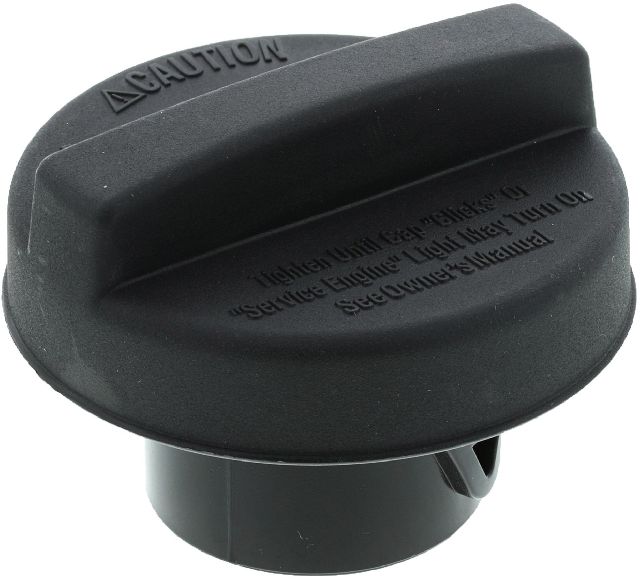
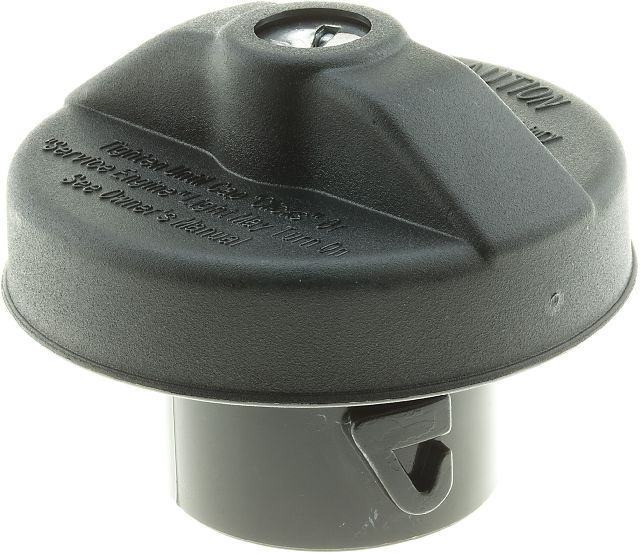
- Loose, Worn, or Incorrect Gas Cap 🔴 High Probability The gas cap is a frequently used part and its rubber O-ring seal degrades over time from exposure to fuel vapors and weather, causing it to lose its sealing ability. Using a non-OEM cap can also lead to sealing issues.
How to confirm: First, ensure the cap is tight (at least three clicks). Inspect the rubber seal for cracks, stiffness, or damage. Check the fuel filler neck for rust or debris that could prevent a good seal.
Typical fix: Replace the gas cap. It is highly recommended to use an OEM (ACDelco) or high-quality aftermarket cap, as cheaper versions can have sealing issues.
Est. part cost: $15-$35 - Faulty EVAP Purge Valve / Solenoid 🟡 Medium Probability This valve is constantly working while the engine runs. It can get stuck slightly open, allowing un-metered vapor flow that the system interprets as a small leak. This is a very common failure on GM vehicles of this era.
How to confirm: The purge valve is located in the engine bay, on or near the engine itself. A hard start immediately after refueling is a strong symptom of a stuck-open purge valve. A smoke test is the most reliable method. A mechanic can also command it closed with a scan tool to see if it holds a vacuum. A P0496 code is often seen with a bad purge valve.
Typical fix: Replace the purge valve solenoid. This is a relatively easy DIY job, often held by a single bolt with two hose connections.
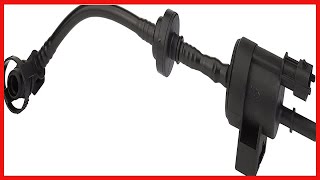
Est. part cost: $25-$60 - Faulty EVAP Vent Valve / Solenoid 🟡 Medium Probability Located near the fuel tank and spare tire, this valve is exposed to road debris, moisture, and salt, which can cause it to crack or fail. It can fail to close completely when the system runs its leak test, causing the P0442 code.
How to confirm: The vent valve is mounted on the charcoal canister at the rear of the vehicle. A smoke test will show smoke escaping from the valve if it's leaking. It is often accompanied by code P0449, which points to an electrical fault in the vent valve circuit. Difficulty filling the fuel tank is another strong indicator.
Typical fix: Replace the vent valve solenoid. Access can be tight and may require lowering the fuel tank, making it a more challenging DIY job than the purge valve.
Est. part cost: $30-$70 - Cracked or Disconnected EVAP Hoses ⚪ Low Probability Over time, the rubber and plastic hoses that carry fuel vapors can become brittle, dry out, and develop small cracks, especially at connection points and elbows. A user on Saturn Forum reported a leak where a hose connected to the purge solenoid.
How to confirm: A thorough visual inspection may reveal obvious cracks, but a smoke test is the definitive way to find a small hose leak. Smoke will be visible escaping from the cracked portion of the hose.
Typical fix: Replace the damaged section of the hose or the specific connector that is leaking.
Est. part cost: $10-$50
Rare But Worth Checking
- Rusted Fuel Filler Neck: In areas with road salt, the metal filler neck where the gas cap seals can rust and corrode. This creates a rough, uneven surface that prevents even a new gas cap from sealing properly, causing a persistent P0442 code. The fix involves cleaning the surface with a wire brush or, if the damage is severe, replacing the entire fuel filler neck.
- Cracked Charcoal Canister: While uncommon, the plastic body of the charcoal canister itself can develop a hairline crack, leading to a small leak that is difficult to find without a smoke test.
Diagnosis Steps
- Inspect the Gas Cap: Remove the gas cap. Check that the seal is not cracked, brittle, or missing. Ensure you are using a quality OEM-spec cap.
- Clean and Tighten: Clean the gas cap seal and the surface of the fuel filler neck it seals against. Reinstall the cap, making sure it clicks at least three times.
- Clear Code and Drive: Clear the code with a scanner and drive for a few days to see if the light returns. The EVAP monitor only runs under specific conditions, so it may take several drive cycles.
- Visual Inspection: Inspect all visible EVAP hoses in the engine bay and under the vehicle for obvious cracks, disconnections, or damage. Pay close attention to the fuel filler neck for signs of rust or corrosion.
- Perform a Smoke Test: This is the most effective way to find a small leak. A smoke machine forces low-pressure smoke into the EVAP system via the service port. Leaks will be visible as smoke escapes from the faulty component (hose, valve, canister, etc.). This is the procedure recommended by the manufacturer's TSB.
- Test Solenoids: If a smoke test is unavailable, you can test the purge and vent solenoids. The purge valve (in the engine bay) should be closed with the engine off; try blowing through it to see if air passes. The vent valve (at the rear) is normally open but should close and hold a vacuum when commanded by a scan tool.
Parts You'll Likely Need
- Fuel Gas Cap
(OEM #20882859)— This is the most frequent cause of a P0442 code due to the seal wearing out over time. An OEM cap is strongly recommended for a proper seal.
Trusted brands: ACDelco, Stant
OEM price range: $25-$40
Aftermarket price range: $15-$30 - Vapor Canister Purge Valve / Solenoid
(OEM #12597567 (supercedes 214-1680))— A common failure point that can get stuck open, causing a small leak. It's located in the engine bay and is easy to replace. Often associated with code P0496.
Trusted brands: ACDelco, Dorman, Standard Motor Products (CP470)
OEM price range: $40-$60
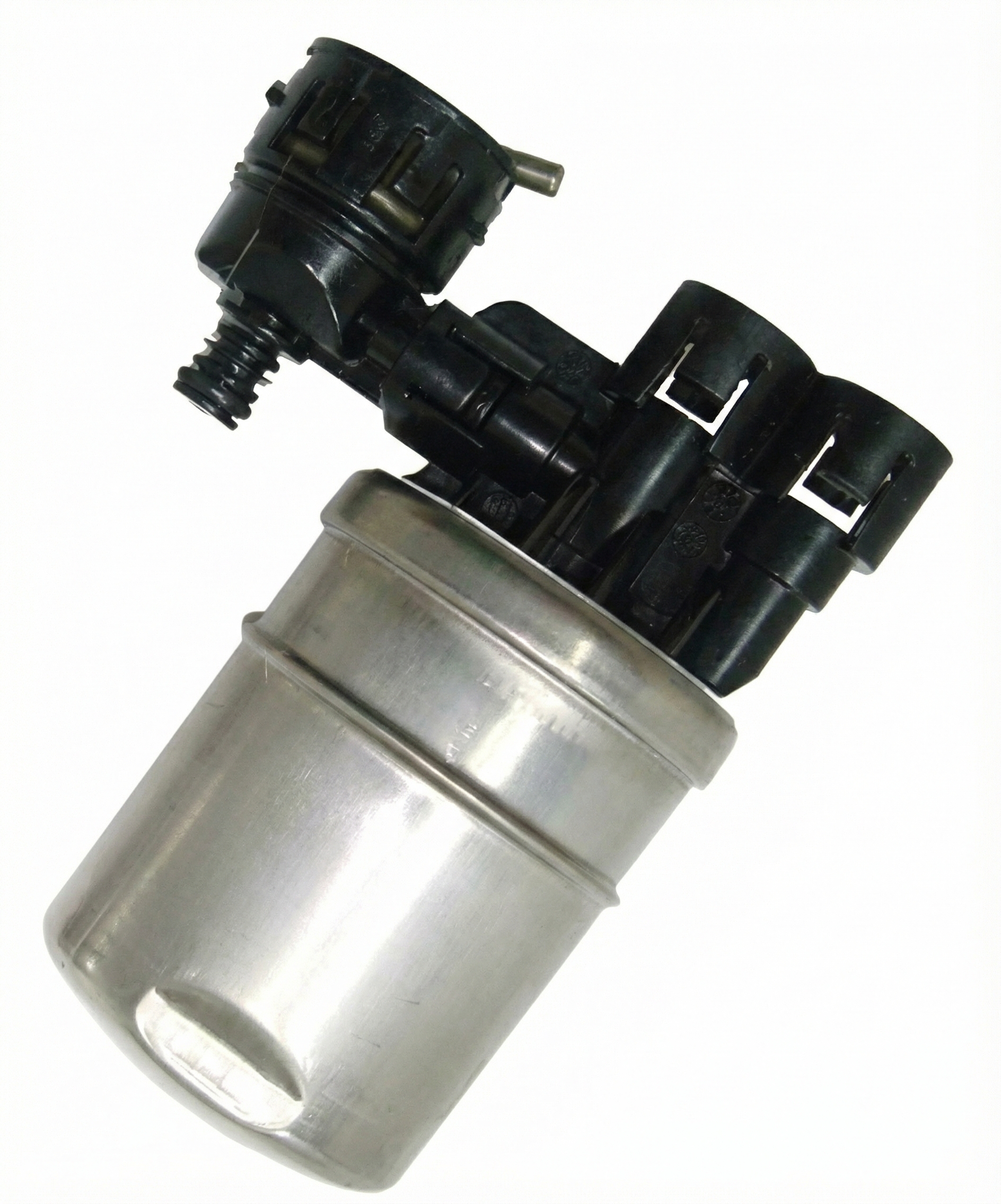
Aftermarket price range: $25-$45 - Vapor Canister Vent Valve / Solenoid
(OEM #25932571 (ACDelco #214-2149))— This valve, located at the rear of the vehicle, often fails due to exposure to the elements, preventing the EVAP system from sealing for its test. Often associated with code P0449.
Trusted brands: ACDelco, Dorman (911-062), Standard Motor Products (CVS114)
OEM price range: $50-$80
Aftermarket price range: $30-$60
Related Codes That Often Appear With This One
- P0455 — A large leak (P0455) might be fixed (like a very loose gas cap), revealing a smaller, secondary leak (P0442) that was also present.
- P0449 — This code points specifically to an electrical circuit fault in the EVAP vent valve. A failing vent valve can also cause a mechanical leak, triggering P0442. They are very commonly seen together.
- P0496 — This code indicates fuel vapor flow when it's not commanded, which almost always points to a faulty purge valve stuck open. A stuck-open purge valve can also be interpreted by the system as a small leak, triggering P0442.
Technical Service Bulletins (TSBs) & Recalls
- PIT4943D: Advises technicians to use an evaporative emissions system tester (smoke machine) to diagnose a P0442 code. It further clarifies that if smoke testing doesn't find a leak, the system should be put under vacuum with a scan tool to check for vacuum decay, as some leaks only manifest under negative pressure.
Platform-Specific Known Issues
- A Technical Service Bulletin (TSB #PIT4943D) was issued for the 2006 Saturn RELAY (and related models) for code P0442. It directs technicians to use a specific evaporative emissions system tester (smoke machine) to properly diagnose the leak, highlighting that the source may not be immediately obvious. The TSB also mentions that if a smoke test reveals no leak, a vacuum decay test should be performed, as some leaks only appear under vacuum.
- The location of the vent solenoid on top of the fuel tank makes it particularly vulnerable to corrosion from road salt and moisture, a common issue for the Relay and its platform mates. This can lead to cracks in the valve's plastic housing.
- Rust on the fuel filler neck is a notable problem in regions that use road salt, preventing the gas cap from sealing correctly and causing a persistent P0442 even after the cap is replaced.
Mechanic-Grade Diagnostic Values
- Fuel Tank Pressure (FTP) Sensor Voltage, system at rest (vented) — expected: Approximately 1.5 Volts. Failure: Voltage significantly different from 1.5V with the system open to atmosphere may indicate a faulty sensor.
- EVAP Purge/Vent Solenoid Coil Resistance — expected: 15 to 30 Ohms. Failure: A reading far outside this range indicates a damaged internal electrical circuit in the solenoid, requiring replacement.
Scan Tool Commands That Help
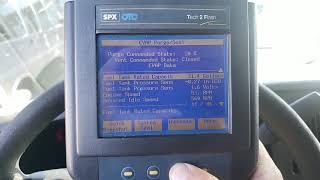
- Tech2 / Professional Bidirectional Scanner: EVAP Purge and Seal — This is a critical function to verify a leak is present or to confirm a repair. The command closes the vent solenoid and then opens the purge solenoid to draw a vacuum on the tank. After sealing the system, the scan tool monitors the Fuel Tank Pressure sensor voltage. If the voltage (vacuum) holds steady, the system is sealed. If it decays rapidly back to 1.5V, a leak is still present.
- Tech2 / Professional Bidirectional Scanner: EVAP Vent Solenoid Control — Used to command the vent solenoid on and off to confirm it is working. An audible click should be heard from the rear of the vehicle when the command is sent. This is useful for diagnosing a P0449 (vent circuit fault) or for checking the valve's basic function before a smoke test.
Wiring & Ground Locations
- EVAP Canister Vent Solenoid — Above the fuel tank.. This component is essential for sealing the system for the leak test. Its location makes it prone to damage and corrosion. A wiring diagram shows it is powered by the 'CNSTR/VENT FUSE 10A' in the underhood fuse block.
- EVAP Canister Purge Solenoid Valve — On the top rear of the engine (for 3.9L V6 in 2007 models).. A failure of this valve can cause the P0442 code. Knowing its location is key for testing and replacement.
- G301 — On the lower left 'B' pillar.. This is a major body ground point. While not directly tied to the EVAP system in the diagrams, a poor ground here could cause a variety of seemingly unrelated electrical issues that might affect sensor readings or component functions.
- Fuel Tank Pressure Sensor — Top of the fuel tank, part of the fuel pump & sender assembly.. This sensor provides the crucial pressure/vacuum readings to the ECM to determine if a leak exists. A faulty sensor or a bad seal where it mounts can cause or mimic a P0442 leak.
Real Owner Repair Stories
- Reddit user on r/AskMechanics (2004 Saturn Ion (shares similar GM EVAP system design)) — Persistent P0442 code, CEL was annoying.
❌ Tried (didn't work) Gas cap replaced multiple times, Purge valve solenoid replaced, Vent valve/filter near tank replaced, Multiple smoke tests that found no leak
✅ What actually fixed it The user's story highlights a common frustration where all standard fixes fail and even smoke tests come back clean. While the user did not post a final fix, the thread's advice centered on overlooked items like a hairline crack in the fuel filler neck or a faulty fuel tank seal, which are common culprits when smoke tests are inconclusive.
"I Checked Everything" — The Actual Cause
- In cases where a smoke test passes but the P0442 code returns, the issue is often an intermittent failure of a component under specific operating conditions. The most likely cause is a purge or vent valve that is not leaking at rest (during the smoke test) but fails to seal completely when commanded by the computer during a drive cycle. The TSB for the Relay specifically mentions performing a vacuum decay test if a smoke test reveals no leak, as some leaks only manifest under vacuum.
OEM Part Supersession History
Not specified→25932571 (ACDelco #214-2149)— Standard component lifecycle and potential design improvements.
Heads up: The ACDelco part 214-2149 is the widely accepted replacement for the original vent valve solenoid on this platform. Aftermarket equivalents like Dorman 911-062 are also available.
Model Year Variations Within This Range
- 2005 vs 2007: Wiring diagrams show slight differences in fuse designations for the EVAP system. For the 2005 3.5L engine, the fuse is labeled 'CNSTR/VENT FUSE 10A'. For the 2007 3.9L engine, it is 'CNSTR/VENT FUSE 19 10A'. This is a minor change but important for electrical diagnostics.
Helpful Videos
![How to Fix P0442 Engine Code in 7 Minutes [6 DIY Methods / Under $3.67]](https://img.youtube.com/vi/KISPTedKJmQ/mqdefault.jpg)

Used OEM Parts in Stock
New Aftermarket Parts Available


The information in this article is provided for general reference and educational purposes only. Vehicle specifications, procedures, and part compatibility can vary by production date, trim level, and region. Always consult your vehicle's factory service manual and verify part numbers before purchasing or performing repairs. Safety-critical components such as airbags, seat belts, and braking systems should be installed by a qualified professional.
- Saturn RELAY:
- 🎬 Helpful Videos
- 🛍️ Shop This Part
- What's Unique About the 2005-2007 Saturn RELAY
- Diagnostic Flowchart
- Symptoms You May Notice
- Most Likely Causes
- Rare But Worth Checking
- Diagnosis Steps
- Parts You'll Likely Need
- Related Codes That Often Appear With This One
- Technical Service Bulletins (TSBs) & Recalls
- Platform-Specific Known Issues
- Mechanic-Grade Diagnostic Values
- Scan Tool Commands That Help
- Wiring & Ground Locations
- Real Owner Repair Stories
- "I Checked Everything" — The Actual Cause
- OEM Part Supersession History
- Model Year Variations Within This Range
- 🎟️ Get 5% Off