

P0442 on 2008-2009 Saturn Astra: EVAP Small Leak Causes and Fixes
For a 2008-2009 Saturn Astra, the P0442 code is most often caused by a loose or faulty gas cap. If tightening or replacing the cap doesn't work, the next likely causes are a faulty EVAP purge valve or a cracked EVAP hose. A new gas cap is under $30. In many cases, cleaning rust or debris from the fuel filler neck where the cap seals can resolve the issue without replacing parts.
- Always check the gas cap first for code P0442; ensure it's tight and the seal is intact. Replacing it is a cheap and very common fix.
- Do not replace parts randomly. The official GM procedure points towards using a smoke machine to find the exact source of the leak, which saves money in the long run.
- The most common symptoms are only the Check Engine Light and potentially a faint fuel odor; the car is safe to drive.
- If the gas cap isn't the issue, the EVAP purge valve (in the engine bay) and cracked EVAP hoses are the next most likely culprits.
What's Unique About the 2008-2009 Saturn ASTRA
The 2008-2009 Saturn Astra is a rebadged Opel Astra H from Europe. While the core EVAP system components are standard GM parts, their specific layout and part numbers can differ from other domestic GM vehicles of the same era. For example, the purge valve is shared with some Chevrolet Cruze and Sonic models. The official GM Technical Service Bulletin (TSB) for this issue, PIT4943D, doesn't point to a specific part but rather directs technicians to use a specialized EVAP tester (smoke machine) for diagnosis, reinforcing that a proper diagnostic procedure is necessary to find the leak.
Diagnostic Flowchart
Tap your situation to follow the diagnostic path that matches what you're seeing on this vehicle.
Symptoms You May Notice
- Check Engine Light is on
- A faint fuel smell, especially when parked in an enclosed space like a garage.
- Possible failure to pass an emissions inspection.
- Difficulty starting the engine or a long crank time immediately after refueling (classic symptom of a stuck-open purge valve).
- Slight decrease in fuel economy.
- Replacing the purge or vent valve without performing a smoke test first. The leak is often a simple cracked hose or bad gas cap, and replacing more expensive components unnecessarily is common.
- Replacing the gas cap but failing to clean rust and debris from the fuel filler neck, causing the new cap to also seal improperly.
Most Likely Causes
- Loose or Faulty Gas Cap 🔴 High Probability The gas cap seal is the most frequently used seal in the EVAP system and naturally wears out, cracks, or hardens over time, preventing a proper seal. Using an incorrect or cheap aftermarket cap is a very common reason for the code to persist after replacement.
How to confirm: First, ensure the cap is tightened until it clicks several times. Remove the cap and visually inspect the rubber O-ring for cracks, stiffness, or damage. If the seal is compromised or the cap doesn't click, it's faulty. Many owners report that aftermarket caps fail to seal properly, so sticking with an OEM cap is recommended.
Typical fix: Replace the gas cap with a new, OEM-quality part. Clean the fuel filler neck sealing surface before installing the new cap.
Est. part cost: $15-$30 - Faulty EVAP Canister Purge Valve/Solenoid 🟡 Medium Probability This valve controls the flow of vapors to the engine and can get stuck slightly open, creating a small, constant leak that the system detects during its self-test. This is a common failure item on GM vehicles that share this 1.8L engine, including the Chevrolet Cruze.
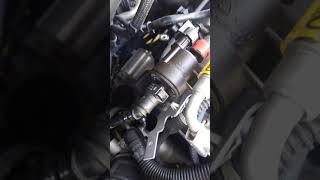
How to confirm: The purge valve is located in the engine bay. A classic symptom is difficulty starting after refueling. 🎬 Watch: How to replace the purge valve on this 1.8L engine. To test, disconnect the valve with the engine off and try to blow through it; if air passes, it's stuck open and faulty. A scan tool can command the valve to cycle, and a mechanic can listen for a clicking sound. A P0496 code often appears alongside P0442 when this valve is the culprit.
Typical fix: Replace the EVAP purge valve solenoid.
Est. part cost: $40-$100 - Cracked or Disconnected EVAP Hoses 🟡 Medium Probability The plastic and rubber hoses that make up the EVAP system can become brittle with age and exposure to heat and elements, leading to small cracks or loose connections, especially at rubber elbows.
How to confirm: A visual inspection may reveal obvious cracks or disconnections. Bending the hoses slightly can sometimes reveal hidden cracks. However, the most reliable method is a smoke test, which involves injecting pressurized smoke into the EVAP system and looking for where it escapes.
Typical fix: Replace the specific cracked hose or re-secure the connection.
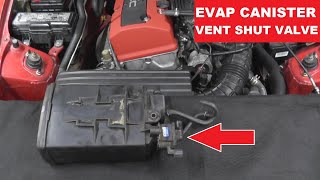
Est. part cost: $10-$50 - Faulty EVAP Vent Valve/Solenoid ⚪ Low Probability Located near the charcoal canister by the fuel tank, this valve allows fresh air into the system. It can fail to close properly during the system's leak test due to dirt, debris, or internal failure from its exposed location under the car.
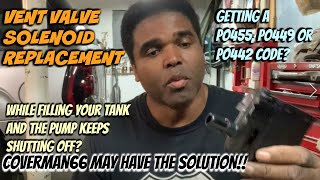
How to confirm: A scan tool can command the valve to close during a smoke test. If smoke exits from the vent valve, it has failed to seal and needs replacement. A P0449 code often points directly to this component. 🎬 See this walkthrough for replacing the vent valve solenoid.
Typical fix: Replace the EVAP vent valve solenoid.
Est. part cost: $35-$65
Rare But Worth Checking
- Cracked Charcoal Canister: The canister itself can develop hairline cracks from road debris impact or age, creating a leak that is very difficult to find without a smoke test.
- Rusted Fuel Filler Neck: The metal pipe leading to the gas tank can rust, creating a rough or bumpy surface that prevents the gas cap from sealing properly, even if the cap itself is new. Several Saturn owners in forums have fixed a persistent P0442 by sanding the filler neck smooth.
Diagnosis Steps
- Check the gas cap. Remove it, inspect the seal for cracks, and reinstall it, ensuring it clicks multiple times. Clear the code and drive for a few days to see if it returns.
- Inspect and clean the fuel filler neck. Use a rag and possibly a mild abrasive like a Scotch-Brite pad or wire brush to clean any rust or debris from the surface where the gas cap gasket seals.
- If the light returns, replace the gas cap with a new OEM-spec part. This is the cheapest and most common fix.
- Perform a thorough visual inspection of all accessible EVAP hoses in the engine bay and under the vehicle near the fuel tank. Look for any visible cracks, damage, or loose connections.
- If you experience hard starting after refueling, the purge valve is highly suspect. Test it by removing it and attempting to blow through it; if air passes, it is faulty.
- If no obvious issues are found, the most effective next step is to have a smoke test performed. This test fills the EVAP system with a harmless, visible smoke under low pressure.
- While the smoke test is running, observe all hoses, the purge valve, the vent valve, the charcoal canister, and the fuel tank/filler neck for any signs of escaping smoke.
- The vent valve can be tested by commanding it closed with a scan tool during the smoke test to ensure it seals properly. If smoke exits, it has failed.
Parts You'll Likely Need
- Fuel Tank Cap
(OEM #ACDelco GT296 (GM 15903413))— This is the most common failure point for a P0442 code, as the seal wears out over time. It's the first and cheapest part to replace. 🎬 Watch: A quick guide to fixing small EVAP leaks. Forum users strongly recommend an OEM cap over aftermarket options.
Trusted brands: ACDelco, Stant
OEM price range: $20-$30
Aftermarket price range: $15-$25 - Vapor Canister Purge Valve / Solenoid
(OEM #55574240 (Supersedes 55354478))— A common cause of small leaks when it fails to close completely. Often accompanied by code P0496 and hard starting after refueling. This part is also used on the 1.8L Chevy Cruze and Sonic.
Trusted brands: ACDelco, Dorman, Bosch
OEM price range: $90-$110
Aftermarket price range: $40-$70 - Vapor Canister Vent Solenoid
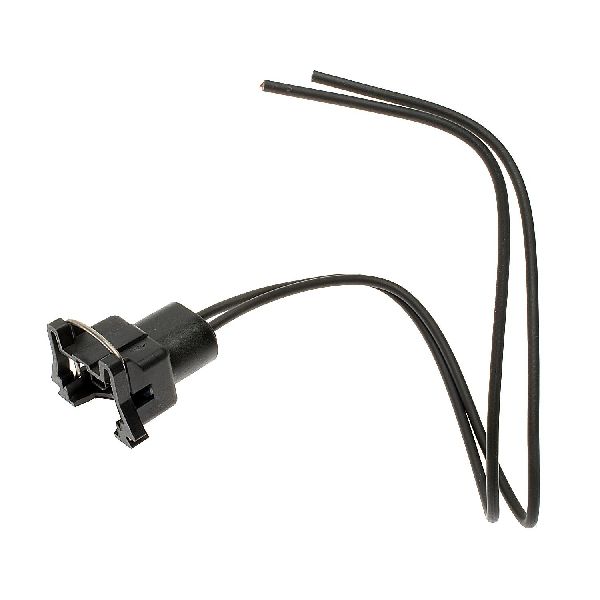
(OEM #13575701)— This valve can get stuck or fail to seal due to its exposure to road debris and moisture, causing a leak during the EVAP system self-test.
Trusted brands: ACDelco, Dorman
OEM price range: $35-$50
Aftermarket price range: $25-$40
Related Codes That Often Appear With This One
- P0455 — Indicates a large EVAP leak. If a small leak (P0442) worsens, or if the gas cap is left off entirely, it can trigger a large leak code.
- P0496 — Indicates incorrect purge flow, often pointing directly to a faulty purge solenoid that is stuck open. This is a very common companion code and strongly suggests the purge valve is the culprit.
- P0449 — Indicates a fault in the EVAP vent valve circuit. If this code is present with P0442, it points directly to a problem with the vent valve or its wiring.
Technical Service Bulletins (TSBs) & Recalls
- PIT4943D: Mentions that for a P0442 code, technicians should refer to a Techlink article about using an Evaporative Emissions System Tester (smoke machine) for proper diagnosis, indicating no single part is the default culprit. This reinforces that a systematic search for the leak is required.
Platform-Specific Known Issues
- Persistent P0442 Due to Rusted Fuel Filler Neck: A recurring theme in Saturn forums is the P0442 code being caused by a corroded or dirty fuel filler neck, which prevents even a new gas cap from sealing. One owner on SaturnFans.com reported that after replacing the cap didn't work, cleaning the 'dirty and bumpy feeling' filler neck until it was smooth finally made the check engine light turn off. Another user with a similar issue was advised to sand the neck smooth to fix the sealing problem.
- Purge Valve Failure Causing P0442 and P0496: On platform mates like the Chevy Cruze with the same 1.8L engine, a faulty purge valve is a textbook cause for both P0442 and P0496 codes, often accompanied by stalling or hard starting after refueling.
Mechanic-Grade Diagnostic Values
- EVAP Vent Valve Solenoid Power Supply — expected: Battery voltage (approx. 12V) at one of the connector's two terminals with the ignition key in the 'ON' position (engine off).. Failure: No voltage indicates a wiring issue, blown fuse, or problem with the power supply from the ECM/fuse box.
Scan Tool Commands That Help
- GM Tech2 / GDS2 (or equivalent professional scanner): EVAP Service Bay Test — Use this function to force the vehicle's onboard EVAP leak test to run in the service bay, verifying a repair or confirming a leak without needing a full drive cycle. This is especially useful after a repair to confirm the fix and turn off the Check Engine Light. The test requires specific preconditions: fuel level between 15-85% and engine coolant temperature below 158°F (70°C). The scanner will command the vent and purge valves to seal the system and monitor for pressure changes.
Real Owner Repair Stories
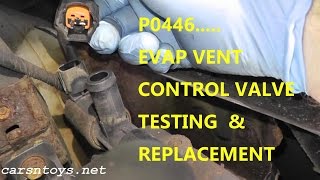
- YouTube video from a professional mechanic (2008 Saturn Astra 1.8L) — Check Engine Light with code P0446 (EVAP Vent System Performance). This code is often related to P0442 as it involves the system's ability to seal and vent.
❌ Tried (didn't work) Replacing the EVAP vent solenoid., Performing a smoke test, which showed no leaks., Testing the EVAP purge solenoid, which functioned correctly.
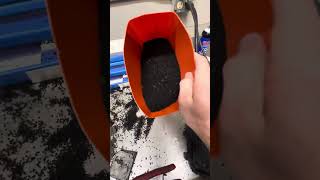
✅ What actually fixed it The mechanic cut open the original charcoal canister and discovered the activated charcoal pellets inside had clumped together into a solid, restrictive mass. This blockage prevented the EVAP system from venting properly, causing the pressure sensor to detect an incorrect vacuum level during the purge cycle, triggering the P0446 code. Replacing the entire charcoal canister resolved the issue.
"I Checked Everything" — The Actual Cause
- On a 2008 Saturn Astra, a P0446 code (related to P0442) persisted even after a smoke test passed with no leaks found. The root cause was discovered to be an internally clogged charcoal canister. The charcoal media had solidified, creating a restriction that a smoke test cannot detect. The fix was replacing the canister.
Helpful Videos
We Have This Part in Stock




The information in this article is provided for general reference and educational purposes only. Vehicle specifications, procedures, and part compatibility can vary by production date, trim level, and region. Always consult your vehicle's factory service manual and verify part numbers before purchasing or performing repairs. Safety-critical components such as airbags, seat belts, and braking systems should be installed by a qualified professional.
- Saturn ASTRA:
- 🎬 Helpful Videos
- 🛍️ Shop This Part
- What's Unique About the 2008-2009 Saturn ASTRA
- Diagnostic Flowchart
- Symptoms You May Notice
- Most Likely Causes
- Rare But Worth Checking
- Diagnosis Steps
- Parts You'll Likely Need
- Related Codes That Often Appear With This One
- Technical Service Bulletins (TSBs) & Recalls
- Platform-Specific Known Issues
- Mechanic-Grade Diagnostic Values
- Scan Tool Commands That Help
- Real Owner Repair Stories
- "I Checked Everything" — The Actual Cause
- 🎟️ Get 5% Off